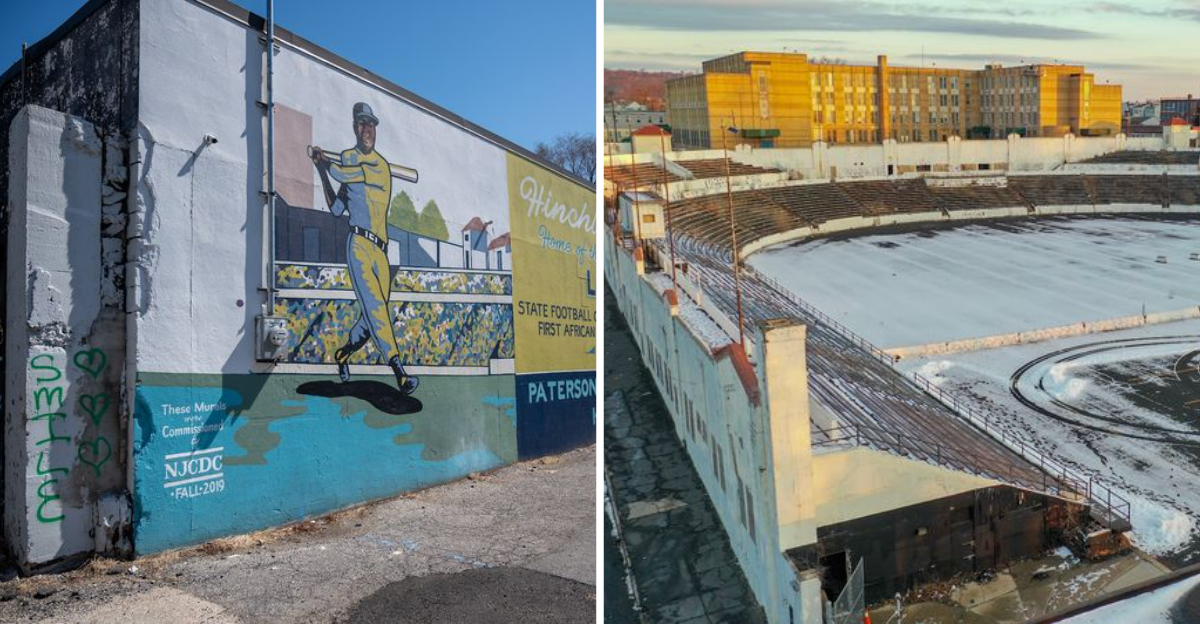
Feel that breeze off the New Jersey cliff.
This Art Deco giant rose during the Great Depression, when jobs were scarce but ambition wasn’t.
It hosted NFL champions, Negro League baseball, and even sprint car races roaring around the track as concrete arches soared over thousands of cheering fans.
Then came graffiti, vandals, and a close call with a parking lot proposal, but the community fought back.
Now beautifully restored, it stands as a National Historic Landmark.
Not bad for a stadium built on a hill during hard times, right?
Born From the Great Depression: The Origin Story of Hinchliffe Stadium
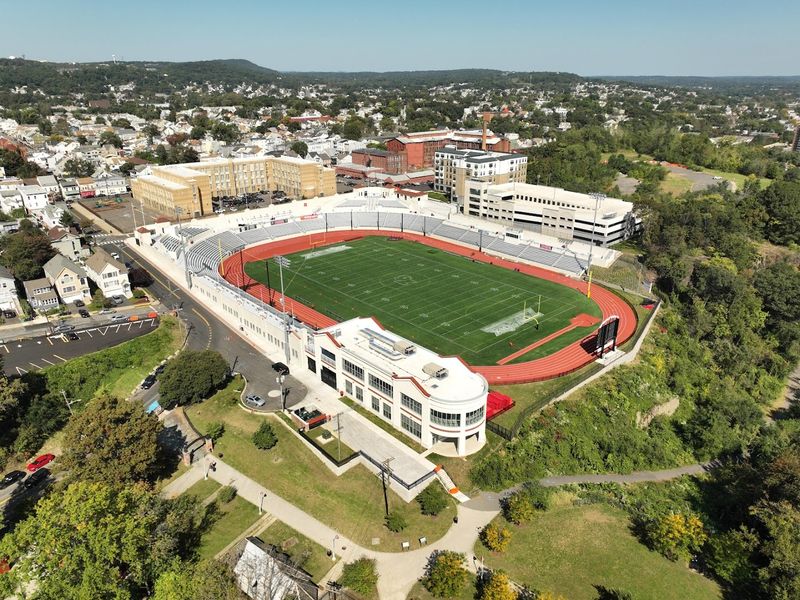
Few buildings carry the weight of their era quite like this one does. Hinchliffe Stadium was officially dedicated in 1932, right in the thick of the Great Depression, when jobs were scarce and communities desperately needed something to rally around.
Mayor John V. Hinchliffe pushed hard for the project, treating it as a public works effort that would put Paterson residents to work while creating a shared gathering space for the city.
That combination of practical necessity and civic pride is baked into every corner of the structure. It was not just built to host games.
It was built to give people purpose during one of the hardest stretches in American history.
Walking through the entrance today, that backstory hits differently. You can almost feel the determination of the workers who poured the concrete and set the tiles.
The stadium stands as proof that even in desperate times, communities can build something genuinely beautiful and lasting. That is a powerful thing to stand inside.
Art Deco Brilliance: The Architecture That Makes This Stadium Unforgettable
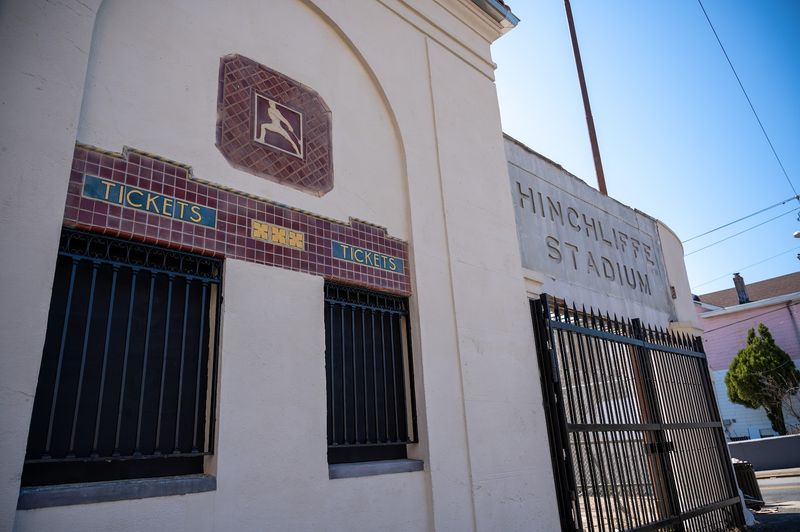
The moment the stadium comes into view, the architecture does all the talking. Architect John Shaw of Fanning and Shaw designed an open-air, oval-shaped concrete structure that pulls from the amphitheater traditions of the 1920s stadium movement.
The white concrete walls are striking on their own, but paired with the red terracotta roof tiles and five gabled towers above the ticket windows, the whole thing feels like a celebration frozen in stone.
Decorative tiles on the exterior depict stylized Olympic athletes, giving the building a sense of energy even when no event is happening.
Bronze and cement reliefs created by Paterson sculptor Gaetano Federici add another layer of artistry that most stadiums simply do not have.
Landscape planning by the Olmsted Brothers rounded out the vision, ensuring the surroundings complemented the structure itself. Every detail feels intentional.
This is not a building that happened by accident. It is a building that was genuinely cared about from the very first sketch to the final tile placement.
National Historic Landmark Status: Why the Federal Government Took Notice
In March 2013, Hinchliffe Stadium received the highest federal recognition a historic site can earn in the United States. The National Historic Landmark designation is not handed out casually.
It signals that a place holds exceptional value to the nation’s history, not just to a single city or state. For Hinchliffe, that recognition came with meaningful context.
The stadium is widely recognized as one of the last remaining Negro League baseball stadiums still standing in the country. It also holds the distinction of being the first National Historic Landmark specifically tied to honoring baseball.
Those are not small achievements.
On top of that, the stadium sits within the boundary of Paterson Great Falls National Historical Park, which expanded to include it in 2014. That makes it the only sporting venue inside a National Park boundary in the United States.
Standing here, you realize you are not just at a ballpark. You are at a site that the entire country has agreed deserves to be remembered and protected for future generations.
The Negro Leagues Legacy: Baseball History Lives Here
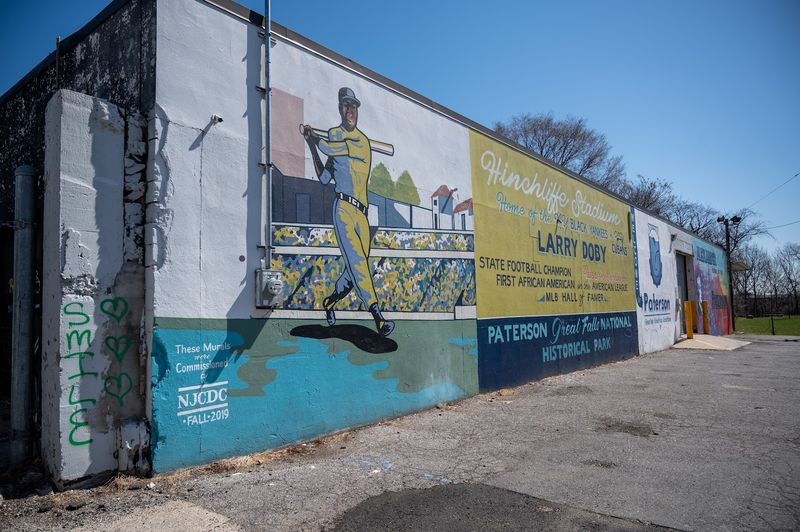
Some stadiums are just stadiums. This one is a chapter in a much bigger story.
Hinchliffe served as a home field for Negro League teams including the New York Black Yankees and the New York Cubans during the era of segregated American baseball.
The players who took the field here were among the most talented athletes of their generation, competing at the highest level despite being excluded from the major leagues.
Hall of Fame legends like Larry Doby, Josh Gibson, Oscar Charleston, and Cool Papa Bell all played here. Knowing that while you sit in the stands gives the whole experience a different kind of gravity.
These were not just games. They were statements of excellence made under deeply unfair circumstances.
The museum inside the stadium is dedicated to Negro Leagues baseball and civil rights, helping visitors connect those historical dots. A short film about the stadium’s history runs regularly and is absolutely worth catching before or after a game.
The past feels genuinely present here in a way that is hard to describe but easy to feel.
The $94 Million Restoration: How a Neglected Treasure Came Back to Life
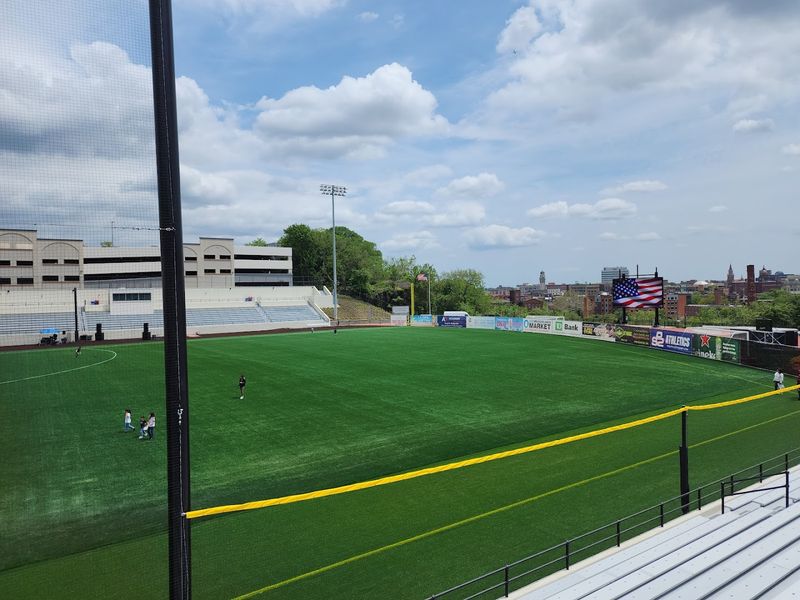
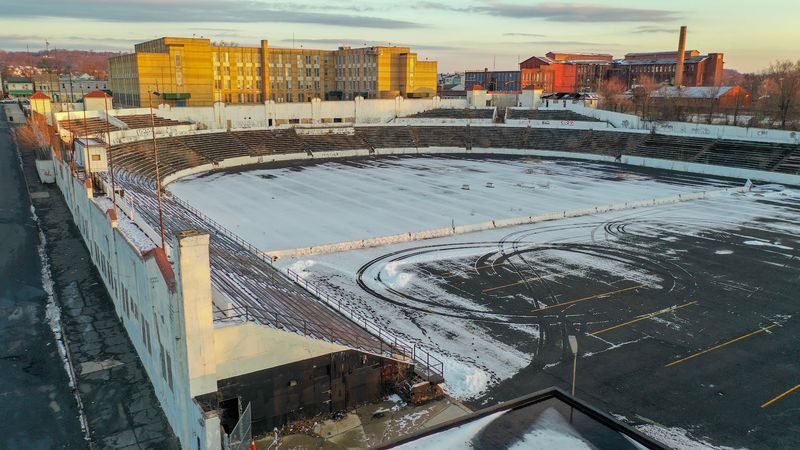
By 1996, Hinchliffe Stadium had gone quiet. Decades of neglect had taken a real toll, and the building that once buzzed with crowds and history sat dormant.
For years, its fate hung in the balance between preservation advocates and those who wanted to tear it down entirely. The fact that it survived that period is remarkable on its own.
The comeback story is just as compelling as the original construction. A $94 million restoration and upgrade project brought the stadium back to life, and it officially reopened in 2023.
The project was sweeping in scope, touching not just the stadium itself but the surrounding area with a senior housing development, a child-care facility, and a parking garage.
Stepping inside the restored building, there is a genuine sense of renewal. The bones of the original 1932 design are still visible and celebrated, while modern amenities make the experience comfortable for today’s visitors.
It is the kind of restoration that respects what came before while making room for what comes next. That balance is genuinely hard to pull off.
Game Day at the Stadium: Sports Are Back and the Energy Is Real
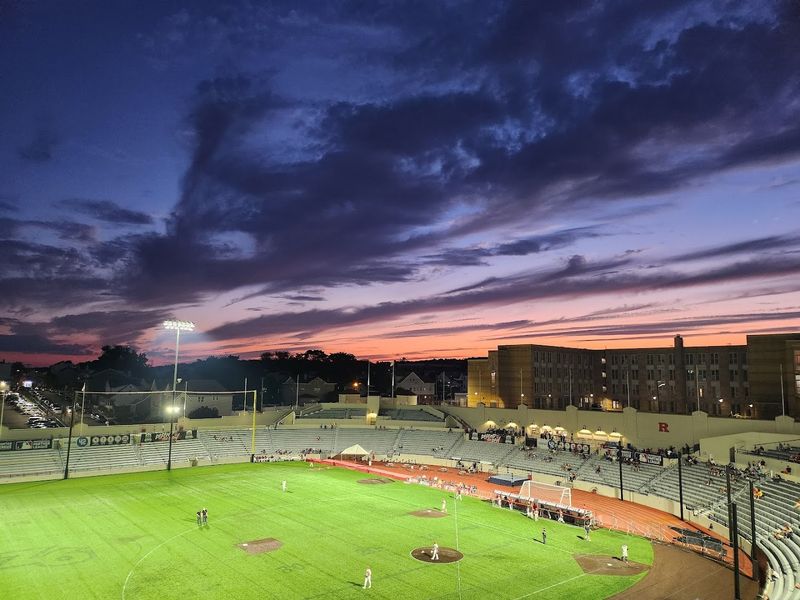
Going to a game here hits differently than your average minor league outing. The Frontier League’s New Jersey Jackals call this place home for baseball, and USL League One’s New York Cosmos bring soccer energy to the field as well.
High school games from Paterson’s schools also fill the calendar, giving the stadium a community heartbeat that professional venues sometimes lack.
The atmosphere has this layered quality that is hard to replicate. You are watching a live game in a place where legendary athletes once competed, surrounded by Art Deco details that remind you this field has seen a lot.
That combination makes even a regular Tuesday night game feel like an occasion.
Getting there early is a smart move. The museum inside is free with game admission and sets the tone perfectly before the first pitch or kickoff.
Parking is available in the garage right next to the stadium, which takes one logistical headache completely off the table. Bring a seat cushion if you plan to stay for the full game.
The bleachers are historic, not plush.
The Museum Inside the Walls: A Civil Rights Story Worth Exploring
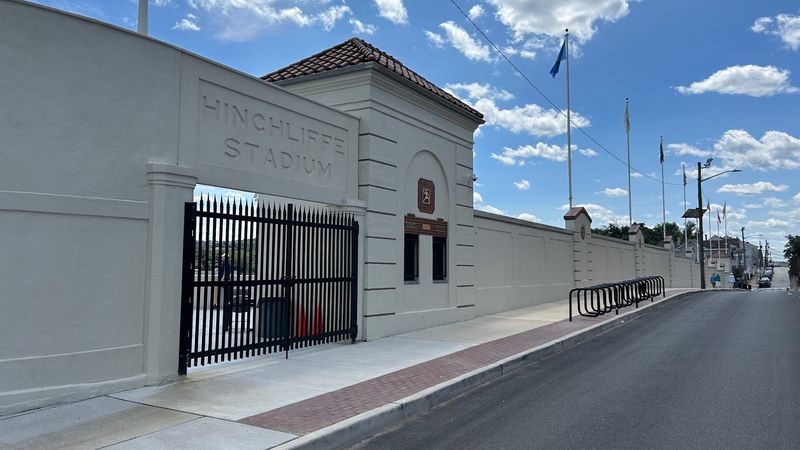
Most stadiums are purely about the sport happening on the field. Hinchliffe built something more thoughtful into its restoration.
The museum dedicated to Negro Leagues baseball and civil rights is tucked inside the stadium and is genuinely one of the best parts of any visit, whether or not a game is scheduled that day.
The exhibits trace the history of Black baseball in America, connecting the broader civil rights movement to the players and teams that called this field home. It is educational without feeling like homework.
The eight-minute film about the stadium’s full history is a great place to start if you are new to the story.
Families with kids especially seem to connect with this space. The displays are accessible and engaging without talking down to anyone.
Adults who think they already know the history of baseball often walk out having learned something genuinely new. That is the mark of a well-put-together museum.
Plan at least thirty minutes here, more if your group tends to linger over interesting things.
Planning Your Visit: What to Know Before You Go to Hinchliffe Stadium
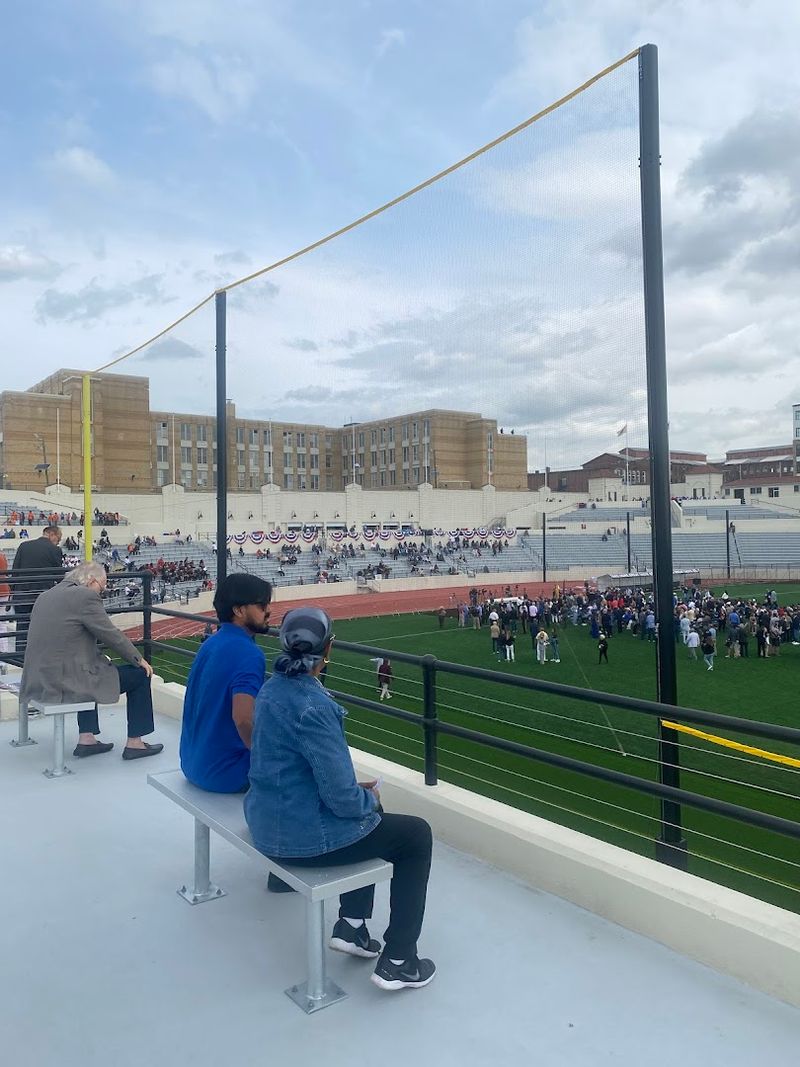
Showing up prepared makes a real difference here. The stadium is located at 186 Maple St in Paterson, and the parking garage right next door charges a flat fee that most visitors find reasonable.
Street parking is also available nearby for those willing to walk a short distance. Purchasing tickets online before arrival is strongly recommended since the ticket windows can get backed up on busy game days.
The stadium hosts a wide variety of events beyond baseball and soccer, including football games for Paterson’s high schools and community events throughout the year. Checking the official schedule at thehinchliffestadium.com before your trip ensures you know exactly what is happening during your visit.
The museum is open on game days and is free with event admission.
Comfortable shoes are a good idea since the stadium involves some walking and stair climbing. A seat cushion is worth tossing in a bag given the bleacher-style seating.
Most importantly, bring some curiosity. This is a place that rewards people who slow down and take it all in rather than just watching the scoreboard.
Address: 186 Maple St, Paterson, NJ
