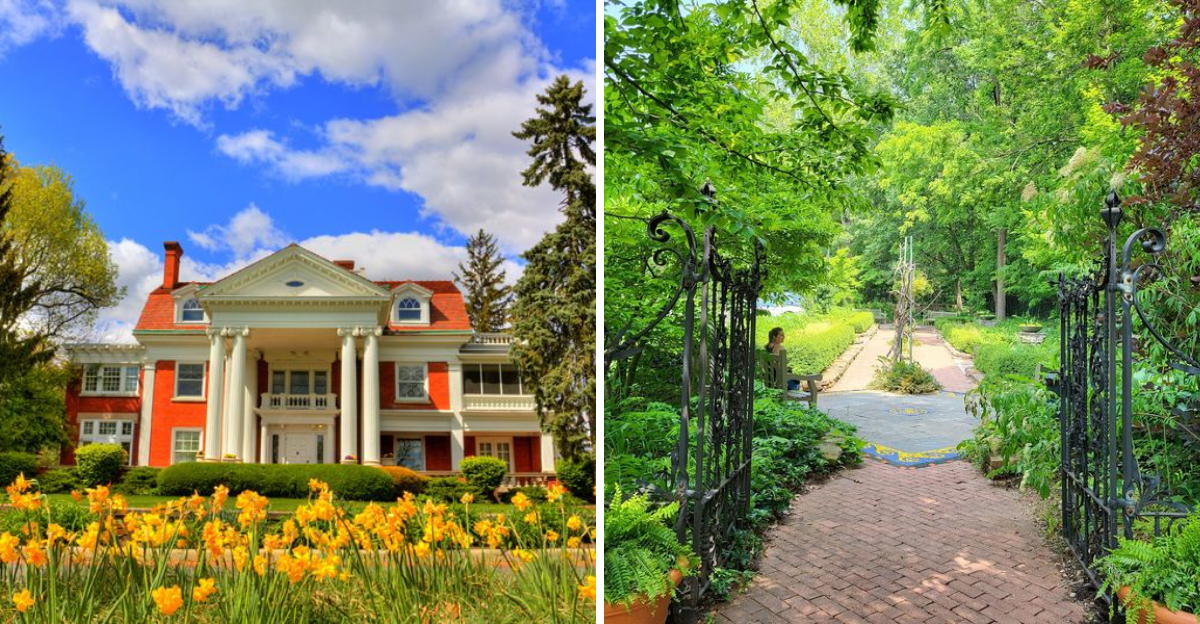
Most people pass right by Muncie, Indiana without realizing they are missing one of the region’s most quietly stunning natural spaces. A historic garden property along the White River corridor offers around 40 acres of landscaped grounds, walking paths, and preserved history; all open for free public enjoyment.
Originally developed in the late 19th century and later shaped by a prominent local family, the space carries a calm, timeless atmosphere that feels rare in an urban setting.
Visitors can wander through seasonal flower displays, shaded trails, and carefully maintained garden areas that attract butterflies, birds, and other native wildlife throughout the warmer months.
The mix of formal landscaping and natural beauty creates a setting that feels both refined and relaxed at the same time. It is the kind of place that invites slow walks, quiet reflection, and a break from everyday noise.
Whether you are seeking nature, history, or a peaceful outdoor escape, this garden delivers a consistently rewarding experience year-round.
A Rich Historical Legacy Rooted in the Ball Family Story
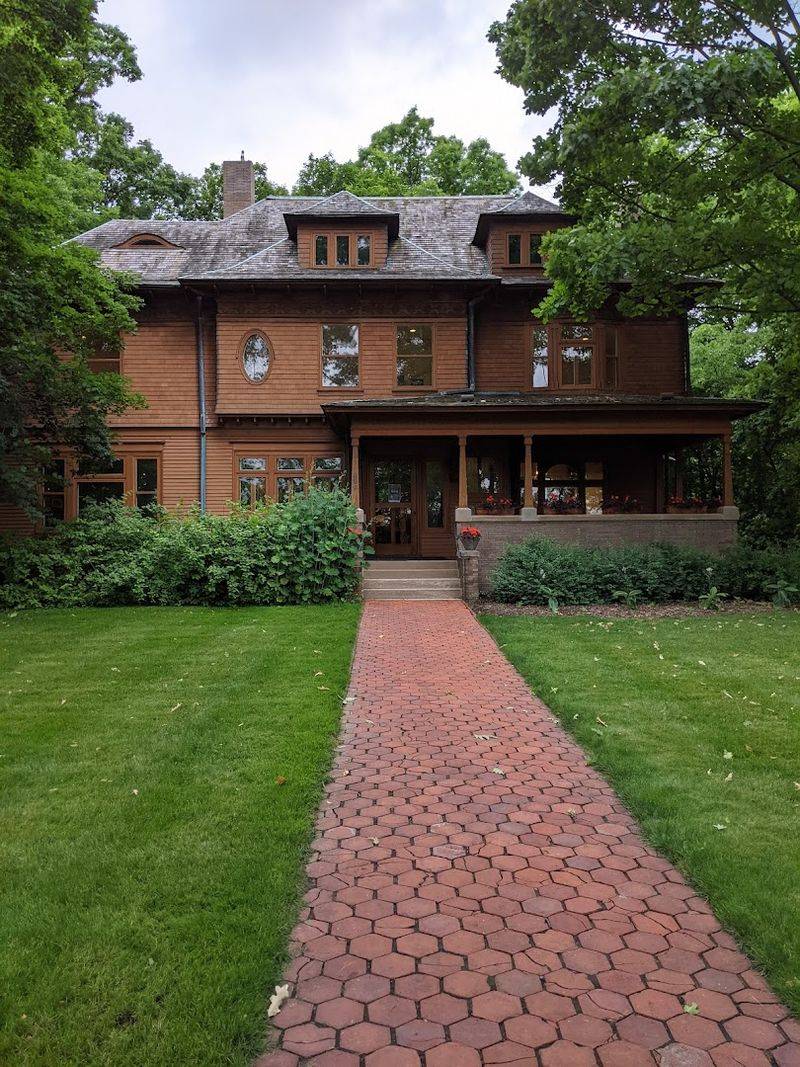
Few places carry history the way Oakhurst does. The estate was originally built in 1894 as the home of George, Frances, and Elisabeth Ball; members of the same Ball family behind the iconic Ball canning jars that still line pantry shelves across America.
That connection alone gives the property a kind of everyday-legend status that most historic sites simply cannot match.
Elisabeth Ball was the one who truly transformed the grounds. In the 1930s, she began shaping the gardens as both a personal sanctuary and a gift to the surrounding community in Muncie, Indiana.
She poured decades of thought and care into every corner of the property, and that intentionality still shows in the layout, the plantings, and the quiet flow of the walking paths.
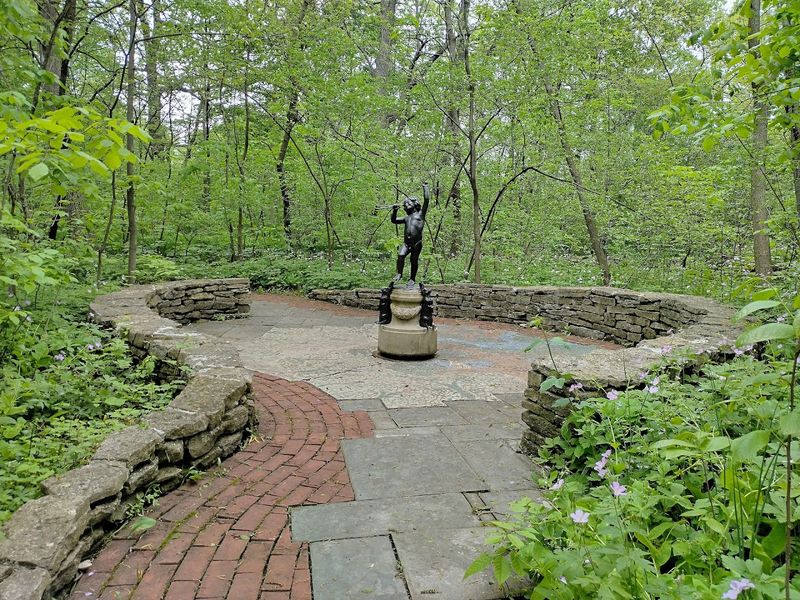
Stone walls that are over a century old still stand across the property. Intricate mosaics and handcrafted architectural details appear throughout the grounds, giving visitors the feeling of stepping into a place that was built to last.
You do not need to be a history enthusiast to feel moved by it. The weight of the past here is gentle, not heavy, and it makes every visit feel like a small act of discovery.
Come with time to wander and read the details embedded in the landscape.
Seven Distinct Themed Gardens Worth Exploring One by One
Not every garden destination gives you this kind of variety in one visit. Oakhurst Gardens features seven separate themed areas, each with its own personality and purpose.
You can move from one to the next and feel like you have traveled through completely different landscapes without ever leaving the property.
The Arts and Crafts-style Courtyard Garden has a structured, handcrafted charm. The Italian Garden draws the eye with classical symmetry and clean lines.
The Woodland Garden, which Elisabeth Ball herself described as a fairy domain, feels soft and sheltered under a canopy of old trees. The Orchard Garden grows actual fruits and vegetables during the summer months, making it one of the more surprising and grounded sections on the property.
Then there is the Rock Garden, which rewards slow walkers who notice texture and detail. The Butterfly Garden pulls in pollinators and gives photographers a reason to linger.
The Rain Garden rounds things out with a focus on natural stormwater management; a quietly educational feature that most visitors do not expect to find so visually appealing.
Each garden area connects to the others through winding paths, so the whole experience flows naturally rather than feeling like a checklist.
Plan to spend at least two hours if you want to do all seven sections justice and take everything in at a comfortable pace.
You Can Reach Real Stillness Along These Winding Trails
Some places promise peace and deliver noise. Oakhurst Gardens actually delivers.
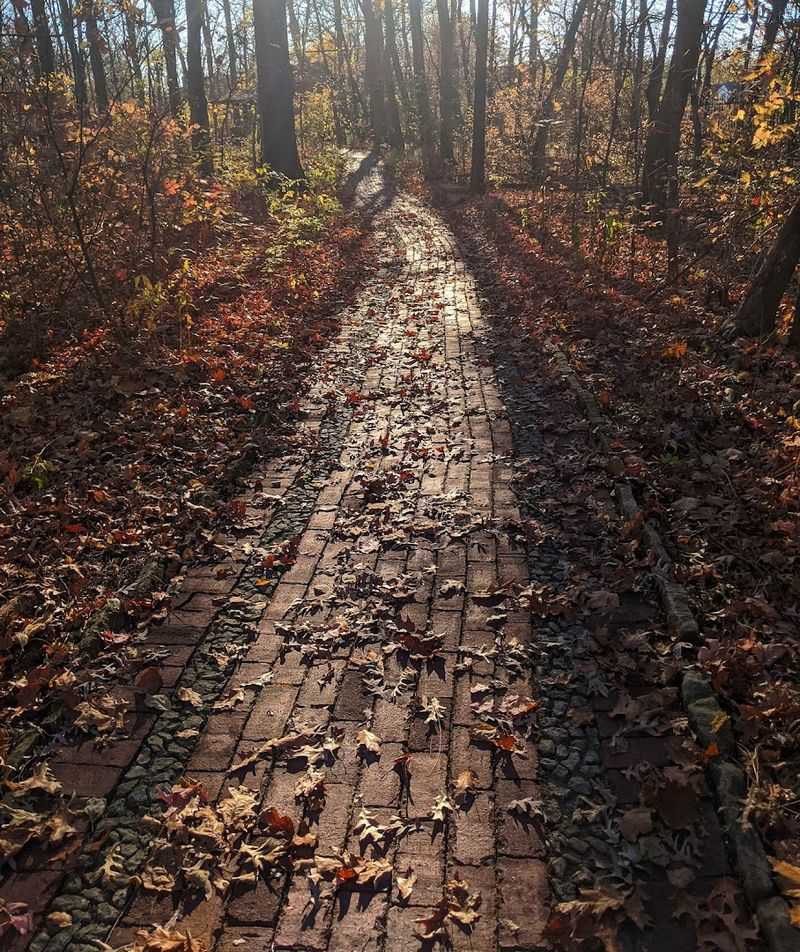
The winding walking trails here connect every garden section in a way that feels organic rather than forced. You rarely feel like you are following a marked route; instead, it feels like you are simply following your curiosity from one beautiful corner to the next.
The paths are manageable for families and are not overly strenuous. Benches appear at thoughtful intervals, giving you permission to sit, breathe, and take in whatever is blooming or rustling around you.
Towering oak trees provide shade across much of the trail system, which makes summer visits far more comfortable than you might expect from an outdoor space in Indiana.
What stands out most is how uncrowded the trails tend to be. Visitors who have come on Saturday afternoons in perfect weather have reported being surprised by how few other people were around.
That kind of solitude is increasingly hard to find in public spaces, and it makes the trails feel like something genuinely personal. You are not sharing a spectacle with a crowd; you are having your own quiet experience.
Bring comfortable shoes, leave your headphones behind, and let the sounds of birds and rustling leaves do the work. The trails here are short enough to finish easily but rich enough to make you want to loop back around for a second pass.
Come Watch the Butterfly Garden Come Alive With Pollinators
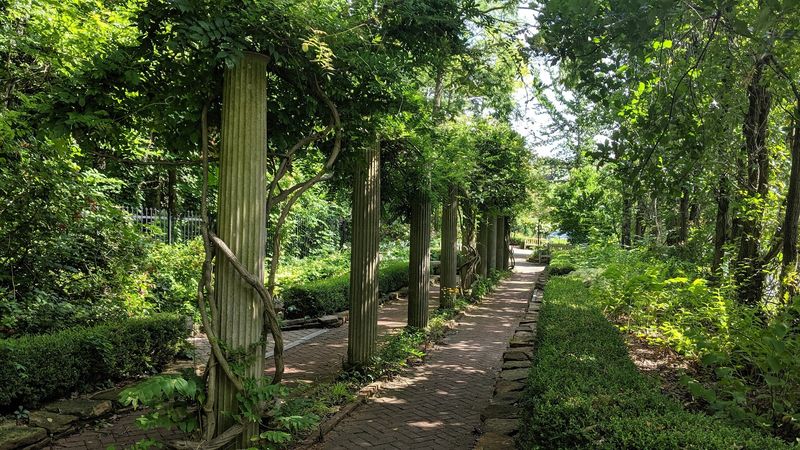
There is something genuinely joyful about standing in a garden designed specifically to attract wildlife and watching it actually work. The Butterfly Garden at Oakhurst Gardens does exactly that.
Planted with species chosen to draw in local pollinators, the area buzzes and flutters with activity during the warmer months in a way that feels almost theatrical.
Monarchs, swallowtails, and smaller native species move between the blooms with a kind of casual confidence. The garden is also part of a broader effort across the Minnetrista campus to represent and support Indiana native habitats.
That context gives the Butterfly Garden a purpose beyond beauty; it is functioning ecology that visitors get to observe up close without any barriers or glass between them and the action.
Kids tend to stop in their tracks here. Adults do too.
There is a particular kind of stillness that comes from watching a butterfly land nearby, and this garden creates that moment over and over again. The Bird and Butterfly Garden area also supports bird activity, so if you carry binoculars, bring them along.
Early morning visits tend to offer the most active wildlife sightings before foot traffic picks up. The whole section is a reminder that nature does not need to be remote or dramatic to be worth your full attention.
Sometimes it just needs a thoughtful planting plan and a little patience from the people visiting it.
Skip the Drive and Find Seasonal Beauty Changing Every Visit
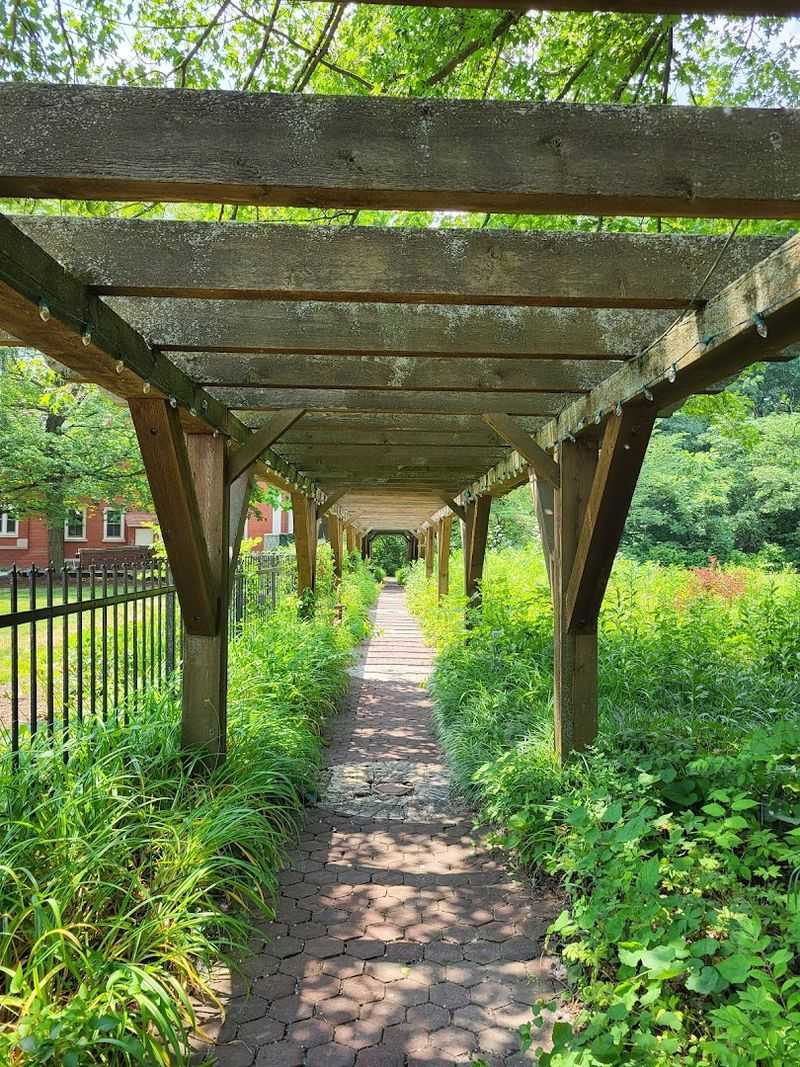
One visit to Oakhurst Gardens is genuinely not enough; and that is meant as a compliment. The grounds shift dramatically across the four seasons, giving repeat visitors a completely different experience each time they return.
Summer brings overflowing produce in the Orchard Garden and maximum butterfly activity. Fall layers the property in warm color as the towering oaks shift and the perennial beds wind down for the year.
Winter transforms the site in a different way. The holiday light displays that appear on the grounds during that season draw visitors who might not otherwise think of a garden as a winter destination.
Walking through a lit landscape along the White River corridor on a cold evening is a surprisingly moving experience. The architectural details; stone walls, mosaics, and handcrafted features; actually stand out more in winter when the foliage pulls back and lets the bones of the property show through.
Spring is arguably the most rewarding season for plant lovers. Early blooms push through before the canopy fills in, and the entire property has a freshness that feels earned after the cold months.
Each season rewards a slightly different kind of attention and a different pace. If you only visit once, you will leave with a beautiful memory.
But if you come back in a different season, you will realize the first visit only showed you part of the story. Mark your calendar for multiple trips and see how much changes each time.
Plan a Morning Around the Educational Programs at Minnetrista
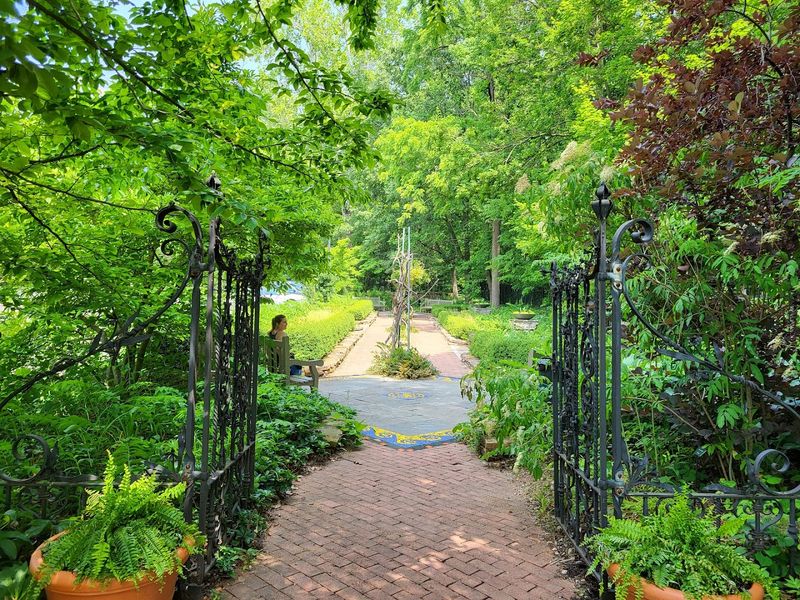
Most people think of Oakhurst Gardens as a place to walk and look. But the Minnetrista Cultural Center, which oversees the gardens, runs a robust calendar of programs that turn the entire property into something closer to a living classroom.
Workshops, guided tours, and community events are scheduled throughout the year and cover a wide range of topics.
Horticulture programs teach visitors about the plants growing on the property and how to apply those lessons at home. Historical tours connect the landscape to the Ball family’s story in ways that a self-guided walk alone cannot fully deliver.
Seasonal events bring the community together in the gardens and give families a reason to visit during times of year when they might otherwise stay indoors.
The educational angle here is not dry or lecture-heavy. The programs are built around the idea that the best way to learn about nature and history is to be standing inside it.
Children who might tune out a museum exhibit tend to engage more naturally when the subject matter is growing around them and they can touch, smell, and observe it directly. Checking the Minnetrista event calendar before your visit is worth a few minutes of your time.
You might find a workshop, a guided walk, or a community gathering that adds a whole new layer to an already rewarding visit.
Do Not Miss the White River Views Behind the Historic Grounds
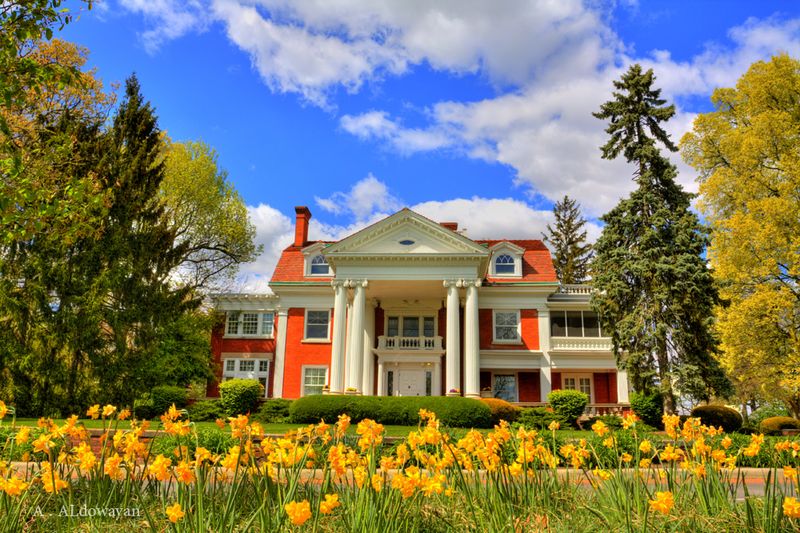
Most visitors focus on the gardens themselves and walk away without realizing that the property also sits along the White River corridor. That riverside setting adds a layer to the experience that photographs rarely capture.
The water is visible from parts of the property, and the surrounding natural landscape gives the gardens a sense of being embedded in something larger than themselves.
The wider Minnetrista campus includes a Nature Area with representations of Indiana native habitats; a tallgrass prairie, wetlands, and a woodland section.
These areas sit alongside the gardens and offer a different kind of natural experience for visitors who want to move beyond cultivated plantings into something wilder and more open.
The contrast between the carefully shaped garden spaces and the more natural habitat areas is one of the most interesting things about spending a full morning or afternoon on the campus.
Standing near the river and looking back at the historic estate gives you a perspective that reframes the whole property. You see how the gardens fit into the land rather than sitting on top of it.
Elisabeth Ball clearly understood this relationship when she was designing the grounds, and that sensitivity to the natural setting is part of what makes Oakhurst feel so different from a typical city park. The address is 1200 N Minnetrista Pkwy, Muncie, IN 47303, and the grounds are open daily.
Admission is free, which makes the White River views one of the best no-cost outdoor experiences in Indiana.
