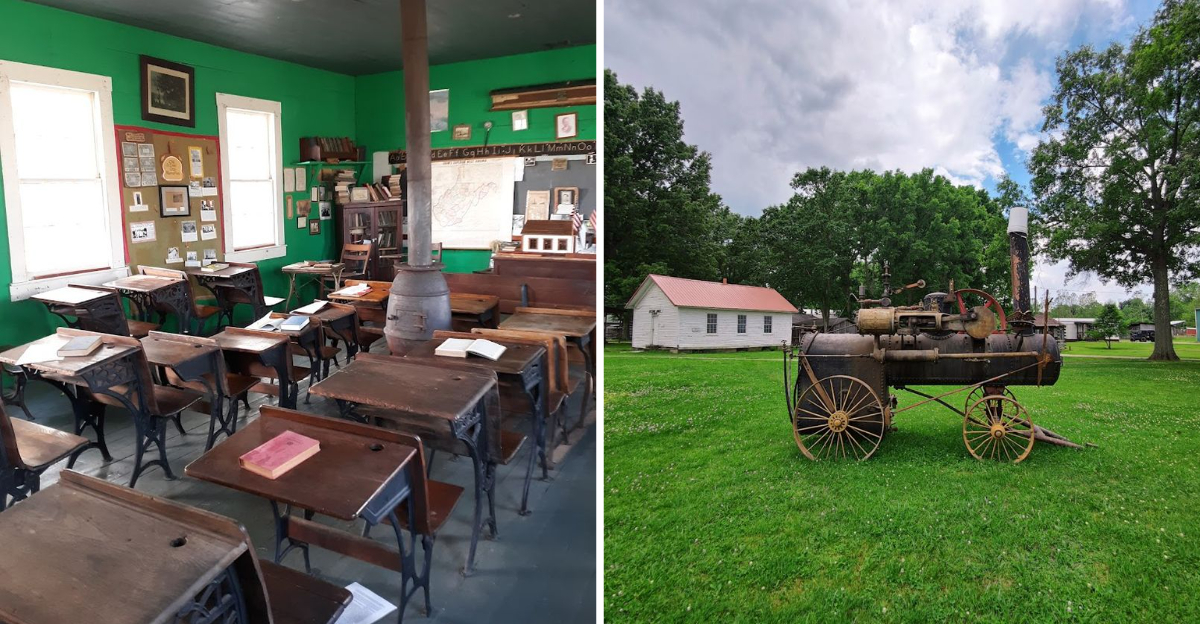
Step back in time without needing a DeLorean. This sprawling outdoor museum brings the 1800s to life in the most hands-on way imaginable.
You can actually watch blacksmiths hammering red-hot iron, see wool being spun into yarn, and wander through authentically restored log cabins that creak with history.
The best part?
Nothing is behind glass. You are invited to touch, explore, and truly experience how earlier generations lived, worked, and thrived.
Kids especially love the old-time schoolhouse and the chance to pump water from a well.
It feels less like a museum and more like stepping onto a living film set.
West Virginia has preserved its rural heritage with such care here, making it a delightful and educational escape for anyone curious about simpler times.
Step Back in Time Across 50 Acres of Living History
Walking through the front gate of this museum feels less like entering an exhibit and more like slipping through a crack in time.
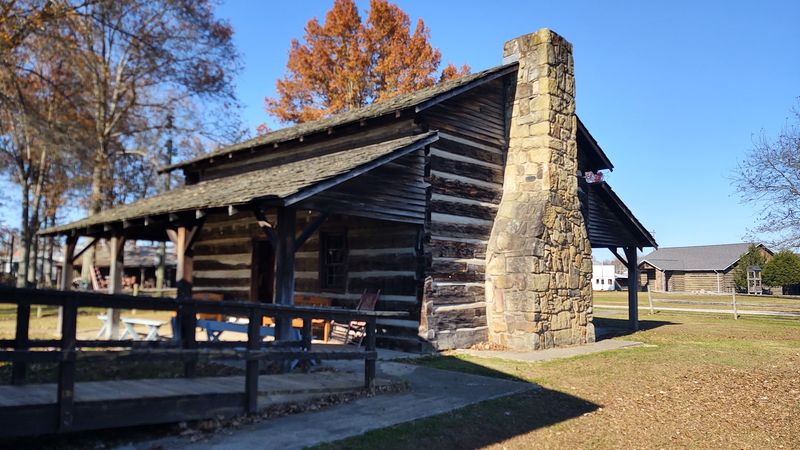
The West Virginia State Farm Museum spreads across a full 50 acres, giving visitors plenty of room to wander, explore, and genuinely absorb what rural life looked like in the 1800s.
With 31 to 32 reconstructed buildings on the grounds, there is always something new around the next bend. Four of those structures are original log buildings that were carefully relocated and rebuilt here, which adds a layer of authenticity you cannot fake with a replica.
The self-guided format means you move at your own pace. Spend twenty minutes in one building or two hours, nobody is rushing you.
That freedom makes the whole experience feel personal rather than scripted, and it is the kind of place where curious minds tend to linger far longer than they planned.
Log Cabins That Tell the Real Story of Pioneer Living
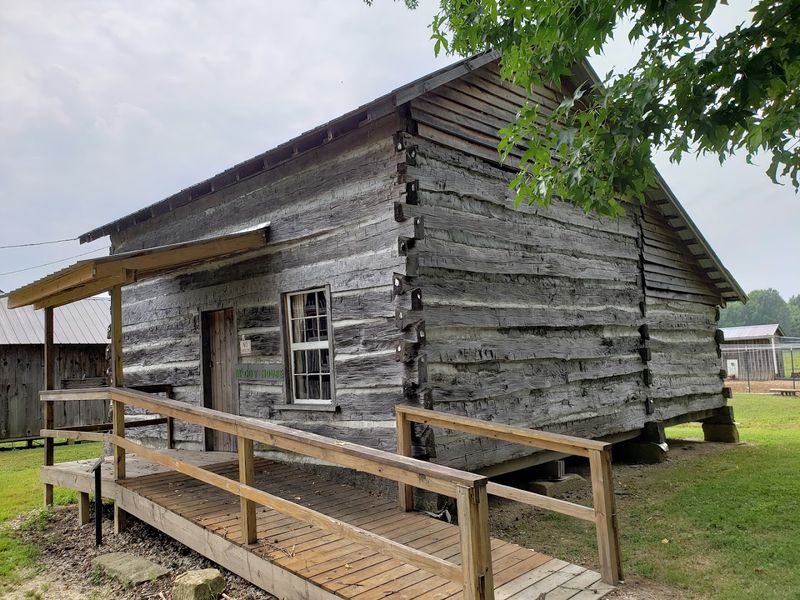
There is something quietly powerful about standing inside a log cabin that was built before your great-great-grandparents were born. The cabins at this museum are not decorative props.
They are honest, rough-hewn structures that show exactly how early settlers in West Virginia built their homes from whatever the land offered.
Inside, you will find period furnishings, tools, and household objects arranged to reflect daily domestic life. A cast iron pot near the hearth, a simple rope bed, a wooden cradle near the window.
These small details make the space feel lived-in rather than staged.
What stands out most is the scale. These cabins were genuinely small, and realizing that entire families shared that compact space reshapes your appreciation for both the resilience of pioneer families and the comforts of modern life.
It is one of those moments where history stops being a school subject and starts feeling real. Plan to spend a good chunk of time here.
The Blacksmith Shop Where Iron Meets Fire
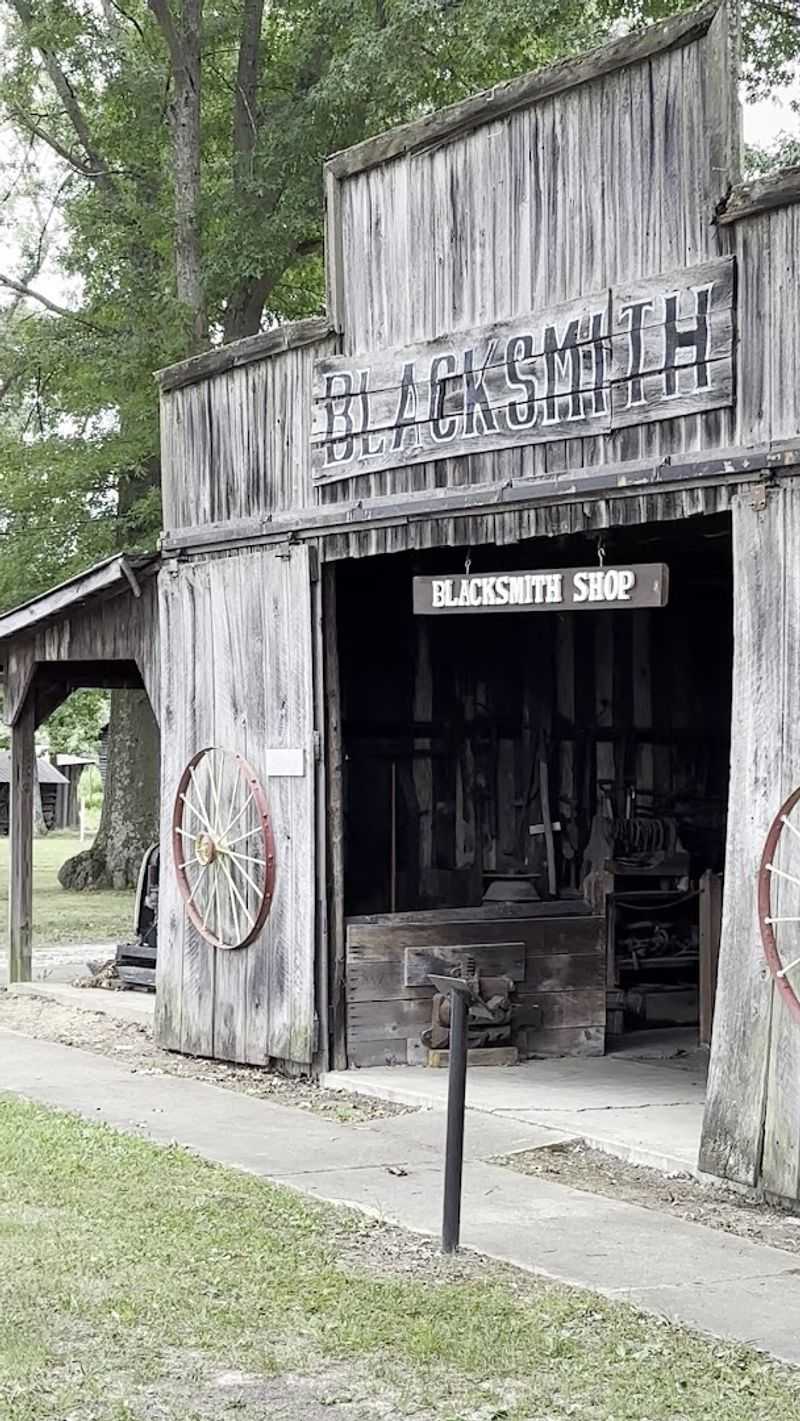
Heat, iron, and the rhythmic clang of a hammer on metal. That is the sensory experience waiting for you inside the operational blacksmith shop at the West Virginia State Farm Museum.
This is not a dusty display case behind glass. It is an actual working shop where skilled blacksmiths occasionally demonstrate their craft using period-appropriate tools and techniques.
Watching metal get shaped by hand is genuinely mesmerizing, and it puts into perspective just how much physical knowledge and raw strength daily life required back then.
Every nail, hinge, and farm tool had to be made by someone who knew exactly what they were doing at that forge.
Even on days when no demonstration is running, the shop itself is worth exploring. The layout, the equipment, and the worn surfaces all tell a story about trade and craftsmanship in rural communities.
During the holiday light display events, this building gets a special treatment that visitors consistently rave about. It is a highlight no matter the season.
Mission Ridge One-Room Schoolhouse Built Around 1870
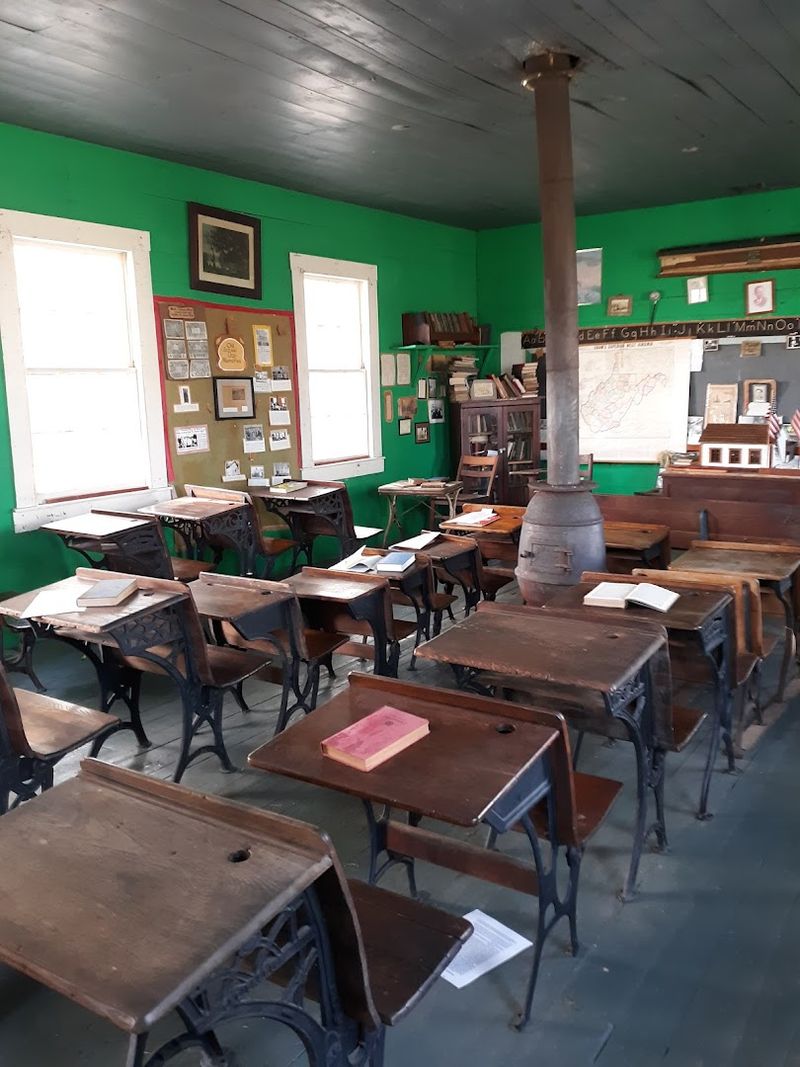
Picture thirty kids of different ages crammed into a single room, all learning from one teacher who handled every subject and every grade level at once.
That was the reality of education in rural West Virginia during the late 19th century, and the Mission Ridge One-Room Schoolhouse here brings that reality into sharp focus.
Built around 1870, this structure gives visitors a front-row seat to what formal learning looked like before cafeterias, hallways, or school buses existed. The wooden desks, the chalkboard at the front, and the simple layout speak volumes about what was prioritized and what was simply unavailable.
For kids visiting today, this building tends to spark a lot of genuine questions. For adults, it often triggers a mix of nostalgia and gratitude.
The schoolhouse has undergone restoration work, so check current availability when you visit. Either way, standing in that doorway and imagining a full classroom of 1870s students is an experience that genuinely sticks with you long after you leave.
A Country Doctor’s Office Frozen in the 19th Century
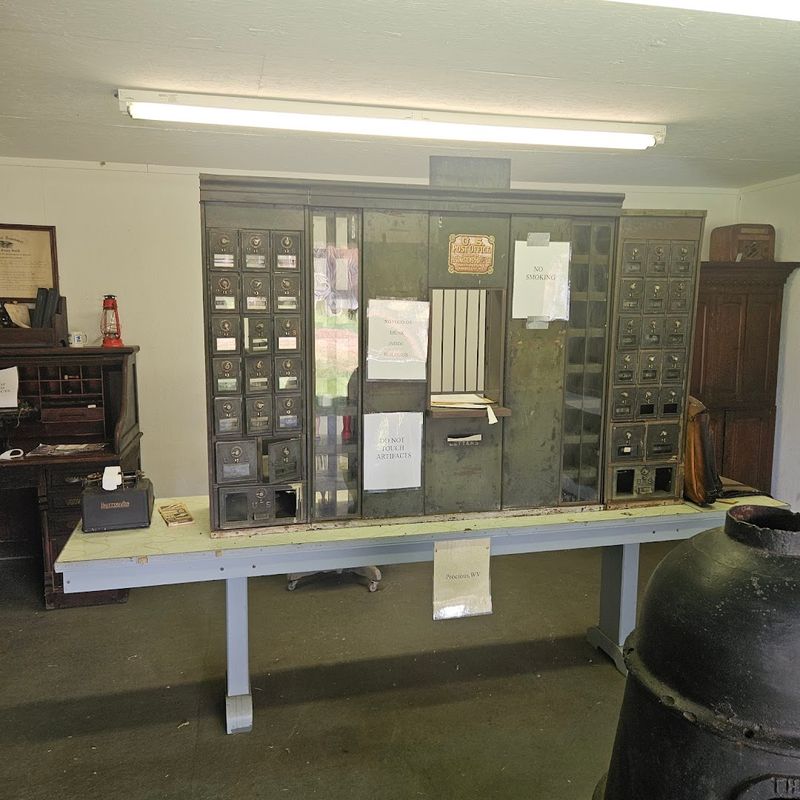
Medical care in the 1800s looked nothing like what we know today, and the country doctor’s office at this museum makes that abundantly clear in the most fascinating way.
The room is stocked with period drugs, instruments, and equipment that a rural physician would have actually used, and some of it is genuinely surprising to see up close.
Before antibiotics, before X-rays, before sterile operating rooms, a country doctor was the entire medical system for rural communities. This exhibit captures that reality without dramatizing it.
The tools are laid out practically, the way a working doctor would have kept them ready for the next patient who arrived on horseback.
What makes this room linger in your memory is how it reframes everyday health. A toothache, a broken bone, a fever.
Each of those situations carried a very different weight in 1880 than it does now. Spending time in this space builds a quiet respect for both the patients and the physicians who navigated medicine with so few resources and so much responsibility.
The 1895 Newspaper Office and Its Printing Presses
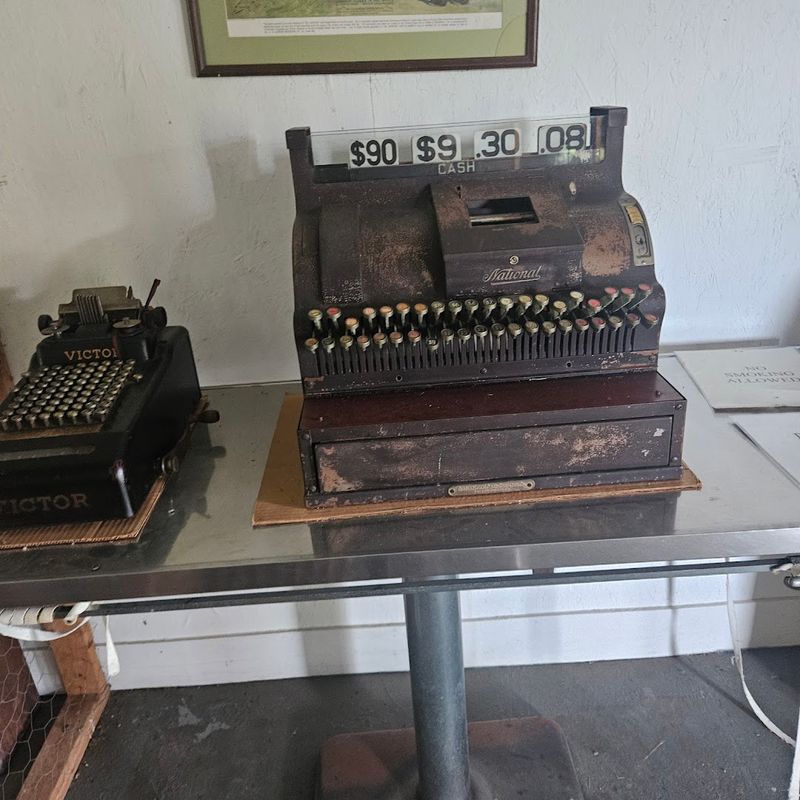
Before the internet, before radio, before television, the local newspaper was how communities stayed connected.
The newspaper office at the West Virginia State Farm Museum is equipped with authentic printing presses from 1895, and standing next to one of those machines gives you an immediate sense of how labor-intensive communication used to be.
Every letter had to be set by hand. Every page had to be inked and pressed manually.
Publishing even a short article was a full-body, full-day job, and the finished product was something people genuinely treasured. The craft involved in early printing is easy to overlook in an age of instant publishing, but this exhibit makes it impossible to ignore.
The room has a particular atmosphere, part workshop, part archive, that feels distinct from the other buildings on the grounds.
Journalism nerds, history enthusiasts, and anyone who has ever appreciated a well-told local story will find something meaningful here.
It is one of those smaller exhibits that quietly earns its place among the standout stops on your visit.
The First Lutheran Church West of the Allegheny Mountains
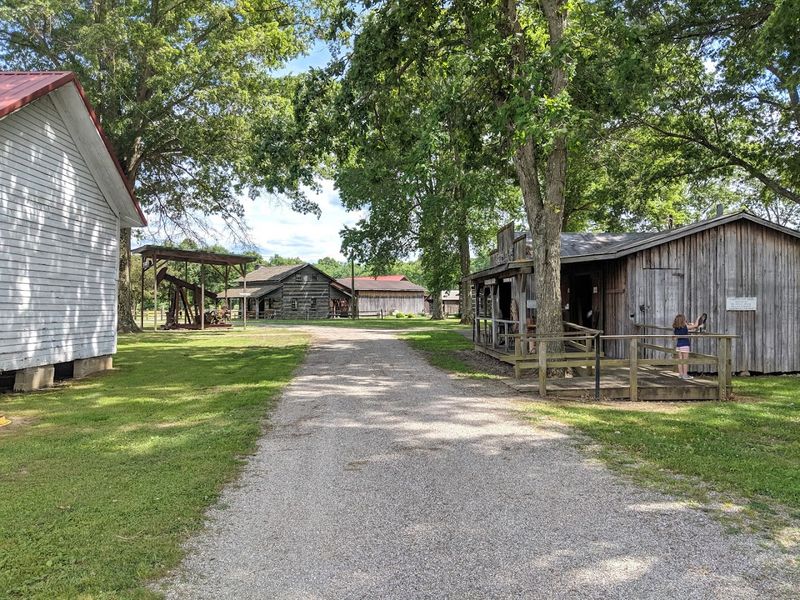
Faith and community were inseparable in 19th-century rural life, and the log church on these grounds represents both of those things in a deeply tangible way.
This structure holds the distinction of being the first Lutheran Church established west of the Allegheny Mountains, which makes it historically significant well beyond the boundaries of this museum.
What makes it even more remarkable is that this is not just a preserved artifact. The church is still used for services, meaning it remains a living piece of history rather than a static display.
That active presence gives the building a warmth that purely preserved structures sometimes lack.
The log construction is simple and sturdy, reflecting the practical approach early settlers brought to every aspect of their lives, including worship. Stepping inside, even briefly, feels like a moment of genuine connection to the people who built this region from the ground up.
Whether you are religious or simply appreciate historical architecture, this church is one of the most quietly moving stops on the entire property.
Farm Equipment and Crops Worked the 19th-Century Way
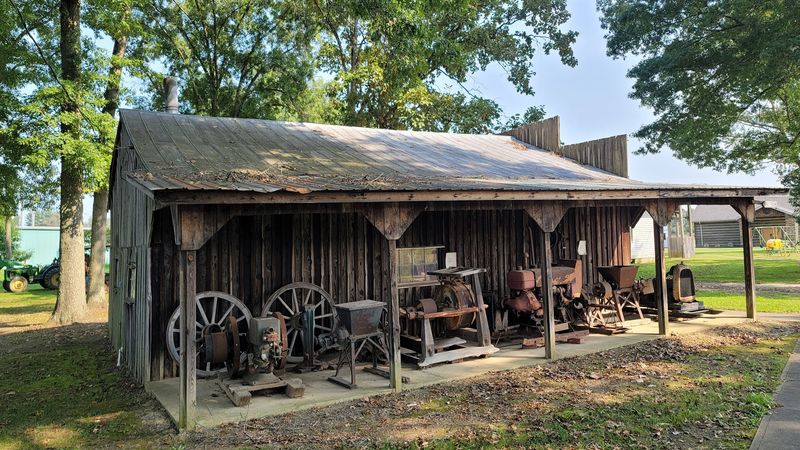
Farming in the 1800s was a full-body commitment from sunrise to sunset, and the equipment on display here makes that crystal clear.
The West Virginia State Farm Museum keeps an impressive collection of both horse-drawn and early tractor-drawn machinery spread across the grounds, and the sheer scale of some of these pieces is genuinely impressive.
Beyond just displaying equipment, the museum actually plants and harvests crops using 19th-century methods and tools. That active approach transforms what could be a static collection into something that breathes and changes with the seasons.
Visiting in late summer or fall means you might catch the grounds mid-harvest, which adds a whole other layer to the experience.
For anyone who grew up around farming, this section carries a particular kind of nostalgia. For those who did not, it offers a ground-level education in just how much physical ingenuity went into feeding a community before modern machinery existed.
Either way, the equipment field is one of those areas where you find yourself pausing longer than expected, just taking it all in.
The Country Store Stocked With Food, Crafts, and Collectibles
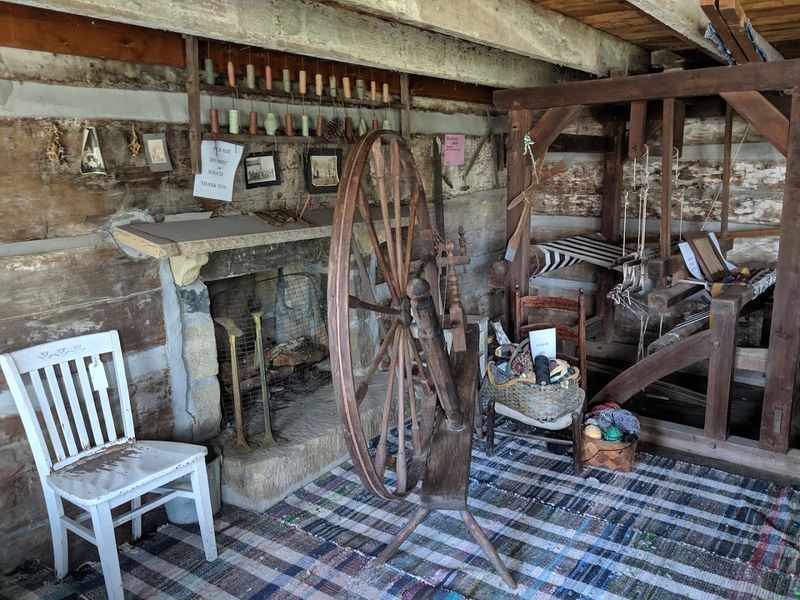
Every good farm community in the 1800s had a country store, and the one here does a wonderful job of capturing what that gathering place looked and felt like.
Shelves stocked with food products, handmade crafts, and collectibles give the space a lively, lived-in energy that sets it apart from the more somber historical exhibits elsewhere on the grounds.
This is also a great spot to pick up something tangible to take home. Local goods and handcrafted items connect you to the region in a way that a standard gift shop simply cannot.
The selection reflects the kind of commerce that defined rural West Virginia life, practical, community-focused, and rooted in what the land and its people could produce.
After hours of walking through log structures and peering at century-old medical instruments, the country store feels like a natural resting point.
Grab something to snack on, browse the shelves at your own pace, and enjoy a moment that feels both historical and genuinely welcoming.
It is a small pleasure that rounds out the visit nicely.
Free Admission, Seasonal Events, and the Famous Christmas Lights
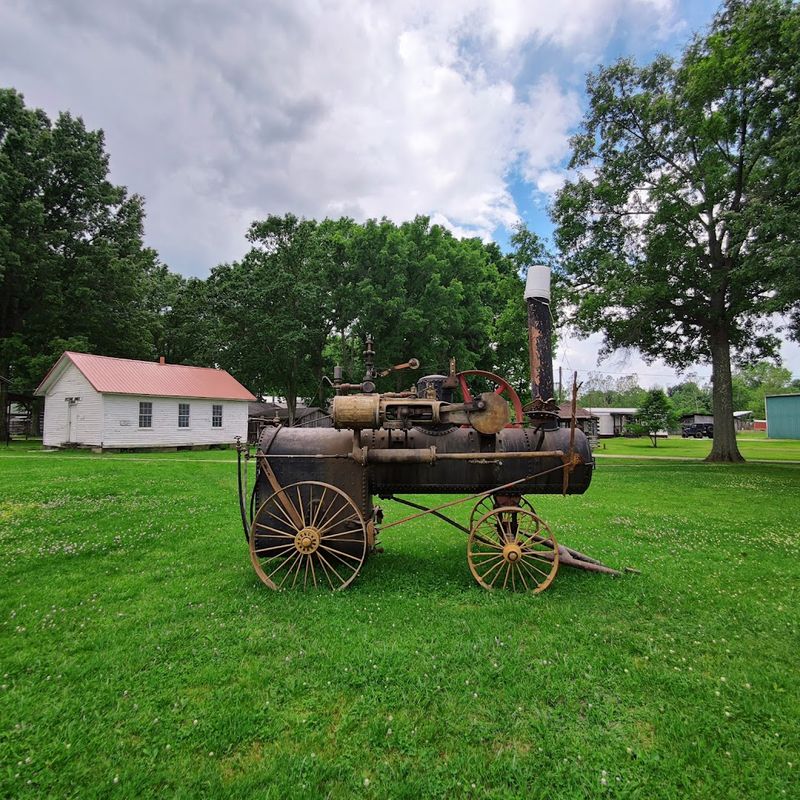
Free admission might be the first thing that catches your attention, but it is far from the only reason this museum earns repeat visits. The West Virginia State Farm Museum runs from April 1st through November 1st, Tuesday through Saturday, nine to five.
That generous seasonal schedule gives families and travelers plenty of opportunities to plan a visit without stressing over timing.
Donations are warmly appreciated and genuinely help keep the grounds maintained and the restoration work moving forward. The museum continues to grow, with new artifacts being added and buildings being restored on an ongoing basis.
Coming back a second or third time means you will likely find something new waiting for you.
The holiday light display is a beloved seasonal tradition. Volunteers spend enormous effort decorating every building and piece of farm equipment with lights, creating a county Christmas atmosphere that visitors consistently describe as magical.
Antique tractors wrapped in lights, the blacksmith shop glowing in the dark, and the warm atmosphere of the historic grounds make this one of the most charming winter events in the state.
Address: 1458 Fairground Rd, Point Pleasant, WV
