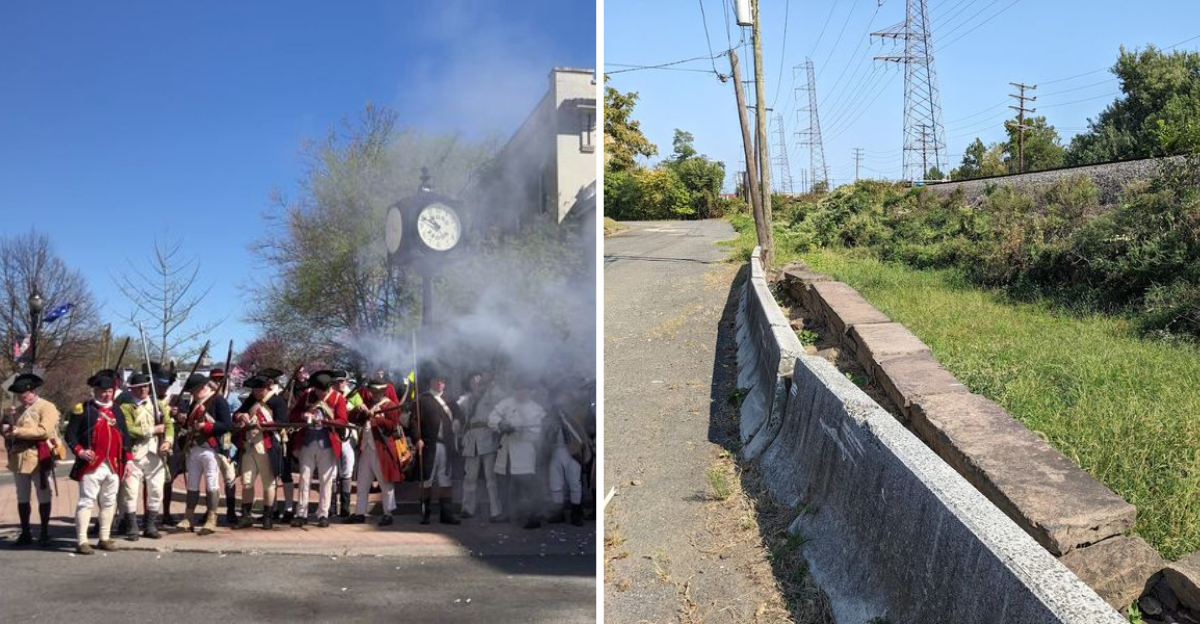
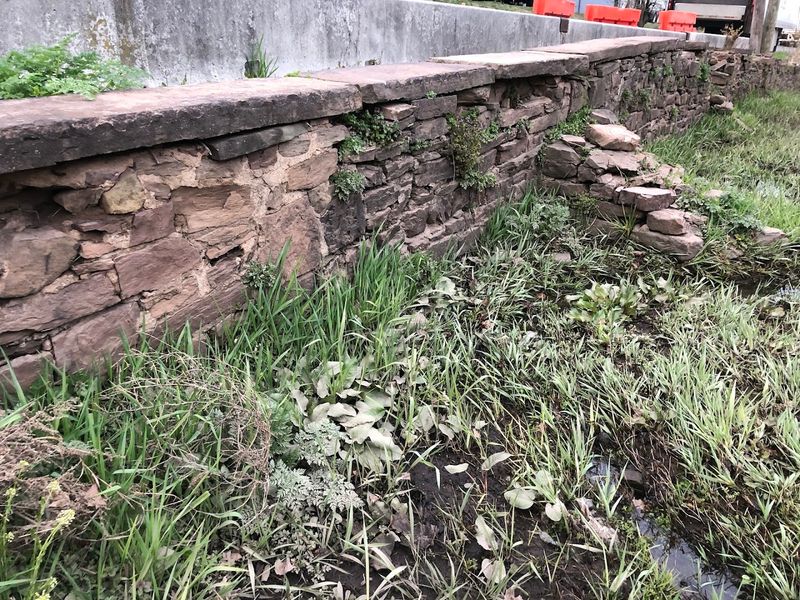
Nobody knew it was still there. For more than 150 years, this 1731 stone arch bridge slumbered under a trucking company driveway, completely buried and forgotten.
Four thousand British and Hessian troops once stormed across it during the Revolutionary War, and a German captain called the American gunfire from this spot “murderous”.
The bridge is the second oldest in the entire country, but it has been hidden like a secret under tons of asphalt and railroad fill.
Now the counties have bought the land for $3 million and plan to dig it up, turning this battlefield relic into a pocket park for the nation’s 250th birthday.
History does not get much wilder than a buried bridge waiting to see sunlight again.
A Bridge Older Than the Nation Itself
Built in 1730 and completed in 1731, the Old Stone Bridge predates the United States by nearly half a century. That fact alone is enough to stop you mid-step.
It holds the title of the oldest bridge in New Jersey and ranks as the second-oldest surviving bridge in the entire country, trailing only the Frankford Avenue Bridge in Pennsylvania.
The structure was constructed from locally quarried rough-hewn masonry and stone, giving it that rugged, enduring character that has kept it standing through centuries of change.
Three arches span Green Brook, connecting Somerset County with Middlesex County in a way that once felt essential to colonial life.
Standing near it today, knowing the sheer age packed into those stones, is genuinely humbling. Most things built in 1731 are long gone.
This bridge is still here, buried but breathing, waiting for the world to remember it properly. Somerset County acquired it in 2024, so the future looks more promising than it has in decades.
The Revolutionary War Battle That Played Out Right Here
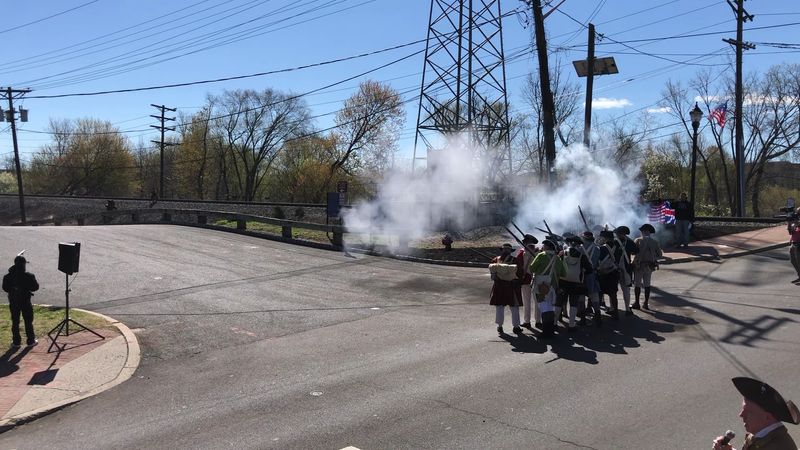
April 13, 1777 is a date that changed things at this crossing. During the Battle of Bound Brook, American forces used the bridge and its surroundings as a defensive position against British and Hessian troops moving through the area.
Accounts from a British soldier’s diary describe the Hessians walking into what was called “murderous fire” near this exact location.
That detail hits differently when you are standing a few feet from the actual stones. This was not a distant battlefield.
It was a local road crossing that suddenly became a flash point in a war for independence. The bridge funneled movement, and whoever controlled it held a significant advantage.
The Revolutionary War significance of this site was strong enough to earn it a listing on the National Register of Historic Places in 2008. Few road bridges in America can claim that kind of battlefield credential.
The history here is not symbolic. It is literal, layered into the stone and soil beneath your feet.
The Old York Road and Its Role in Colonial Commerce
Before highways and railways reshaped America, the Old York Road was the main artery connecting Philadelphia to New York City. Also known as Raritan Road or Upper Road, it was the shortest and most efficient colonial route between the two cities.
The Old Stone Bridge sat right in the middle of that critical path.
Farmers loaded their wagons with produce and goods, merchants moved trade goods back and forth, and travelers made the long journey between two of the most important colonial cities entirely on foot or horseback. This bridge was not a scenic detour.
It was the main event, the central crossing that made commerce possible.
Imagining that level of foot traffic over stones that are still physically present today is a strange and wonderful feeling. Every merchant, soldier, and traveler who passed through this corridor crossed this bridge.
The Old Stone Bridge was not just infrastructure. It was the pulse of colonial New Jersey’s economy, quietly holding everything together one stone at a time.
How a Railroad Buried a Piece of American History
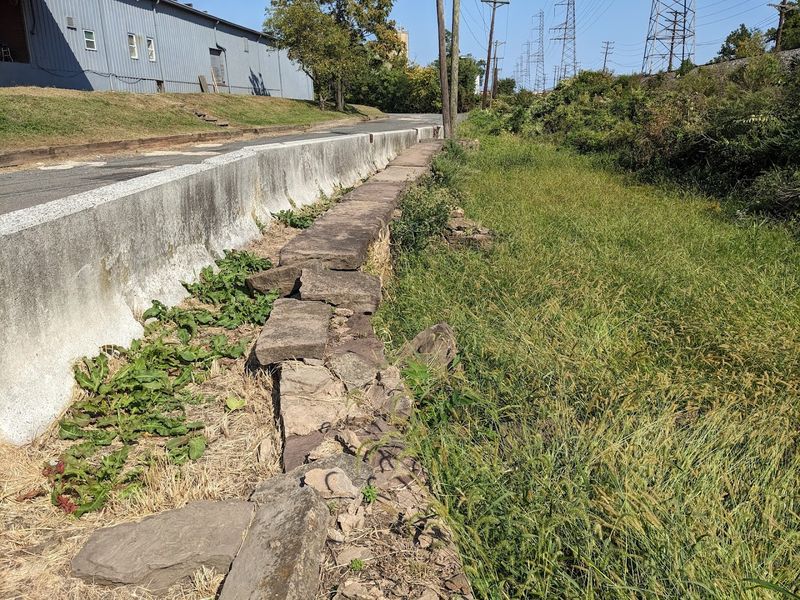
By the early 1870s, railroad expansion was reshaping New Jersey at a furious pace. When a railroad embankment was constructed near the Old Stone Bridge, a significant portion of the structure was buried beneath the fill.
The streambed running under it was filled in during the early 20th century, sealing the bridge even further underground.
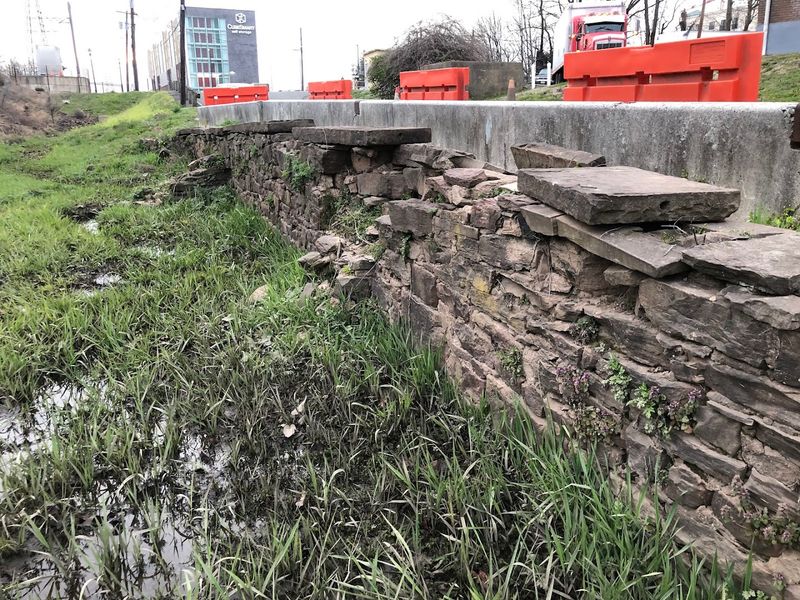
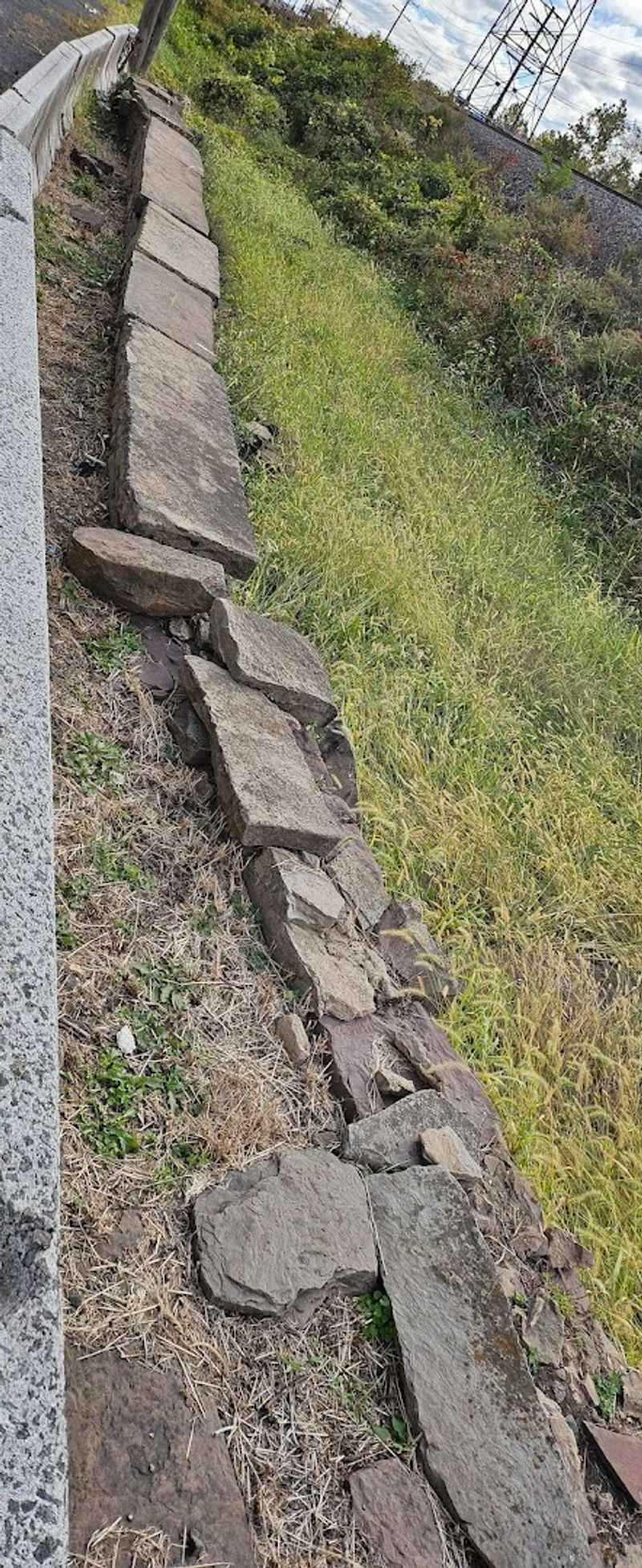
What was once a visible, functioning crossing became an underground relic. Only a small portion of the original structure remains visible today, poking out from beneath decades of earth and construction material.
It is one of those moments where progress and preservation collide in a way that leaves everyone slightly unsatisfied.
The railway companies that contributed to this burial are long gone, absorbed into other lines or dissolved entirely. But the bridge they buried is still there.
That irony is not lost on anyone who visits the site today. The stones outlasted the companies that tried to bury them, and that feels like a quiet kind of victory worth acknowledging on any visit.
What the Three Stone Arches Actually Look Like Up Close
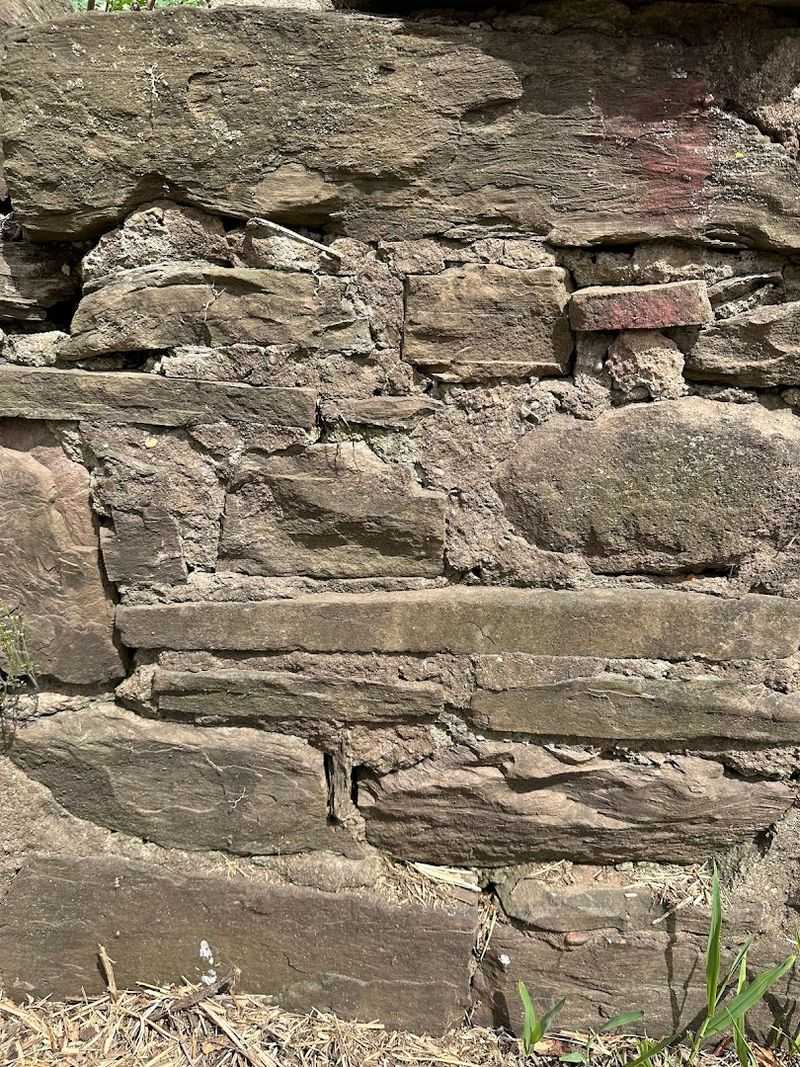
Getting close to the visible portion of the Old Stone Bridge is a genuinely striking experience. The rough-hewn masonry has a texture that photographs cannot fully capture.
Each stone looks hand-selected, shaped with intention, and set into place by craftsmen who had no power tools and no shortcuts.
The three-arch design was a thoughtful engineering choice for its time. Spanning approximately 79 to 85 feet in length and 33 feet wide, this was not a small footbridge.
It was a serious piece of infrastructure built to handle heavy loads, animal-drawn carts, and constant daily use across Green Brook.
The bridge was believed to have a humpback or camelback profile, meaning it rose in the center arch and dipped slightly toward the outer arches. That design was common in colonial-era stone bridges and helped with both structural strength and water flow management.
Even buried and worn, the remaining stonework communicates real craftsmanship. These stones have a story written into every rough edge and weathered surface.
Finding the Bridge Behind a Warehouse on Main Street
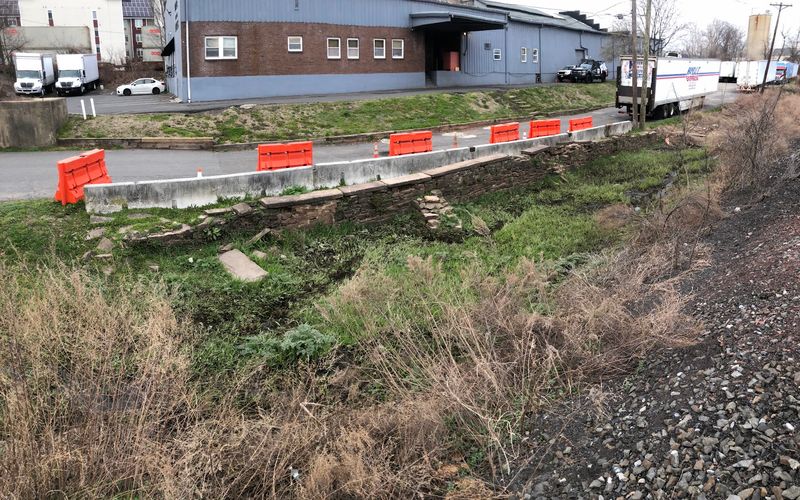
The address is 540 Main St, Bound Brook, and the setting is nothing like what you would expect for a national landmark. The bridge sits off a business drive, tucked behind a warehouse, roughly 100 feet from the current road bridge over the Raritan.
It is the kind of place you could walk past a dozen times without knowing anything extraordinary was there.
Historical markers help orient visitors, giving context to what otherwise looks like a pile of old stones near a loading area. Those signs carry real weight here.
Without them, the site would be almost impossible to interpret for anyone arriving without prior knowledge.
The contrast between the industrial surroundings and the age of the structure is jarring in the best possible way. A 293-year-old bridge hiding next to a train line and a warehouse is peak New Jersey energy.
The site is open 24 hours, every day of the week, so there is no scheduling required. Just show up, read the signs, and let the history land on you.
The National Register Listing and What It Means for the Future
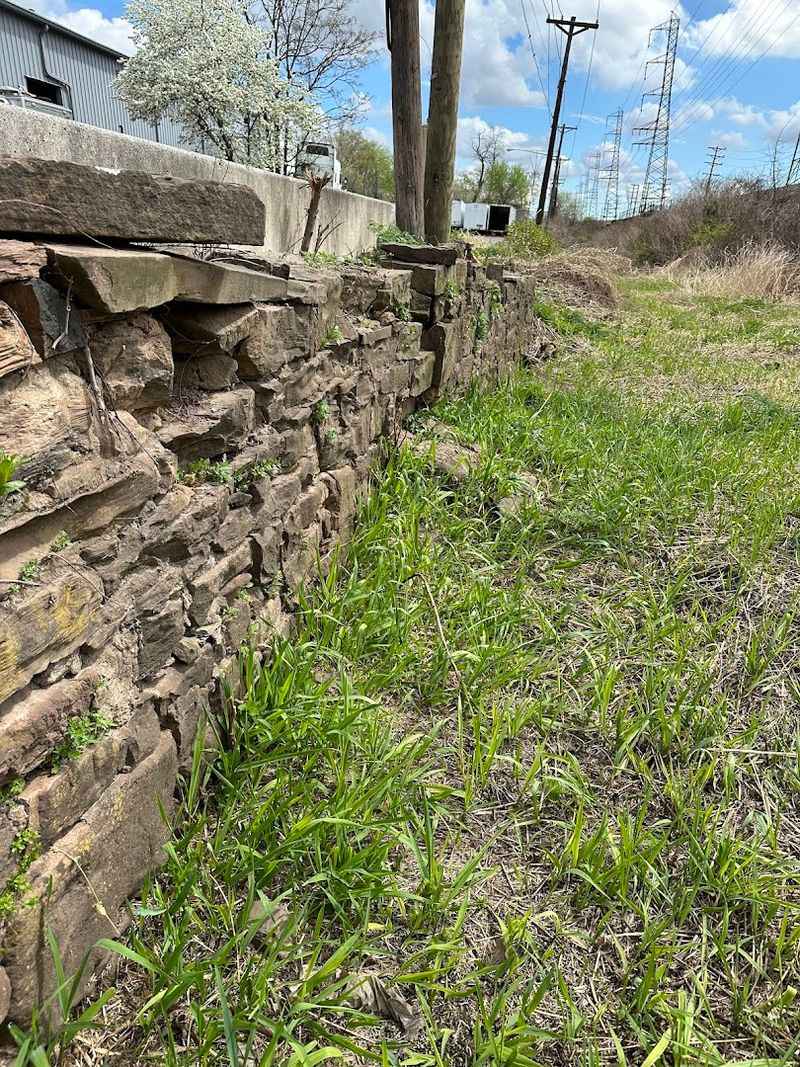
Being added to the National Register of Historic Places in 2008 was a meaningful milestone for the Old Stone Bridge.
The designation was granted specifically because of the bridge’s Revolutionary War significance, recognizing this site as more than just an old road crossing.
It is a documented piece of battlefield history with national importance.
That recognition brought more attention to the site’s condition and raised questions about long-term stewardship.
Preservation New Jersey also listed the bridge among the ten most endangered historic sites in the state, which added urgency to conversations about its future.
Somerset County stepped up in 2024, acquiring ownership of the bridge and the surrounding two-acre parcel in partnership with Middlesex County. Plans are now underway to uncover and restore portions of the bridge for public viewing.
That is genuinely exciting news for anyone who cares about American history. The goal is not just preservation but accessibility, giving visitors an actual look at the structure that has been sleeping underground for over 150 years.
Green Brook and the Geography That Made This Crossing Essential
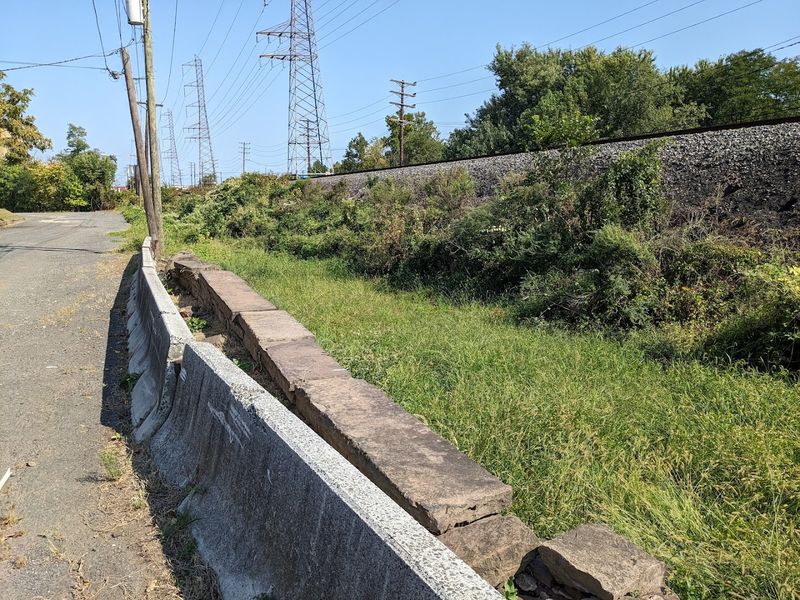
Green Brook is not the most dramatic waterway in New Jersey, but its location made it a genuine obstacle for colonial travelers. Before bridges, crossing any stream with a loaded wagon or a herd of animals was a slow, risky process.
The Old Stone Bridge changed that equation entirely when it was completed in 1731.
The brook forms the natural boundary between Somerset County and Middlesex County at this point, which made a permanent crossing here especially valuable. Trade and travel between the two counties depended on reliable infrastructure, and this bridge delivered exactly that for generations.
Today, Green Brook is a quiet backdrop to the buried bridge site. The streambed beneath the structure was filled in during the early 20th century, so the water no longer flows under the original arches.
But the geography that made this location important has not changed. Standing at the site, you can still see why someone in 1730 decided that this exact spot needed a solid, permanent crossing built to last centuries.
Bound Brook as a Colonial Town Worth Exploring
Bound Brook does not always get the recognition it deserves as a place layered with colonial and Revolutionary War history.
The town sits at a geographic crossroads that made it strategically important during the 18th century, and that history is still accessible to anyone willing to look for it.
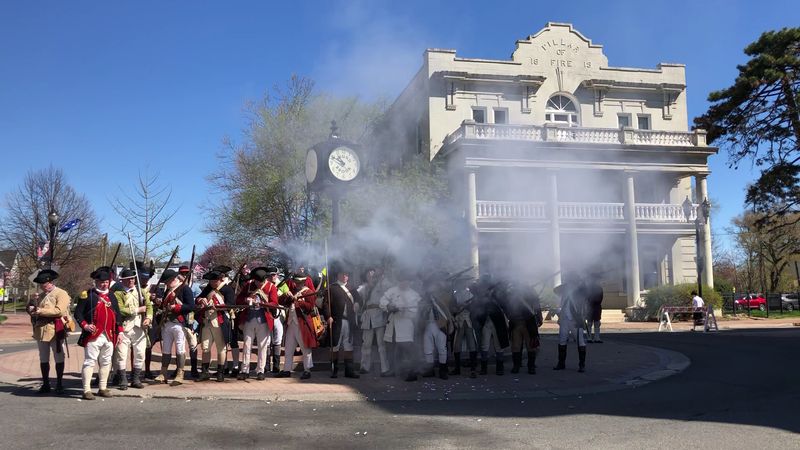
The Battle of Bound Brook reenactment draws visitors annually, bringing the events of April 1777 back to life in a way that makes the history feel immediate rather than distant.
Pairing that event with a visit to the Old Stone Bridge creates a fuller picture of what this town experienced during the war.
Main Street has a character that rewards slow exploration. The mix of old and new buildings tells a story of a town that has adapted over centuries without completely erasing its past.
For anyone interested in colonial New Jersey, Bound Brook offers an authentic experience rather than a polished tourist version of history. The rough edges are part of the appeal, and the Old Stone Bridge is the roughest, most honest edge of all.
Why This Site Deserves Far More Visitors Than It Gets
Most people driving across the current bridge on Main Street have no idea that a 1731 stone arch bridge is buried just a short walk away.
That gap between what exists and what is known about it is genuinely frustrating for anyone who cares about preserving American history.
The second-oldest bridge in the country should not be a secret.
Visiting the site requires almost no effort. It is open every day, all day, with no admission fee and no reservation needed.
The historical markers provide enough context to make the visit meaningful even without a guided tour. Bring some curiosity and a willingness to look past the industrial surroundings.
With Somerset and Middlesex Counties now working toward uncovering and restoring portions of the bridge, the site is on the verge of becoming something genuinely special for visitors. Getting there before the restoration is complete has its own appeal.
There is something powerful about seeing a buried landmark in its raw, unpolished state, knowing that the stones beneath your feet once echoed with Revolutionary War cannon fire.
Address: 540 Main St, Bound Brook, NJ
