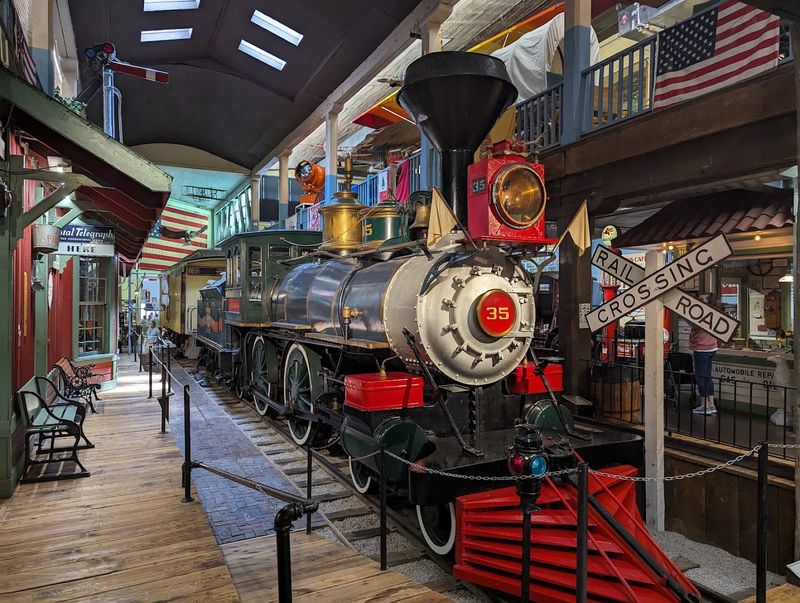
You walk through the doors of a former luxury hotel in Missouri, and the first thing you see is a full-sized steam locomotive from the eighteen nineties sitting inside the building.
A hand-carved carousel from the early nineteen hundreds spins nearby, and children ride wooden animals while parents explore exhibits that trace the story of a city that once rivaled Kansas City for dominance along the Missouri River.
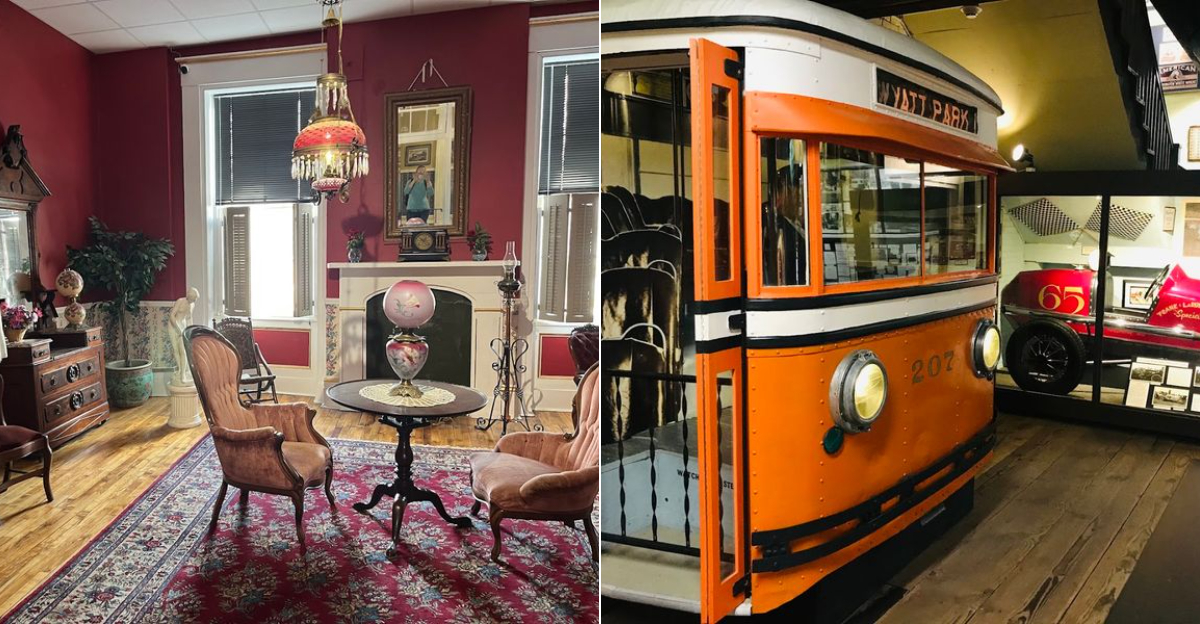
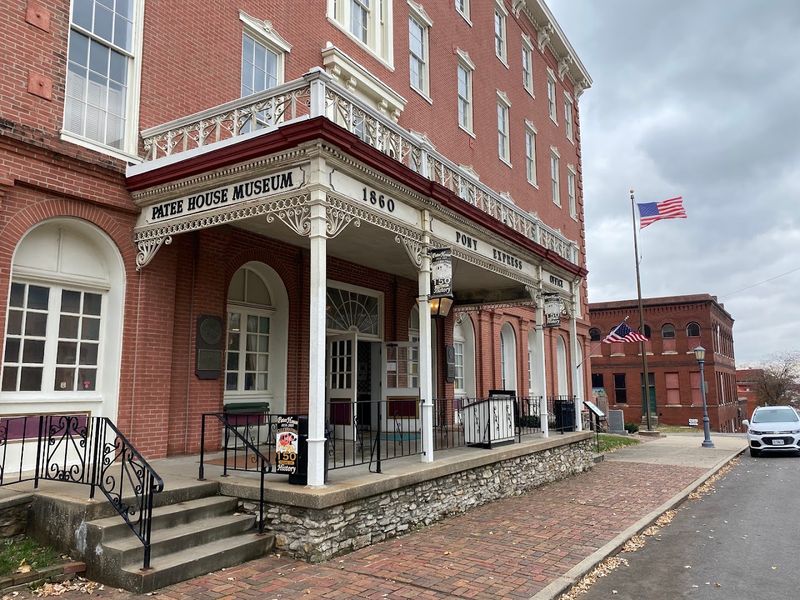
The building was completed in 1858 as a 140-room hotel that was considered one of the finest west of the Mississippi, and it served as the headquarters of the Pony Express in 1860 . During the Civil War, the Union Army occupied it, holding war trials in the ballroom on the second floor .
After Jesse James was killed nearby in 1882, his family stayed in the hotel during the investigation, and Oscar Wilde was a guest just weeks later . The building later housed a women’s college and a shirt factory before becoming a museum in 1963 .
It is a place where history sits out in the open, waiting for anyone curious enough to walk through its doors.
The Hotel That Keeps Changing Shape
I’ll be honest, the thing that got me first was not the train or the carousel, but the building itself, because it still carries that big old confidence of a place that once expected important people to arrive in gloves and polished shoes. You walk in and the scale hits you right away, and it feels less like entering a museum than stepping into a story that never really ended.
What I like here is how the walls seem to remember every version of the place, from luxury hotel to civic landmark to the sprawling museum you see now. Nothing about it feels staged in a slick way, and that matters, because you can sense the age without feeling held at a distance from it.
Missouri has plenty of historic stops, but this one feels unusually alive, almost like the building is still deciding what it wants to be.
That changing identity gives everything inside a little extra charge, because each room feels attached to a longer human mess of travel, business, war, reinvention, and plain old curiosity. Before you even focus on any single exhibit, the place has already done something rare, which is make you slow down and pay attention.
That mood stays with you from the first hallway onward.
Start With The Building Itself
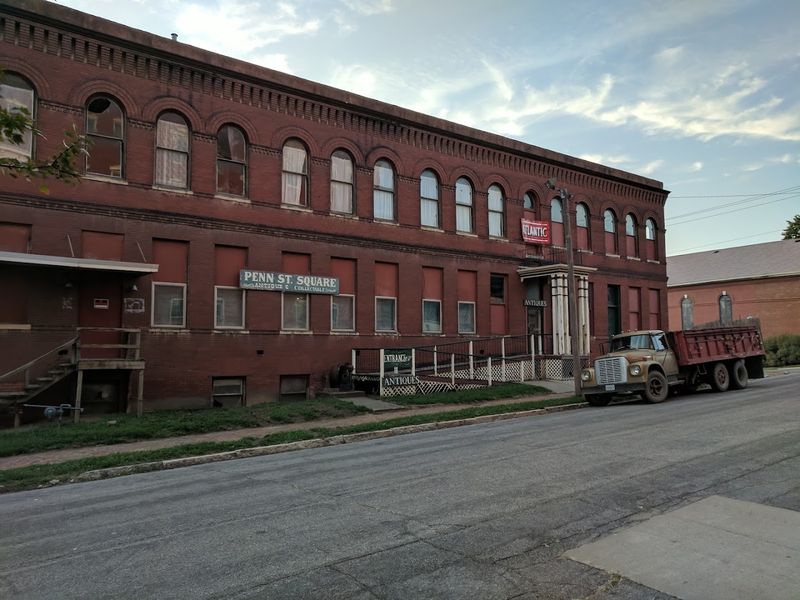
Before you get distracted by all the unexpected stuff inside, it helps to know where you are, because the Patee House Museum sits at 1202 Penn Street, St. Joseph, MO 64503, in a part of town where the surrounding streets already feel tied to older Missouri stories. I would honestly give yourself a little time outside first, just to look up at the building and let the size of it settle in.
Once you step through the doors, the place does not unfold in one neat line, and that is part of the fun. It has the kind of layout that makes you wander, turn a corner, then stop because something completely different has appeared in front of you.
Instead of feeling overorganized, it feels personal, like generations kept adding to a family attic until it became a whole world.
That loose, surprising rhythm is why I think this museum lands so well with people who do not usually plan whole trips around history. You are never stuck reading plaques in a straight row for long, because the building keeps nudging you into another scene, another collection, and another moment where you laugh a little and say, okay, this is wild.
It feels more discovered than presented.
That Train Just Lives In There
The train is the moment when most people stop talking mid sentence, because seeing a full steam locomotive indoors still does not feel entirely believable, even when it is right in front of you. It has real heft, real presence, and that wonderful sense of mechanical drama that old rail equipment always carries without trying.
The first sight of it really does make you stop in your tracks.
What gets me is not just the size, but the way the museum lets you experience it from more than one angle. From the upper level, you can look down and understand how huge it really is, and then, closer up, you start noticing the textures, the metal, the cab, and the details that make it feel less like an artifact and more like something paused between trips.
There is also something very fitting about finding a locomotive inside a former grand hotel in St. Joseph, because both speak the same language of movement, ambition, and arrival. You do not need to be a railroad person to enjoy it either, because the train works on a gut level first, and the history sort of sneaks up on you after that.
It feels enormous, intimate, and slightly unreal all at once.
The Carousel Feels Almost Unreal
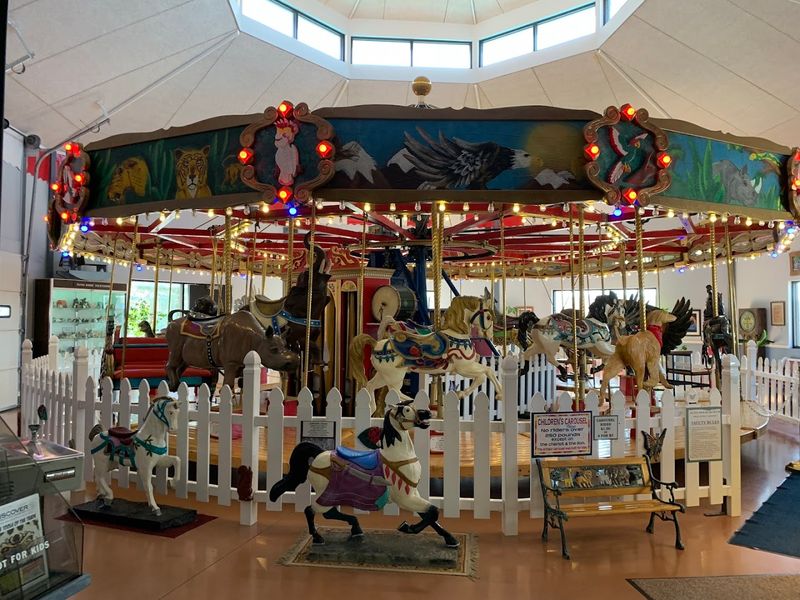
And then, just when you think the museum has already used up its surprise budget, you run into the carousel, which honestly feels like a dream somebody forgot to explain. A vintage ride inside a historic hotel museum should sound ridiculous on paper, and somehow here it feels completely natural, almost necessary.
I love that it is not trying to be dainty or overly nostalgic, because the animals have personality instead of that generic storybook look you see in so many restored carousels. There is motion, color, and just enough beautiful weirdness to make you grin even before it starts turning.
If you are with kids, they will be locked in immediately, and if you are not, you will probably still stand there smiling longer than you expected.
What makes it work is the contrast, really, because the carousel softens the heavier history around it without making the place feel unserious. In Missouri, you do not often walk into one building and get railroad muscle, frontier history, and a whimsical ride sharing the same roof, yet here it all somehow holds together.
It feels playful without turning the museum into a gimmick.
Walking The Streets Of Old St. Joe
One part I kept circling back to was the recreated town streets, because they give the whole museum a lived in feeling that glass cases alone never quite manage. Instead of just telling you what daily life looked like, the place lets you wander through storefronts and interiors that feel close enough to imagine voices, footsteps, and regular errands.
The effect is less like a formal exhibit and more like walking through a memory somebody rebuilt with care. You glance into a shop, then another, and suddenly you are not thinking in broad history terms anymore.
You are thinking about haircuts, medicines, letters, workdays, and all the ordinary little routines that usually get flattened into one paragraph in a textbook.
I think that is why this section sticks with people, because it translates the past into human scale without making it cute or fake. St. Joseph has a strong sense of place anyway, but here you can feel how a town grows from practical, everyday spaces as much as from famous events, which is a nice reminder when bigger attractions try to steal all the attention.
It feels neighborly rather than theatrical, and that really helps.
The Jesse James Story Gets Personal
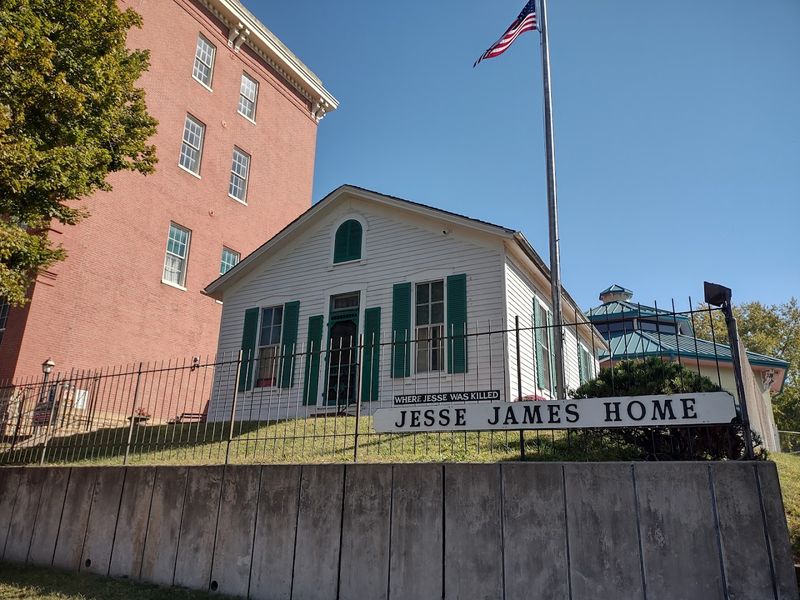
The Jesse James material adds a different mood entirely, and you can feel it the minute you shift from curiosity into something quieter and more personal. There is always a risk that famous outlaw history turns cartoonish, but here it lands with more weight because the story is connected to a real place and real aftermath, not just legend.
Seeing the house associated with his death on the museum grounds changes the scale of the story in a way books cannot quite do. The tale stops being a floating piece of frontier mythology and becomes immediate, domestic, and strangely intimate.
You start thinking less about chase scenes and more about rooms, families, investigations, and the unsettling fact that history often happens in spaces that look ordinary at first glance.
I liked that the museum lets this part of Missouri history feel human without draining it of drama. It is still gripping, obviously, but the exhibits give you room to consider the people orbiting the event, not just the famous name at the center of it.
That balance makes the whole experience feel more thoughtful, and honestly, more memorable than a simple true crime stop would be. You carry that mood with you longer than you expect.
Old Cars Wagons And Beautiful Odd Stuff
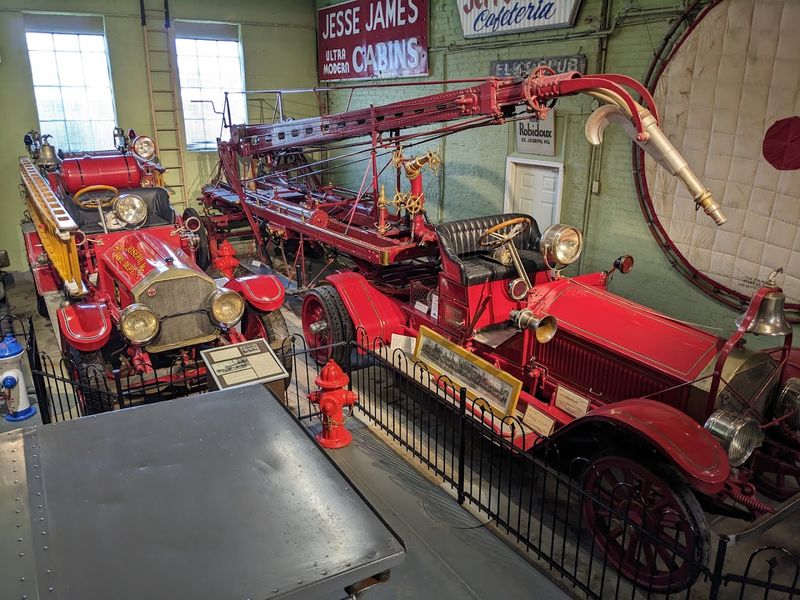
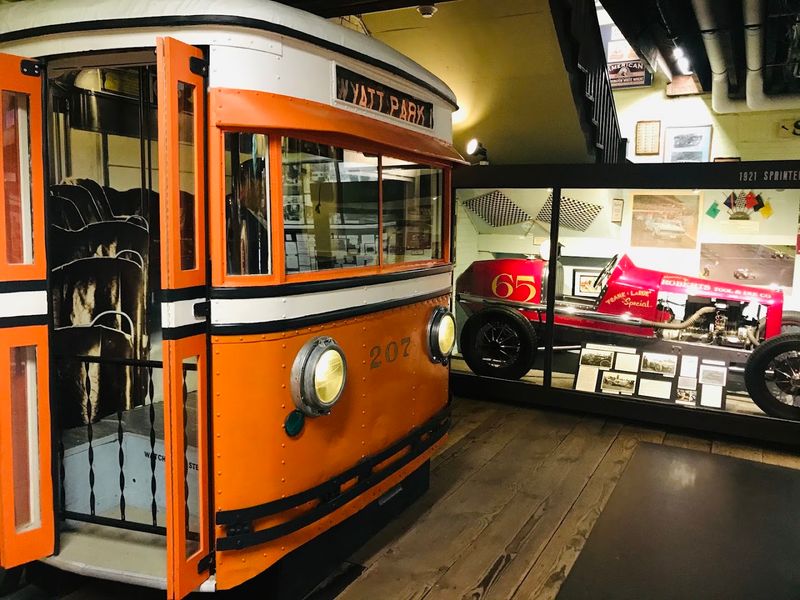
If you are the kind of person who gets weirdly excited by old vehicles, this section can eat up a lot of your time without any effort at all. The collection jumps between cars, wagons, buggies, utility pieces, and practical machines that remind you transportation history was never just about glamour.
A lot of it is about work, hauling, maintenance, and getting through everyday life with whatever wheels or runners you had.
That is what makes it fun, because the lineup is not curated to feel sleek or overly polished. It feels broad, a little quirky, and very human, like the museum wants to show how communities actually moved rather than pretending everyone traveled in elegant style.
You can sense how technology changed the pace of life, but you also see how much continuity there is between one era and the next.
I found myself lingering over the less flashy pieces as much as the obvious crowd pullers, because they reveal the habits of a place. In St. Joseph, movement has always mattered, and this collection makes that truth visible in ways that are practical, tactile, and unexpectedly personal.
It turns transportation history into something you can almost imagine using with your own hands.
Why This Place Stays With You
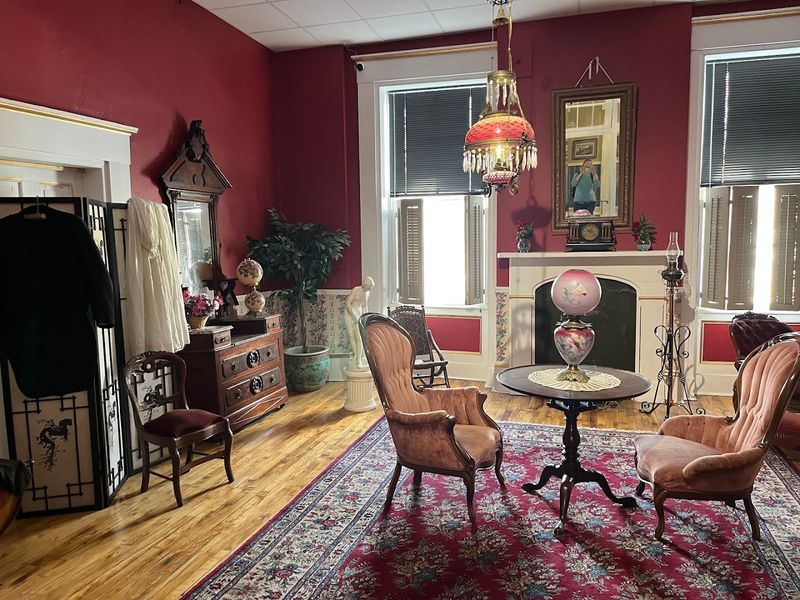
By the time you finish, the hardest thing to explain is not any single exhibit, but the way the whole place settles into your head as one big, slightly improbable experience. A train, a carousel, old streets, famous stories, local oddities, and a grand hotel shell should maybe feel scattered together, yet somehow they come across as one long conversation about movement and memory.
I think that is why I would send a friend here without hesitation, especially if they say they are tired of museums that feel too polished or too predictable. This one wanders a bit, surprises you often, and trusts you to enjoy the weird mix without overexplaining it.
That makes the visit feel relaxed in the best way, like you are discovering the place rather than being marched through it.
When I think about unusual stops in Missouri, this is the kind that lingers because it never narrows itself to one identity. It is a hotel story, a transportation story, a local story, and a plain old curiosity cabinet all at once, which is probably why you leave still talking about it long after you hit the road.
Few places feel this generous with their surprises.
