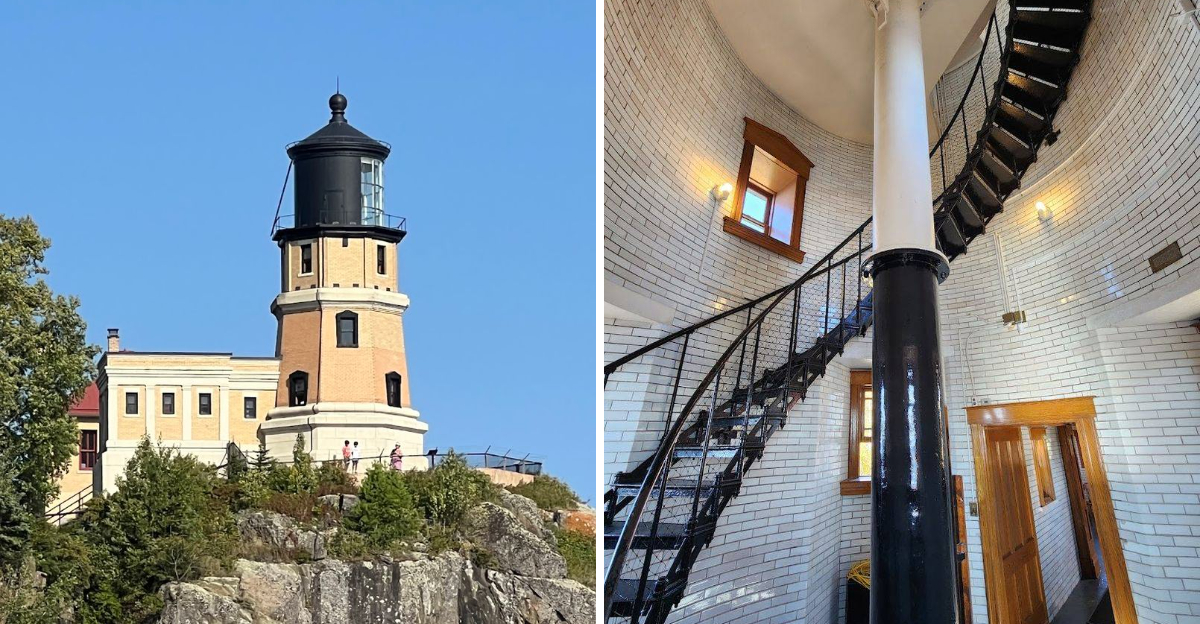
Perched on a cliff of ancient rock, this beacon keeps its silent watch over vast, moody waters. Most people know it from postcards, but few realize the story hidden within its walls.
A savage storm once damaged nearly thirty ships on this very stretch of water, a tragedy that demanded a safeguard. A massive steam hoist had to be built just to haul supplies up the cliff, because the only way in was by boat.
The octagonal brick tower rose high, its light a promise of safety for weary sailors. Life here was one of profound isolation, where the roar of waves was the only constant companion.
The keepers lived a quiet, dedicated life, entirely dependent on the lake for everything. After a road finally arrived, the secret started to spread, bringing the first visitors to this remote outpost.
But up until then, it was exactly the kind of place you are looking for, wild, quiet, and magnificently alone. Minnesota holds this treasure close, and the journey to find it is a story in itself.
It is a place that feels like a discovery, even if you knew it was there.
The Dramatic Clifftop Setting That Stops You Cold
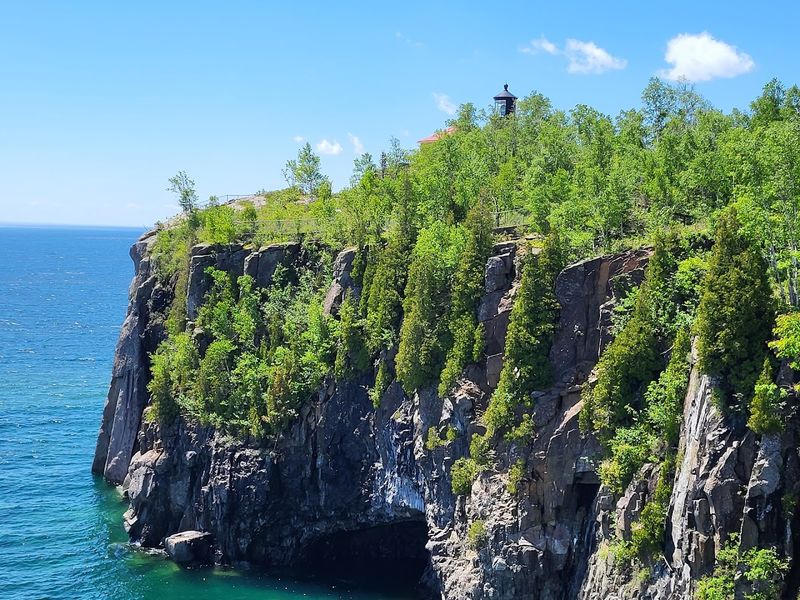
Standing at the edge of the overlook, the first thing that hits you is the sheer height of the cliff. Split Rock Lighthouse sits roughly 130 feet above Lake Superior, perched on a dramatic basalt ledge that looks almost impossibly steep.
The lake stretches endlessly below, deep blue and restless, and the lighthouse tower rises above it all with quiet authority.
Getting your first clear view of this place feels genuinely jaw-dropping. The rocky cliff face drops sharply to the water, and the surrounding forest frames everything in dark green.
It does not look real at first glance, more like a painting someone decided to bring to life.
The best full view comes from the staircase trail leading down toward the shoreline. Visitors who make the climb down are rewarded with an unobstructed look at the lighthouse rising above the cliff.
That particular angle, lighthouse against open sky and wild water, is something you will not forget anytime soon.
A History Rooted in Tragedy and Necessity
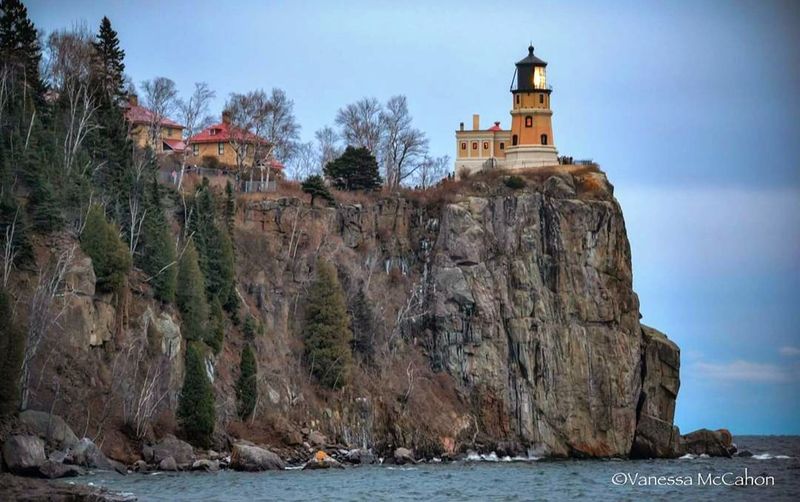
Split Rock Lighthouse was not built out of ambition. It was built because ships kept wrecking.
A brutal November storm in 1905 damaged or destroyed nearly thirty vessels on Lake Superior in a matter of days. The losses were staggering, and the demand for a proper navigational aid on the North Shore became impossible to ignore.
Construction began in 1909, and the lighthouse became operational in 1910. Building on that remote cliff required hauling materials up by derrick directly from supply boats below.
There were no roads to the site at the time, which made the whole project a remarkable engineering achievement for its era.
The lighthouse guided iron ore freighters safely through some of the most unpredictable waters in North America. Lake Superior is notorious for sudden storms and violent waves.
Knowing that history while standing at the site gives the whole place a weight that a simple photo cannot fully capture. The story behind it makes the view even more powerful.
The Visitor Center and Its Surprisingly Great Film
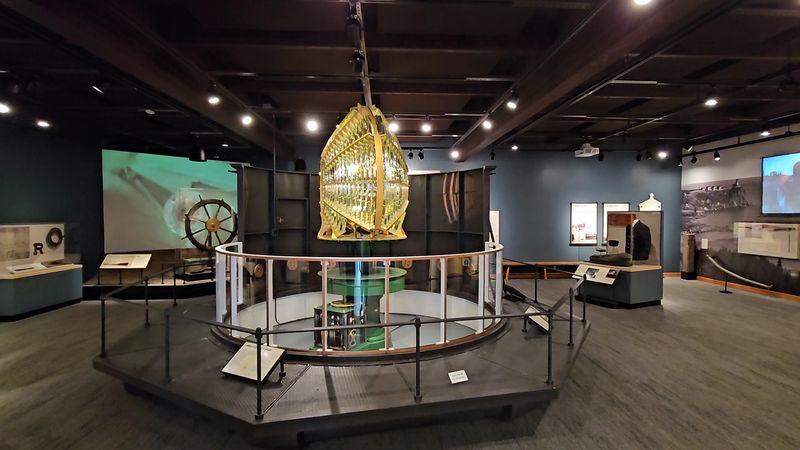
Before heading up to the lighthouse itself, most visitors pass through the visitor center, and it is genuinely worth your time. The center houses well-organized exhibits about Lake Superior shipping history, lighthouse mechanics, and the daily lives of the keepers who lived here for decades.
The displays are clear, engaging, and easy to follow even if you have zero background knowledge going in.
The short film shown in the small theater is a highlight that many people do not expect. It covers the history of the lighthouse with real depth, explaining why it was built, how it worked, and what life looked like for the families stationed here year-round.
The storytelling is thoughtful and not at all dry or overly academic.
Staff at the visitor center are notably friendly and happy to answer questions. On my visit, one of them casually offered fishing spot recommendations along the shore.
That kind of personal touch makes the whole experience feel more like a community welcome than a formal museum stop.
Touring the Lighthouse Tower Up Close
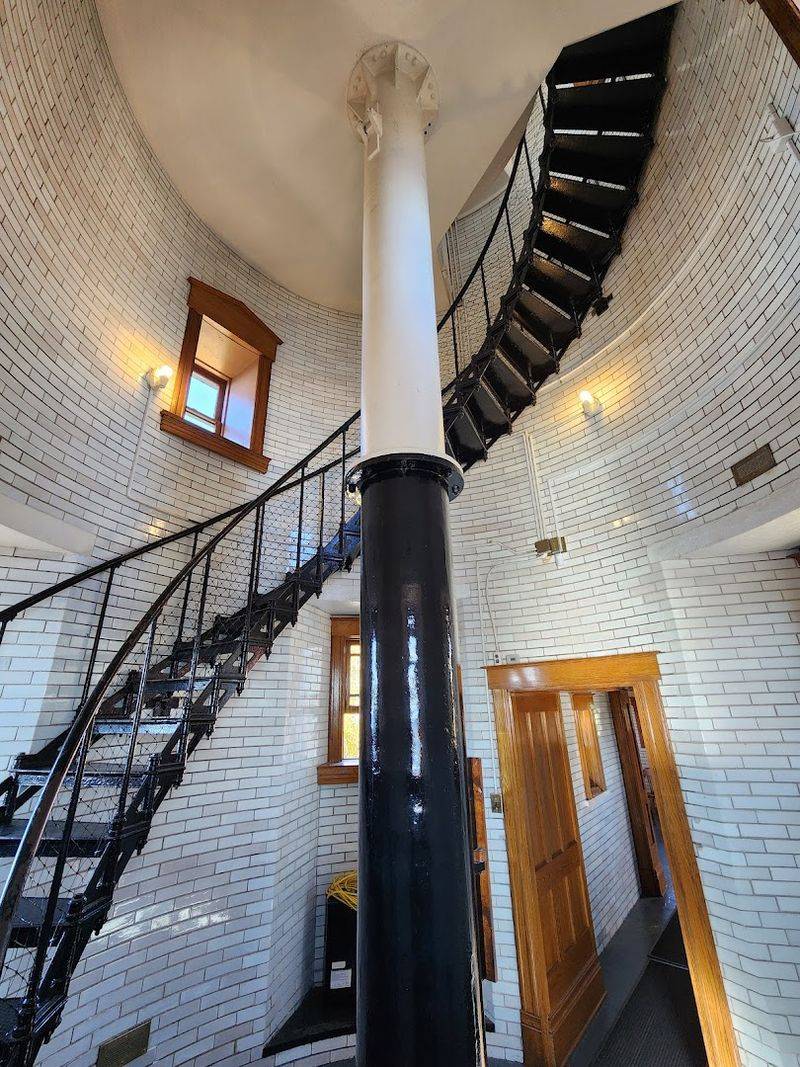
Climbing the lighthouse tower is one of those experiences that sounds simple but ends up being genuinely memorable. The staircase is narrow and winding, built for function rather than comfort.
Each step takes you higher above the cliff, and by the time you reach the top, the scale of everything below becomes startlingly clear.
At the summit, the original Fresnel lens mechanism is still present and still operational. Watching it turn, even slowly, gives you an immediate appreciation for the engineering involved.
The lens was crafted with extraordinary precision, designed to throw a beam far enough across open water to warn ships in dangerous conditions.
Space at the top is very limited, so expect a bit of a cozy squeeze if others are up there with you. A staff member typically gives a short presentation about the lens and the lighthouse mechanics.
It lasts just a few minutes, but the information shared is genuinely interesting and helps connect the physical space to its real historical purpose.
The Keeper’s House and What Daily Life Actually Looked Like
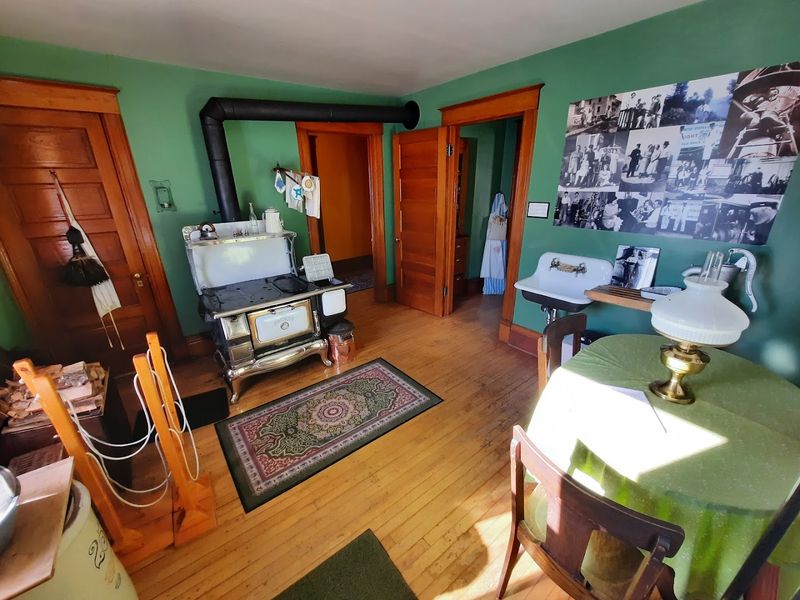
One of the most unexpectedly moving parts of the visit is touring the keeper’s house. The interior has been restored to reflect daily life in the 1920s, complete with period furniture, a wood stove, and kitchen tools that feel genuinely used rather than staged.
It is one of those rare museum spaces where you actually feel like someone just stepped out of the room.
Guides dressed in period clothing walk visitors through the home, sharing details about what lighthouse keeping involved on a practical level. The work was constant and often lonely.
Families lived on the cliff year-round, isolated from town, managing the light, the fog signal, and the upkeep of the entire station through brutal Minnesota winters.
During certain visits, staff demonstrate period cooking techniques, including how potato patties would have been prepared on the wood stove. That kind of small, specific detail does more for historical understanding than any wall of text could.
You leave the keeper’s house with a real sense of the people who actually lived there.
The Fog Signal Building and Its Mechanical Surprises
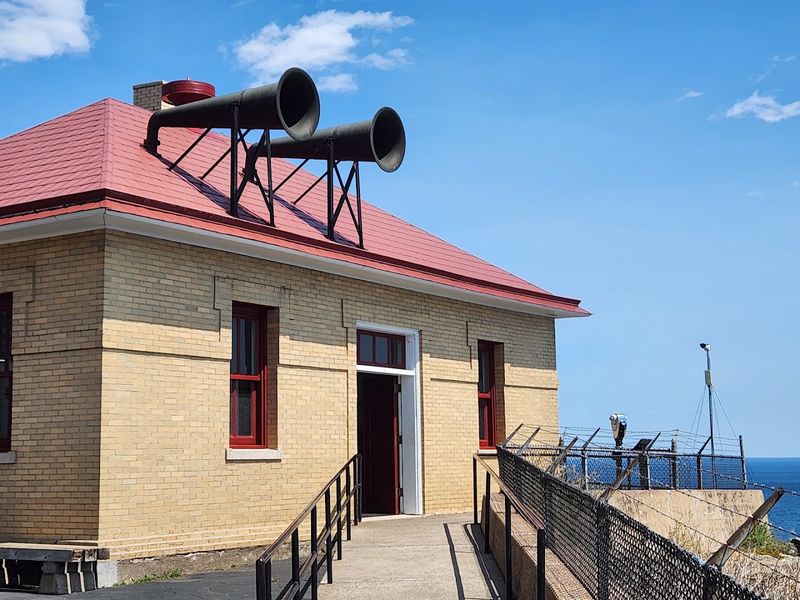
Most visitors focus on the lighthouse tower and miss the fog signal building entirely, which is honestly a shame. The fog signal building sits just beside the lighthouse and contains equipment that is just as fascinating as the light mechanism itself.
When Lake Superior fog rolled in thick enough to blind even the brightest beam, the fog horn became the last line of defense for approaching ships.
The machinery inside is heavy, mechanical, and built to last in harsh conditions. Getting close to it gives you a real sense of the industrial scale behind what might sound like a simple warning system.
These were serious machines, maintained around the clock by the keepers stationed here.
The horn itself is famously quiet during most visits, which surprises people who expect a dramatic demonstration. Even without a full blast, the building and its equipment tell a compelling story about how safety at sea depended on sound as much as light.
The Staircase Walk Down to the Lake Shore
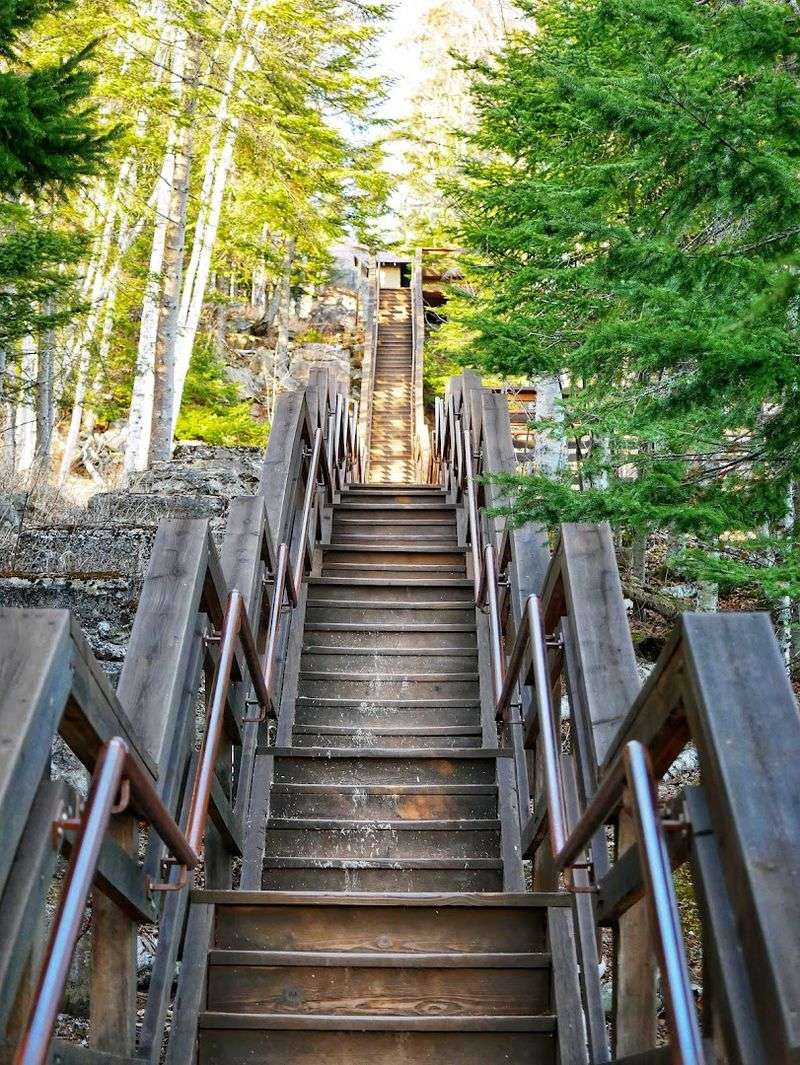
Nobody warned me how good the view from the bottom of those stairs would be. The staircase leading down the cliff toward the Lake Superior shoreline is long, a bit steep in places, and absolutely worth every step.
At the base, you get the most iconic angle of the lighthouse, rising high above the cliff face with the lake spread wide behind you.
The shore itself is raw and beautiful. Large, flat rocks line the water’s edge, and the sound of waves hitting them has a rhythm that makes it easy to just stand there for a while.
On clear days, the water is startlingly transparent near the shore, shifting from pale green to deep blue further out.
Winter visitors should be careful on the stairs, as ice can make the descent genuinely slippery. Spring visits often mean patches of snow still clinging to the shaded sections of the trail.
Any season you visit, the walk down rewards you with a perspective of the lighthouse that no overlook or parking lot view can replicate.
Trails, Grounds, and the Wider State Park Around It
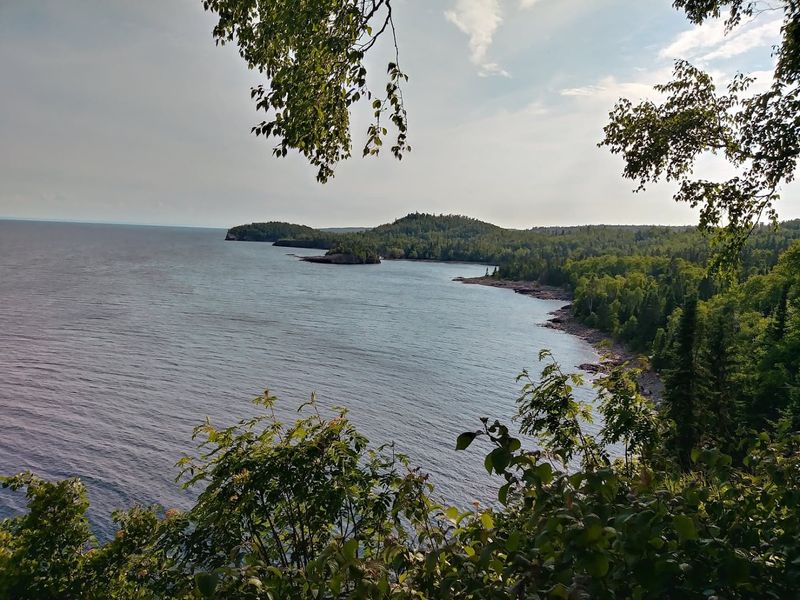
Split Rock Lighthouse sits within Split Rock Lighthouse State Park, and the surrounding trails are genuinely worth exploring beyond the lighthouse grounds. Wide, well-maintained paths wind through pine forest and along the Lake Superior shoreline, offering views that shift with every bend.
Some sections are paved, making them accessible for visitors with mobility challenges or those using strollers.
The park trails attract hikers, photographers, and people who simply want to walk near the water without a fixed destination. Dogs are welcome on many of the paths, and the park has a reputation among locals for being a peaceful escape from busier tourist spots further south on the North Shore.
Spending time on the trails after touring the lighthouse gives the visit a completely different energy. The museum and tower feel focused and historical.
The trails feel open and unhurried. Together, they make for a full day that covers both education and genuine outdoor experience.
Photography Opportunities That Are Genuinely Hard to Beat
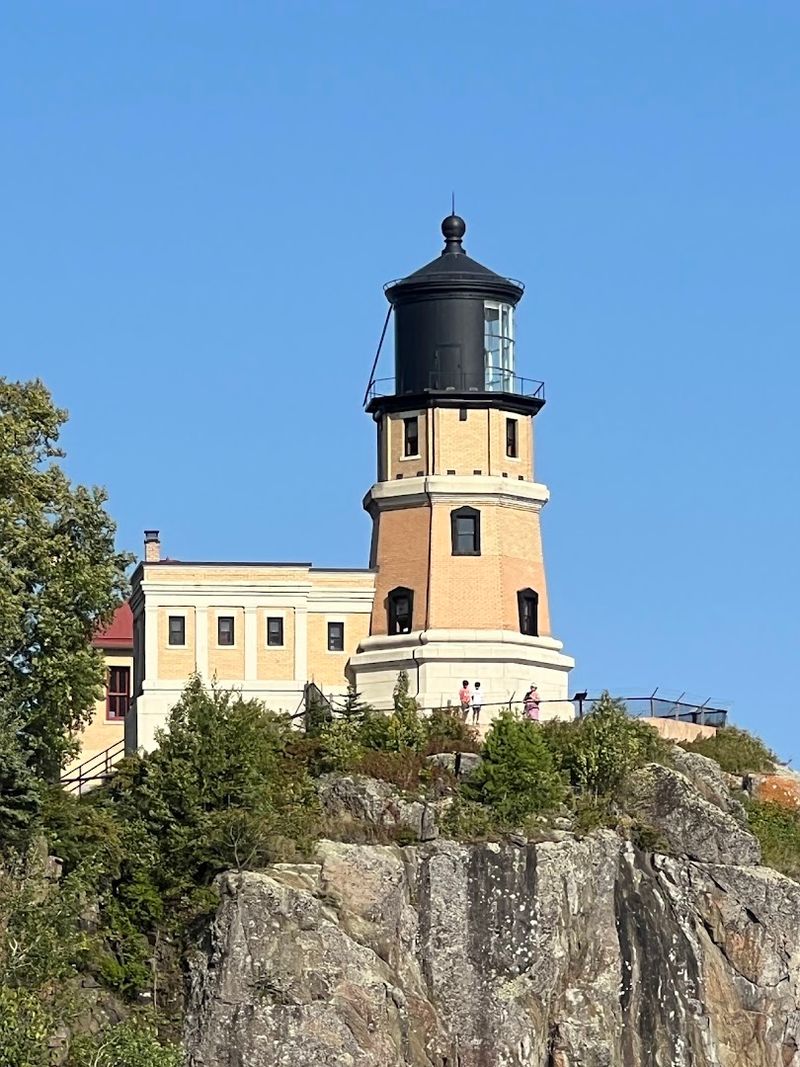
Split Rock Lighthouse is one of those places where even a phone camera produces something worth framing. The combination of the cliff, the tower, the water, and the surrounding forest gives photographers a naturally layered composition without much effort.
Golden hour here is something special, the warm light catching the lighthouse face while the lake below shifts into deeper shades of blue and gray.
The view from the bottom of the cliff stairs is the most photographed angle, and for good reason. Getting low on the shoreline rocks with the lighthouse high above creates a dramatic sense of scale that really communicates how remote and rugged this place feels.
Early morning visits offer soft light and almost no crowds, which makes a noticeable difference in your shots.
Current restoration work means scaffolding is visible on parts of the structure, which some visitors find frustrating from a photography standpoint. That said, the landscape itself is still stunning regardless of construction.
Planning Your Visit and What to Know Before You Go
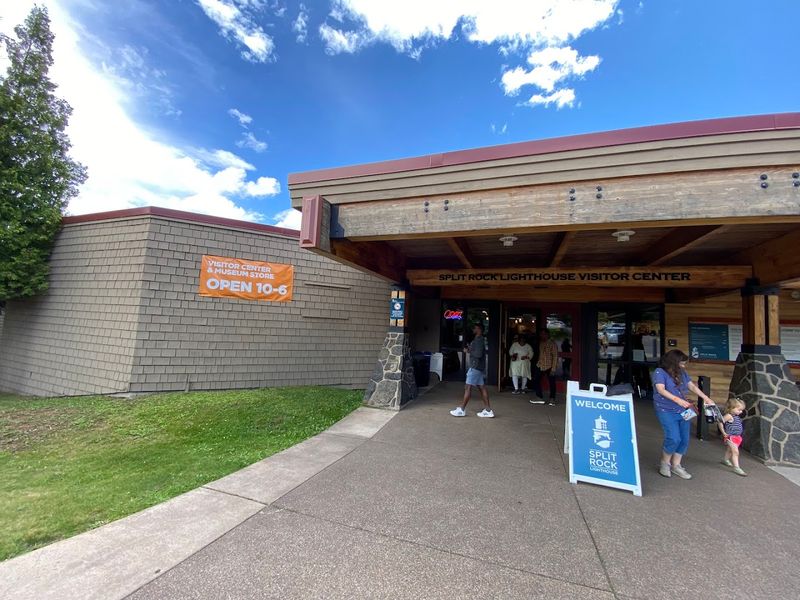
Split Rock Lighthouse is located at 3713 Split Rock Lighthouse Rd, Two Harbors, MN 55616, about an hour northeast of Duluth along Highway 61. The drive up the North Shore is beautiful on its own, with water views and forested bluffs lining most of the route.
Planning to arrive right when the site opens at 10 am helps you avoid the midday rush, especially on summer weekends.
The site is managed by the Minnesota Historical Society, and hours vary by season, so checking the official website before visiting is a smart move. Winter visits are possible but come with some limitations, including reduced access to interior spaces and icy walking surfaces near the cliff edges and staircase.
The gift shop near the visitor center carries locally made items, books about Lake Superior history, and lighthouse-themed souvenirs that are a step above the usual tourist fare. Staff across the entire site are consistently described as knowledgeable and welcoming.
