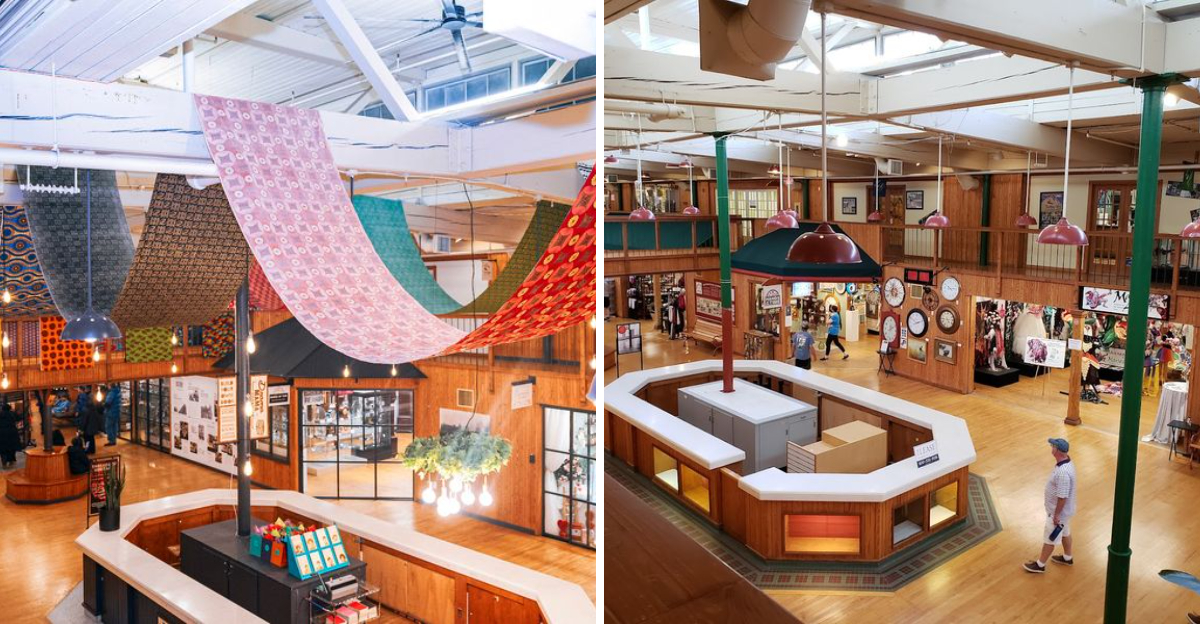
Old mills usually sit empty or get turned into condos. But this Maryland mill took a different path.
It became a shopping destination, and it is one of the coolest around. The historic building is full of character, with wooden beams and creaky floors that tell stories of the past.
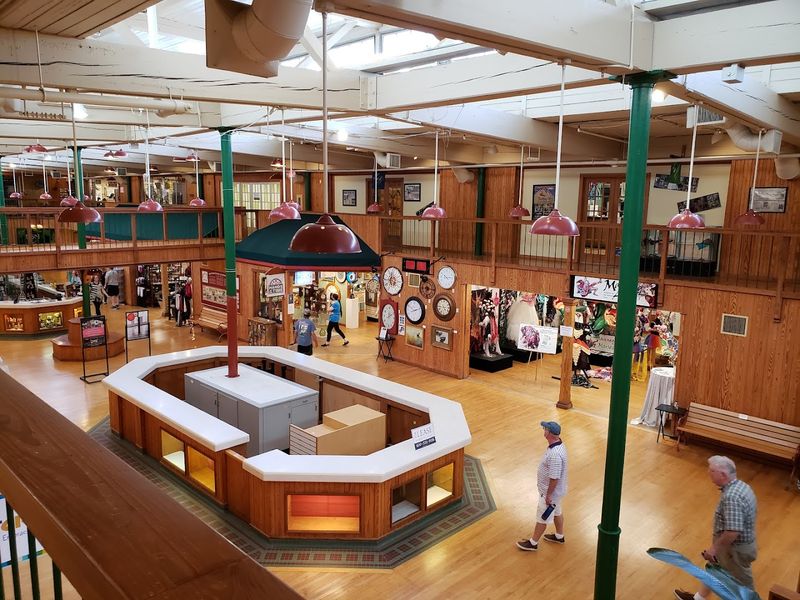
Inside, you will find a mix of boutiques, antique dealers, and artisan shops selling everything from handmade goods to vintage treasures. You can wander for hours, discovering something new in every corner.
Locals love the variety. Visitors are charmed by the setting.
The mix of history and shopping is a combination that works beautifully. That is the magic of a Maryland mill turned shopping hub.
History, character, and a whole lot of interesting finds all under one roof.
The Remarkable History Behind the Mill’s Walls
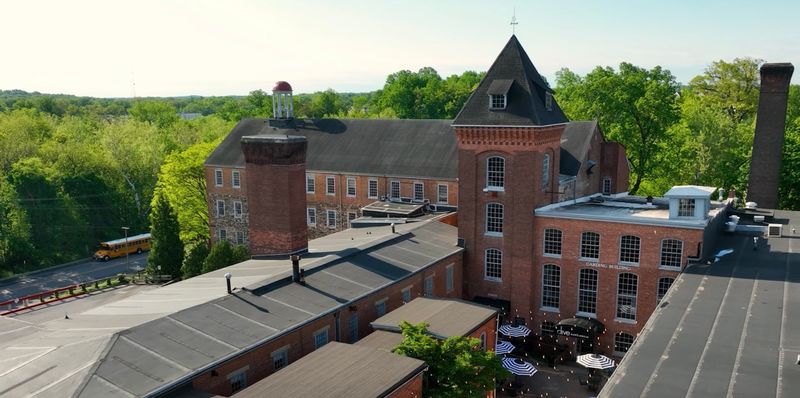
Few buildings carry their stories as openly as the ones at Savage Mill. The complex dates back to 1822, chartered as the Savage Manufacturing Company in December 1821 and named after John Savage, a Philadelphia banker who helped make the whole operation possible.
That kind of origin story gives the place a weight that you genuinely feel when you walk through it.
The mill’s main product was cotton duck, a heavy canvas material used for sailcloth and military supplies. It served both the Civil War and World War II efforts, which means these walls have quietly witnessed more American history than most people realize.
The mill was initially powered by a 30-foot waterwheel, which is a remarkable detail when you picture the scale of production happening here.
After closing in 1948, the property went through some unexpected chapters. It briefly operated as a Christmas ornament factory, then the Winer brothers purchased it in the 1950s for furniture manufacturing.
By 1974, Savage Mill had earned its place on the National Register of Historic Places.
The real turning point came in 1984 when it reopened as a mixed-use destination for shops, restaurants, and artists. Renovations supported by state and county funding were completed in 1992, giving the complex the polished-yet-rustic character it carries today.
Knowing all of this while browsing the shops makes the experience feel richer and far more meaningful than your average afternoon out.
More Than 80 Shops Packed Into One Historic Complex
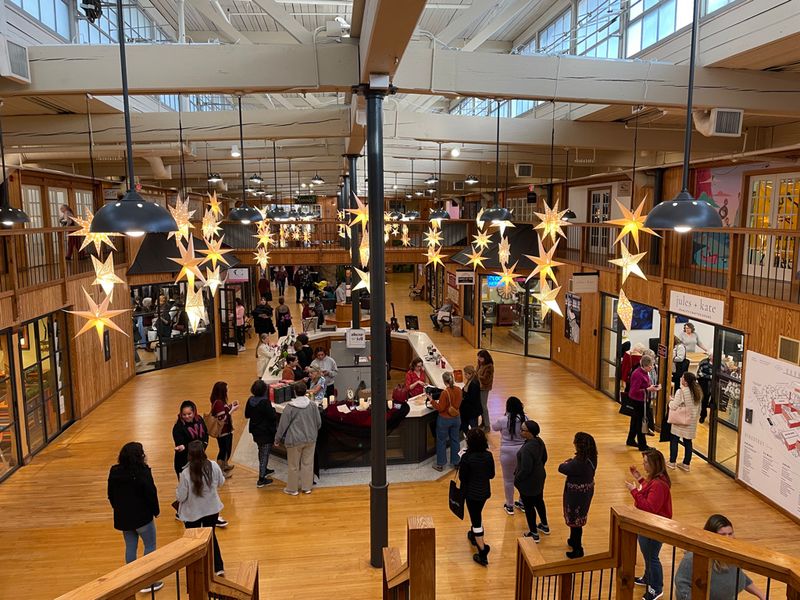
Eighty shops sounds like a number you might hear and quickly forget, but at Savage Mill, it hits differently once you are actually moving through the space. The mix is genuinely surprising.
You will find upscale resale boutiques sitting next to handcrafted furniture studios, gift shops hidden beside artisan jewelers, and specialty stores that you would not expect to find anywhere outside a major city.
The layout of the complex adds to the charm. Buildings connect through covered walkways and open courtyards, so the experience feels more like exploring a small village than navigating a typical mall.
Each turn tends to reveal something you were not expecting, which keeps the momentum going for hours.
What makes the shopping here feel different is the sheer variety packed into one place. You might start your visit browsing handmade pottery, then somehow end up in a shop dedicated entirely to vintage maps, and then stumble into a studio where someone is actively creating furniture right in front of you.
The energy is creative and unhurried.
Savage Mill is also notably pet-friendly throughout the shopping complex and its courtyard, which is a detail that regular visitors clearly appreciate. Seeing dogs happily trotting alongside their owners between shops adds a relaxed, community-feel quality to the whole afternoon.
It is the kind of place where time moves at its own pace, and that is genuinely refreshing.
The Antique Center, a Treasure Hunter’s Dream
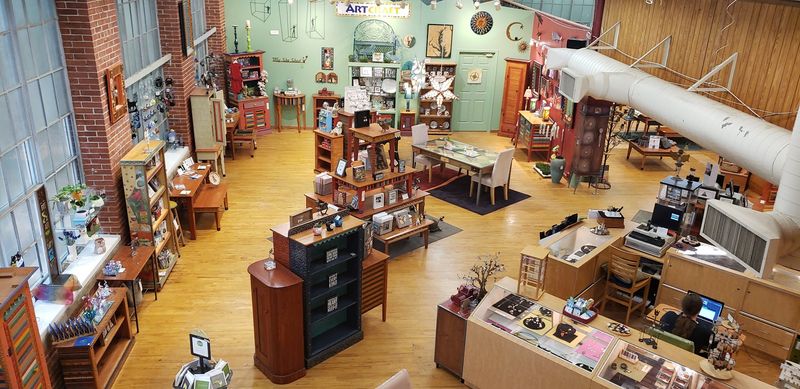
Antique shopping can feel hit or miss in a lot of places, but the Antique Center at Savage Mill is genuinely in a category of its own. With over 150 dealers spread across the space, the sheer volume of what you can find here is staggering.
I spent a solid hour in one section alone and barely scratched the surface.
The dealers here cover an enormous range of eras and styles. You can find Victorian furniture alongside mid-century modern pieces, Depression-era glassware next to hand-painted folk art, vintage toys sharing shelf space with Civil War-era memorabilia.
The variety is part of what makes repeat visits feel worthwhile because the inventory is always rotating.
For serious collectors, this is the kind of place where you can actually find things rather than just browse. The dealers tend to be knowledgeable, and many are happy to share the history behind their pieces when you ask.
That added context transforms a simple purchase into something that feels like a real find.
Even if you are not a dedicated collector, wandering through the Antique Center is a genuinely enjoyable way to spend time. There is something satisfying about handling objects with real history, picking up a piece of ironware or an old photograph and wondering about the life it came from.
The Antique Center alone is reason enough to make the trip to Savage Mill, and most visitors end up staying far longer than they planned.
Art Galleries and Studios That Bring Creativity to Life
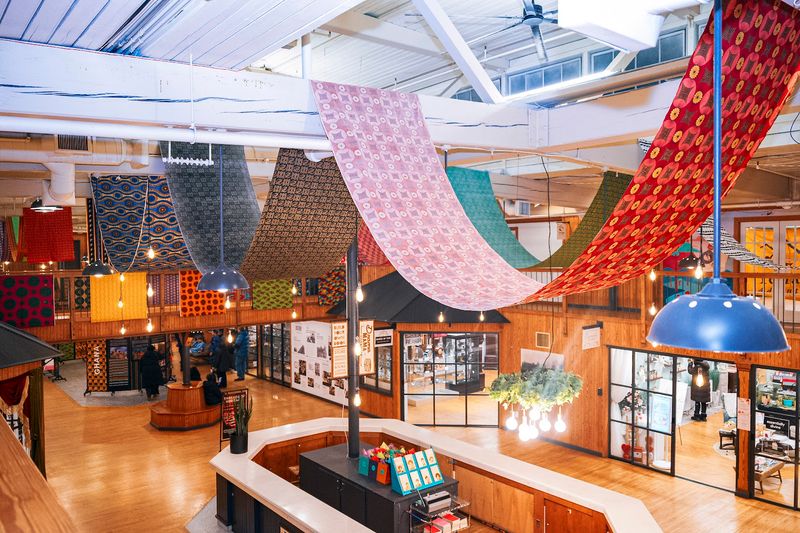
One of the things that sets Savage Mill apart from a standard shopping center is how much living, active creativity fills the space. HorseSpirit Arts Gallery is one of the standout spots, offering rotating exhibitions that feature original work from regional and national artists.
The gallery has a warmth to it that makes you want to linger.
Beyond the gallery, the mill hosts working artist studios where you can actually watch makers at their craft. There is something deeply satisfying about seeing a finished piece of art and knowing you walked past the exact spot where it was created.
It closes the gap between the creator and the visitor in a way that feels rare and meaningful.
The arts programming at Savage Mill goes further than just displaying work. Introductory classes in mosaics, bookmaking, and watercolor are available for visitors who want to try something hands-on.
These sessions are approachable for beginners and genuinely fun, even if you have never considered yourself a creative person before.
For families, these classes offer a memorable activity that is far more engaging than passive shopping. Kids tend to respond enthusiastically to making something with their own hands, and the instructors at Savage Mill create a welcoming environment for first-timers.
Whether you come to observe or participate, the arts scene woven throughout this complex adds a dimension that most destinations simply do not have, and it is one of the most compelling reasons to visit more than once.
Dining Options That Go Well Beyond the Expected
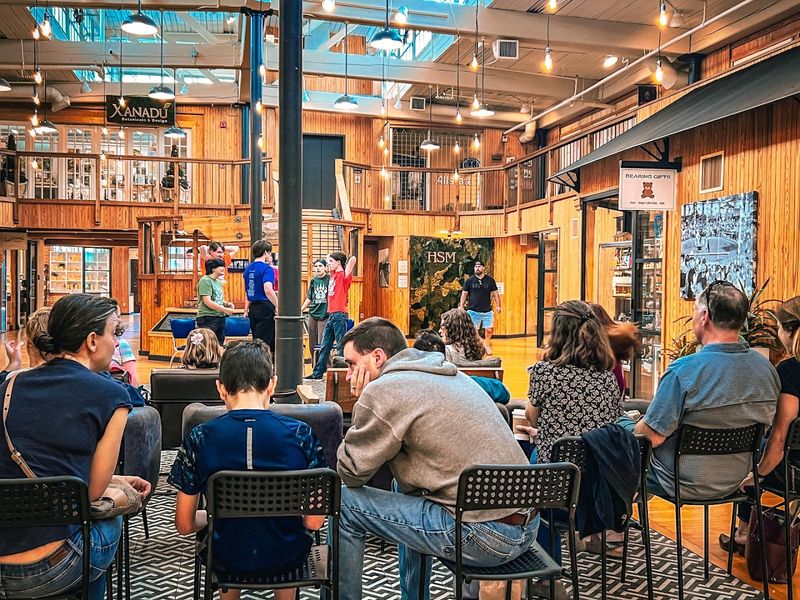
Good shopping deserves good food, and Savage Mill does not disappoint on that front. The dining options spread throughout the complex range from casual bites to award-winning restaurants, which means you can calibrate your meal to match your mood without leaving the property.
That kind of flexibility is genuinely appreciated after a few hours of exploring.
The restaurants here tend to lean into the character of the space rather than fight against it. Exposed brick, natural wood, and the general warmth of a converted mill building create a dining atmosphere that feels different from the usual options.
Eating here feels like part of the experience rather than a pause from it.
The variety of cuisines and formats available means that groups with different preferences can usually find something that works for everyone. Whether someone wants a full sit-down meal or a quick snack to fuel more browsing, there are options that fit both.
The quality across the board tends to be noticeably higher than what you might expect from a shopping destination.
One underrated pleasure of dining at Savage Mill is the courtyard seating available during warmer months. Eating outside while surrounded by the historic mill buildings and the sound of the nearby river creates a genuinely pleasant atmosphere that is hard to replicate elsewhere in the region.
It is the kind of lunch that turns into a two-hour afternoon without anyone really noticing or minding, which is the best possible outcome for a weekend outing.
The Bollman Truss Bridge, a Piece of Engineering History
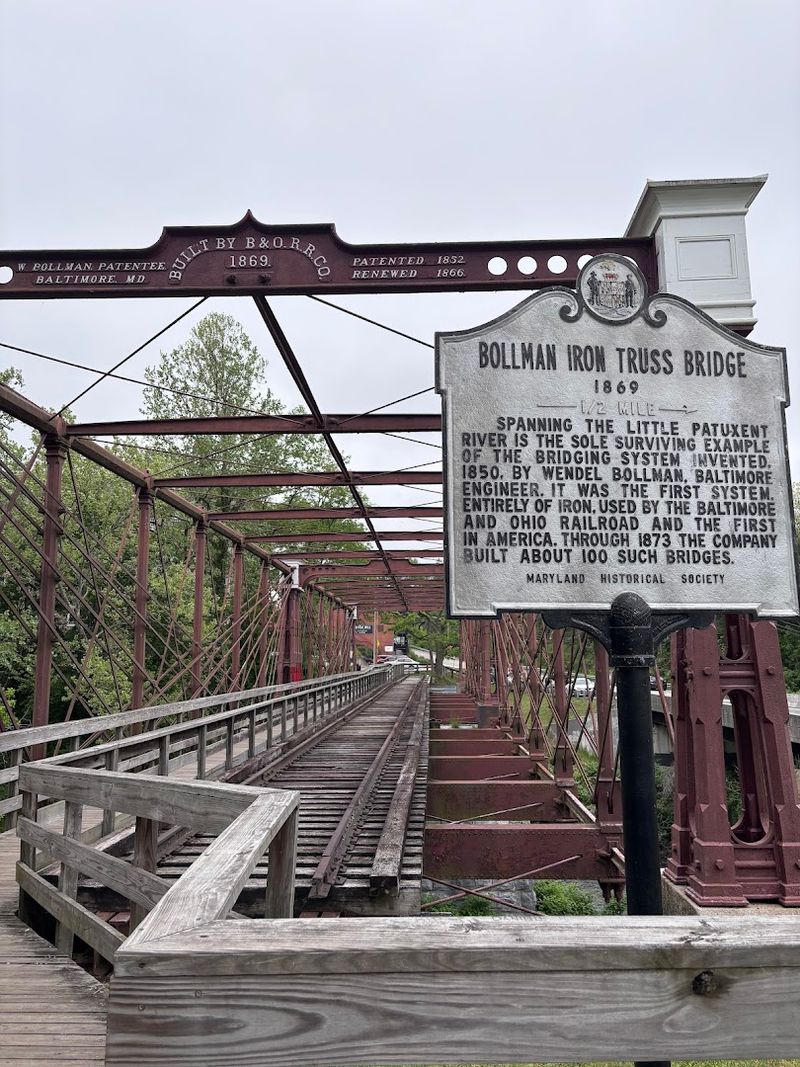
Most shopping destinations do not come with a National Historic Landmark attached, but Savage Mill is not most shopping destinations.
The Bollman Truss Bridge stretches across the Little Patuxent River right at the edge of the complex, and it is one of the genuinely rare surviving examples of this particular bridge design in the United States.
Crossing it feels like a quiet history lesson.
The bridge is open to pedestrians and cyclists, which makes it a natural extension of any visit to the mill. Walking across it gives you a perspective of the surrounding landscape and the mill buildings that you simply cannot get from inside.
The river below moves steadily, the trees crowd the banks, and for a moment the whole setting feels completely removed from the busy interstate just a mile away.
For anyone with even a passing interest in engineering or American industrial history, the Bollman Truss Bridge is worth a dedicated stop.
The design uses a combination of wrought iron and cast iron in a way that was considered innovative for its era, and seeing it in person makes that innovation tangible rather than abstract.
It is a working piece of history that you can actually stand on.
Families with curious kids will find the bridge sparks genuine questions about how things were built before modern machinery.
The surrounding trail area also provides a pleasant spot to stretch your legs between shopping sessions, making the bridge a natural midpoint in a well-rounded visit to Savage Mill and its surrounding landscape.
Events and Community Gatherings That Keep the Mill Alive
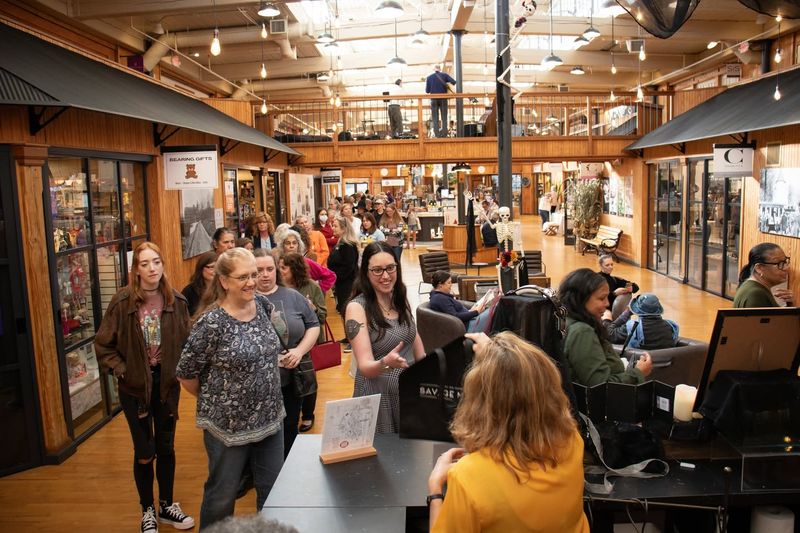
A place with this much character naturally becomes a gathering point for the community around it, and Savage Mill leans into that role fully. Throughout the year, the complex hosts a rotating calendar of events that draw visitors who might not otherwise make the trip out to Savage.
These events range from seasonal markets to art shows and specialty vendor fairs.
The courtyard becomes especially lively during warmer months when outdoor events spill across the open space between buildings. There is a festival quality to these occasions that makes the already appealing mill feel even more vibrant.
Vendors set up alongside the permanent shops, live activity fills the air, and the whole complex takes on a celebratory energy that is contagious.
For locals, these events are often a reason to return to Savage Mill repeatedly throughout the year rather than treating it as a one-time destination. The programming keeps the experience fresh and gives regulars something new to look forward to each season.
That ongoing relationship between the mill and its community is part of what keeps the place feeling genuinely alive.
For visitors coming from farther away, checking the event calendar before planning a trip can significantly enhance the experience. Arriving on an event day means more vendors, more activity, and more of the energy that makes Savage Mill feel like a true destination rather than just a stop on a road trip.
The community investment in this place is visible in every well-attended gathering that fills the courtyard.
Why Savage Mill Belongs on Every Maryland Visitor’s List
Howard County has quietly built a reputation for offering experiences that punch well above their weight, and Savage Mill is the clearest example of that.
Recognized as one of the leading tourist attractions in the county, the mill manages to appeal to an unusually broad range of visitors without feeling like it is trying to be everything to everyone.
That balance is genuinely hard to achieve.
The location makes it easy to fold into a larger Maryland itinerary. Sitting midway between Washington D.C. and Baltimore, right off I-95, Savage Mill is the kind of stop that makes a long drive feel worthwhile rather than just functional.
You can arrive for a few hours and leave having had an experience that sticks with you.
What I keep coming back to when I think about Savage Mill is how layered it is. The history runs deep, the shopping is genuinely interesting, the food is good, the art is real, and the bridge is extraordinary.
Each of those elements would be worth visiting on its own. Together, they create something that feels almost impossibly complete for a single destination.
Maryland has no shortage of interesting places to visit, but few of them manage to combine historical significance, creative energy, local commerce, and natural beauty quite the way Savage Mill does. If you have not made the trip yet, there is no better time to change that.
Address: 8600 Foundry St, Savage, MD 20763.
