
You would never guess what happened here just by looking at the trail. Oak trees.
Dappled sunlight. The sound of birds.
But beneath this peaceful California path lies the story of a 19th century railroad disaster that killed dozens of people. The train plunged into a canyon after a bridge gave way, and some say the victims never really left. Hikers report strange sounds at dusk.
The distant whistle of a train that no longer runs. Shadows moving through the trees where no one walks.
Others have felt an overwhelming sadness in certain spots, as if the ground remembers what happened. I walked the trail during the day, telling myself it was just history.
But I kept looking over my shoulder anyway.
The Forgotten History of the South Pacific Coast Railroad
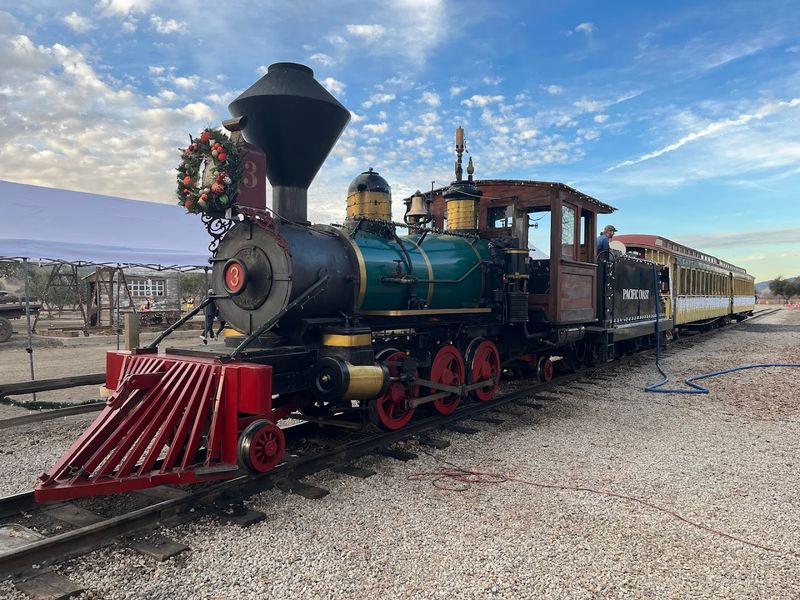
Few people realize that underneath the quiet hiking trails of the Santa Cruz Mountains lies the skeleton of an ambitious 19th-century engineering project. The South Pacific Coast Railroad, a narrow-gauge steam line, was constructed starting in 1876 with the goal of linking Alameda and Santa Cruz.
It was a bold plan that required cutting through some of the most unforgiving terrain in California.
The railroad wound through steep ridgelines, dense redwood forests, and unstable hillsides. Engineers faced constant challenges, from shifting soil to unpredictable weather.
The Summit Tunnel, later known as Wrights Tunnel, became the most dangerous stretch of the entire project.
Workers spent years carving through rock and earth, often encountering methane gas and crude oil pockets hidden deep underground. These conditions made every workday a gamble with life itself.
The men building this line were mostly Chinese laborers, brought in to do the most dangerous and physically demanding work on the project.
Their contributions were enormous, yet their names were never recorded in any official history. The railroad officially opened in 1880, and for a brief moment it seemed like the hard work had paid off.
Just one week after the grand opening, a train derailment killed 14 passengers, casting a long shadow over the celebration.
The line continued operating for decades, surviving earthquakes and storms, before finally being abandoned in 1940. What remains today are faint traces of a railroad that once roared through these mountains, now slowly being swallowed by the forest.
Wrights Tunnel and the Deadly Explosions That Shook the Mountain
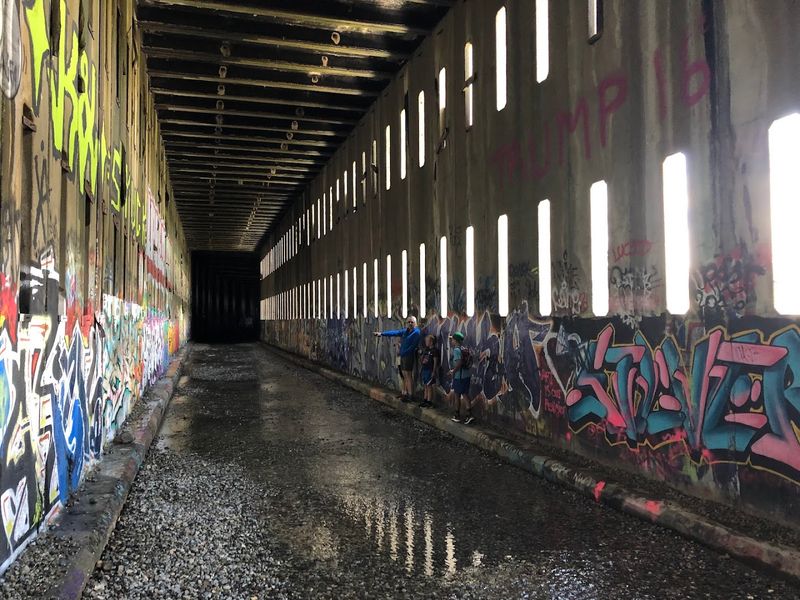
The construction of Wrights Tunnel between 1877 and 1880 was marked by tragedy on a scale that is hard to fully absorb. Workers drilling through the mountain encountered pockets of methane gas and crude oil seeping from the rock.
When that gas met an open flame, the results were catastrophic.
On February 14, 1879, an explosion tore through the tunnel and killed fourteen Chinese laborers. The date, Valentine’s Day, makes the loss feel especially cruel in hindsight.
Workers and foremen were shaken, but the pressure to complete the project pushed construction forward.
Then on November 17, 1879, a second and far larger explosion ripped through the tunnel, killing over 30 Chinese workers in a single devastating moment. A cave-in earlier that June had already claimed more lives when creosote-treated redwood support beams caught fire.
The tunnel became a place of dread.
Survivors reportedly told anyone who would listen that the tunnel was haunted. Some refused to go back inside entirely, which given the circumstances, was a completely reasonable response.
The mountain had taken too many lives for anyone to feel comfortable working within it.
The bodies of the 32 victims from the Summit Tunnel explosions were reportedly buried hastily alongside the tracks. Whether their remains were ever returned to their families remains unknown to this day.
That uncertainty is part of what makes this place feel so heavy, so unresolved, even now when you stand near the sealed tunnel portals and listen to the wind move through the trees.
The Hungry Ghosts of Wrights Station
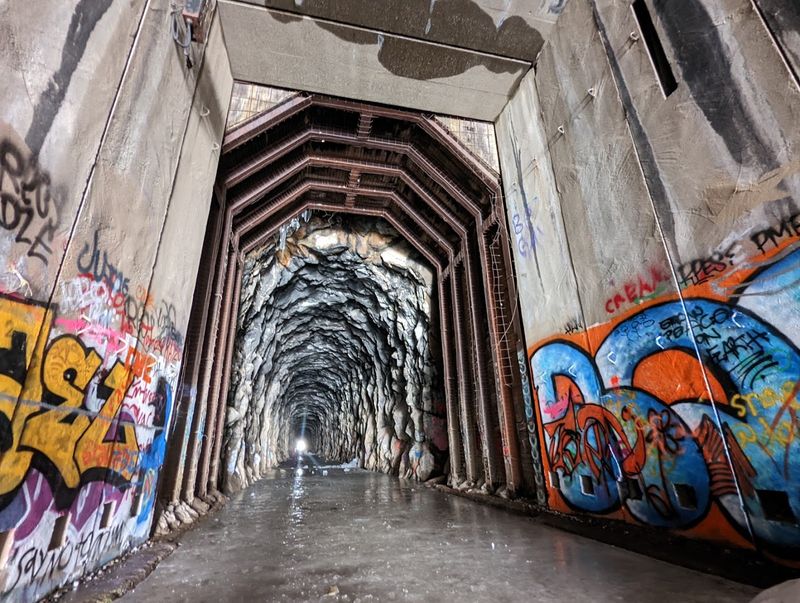
Ghost stories do not survive for over a century without something feeding them. Around Wrights Station, the local legends about hungry ghosts have persisted since the 1880s, rooted in a combination of tragedy, cultural belief, and unexplained experiences reported by residents and travelers alike.
In Chinese tradition, a hungry ghost is the spirit of someone who died violently or was not given proper burial rites. The laborers who died in the tunnel explosions were buried quickly and informally, with no ceremonies, no family present, and no record of where exactly they were laid to rest.
By the standards of the culture they came from, those conditions created the perfect circumstances for restless spirits.
For years after the explosions, people living near the north portal of the Summit Tunnel reported hearing voices and seeing figures that disappeared when approached. These were not wild rumors passed between strangers.
They were consistent accounts from people who lived and worked in the area, people with no reason to exaggerate.
I find it hard to dismiss stories that have this kind of staying power. There is a difference between a ghost story invented for entertainment and one that grows organically from real grief and loss.
The legends around Wrights Station feel like the second kind.
The idea that the spirits of those workers still wander the Santa Cruz Mountains, unable to find peace because no one gave them a proper farewell, is both heartbreaking and deeply human. It is a reminder that history leaves marks that do not always fade with time.
Earthquakes, Storms, and the Slow Abandonment of the Line
Even after the tunnel was finally completed and the railroad began operating, the Santa Cruz Mountains were not done testing the limits of the line. The 1906 San Francisco earthquake sent shockwaves through the region, causing a five-foot lateral displacement inside Wrights Tunnel.
That kind of shift in a mountain tunnel is not a minor inconvenience. It required extensive repairs before trains could pass through again.
The earthquake damage was dramatic, but it was the relentless storms that ultimately wore the railroad down. Major landslides struck in 1893, tearing up tracks and burying sections of the grade under debris.
Workers repaired what they could and kept the line running, but the mountain kept pushing back.
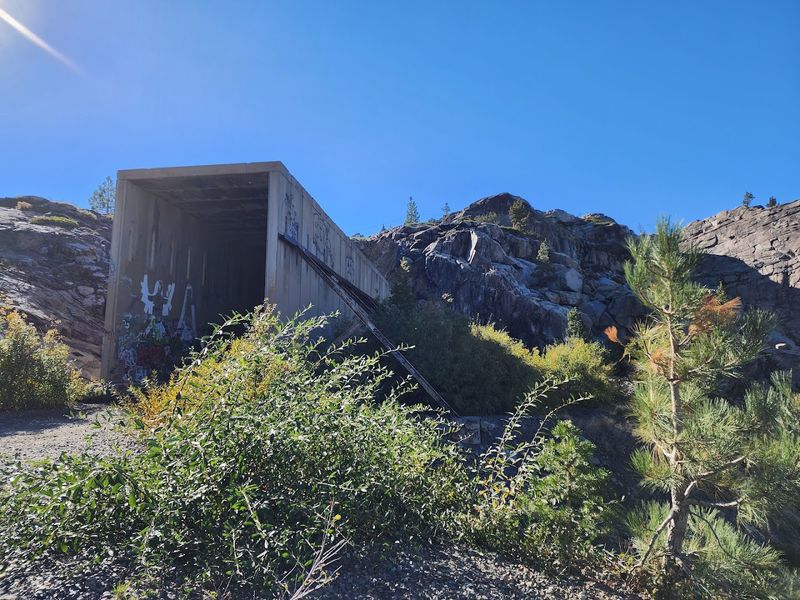
By 1940, another powerful storm brought more landslides and enough damage to finally end the railroad’s operation for good. The decision was made to abandon the line entirely, and between 1940 and 1942, the tunnels were dynamited and sealed to prevent trespassing.
Some portals partially collapsed, leaving only jagged stone openings that look like wounds in the hillside.
Wrights Station itself faded into a ghost town, largely bypassed as Highway 17 became the main route through the mountains. The old town site sits quietly off the highway, easy to miss if you do not know what you are looking for.
What strikes me most about this history is how quickly something so massive and costly was simply left behind. The mountain outlasted the railroad, and now the forest is slowly reclaiming every last trace of what was built there.
What Hikers Can Still See on the Trail Today
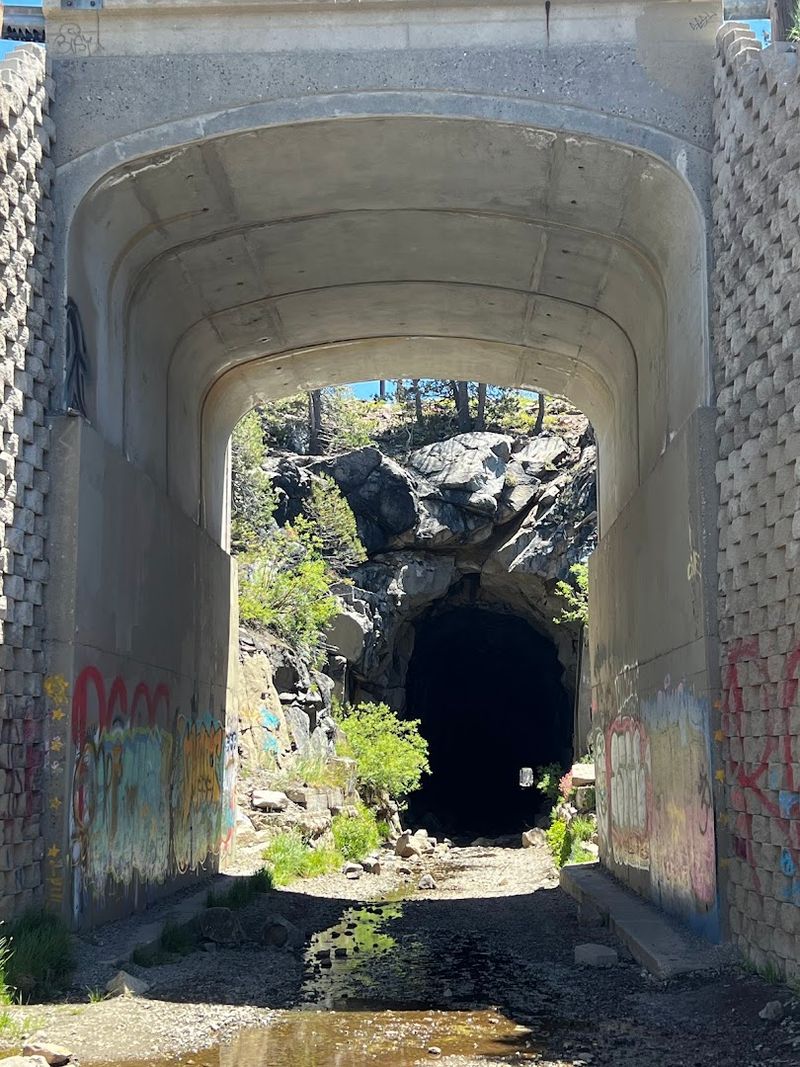
Visiting the area around Wrights Station today means reading a landscape that tells its story in fragments. The sealed tunnel portals appear as rough stone scars cut into the hillside, partially hidden by decades of vegetation growth.
You can trace the old railroad grade by following the unusually flat, narrow path that winds through otherwise steep terrain.
Scattered debris from the railroad era still surfaces along the trail, pieces of rusted metal, fragments of old timber, and occasional bits of stonework that hint at structures long since collapsed. It takes a certain kind of attention to notice these things, but once you start seeing them, you cannot stop.
Every few steps reveals something that does not quite belong to the natural landscape.
The interior of Wrights Tunnel is believed to be mostly intact, but no one has entered it since the Loma Prieta earthquake in 1989 shifted the mountains again. Its current condition is genuinely unknown.
That mystery adds another layer to an already layered place.
Some sections of the original South Pacific Coast Railroad between Santa Cruz and Felton are still active as part of a tourist railroad, which gives you a small taste of what travel on this line once felt like. But the Wrights Station area offers something that tourist experience cannot replicate, the raw, unpolished feeling of a place where history happened and was then quietly abandoned.
Wear good shoes, bring water, and give yourself time to slow down. This trail rewards patience more than speed, and the details that make it remarkable are easy to walk right past.
Why This Trail Deserves a Place on Your California Bucket List
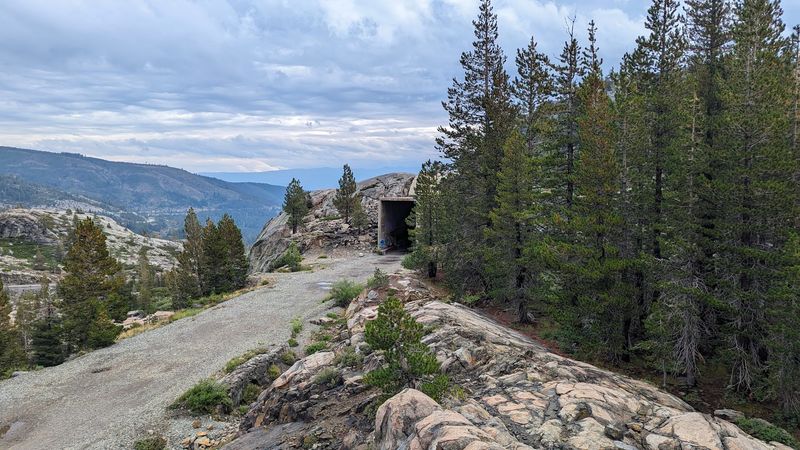
Most California hiking lists are full of dramatic coastal views and iconic national parks, which makes complete sense. But there is a different kind of travel experience waiting in places like the Wrights Station area, one that does not offer a postcard view so much as a genuine encounter with the past.
The combination of natural beauty and layered history here is genuinely rare. You are walking through a redwood forest that was already ancient when the railroad workers arrived in the 1870s.
The trees witnessed everything that happened in those tunnels, and they are still standing.
There is also something meaningful about paying attention to a history that was largely ignored for a long time. The Chinese laborers who built this railroad and died in these tunnels were not celebrated or commemorated in any official way for generations.
Walking this trail with some knowledge of what happened here feels like a small act of acknowledgment.
The ghost stories are a compelling hook, no question about that. But even if you are not particularly drawn to haunted history, the trail offers enough in terms of scenery, solitude, and historical texture to make the trip worthwhile.
It is the kind of place that stays with you after you leave.
Plan a visit during a weekday if possible, when the trail is quieter and the atmosphere is more pronounced. Early morning fog is common in the Santa Cruz Mountains and it transforms the landscape into something genuinely otherworldly.
Address: Wrights Station Trail, Wrights Road, Los Gatos, California.
