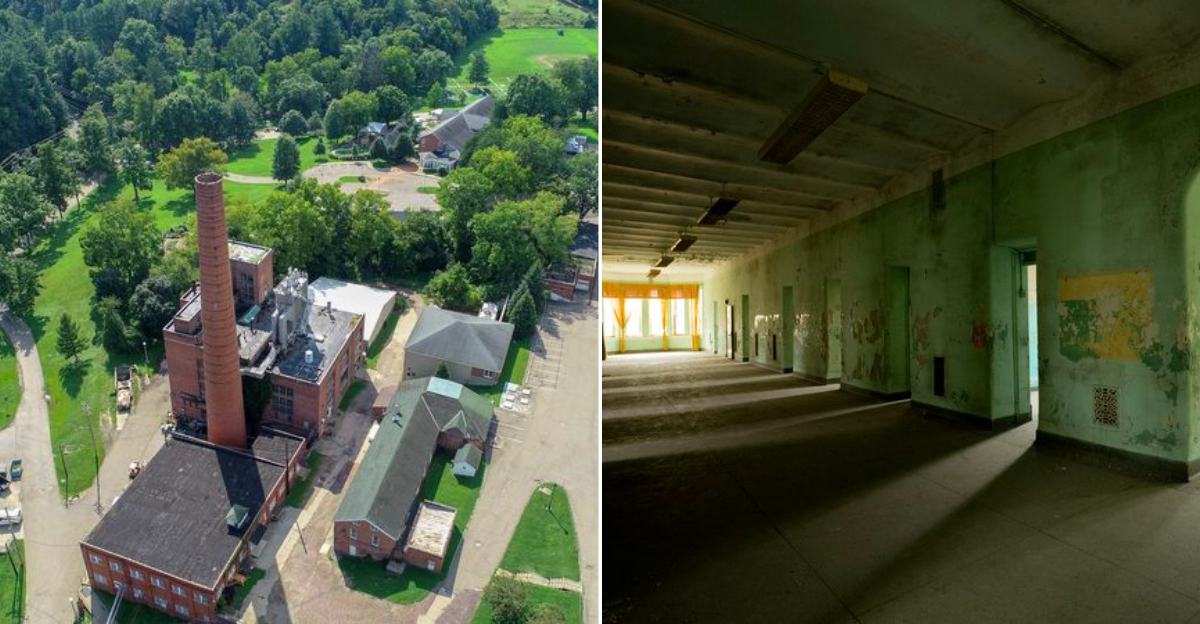
What if one of Ohio’s most talked-about haunted places also held a world-class art museum and sat right on a university campus? That is the strange, layered reality of this historic asylum, built in the 1870s using a progressive design that emphasized fresh air and natural light.
For decades, it was a self-contained community with its own farms and gardens, once employing more people than any other facility in the state. Today, its halls house biotech labs, an observatory, and the Kennedy Museum of Art, blending academic life with a fascinating past.
Visitors still tell stories about a patient named Margaret, who disappeared into a locked room and left a stain on the concrete that became part of local lore. Nearly two thousand people who once lived here are buried on the grounds in unmarked places.
So which Athens landmark offers historic public tours through a former asylum where art and history share the same walls? Walk the long corridors of The Ridges, and listen closely. The past is still whispering.
A Former Asylum On Campus
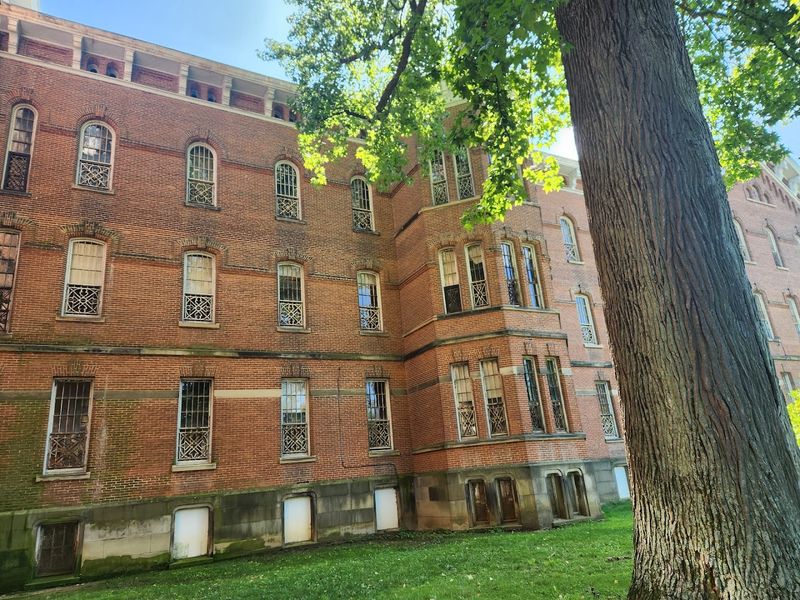
You know that moment when a place meets you with quiet and you instantly lower your voice without meaning to? That is how the first steps at The Ridges feel, with the main lawn stretching wide and the brick wings folding outward like a careful gesture.
You are on a university campus in Ohio, yet the building’s history shapes the air in a way that makes even casual footsteps sound thoughtful.
I like starting at the front path because it frames the whole conversation you are about to have with the site. You see classrooms and studios tucked into former wards, and you watch students weave past interpretive signs like locals who already know the stories.
The present hums along, but the past is still the louder storyteller if you give it a minute.
Stand by the tower and look down at the town, then look back at the windows that seem to blink in certain light. It is not dramatic, just steady and insistent, the way a place asks you to listen.
If you have a question in your pocket, this hill will find it.
From here, everything else makes more sense, because the context is right in front of you. The Ridges lives with the city of Athens and with Ohio University, and it teaches quietly through its spaces.
You feel welcome, but you also feel watched, in a good way that keeps you present.
Operated 1874 To 1993
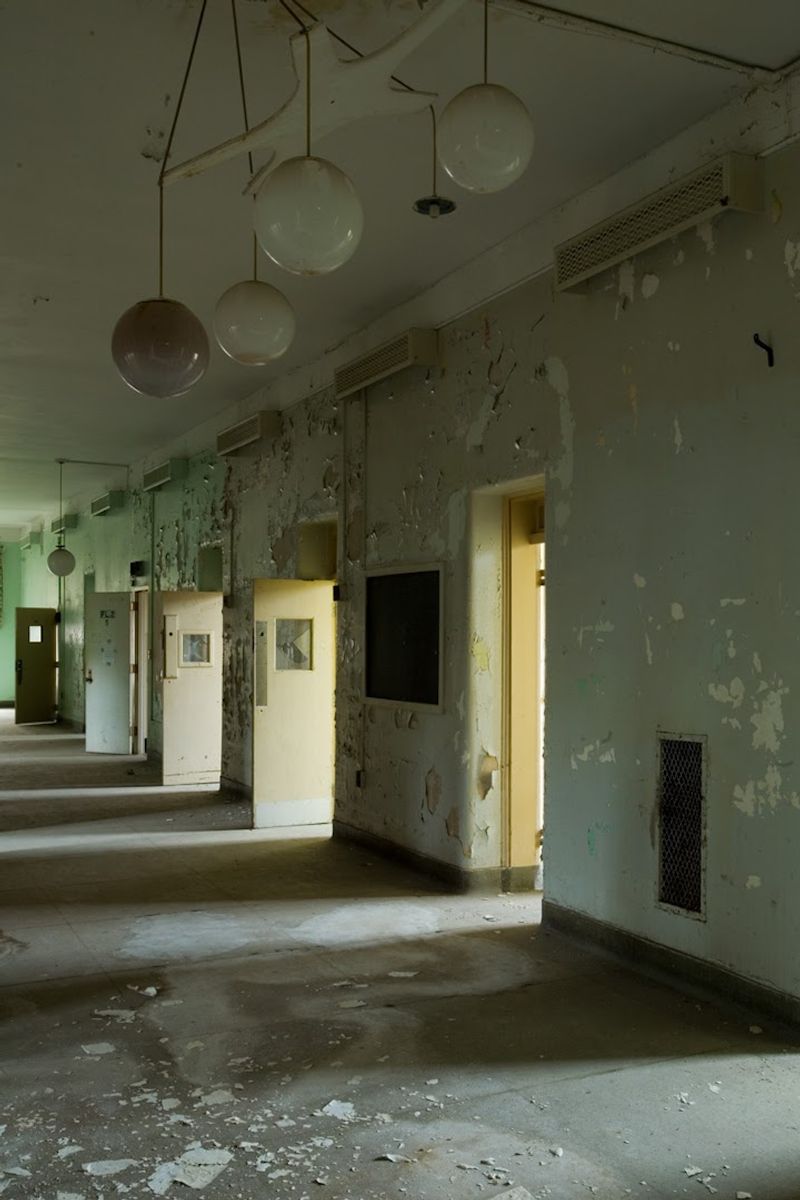
If you want the full weight of the place, pause where the main corridor stretches and let your eyes travel. This is where staff moved briskly and patients waited, where the building learned routines and carried them through seasons.
The rhythm still lingers in the floorboards and the echo of your own steps will tell you as much.
The address lands it firmly in the real world: Athens Lunatic Asylum (The Ridges), 118 Ridges Cir, Athens, OH 45701. Saying it out loud anchors the stories, because a street and a number pull legend back into everyday life.
That is useful when the building’s reputation starts to gather around you like weather you can feel on your skin.
Ask a guide about daily life and you will hear measured, human details. You will hear how routines shaped care, and how the architecture tried to match hope with order.
Those details are quiet but sturdy, the kind you remember later.
Even now, while students and visitors come for classes and art, the corridor holds time gently. Nothing feels staged, and nothing rushes you along.
You are allowed to stand, to consider, and to let Ohio history settle in at its own pace.
A Rare Kirkbride Building
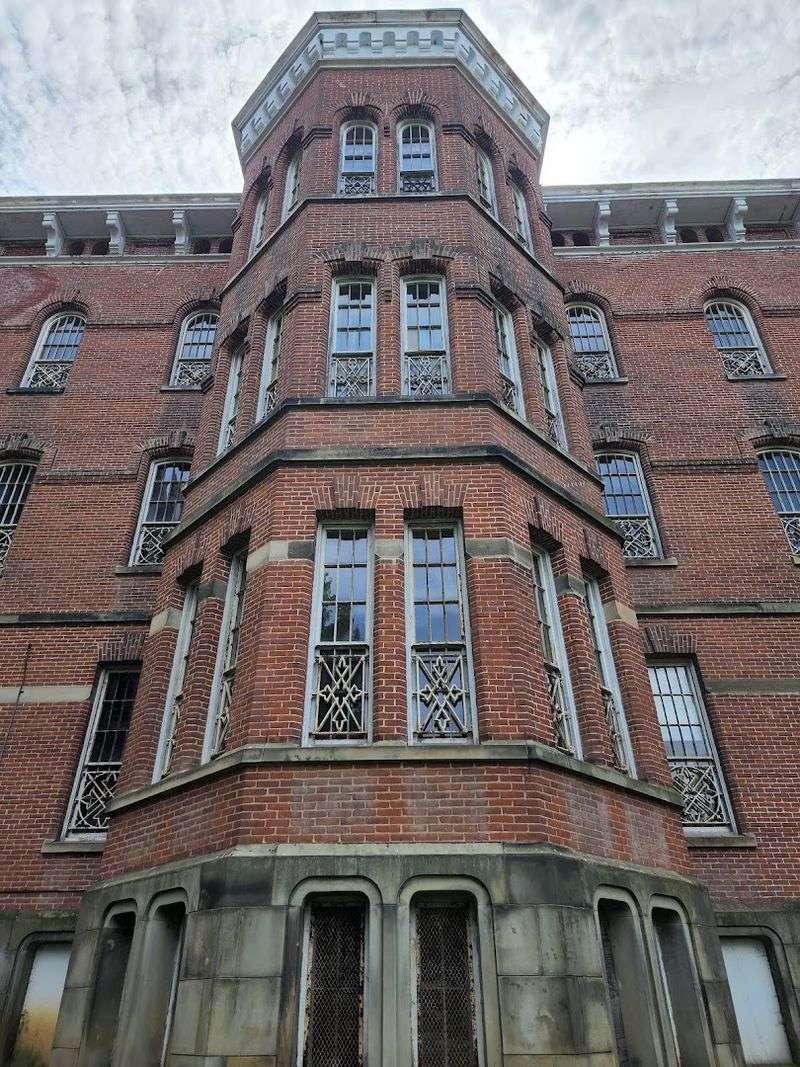
Architecturally, this place tells you exactly what it was built to do before you even read a plaque. The long wings open like cautious arms, set to pull in light and air, and the central tower stands there like a metronome for the whole complex.
That plan is not an accident, and once you notice it, you see intention everywhere.
I like tracing the slight curve of the facade with my eyes, then stepping back to catch the symmetry that feels almost ceremonial. It makes sense that a treatment philosophy once lived inside this layout, because the building is trying to guide feeling through space.
Even now, the proportions put you in a steadier mood than you expect.
Stand at the corner where the wing turns and watch how the hill holds the foundation. The setting in southeast Ohio adds texture, with woods edging the views and the town tucked below.
It is beautiful, but in a sober way that keeps your feet on the ground.
When you walk inside after noticing all that, the rooms feel like chapters. You understand the corridors differently, and you understand how light was part of the plan.
That recognition makes the tour richer, because the structure becomes a voice you can actually hear.
Victorian Gothic On A Hill
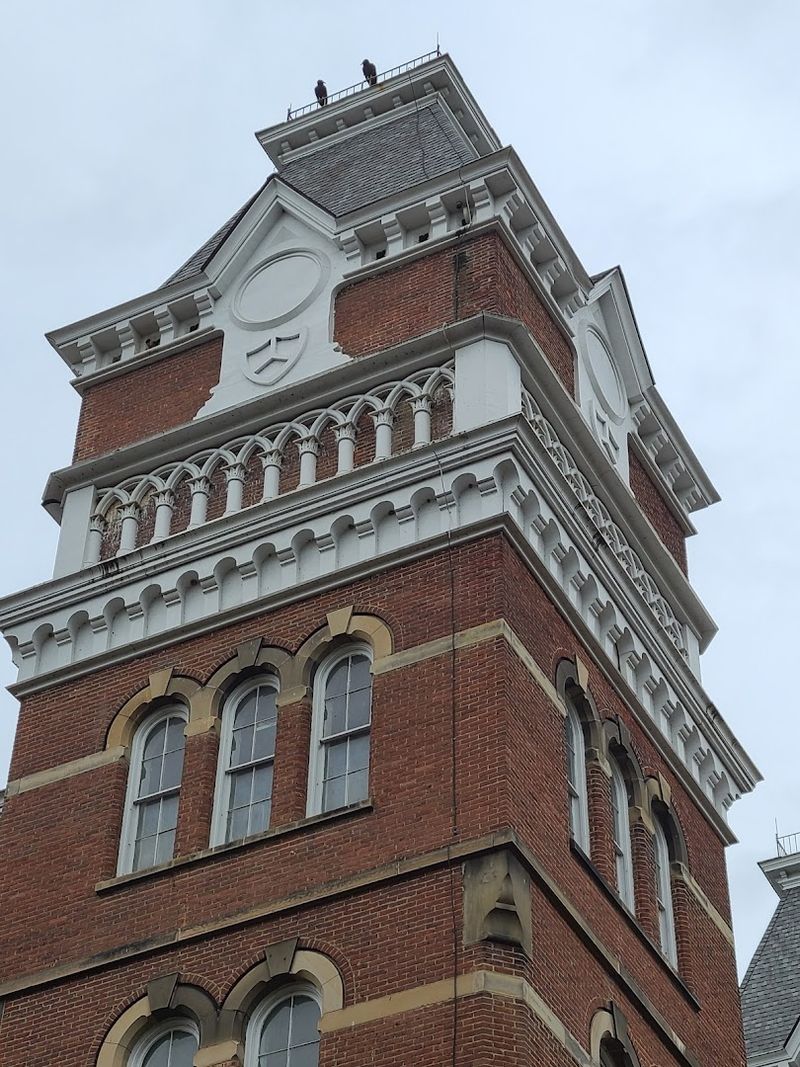
From the lawn, the building looks like it dressed up for the weather. Pointed arches cut into the sky, rooflines stack like careful handwriting, and the tower lifts just enough to make you look twice.
The whole composition is ornate without being fussy, which suits the ridge perfectly.
If you stand near the stair and let your eyes climb the brick, you can spot patterns that feel almost like stitching. Corners tuck into themselves and then open again, and small details reward slow looking.
The style might sound formal on paper, but in person it reads as calm and sturdy, like a trusted coat in an Ohio winter.
I always walk the front path again after noticing the trim and the cornices. The design softens the institutional bones and gives the place a voice that is firm but not stern.
That balance helps you understand how dignity and care were meant to live here together.
Look across the slope toward town and notice how the silhouette stays generous from every angle. The building and the hill share the view without arguing.
That cooperation is part of the spell, and it is why the site keeps pulling you back for another lap.
Voices And Shadows Reported
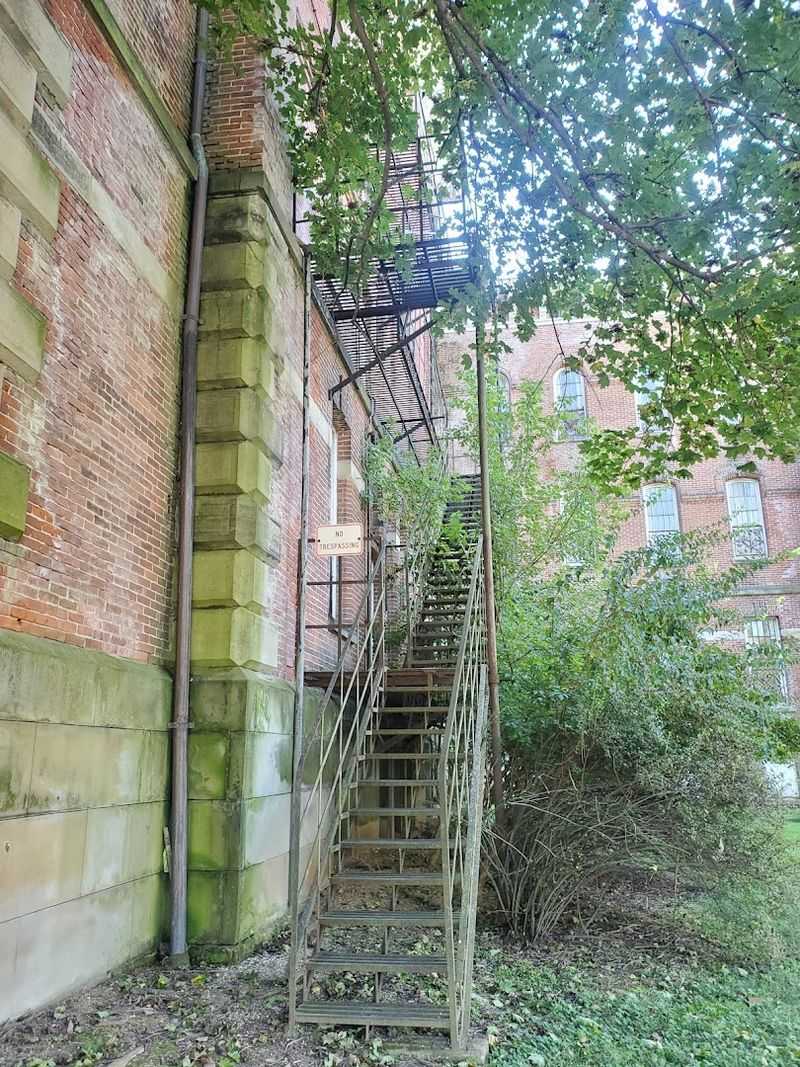
You know that feeling when a hallway sounds different than it looks? A few spots in this building do that, and people describe it as a voice just beyond the turn, or a shuffle that seems to come from a room you just checked.
It is subtle, which somehow makes it land harder.
I think the best way to meet those stories is to walk with friendly curiosity. Let your shoes make steady noise so you can tell what is yours, then stop and listen where the air cools.
Sometimes the hush deepens, and sometimes it is just a quiet hallway doing quiet hallway things.
Students talk about late night shadows near the stairwells and an extra footstep on the landings. Maintenance crews swap calm, matter of fact notes about lights and doors that behave oddly, even after checks.
Nobody is shouting about it, but nobody shrugs it off completely.
Here is what helps, especially in Ohio weather, when the building breathes with temperature and humidity. Keep your senses open and your imagination kind, and let the place keep its dignity while you enjoy the tingle.
You will remember the sound of your own breath on the way out, which is strangely comforting.
The Infamous Patient Stain
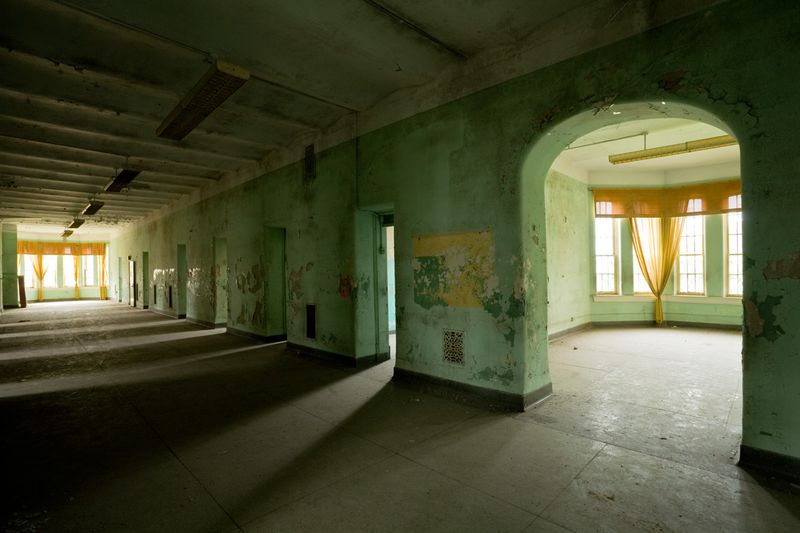
This is the part everyone asks about first, even if they pretend they will not. In a bright room on an upper floor, a faint outline remains on the old surface, and guides treat it with care while explaining what is known and what is not.
The space is ordinary in every way except for how it makes your stomach pause.
I will be honest, the first time I saw it, I did not move for a while. The window light fell across the floor, and the shape seemed to settle and lift with every shifting cloud.
It is not theatrical, yet your mind supplies a thousand stage lights.
What helps is context and compassion, which the tours provide with a steady hand. They talk about the search, the discovery, the cleaning, and the persistence of a stain that refuses to leave.
Then they invite you to breathe, and to see the room as part of a larger human story.
When you step back into the hall, you carry that ache and that clarity with you. The building’s quiet feels earned rather than eerie.
It is why people in Ohio and beyond keep coming, not for spectacle, but for a kind of respectful witness.
Now The Kennedy Museum Of Art
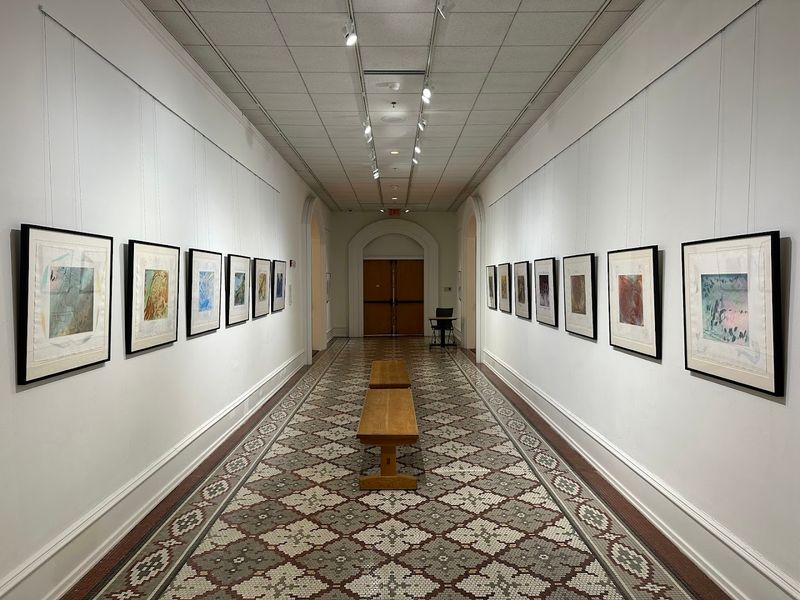
Walk through the museum doors and the energy flips in the nicest way. White walls, careful lighting, and artworks with real presence turn the building’s heavy memory into focused looking.
You can feel how thoughtfully the museum sits inside the old shell, honoring it without leaning on it too hard.
I like how textiles soften the acoustics while sculpture and paintings anchor the rooms. Labels invite real attention instead of rushing you along, and there is space to stand back and see how pieces speak to each other across a gallery.
Every now and then you catch a glimpse of brick or a window shape that reminds you where you are.
That contrast is the sweet spot, especially in Ohio where historic buildings are woven into daily life. You experience art while hearing the building breathe, and the layers do not fight.
They create a steady conversation that makes both stronger.
Before you leave, find a quiet corner and take one last slow look. It is a museum visit, yes, but it is also an exercise in attention and empathy.
You step out with your thoughts a little tidier and your senses tuned up, which feels like a small gift.
Native American Art Inside Lin Hall
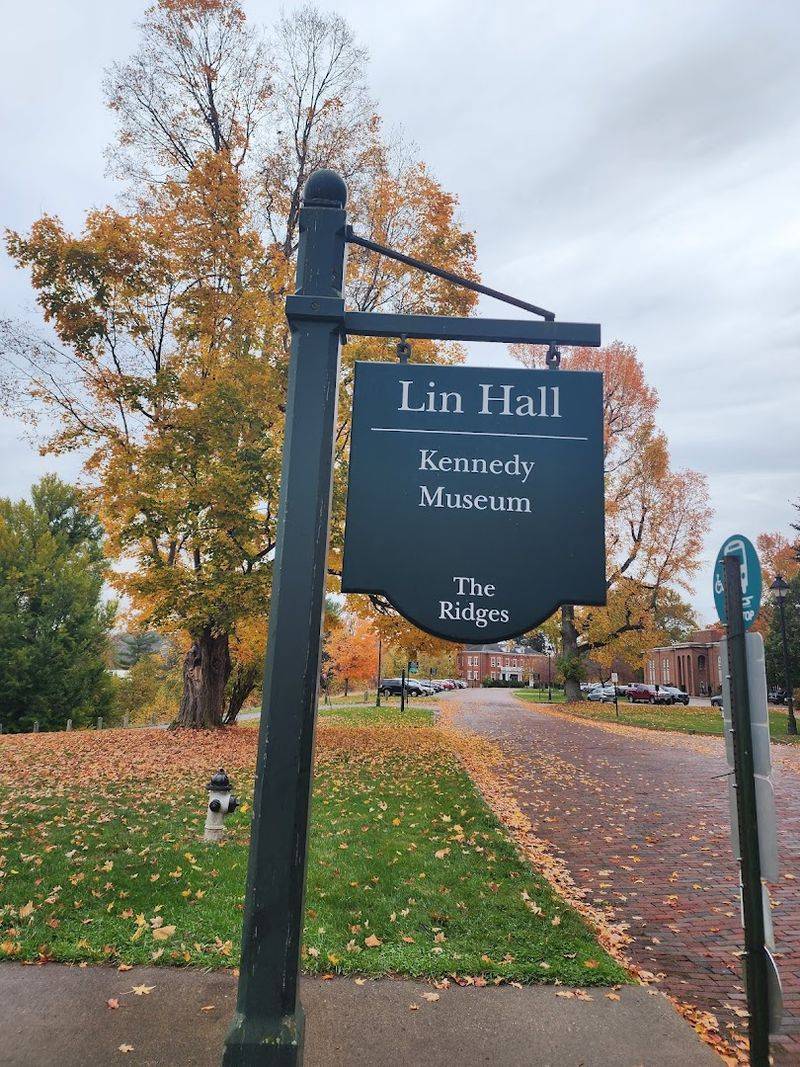
Over in Lin Hall, the tone shifts again, and the focus narrows in a way that feels grounding. The collection of Native American art invites quiet, sustained looking, with beadwork and textiles that pull you close.
The craftsmanship carries stories that do not need your commentary, only your care.
Take your time with the materials, the color, and the patience visible in every pattern. You will find yourself leaning in, then stepping back, then leaning in again, the way you do when something deserves more than a glance.
The rooms respect that rhythm with simple displays and kind lighting.
I think the setting matters here, because the building’s long memory sits in the background while present voices lead. That balance feels right in Ohio, where heritage and contemporary life coexist without fuss.
You leave with a steadier sense of continuity running through this whole hill.
When you step outside again, the campus path feels calmer underfoot. Your eyes are tuned to texture, and the brick shows new layers you missed earlier.
It is a quiet shift, but it stays with you as you wander back toward the lawn.
Walking Tours Of Grounds And Cemeteries
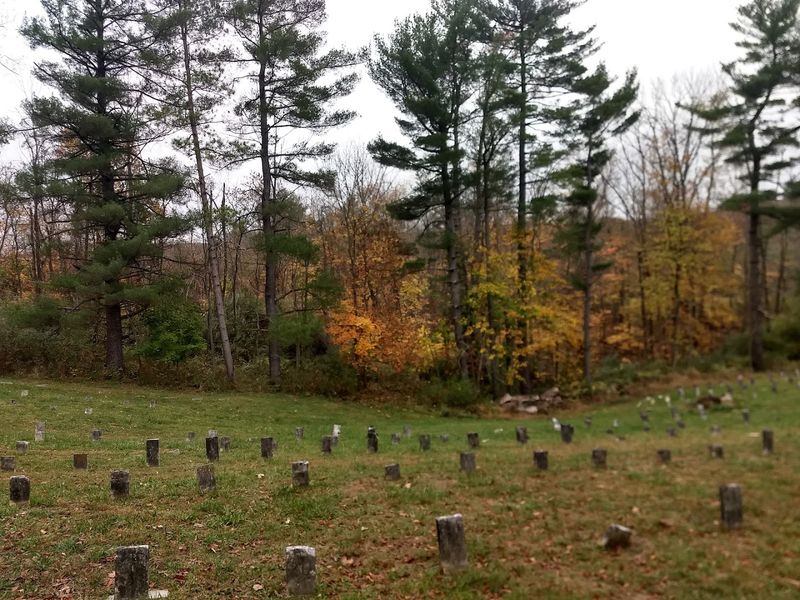
If you can, catch a guided walk, because the grounds tell stories the walls cannot hold. Paths wind through meadows and small groves, and then you arrive at cemeteries where markers stand modest and steady.
The tone is gentle and factual, which makes the moments of feeling land even more honestly.
Guides point out old alignments, the way the campus grew around the hill, and the places where time left oddly stubborn traces. You pause, listen, and realize how many lives moved through these gates.
It is a lot to hold, but the air out here helps you carry it.
In Ohio weather, the light can change quickly, and that seems to match the rhythm of the stories. One minute you are squinting into sun, and the next you are in soft shade, hearing a detail you will not forget.
The pacing is kind to your head and your heart.
At the end, people usually stand around a bit longer than planned. Questions come slowly, then all at once, and the guide handles them with calm clarity.
You walk back lighter and heavier at the same time, which is a strange and honest feeling.
One Last Look Before The Winding Road Down
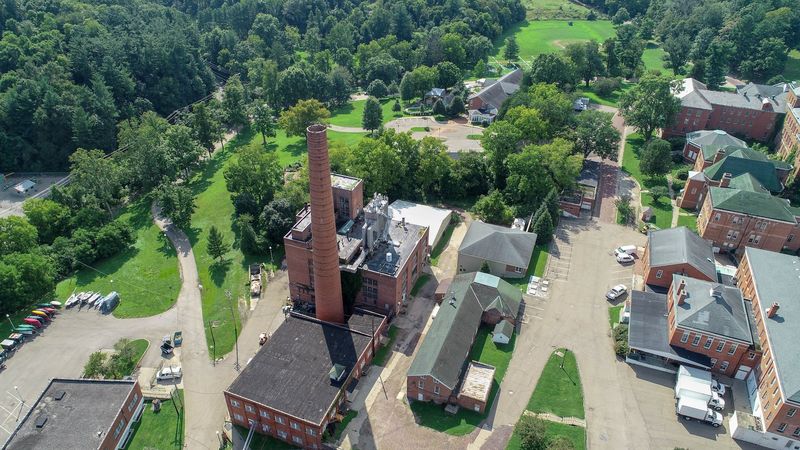
Before you head back to the car, do me a favor and turn around for a last look. The silhouette sits against the sky like a held breath, and the town of Athens spreads out below with porch lights turning on.
That view ties the whole experience together better than any neat summary ever could.
I like to stand by the edge of the lawn and count the layers, not with numbers, but with moments. Architecture, memory, art, and everyday campus life stack up, and somehow they agree to share the hill without stepping on each other.
When that clicks, you feel less like a visitor and more like a listener who was trusted with a few stories.
Ohio has plenty of places that mix past and present, but this one blends them with uncommon steadiness. The Ridges keeps its poise, the museum holds space, and the town hums along below.
You carry that equilibrium with you down the road.
As the curve takes you under the trees, the building disappears, then appears again between branches. It feels like a nod, or maybe just your eyes refusing to say goodbye too soon.
Either way, you will be planning a return before the first turn ends.
