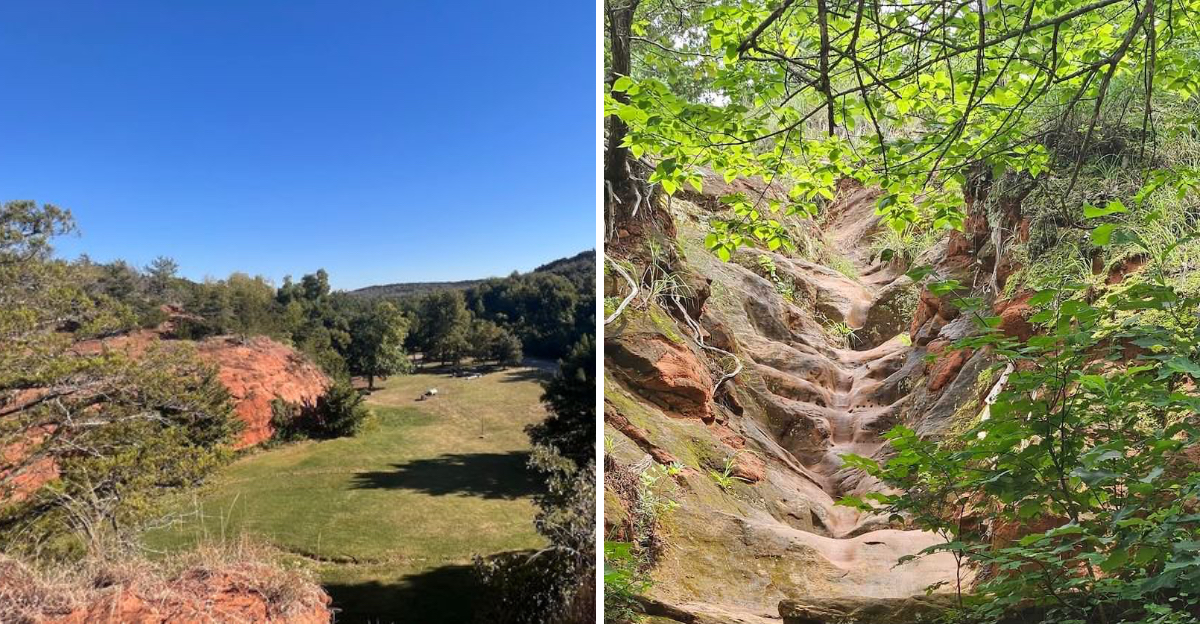
The wagon tracks are still there, etched into the sandstone like scars from a journey long finished. Pioneers crossed this canyon on their way west, their steel rimmed wheels grinding grooves into the rock that rain and wind have never fully erased.
This hidden Oklahoma canyon holds those ghosts in plain sight, if you know where to look. The red rock walls rise around you, striped with centuries of geological history.
A small waterfall tumbles into a swimming hole that has cooled generations of travelers. Campers pitch tents beneath the same cliffs that once sheltered homesteaders and outlaws alike.
Kids scramble up rock formations while parents point out the wagon ruts, explaining what those lines mean. The adventure park adds zip lines and ropes courses for modern thrill seekers, but the real attraction requires no equipment.
Just a quiet moment and a sense of history. Run your fingers along those stone grooves. Imagine the wheels, the oxen, the people who passed this way. The canyon remembers. Now you will too.
The Canyon Itself: A Geological Surprise You Walk Right Into
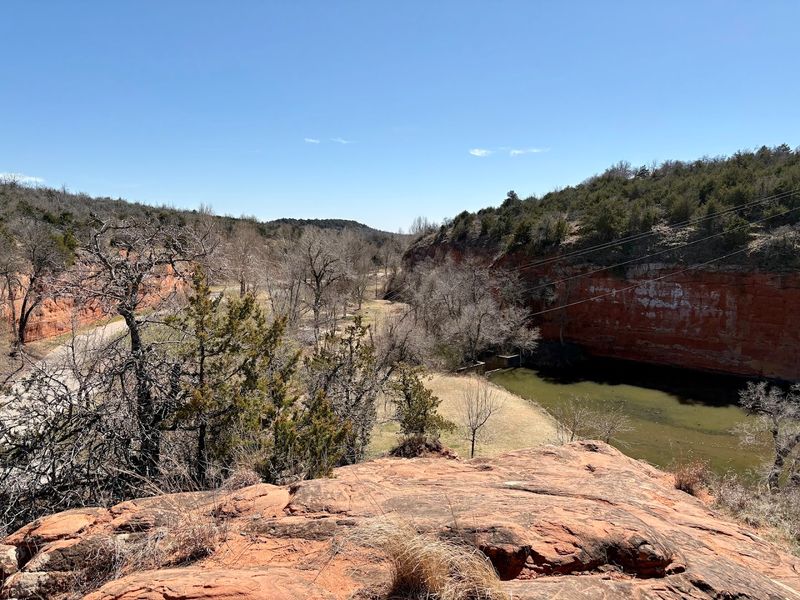
Most people have no idea what is waiting for them until the road suddenly tilts downward and the landscape changes completely.
One moment you are driving through flat Oklahoma grassland, and the next, the ground opens up into a vivid red canyon that feels almost theatrical in its drama.
The canyon was carved over millions of years by water cutting through layers of Permian-age red sandstone and gypsum. The result is a narrow, sheltered valley with walls that glow orange and crimson in the afternoon sun.
The color shift alone is worth the drive from Oklahoma City, which takes less than an hour.
Standing at the rim before you descend, you get a sense of just how hidden this place really is. The surrounding land offers zero hints that anything like this exists below.
The canyon floor is cool and shaded, a sharp contrast to the open heat above. Walking down into it feels like stepping into a secret that Oklahoma has been quietly keeping for a very long time.
Pioneer Wagon Ruts: History You Can Actually Touch
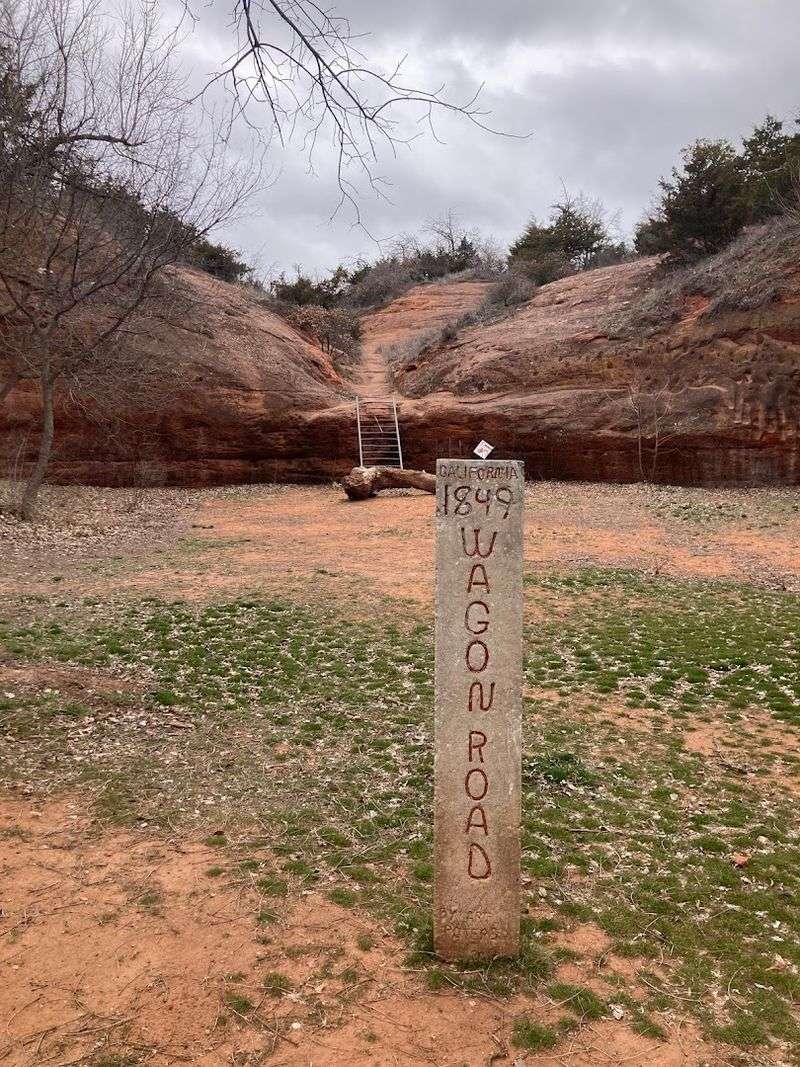
Before this canyon was a campground, it was a crossing point on the Chisholm Trail and a passage used by settlers moving west across Oklahoma Territory. The evidence of that history is not just in a museum display case.
It is literally cut into the rock beneath your feet.
Wagon wheels, heavy with the weight of pioneer families and all their belongings, wore deep grooves into the soft sandstone over decades of use. Those grooves are still there today, preserved by the same rock that created them.
Running your hand along one of those channels connects you to something genuinely old and genuinely human.
The ruts are not roped off or behind glass. You can stand right in them, place your feet where a wagon wheel rolled more than a century ago, and feel the physical weight of that history.
Oklahoma has plenty of historical markers on roadsides, but very few places where you can stand inside the actual evidence. That tactile connection to the past is one of the most quietly powerful things about this canyon, and most people who visit say it catches them completely off guard.
Rappelling the Red Walls: Vertical Adventure on Sandstone
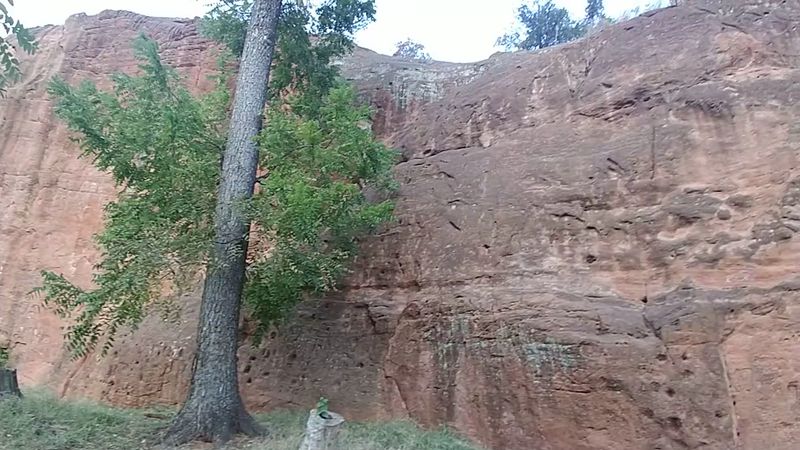
The canyon’s vertical sandstone walls have made this spot a well-known rappelling destination in central Oklahoma. The cliffs offer a range of descent options, from shorter drops that work well for beginners to taller faces that give experienced rappellers a proper challenge.
The red sandstone has a rough, grippy texture that provides decent friction, and the walls are varied enough to keep things interesting on multiple visits. Rappelling here feels different from indoor climbing gyms because the environment is completely unpredictable in the best way.
Wind moves through the canyon, birds call from ledges, and the rock changes color as the light shifts through the day.
If you plan to rappel, bring your own gear and anchor equipment, since the park does not provide anchor points. That is worth knowing before you pack the car.
The park staff can point you toward the best access routes for the walls, and the trails leading to the top of the cliffs are well worth the climb even if you are just going for the view.
The canyon looks completely different from above, and the perspective shift is striking enough to justify the hike on its own terms.
Hiking Trails That Actually Go Somewhere Interesting
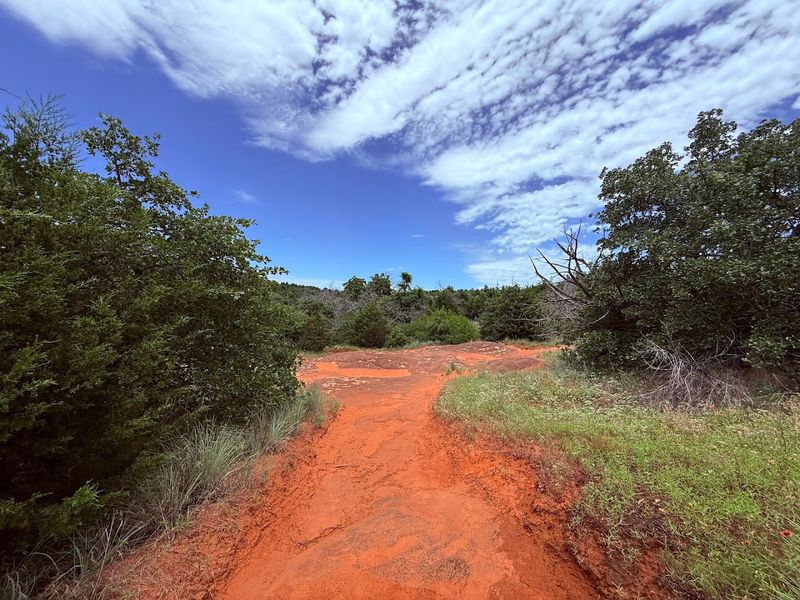
The trail system at Red Rock Canyon Campground and Adventure Park covers a range of difficulty levels, which makes it genuinely useful for groups with mixed fitness levels.
Some paths are relatively flat and easy to follow through the canyon floor, while others climb up through rocky terrain to reach the canyon rim.
The horseshoe-shaped area of the park contains some of the most rewarding hiking, with elevation gain that rewards effort with sweeping views across the canyon and surrounding Oklahoma prairie.
The trails are shaded by a canopy of trees that keeps temperatures noticeably cooler than the open land above, which matters a great deal during Oklahoma summers.
A few trail sections are overgrown in spots, and ticks can be an issue in the denser vegetation, so long pants and a tick check after your hike are both smart moves.
Poison ivy grows along some paths as well, so staying on the marked trail is genuinely good advice rather than just a formality.
The trail system has been improved significantly since the park moved into private ownership, and the markers are clearer now than they were in the state park era. Each trail bend tends to reveal something worth stopping for.
Camping Options From Rustic to Glamping
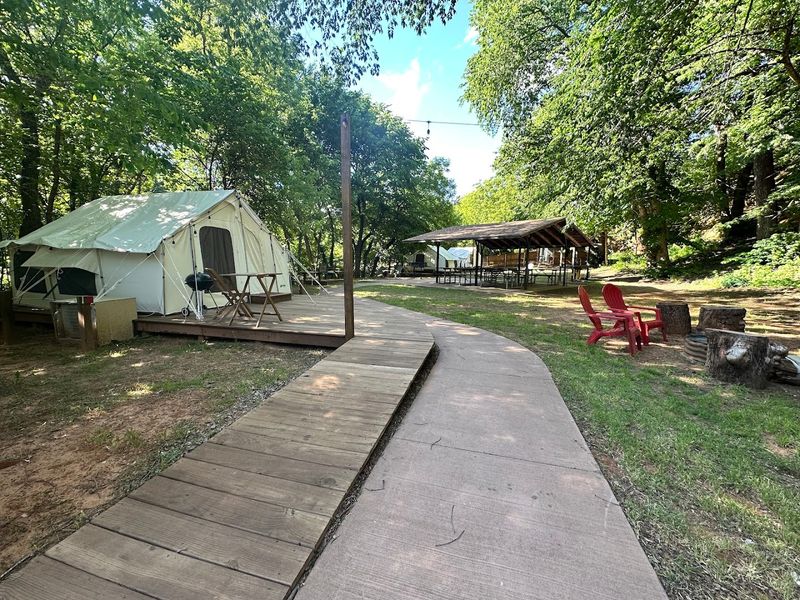
The campground side of Red Rock Canyon Adventure Park covers a wide range of outdoor sleeping preferences.
Standard RV sites come with electric and water hookups, and the park can accommodate large rigs without too much trouble, though the road in and out is steep and winding enough to require some care on the way down.
For those who prefer something with a bit more comfort, the park offers glamping tents and yurts that come pre-equipped and ready to use.
Options like the Happy Camper and the Terrace setups have become popular for groups who want the outdoor atmosphere without hauling all the gear themselves.
A communal hot tub is available near some of the glamping sites, which feels like a genuinely good idea after a full day of hiking.
The horseshoe-shaped campground loop keeps sites reasonably spaced, and the playground area is close enough to be convenient for families without being loud for everyone else.
A small coffee shop near the park entrance opens in the mornings and has become a beloved part of the daily rhythm for regulars.
Waking up to canyon air and then walking to get a warm drink is a simple pleasure that somehow feels exactly right in this setting.
The Night Sky Above the Canyon
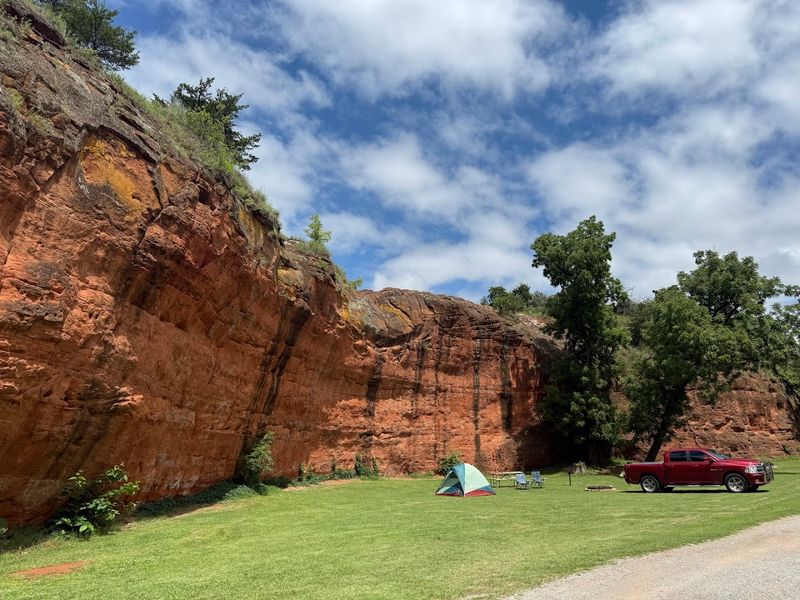
One of the quieter rewards of staying overnight at Red Rock Canyon is what happens after the sun goes down.
The park sits well outside any major city, and the surrounding Oklahoma landscape is flat and open, which means light pollution is minimal and the sky above the canyon fills up with stars in a way that feels almost excessive.
The canyon walls create a natural frame around the sky, and looking straight up from the canyon floor on a clear night gives you a vivid, wide-open view of the Milky Way.
The experience is noticeably different from star-gazing in a suburban backyard, and it has a way of making conversations quieter and more thoughtful.
Bringing a blanket and lying on the canyon floor after the fire dies down is one of those simple activities that costs nothing and delivers something genuinely memorable.
Oklahoma nights can get cool even in warmer months, especially inside the canyon where the air settles and temperatures drop after sunset.
Packing a layer or two is worth doing regardless of the forecast. The stars here are the kind that remind you just how much sky exists above the everyday world.
The History of the Canyon as a Crossroads
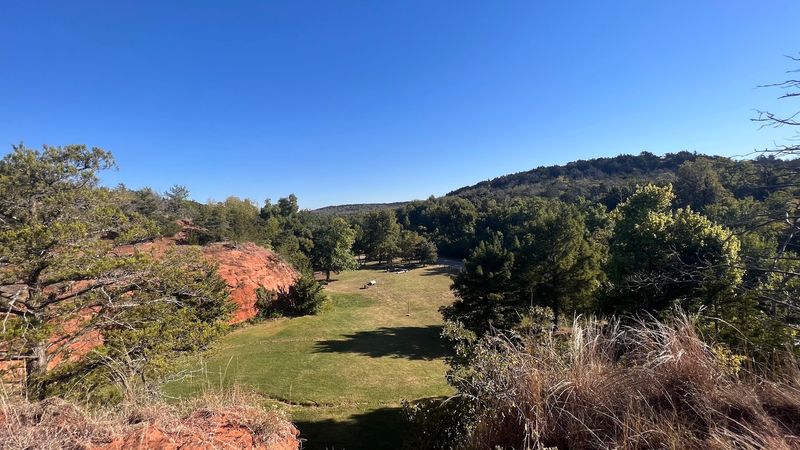
Red Rock Canyon has been a recognized passage point for a very long time. Long before it became a campground or a state park, it served as one of the few reliable routes through this part of the Oklahoma Territory for anyone heading west or moving cattle north along the Chisholm Trail.
The canyon offered shelter from wind and weather, a reliable water source, and a natural corridor through terrain that was otherwise difficult to cross. That combination made it a logical stopping point for cattle drives, pioneer families, and freight wagons throughout the second half of the 1800s.
The physical evidence of that heavy use is preserved in the sandstone, where wheel ruts and hoof prints left their marks in the soft rock.
Understanding that history changes how the canyon feels when you walk through it. The trail you are hiking was once a working road.
The shaded grove where you pitched your tent was once a rest stop for exhausted travelers who had no idea what the next stretch of land would bring.
Oklahoma has deep layers of frontier history, and Red Rock Canyon is one of the few places where that history is literally embedded in the ground you are standing on.
Wildlife and Plant Life Inside the Canyon
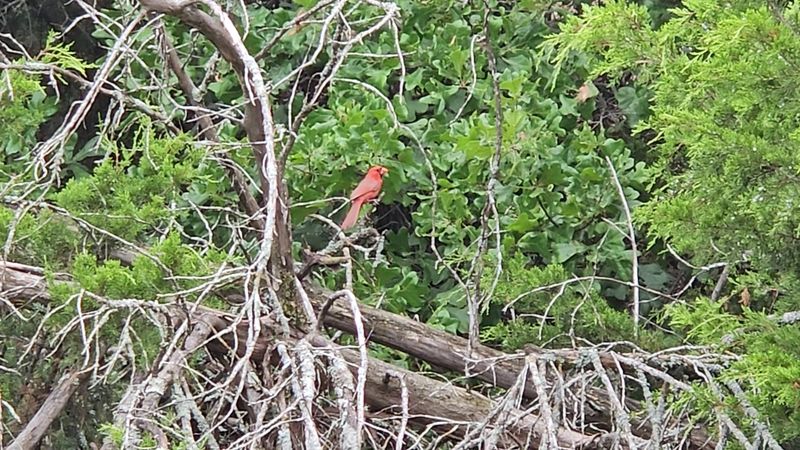
The sheltered microclimate inside the canyon supports a surprisingly rich variety of plants and animals that you would not expect to find in central Oklahoma. The combination of shade, moisture, and rocky terrain creates a habitat that feels almost disconnected from the dry prairie just above the canyon rim.
White-tailed deer move through the canyon in the early morning and at dusk, and bird activity is constant throughout the day. Red-tailed hawks use the canyon thermals to circle overhead, and smaller songbirds fill the trees along the canyon floor.
The diversity of plant life is similarly impressive, with cedar, oak, and hackberry trees mixing with native grasses and wildflowers depending on the season.
Goatheads, a type of burr-producing plant, are common in unpaved areas and can be rough on dog paws, so booties for pets are a genuinely practical suggestion rather than an overreaction. Poison ivy is present on several trails, and tick populations can be high in dense vegetation.
None of these things should discourage a visit, but going in prepared makes the experience much more enjoyable. The canyon rewards slow, attentive walking, and there is almost always something moving in the underbrush if you are patient enough to wait for it.
The Park’s Transformation Under Private Ownership
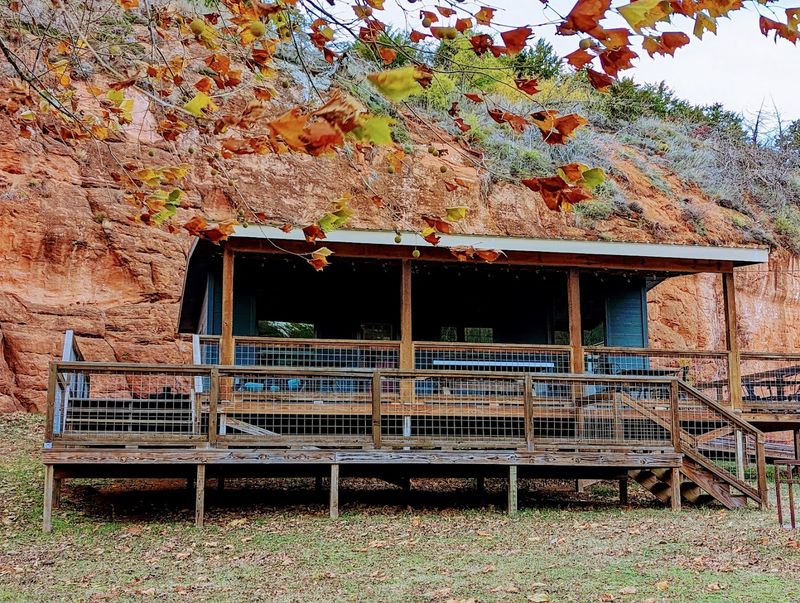
Red Rock Canyon spent many years as an Oklahoma state park before being transferred to private ownership. The transition brought significant investment in infrastructure, and the difference is visible throughout the property.
Bathrooms have been renovated, trails have been re-marked, and new amenities like the glamping tents, the coffee shop, and the hot tub have been added without overwhelming the natural character of the canyon.
The campground loop has been cleaned up and maintained to a noticeably higher standard than in the final years of state management. The facilities feel cared for rather than just functional, which makes a real difference when you are spending multiple nights in a place.
Small touches like good lighting, clean showers, and clear signage add up to a more comfortable experience overall.
The park still has the rugged, natural feel that made it worth visiting in the first place. The improvements have made it more accessible and family-friendly without turning it into something polished and artificial.
Oklahoma has lost a number of its natural areas to neglect over the years, so seeing a place like this receive genuine attention and investment is a welcome change. The canyon itself is unchanged, which is exactly as it should be.
Planning Your Visit: Practical Details Worth Knowing
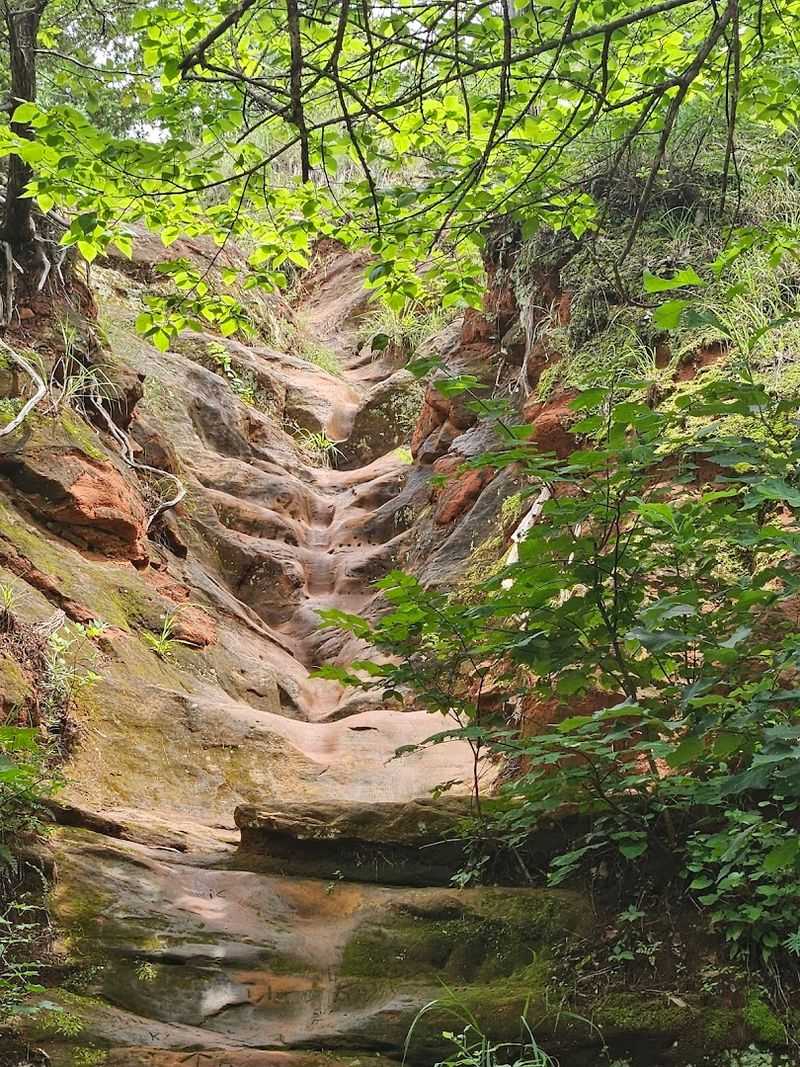
Red Rock Canyon Campground and Adventure Park is located at 116 Red Rock Canyon Rd in Hinton, Oklahoma, about an hour west of Oklahoma City. The drive is straightforward on US-270, and the canyon entrance comes up quickly once you reach Hinton.
The road into the park is steep and winding, so taking it slowly is the right call regardless of what you are driving.
The park is open most days starting at 6:30 in the morning, with later closing times on Fridays and Saturdays.
Calling ahead at 405-542-6344 or checking the website at redrockcanyonadventurepark.com is a smart move before a weekend trip, since the park can get busy during warmer months and holiday weekends.
Dogs are welcome throughout most of the property, which makes it a strong choice for pet owners.
A public pool is available on-site during the appropriate season, and it is a popular option for families with younger kids who need a break from the trails. The coffee shop near the entrance is a small but genuinely appreciated feature, especially on cool mornings.
Packing enough water is essential since potable water is not available at individual campsites. Coming prepared means you get to spend your energy on the canyon instead of fixing avoidable problems.
