A quiet stretch of land where the wide open plains meet the foothills and the only sounds are birds and wind. I pulled off the highway and found myself in a place that felt completely removed from the rush of regular life.
Oregon has a hidden refuge where endangered species find safety away from busy roads and noisy crowds. The wetlands shimmer in the afternoon light while hawks circle lazily overhead looking for their next meal.
I spotted a pair of sandhill cranes moving slowly through the shallow water with graceful, careful steps. Oregon really protects a slice of wilderness that most people drive past without ever knowing it exists.
The trails are simple and the viewing platforms let you watch without disturbing the animals going about their day. I sat on a bench and listened to the chorus of frogs and insects that seemed to be having a very important meeting.
A family of deer emerged from the treeline and froze for a moment before deciding I was not a threat. You leave with a quieter heart and a deeper appreciation for the places set aside for creatures who cannot speak for themselves.
The Landscape That Feels Like Two Worlds at Once
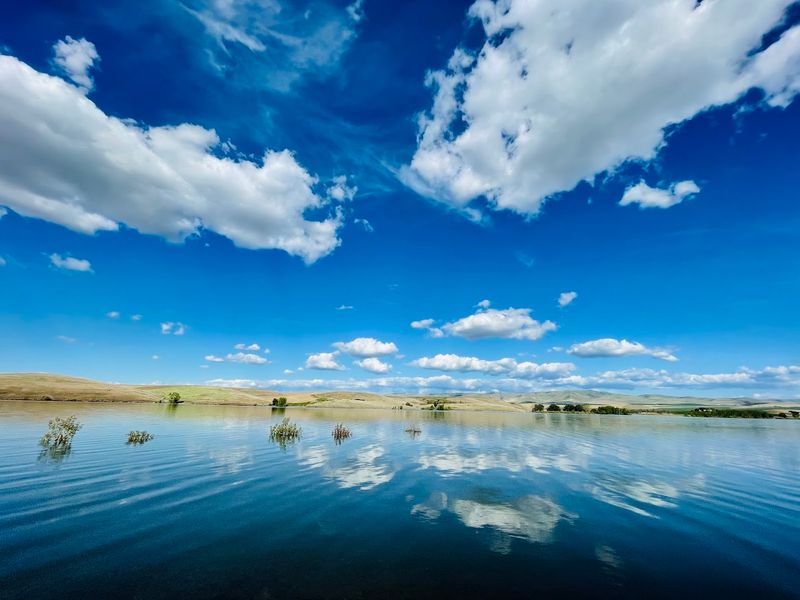
Standing at the edge of the McKay Creek reservoir, you get the strange feeling of being in two places at once. On one side, flat sagebrush plains stretch toward the horizon.
On the other, soft hills roll upward toward the Blue Mountains.
That contrast is exactly what makes this refuge so visually striking. The landscape shifts depending on where you look, and it never feels repetitive.
Golden grasses, dark basalt rock, and the glittering water of the reservoir all compete for your attention.
Spring turns everything green and alive. Summer bakes the hills into warm amber tones.
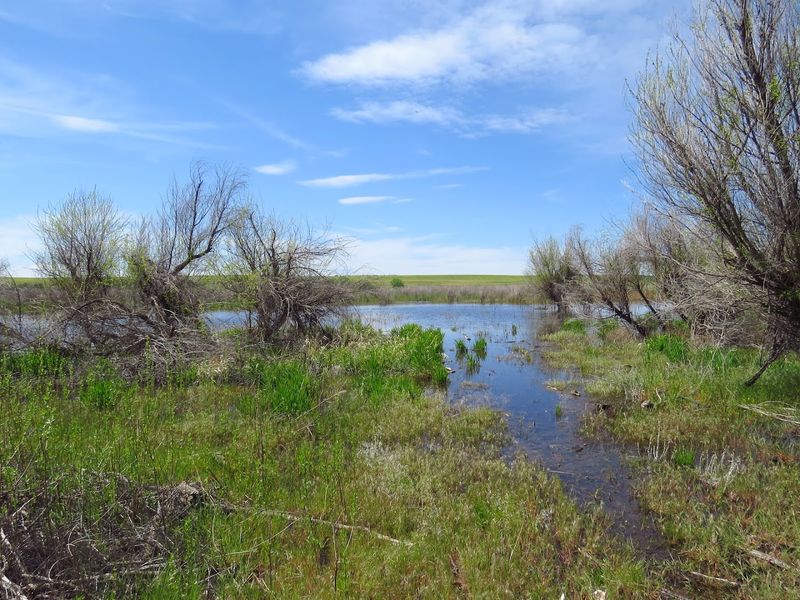
Even winter has its charm here, when frost coats the cattails and silence settles over the whole place like a blanket.
This is high desert country, and it carries that particular brand of beauty that feels earned. You have to slow down to appreciate it.
Once you do, the layers just keep revealing themselves, one quiet detail at a time.
Endangered Species That Call This Place Home
Not many people realize that McKay Creek National Wildlife Refuge is critical habitat for species under serious threat. The refuge sits within the broader watershed that supports bull trout, a cold-water fish listed as threatened under the Endangered Species Act.
Bull trout need clean, cold, connected streams to survive. McKay Creek provides exactly that kind of environment.
Without protected refuges like this one, their numbers would drop even further.
Beyond fish, the refuge also supports migratory birds that depend on wetland stopover points along the Pacific Flyway. Losing even one link in that chain can have ripple effects across entire populations.
Visiting here means you are stepping into an active conservation story. The land is managed carefully to protect these vulnerable species, and that management shapes everything from water levels to vegetation control.
It is easy to take healthy ecosystems for granted. Places like McKay Creek are a quiet reminder of how much work goes into keeping them that way.
Birdwatching That Will Surprise Even Skeptics
I did not bring binoculars on my first visit. That was a mistake I will not repeat.
The birdlife at McKay Creek is genuinely impressive, even by Pacific Northwest standards.
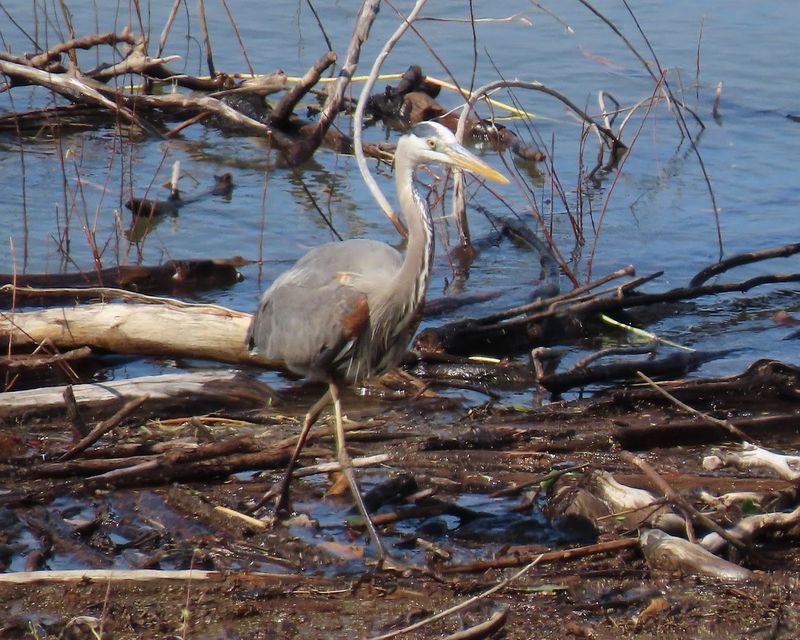
Great blue herons wade through the shallows with that slow, deliberate patience they are famous for. White pelicans sometimes drift across the reservoir in lazy formations.
Red-tailed hawks circle overhead, scanning the grasslands below with sharp focus.
During spring and fall migration, the variety increases dramatically. Shorebirds, waterfowl, and songbirds all pass through in waves.
Experienced birders have recorded dozens of species here in a single morning.
The refuge sits along the Pacific Flyway, one of the major migratory corridors in North America. That geographic position makes it a reliable hotspot during peak migration windows.
Even a casual visitor with no birding experience tends to notice something remarkable within minutes of arriving. Bring those binoculars.
Pack a field guide too. You will be glad you did.
Fishing at McKay Dam and the Reservoir
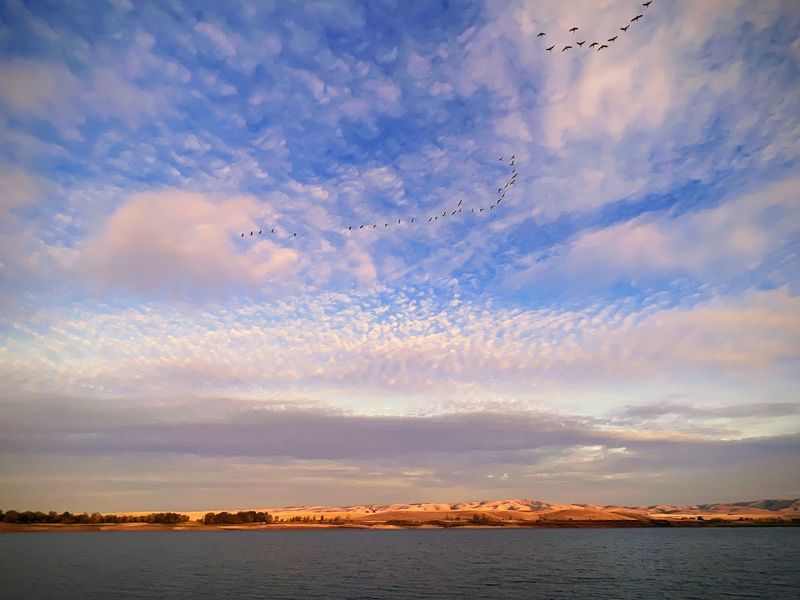
Fishing here has a long and devoted following. Locals have been casting lines at McKay Dam for generations, and the tradition shows no signs of slowing down.
The reservoir holds bass, catfish, and crappie, drawing anglers of all skill levels throughout the season.
Water levels tend to be highest in May, when snowmelt from the Blue Mountains feeds the creek and fills the reservoir. That timing also happens to coincide with some of the best fishing conditions of the year.
The boat launch is functional and parking is generally easy to find.
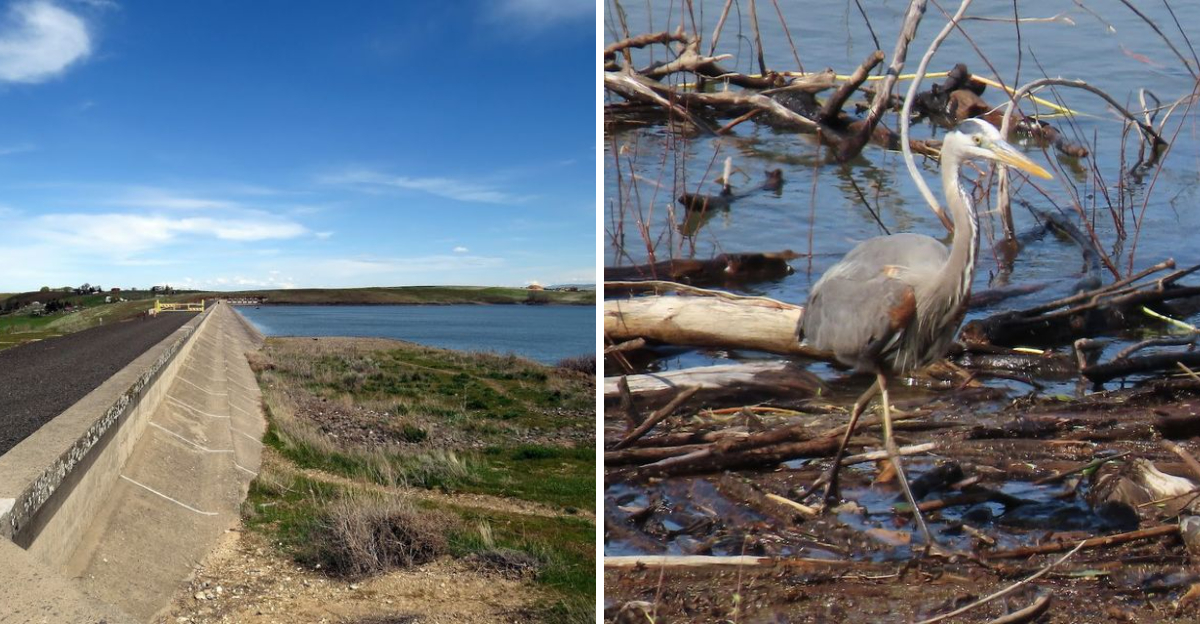
Fishing from shore is just as popular as going out on the water. The dam itself offers a solid vantage point, and the walk across it is short but scenic.
Early mornings are calm and cool, with the water often glassy and still.
Bring your Oregon fishing license and check current regulations before you go. Seasonal restrictions sometimes apply, especially near protected habitat zones within the refuge boundaries.
The Quiet Magic of Walking the Dam
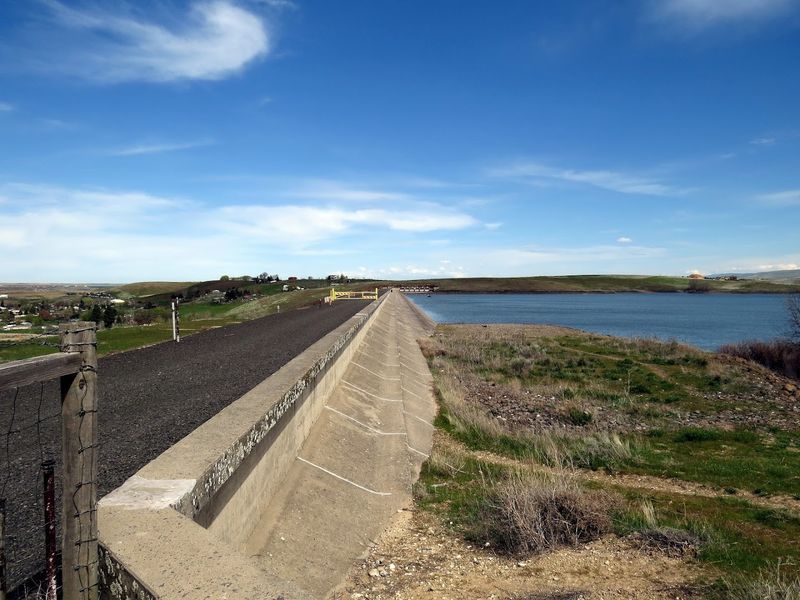
Walking across McKay Dam is one of those simple pleasures that sticks with you long after you leave. The path is not long, maybe a few minutes from one end to the other.
But the views on both sides make it feel much more significant.
On one side, the reservoir stretches back into the hills, calm and wide. On the other, the creek continues its journey through the refuge below.
The contrast between the two is satisfying in a way that is hard to explain.
Morning is the best time for this walk. The light comes in low and golden from the east, hitting the water at an angle that turns everything soft and luminous.
A few ducks might paddle past. A hawk might drift overhead.
It is the kind of walk that clears your head without demanding anything from you. No trail markers, no elevation gain, no gear required.
Just a concrete dam, open air, and the sound of water moving beneath your feet.
Wildlife Encounters After Sunset
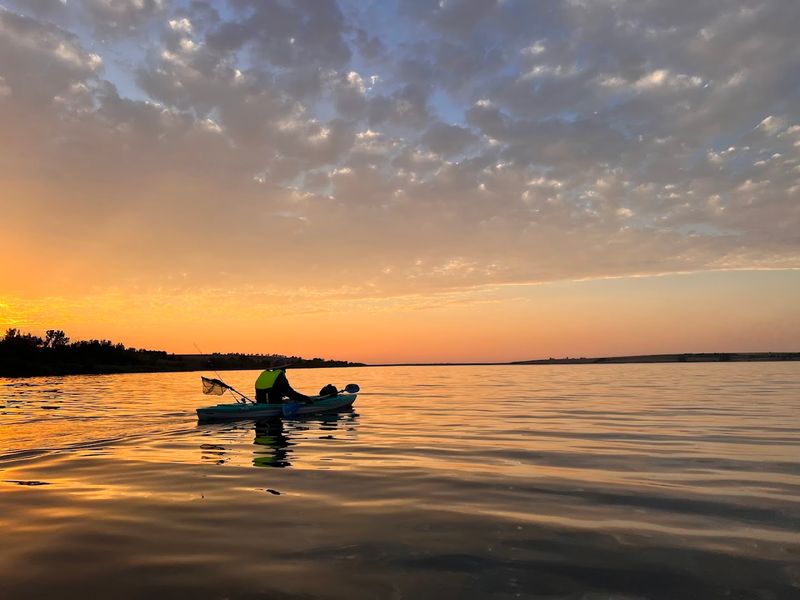
The refuge changes completely once the sun starts to drop. Colors deepen across the hills, and the animals that stayed hidden during the day begin to appear.
Coyotes are often the first sign that evening has arrived. Their calls echo across the reservoir in a way that feels ancient and untamed.
Owls become active around dusk, perching in the cottonwood trees that line the creek. Great horned owls are especially common here.
Their low, rhythmic hooting adds a layer of atmosphere that no playlist could replicate.
Mule deer move down from the hillsides to drink at the water’s edge. Beavers sometimes surface near the cattail beds, leaving small V-shaped wakes behind them.
These moments are not guaranteed, but they happen often enough that patience is always rewarded.
Staying until closing time, which is 8:30 PM most evenings, gives you the best chance of experiencing this shift. The refuge at dusk is genuinely different from the refuge at noon, and the difference is worth staying for.
Swimming and Water Play for Families
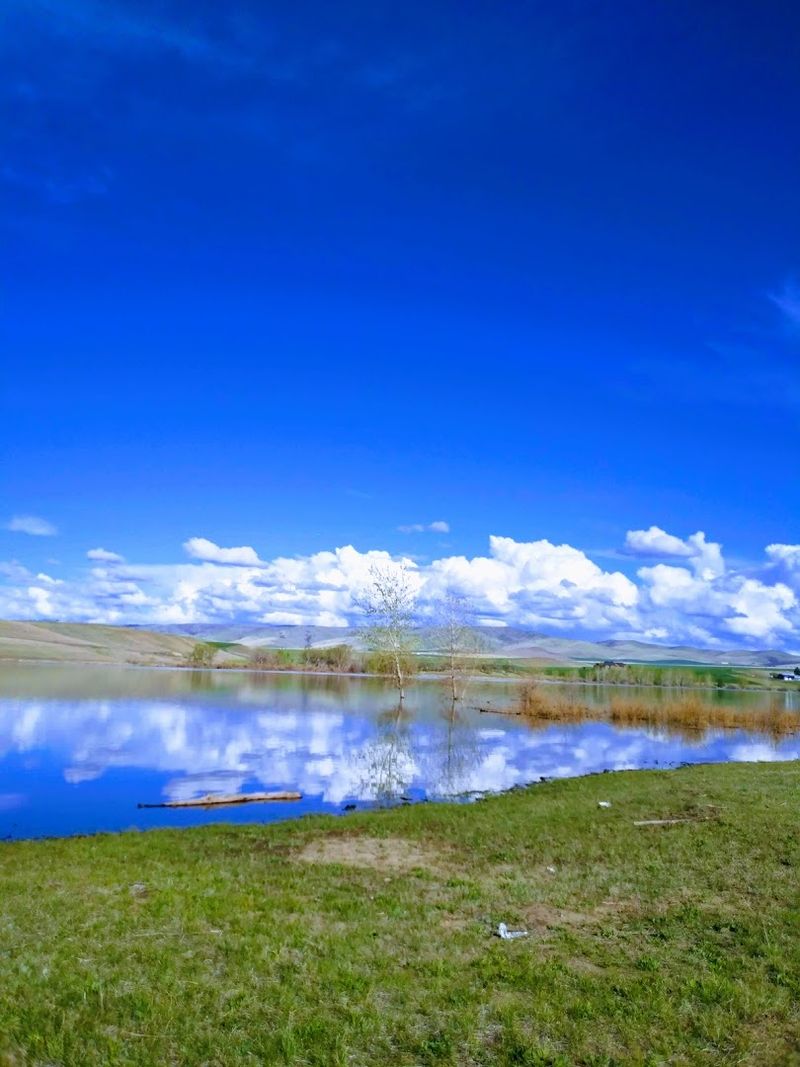
On a hot eastern Oregon afternoon, the reservoir at McKay Creek feels like a reward. The water warms up earlier in the season than you might expect.
By late spring, families are already wading in and letting the kids splash around near the shoreline.
The area around the boat launch has enough flat, accessible shoreline for groups to spread out comfortably. Parking is free and usually uncrowded, which makes spontaneous visits easy.
Dogs are welcome too, and they tend to make the most of any water they find.
Jet skiing, tubing, and other water activities happen here regularly during summer weekends. The reservoir is large enough to give everyone room.
A slight breeze often rolls in from the hills, keeping things comfortable even on the warmest days.
Families with young children should supervise closely near the water. There are no lifeguards on duty.
The experience is relaxed and unstructured, which is part of what makes it feel like a real escape rather than a managed attraction.
Winter Hiking When the Crowds Disappear
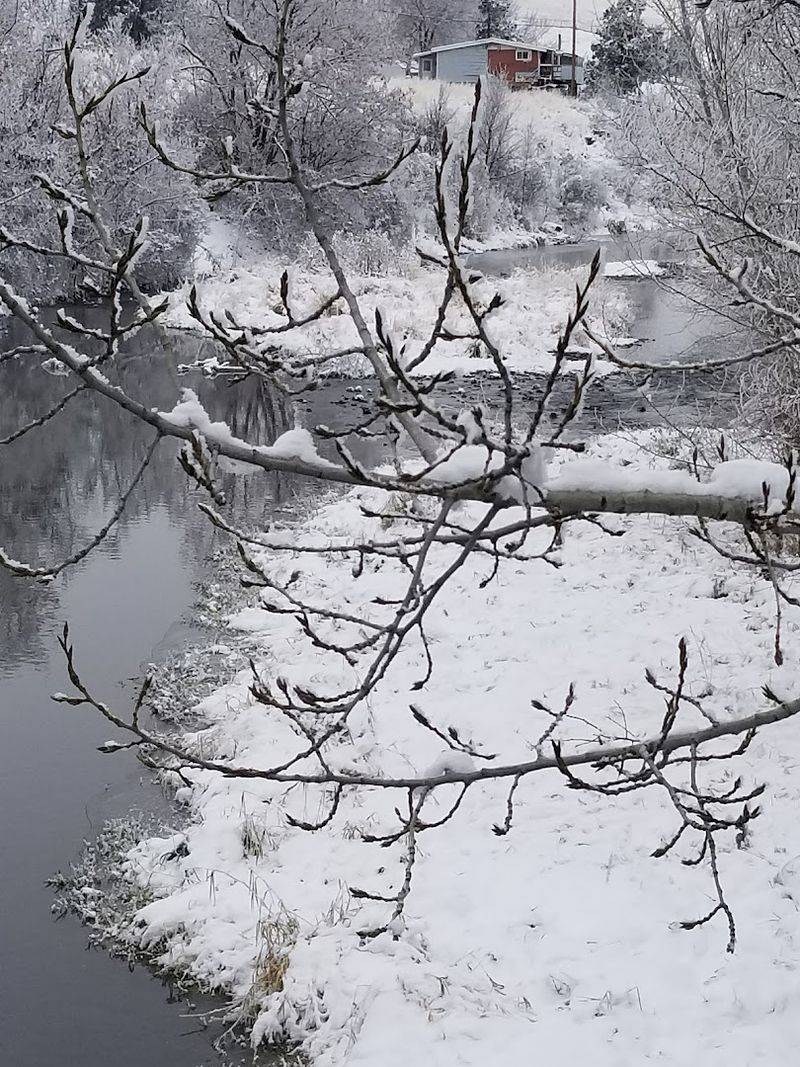
Winter turns McKay Creek into a completely different kind of experience. The summer visitors are gone.
The trails are quiet. Frost clings to the cattails and the bare cottonwood branches, and the whole refuge takes on a spare, austere beauty that feels almost meditative.
Hiking here in the colder months requires a bit of preparation. Layers are essential, and the ground can be slippery near the water’s edge.
But the payoff is real. You have the place almost entirely to yourself, and wildlife that hides from summer crowds tends to be more visible in winter.
Raptors are especially active during colder months. Rough-legged hawks migrate down from the north and hunt over the open grasslands.
Bald eagles sometimes perch along the reservoir shoreline, scanning the water below with that characteristic stillness.
The refuge is open for winter hiking as long as it is not officially closed. Always check the website before visiting, since seasonal closures do happen and are not always clearly communicated on signage at the gate.
The Role of the Pacific Flyway in This Refuge
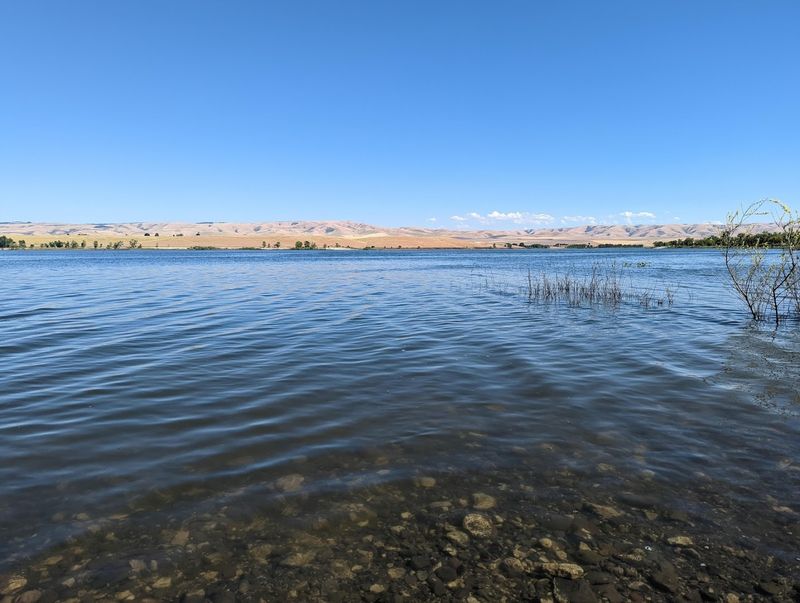
The Pacific Flyway is one of four major bird migration routes in North America. It runs from Alaska down through the Pacific Coast and into Central America.
McKay Creek National Wildlife Refuge sits right in the middle of this corridor, making it a critical rest stop for hundreds of species every year.
Migratory waterfowl use the reservoir as a staging area during both spring and fall. Tundra swans, Canada geese, and various duck species all pass through in significant numbers.
Seeing a large flock descend onto the water at once is a genuinely spectacular moment.
Shorebirds use the mudflats and shallow edges of the reservoir when water levels drop in late summer. That timing creates a brief but productive window for birdwatchers.
The variety during those weeks can be surprisingly rich for a refuge of this size.
The refuge plays a role much larger than its footprint suggests. Protecting this land is not just a local effort.
It is a contribution to the health of an entire continental migration system.
Planning Your Visit to McKay Creek National Wildlife Refuge
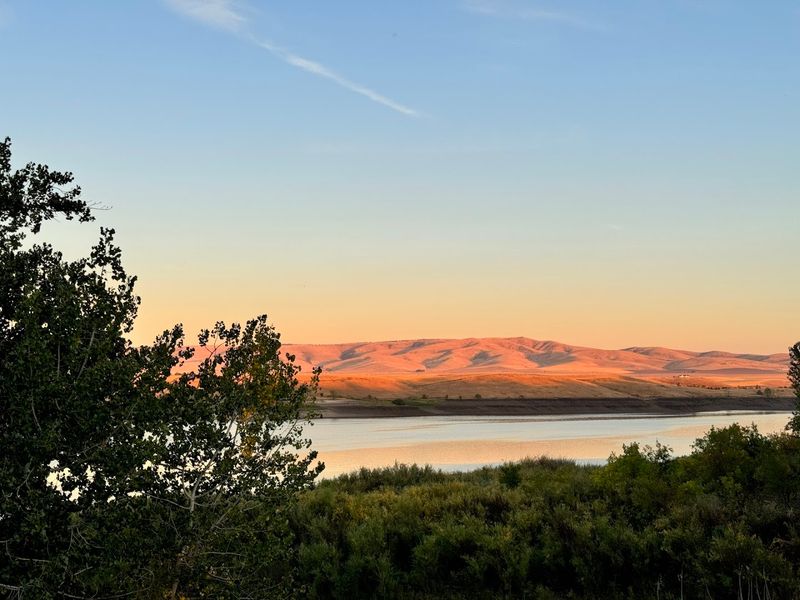
Getting to McKay Creek is straightforward. The refuge is located just outside Pendleton, which sits along Interstate 84 in northeastern Oregon.
The drive from downtown Pendleton takes only a few minutes, making it an easy half-day trip or a quick stop on a longer road journey.
The refuge is open most days from 7 AM to 8:30 PM, with slightly different Sunday hours. Admission is free, which is always a welcome detail.
There is a boat launch, basic parking, and a chemical toilet on site, though the facilities are minimal.
Cell service can be spotty inside the refuge. Download offline maps before you go, and check the official US Fish and Wildlife Service website for any seasonal closures or access restrictions before making the drive.
Bring water, sunscreen, and insect repellent, especially during warmer months when mosquitoes become active near dusk. The refuge rewards visitors who come prepared and approach it with patience.
It is not flashy. It is real, and that is exactly the point.
