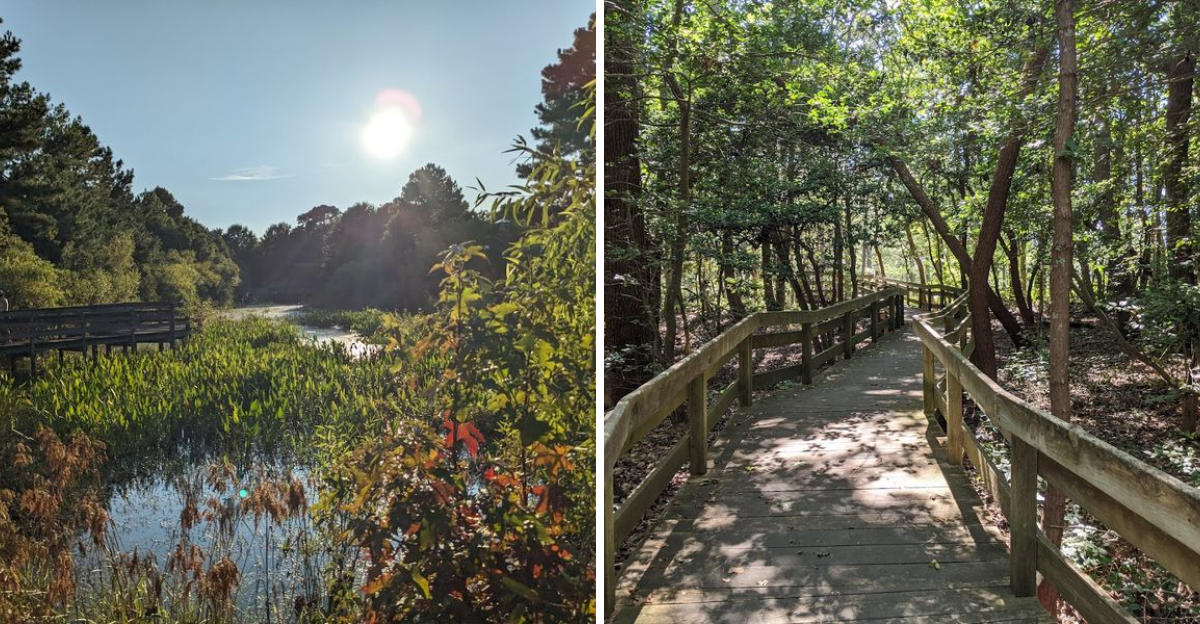
The path is narrow, shaded by trees, and easy to miss if you are not paying attention. That is the first clue that you have found something special.
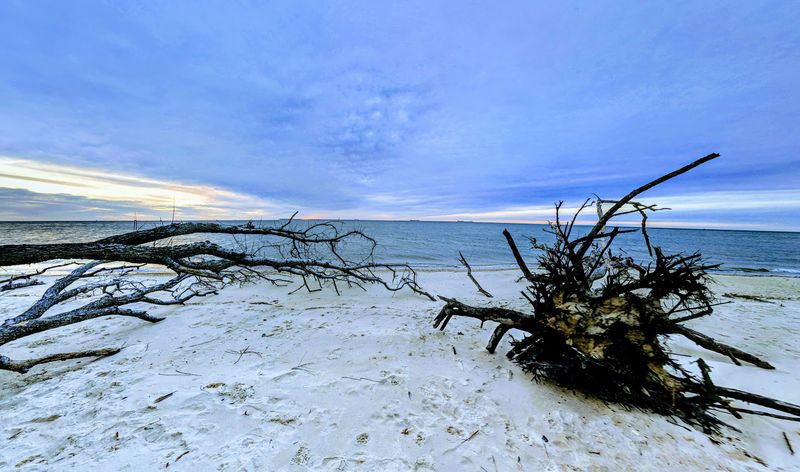
The second clue is the beach at the end, wide and wild and completely untouched, the kind of shoreline that looks like it has looked the same for centuries. No lifeguard chairs, no snack bars, no crowds of tourists fighting for towel space.
Just sand, water, and the sound of waves. I sat on a driftwood log and watched a pair of ospreys circle overhead, wondering how many people had stood in this exact spot before me.
Not many, I suspect. That is the point.
This Virginia beach is a secret worth keeping.
The Boardwalk That Actually Goes Somewhere Worth Walking
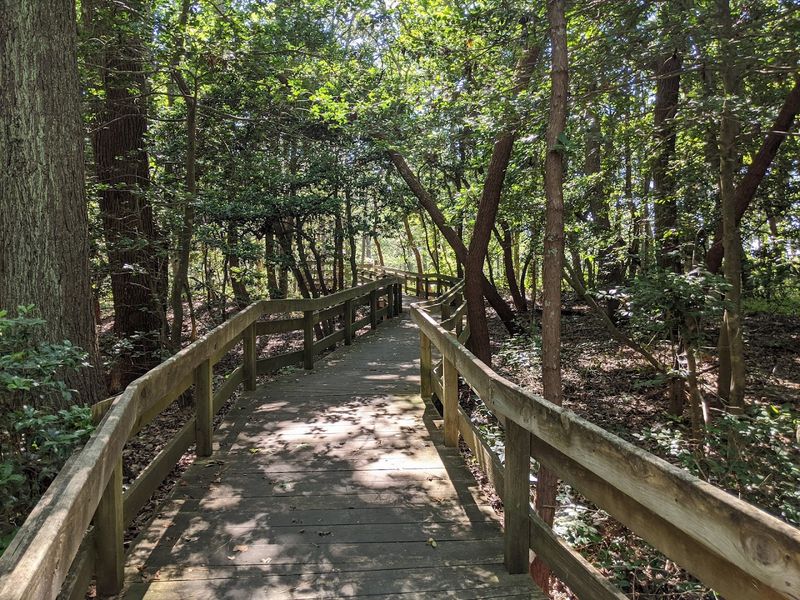
Not every boardwalk earns its place, but this one absolutely does. The trail at Cape Charles Natural Area Preserve cuts through a globally rare maritime dune woodland and a Maritime Loblolly Pine Forest, and every single step feels like walking into a nature documentary.
The path is roughly half a mile to a mile long, and the best part? There is zero elevation change.
Flat, easy, and completely accessible, this trail welcomes everyone from curious kids to grandparents who just want a peaceful morning stroll along the Virginia coast.
Benches are scattered at thoughtful intervals, giving you a proper excuse to stop, breathe, and actually listen to the forest around you. The whole experience feels unhurried, which is honestly rare these days.
Interpretive signs along the route explain the ecological significance of what you are walking through, turning a simple stroll into something genuinely educational and memorable. Come early on a weekday morning for the most serene experience possible.
A Globally Rare Ecosystem Right Under Your Feet
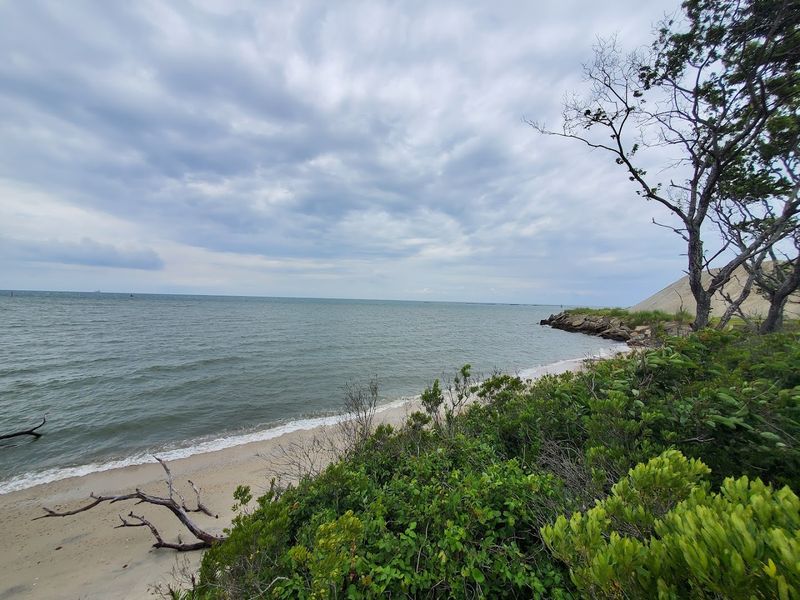
Most people walk right over rare ecosystems without realizing it, but at Cape Charles Natural Area Preserve, the signs literally point it out for you. The preserve protects a combination of coastal beach, dune systems, and maritime forest habitats that are considered globally significant.
That is not marketing speak. That is a genuine scientific designation.
The maritime dune woodland found here is extraordinarily uncommon, even by global standards. Virginia’s Eastern Shore sits at a fascinating ecological crossroads, and this preserve captures that biodiversity in a compact, walkable space that rewards patient observers.
Coast bedstraw, a herbaceous plant with the scientific name Galium hispidulum, grows right here on these dunes. It sounds like a botanical footnote, but spotting it in the wild feels like finding a tiny treasure.
The whole preserve operates as a living laboratory, managed carefully by the Virginia Department of Conservation and Recreation to keep these fragile communities intact for future generations. Walking through it feels like a privilege.
The Federally Threatened Beetle You Never Knew You Wanted to See
Here is a fun fact that will make you look at sandy beaches completely differently. The northeastern beach tiger beetle, scientifically known as Habroscelimorpha dorsalis dorsalis, is a federally threatened species that calls this preserve home.
It is one of the main reasons the beach itself remains off-limits to the general public.
These beetles are fast, shimmery, and surprisingly beautiful up close. They depend on undisturbed sandy beach habitat to survive, and even well-meaning foot traffic can devastate their fragile populations.
Protecting them is one of the preserve’s most critical conservation missions.
Spotting one from a respectful distance is a genuine thrill for anyone with even a passing interest in wildlife. The fact that Virginia’s Eastern Shore provides critical habitat for a creature this rare and specialized says a lot about the ecological importance of this entire coastal corridor.
Cape Charles Natural Area Preserve is not just a pretty walk. It is an active conservation site doing real, meaningful work every single day.
Bird Watching That Borders on the Spectacular
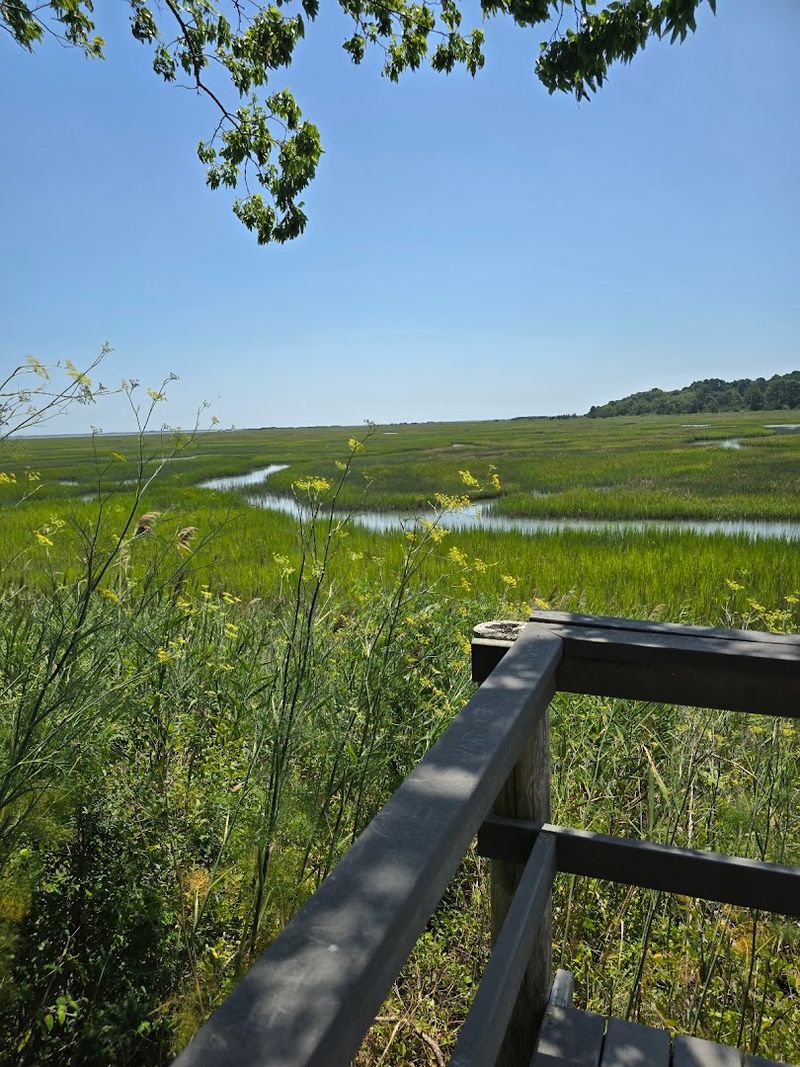
Fall migration at Cape Charles Natural Area Preserve is the kind of experience that turns casual nature walkers into full-blown birding enthusiasts. The preserve sits within the Audubon Lower Delmarva Important Bird Area, a designation that carries serious weight in the birding world.
Over two hundred and sixty species of birds have been recorded here.
The location is strategically incredible for migratory birds. Before crossing the wide expanse of the Chesapeake Bay, songbirds and raptors pile into the trees and shrubs of this preserve to rest and refuel.
On a good fall morning, the concentration of birds is almost surreal, with warblers, flycatchers, and hawks moving through in waves.
Virginia’s Eastern Shore is internationally recognized as a major migratory corridor, and this preserve sits right in the sweet spot of that flyway. The freshwater wetland on the property also draws additional wildlife, making the whole experience feel layered and endlessly surprising.
Bring binoculars. Bring patience.
The birds here will absolutely reward both.
The Chesapeake Bay View That Stops You Cold
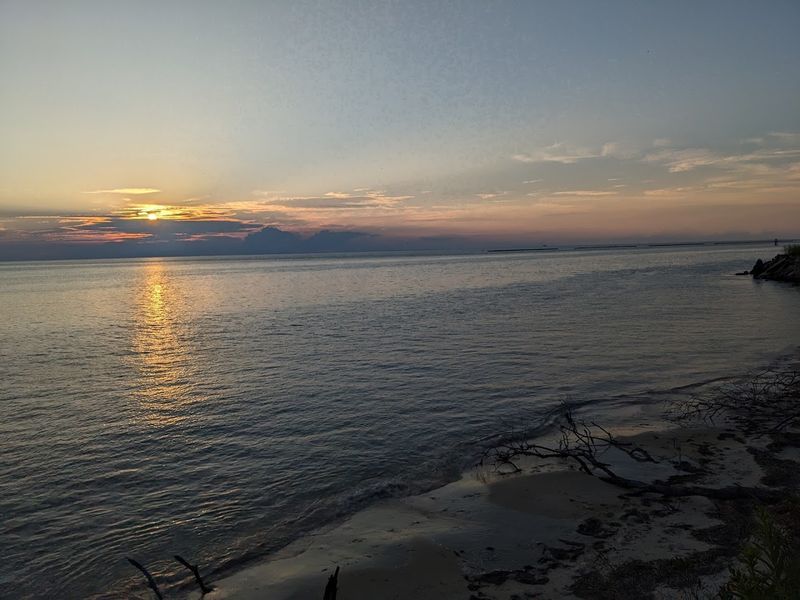
After winding through the forest, the boardwalk delivers you to a bluff overlooking the Chesapeake Bay, and the payoff is genuinely stunning. The water stretches out wide and silver-blue, and on clear days the horizon feels impossibly far away.
It is the kind of view that makes you exhale slowly and forget whatever was stressing you out before you arrived.
The bluff itself is elevated enough to give you a real sense of the landscape, and the contrast between the dense forest behind you and the open water ahead is visually dramatic. Bring a camera, because no phone filter is going to improve on what nature has already arranged here.
Cape Charles Natural Area Preserve keeps this viewpoint accessible and uncluttered, which is part of what makes it so powerful. There are no crowds fighting for the same shot, no vendors, no noise beyond the wind and the occasional call of a shorebird.
Just the bay, the sky, and that particular quality of quiet that Virginia’s Eastern Shore does better than almost anywhere else on the East Coast.
Wild Persimmon Trees and Forest Surprises Along the Trail
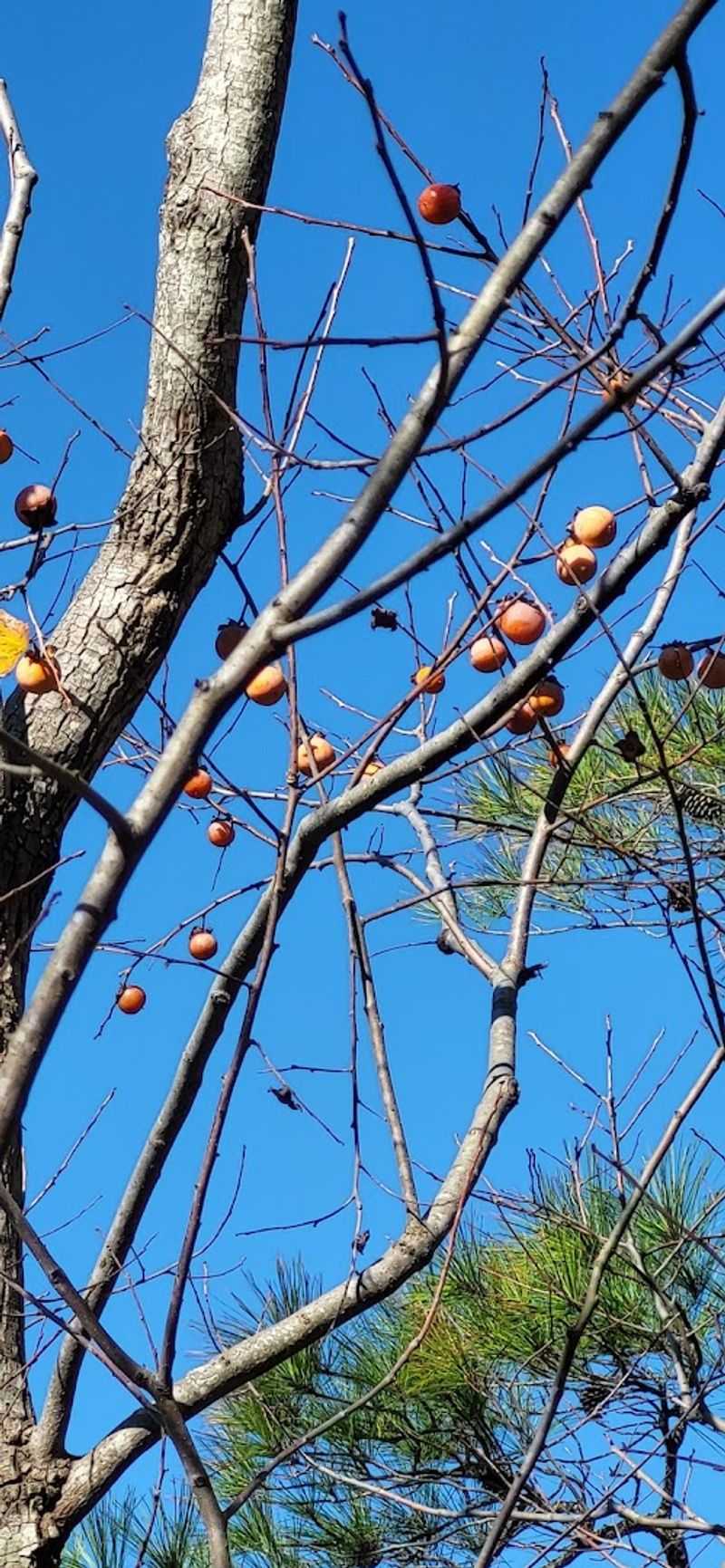
One of the most delightful surprises on the boardwalk trail is the abundance of wild persimmon trees. They line stretches of the path and, depending on the season, you might catch them heavy with small orange fruits that practically glow against the green understory.
It is the kind of detail that makes a walk feel genuinely alive.
The forest at Cape Charles Natural Area Preserve has a layered, almost theatrical quality. Tall loblolly pines form the canopy, while shrubs, vines, and coastal plants crowd the forest floor below.
Every section of the trail offers something slightly different to observe, which keeps the walk interesting from start to finish.
One important note: the ground cover includes poison oak, so staying on the boardwalk is not just a suggestion. It is genuinely good advice for keeping your skin happy after the visit.
The preserve is also tick territory, so a quick check after your walk is a smart habit. Small inconveniences aside, the forest itself is a living, breathing treasure chest of coastal Virginia ecology.
Why the Beach Is Off-Limits and Why That Actually Makes Sense
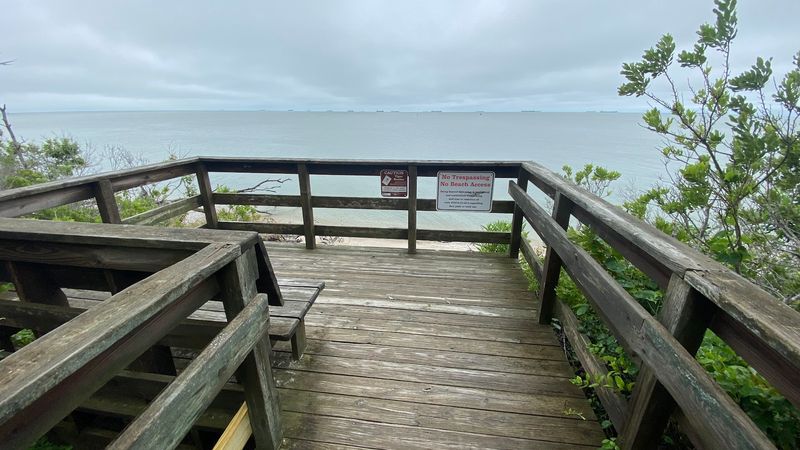
Yes, the beach is off-limits to the public, and yes, that is a little bit of a bummer when you can see it shimmering through the trees. But the reason behind the restriction is genuinely compelling.
The shoreline at Cape Charles Natural Area Preserve is home to federally protected species, and the habitat is both sensitive and actively eroding.
Only researchers and land managers are permitted on the beach itself, which keeps the disturbance level low enough for threatened species like the northeastern beach tiger beetle to survive. Conservation is not always convenient, but in this case, the tradeoff is a wild, untouched beach that looks exactly as it would have centuries ago.
Seeing it from the bluff at the end of the boardwalk actually makes it more compelling, not less. There is something quietly powerful about a beach that humans are not allowed to trample.
It serves as a reminder that some of the most important places on Earth are the ones we choose to leave alone. Virginia got this one right.
Accessibility and Family-Friendly Features That Deserve a Shoutout
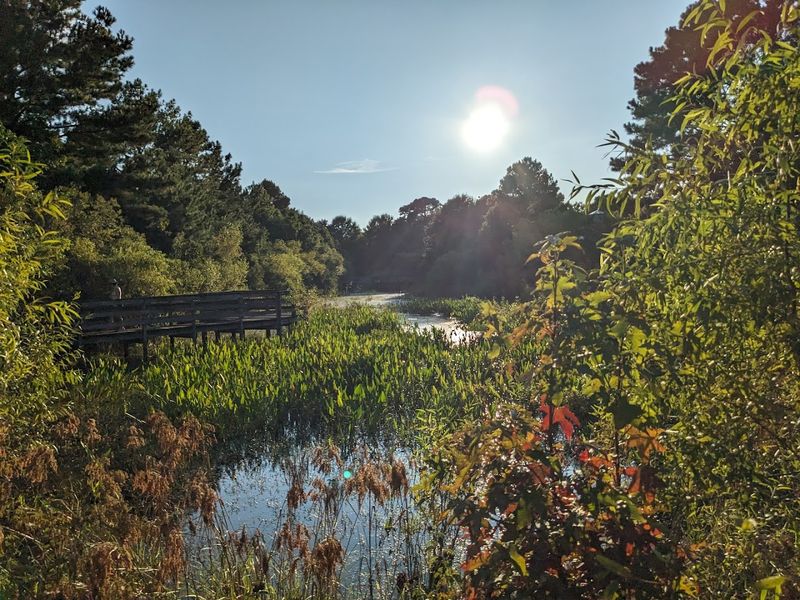
Outdoor spaces that genuinely welcome everyone are rarer than they should be, so Cape Charles Natural Area Preserve earns real credit for its accessibility. The boardwalk is flat, stable, and wheelchair accessible, making it one of the more inclusive nature experiences on Virginia’s Eastern Shore.
Families with young kids will find the trail completely manageable, even with strollers or little legs that need frequent stops. The benches along the route give everyone a chance to rest and observe, and the educational signage keeps curious minds engaged throughout the walk.
Kids seem particularly drawn to the animal prints visible in the mud near the freshwater wetland area, and the general sense of wildness along the trail tends to spark genuine excitement in younger walkers. The preserve opens at 7 AM daily and closes at 8 PM, giving families plenty of flexibility to plan their visit around nap schedules and afternoon snacks.
Just remember: no bathroom facilities on site, so plan accordingly before you arrive at Cape Charles Natural Area Preserve.
What to Bring and How to Make the Most of Your Visit

A little preparation goes a long way at Cape Charles Natural Area Preserve, and the right gear makes a real difference. Bug spray is absolutely non-negotiable, especially in warmer months when the swampy forest floor comes alive with mosquitoes.
Ticks are also present, so light-colored clothing and a post-hike check are both strongly recommended.
Binoculars are worth their weight in gold here, particularly during fall migration when the trees are packed with resting songbirds. A field guide to Mid-Atlantic birds would not go amiss either, and there are several excellent pocket-sized options that slip easily into a daypack.
Wear closed-toe shoes with good grip, since some sections of the boardwalk can be wet or uneven depending on recent weather. Bring water, since there are no facilities on site.
The preserve prohibits bikes, fires, camping, and unleashed pets, so leave the dog at home or keep it leashed. Arriving early on weekday mornings gives you the best shot at genuine quiet and the most active wildlife sightings of the day.
Getting There and Why the Drive Is Half the Adventure
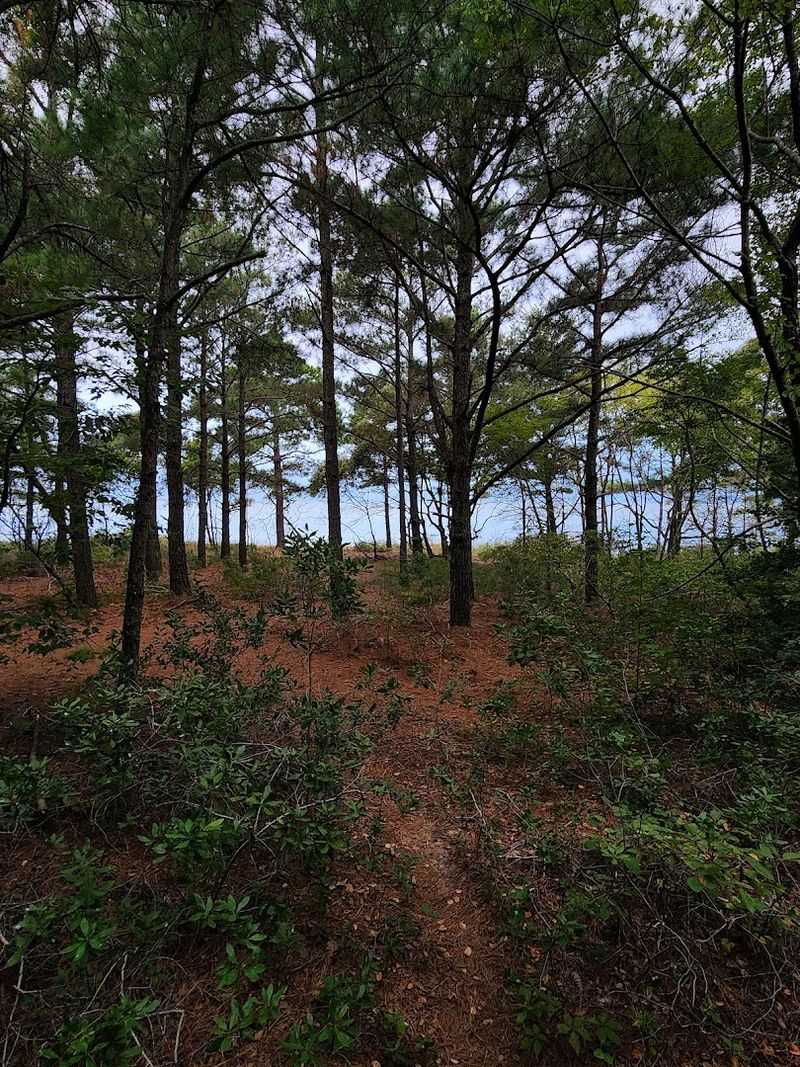
Cape Charles Natural Area Preserve sits in Northampton County, Virginia, on the Chesapeake Bay side of the Eastern Shore, and getting there is genuinely part of the experience. The drive down Route 13 through Virginia’s Eastern Shore passes through a patchwork of farmland, marshes, and small coastal towns that feel like they belong to a slower, quieter version of America.
The preserve’s address is Cape Charles, VA 23310, and one important navigation note: GPS sometimes routes you through an adjacent industrial area. You will want to continue past that and look for the parking area at the end of the lot, near the Fuji parking area.
The trailhead is on the right and is not aggressively signposted, so keep your eyes open.
The preserve is managed by the Virginia Department of Conservation and Recreation, and you can reach them at 757-710-3428 or visit the official site at dcr.virginia.gov for current conditions and updates. Entry is free, the hours are generous, and the experience is completely worth the detour.
Cape Charles Natural Area Preserve is one of those places Virginia quietly does better than it gets credit for.
