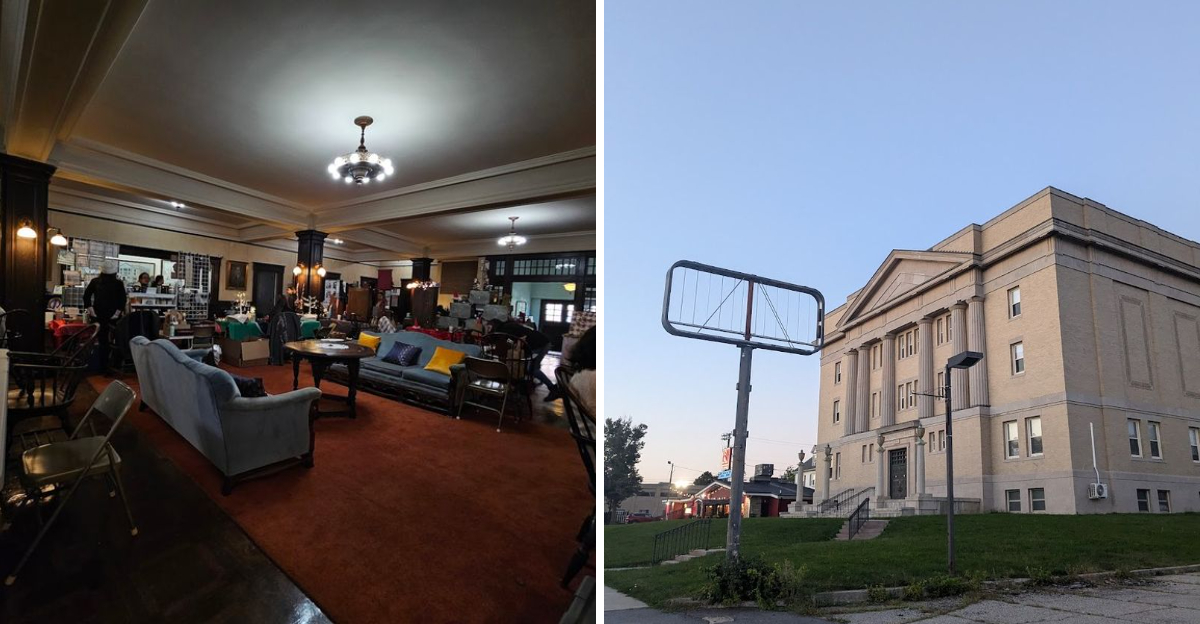
You have probably walked past it a hundred times without ever looking up. The building is grand and imposing, with stone columns and intricate carvings that hint at something deeper.
This historic downtown landmark in New Hampshire is actually a century old Masonic Temple, and it has been standing in the same spot since the early 1900s. I walked through the heavy doors on a quiet afternoon and felt the weight of history immediately.
The lobby is ornate, with marble floors and a sweeping staircase. The meeting rooms upstairs are filled with symbols and artifacts that most people never get to see.
A guide walked me through the building, explaining the history of the organization and the role it played in the community. The temple is still active, used by the Masons for ceremonies and gatherings.
But it is also open to visitors who want to see a piece of New Hampshire history up close. That is the thing about old buildings.
They carry stories in their walls. You just have to ask.
A Grand Entrance That Sets the Tone Immediately
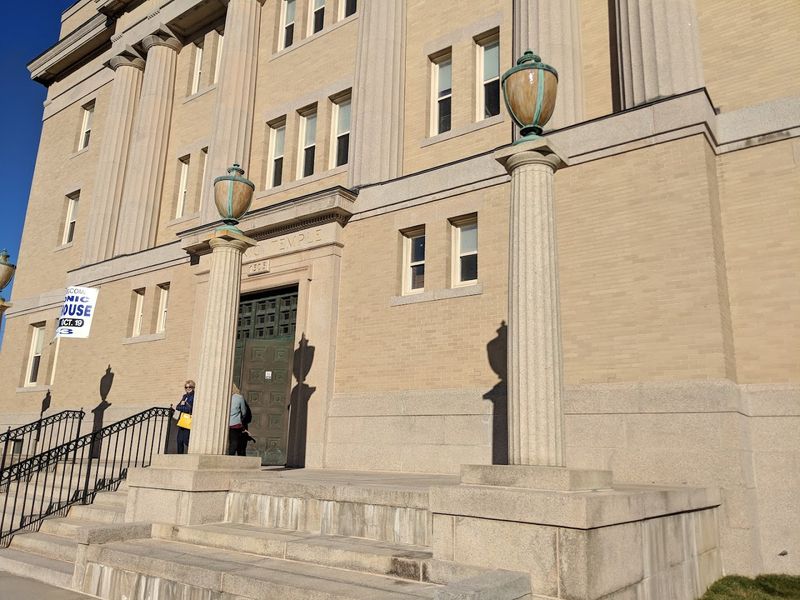
Walking up to the Masonic Temple Building on Elm Street feels like stepping into another era entirely. The facade commands attention with its bold, classical lines and dignified stonework that speaks volumes about the craftsmanship of its time.
Architect Charles R. Whitcher clearly had a vision, and every detail of the exterior reflects that ambition.
New Hampshire is not short on beautiful old buildings, but this one carries a special weight. The sheer scale of the structure signals that what lies inside is equally impressive.
First-time visitors often pause on the sidewalk just to take it all in before stepping through the doors.
The cornerstone was laid on June 24, 1925, under the direction of Grand Master Bela Kingman, and the building was formally dedicated on May 12, 1933. That timeline alone tells a story of dedication, patience, and community pride.
The entrance sets an expectation of grandeur that the rest of the building absolutely delivers on.
Charles R. Whitcher and His Architectural Legacy
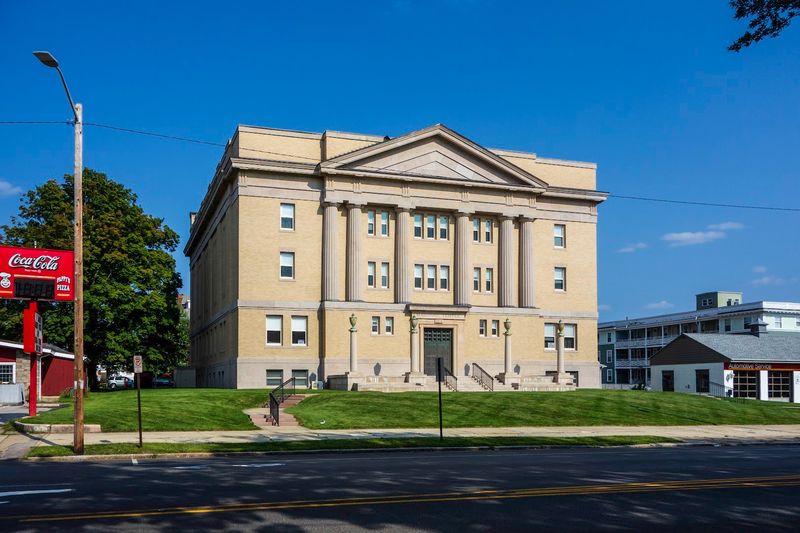
Not every architect gets to leave a permanent mark on a city skyline, but Charles R. Whitcher absolutely did.
His design for the Masonic Temple Building brought a sense of classical elegance to downtown Manchester that still turns heads nearly a century later. The proportions are deliberate, the ornamentation refined, and the overall composition deeply satisfying to any architecture lover.
Whitcher understood that this building needed to serve multiple purposes without sacrificing beauty. Lodge rooms, an auditorium, kitchen facilities, and the impressive Hazor Hall all had to coexist within one cohesive structure.
Balancing function with grandeur is no small feat, and he pulled it off with remarkable skill.
New Hampshire has produced some wonderful civic architecture over the decades, but the Masonic Temple Building stands apart. Its classical influences give it a timeless quality that modern buildings often struggle to achieve.
Whitcher’s work here deserves far more recognition than it typically receives, and exploring the building is essentially a masterclass in early twentieth-century American institutional design at its finest.
The Post-War Boom That Made This Building Necessary
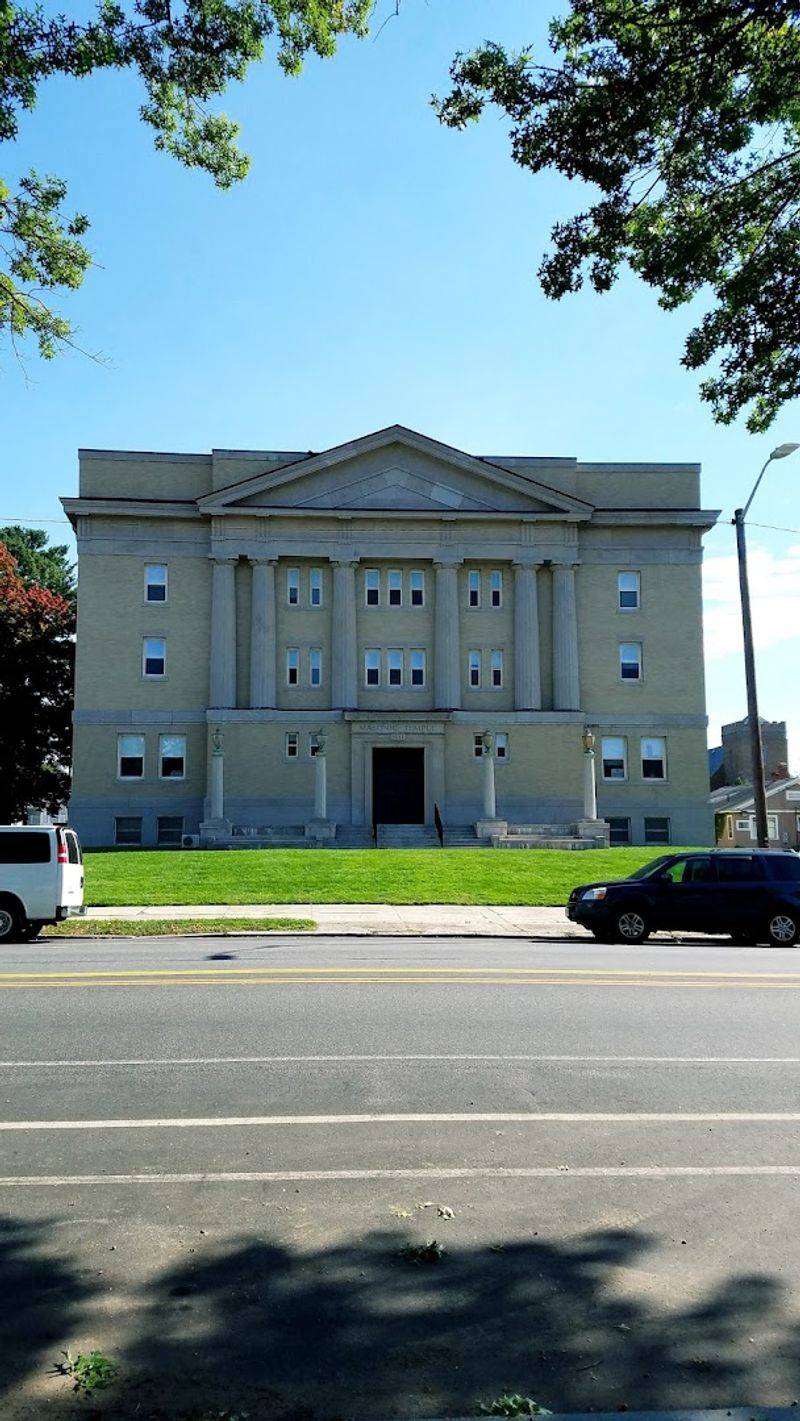
Freemasonry experienced an extraordinary surge in membership after World War I, and Manchester’s lodges felt that growth intensely. Washington Lodge No. 61 and Lafayette Lodge No. 41 were among those bursting at the seams, desperately needing larger and more dignified accommodations.
The decision to build something truly permanent and impressive was born out of that community momentum.
There is something deeply moving about a community coming together after a period of conflict to build something lasting and beautiful. The Masonic Temple Building represents exactly that spirit.
It was not just a practical solution to a space problem; it was a statement of optimism and brotherhood during a transformative era in American history.
Manchester, New Hampshire, was growing rapidly during this period, and the Masons wanted a home worthy of both their traditions and their ambitions. The result was a building that has outlasted trends, recessions, and decades of change.
Today it still serves as an active meeting place for lodges, proving that the original vision was both inspired and enduring beyond anyone’s expectations.
Hazor Hall and Its Jaw-Dropping Capacity
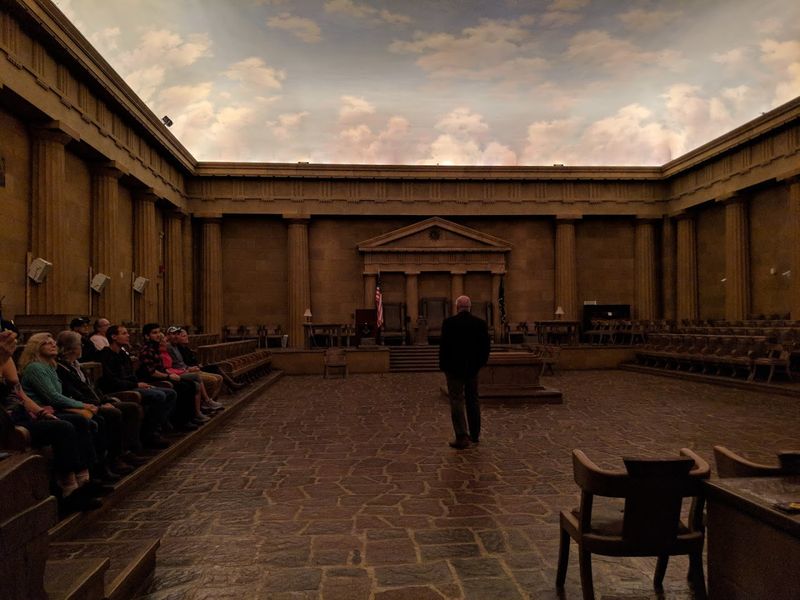
Hazor Hall is genuinely one of the most impressive interior spaces in all of downtown Manchester. Capable of seating 376 people, it carries an atmosphere that is part civic auditorium, part sacred space, and entirely unforgettable.
The moment you walk in, the scale of the room simply takes your breath away.
Events held in Hazor Hall benefit from that rare combination of historic charm and genuine functionality. Grand Lodge meetings, public gatherings, and special occasions all find a natural home in a room that feels built for moments of significance.
The acoustics and the architecture work together to create an experience that modern event venues simply cannot replicate.
What makes Hazor Hall particularly special is how well it has been preserved. The attention to detail in maintaining the original character of the space reflects a deep respect for what the building represents.
New Hampshire has a strong tradition of honoring its historic architecture, and Hazor Hall stands as one of the finest examples of that commitment in the entire state.
Columns That Channel King Solomon’s Temple
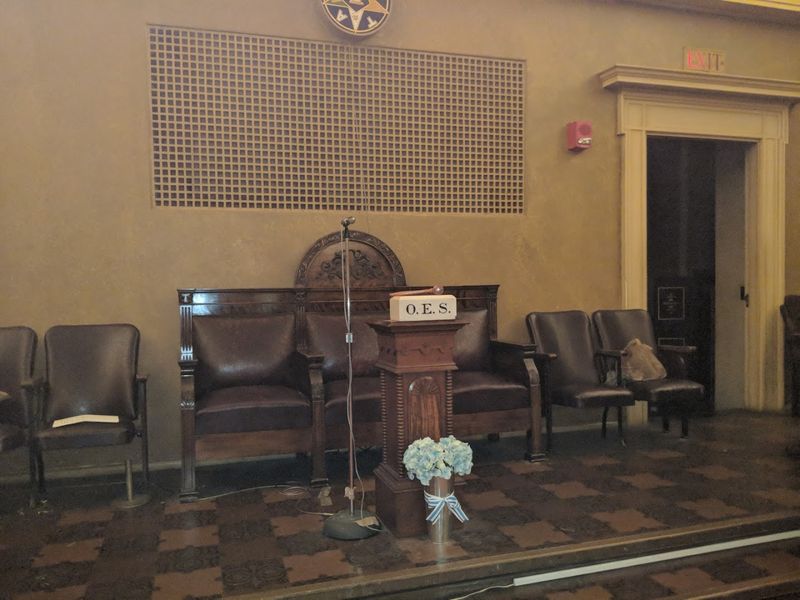
Few architectural details carry as much symbolic weight as the interior columns of the Masonic Temple Building. These striking structural elements are said to represent the legendary columns of King Solomon’s Temple, a central symbol in Masonic tradition and ritual.
Standing beneath them, even a casual visitor can sense the layers of meaning embedded in the design.
Freemasonry has always used architectural symbolism to communicate its values and history, and this building expresses that language beautifully. The columns are not mere decoration; they are a statement of purpose, connecting the physical space to centuries of fraternal tradition.
It is the kind of detail that rewards those who look closely and ask questions.
Architect Charles R. Whitcher clearly worked in close collaboration with Masonic leadership to ensure the building’s interior reflected the organization’s core symbolism.
The result is a space that functions simultaneously as a practical meeting hall and a deeply intentional piece of living architecture.
Visiting the New Hampshire Masonic Center means encountering these columns and understanding, even briefly, why they still matter so profoundly to the people who gather here.
The Oldest Working Elevator of Its Kind in the State
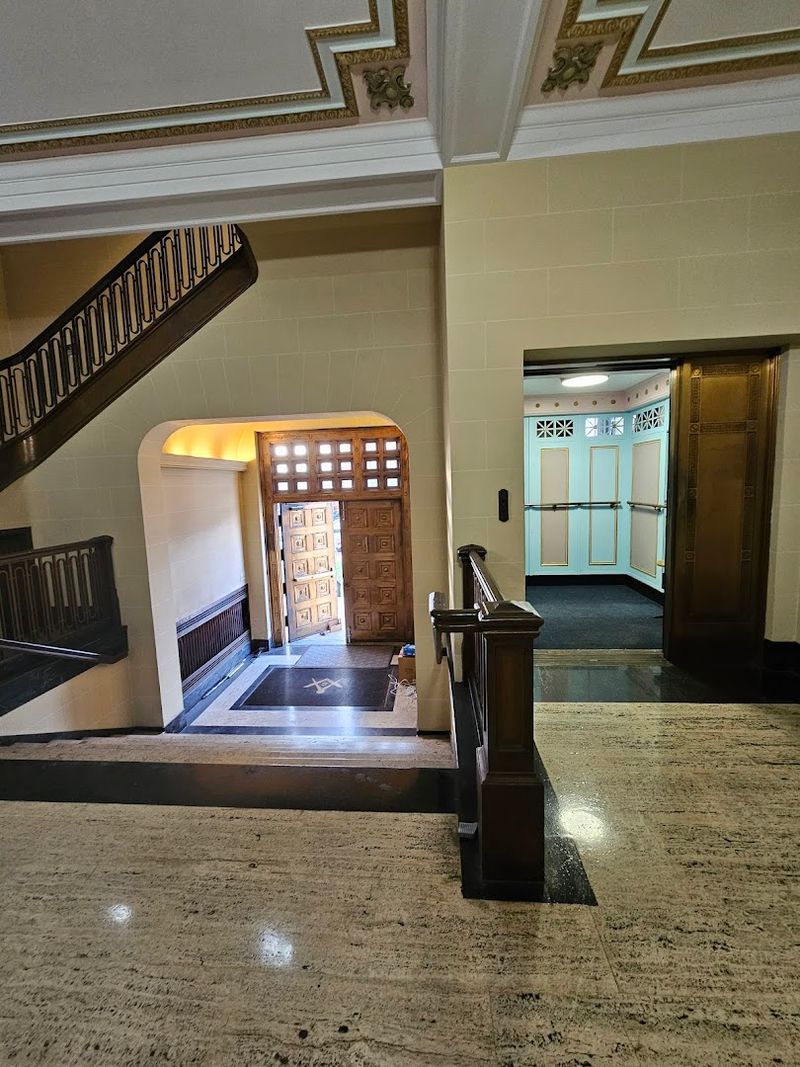
Tucked inside the Masonic Temple Building is a piece of mechanical history that most people never even think to ask about. The building reportedly houses the oldest working elevator of its type in all of New Hampshire, a fact that delights architecture and history enthusiasts equally.
It is the kind of quirky detail that transforms a building visit into a genuine discovery.
Old elevators carry a particular kind of charm that modern ones simply cannot manufacture. The craftsmanship, the sounds, the tactile experience of operating something built to last for generations all combine into something genuinely memorable.
Riding this elevator feels like a small time-travel adventure tucked inside a larger one.
Preserving a working antique elevator alongside all the other historic features of the New Hampshire Masonic Center reflects a broader philosophy of stewardship that runs through everything the organization does.
Rather than replacing the old with the convenient, the approach here has been to maintain and celebrate what makes the building unique.
That commitment to authenticity is exactly what keeps this landmark feeling alive, relevant, and worth every single visit.
A Historic Preservation Award Worth Celebrating
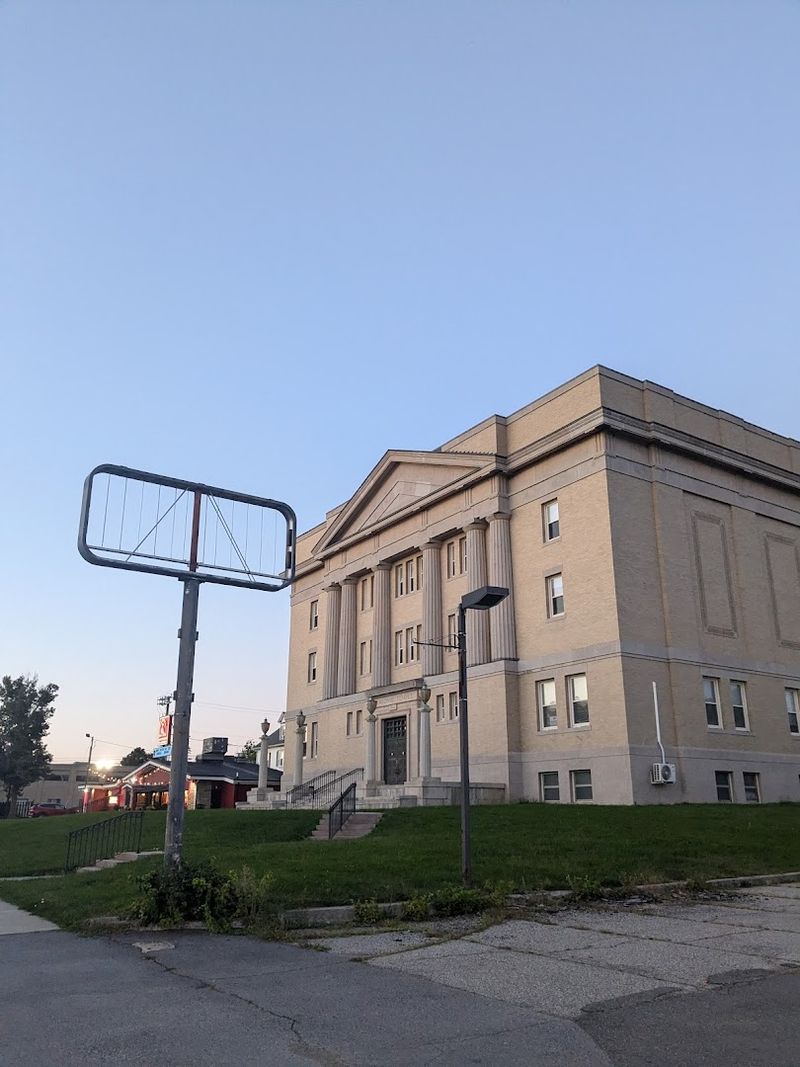
Earning a Historic Preservation Award from the Manchester Historic Association is no casual achievement. The Masonic Temple Building has received this recognition, a testament to the extraordinary effort that has gone into maintaining and celebrating this landmark over the decades.
Awards like this one confirm what architecture lovers already suspect the moment they lay eyes on the building.
Historic preservation is genuinely hard work. It requires financial commitment, skilled craftsmanship, and an organizational culture that values the past as much as the future.
The people responsible for stewarding this building have demonstrated all three qualities in abundance, and the award reflects that dedication in a very tangible way.
Manchester, New Hampshire, is a city with a rich industrial and civic history, and landmarks like this one serve as anchors for community identity. When a building is preserved with this level of care, it becomes more than just a structure.
It becomes a gathering point for memory, pride, and shared experience. The Historic Preservation Award is a public acknowledgment of something the local community has long understood: this building is absolutely irreplaceable.
From Masonic Temple to New Hampshire Masonic Center
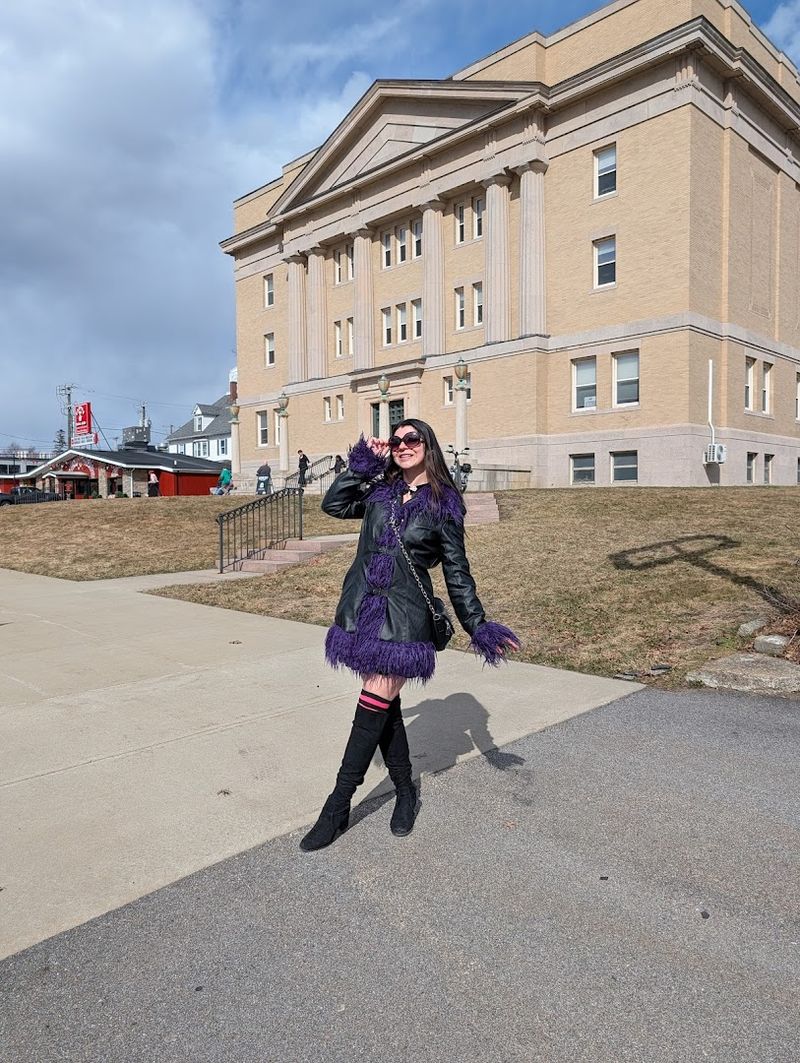
In October 2025, the organization’s board of directors made a meaningful decision to rename the operation the New Hampshire Masonic Center. The new name better reflects the statewide reach and mission of the organization, signaling that this building serves not just Manchester but the entire state.
It is a small but significant evolution for an institution with deep roots.
Rebranding a century-old institution is always a delicate balancing act. The goal is to honor tradition while communicating relevance to a new generation, and the New Hampshire Masonic Center name accomplishes exactly that.
It positions the building as a statewide resource without abandoning the fraternal heritage that makes it so distinctive.
Washington Lodge 61 remains among the lodges that call this building home, maintaining the direct human connection to the building’s original purpose. Grand Lodge meetings continue to take place within these historic walls, ensuring the space remains active and vital.
The renaming feels less like a departure and more like a confident step forward, proof that a place rooted in history can still grow, adapt, and remain deeply meaningful to the community it serves.
Public Events and Community Access at the Center
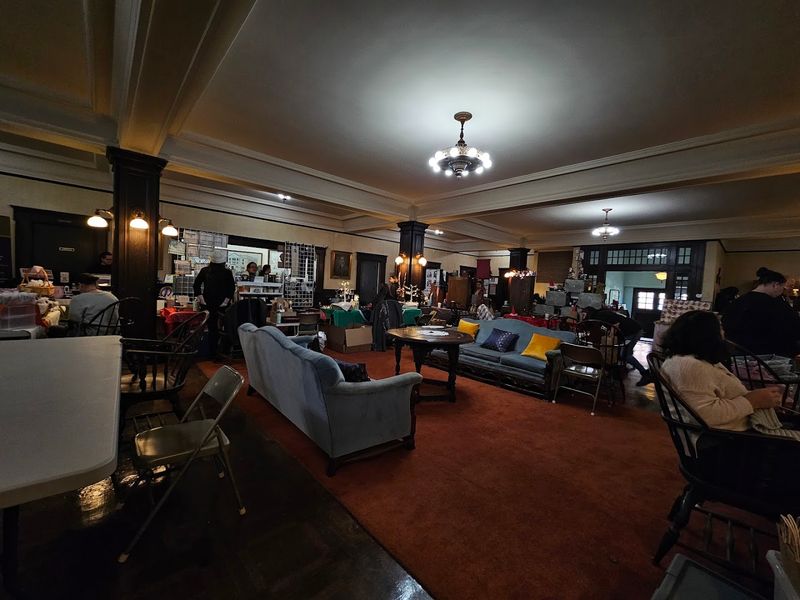
One of the most exciting things about the New Hampshire Masonic Center is that it is not locked away behind closed doors. The building actively welcomes public events, making its stunning historic spaces available to the broader Manchester community.
Renting out a room here means hosting your gathering inside a genuine piece of New Hampshire history.
Auditoriums, meeting rooms, Hazor Hall, and kitchen facilities are all part of what the center offers to outside groups and organizations. The combination of practical amenities with jaw-dropping historic character creates an event venue unlike anything else in the city.
Plenty of modern venues can offer convenience, but very few can offer this kind of atmosphere.
Community access to historic buildings matters enormously for keeping those buildings alive and financially sustainable. By opening its doors to public events, the New Hampshire Masonic Center ensures that generations of Manchester residents can experience and appreciate what lies within.
Every event held here is also a small act of preservation, connecting new audiences to a building that has been serving this community faithfully for nearly one hundred years.
Plan Your Visit to 1505 Elm Street Today
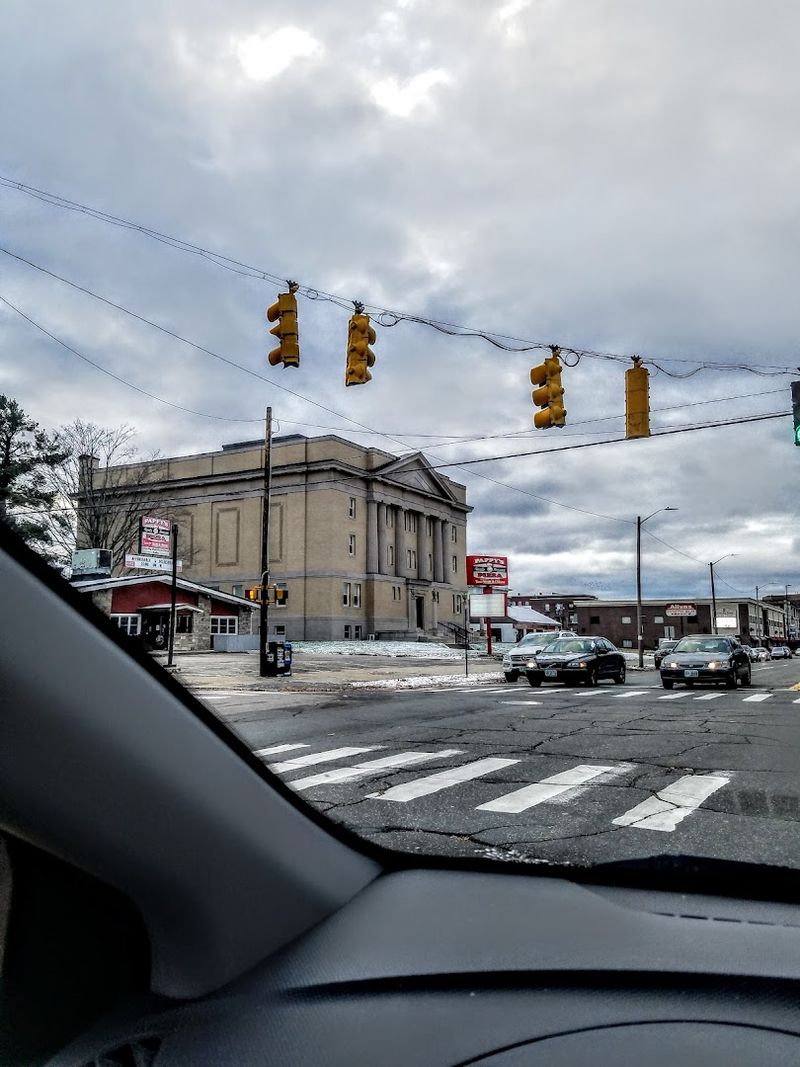
Standing at 1505 Elm Street in Manchester, New Hampshire, the New Hampshire Masonic Center is easier to visit than most people realize. The building sits right in the heart of downtown, making it a natural stop for anyone exploring the city on foot.
Parking and public transit options nearby mean that getting here is genuinely straightforward.
If you are planning a trip to New Hampshire and have even a passing interest in architecture, history, or fraternal organizations, putting this building on your itinerary is a no-brainer.
The exterior alone is worth a dedicated look, and if you can arrange access to the interior, the experience becomes something truly memorable.
Hazor Hall, the symbolic columns, and that legendary elevator all reward the curious visitor generously.
New Hampshire offers travelers a remarkable mix of natural beauty and historic architecture, and the Masonic Temple Building belongs firmly in the second category. So go ahead and make the trip.
Walk up Elm Street, look up at that magnificent facade, and let yourself be genuinely surprised by what a century-old Masonic temple has to offer. Pack your curiosity and get moving.
