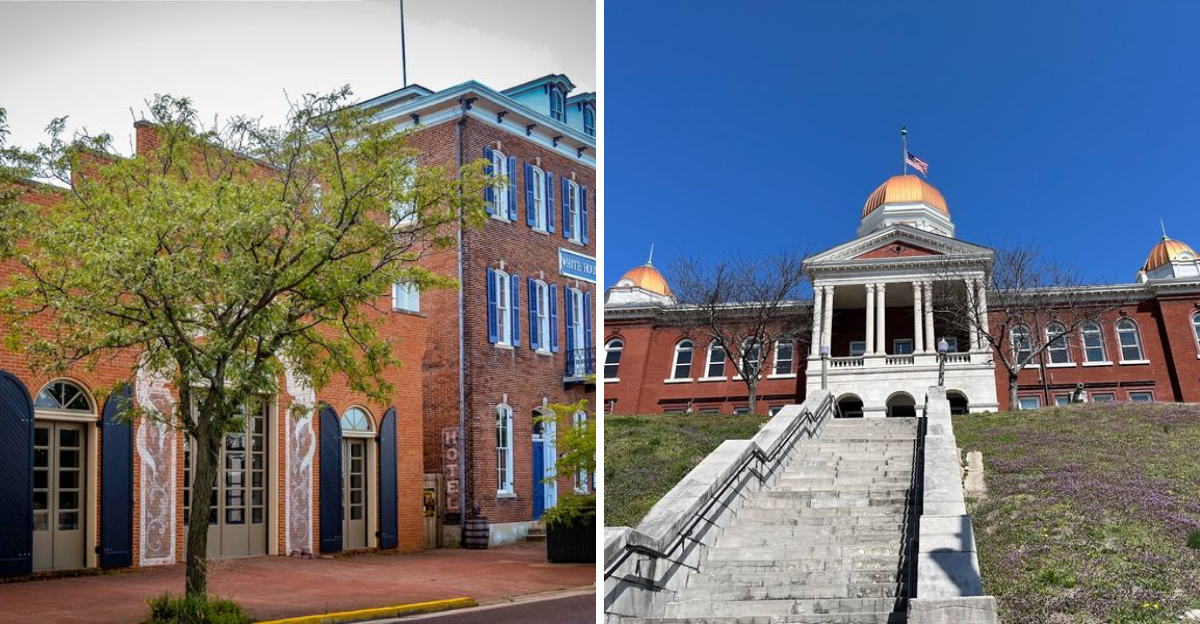
I recently spent a weekend in a corner of Missouri that honestly made me feel like I’d accidentally walked onto the pages of a nineteenth-century novel.
The streets are lined with brick architecture and steep hillsides that look more like a European village than a typical Midwestern town.
I spent hours just wandering past the clock towers and iron-wrought balconies, half-expecting a horse and carriage to rattle past at any second.
It is a place where the pace of life slows down to a crawl, allowing you to actually appreciate the craftsmanship of a time when everything was built to last.
A Town Built by German Dreamers
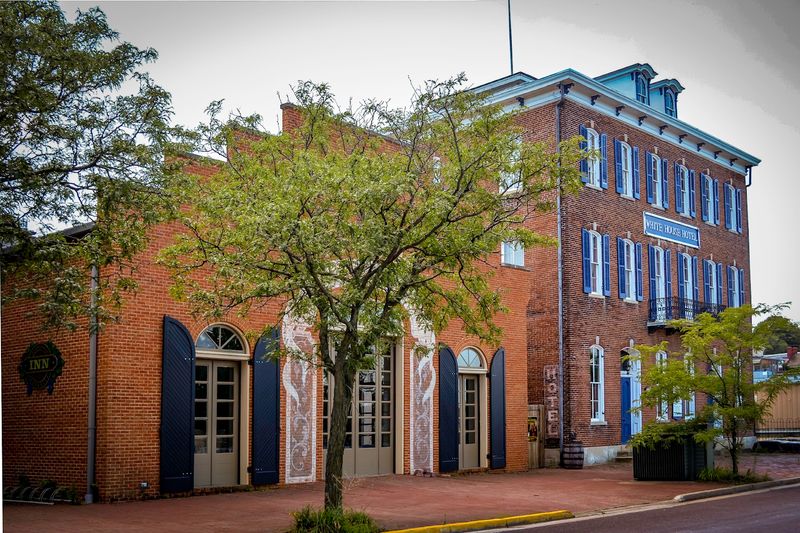
Hermann did not just happen. It was deliberately created in 1836 by the German Settlement Society of Philadelphia, a group of German immigrants who wanted to build a place that would preserve their culture in America.
They chose a dramatic bend along the Missouri River in what is now Gasconade County, Missouri, and they got to work. The streets were laid out in a grid, the lots were sold, and families arrived ready to plant roots.
What they built looks remarkably intact today. Walking through Hermann feels less like tourism and more like archaeology.
The buildings are real, the history is layered, and the German influence is visible in everything from the architecture to the street names.
Missouri has plenty of charming towns, but Hermann stands apart because its founding story is so intentional. These settlers were not drifting.
They were building a homeland from scratch, and they built it to last.
The town was incorporated in 1839 and became the county seat of Gasconade County in 1842, a title it still holds today. That kind of staying power says everything about how seriously this community takes its identity.
Brick Streets and 19th-Century Architecture
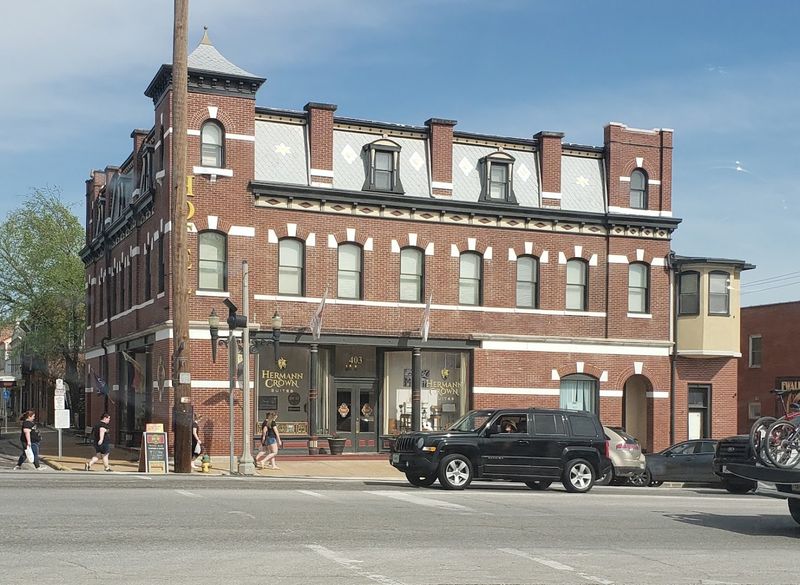
Few things slow your pace down like walking on old brick streets. Hermann’s downtown is full of them, and they have a way of making every step feel deliberate and meaningful.
The buildings lining those streets were mostly constructed between the 1840s and the 1890s. Many are still in their original condition, or at least beautifully restored to match their original look.
You will spot ornate cornices, arched windows, and detailed brickwork that modern construction simply does not bother with anymore.
Missouri has a lot of historic downtowns, but Hermann’s is especially well-preserved. The scale feels human.
Nothing is too tall, nothing is too new, and nothing feels out of place.
Some storefronts carry original signage styles. Others have been updated but still respect the architectural language of the block.
The result is a streetscape that feels cohesive and genuinely old, not themed or manufactured.
Spend an hour just looking up. The upper floors of these buildings are where the real details hide.
Carved stone, faded painted advertisements, and iron fixtures tell stories that no museum exhibit could fully replicate. Hermann wears its age like a badge of honor, and it suits the town perfectly.
The Missouri Rhineland and Its Scenic Setting
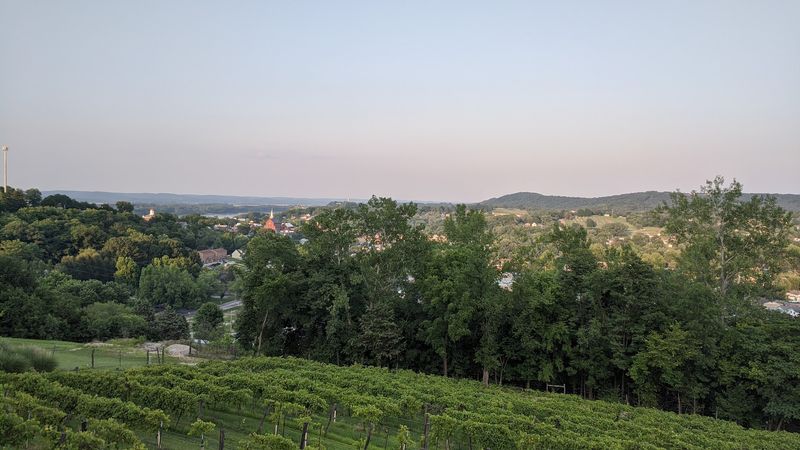
Hermann sits near the heart of a region called the Missouri Rhineland, a stretch of the Missouri River valley where the landscape bears a striking resemblance to parts of Germany’s Rhine River region.
The hills are steep and rolling. The river curves dramatically through the valley below.
Vineyards cling to the slopes, and in every direction, the view looks like something painted rather than photographed.
I climbed one of the bluffs overlooking town on my visit, and the panorama genuinely stopped me in my tracks. The Missouri River shimmered below, the church steeples of Hermann poked above the rooftops, and the hills on the far bank were covered in deep green timber.
Missouri does not always get credit for its natural beauty, but this part of the state is quietly spectacular. The combination of river, bluffs, and cultivated farmland creates a layered landscape that changes with every season.
Fall brings fiery color to the hillsides. Spring softens everything with fresh green and wildflowers.
Even winter has its appeal, when the bare trees reveal the bones of the landscape and the town feels even more still and timeless. The setting alone makes Hermann worth the drive.
The Historic District Is a Living Museum
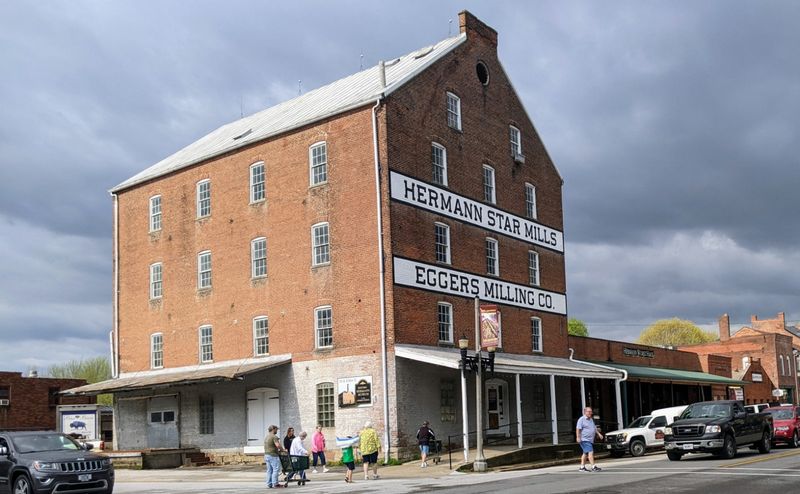
Hermann’s historic district is listed on the National Register of Historic Places, and once you walk through it, you understand exactly why that designation was earned rather than simply granted.
The district covers a large portion of the original town plat, which means the grid those German settlers laid out in the 1830s is still the grid you navigate today. The streets, the lots, the block sizes.
All of it reflects the original vision.
What makes Hermann different from a typical historic district is density. There are dozens of contributing structures within a relatively compact area, so you are never more than a few steps from something genuinely old and genuinely interesting.
Missouri has other historic districts, but few feel as complete as this one. There are no jarring gaps where modern infill has disrupted the rhythm.
The streetscape holds together from block to block in a way that rewards slow exploration.
I spent an entire afternoon just wandering without a plan, and every turn revealed something new. A cast iron hitching post here, a hand-laid stone foundation there, a building date carved into a lintel above a doorway.
Hermann’s historic district does not just preserve the past. It makes the past feel present.
Festivals Keep the Calendar Full
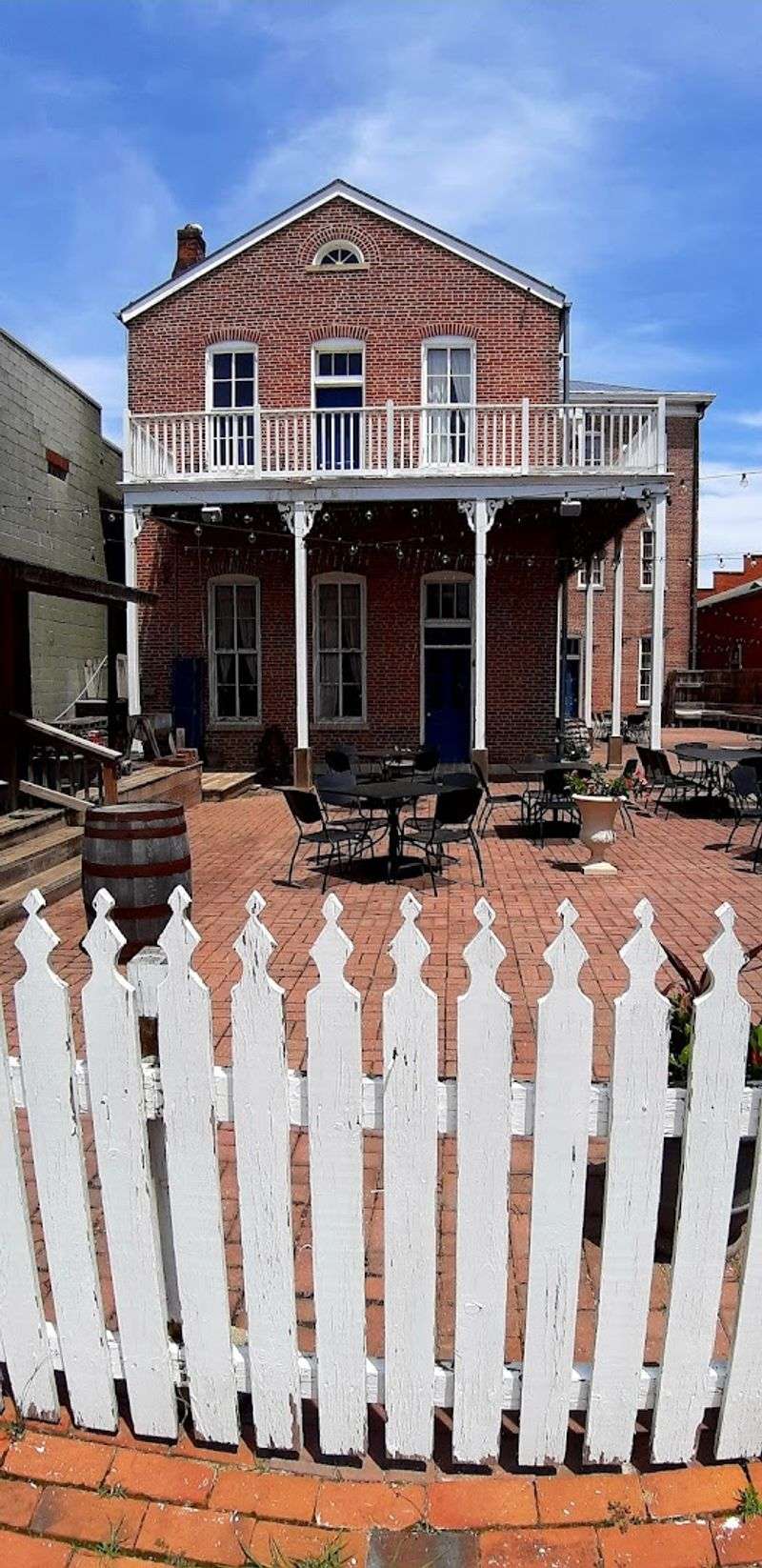
Hermann takes its festivals seriously, and the town has built a reputation across Missouri for events that draw people from hundreds of miles away.
Maifest, held each May, celebrates spring with German music, traditional foods, and street entertainment that fills the downtown with energy. The town transforms into something even more lively than usual, with vendors, performers, and visitors packed into those beloved brick streets.
Oktoberfest in Hermann is one of the most well-known autumn celebrations in all of Missouri. It runs across multiple weekends in October, and the combination of fall foliage, historic architecture, and festive atmosphere creates something genuinely memorable.
Kristkindl Markt in December brings a European Christmas market feel to the downtown, with handmade goods, seasonal treats, and twinkling lights strung across the old storefronts. It is the kind of event that makes you feel like you have wandered into a holiday film.
The town also hosts smaller events throughout the year, including a Quilt Walk, a Civil War reenactment, and various cultural celebrations tied to its German heritage.
For a town of just over 2,000 people, Hermann packs a remarkable amount of festivity into every season, making it a destination worth revisiting more than once.
The Steamboat Gothic Architecture of Wharf Street
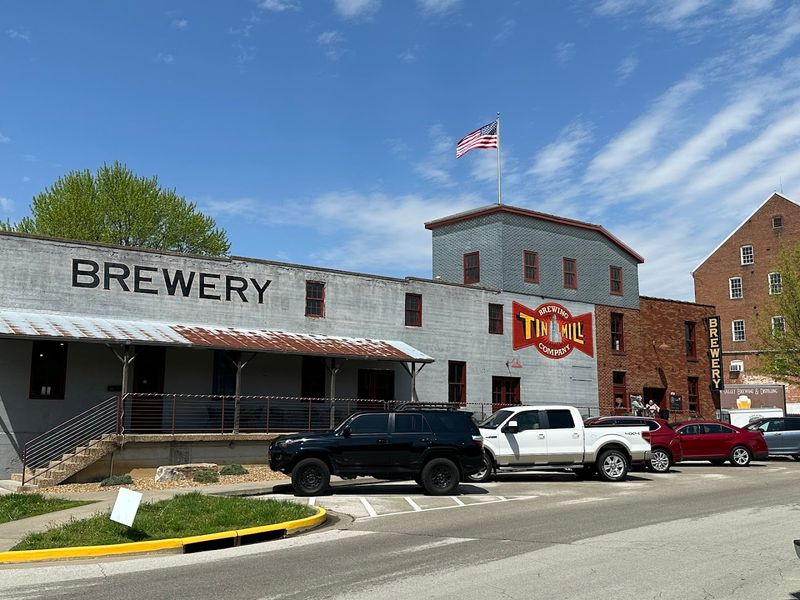
Wharf Street runs along the edge of Hermann closest to the Missouri River, and it carries a different architectural character than the main commercial blocks further uphill.
The buildings here reflect the steamboat era, when river commerce was king and Hermann was a busy port. Steamboat Gothic style, with its decorative woodwork, tall narrow windows, and ornate trim details, shows up on several structures along this stretch.
The river itself is not far from view. Standing on Wharf Street and looking toward the water, it is easy to picture the scene as it once was.
Flatboats and steamers pulling up to the landing, goods moving in and out, travelers arriving by water rather than by road.
Missouri’s river towns each have their own personality, and Hermann’s waterfront end feels distinctly commercial and maritime in its bones, even without the river traffic that once defined it.
The buildings along Wharf Street have been repurposed over the years for shops, lodging, and other uses, but the bones remain. The proportions, the materials, and the relationship to the riverbank all tell the story of a town that once looked outward toward the water as its main connection to the wider world.
It is a quieter corner of Hermann, and one worth seeking out.
The Gasconade County Courthouse Anchors the Center
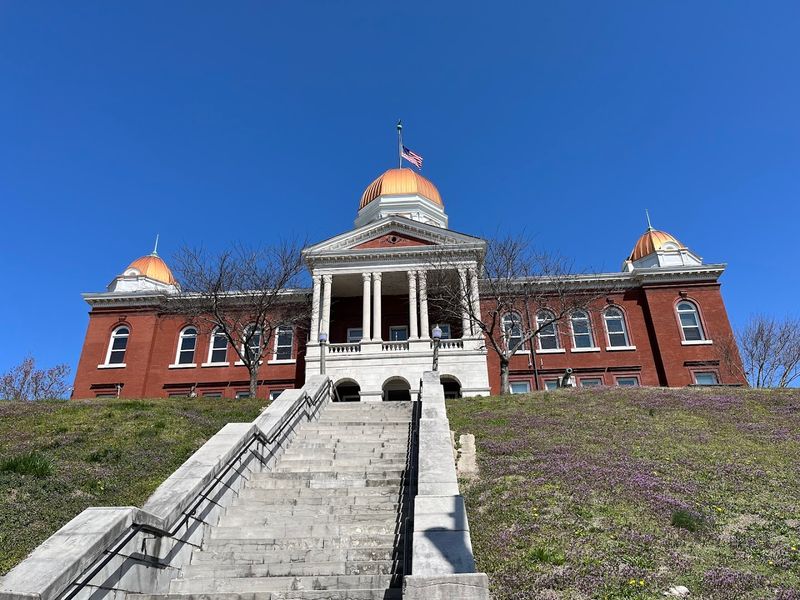
Every county seat has a courthouse, but Hermann’s sits with particular authority at the center of town. The Gasconade County Courthouse is a solid, handsome structure that has presided over this community since the mid-19th century.
Hermann has been the county seat of Gasconade County, Missouri, since 1842, which means this building and its predecessors have witnessed nearly every chapter of local history. Court proceedings, elections, community gatherings.
The courthouse has been at the center of it all.
The current building reflects the civic ambition that small Missouri towns often expressed through their public architecture. It is built to impress, built to last, and built to signal that this community took its responsibilities seriously.
Standing in front of it and looking down the main street, you get a clear sense of how thoughtfully Hermann was laid out. The courthouse anchors the civic core, the commercial blocks fan out from there, and the residential streets climb the surrounding hills.
It is a town plan that makes instinctive sense, the kind of layout that was designed by people who intended to stay. The courthouse is the clearest symbol of that permanence, and it continues to function as an active seat of local government, which makes it feel alive rather than simply preserved.
Hermann’s Churches Tell Stories in Stone
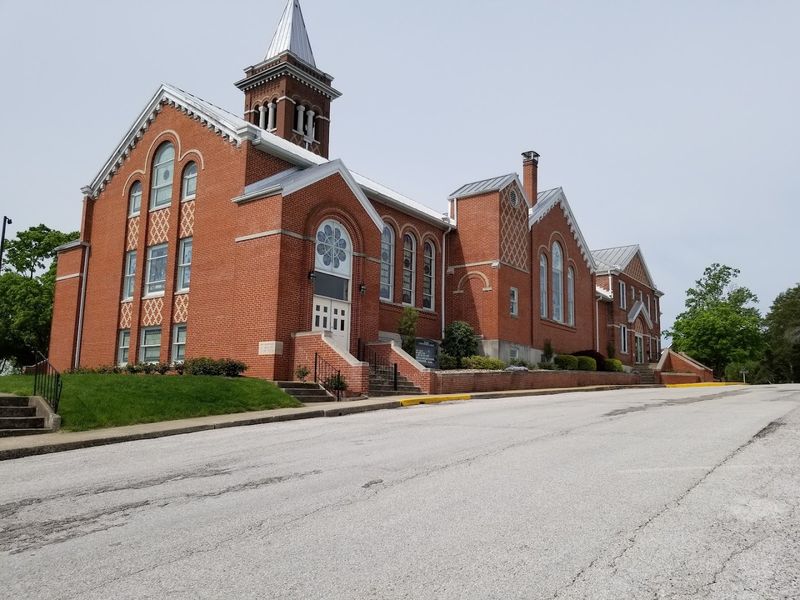
Religion was central to the lives of Hermann’s founding settlers, and the churches they built reflect that centrality with impressive permanence. Several of the town’s congregations have occupied their current buildings for well over a century.
The steeples of Hermann’s churches are visible from nearly every vantage point in town. They punctuate the skyline and serve as landmarks that orient you as you explore the surrounding hills and streets.
Inside these buildings, the craftsmanship is remarkable. Stained glass, carved woodwork, hand-plastered ceilings, and pipe organs that have been maintained across generations.
These are not merely old buildings. They are active congregations with living histories.
Missouri has many historic churches, but Hermann’s are notable for their concentration within such a small area and for the way they reflect different strands of the German immigrant community.
Lutheran, Catholic, and other denominations all established themselves here, each building in a style that expressed their particular tradition.
Walking past these churches on a quiet weekday morning, with light filtering through old glass and the sound of birds echoing off stone walls, is one of the most atmospheric experiences Hermann offers.
The town’s spiritual architecture is as much a part of its identity as its commercial streetscape, and it rewards careful attention.
Hermann’s Museum Preserves the Immigrant Story
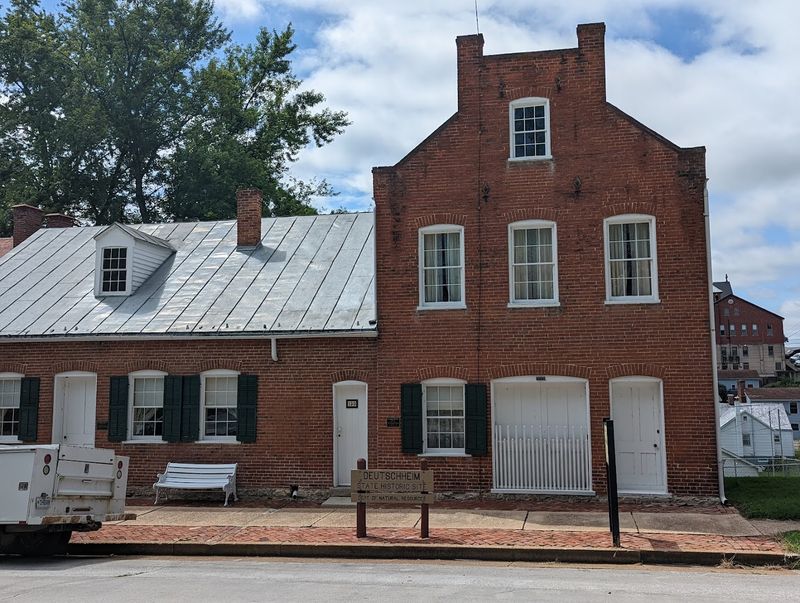
The Deutschheim State Historic Site in Hermann, Missouri, is one of the best places in the state to understand what life looked like for 19th-century German immigrants. The site includes several original structures, including a house and a tavern, both furnished with period-appropriate objects.
Walking through those rooms, you encounter the material reality of immigrant life. The furniture is heavy and practical.
The kitchens are small and efficient. The personal items on display, tools, clothing, books, and decorative objects, speak to people who carried their culture across an ocean and replanted it in Missouri soil.
The site is operated by Missouri State Parks, which ensures that interpretation is careful, well-researched, and regularly updated. Guided tours are available and genuinely add depth to what you see.
What I found most moving was the sense of continuity. These were not wealthy people.
They were craftsmen, farmers, and tradespeople who built something lasting from very modest beginnings.
The museum does not just display artifacts. It tells a human story about identity, ambition, and the desire to belong somewhere.
For anyone interested in American immigration history, or simply in the roots of this remarkable Missouri town, Deutschheim is an essential stop that should not be rushed or skipped.
Hiking the Bluffs Above Town
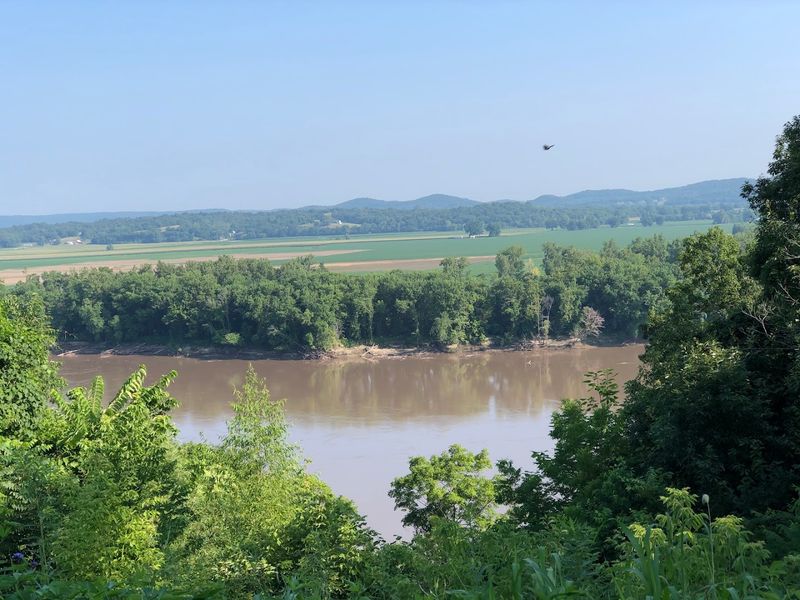
Getting above Hermann is one of the best things you can do on a visit, and the town makes it relatively easy. Several trails and access points lead up into the bluffs and hills that surround the valley, rewarding the effort with views that put everything into perspective.
From the heights above town, you can see how Hermann fits into its landscape. The river bends below, the historic rooftops cluster together, and the vineyards and farmland spread out in every direction.
It is the kind of view that makes you understand why those German settlers chose this particular spot.
Missouri’s Ozark border region produces this kind of rugged, layered terrain, and the area around Hermann benefits from it enormously. The trails are not technically demanding, but they are real trails through real woods, with enough elevation change to make you feel the effort.
Spring and fall are the obvious peak seasons for this kind of exploration. Fall color on these bluffs is genuinely spectacular, and spring brings wildflowers and birdsong that make even a short hike feel like a full sensory experience.
Pack comfortable shoes, bring water, and allow more time than you think you need. The views at the top have a way of making you linger far longer than planned, and that is exactly the right response to what Hermann shows you from above.
Why Hermann Rewards a Slow Visit
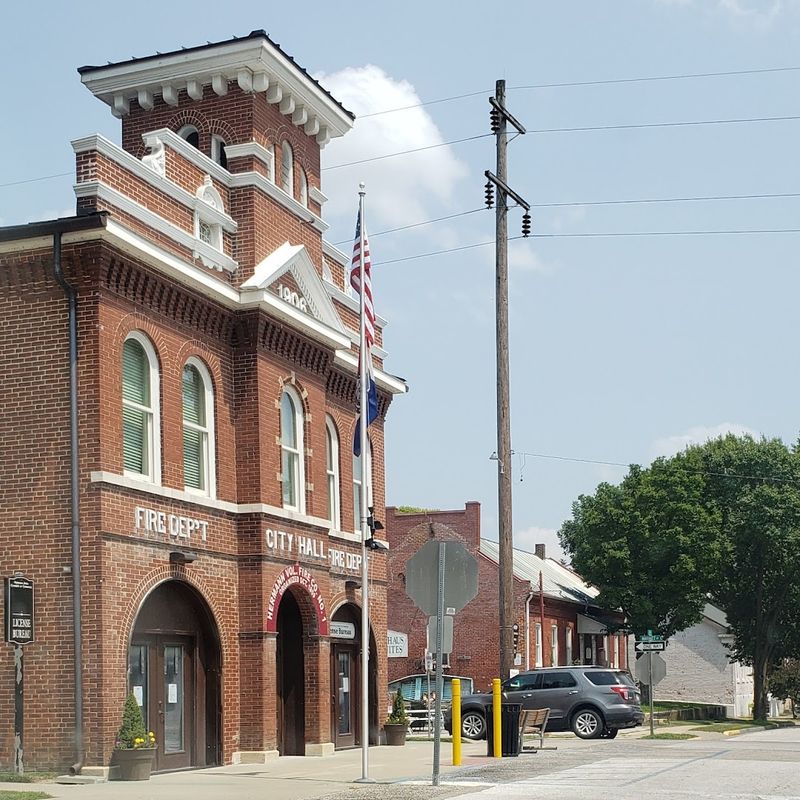
Hermann is not a place that reveals itself in a hurry. The town rewards the visitor who slows down, wanders without an agenda, and pays attention to small details rather than rushing between major attractions.
The rhythm of the town itself encourages this. Streets are quiet.
Distances are short. There is always another interesting facade to study, another side street to follow, another view to discover just around the corner.
Missouri has plenty of destinations that demand your full energy and a packed schedule. Hermann asks for something different.
It asks you to be present, to notice things, and to let the pace of a 19th-century river town briefly replace whatever pace you arrived with.
Staying overnight changes the experience completely. When the day visitors leave and the streets empty out, Hermann becomes even more itself.
The quiet is deep, the stars are visible, and the town’s age becomes more palpable in the stillness.
Hermann, Missouri, is the kind of place that stays with you after you leave, not because of one dramatic moment, but because of the accumulation of small, genuine impressions that build up over hours of unhurried exploration.
Come without a checklist, leave without having seen everything, and plan to return. That is the right way to experience this extraordinary little town on the Missouri River.
