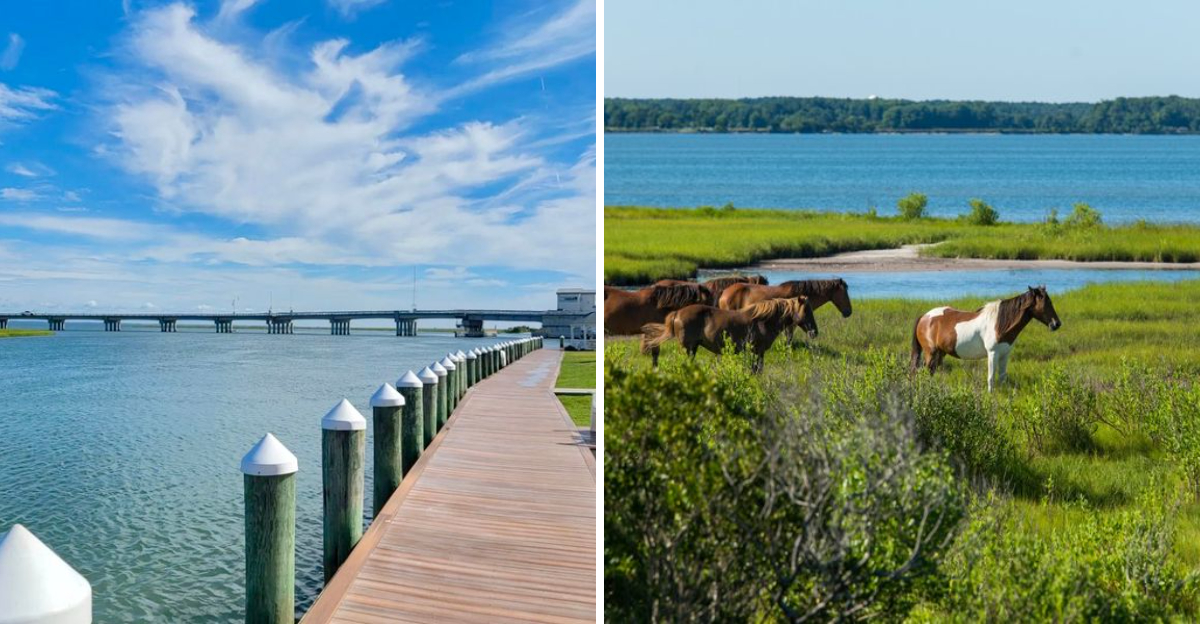
There is a sadness that comes with watching a quiet place get discovered. The locals feel it first, the slow creep of traffic, the new hotels, the restaurants that used to know your name now too busy to remember.
That is the story of this Virginia island town. This island was once a sleepy fishing village where the big event was watching ponies swim.
Now the crowds come every summer, and the locals say things have changed. Not all bad, but different.
I walked the streets trying to see both versions. The old charm is still there, buried under the gift shops and the ice cream lines.
You just have to look harder now. Progress is complicated.
From Fishing Village to Tourist Magnet: How It All Started
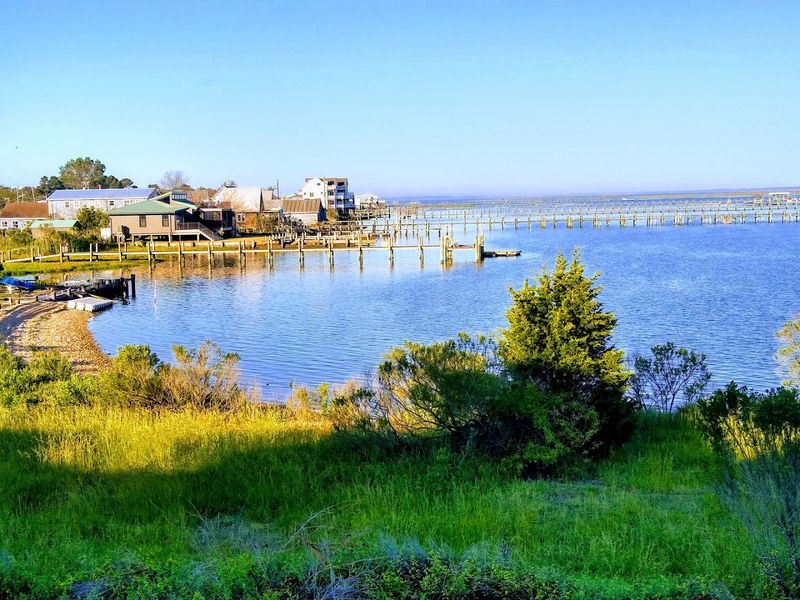
Long before tour buses rolled across the causeway, Chincoteague Island was a working waterman’s world. Oysters, clams, and blue crabs were the currency of daily life, and the island’s identity was built entirely around the sea.
A causeway completed in the early twentieth century cracked open the island to outsiders for the first time. Then a bridge connecting Chincoteague to Assateague Island changed everything even more dramatically, giving visitors direct access to one of the most stunning barrier island beaches on the entire East Coast.
Virginia’s Eastern Shore had always been a place apart, geographically isolated and fiercely independent. But that isolation slowly dissolved as word spread about the wild ponies, pristine beaches, and salt-kissed charm waiting just off the mainland.
Tourism revenues climbed steadily, and the local economy pivoted hard. Seafood processing plants gave way to rental cottages and gift shops.
The shift was not sudden, but it was undeniable. Longtime families who had worked the water for generations found themselves watching their hometown transform into something they barely recognized.
It was progress by most measures, complicated by almost every other one.
Wild Ponies: The Original Celebrity Residents
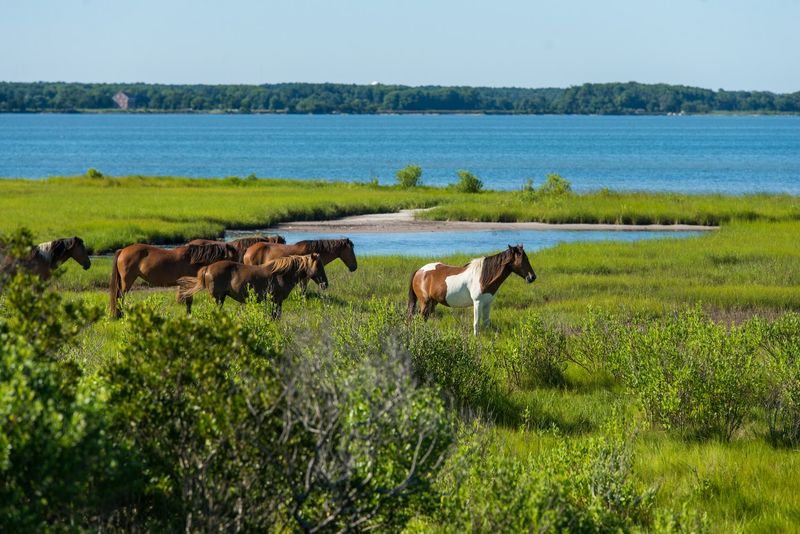
Nothing puts Chincoteague Island on the map quite like its famous wild ponies. These compact, shaggy horses roam freely across Assateague Island, part of the Chincoteague National Wildlife Refuge, living entirely on their own terms in a landscape of salt marsh and sea grass.
Every July, the Chincoteague Volunteer Fire Company organizes the legendary Pony Swim, where the ponies are herded across a narrow channel of water to the island for an auction. It is one of the most photographed events in Virginia, drawing massive crowds who line the shoreline for a glimpse of horses plunging through the water.
The ponies are genuinely wild, and getting too close is strongly discouraged. Park rangers enforce safe viewing distances to protect both the animals and the people who come to admire them.
Still, spotting a small herd grazing near the dunes at sunrise is the kind of moment that makes every traffic jam on the causeway feel almost worth it.
For many visitors, the ponies are the whole reason for coming. For locals, they are simply neighbors, beautiful and familiar, part of the island’s soul long before the tourists ever arrived.
Assateague Beach: The Crown Jewel That Draws the Crowds
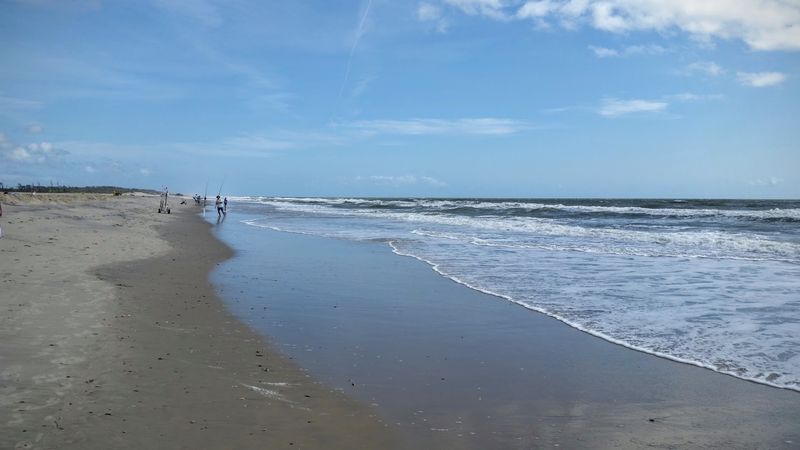
Ask any visitor why they made the drive to Chincoteague Island, and the answer almost always circles back to Assateague Beach. Managed by the National Park Service as part of the Assateague Island National Seashore, this stretch of Atlantic coastline is breathtaking in a way that feels almost unfair to the other beaches on the East Coast.
Wide, clean, and backed by rolling sand dunes, the beach offers swimming, surf fishing, and wildlife watching all in one place. Bottlenose dolphins occasionally cruise just beyond the break, and shorebirds patrol the waterline with impressive confidence.
The popularity of this beach is exactly what drives Chincoteague Island’s summer surge. Studies have shown that the overwhelming majority of visitors come specifically for beach access, which makes any proposed changes to parking or access a deeply charged conversation among business owners and town leaders.
Getting there requires crossing through the wildlife refuge, which means an entrance fee and sometimes a wait. Peak summer weekends can feel like a beach resort at full capacity.
But arrive early on a weekday morning, and the whole place feels like it belongs only to you, the birds, and maybe one very curious pony.
The Housing Crisis Nobody Warned the Locals About
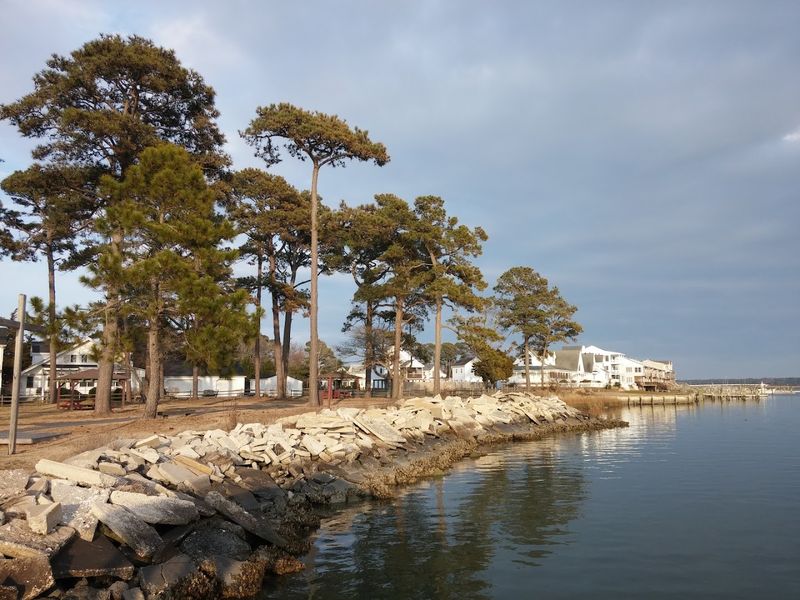
Here is a side of Chincoteague Island that does not show up in the glossy travel brochures. As tourism boomed and outside buyers discovered this coastal gem, home prices climbed sharply and kept climbing.
What was once an affordable place to raise a fishing family became something far more complicated.
Median home values jumped dramatically over the past two decades, creating real pressure on local workers who cannot afford to live in the community they serve. The island’s geography makes expansion nearly impossible, so supply stays tight while demand keeps rising.
Seasonal rentals have pulled even more housing stock away from long-term residents, a pattern familiar to anyone who has watched a beloved small town get discovered by the wider world. Some longtime Chincoteague Island families have quietly moved to the mainland, priced out of the place their grandparents called home.
Town leaders openly acknowledge the challenge, but solutions are hard to find on an island with limited land and a tourism-dependent economy. It is a tension that plays out in town meetings and whispered conversations at the marina, a reminder that paradise has a price, and not everyone can afford to pay it.
Traffic Jams on an Island? Yes, Really.
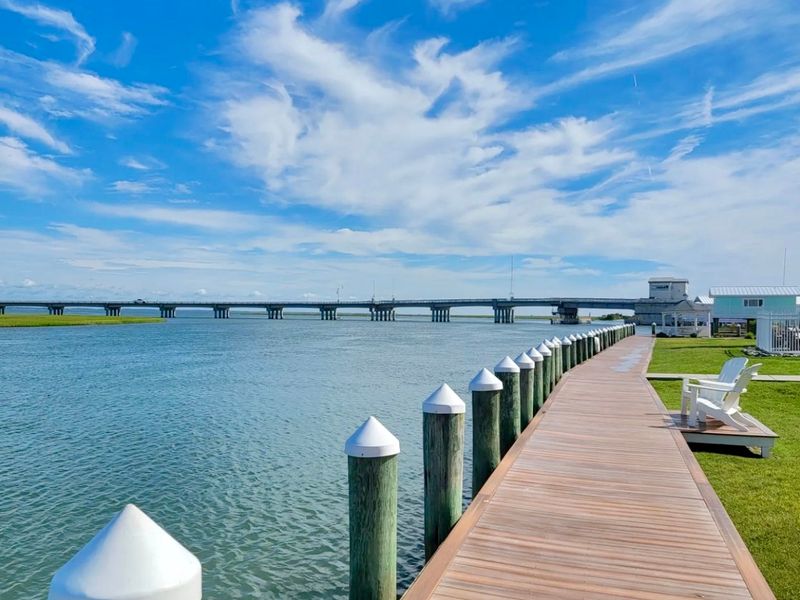
Nobody moves to a small island in Virginia expecting rush-hour traffic. Yet every summer, Chincoteague Island deals with congestion that would feel at home in a much larger city.
The single causeway connecting the island to the mainland becomes a pressure point, and weekend afternoons can turn the main road into a slow-moving parade of rental cars and SUVs loaded with beach gear.
Parking near the wildlife refuge entrance is particularly brutal during peak season. Lots fill up before most people have finished their morning coffee, and latecomers sometimes drive in circles for a frustrating stretch of time before giving up entirely.
For full-time residents, this seasonal gridlock is not just an inconvenience, it disrupts daily life in real ways. Running a simple errand in July can take twice as long as it would in October.
Emergency vehicle access during heavy traffic periods is a legitimate concern that town officials take seriously.
Still, the island keeps showing up on best-of lists and travel roundups, which means the crowds are not going anywhere soon. The smart move, both for your sanity and for the locals who live there, is to visit during the shoulder seasons when the island breathes a little easier.
The Seafood Scene: What Survived and What Got Lost
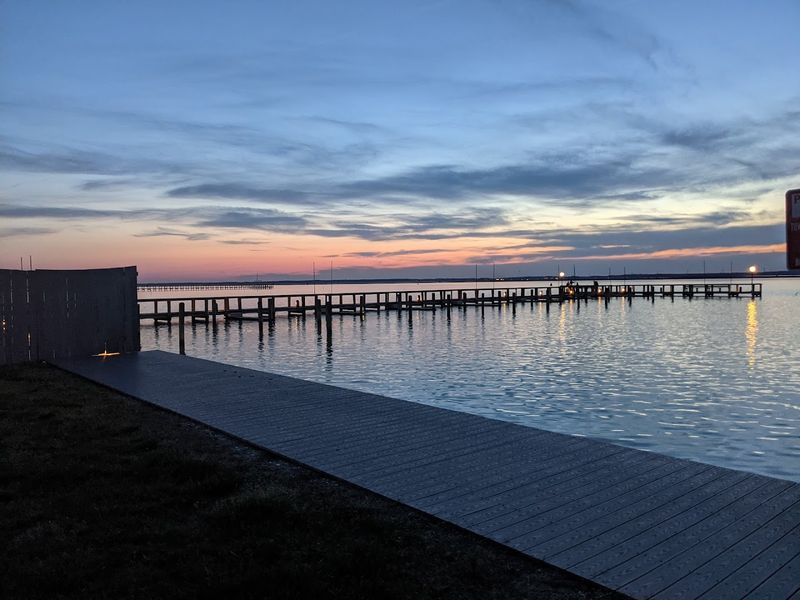
Chincoteague Island oysters are genuinely famous, and for good reason. Grown in the cold, clean waters of the Chincoteague Bay, they carry a distinct brininess that oyster lovers travel specifically to taste.
The island’s aquaculture tradition is still alive, even if the wider seafood economy looks very different than it once did.
The concern among longtime locals is about what has been replaced. Independent seafood shacks with hand-painted signs and paper plates were the soul of the island’s food culture.
Some of those spots have closed, and the spaces they occupied have been taken over by more generic dining options aimed squarely at tourist tastes.
A handful of beloved local restaurants still hold their ground on Chincoteague Island, serving the kind of honest, no-frills coastal food that made the town worth visiting in the first place. Bill’s Seafood Restaurant, a long-standing local institution, continues to serve fresh catches in a casual waterfront setting that feels refreshingly unchanged.
The lesson here is to seek out the places that have been around for decades rather than the shiny new spots near the main drag. That is where the real flavor of Virginia’s Eastern Shore still lives, and where your dollars support the people who actually built this community.
Chincoteague National Wildlife Refuge: Nature’s Biggest Draw
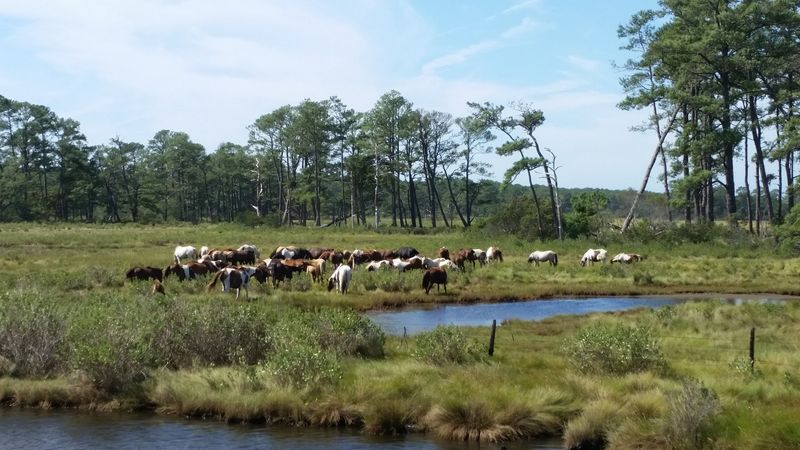
Stretching across Assateague Island just minutes from Chincoteague Island, the National Wildlife Refuge is one of the most ecologically significant protected areas on the entire Atlantic coast. Managed by the U.S.
Fish and Wildlife Service, it shelters migratory birds, nesting sea turtles, the famous wild ponies, and a staggering variety of plant and wetland ecosystems.
Birdwatchers treat this place like a pilgrimage site. During peak migration seasons, the refuge draws serious birders from across Virginia and well beyond, armed with binoculars and field guides, quietly stalking the marshes at dawn for rare sightings.
The wildlife loop road inside the refuge is one of the best casual wildlife drives on the East Coast. Egrets, herons, deer, and the occasional otter make regular appearances along the route, and the scenery shifts beautifully between salt marsh, pine forest, and open water.
Tensions between the refuge’s management goals and the local tourism economy have surfaced in recent years, particularly around beach access and parking proposals. Business owners have been vocal about their concerns, and the debate reflects a broader national conversation about balancing conservation priorities with the economic realities of gateway communities.
It is a complicated relationship, but the refuge itself remains spectacular.
The Museum of Chincoteague Island: Small Building, Big Stories
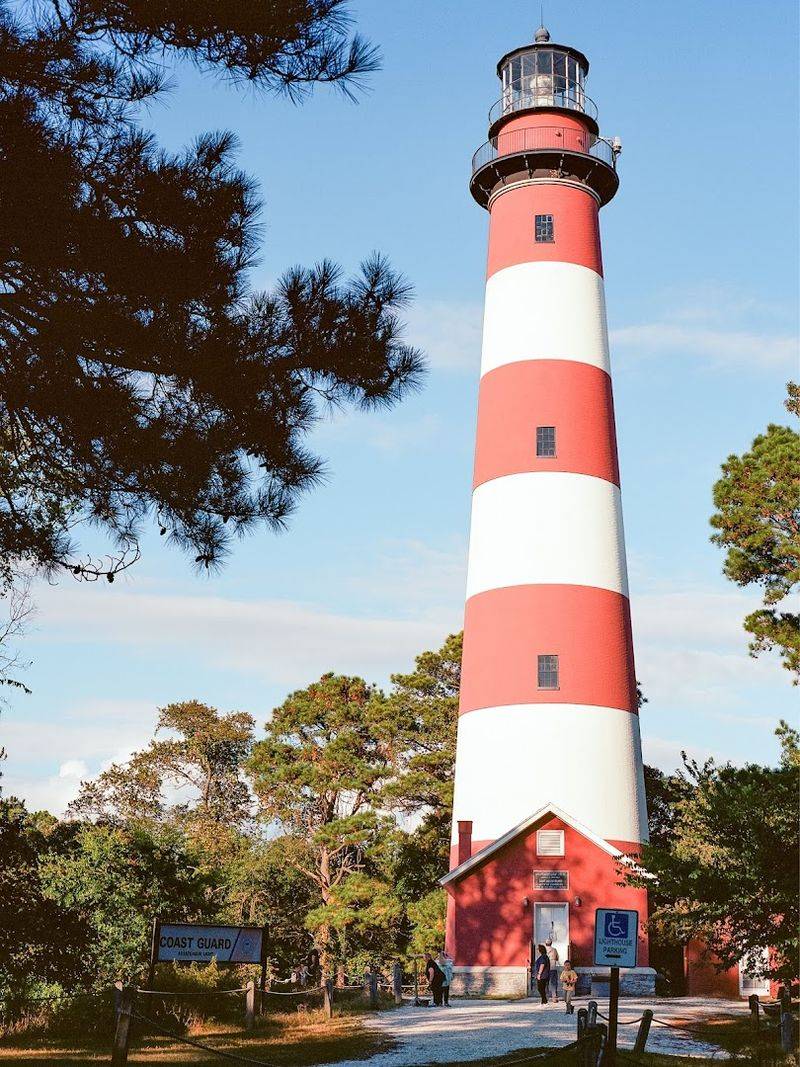
Tucked into the heart of town, the Museum of Chincoteague Island punches well above its weight. It is a compact space, but the stories packed inside it tell the full arc of this community’s history, from its origins as a waterman’s settlement to its current life as a tourist destination.
Oyster-industry artifacts, vintage fishing equipment, and detailed model boats fill the displays, offering a tangible connection to the generations of families who built their lives around the bay. Old photographs line the walls, showing the island in its quieter days, before the causeway, before the bridge, before the crowds.
Chincoteague Island’s identity has always been shaped by water, and the museum makes that relationship vivid and personal. Local legends, maritime folklore, and the story of the famous ponies all get their due attention in a way that feels genuinely curated rather than assembled for tourist consumption.
For anyone who wants to understand why locals feel so protective of this place, a visit here provides real context. You leave with a much clearer sense of what was here before the souvenir shops moved in, and why the people who grew up on this Virginia island care so deeply about what it becomes next.
Veteran’s Memorial Park: The Local Hangout Tourists Often Miss
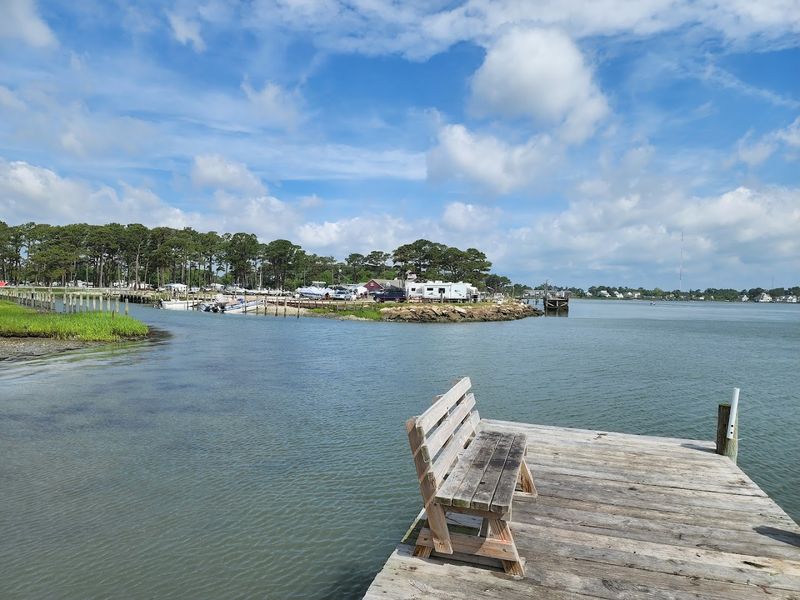
While most visitors make a beeline for Assateague Beach, Chincoteague Island has its own quieter waterfront gem that tends to fly under the radar. Veteran’s Memorial Park sits right on the bay side of the island, offering a peaceful pier, open water views, and a genuinely local atmosphere that feels miles away from the summer hustle.
Locals fish from the pier, kids chase fiddler crabs along the shoreline, and the sunsets over the marsh from this spot are legitimately stunning. It is the kind of place where you can sit on a bench, watch the herons work the shallows, and remember why coastal Virginia has such a hold on people.
The park also provides a grounding reminder that Chincoteague Island is, at its core, a working waterfront community. Crab pots and small fishing vessels are part of the scenery here, not props for a vacation backdrop but the tools of people’s actual livelihoods.
Coming here feels like stepping into the island’s real daily rhythm. No admission fee, no line to get in, no tour group blocking the view.
Just the bay, the birds, and the kind of unhurried calm that first put Chincoteague Island on the map for the people who discovered it long before Instagram did.
Is Chincoteague Island Still Worth the Trip? Here Is the Honest Answer
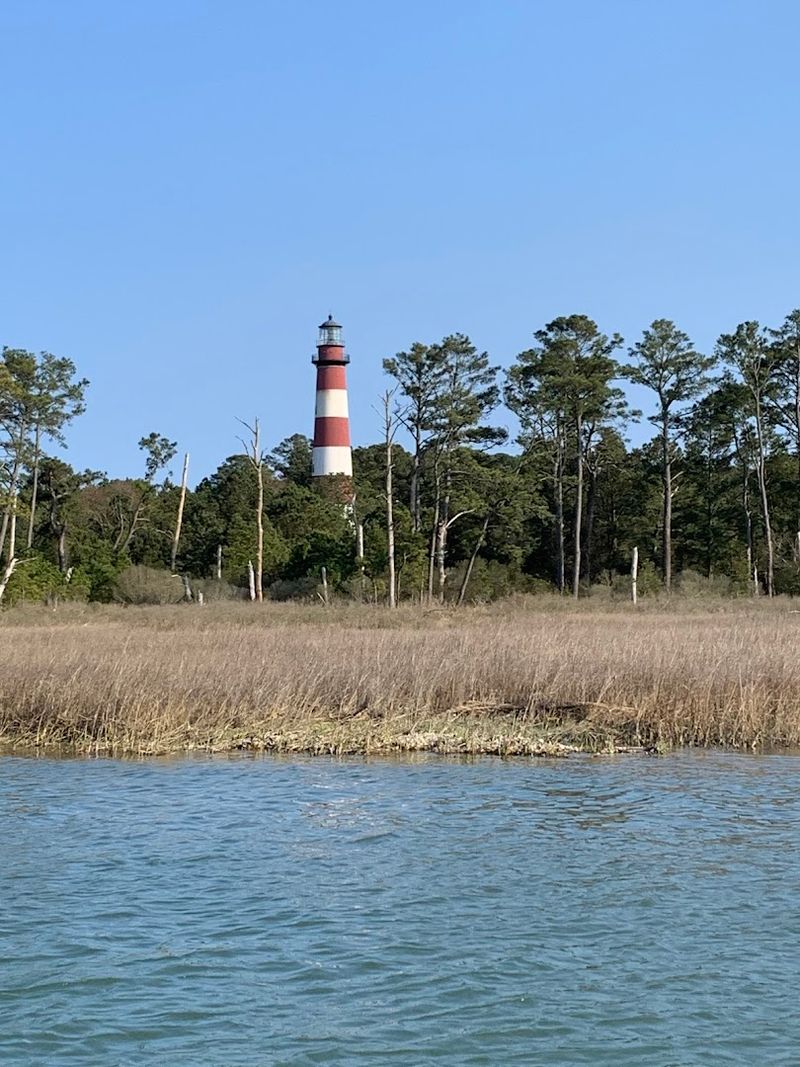
After everything, the honest answer is yes. Chincoteague Island is still worth the trip, with some important asterisks.
The key is knowing what you are walking into and making smart choices about when and how you visit this corner of Virginia’s Eastern Shore.
Shoulder season is the real secret. September and October bring cooler air, thinner crowds, and a version of the island that actually resembles the place locals fell in love with.
The wildlife refuge is stunning in fall migration season, the seafood spots are more relaxed, and you can actually find parking without a strategy session.
Spring visits offer similar rewards, with wildflowers blooming across the refuge and the ponies often visible near the road in the early morning hours. The island feels like itself again in those quieter months, generous and unhurried, with that particular Eastern Shore quality of life that is genuinely hard to find anywhere else.
Chincoteague Island, Virginia, located at the northern tip of the Eastern Shore, is reachable via Route 175 off the mainland. The town sits at the edge of something rare: a place where wild nature and community history coexist in a way that, despite all the pressures of popularity, has not entirely disappeared.
Pack light, arrive early, and tip your server well.
