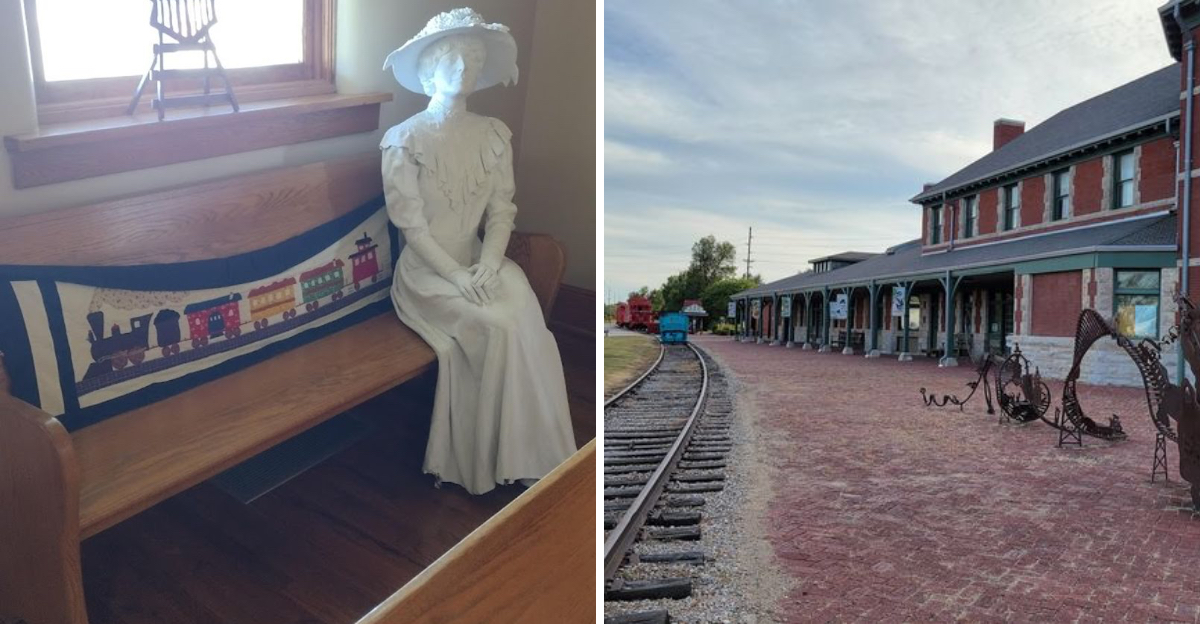
The train whistle still echoes through the halls, even though the trains stopped running years ago.
That is the feeling you get when you step into this historic Missouri depot, a building that has been standing since the late 1800s and still holds the memory of a time when rail travel was the pinnacle of American adventure.
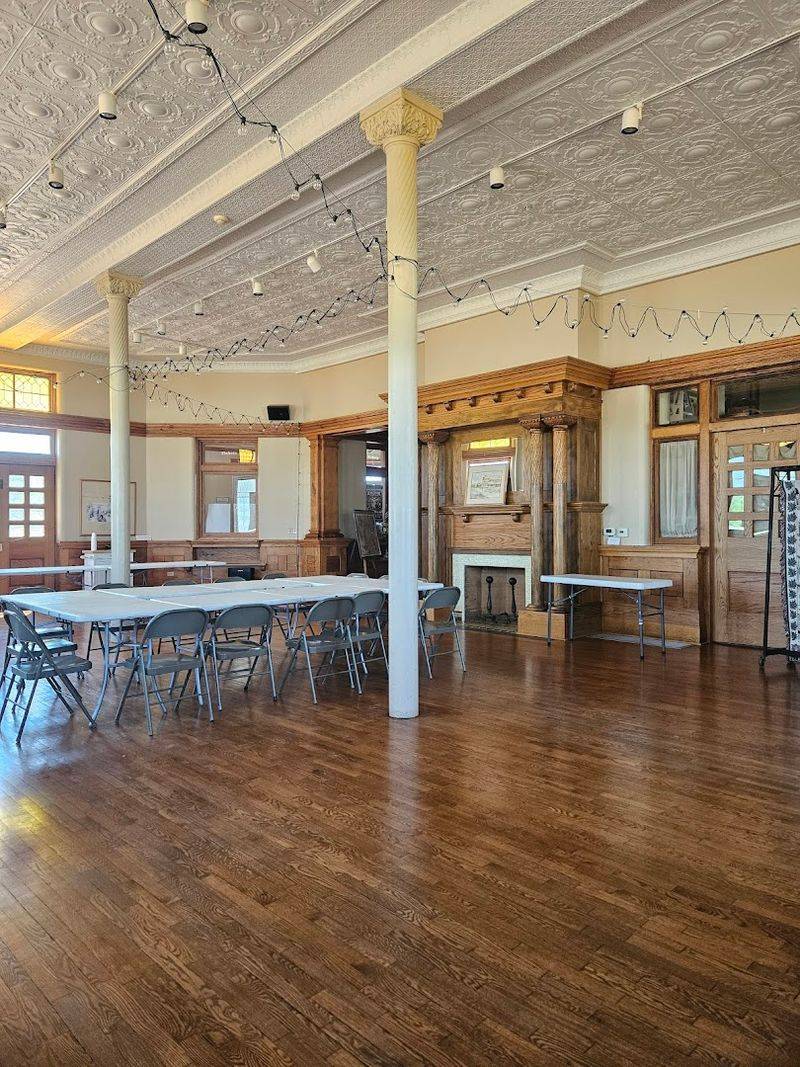
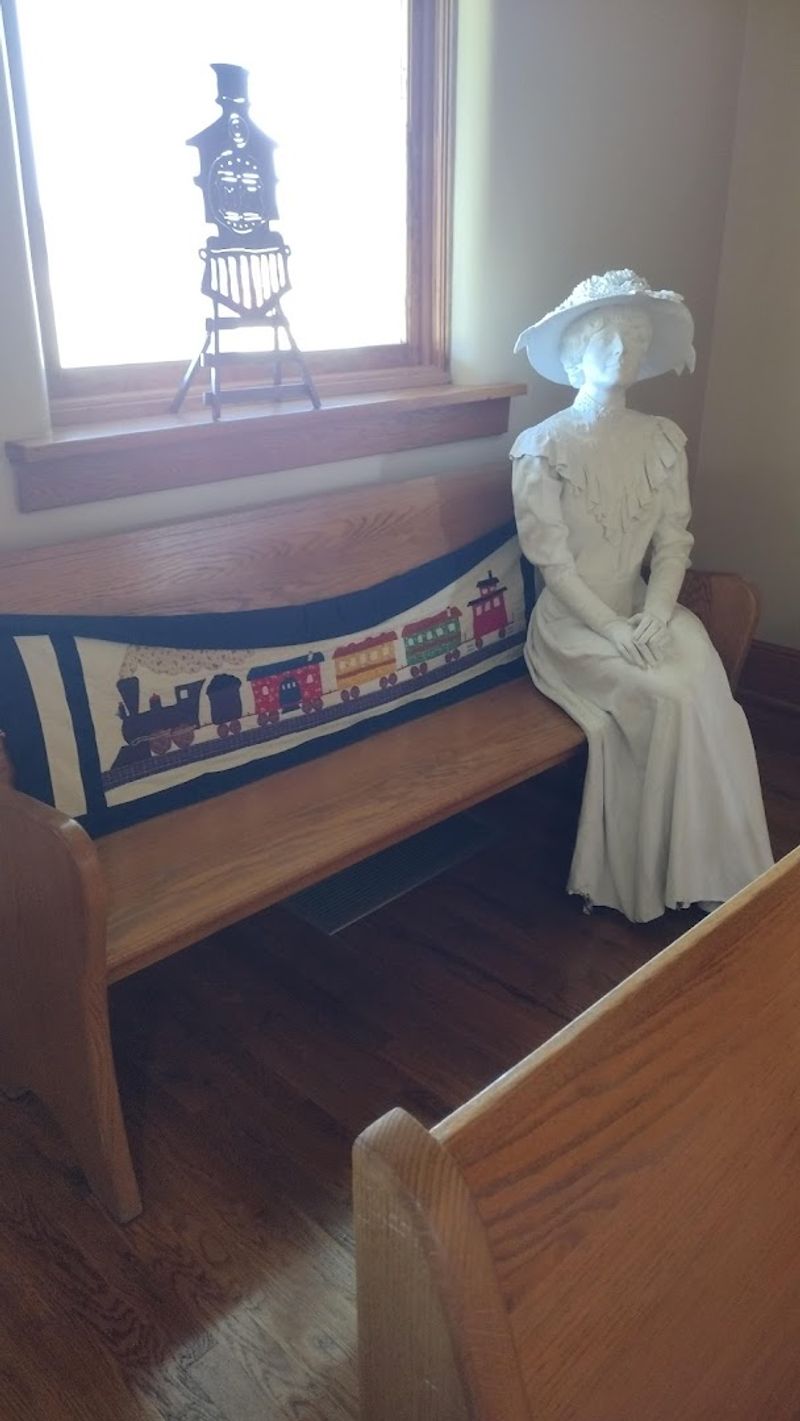
The architecture is classic, with high ceilings, exposed brick, and the kind of details that modern buildings simply cannot replicate. The original ticket windows are still there, and the waiting room benches look like they have been holding travelers for over a century.
The depot has been preserved with care, a reminder of the golden age of rail travel.
Visitors can explore the space, learn about the town’s railroad history, and imagine what it must have been like to step off a train here a hundred years ago.
The Architecture of the Katy Depot
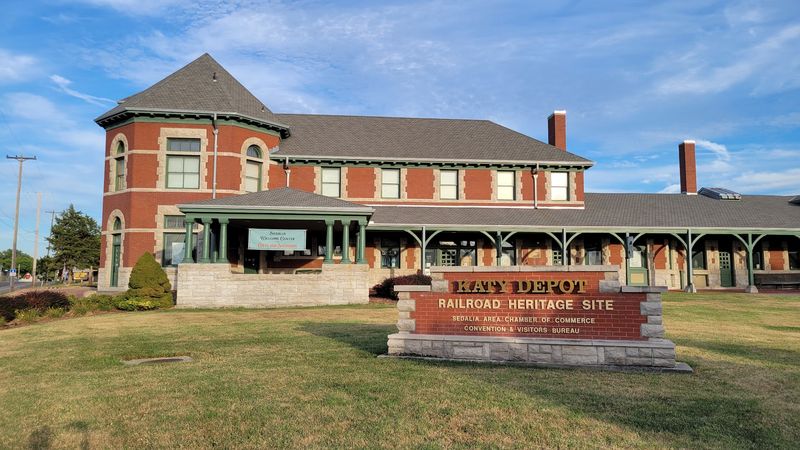
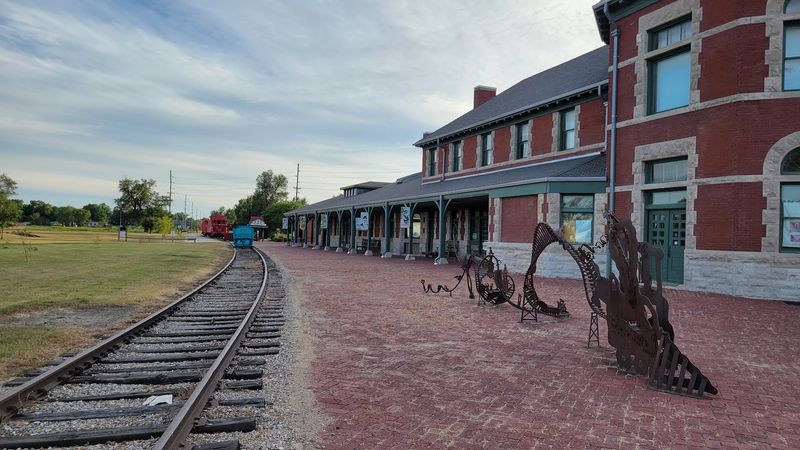
Before I even stepped inside, the building itself stopped me in my tracks. The Katy Depot in Sedalia, Missouri carries a stately, old-world charm that most modern buildings simply cannot replicate.
The brickwork is detailed and precise, with arched windows that give the structure a dignified, almost formal presence. You can tell that the people who built this depot wanted it to feel important, because rail travel was important back then.
Standing outside and looking up at the roofline, it is easy to picture steam engines pulling in and passengers rushing across the platform. Missouri has preserved this building remarkably well, and the exterior restoration work shows serious dedication to historical accuracy.
Every angle of the facade offers something worth studying. The proportions feel balanced, the materials feel authentic, and the overall impression is one of permanence and pride.
Architecture like this tells a story before you ever read a single exhibit panel inside. This building is a piece of living history, and it earns every bit of admiration it receives from anyone who passes by.
The Railroad History Exhibits Inside
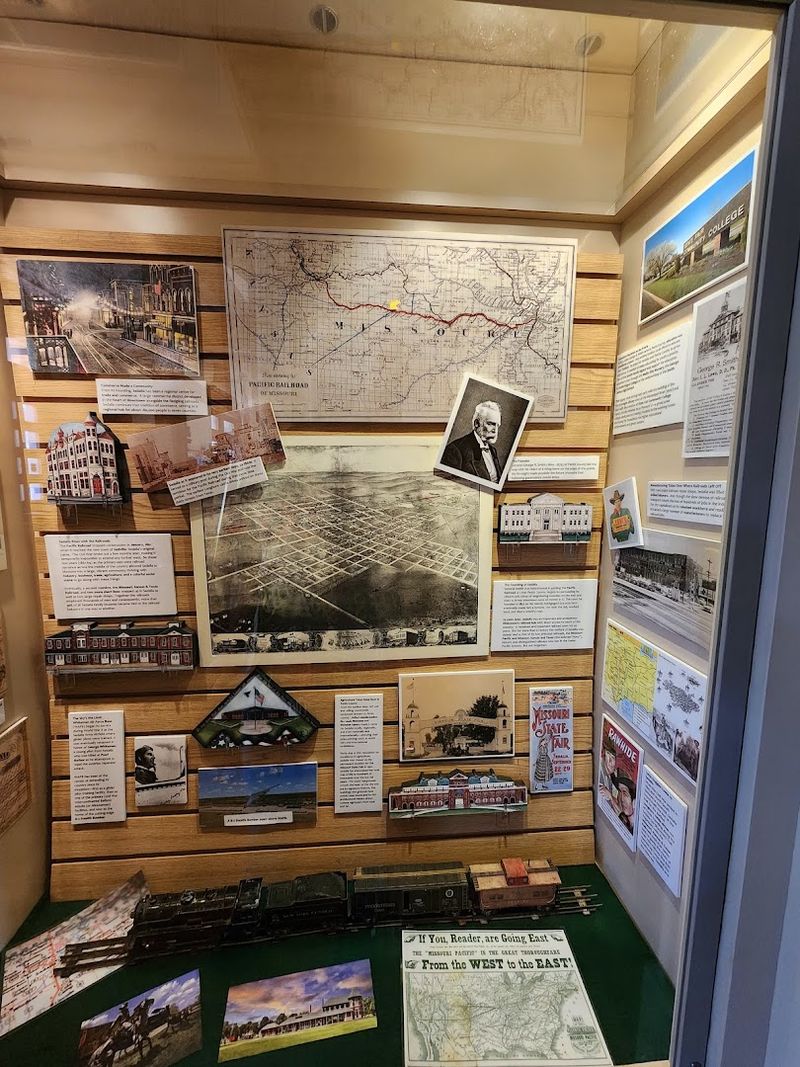
Stepping inside the depot, the first thing that hits you is how much information has been packed into a relatively small space, and how well it is organized.
The exhibits walk you through the story of the Missouri-Kansas-Texas Railroad, commonly known as the Katy. Photographs of engineers, conductors, and other rail workers line the walls, giving real human faces to a chapter of American history that could easily feel abstract.
Old maps, timetables, and equipment pieces are displayed throughout the room. Each item feels carefully chosen rather than randomly collected, which makes the whole experience feel curated and intentional.
Missouri’s railroad past comes alive here in a way that textbooks rarely manage. You see how the Katy line connected communities, moved goods, and shaped the economic landscape of an entire region.
What I appreciated most was the attention to the everyday workers, not just the owners or executives. The depot honors the people who actually kept the trains running, and that human angle makes the history feel personal and real.
History presented this way sticks with you long after you leave the building.
The Connection to the Katy Trail
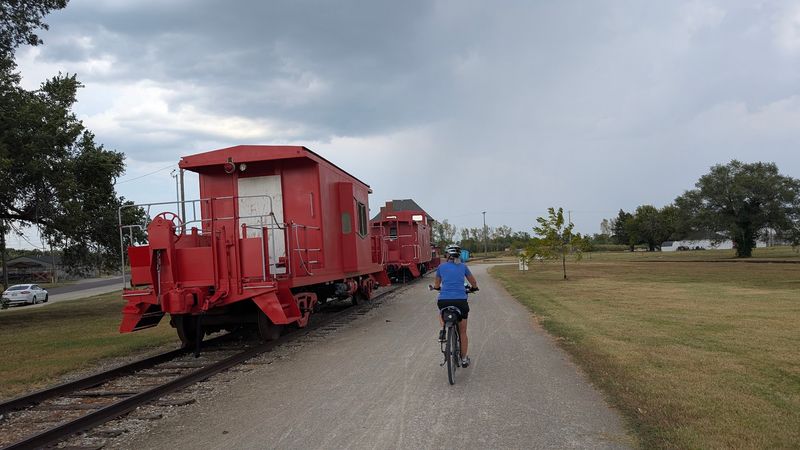
One of the most exciting things about visiting the Katy Depot is its direct connection to the Katy Trail, one of the longest rails-to-trails conversions in the entire United States.
The trail stretches across Missouri for over 200 miles, following the old Katy railroad corridor through river valleys and small towns. The depot serves as a natural trailhead and rest point for anyone riding or walking a section of this remarkable route.
I loved knowing that the ground beneath the trail was once a working railroad bed. Missouri did something genuinely forward-thinking by converting that corridor into a public recreation path rather than letting it disappear.
The depot stocks basic cycling supplies like tubes and patch kits, which is a practical touch for trail users who need a quick fix before heading out again. It is a small detail that makes a real difference.
Even if you are not planning to ride the trail, standing at the trailhead and looking down that long, straight path gives you a powerful sense of the distances those old trains once covered.
The past and present share this ground in a way that feels genuinely inspiring.
The Gift Shop and Its Unique Finds
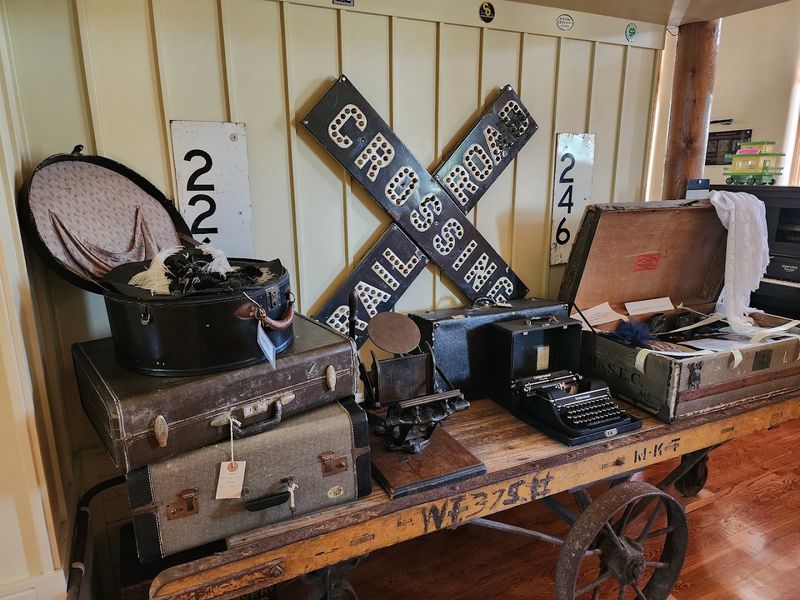
Honestly, I did not expect the gift shop to be one of the highlights of my visit, but here we are.
The selection at the Katy Depot gift shop is genuinely thoughtful. You will find local history books, train-themed magnets, coffee mugs, and souvenirs that actually reflect the character of Sedalia and Missouri rather than generic trinkets you could find anywhere.
One item that made me smile immediately was a jar of jam branded as JamTrak, a playful nod to Amtrak. That kind of creative, place-specific product shows that the people running this shop actually have a sense of humor and a real connection to the community.
Ragtime music CDs are also available, which ties into Sedalia’s famous connection to Scott Joplin and the ragtime tradition. The shop manages to honor multiple layers of local culture in a compact space.
For anyone who likes bringing home something meaningful rather than mass-produced, this gift shop delivers. Every item feels like it belongs specifically here, in this building, in this Missouri town.
Shopping here feels less like a transaction and more like a small act of supporting local history and culture.
Sedalia’s Place in Missouri Railroad History
Sedalia, Missouri was not a random stop on the Katy line. It was a genuinely important railroad town, and the depot makes sure you understand exactly why.
During the peak of rail travel, Sedalia served as a major hub for the Missouri-Kansas-Texas Railroad. Goods, livestock, and passengers all moved through this town in significant volume, making it a busy and economically vital community.
The exhibits inside the depot explain how the railroad shaped Sedalia’s growth, its economy, and even its cultural identity. Missouri had many railroad towns, but few can point to a preserved depot like this one and say the story is still being told here.
Learning about this history gave me a much deeper appreciation for the town itself. Sedalia is not just a quiet Midwestern city.
It is a place with real historical weight and a story worth knowing.
The depot does an excellent job of connecting local history to the broader national story of railroad expansion in America. You walk away understanding how something as practical as a train line can shape an entire community for generations.
That kind of context transforms a simple museum visit into something genuinely educational.
Accessibility and Family-Friendly Features
One thing that stood out to me right away was how genuinely accessible and welcoming the Katy Depot is for all kinds of visitors.
The interior layout is open and spacious, with plenty of room to move comfortably in a wheelchair or with a stroller. Missouri’s smaller museums sometimes struggle with accessibility, but this depot handles it well without making it feel like an afterthought.
Families with young children will find the depot easy to navigate and engaging for kids of different ages. There is a dedicated area with train-related books and small displays that keep younger visitors interested and occupied.
The overall atmosphere is relaxed and unhurried, which makes it a comfortable stop for groups traveling with people who need more time or space to enjoy an exhibit. Nobody feels rushed here.
Admission is free, which removes a common barrier for families who want to explore without worrying about costs. That open-door approach reflects a genuine community spirit that I find refreshing in a world where everything seems to carry a price tag.
A place this welcoming to everyone is exactly the kind of stop that makes a road trip through Missouri feel worthwhile.
The Tributes to Railroad Workers
One of the most moving parts of my visit was spending time with the tributes to the men and women who actually worked the Katy Railroad.
The depot features photographs, names, and stories of engineers, conductors, and other workers who dedicated their careers to keeping the trains moving. These are not famous figures in the traditional sense, but the depot treats them with the kind of respect that their work earned.
Seeing those faces on the wall makes the history feel human rather than mechanical. Missouri’s railroad legacy was built by real people with real lives, and this exhibit refuses to let that fact get lost in the noise of dates and statistics.
There is also a thoughtful acknowledgment of women’s contributions to the railroad era, which felt especially meaningful. Recognizing that history involved more than one group of people adds depth and honesty to the overall story being told.
I spent longer in this section than I expected to, simply because each photograph pulled me in with its own quiet story. The faces are expressive, the clothing is period-perfect, and the overall effect is one of genuine human connection across time.
Exhibits like this remind you why preserving history matters.
The Ragtime Connection in Sedalia
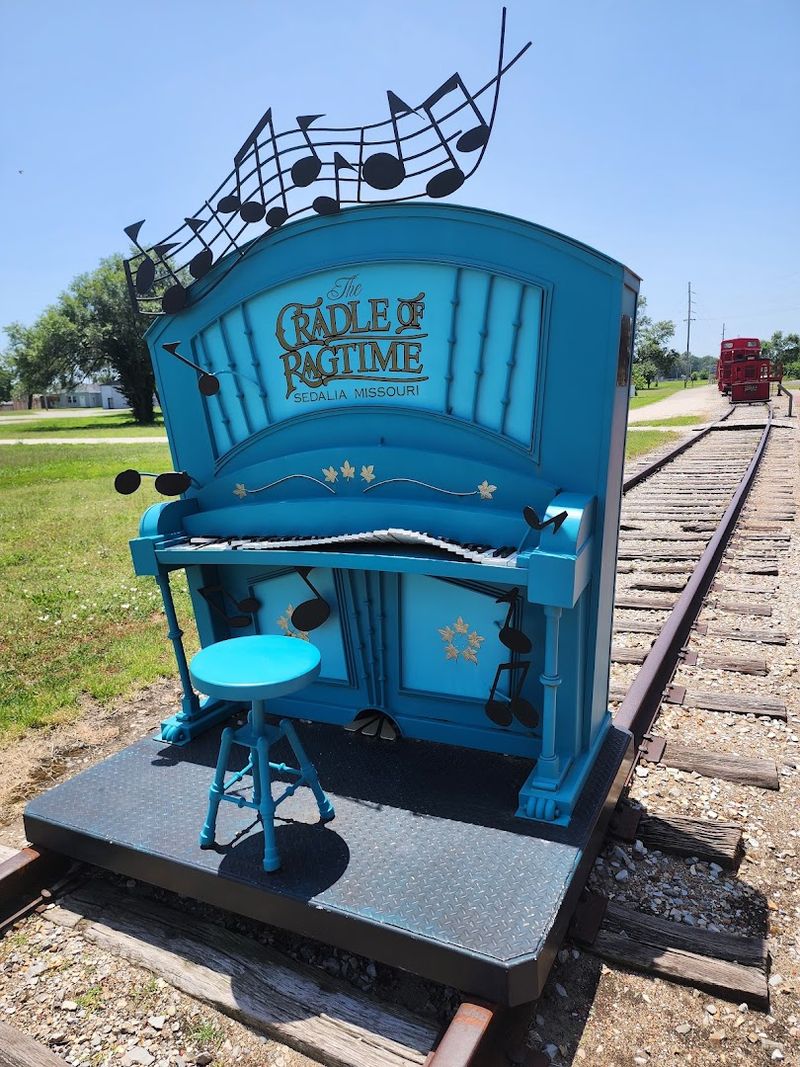
Sedalia, Missouri holds a special place in American music history, and the Katy Depot quietly celebrates that fact alongside its railroad story.
Scott Joplin, the king of ragtime music, had strong ties to Sedalia. The city still honors that connection through an annual Scott Joplin Ragtime Festival, and the depot gift shop carries ragtime CDs as a nod to this musical heritage.
Finding that connection inside a railroad museum felt surprisingly natural. Both the railroad era and the ragtime era belong to the same chapter of American history, roughly the same decades, the same cultural energy, and the same sense of a nation moving fast and making noise.
Missouri produced both a legendary music style and a legendary railroad line, and Sedalia sits comfortably at the intersection of those two stories. That combination gives the town a cultural richness that goes well beyond what most small cities can claim.
If you time your visit right, the Ragtime Festival turns the whole city into a celebration of that golden era. The depot serves as a natural anchor point for understanding what Sedalia was and what it still means to the people who live here.
History and music rarely blend this naturally anywhere else.
Planning Your Visit to the Katy Depot
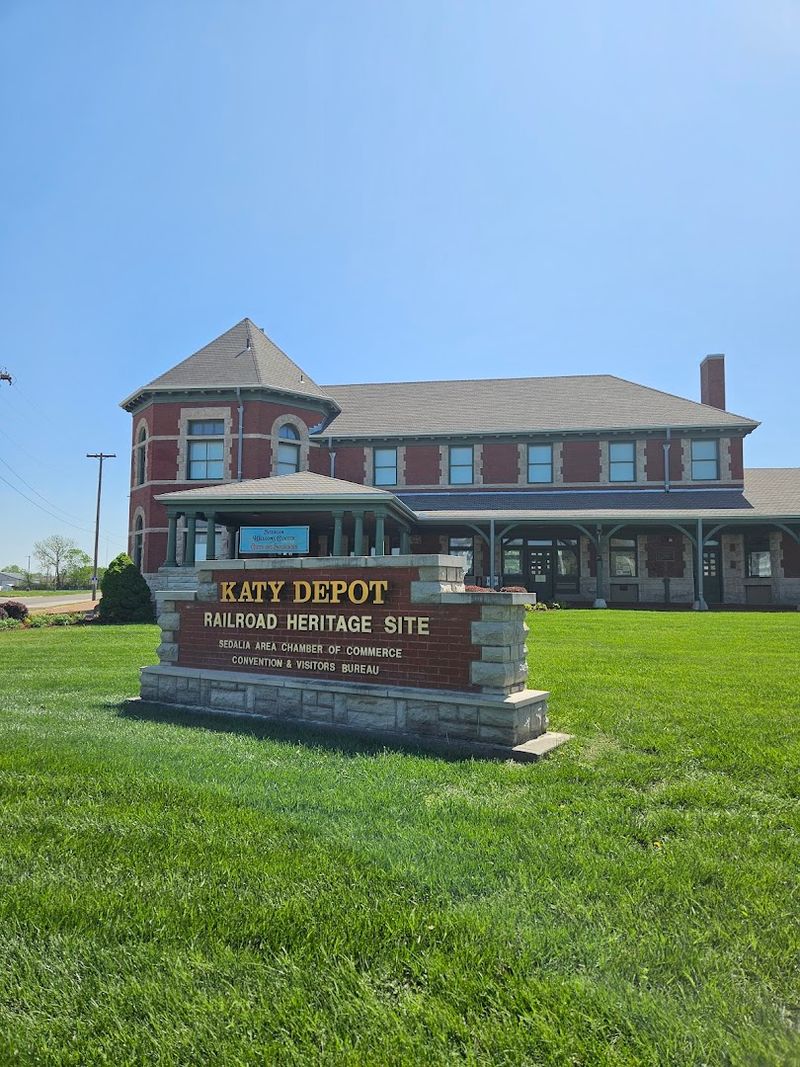
Before heading out to the Katy Depot, a little planning goes a long way toward making sure you get the most out of your visit.
The depot is located at 600 E 3rd St, Sedalia, Missouri, and it is open Monday through Saturday from 9 AM to 4 PM. It is closed on Sundays, so keep that in mind when mapping out your schedule.
Because the depot can sometimes have limited staffing, calling ahead at +1 660-826-2932 is a smart move. The website at katydepotsedalia.com also carries useful information about current exhibits and any special events happening nearby.
Parking is straightforward, and the location near the Katy Trail means you can combine a museum visit with a short ride or walk on the trail for a full afternoon of activity. Missouri’s central location makes Sedalia an easy stop on a longer road trip through the state.
Admission is free, so there is no reason to hesitate about stopping in even if you only have an hour to spare. Bring comfortable shoes if you plan to walk a section of the trail afterward.
A visit here rewards curiosity generously, and the staff are known for being welcoming and knowledgeable.
Why the Katy Depot Still Matters Today
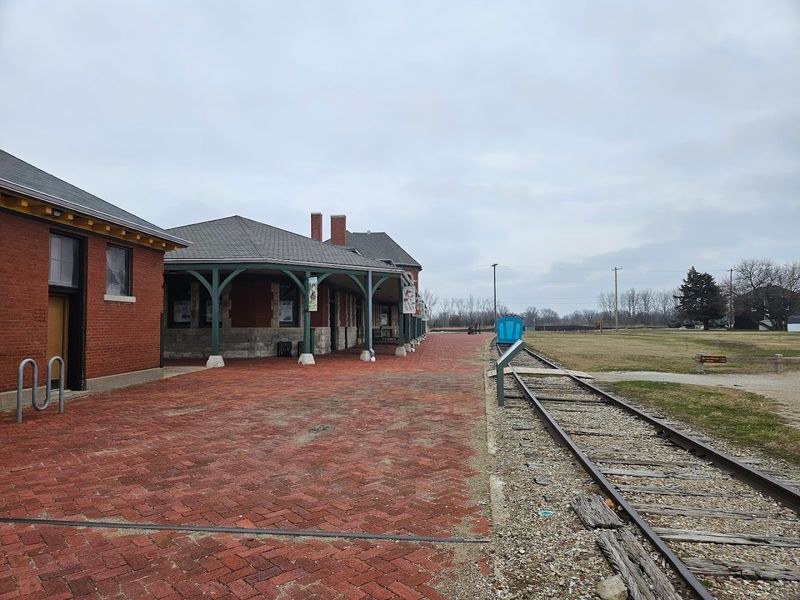
Some historic buildings survive purely as curiosities, preserved but disconnected from the world around them. The Katy Depot in Sedalia, Missouri is not one of those places.
This depot functions as a living part of the community. It serves as a visitor center, a trailhead, a museum, and a cultural gathering point all at once.
That combination of roles keeps it relevant in a way that pure preservation alone never could.
Missouri has invested in connecting its past to its present, and the Katy Depot is one of the clearest examples of that effort paying off. The trail brings active visitors, the museum brings history enthusiasts, and the gift shop brings people who simply want a meaningful souvenir.
Beyond its practical functions, the depot also carries an emotional weight. It stands as proof that communities can choose to honor their history rather than demolish it in favor of something newer and shinier.
Every time someone stops here on a bike ride, or brings a child to see the old photographs, or picks up a local history book from the gift shop, the depot fulfills its purpose all over again.
Places like this are the reason road trips through Missouri feel like more than just miles on a map.
