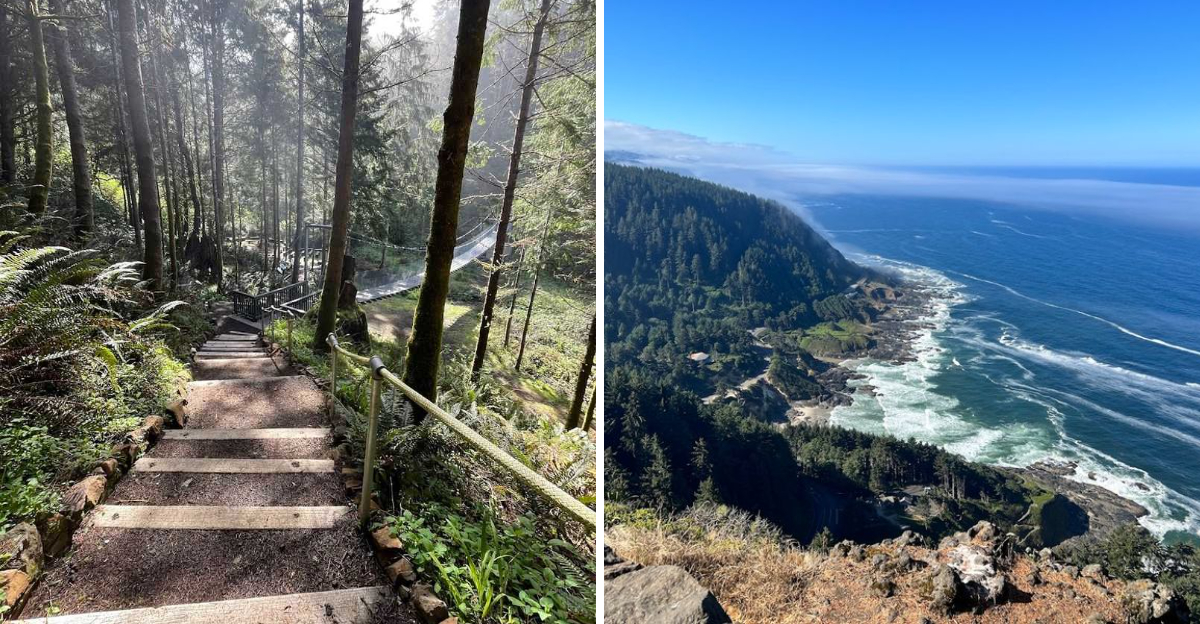
The forest opens up to reveal the vast Pacific, and suddenly you understand why this land has always been sacred. This 6.3 mile trail winds through towering spruce that have stood for centuries, their branches draped in moss.
The ocean crashes far below, sending spray up into the salty air that fills your lungs. You walk through a canopy of old growth, with shafts of sunlight filtering through the needles above.
The views are stunning, with the coastline stretching in both directions as far as you can see. But this path is more than just a scenic hike, it tells a powerful story.
It honors the Indigenous people who lived here long before settlers ever arrived. Their history is woven into the land itself, and the trail invites you to listen and learn.
Interpretive signs along the way share their stories and the hardships they endured. Oregon has many beautiful trails, but this one carries a depth that stays with you long after.
It is a walk through beauty and memory, all in one unforgettable journey.
The Story Behind the Name, Who Was Amanda?
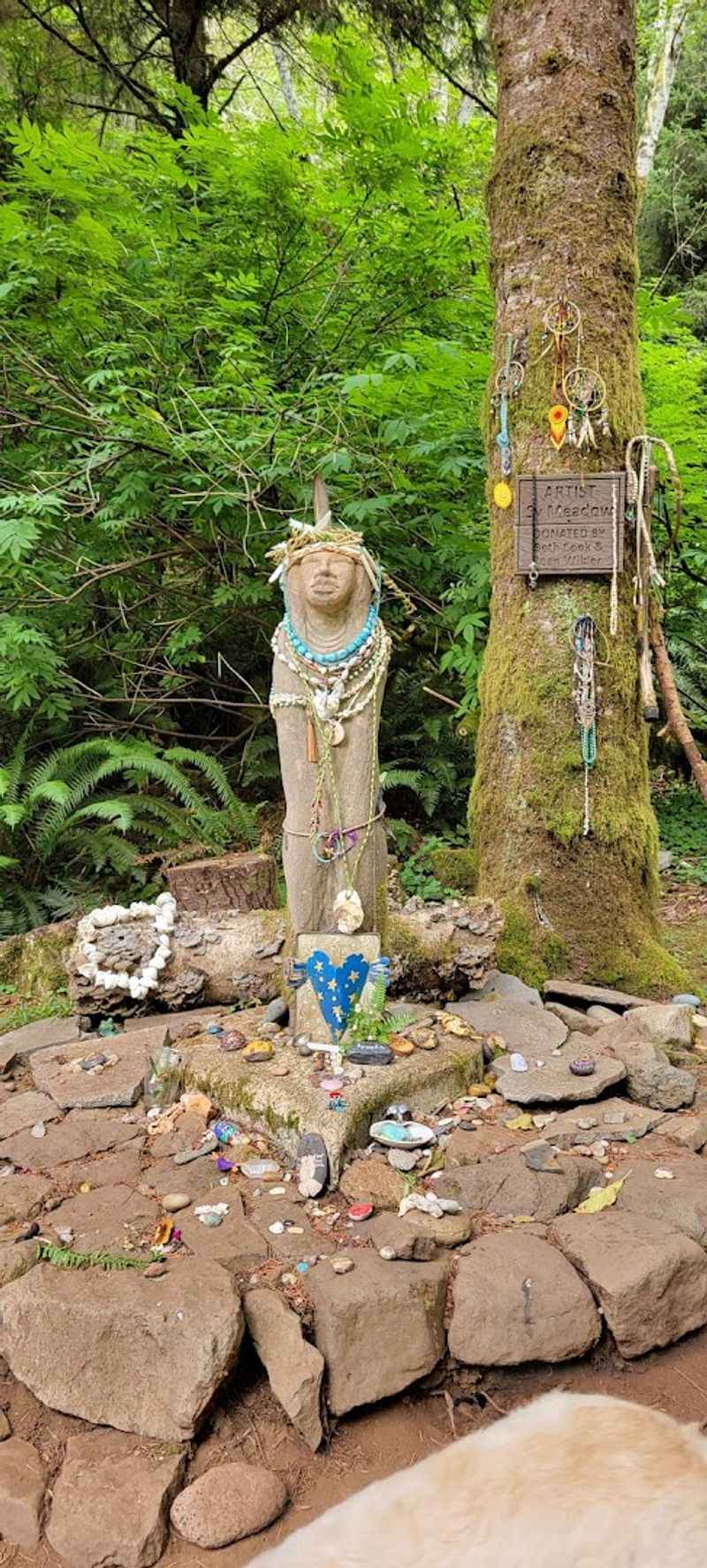
Most trails are named after landowners or explorers, but Amanda’s Trail carries a different kind of weight entirely. Amanda was a Yaquina woman who, in the winter of 1864, led a group of her people on a brutal forced march along the Oregon Coast.
They were relocated from their ancestral homelands to the Siletz Reservation under orders from the U.S. government.
The journey was grueling, cold, and deeply traumatic for everyone involved. Many people suffered during the march, and the experience left lasting scars on the Yaquina community.
Amanda’s role as a leader during that terrible time is what makes her name so significant today.
Naming this trail after her is a deliberate act of remembrance. It asks hikers to slow down and think about the land beneath their feet.
The trail does not let history stay hidden in the background. Learning her story before you hike adds an entirely new emotional layer to every step you take along the path.
Old-Growth Sitka Spruce, Giants of the Oregon Coast
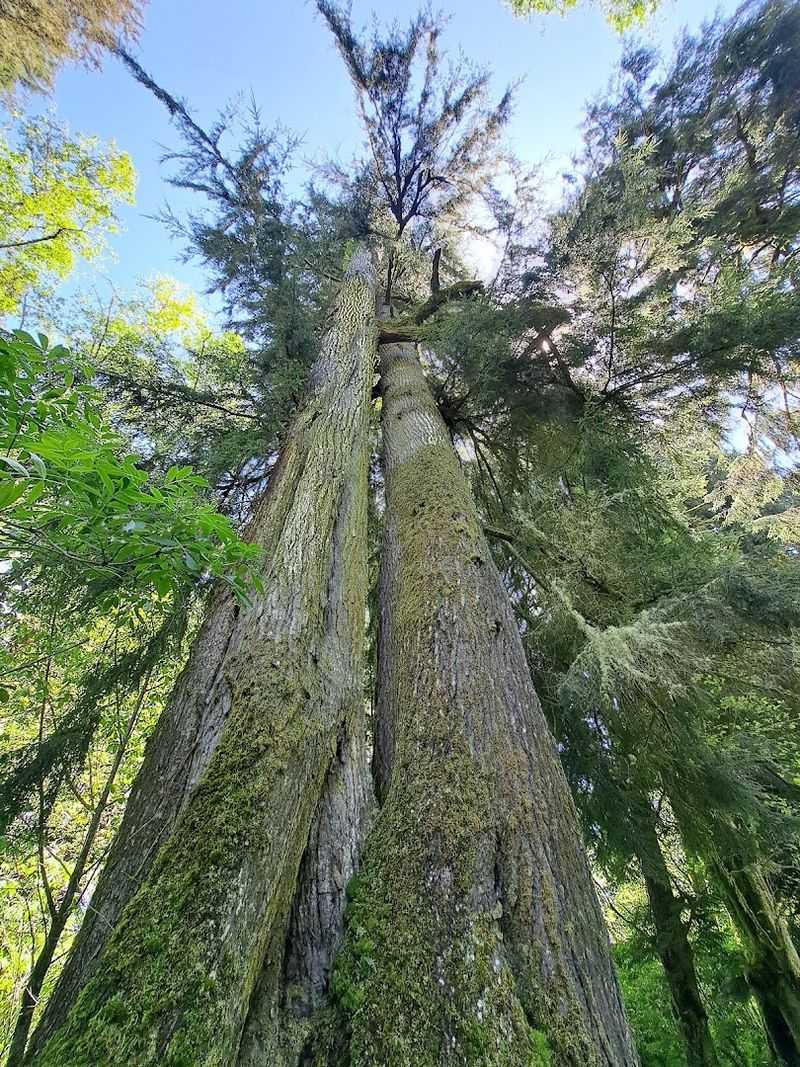
Walking beneath old-growth Sitka spruce trees feels like stepping into a different era of the Earth. These trees along Amanda’s Trail can reach heights of over 150 feet, with trunks so wide that several people holding hands could not wrap around them.
Their bark is rough, scaly, and a deep reddish-gray that looks almost sculptural up close.
Sitka spruce thrives in the cool, foggy climate of the Oregon Coast, and Yachats sits right in the heart of that sweet spot. The moisture from the Pacific Ocean feeds these trees year after year, helping them grow into the towering giants you see today.
Some of the trees along this trail are estimated to be hundreds of years old.
Standing beneath one of these ancient trees, I felt genuinely small in the best possible way. The forest here is not just scenery.
It is a living, breathing ecosystem that has been growing long before any trail was ever cut through it. That quiet power is hard to describe but impossible to forget.
Ocean Views That Stop You Mid-Stride
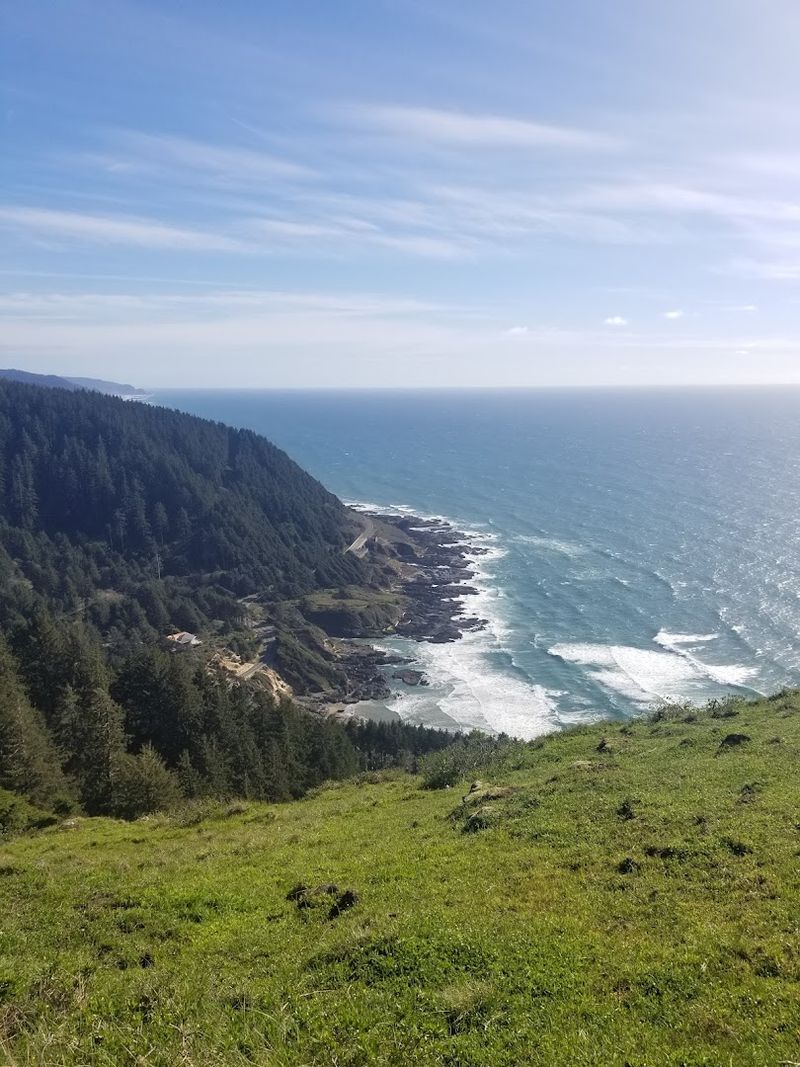
There is a particular moment on Amanda’s Trail when the forest suddenly opens up and the Pacific Ocean stretches out in front of you without any warning. It genuinely stops you mid-stride.
The contrast between the dark, mossy forest and the wide blue expanse of the ocean is almost jarring in the most beautiful way imaginable.
The coastal bluffs along the trail offer some of the most dramatic ocean views in all of Lincoln County. On clear days, you can see for miles in both directions along the shoreline.
The waves crash against the rocky coast below with a rhythmic force that you can feel in your chest.
On the morning I hiked this section, a light mist was rolling in off the water, softening everything into shades of gray and green. It felt cinematic without trying to be.
These ocean viewpoints are not just photo opportunities, they are genuine pauses in the hike where the landscape asks you to simply stand still and pay attention for a moment.
What to Expect on the Trail
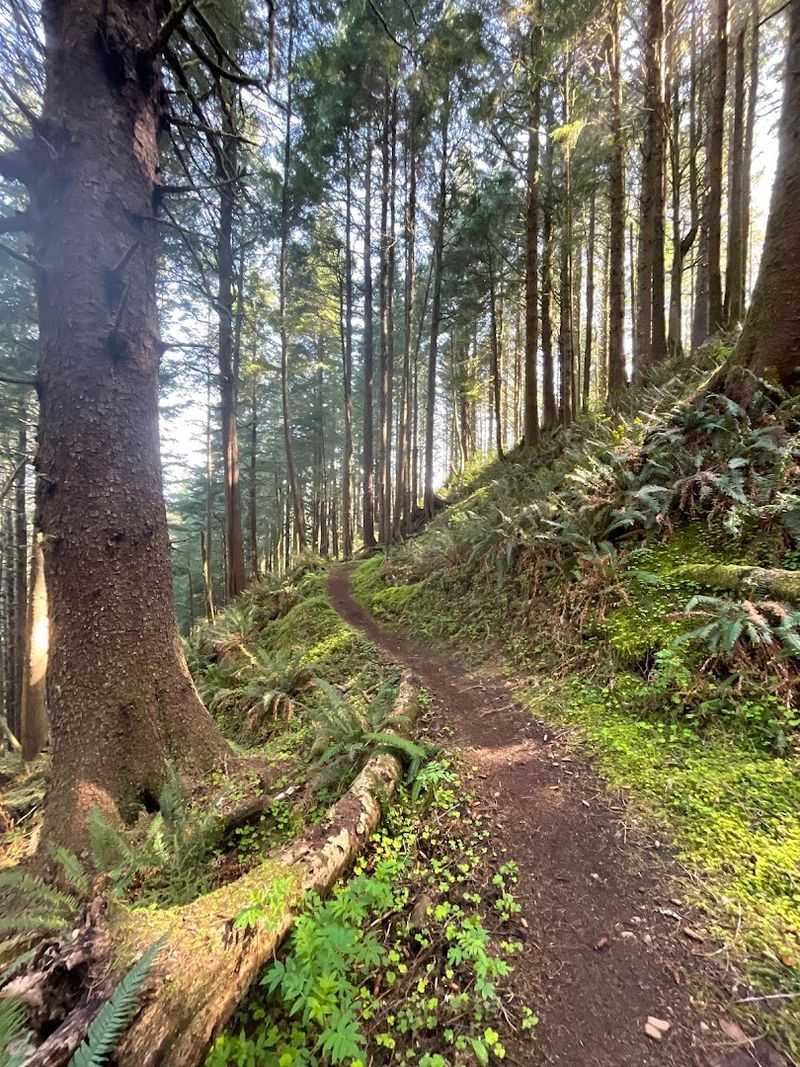
Amanda’s Trail is a 6.3-mile loop that winds through a mix of coastal forest, open bluffs, and forested ridge terrain. The trail is rated moderate, which means it is accessible for most hikers with a reasonable level of fitness.
There are some elevation changes, but nothing that requires technical skill or special gear.
The path itself is well-maintained and clearly marked for most of the route. You will encounter some rocky sections and exposed tree roots, so wearing sturdy trail shoes or hiking boots is a smart choice.
The loop can be hiked in either direction, though many visitors prefer going counterclockwise to hit the ocean views earlier in the hike.
Plan for around three to four hours to complete the full loop comfortably. That pace gives you time to stop at the interpretive signs, take in the ocean views, and move through the forest without rushing.
Bring water, a light snack, and layers because the coastal weather near Yachats can shift quickly and unexpectedly throughout the day.
History You Can Feel Beneath Your Feet
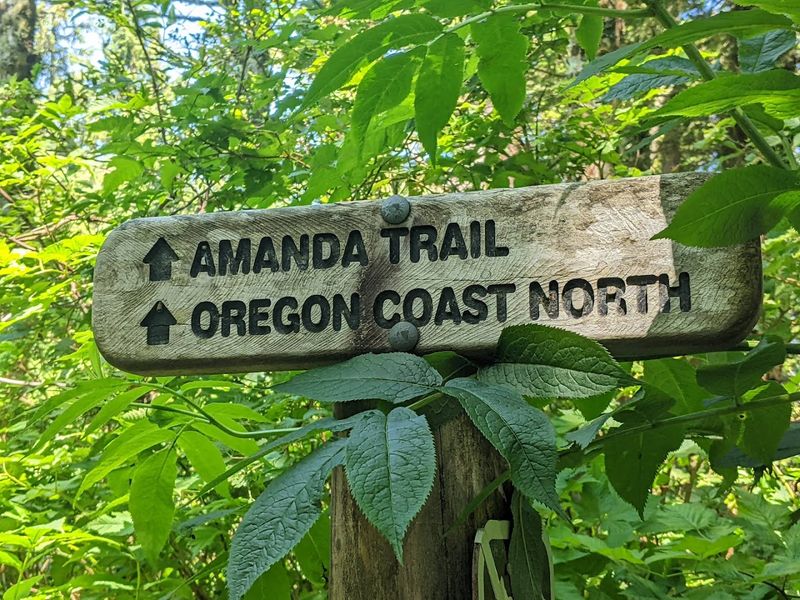
In January of 1864, a group of Yaquina people were forced to leave their homeland and march northward along the Oregon Coast to the Siletz Reservation. The march happened in the middle of winter, through rain, mud, and biting cold.
It was ordered by U.S. government officials who were carrying out policies of Indigenous removal across the American West.
Amanda led her group through this ordeal with courage and determination that is hard to fully comprehend today. The physical route of that march overlaps with parts of what is now Amanda’s Trail.
When you walk those same stretches of coastline, you are literally retracing steps that were taken under completely different circumstances and with completely different stakes.
Interpretive signs placed along the trail share this history in a respectful and direct way. Reading them while standing in the actual landscape makes the story feel immediate rather than distant.
History told on location hits differently than history read in a book, and this trail understands that truth in a profound and moving way.
Wildlife and Nature Along the Coastal Forest Edge
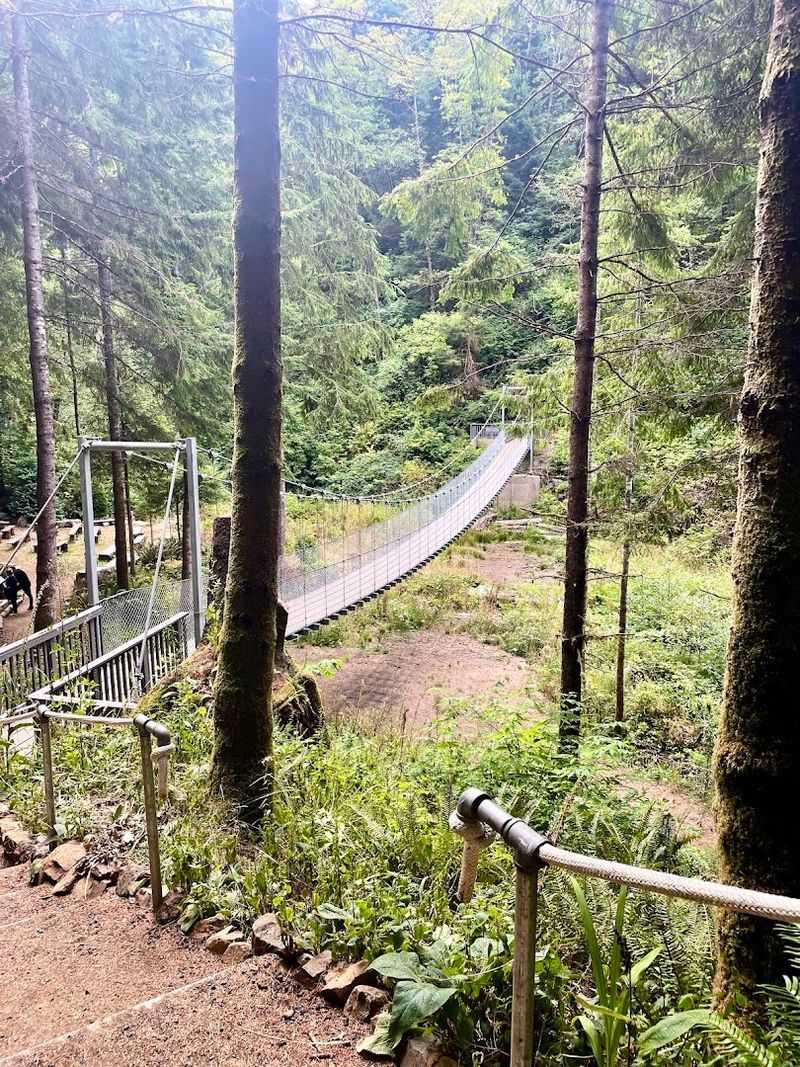
The stretch of coastal forest along Amanda’s Trail is alive in ways that sneak up on you quietly. Roosevelt elk are occasionally spotted near the forest edges, especially in the early morning hours when the trail is still cool and quiet.
Seeing one of these massive animals standing calmly among the spruce trees is a genuinely jaw-dropping experience.
Birdlife is also rich along this route. Stellar’s jays dart between branches with their sharp blue feathers catching the light.
Varied thrushes sing from deep within the understory, and if you are lucky, you might spot a great blue heron gliding low over the coastal bluffs near the ocean viewpoints.
The undergrowth along the trail is lush with sword ferns, oxalis, and salal, creating a dense green carpet beneath the towering trees. Banana slugs move slowly along the trail edges, and small streams cross the path in a few places.
The biodiversity here is a reminder that this forest is not just beautiful, it is genuinely healthy and thriving.
The Small Town With a Big Coastal Personality
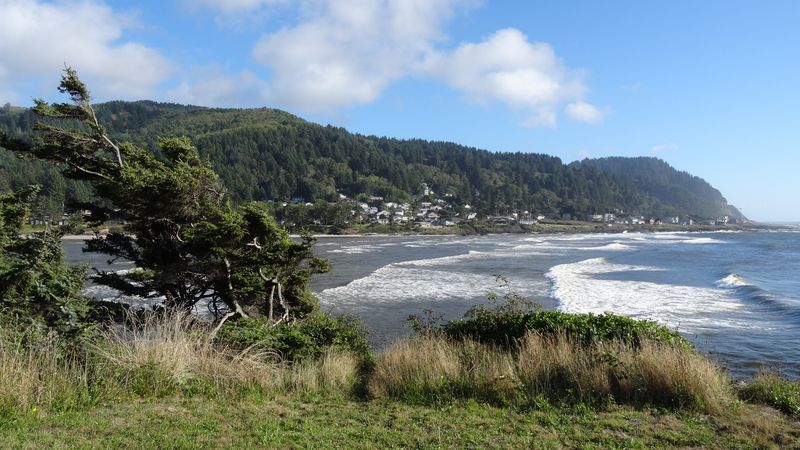
Yachats is one of those Oregon Coast towns that does not try too hard to impress you, and that is exactly why it does. With a population of just over 700 people, it sits at the mouth of the Yachats River where it meets the Pacific, creating one of the most scenic small-town settings on the entire Oregon Coast.
The town has a handful of excellent cafes, bakeries, and restaurants clustered along its short main street. After a long hike on Amanda’s Trail, stopping for a warm bowl of chowder or a fresh pastry feels like a genuine reward rather than a tourist obligation.
The locals are friendly and genuinely proud of their town without being showy about it.
Yachats also serves as the southern gateway to the Cape Perpetua Scenic Area, which means there is no shortage of additional hiking and exploring to do nearby. The town feels like a base camp for adventure and a retreat for rest at the same time.
The Bigger Picture Around the Trail
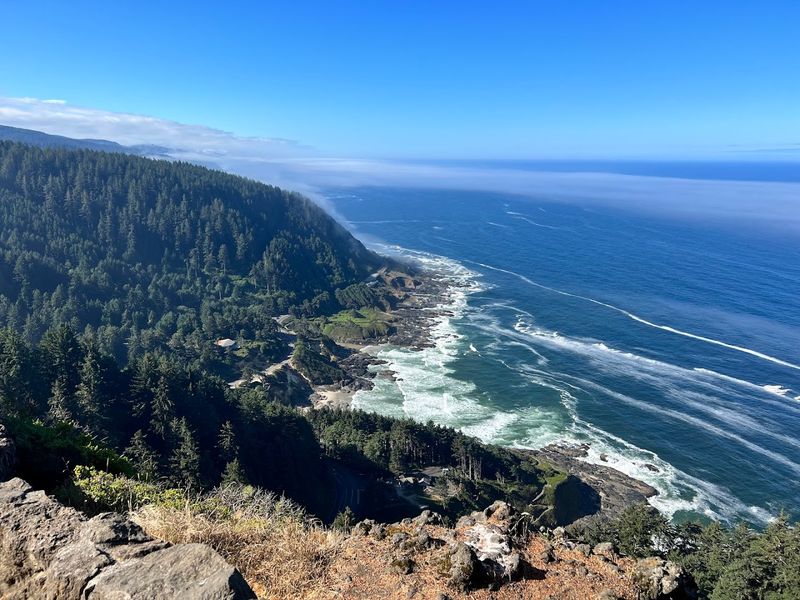
Amanda’s Trail sits within the Cape Perpetua Scenic Area, a 2,700-acre stretch of federally managed land that includes some of the most dramatic coastal scenery in the Pacific Northwest. The scenic area is managed by the Siuslaw National Forest and contains dozens of miles of trails beyond just Amanda’s Loop.
Cape Perpetua itself rises about 800 feet above the ocean, offering one of the highest viewpoints accessible by car on the Oregon Coast. On a clear day, you can see nearly 40 miles of coastline from the summit.
The area also includes tide pools, sea caves, and the famous Thor’s Well, a natural rock formation that appears to drain the ocean.
Having all of this surrounding Amanda’s Trail adds enormous context to the hike. You are not just walking through a single trail corridor, you are moving through a vast and protected landscape that has been shaped by the ocean, the forest, and thousands of years of human presence.
Best Time to Visit and How to Prepare for the Hike
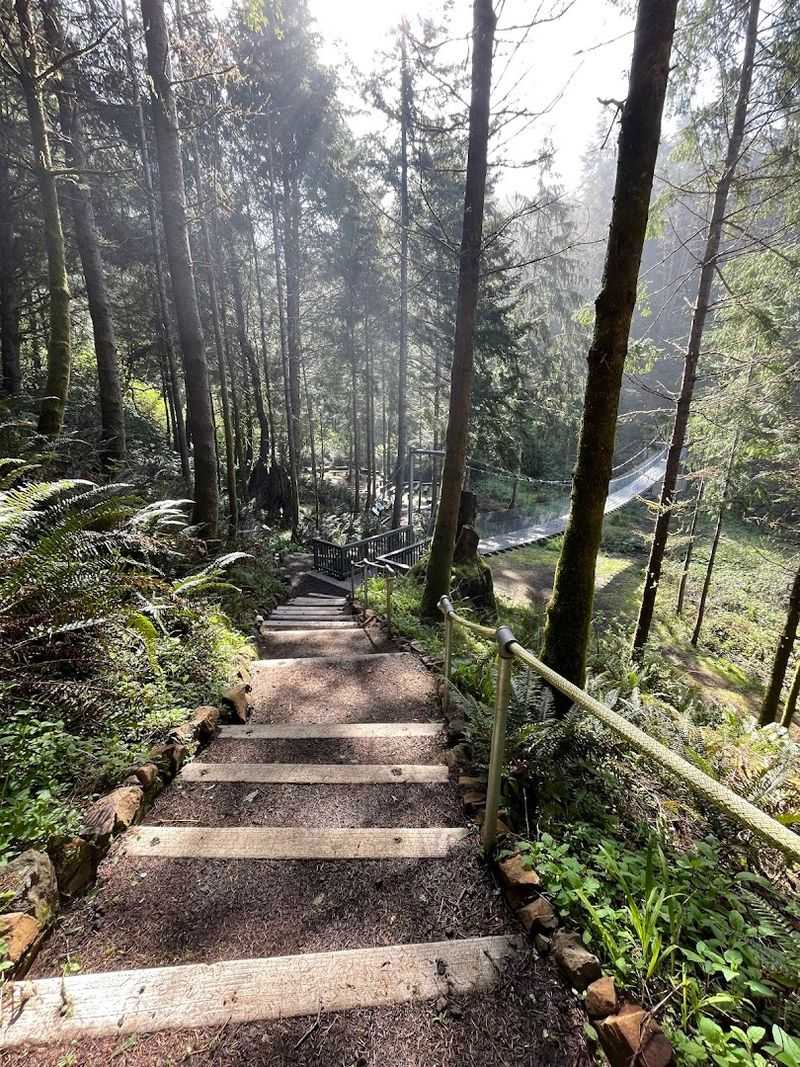
The Oregon Coast has a reputation for rain, and Yachats lives up to that reputation with enthusiasm. Summer months from June through September offer the most reliable dry weather and the best chances of clear ocean views.
That said, the forest is genuinely beautiful in all seasons, and a rainy day hike through the spruce canopy has its own moody magic.
Spring brings wildflowers and migrating birds, while fall turns the understory into shades of gold and rust. Winter hikers often have the trail almost entirely to themselves, which creates a solitary and meditative experience that is hard to find during busier months.
Layers are essential no matter when you visit.
Wear waterproof hiking boots and bring a rain jacket even on sunny days because coastal weather shifts without much notice. Trekking poles are helpful on the rooted sections of the trail.
Why This Trail Matters More Than Just the Miles
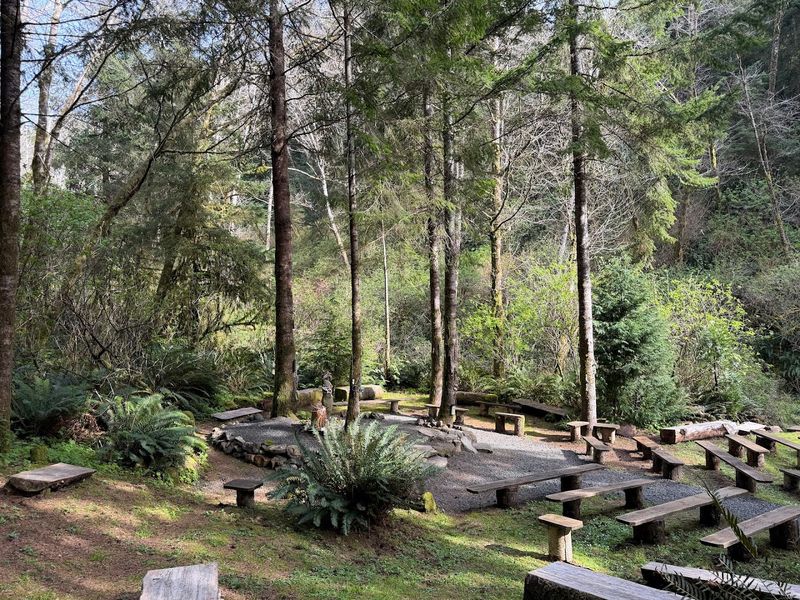
Some trails are just trails. Amanda’s Trail is something else.
The combination of ecological beauty and historical weight gives this 6.3-mile loop a purpose that goes beyond exercise or scenery. Walking it feels like a small act of acknowledgment toward a history that is too often overlooked or forgotten.
The Confederated Tribes of Siletz Indians have a deep and continuing connection to this land. The trail’s name and its interpretive signs reflect a growing movement across Oregon to recognize Indigenous place names and histories in meaningful, public ways.
That effort matters and deserves to be celebrated rather than taken for granted.
Personally, finishing this hike left me quieter than when I started. Not sad exactly, but more aware of the layers of story that exist beneath even the most beautiful landscapes.
Amanda’s Trail earns its place among Oregon’s most significant hikes not because of its difficulty or its views, but because of what it asks you to carry with you long after you leave.
