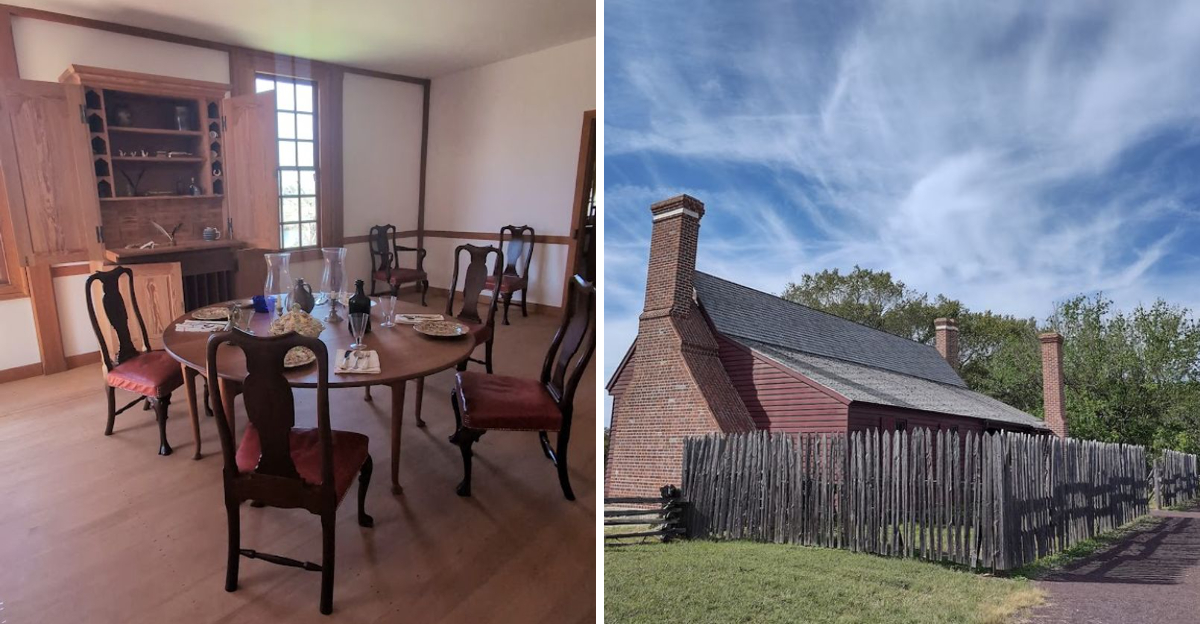
Everyone knows Washington slept here, there, and everywhere. But this Virginia farm is different.
This is not just a stop on the tour. This is where his story actually started.
The home where he grew up, the fields he walked as a boy, the river he crossed on a ferry that gave the place its name. I stood on the property trying to imagine him here, young and restless, before any of the statues and dollar bills.
The house is a reproduction, but the land is real, the same ground that shaped a person before he shaped a country. Virginia has plenty of Washington sites.
This one feels personal. This one feels like the beginning.
The Boyhood Home That Started It All
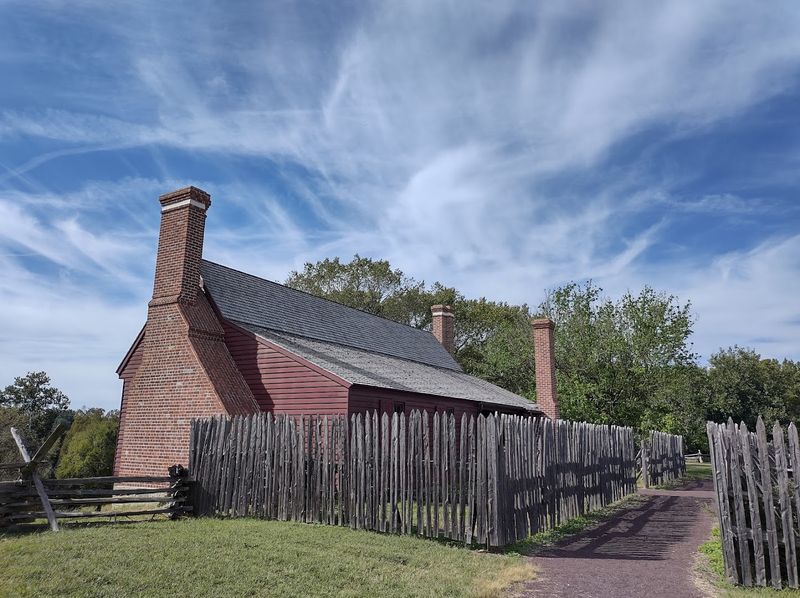
Picture a six-year-old boy stepping off a boat and onto a farm that would define his entire character. That boy was George Washington, and this was Ferry Farm, the place where he spent the most formative years of his life.
The reconstructed boyhood home standing on the original foundation is nothing short of remarkable. Built using historical research and archaeological evidence, the replica captures the modest scale of 18th-century colonial living with surprising accuracy.
Walking through its rooms, I kept thinking about how small the space felt for such a large legacy.
Guides bring every corner of the house to life with stories that go far beyond textbook history. You learn about the furniture, the family rhythms, and the daily routines that shaped Washington’s worldview.
The original cellar walls are still visible beneath the replica, grounding the experience in genuine history.
George Washington’s Ferry Farm sits in Stafford County, just across the Rappahannock River from Fredericksburg, and the house tour alone is worth making the trip. Plan ahead and book your guided tour slot early, especially on weekends when the site gets busy.
Rappahannock River Views That Take Your Breath Away
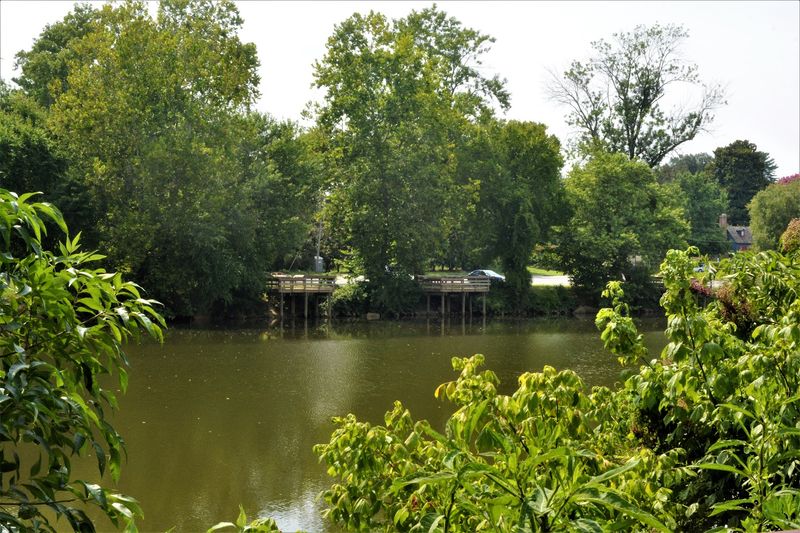
Standing at the riverbank at Ferry Farm and looking out across the Rappahannock is genuinely one of those moments that stops you mid-step. The water stretches wide and calm, and the Virginia sky opens up above it in a way that feels almost cinematic.
Legend has it that young George Washington once threw a stone all the way across this river, a tale that has been debated and retold for centuries. True or not, standing at the edge makes you appreciate the sheer width of the Rappahannock and the imagination it took to even attempt the throw.
The walk down to the river from the main house is easy and scenic, threading through old trees with roots that have been here longer than the republic itself. Wildlife is plentiful along the path, and I spotted deer grazing near the water’s edge without a care in the world.
Across the water, the rooftops of Fredericksburg shimmer in the distance, giving you a dual perspective of past and present in one glance. The view from the riverbank is completely free to enjoy and remains one of the most peaceful spots in all of Virginia.
Archaeology Still Happening Right Before Your Eyes
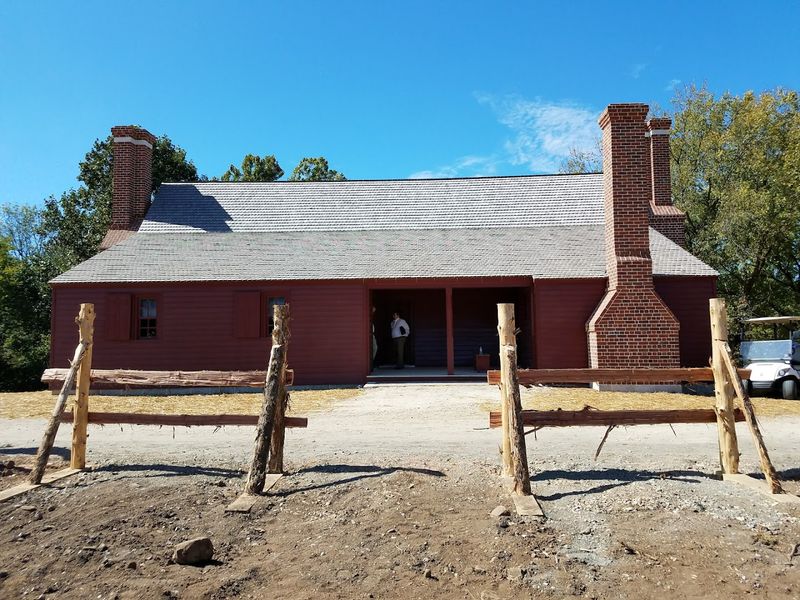
Most historic sites show you what has already been found. Ferry Farm shows you the discovery happening in real time, and that changes everything about the experience.
Ongoing excavations since 2002 have unearthed over 800,000 artifacts from the soil of this remarkable property. Pottery shards, personal objects, tools, and kitchen remnants have all surfaced from beneath the Virginia earth, each one adding a new layer to the story of who lived and worked here.
In 2026, the dig focus has shifted to an 18th-century kitchen site located close to the main house. Watching archaeologists work with careful precision just a few feet away from where you are standing is genuinely thrilling.
It feels less like a museum visit and more like stepping onto a live discovery set.
Summer digs open the process up even further, letting curious minds observe the lab work and field excavation up close. George Washington’s Ferry Farm invites you to witness history being uncovered rather than simply displayed behind glass.
For anyone who has ever wondered what it feels like to stand at the edge of a real historical breakthrough, this is that feeling.
Mary Ball Washington, The Woman Behind the Legend
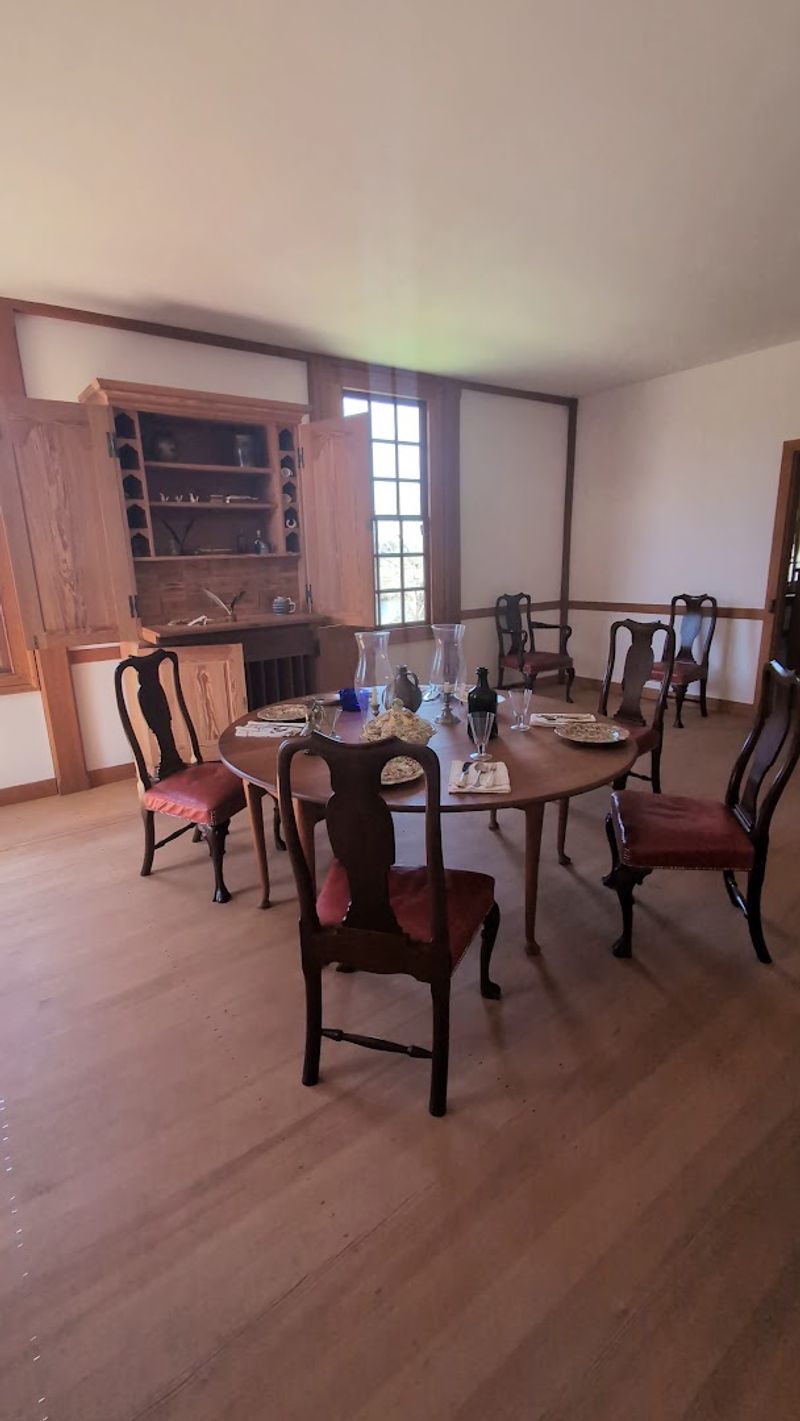
George gets all the glory, but Mary Ball Washington deserves a standing ovation of her own. She raised one of history’s most consequential leaders largely on her own, managing Ferry Farm and a household with fierce determination after her husband Augustine died in 1743.
Mary continued living at the farm until 1772, long after her son had moved on to greater things. Her presence shaped the values of discipline, self-reliance, and moral integrity that Washington became famous for.
Several tour guides at the site make a compelling case that without Mary, there simply would not have been a George Washington as history knows him.
The stories shared during guided tours about Mary’s daily life are some of the most gripping parts of the entire visit. She was, by all accounts, a woman well ahead of her time, managing land, finances, and family in an era that offered women precious little credit for doing so.
Many people leave Ferry Farm saying they came for George and left fascinated by Mary. That reaction makes complete sense once you spend time learning about her extraordinary life on these Virginia grounds.
The Visitor Center and Its Incredible Artifact Collection
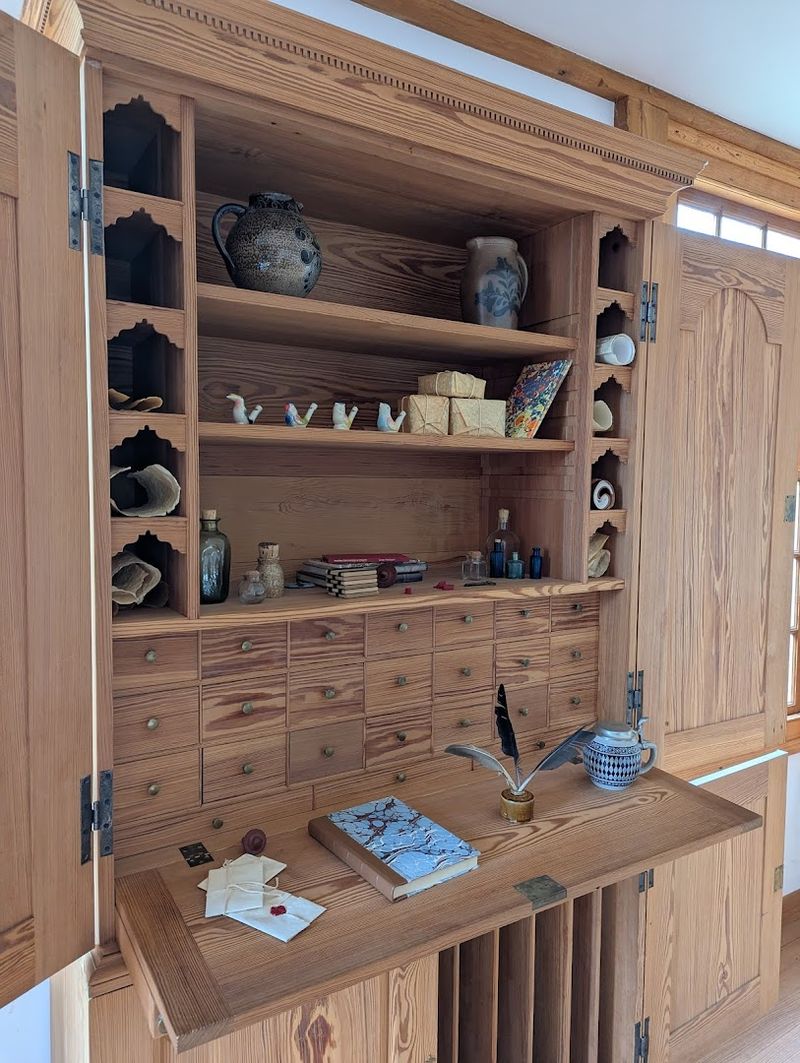
Before you even set foot on the open grounds, the Visitor Center at Ferry Farm rewards you with a genuinely impressive mini-museum experience. Artifacts pulled from the earth over decades of careful excavation are displayed with clear, engaging context that makes each object feel personal rather than clinical.
Ceramic pieces, household items, and remnants of everyday colonial life line the exhibit cases in a way that sparks real curiosity. The interpretive panels are written accessibly, so you do not need a history degree to appreciate what you are looking at.
Kids and adults both find themselves leaning in for a closer look at objects that survived centuries underground.
The staff at the center are genuinely passionate about the site and happy to point you toward the exhibits most relevant to your interests. Whether you are a devoted history enthusiast or someone who just wandered in on a road trip through Virginia, the center calibrates its welcome accordingly.
Even if you skip the guided house tour, spending time in the Visitor Center is absolutely worthwhile. Entry to the center itself is free, making it one of the most accessible history experiences in the entire Fredericksburg region.
The Enslaved Community Whose Stories Finally Get Told
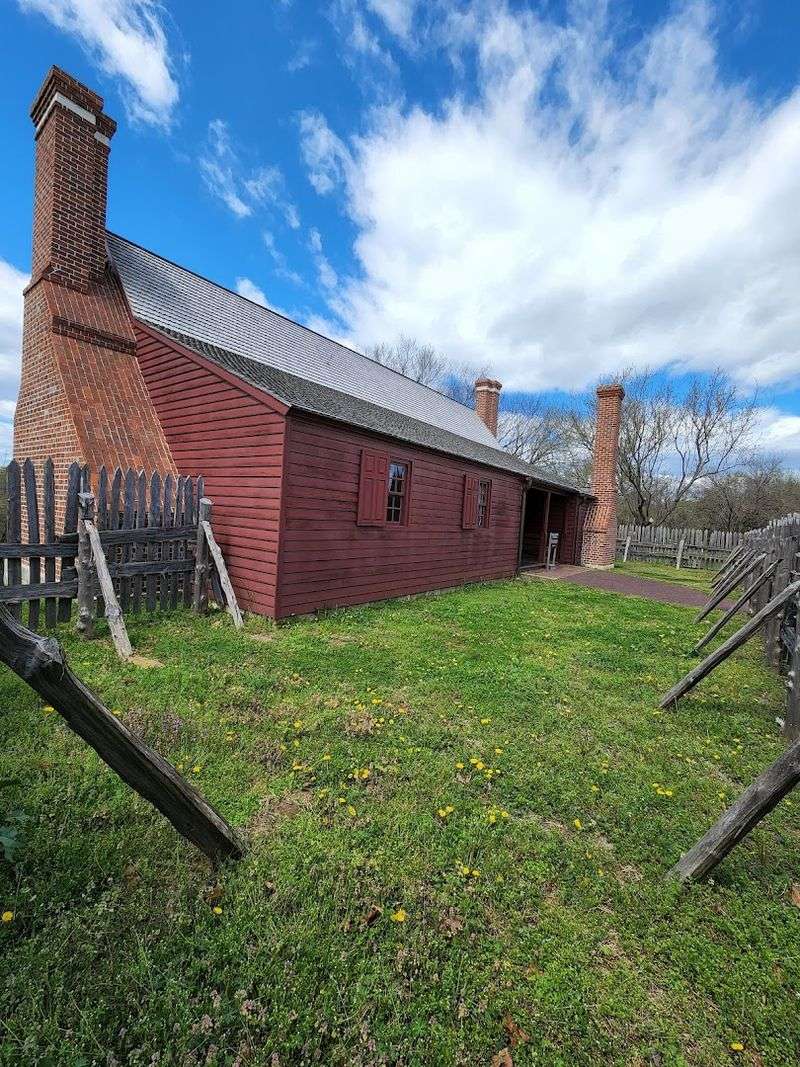
History told honestly is always more powerful than history told selectively. Ferry Farm does not shy away from the full truth of who lived and labored on this land, and that commitment to accuracy makes the site significantly more meaningful.
Enslaved men, women, and children lived at Ferry Farm from the 1720s all the way through 1862. Augustine Washington enslaved at least 21 people at the farm at the time of his death, and their lives are now being illuminated through archaeology and thoughtful interpretation throughout the site.
The ongoing excavations have uncovered artifacts connected to the enslaved community, objects that tell stories of resilience, ingenuity, and daily life under impossible circumstances. These discoveries are reshaping the historical narrative of the farm in ways that feel both overdue and deeply important.
Standing on the grounds of George Washington’s Ferry Farm with this full picture in mind transforms the experience from a simple presidential pilgrimage into something far more layered and human. Virginia has a complex history, and this site engages with it honestly, which is exactly what historic landmarks should do.
The stories being recovered here are just as essential as any tale about Washington himself.
Civil War Echoes on Revolutionary Ground
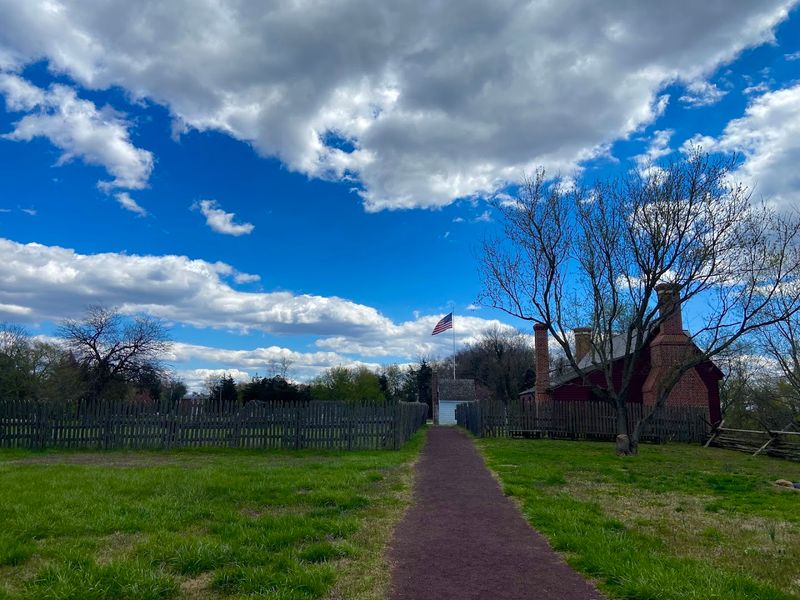
The layers of history at Ferry Farm do not stop with the founding era. Long after George Washington had grown up and passed into legend, this same ground became a stage for one of the Civil War’s most significant moments.
Union troops occupied the property during the conflict, and the Battle of Fredericksburg effectively began right here at Ferry Farm. The farm’s position along the Rappahannock River made it strategically critical, and the landscape still carries a quiet gravity that reflects those turbulent years.
President Abraham Lincoln himself toured Ferry Farm in 1862, making this one of the few places in America where two of the nation’s most iconic presidents literally walked the same ground. That connection between Washington and Lincoln, separated by nearly a century but united by this single farm, is genuinely extraordinary to sit with.
The guides at the site weave the Civil War history into the broader story of the property with real skill, never letting one chapter overshadow another. Virginia’s layered past comes alive here in a way that feels cohesive rather than chaotic.
Ferry Farm holds more history per acre than almost anywhere else in the entire state.
The Cherry Tree Legend and What Archaeology Actually Found
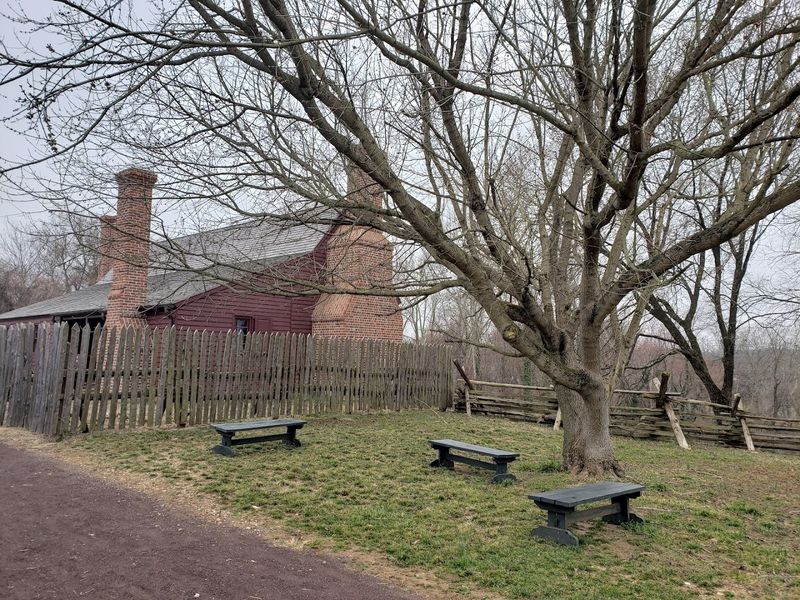
Every American schoolchild knows the story. Young George Washington chops down a cherry tree, his father confronts him, and the future president declares with perfect virtue that he cannot tell a lie.
It is one of the most famous childhood tales in American history, and it almost certainly never happened quite that way.
The story was popularized by a biographer named Mason Locke Weems after Washington’s death, and most historians treat it as a moral fable rather than documented fact. Tour guides at Ferry Farm address this directly and with refreshing humor, separating mythology from evidence without deflating the magic of the place.
Here is where it gets genuinely fascinating: archaeologists excavating the site have uncovered thousands of cherry pits in the soil. The implication is that a cherry orchard likely existed on the property at some point, giving the legend at least a botanical foundation even if the dramatic confrontation never occurred.
George Washington’s Ferry Farm turns even its myths into teachable moments, which is part of what makes the site so intellectually satisfying. The cherry tree story becomes not an embarrassment but a doorway into questions about how history gets made and remembered across generations.
The Grounds, the Gardens, and the Giant Old Trees
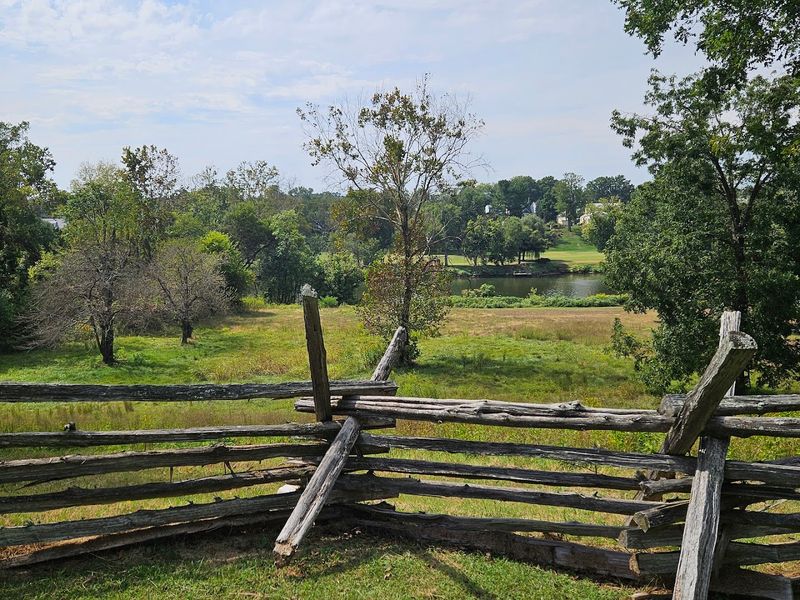
You could spend an entire afternoon just wandering the grounds at Ferry Farm without entering a single building, and it would still feel like time well spent. The property is stunning in every season, with massive old trees casting cathedral-like shade across the open fields.
The gardens are beautifully maintained and give you a sense of what colonial-era cultivation might have looked like on a working Virginia farm. Paths wind naturally through the landscape, encouraging a slow, contemplative pace that feels almost therapeutic compared to the usual rush of tourist sites.
Spring and summer bring the grounds to their most spectacular form, with greenery so lush it almost feels unreal. Winter has its own appeal too, with bare branches revealing long sightlines across the property and down toward the river that are completely hidden during the leafy months.
Wildlife shows up reliably across all seasons, deer grazing near the tree lines and birds calling from the canopy overhead. The grounds at George Washington’s Ferry Farm are free to explore for anyone who simply wants to walk and breathe and feel connected to something much older than themselves.
Pack comfortable shoes and give yourself plenty of unhurried time out here.
Planning Your Visit to This National Historic Landmark
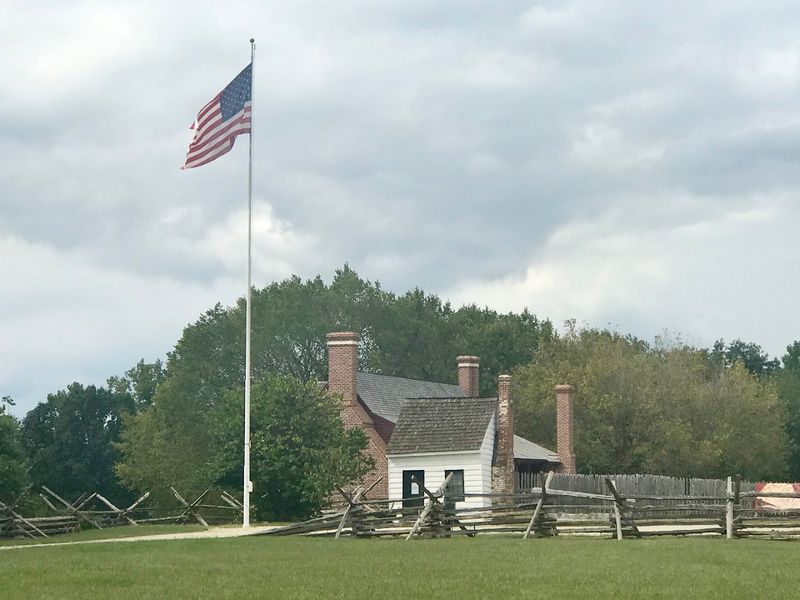
George Washington’s Ferry Farm has earned its status as a National Historic Landmark, and a visit here pairs perfectly with a broader exploration of the Fredericksburg area. The site is overseen by The George Washington Foundation, which maintains the property with obvious care and genuine enthusiasm for public education.
Guided tours of the replica house run throughout the day and are absolutely the best way to absorb the depth of what this place has to offer. Self-guided grounds tours give you the freedom to explore at your own rhythm, and the Visitor Center anchors everything with its well-curated artifact displays.
The site is open most days of the week, with Sunday hours starting a bit later in the afternoon. Booking house tours in advance is strongly recommended, especially during peak season when spots fill up quickly.
The phone number for planning inquiries is 540-370-0732, and more details are available at ferryfarm.org.
The address is 268 Kings Highway, Fredericksburg, VA 22405, conveniently close to the historic downtown area. After your visit, the restaurants and shops of Fredericksburg are just across the river and well worth exploring.
Virginia rewards those who take their time, and Ferry Farm is the perfect place to start.
