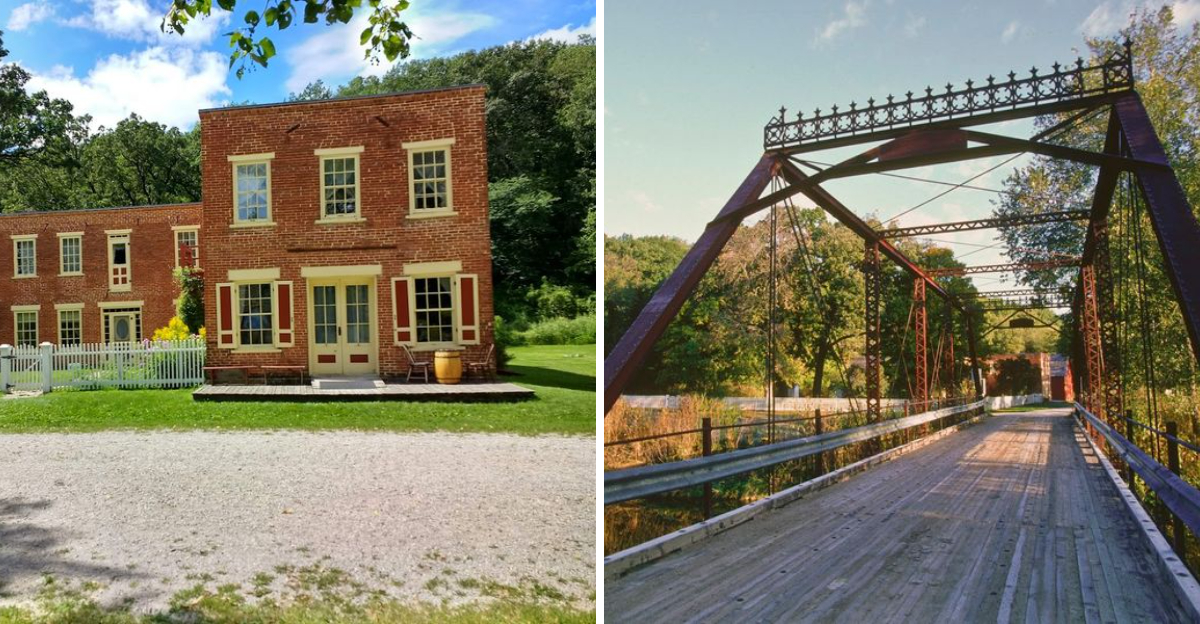
Stepping off the gravel path feels like time travel immediately. No cars or phone signals out here at all.
My eyes went straight to the old general store first. Dusty jars still sit on those creaky wooden shelves today.
I walked into every building without anyone asking for a ticket. The schoolhouse has tiny desks that made me laugh out loud.
My phone felt completely useless here and I loved it actually. Kids kept asking why nothing plugs into a wall socket normally.
We left feeling strangely relaxed and confused about modern life completely. This place froze in 1885 and never bothered to thaw out ever.
The Story of a Town That Time Left Behind
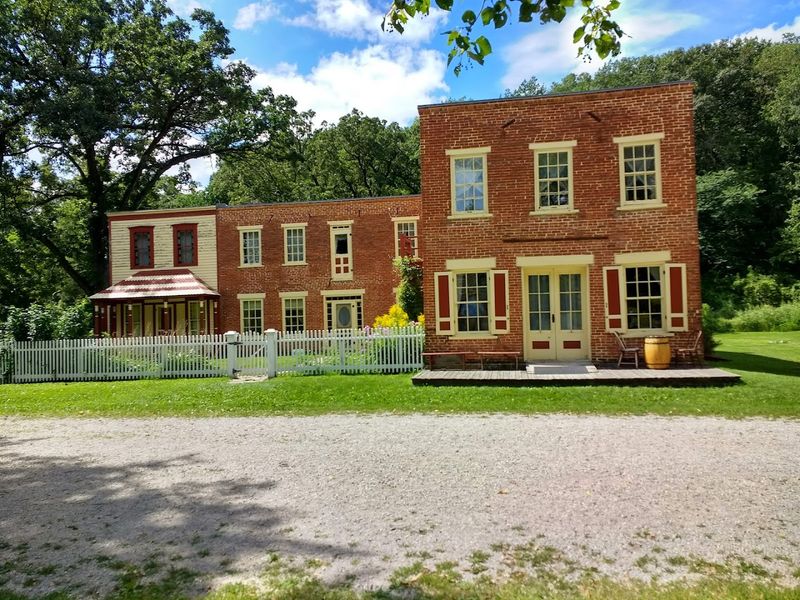
Forestville was never a big town. At its peak in the late 1850s, around 150 people called it home.
There were two hotels, a sawmill, a gristmill, a school, and a handful of homes clustered along the South Branch of the Root River.
Then the railroad came through the region in 1868, and it skipped Forestville entirely. Businesses closed fast.
Families packed up and left. The population shrank to almost nothing within a few years.
What saved the site from total erasure was one family: the Meighens. They stayed, kept the general store running, and essentially became the last residents of a ghost town.
Their presence preserved the buildings long enough for history to catch up.
The Minnesota Historical Society eventually took over the site and restored it carefully. Today, only a handful of original structures remain standing, but they are remarkably intact.
Placards mark where other buildings once stood, giving visitors a full picture of what life here once looked like.
Walking the Grounds for Free
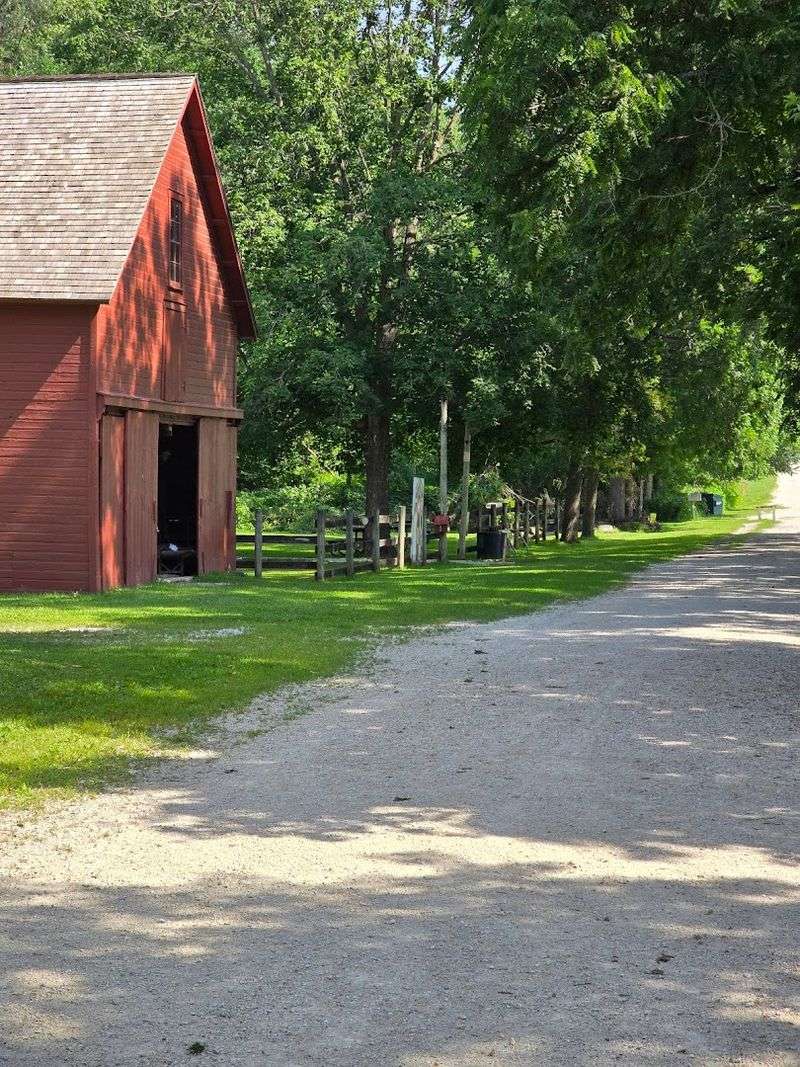
One of the best things about Historic Forestville is that you do not need to pay a single dollar to walk the grounds. The open-air site welcomes visitors during park hours, and the experience alone is worth the drive.
I spent a good chunk of time just wandering between buildings, reading the interpretation signs, and looking at the old stone foundations scattered across the mowed grass. It felt meditative, honestly.
The grounds are well-kept by Forestville Mystery Cave State Park, which surrounds the historic site. Trails connect the village area to the wider park, so you can easily extend your visit into a longer nature walk.
Even without a guide, the signage is thorough enough to tell the story. Placards explain what each building was used for and who lived or worked there.
Kids seem to enjoy spotting the markers, almost like a scavenger hunt across a real piece of American history.
The Meighen General Store
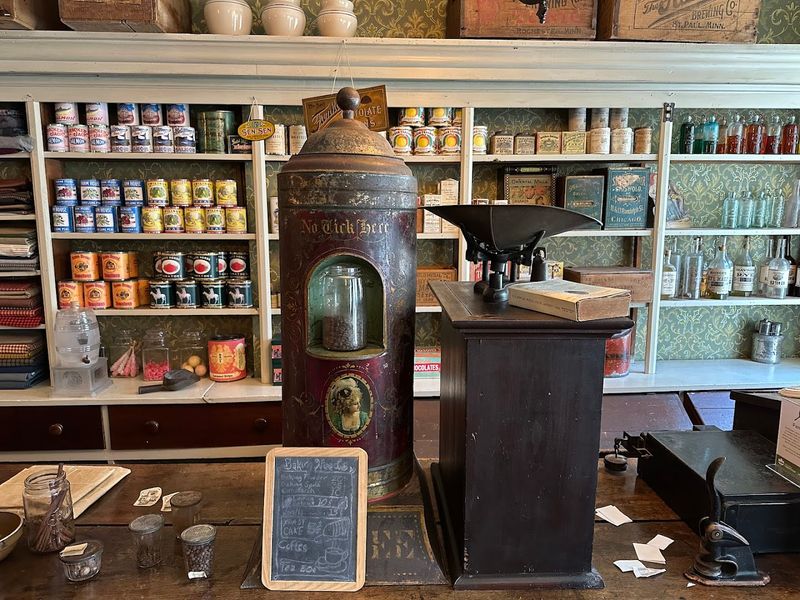
Walking into the Meighen general store feels like stepping through a time portal. The shelves are stocked with period-appropriate goods.
The wooden floors creak just the right amount.
The store operated continuously from the 1850s well into the early 1900s, making it one of the longest-running businesses in the region. The Meighen family kept it going even after nearly everyone else had left town.
That kind of stubbornness is actually what preserved the building.
During guided tours, staff in period costume demonstrate what a typical shopping trip would have looked like in 1885. They explain how credit was tracked, what goods were available, and how the store served as a social hub for the surrounding farming community.
The level of detail inside is impressive. Original ledgers, product tins, and tools are displayed throughout.
Standing at the old counter, it is easy to imagine a farmer stopping in after a long week in the fields, trading grain for supplies and catching up on local news.
Costumed Staff Who Really Know Their Stuff
The staff at Historic Forestville are not just wearing costumes for show. They are trained interpreters who genuinely know the history of this place inside and out.
On my visit, a guide answered every question our small group had without missing a beat. She explained the economics of frontier trade, the daily routines of 1880s farm families, and the slow decline of the town after the railroad bypassed it.
The depth of knowledge was impressive.
Visitors have consistently praised the staff, calling them friendly, knowledgeable, and patient with kids and adults alike. One visitor mentioned that the guide even helped with photos during the tour, which is a small but thoughtful touch.
The guided tour runs about 60 minutes and covers the main buildings on the property. Groups tend to stay small, which keeps the experience personal.
You are not shuffled through a rope-line crowd. You actually get to ask questions and linger in the spaces that interest you most.
The Forestville Bridge
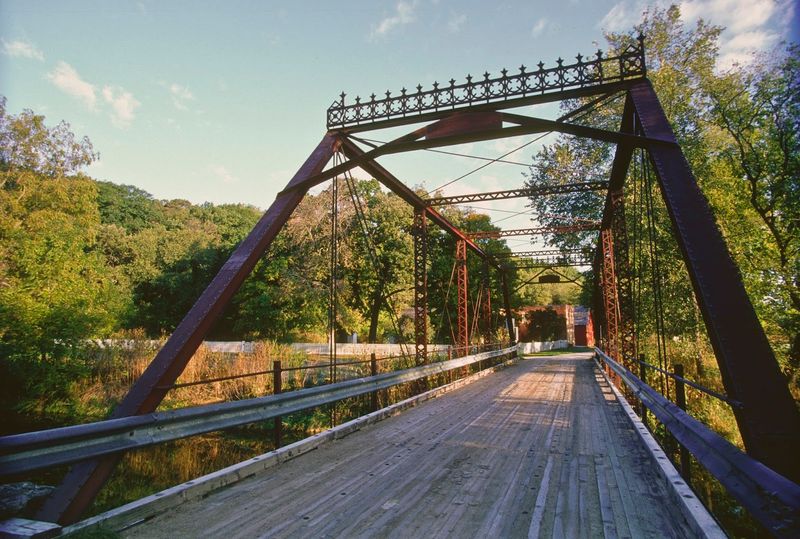
The Forestville Bridge is one of those details that sneaks up on you. Built in 1899, it is a rare surviving example of a pin-connected Pratt through truss bridge.
That style was common in the late 1800s but very few remain in Minnesota today.
The bridge originally carried travelers across the South Branch of the Root River. For many years, crossing it was part of the experience of arriving at the historic village.
Visitors walked over the old steel structure and felt the shift from modern life to something much older.
The bridge has recently been removed from its crossing for preservation and repair work. It remains on-site during this process, so you can still see it up close.
The care being taken with this structure reflects the broader commitment to preserving every layer of the site, not just the buildings.
Once restored, the bridge will return to its original location. Until then, seeing it resting near the riverbank gives you a rare chance to appreciate its construction in full detail.
The Barn and Farm Buildings
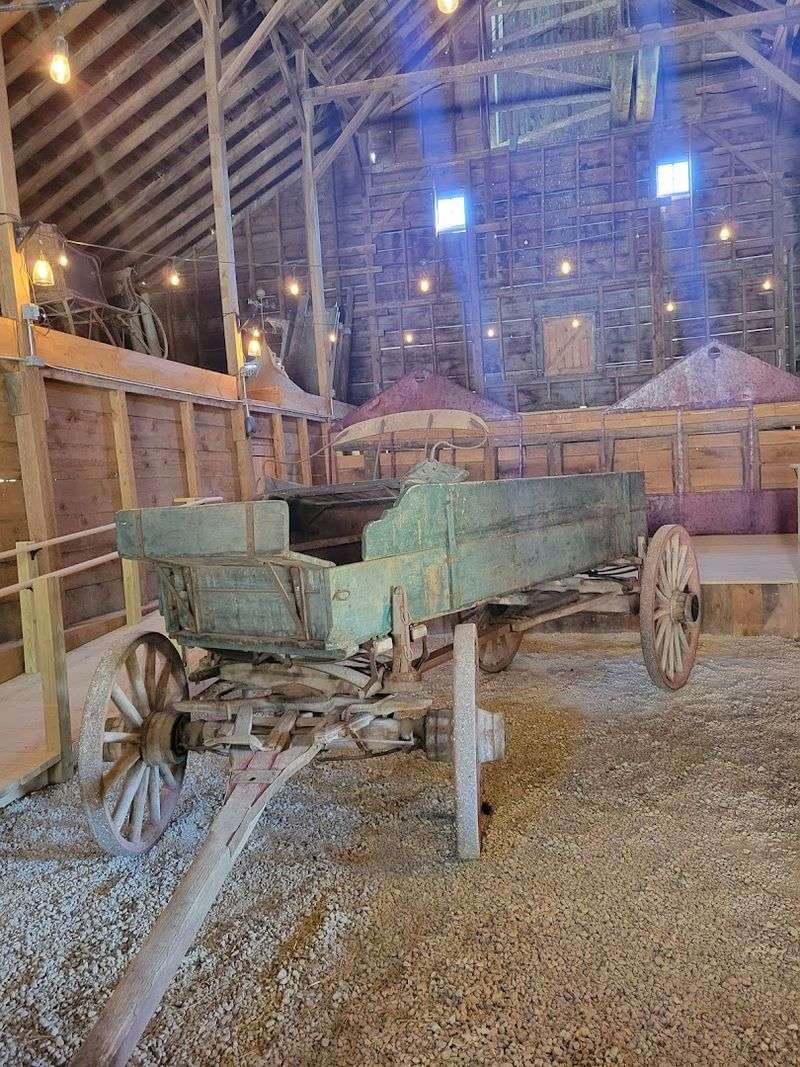
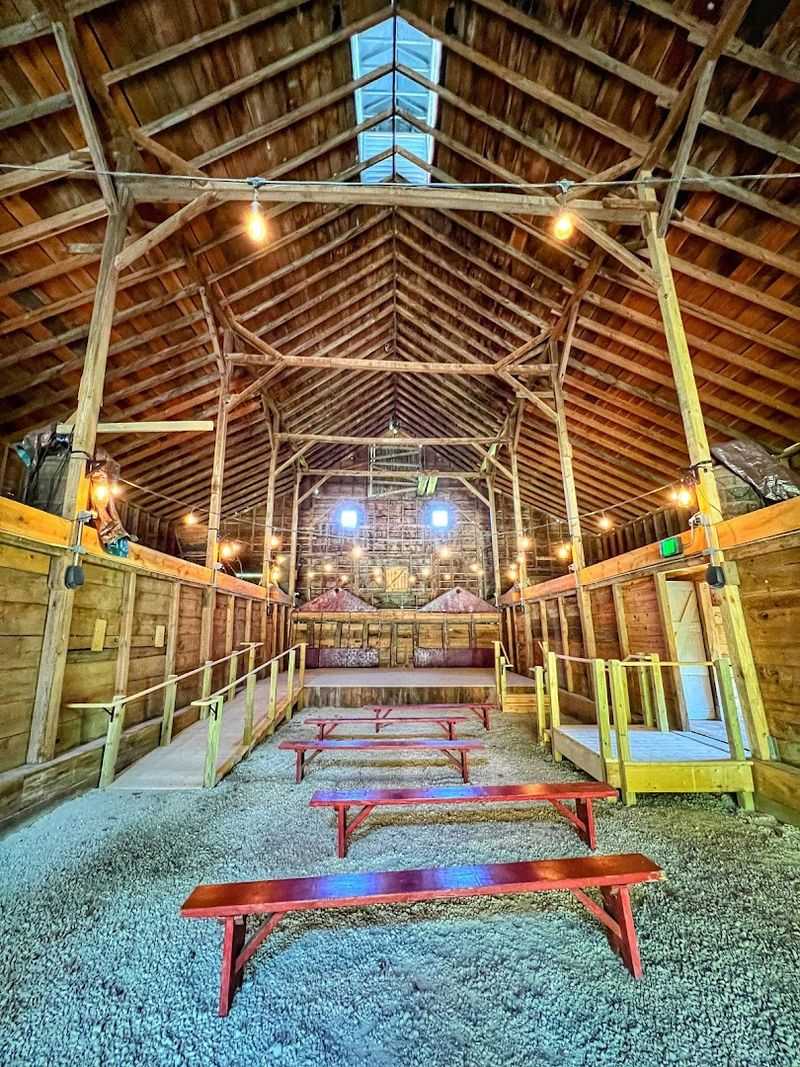
The barn at Historic Forestville is one of those buildings that just pulls you in. The smell of old wood and hay hits you the moment you step through the door.
It is the kind of sensory experience no museum exhibit can replicate.
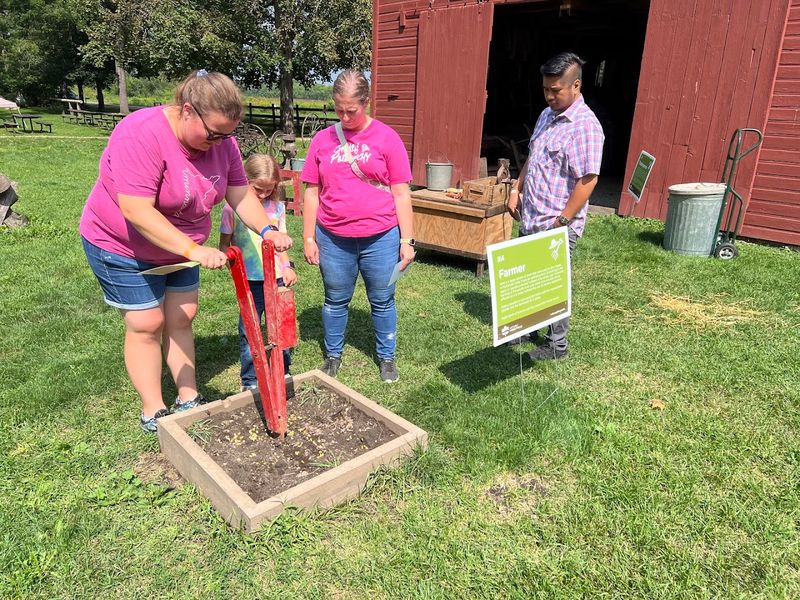
Farm equipment from the 1880s is displayed throughout the structure. Guides explain how each tool was used and what daily farm life demanded from the families who worked this land.
The physical scale of everything makes it clear how labor-intensive that era truly was.
Seeing the barn alongside the general store gives you a fuller picture of how the community functioned. The store served the farmers.
The farmers kept the store alive. Everything was connected in ways that modern supply chains make easy to forget.
Several visitors have mentioned that the barn was a highlight of their trip, especially for kids who had never seen agricultural equipment from that period. It is hands-on enough to hold attention and educational enough to leave a real impression.
The Restored Prairie
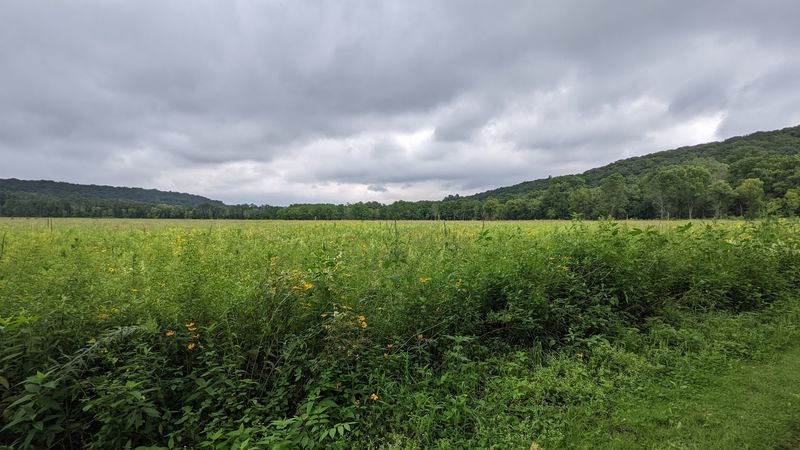
Just beyond the historic buildings, a beautifully restored prairie stretches across the site. It is easy to walk past it quickly, but slowing down here is absolutely worth it.
The prairie is part of the broader Forestville Mystery Cave State Park landscape. Native grasses and wildflowers have been carefully reintroduced to reflect what the land looked like before European settlement.
The contrast between the old wooden structures and the open natural landscape is genuinely striking.
One visitor described falling asleep on a picnic table here for an hour, which honestly sounds like a perfect afternoon. The quiet is real.
The pace slows down naturally when you are surrounded by tall grass and birdsong.
The restored prairie also adds ecological value to the site. It supports pollinators and native wildlife that have returned to the area as the habitat has recovered.
Walking through it feels like a bonus layer to the visit, a reminder that history and nature have always shared this land together.
The Cemetery on the Hill
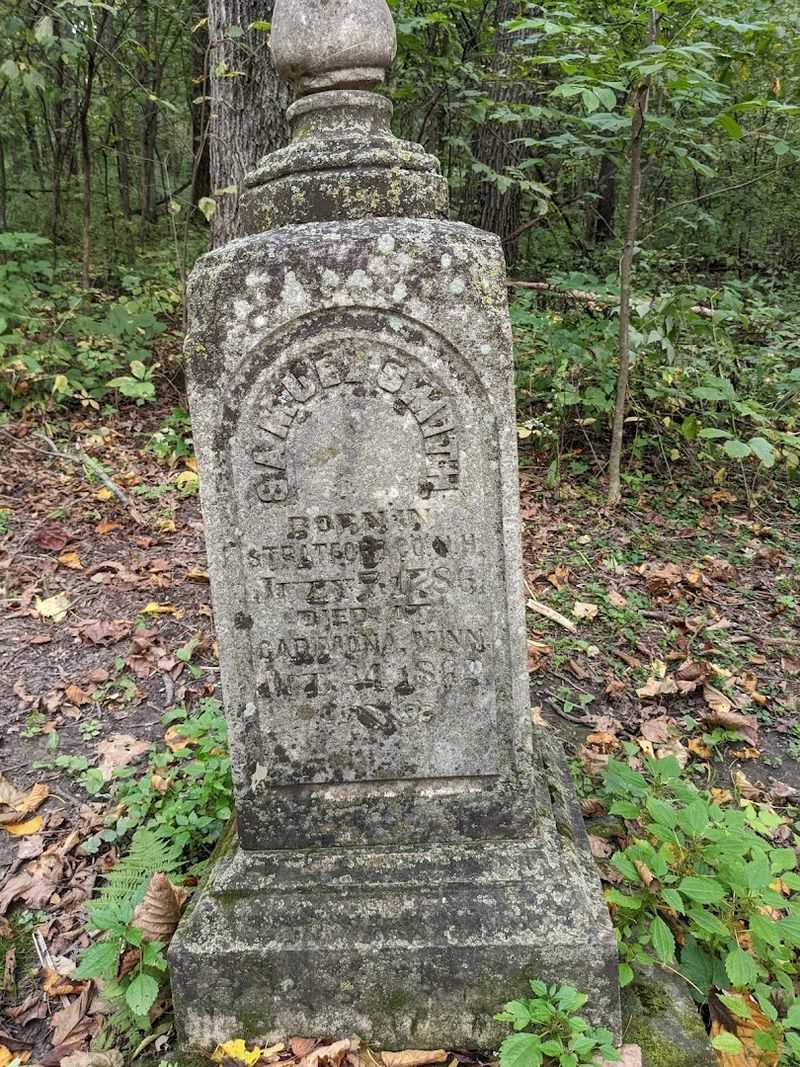
Up on the hill above the village sits the Zumbro Cemetery, and getting there requires a real climb. The trail is steep enough to make your legs work.
But every visitor who has made the effort says the same thing: it is worth it.
The cemetery holds the graves of some of Forestville’s earliest residents. The headstones are weathered but legible, and the setting is quietly beautiful.
Looking down from that hill, you get a clear sense of how the village once fit into the surrounding landscape.
During special events like the cemetery tour, staff guide visitors through the history of those buried there, giving names and stories to people who might otherwise be forgotten. One visitor described the cemetery tour as very cool, though they noted the hike up was genuinely challenging.
Visitors have also reported finding small toys tucked into the bushes and trees along the path. Nobody seems to know exactly how they got there, but it adds a small, strange charm to the walk that somehow fits the mood of the place perfectly.
Special Events and Seasonal Celebrations
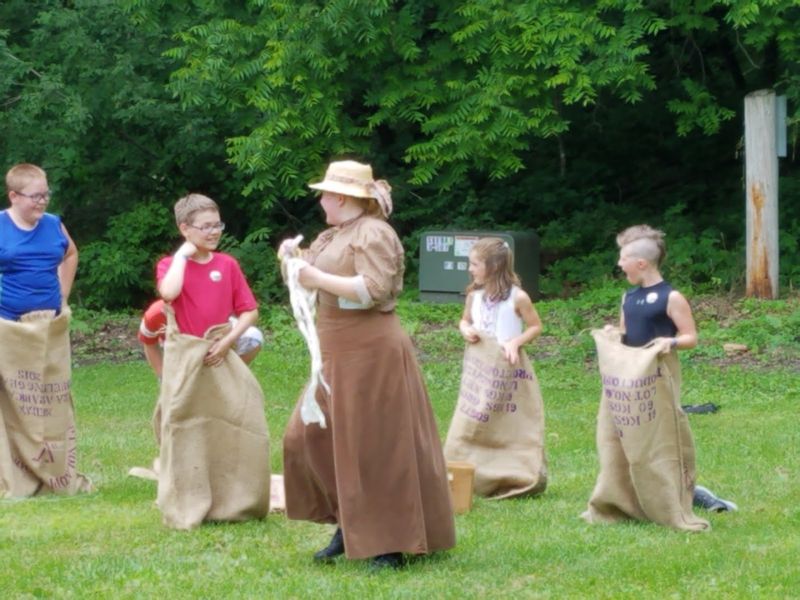
Historic Forestville really comes alive during its special events. The July 4th celebration, staged as it would have been in 1899, is one of the most popular.
Costumed characters fill the grounds, period activities run all day, and the whole village feels genuinely animated.
Families with kids especially enjoy these event days. One visitor brought three children ranging from ages 8 to 14 and reported that everyone stayed engaged throughout.
The combination of costumed staff, hands-on activities, and the historic setting creates something that is hard to find elsewhere.
The cemetery tour is another standout seasonal offering. It runs during specific dates and gives a more intimate look at the people who built and lived in Forestville.
It is educational without feeling like a school trip.
Checking the Minnesota Historical Society website before you go is a smart move. Event schedules vary by season, and some experiences are only available on weekends or during specific months.
Planning ahead means you get the fullest version of what this place has to offer.
The Gift Shop and Practical Visitor Tips
Near the end of your visit, the gift shop is a genuinely pleasant stop. It carries books, stickers, local history titles, ice cream, and drinks.
Nothing feels overly commercial. It fits the character of the site well.
Staff inside the shop are consistently described as warm and helpful. If you have leftover questions after your tour, this is a good place to ask them.
The people working here tend to know the site deeply and enjoy talking about it.
A few practical notes: the buildings and guided tours are not always available during weekday visits or off-season hours. Arriving on a weekend during the summer months gives you the best chance of experiencing everything fully.
Always check the Minnesota Historical Society website before you go.
The site is dog-friendly on the grounds, and the surrounding state park offers additional hiking trails and even RV camping nearby. Mystery Cave is just a short drive away and pairs perfectly with a Forestville visit for a full day out in this corner of Minnesota.
Address: Historic Forestville, 21899 Co Rd 118, Preston, MN 55965
