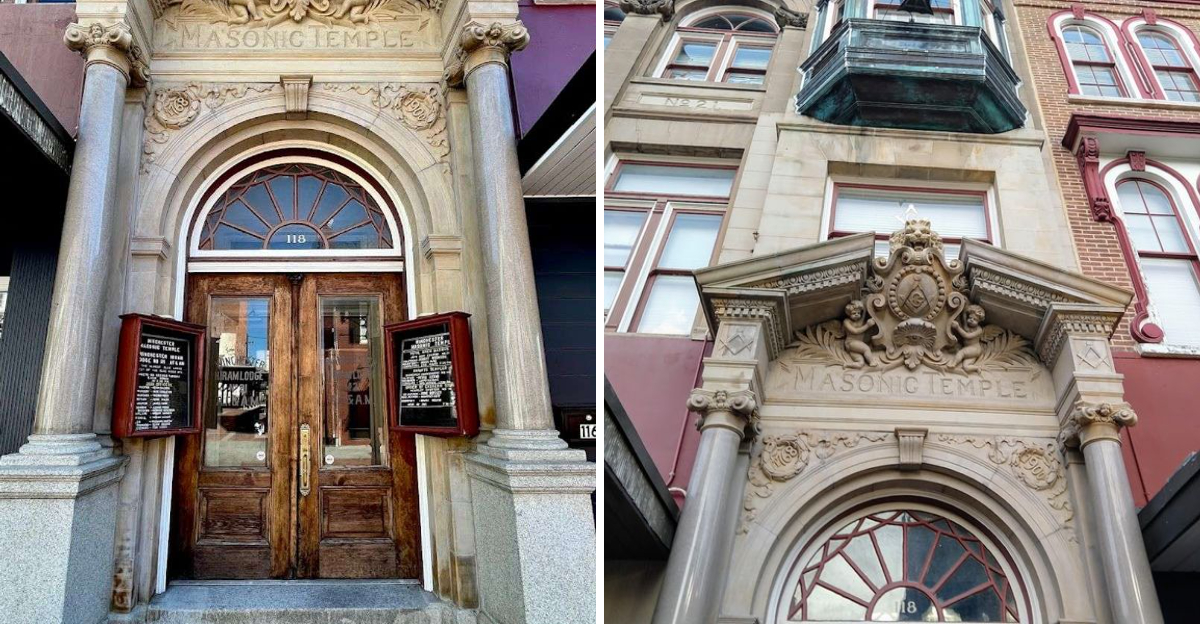
Step inside and you are face to face with a story that began before the nation itself existed. In this corner of Virginia, a group of men once formed a fraternal brotherhood that would endure through wars, presidencies, and centuries of change.
The lodge still stands as a direct link between the founding era and the present, preserving a legacy that feels almost improbable in its continuity. The deeper you look, the more layers of history reveal themselves, each one adding to its significance.
Set against the backdrop of the Shenandoah Valley, it is a discovery that lingers long after you leave, impossible to file away as just another historic stop.
Founded Before America: The Pre-Revolutionary Origins of the Lodge
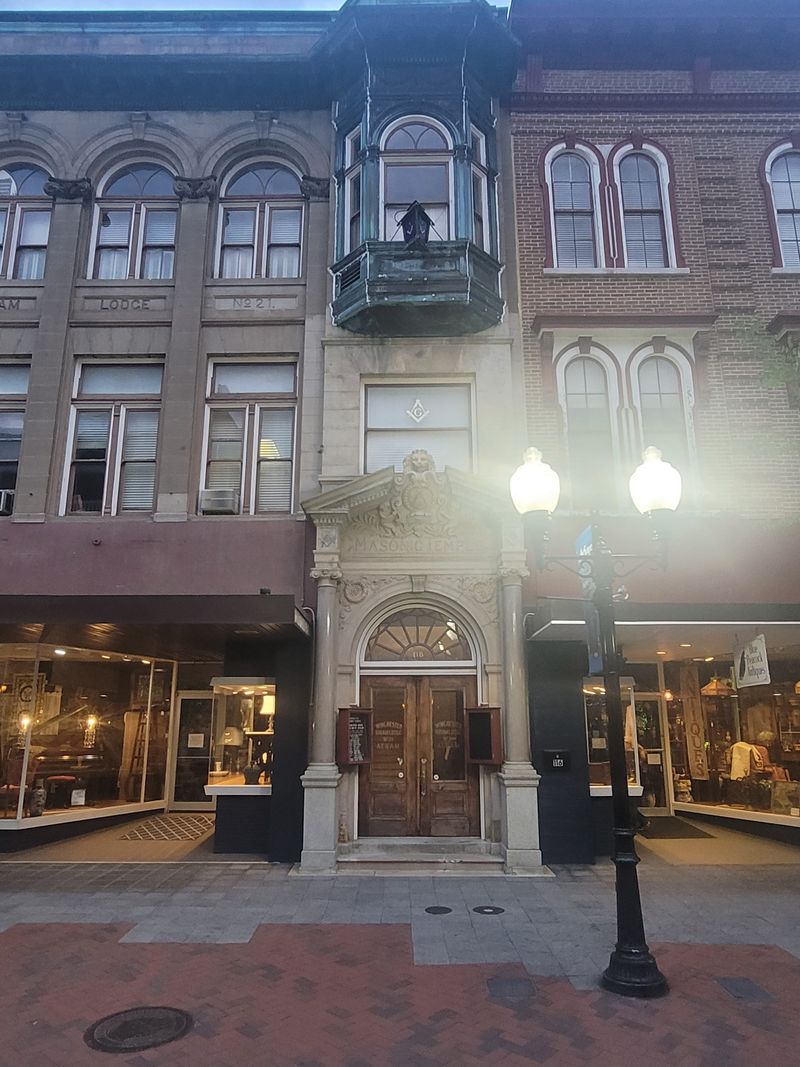
Picture a world where the United States does not yet exist. No stars and stripes, no Declaration of Independence, no George Washington as president.
Yet in that same world, a group of determined men in Winchester, Virginia, decided to plant the seeds of something lasting.
Winchester Hiram Lodge No. 21 was established on October 1, 1768, originally chartered as Winchester Lodge No. 12 under the Provincial Grand Lodge of Pennsylvania. That makes it the oldest Masonic lodge west of the Blue Ridge Mountains, a title it still proudly holds today.
Virginia was still a British colony when this lodge first opened its doors. The sheer age of this institution is staggering.
Most buildings from that era are ruins or museum exhibits, yet this lodge is alive and meeting regularly.
The lodge also earned the distinction of being the first Masonic lodge in Virginia to be designated by a number. That is not a footnote in history.
That is a headline. Walking into Winchester Hiram Lodge No. 21 today means stepping into a space that predates the nation itself, and that feeling is absolutely electric.
James Gamul Dowdall: The Founding Father You Never Learned About in School
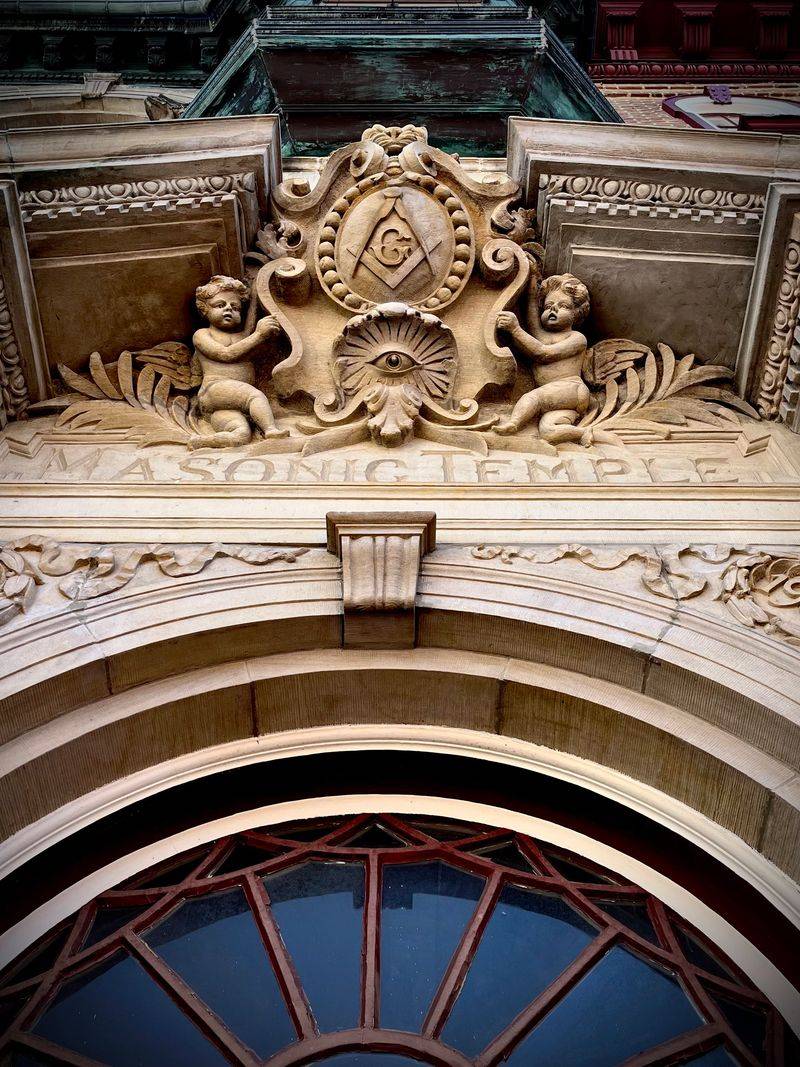
Every great institution has an origin story, and Winchester Hiram Lodge No. 21 has a particularly fascinating one. James Gamul Dowdall, a prosperous merchant and importer, founded the lodge and shaped its early identity with remarkable energy and vision.
Dowdall was no armchair patriot. He served as a Cadet in Company 7 of Daniel Morgan’s Regiment of Riflemen during the Revolutionary War, which means the man who built this lodge also helped fight for the country that would soon surround it.
Under his leadership, the lodge grew to 21 members by the time the Revolution was in full swing.
That number, 21, would later become part of the lodge’s permanent identity. There is something poetic about that detail.
A man builds a brotherhood, fights for a new nation, and the membership count at the time of the war becomes the lodge’s lasting number.
Dowdall’s legacy is woven into every meeting held at the lodge today. His story deserves far more attention than it typically receives in Virginia history books, and visiting the lodge is one way to honor that forgotten chapter.
George Washington and the Grand Master Offer That Changed History
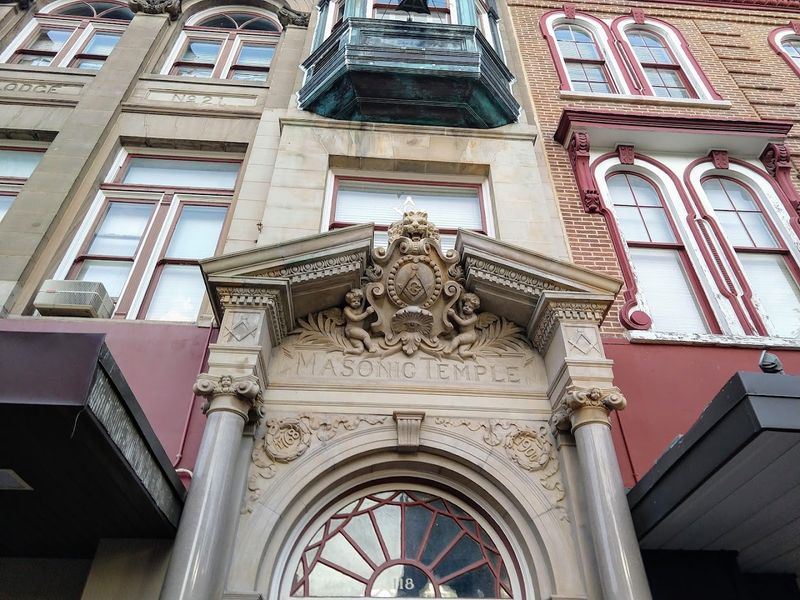
Here is a fact that genuinely blew my mind when I first read it. In 1777, Winchester Lodge was invited to join the newly forming Grand Lodge of Virginia.
The lodge had a suggestion for who should lead it: George Washington himself.
Washington was formally asked to serve as Grand Master. He declined, citing his military commitments and his lack of prior experience as a lodge master.
That means Winchester Hiram Lodge No. 21 is directly tied to one of the most consequential figures in American history, not through a loose association, but through an actual formal invitation.
The lodge ultimately declined to join the Grand Lodge of Virginia at that time due to its ongoing affiliation with Pennsylvania. That kind of principled stubbornness is honestly admirable.
These were men who took their commitments seriously.
Standing inside the lodge today, knowing that Washington’s name was once floated in those very discussions, adds a layer of gravity to the experience that no museum exhibit can replicate. Virginia has no shortage of Washington connections, but this one feels unusually personal and direct.
The Civil War Years: When the Lodge Became Common Ground
Winchester, Virginia changed hands so many times during the Civil War that locals lost count. The city sat at a strategic crossroads, making it a perpetual battleground for both Union and Confederate forces.
Yet somehow, Winchester Hiram Lodge No. 21 kept its doors open and its principles intact.
In April 1863, the lodge secured permission to open during the Union occupation. What happened next is extraordinary.
Twenty-three members of the occupying Union army were initiated as Master Masons. Between April 1863 and June 1865, the lodge raised a remarkable 231 candidates, with 207 of them coming from the Union army itself.
Think about that for a moment. A Virginia lodge, in a Confederate state, initiating hundreds of Union soldiers into Masonic brotherhood during one of the bloodiest conflicts in American history.
The lodge became, quite literally, a space where the war’s divisions were temporarily set aside.
That story alone makes Winchester Hiram Lodge No. 21 one of the most compelling historical sites in all of Virginia. No dramatic reenactment could capture the raw significance of what happened inside those walls during those years.
Captain William McKinley: A Future President Got His Start Here
Not many lodges can claim a future United States president among their initiates. Winchester Hiram Lodge No. 21 can.
Captain William McKinley, who would go on to become the 25th President of the United States, was initiated into the lodge during the Civil War period when he was serving with the Union army.
McKinley was a young officer at the time, far from the political prominence he would later achieve. His initiation at this lodge placed him in a lineage of Masonic brotherhood that stretched back to pre-Revolutionary Virginia.
That is a remarkable thread connecting two very different eras of American life.
The lodge does not shout about this connection from the rooftops, which honestly makes it even more intriguing. Discovering it feels like finding a secret passage in a house you thought you already knew completely.
Virginia is full of presidential connections, from Monticello to Mount Vernon, but the McKinley link at Winchester Hiram Lodge No. 21 is one of the most unexpected and satisfying. It rewards the curious traveler who takes the time to look a little deeper into local history.
Confederate General Lewis Armistead: Another Legendary Name in the Register
The membership register of Winchester Hiram Lodge No. 21 reads like a who’s who of American history. Beyond McKinley, the lodge also counts Confederate Brigadier General Lewis A.
Armistead among its initiates, a detail that adds yet another dramatic layer to this already storied institution.
Armistead is best remembered for leading his brigade in Pickett’s Charge at the Battle of Gettysburg, where he was fatally wounded after briefly breaching Union lines. His story is one of the most emotionally resonant in all of Civil War history, and it begins, in part, right here in Winchester, Virginia.
The fact that both a future Union president and a Confederate general share the same lodge register is almost too cinematic to believe. Yet there it is, recorded in history, proof that Masonic brotherhood operated on a plane that transcended even the most devastating national conflicts.
Knowing this history transforms a visit to the lodge into something genuinely moving. You are not just looking at old architecture.
You are standing in a space that held men on opposite sides of history, bound together by shared principles that neither war nor politics could fully erase.
The Temple Building: Architecture That Earns Its Own Spotlight
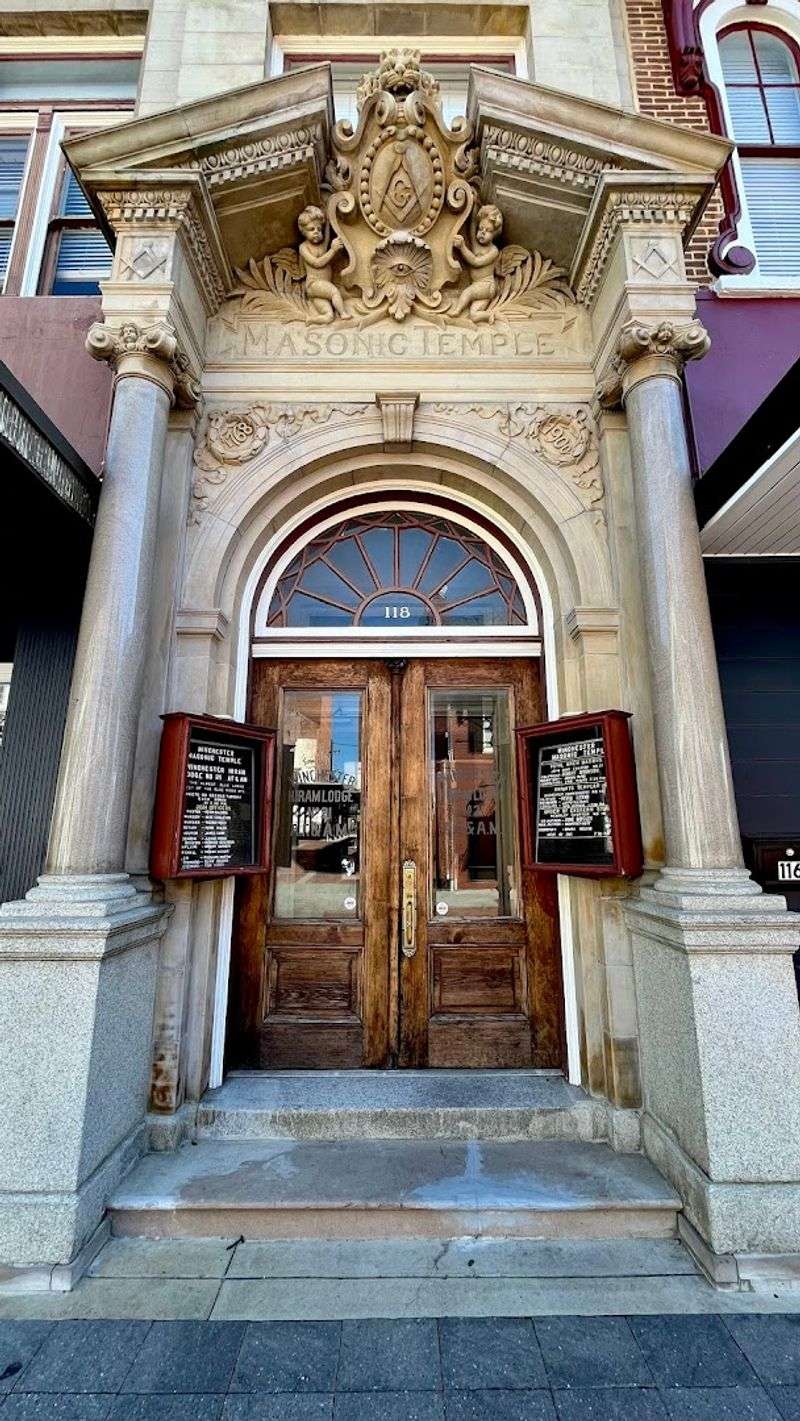
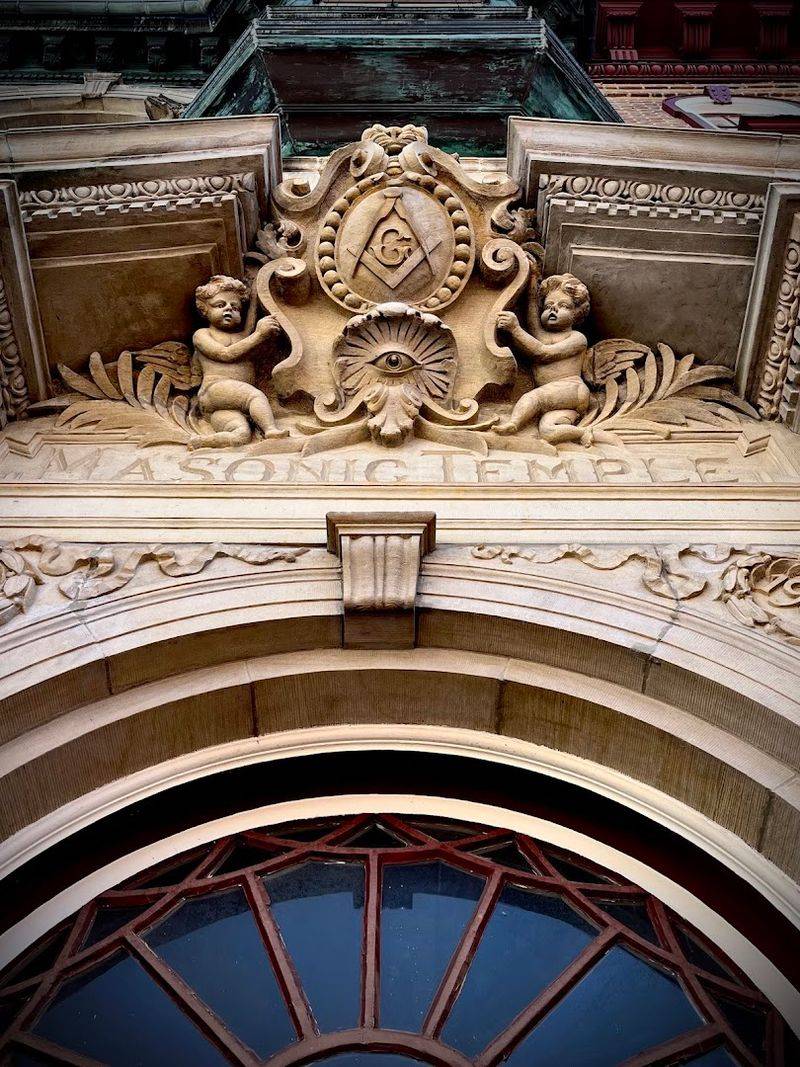
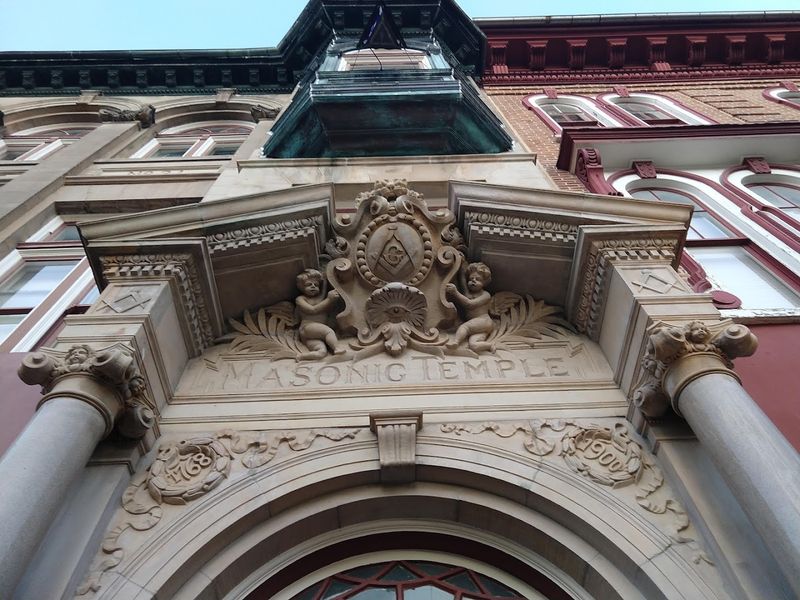
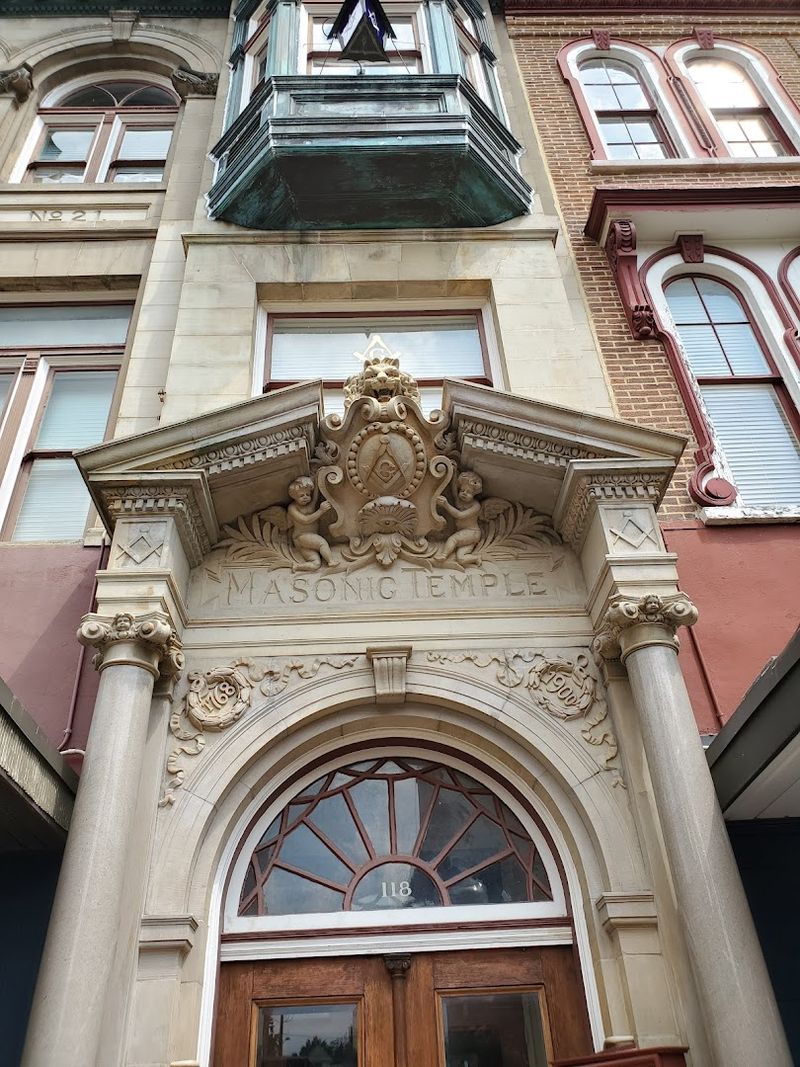
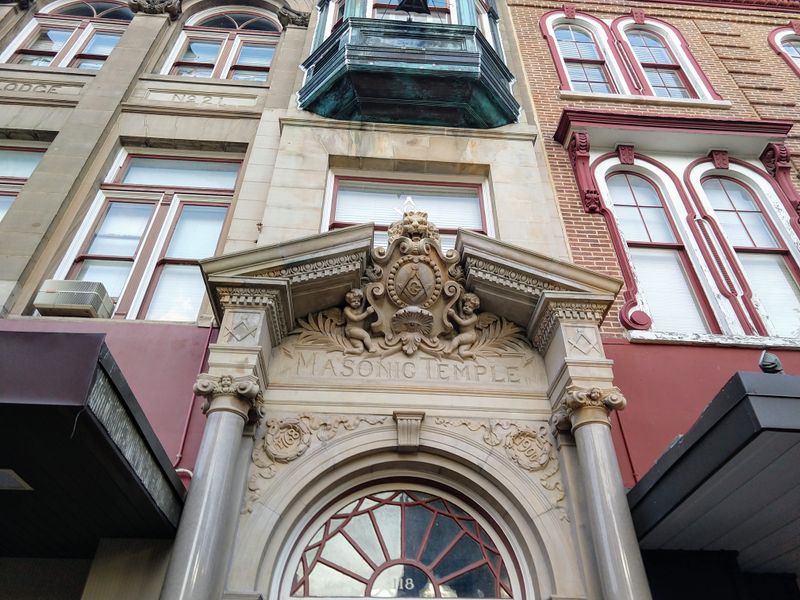
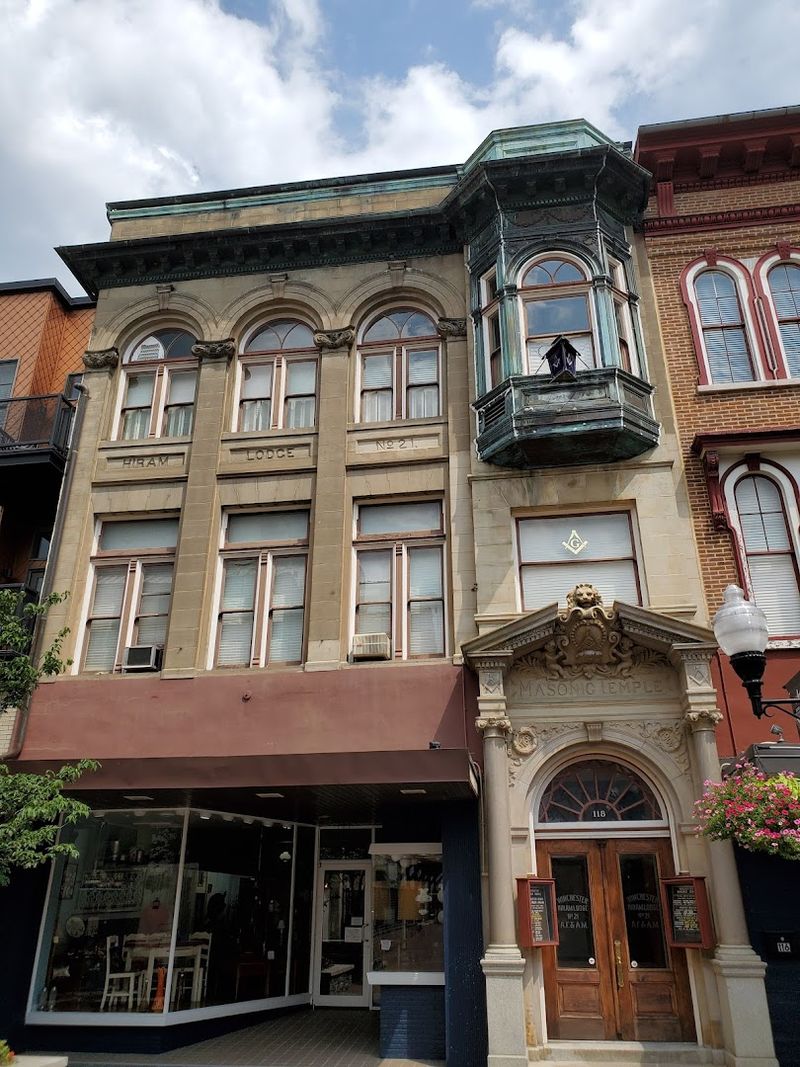
After the Civil War ended, the lodge set its sights on a permanent home worthy of its remarkable history. The current site at 118 N.
Loudoun Street in Winchester was purchased in 1865, and the cornerstone of the new building was laid on May 29, 1867.
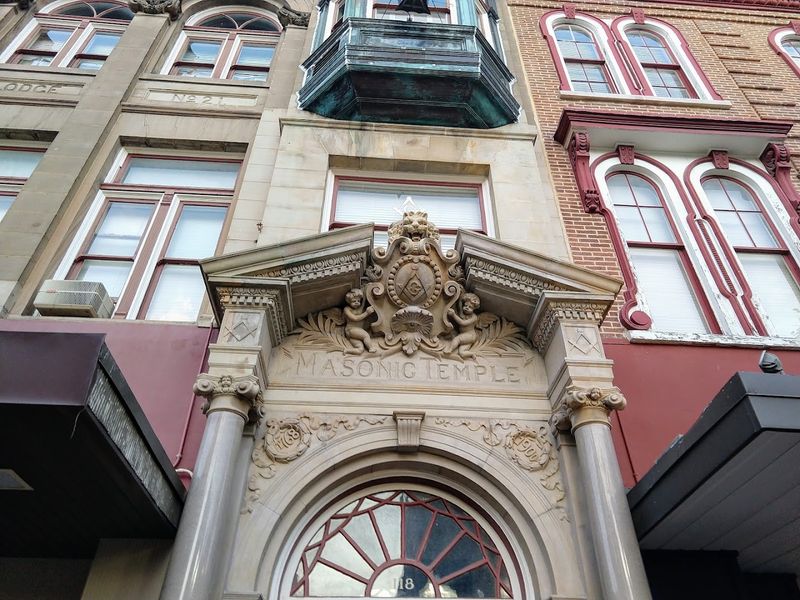
The temple was officially dedicated on July 22, 1868, giving the lodge a physical home that matched the gravity of its legacy. The building sits comfortably on one of Winchester’s most walkable streets, and its classical Masonic architecture makes it stand out in the best possible way.
Walking up to the building for the first time, I was struck by how solid and purposeful it looks. There is nothing showy about it.
The design communicates permanence and dignity without trying too hard, which feels entirely appropriate for an institution of this age.
The exterior is just the opening act, though. What waits inside elevates the experience from interesting to genuinely unforgettable.
Virginia has produced some spectacular historic buildings, but few carry the layered human stories that are embedded in every corner of this particular structure on N. Loudoun Street.
The Lodge Room Frescoes: Art That Has Survived for Over 150 Years
Most historic buildings offer you old walls and creaky floors. Winchester Hiram Lodge No. 21 offers you something far more spectacular.
The lodge room features stunning frescoes painted directly on the walls and ceiling, created by an artist named Mr. Ango from the prestigious Peabody Institute of Baltimore.
These murals have been quietly watching over lodge meetings for well over a century. They are described as a historic treasure by those who have had the privilege of seeing them up close, and that description does not feel like an exaggeration once you are actually standing beneath them.
The artistic quality and the sheer survival of these frescoes through wars, time, and changing ownership is remarkable. Conservation of art this old is never easy, and the fact that they remain intact speaks to the care the lodge has invested in preserving its heritage.
For anyone with an appreciation for 19th century American decorative art, this room alone justifies the trip to Winchester. Virginia offers plenty of beautiful interiors, but painted Masonic frescoes of this age and quality are genuinely rare.
The lodge room at Winchester Hiram Lodge No. 21 feels like a museum that is still very much alive.
The Library and Museum: A Treasure Chest of Masonic History
Beyond the magnificent lodge room, Winchester Hiram Lodge No. 21 houses a library and museum that could keep a history enthusiast occupied for hours. The collection spans centuries of Masonic tradition, local Virginia history, and artifacts connected to the lodge’s extraordinary roster of notable members.
A Masonic library is not something most people think to seek out on a travel itinerary, but this one genuinely surprises. The depth of material available here reflects the lodge’s long institutional memory and its commitment to preserving what it has witnessed across more than two and a half centuries.
There is something almost meditative about browsing shelves filled with volumes that predate modern America. The library connects the present-day lodge to its colonial roots in a way that no interpretive panel or digital display ever could.
For those who want to understand Freemasonry in Virginia beyond the surface level, this resource is invaluable. Local historians, genealogy researchers, and curious travelers all find something worth their time here.
The museum component adds visual context to the written records, making the whole experience feel richly layered and genuinely educational without ever feeling like a homework assignment.
Still Active in 2026: Why This Lodge Keeps Going Strong
Some historic institutions survive as shells of their former selves, preserved but hollow. Winchester Hiram Lodge No. 21 is the opposite of that.
With a current membership of over 250 individuals, the lodge is as active today as it has ever been, holding its stated communication on the second Tuesday of each month.
That kind of continuity across more than two and a half centuries is genuinely rare. The lodge has outlasted the British colonial era, the Revolutionary War, the Civil War, two World Wars, and every major shift in American society since the 1700s.
And it is still meeting, still initiating new members, still upholding the same core principles it was founded on.
Virginia has a deep relationship with American history, but even within that context, Winchester Hiram Lodge No. 21 occupies a special category. It is not a relic.
It is a living institution that happens to carry centuries of extraordinary history on its shoulders.
If you find yourself in Winchester, make time for this place. The address is 118 N.
Loudoun Street, Winchester, VA 22601. Pack your curiosity, bring your appreciation for the long arc of American history, and prepare to be genuinely moved by what you find inside.
