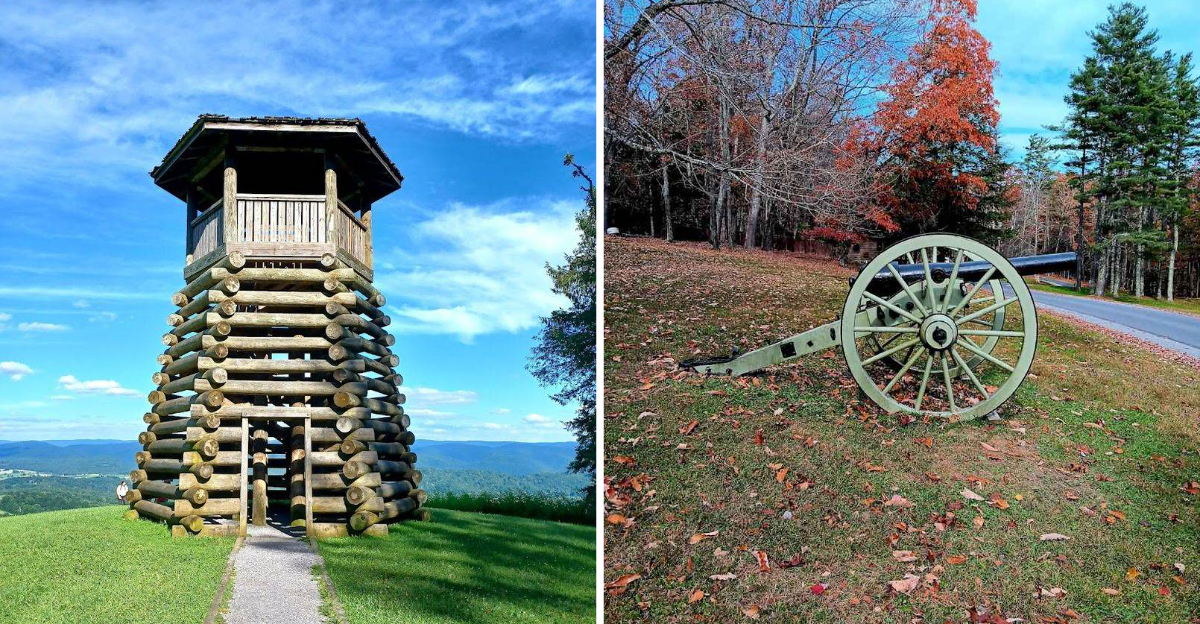
What if a state park could tell the story of a state’s birth while offering breathtaking mountain views and dark skies full of stars?
This historic park, dedicated in the late 1920s as West Virginia’s very first state park, is a peaceful ridge above a river valley with an incredible past to share.
It was the site of the largest Civil War battle fought on West Virginia soil, where Union forces defeated the Confederates in late 1863 and effectively ended southern resistance in the state.
But the park is not all history.
Hikers can explore trails passing Civil War trenches, a museum, an observation tower with spectacular views, and even a unique wetland that feels out of place in the mountains.
West Virginia, you have managed to preserve a turning point in history with a view.
A Mountain of History
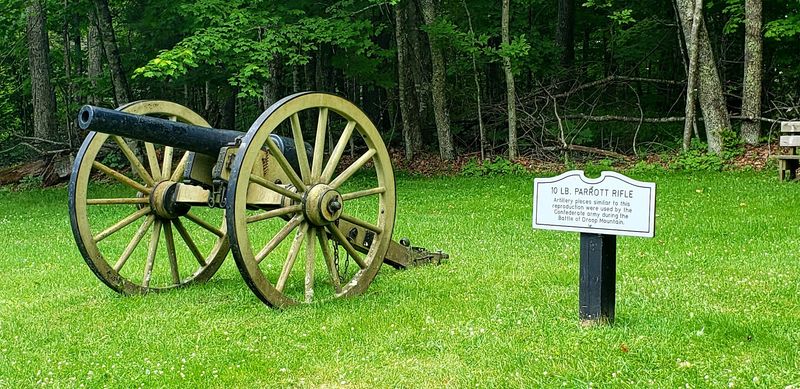
My journey led me to a place deeply woven into the fabric of West Virginia’s past, a truly remarkable spot that holds the distinction of being the state’s very first state park, established in 1928.
Droop Mountain Battlefield State Park stands as a profound testament to a pivotal moment in American history, preserving the site of the last major American Civil War battle fought within West Virginia’s borders.
On November 6, 1863, the quiet mountainside erupted with the sounds of conflict, leaving an indelible mark on the landscape and the collective memory of the region. This park is more than just a scenic stop; it is a living monument to a defining era.
Walking these grounds felt like stepping through a portal where past and present collide in the most beautiful way.
The dedication to preservation here runs deep, with every trail marker and interpretive sign telling a piece of the larger story.
Standing at the heart of this historic site, surrounded by towering trees and rolling hills, I couldn’t help but feel the weight of what happened here all those years ago.
Echoes of Battle, Flavors of the Forest
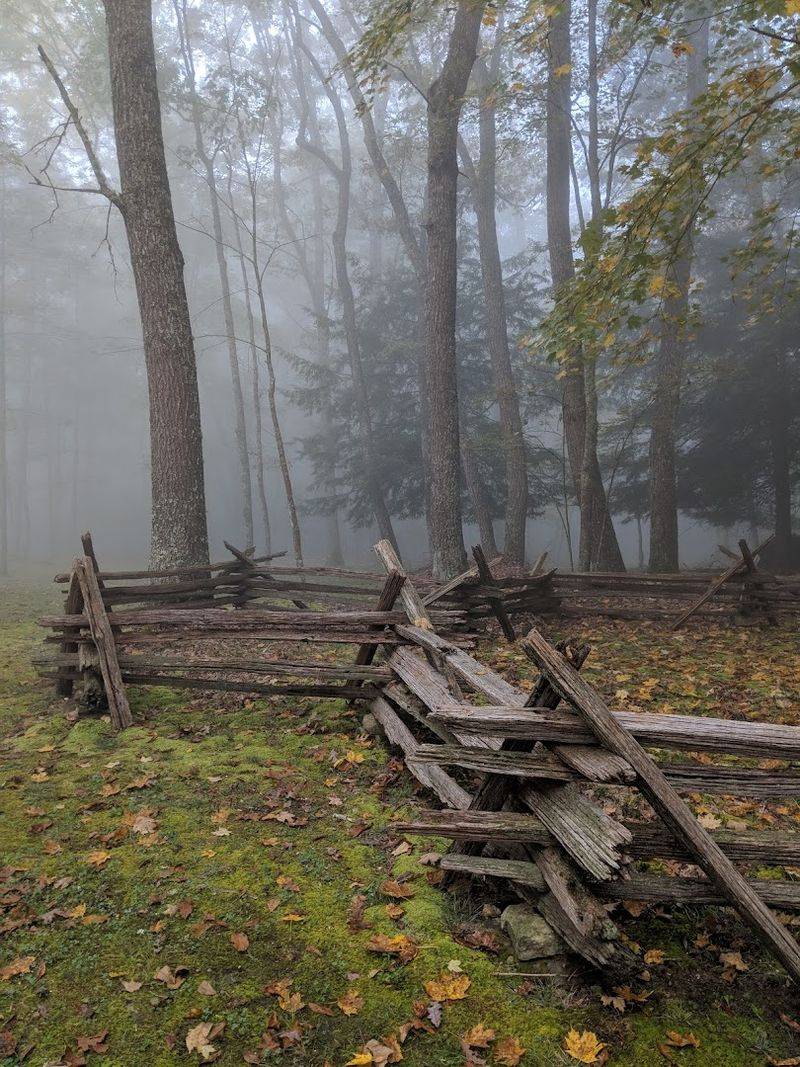
As I explored the trails, it was easy to imagine the Union and Confederate forces clashing on these very slopes. Brigadier General William W.
Averell’s Union troops faced off against Brigadier General John Echols’ Confederate forces in a struggle that ultimately secured West Virginia for the Union.
Walking through these hallowed grounds, surrounded by the tranquility of nature, gave me pause to reflect on the immense sacrifices made here. The dense forests that once concealed soldiers now offer a peaceful canopy for visitors, a poignant contrast between past turmoil and present serenity.
Each step along the path revealed another layer of the battlefield’s story, from preserved trenches to strategic positions that once held desperate men.
The forest itself seemed to remember, with ancient trees standing witness to history. I found myself pausing frequently, not just to catch my breath on the inclines, but to really absorb the significance of where I stood.
The quiet rustle of leaves replaced the sounds of musket fire that once echoed through these hills.
Picnic Provisions Amidst Poignant Vistas
One of the most appealing aspects of Droop Mountain Battlefield State Park is the opportunity to enjoy a meal in its serene, open air.
Several well-maintained picnic areas and shelters are scattered throughout the grounds, inviting visitors to unpack their provisions and savor a moment of quiet reflection.
Imagine spreading out a simple lunch, perhaps a hearty sandwich and some fresh fruit, while gazing out at the same panoramic views that soldiers once surveyed, albeit with very different intentions.
These designated spots provide the perfect setting for a nourishing break, allowing the flavors of your meal to blend with the crisp mountain air and the profound sense of history that permeates the site.
I found myself lingering over my packed lunch far longer than usual, not wanting to rush through such a special moment. The picnic shelters offer protection from unexpected mountain weather while still keeping you connected to the natural beauty all around.
Sharing food in a place where so much history unfolded adds an unexpected dimension to a simple meal, making even a basic sandwich taste somehow more meaningful and satisfying.
The Observation Tower’s Grand Feast for the Eyes
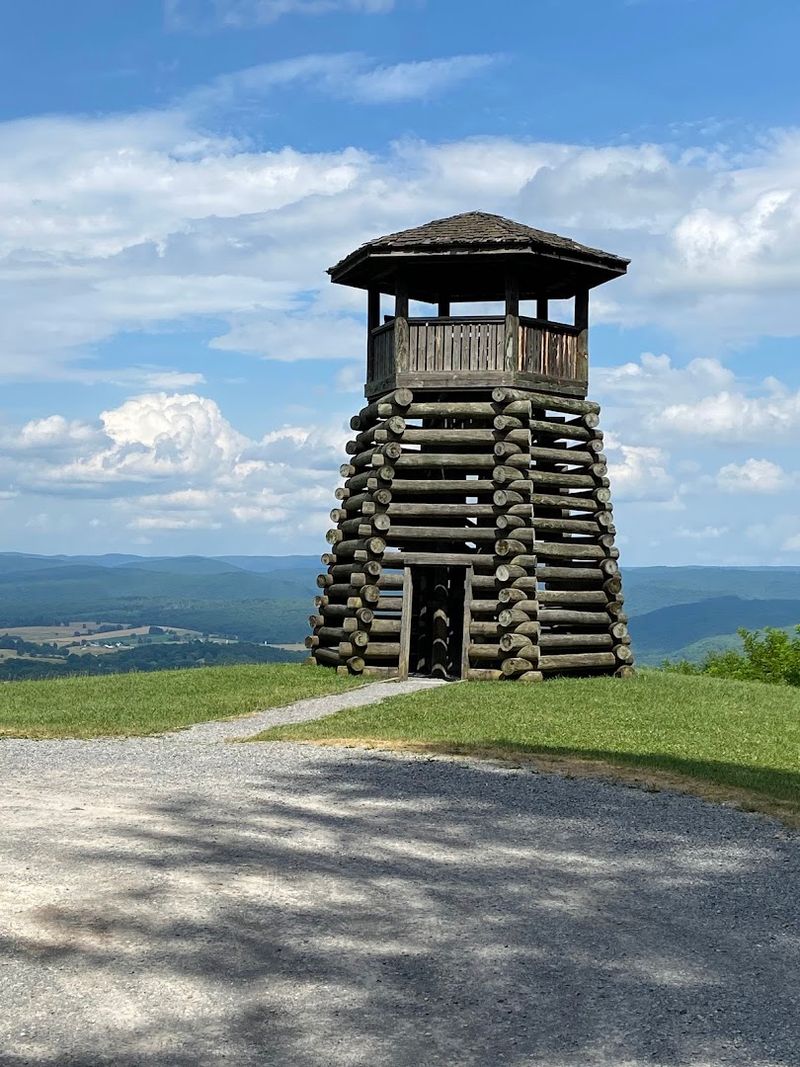
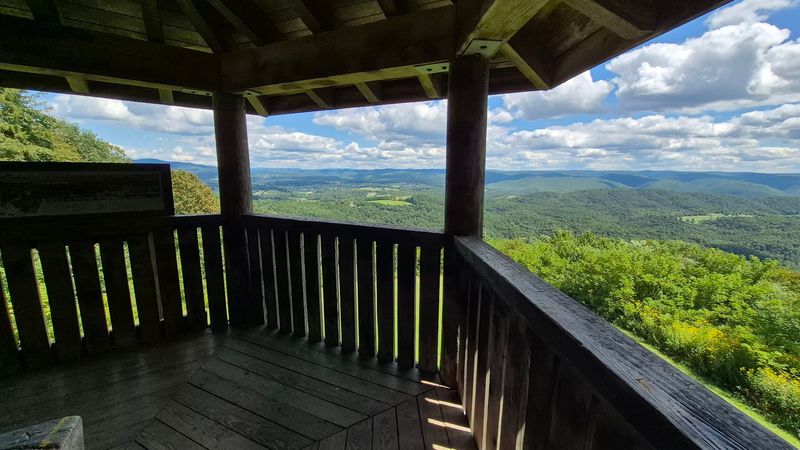
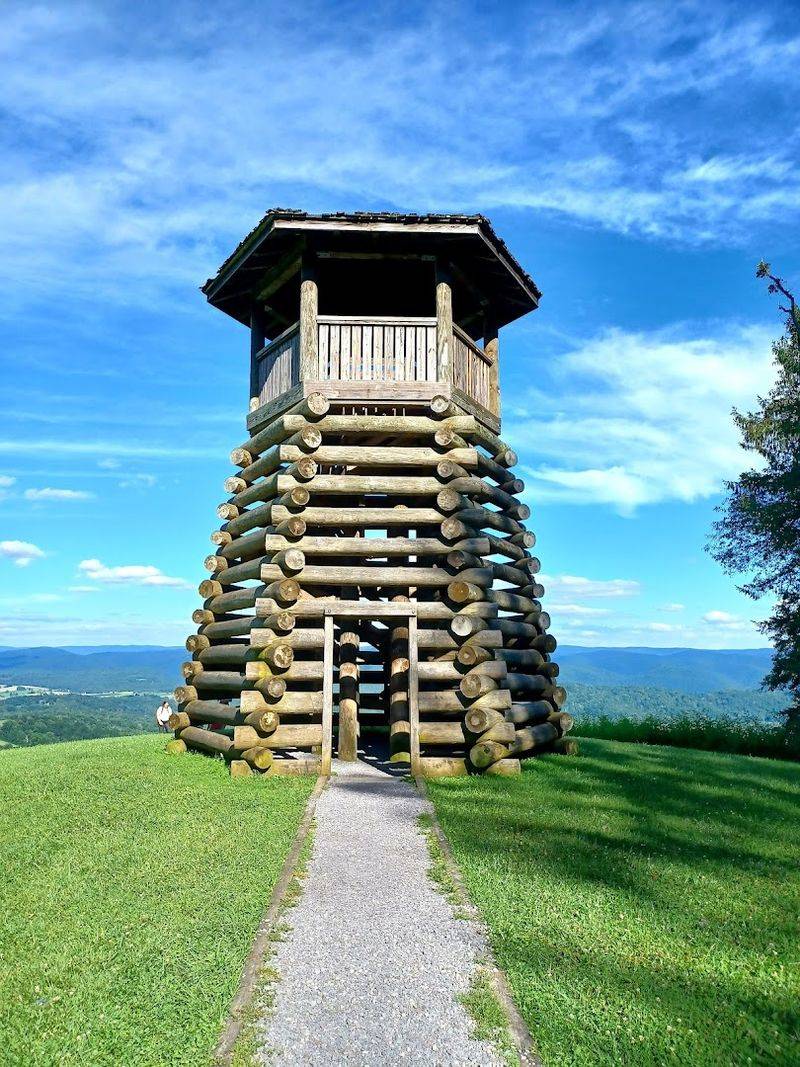
A visit to the iconic observation tower offers a truly spectacular vantage point, presenting a sweeping feast for the eyes across the Greenbrier River Valley and the surrounding Allegheny Mountains.
Climbing the tower, which was rebuilt by the Civilian Conservation Corps in the 1930s, provides not only an exhilarating experience but also a unique perspective on the battlefield below.
From this elevated position, the strategic layout of the land becomes clear, allowing for a deeper understanding of the 1863 conflict.
It’s an ideal spot to pause, perhaps with a warm drink or a small, energizing snack, and simply absorb the vast beauty that stretches endlessly before you.
The climb up the wooden stairs felt like ascending through time itself, each level revealing more of the stunning landscape. Once at the top, the 360-degree views took my breath away in a way that no photograph could ever capture.
The wind whispered through the structure, and I could see for miles in every direction, understanding immediately why this high ground was so strategically important during the battle.
Trails That Tell Tales
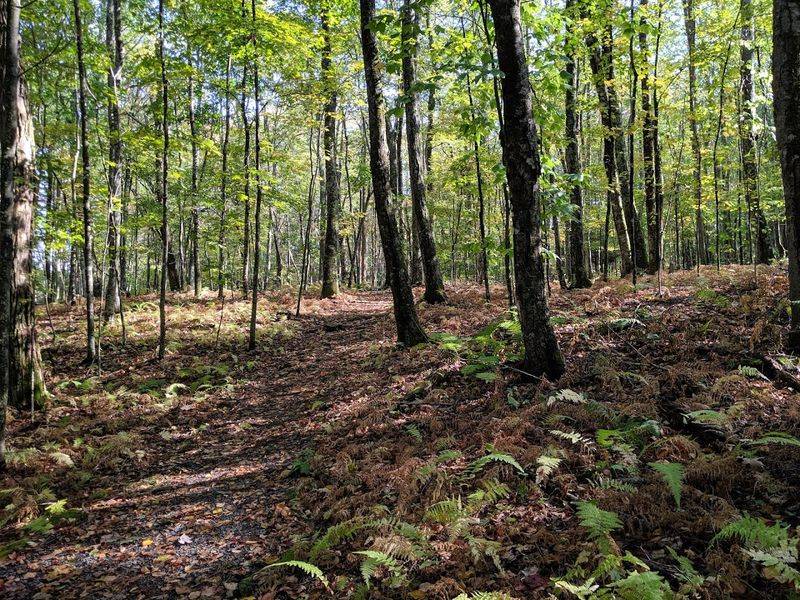
The park boasts miles of hiking trails, each offering a distinct experience and a chance to truly immerse oneself in the historical and natural landscape.
Trails like the Cranberry Bogs Trail, a popular half-mile path, wind through unique mountain bogs, showcasing interesting plants and wildlife.
The more rigorous Minie Ball Trail guides visitors through a ravine, tracing the path Union soldiers took to ascend the mountain during the battle. Even a modest stroll along the Overlook Trail or the Musket Trail can reveal Civil War trenches and offer stunning scenic views.
These pathways are perfect for working up an appetite, knowing that a well-deserved picnic awaits amidst the beauty.
I chose to tackle the Minie Ball Trail first, feeling the burn in my legs as I climbed the same steep terrain those soldiers once navigated under far more harrowing circumstances.
The Cranberry Bogs Trail provided a gentler contrast, with its boardwalk sections protecting the delicate ecosystem while allowing close observation of rare plants.
Each trail offered something different, from challenging terrain to peaceful nature walks, all woven together with historical significance.
Sustenance of the Civilian Conservation Corps Legacy
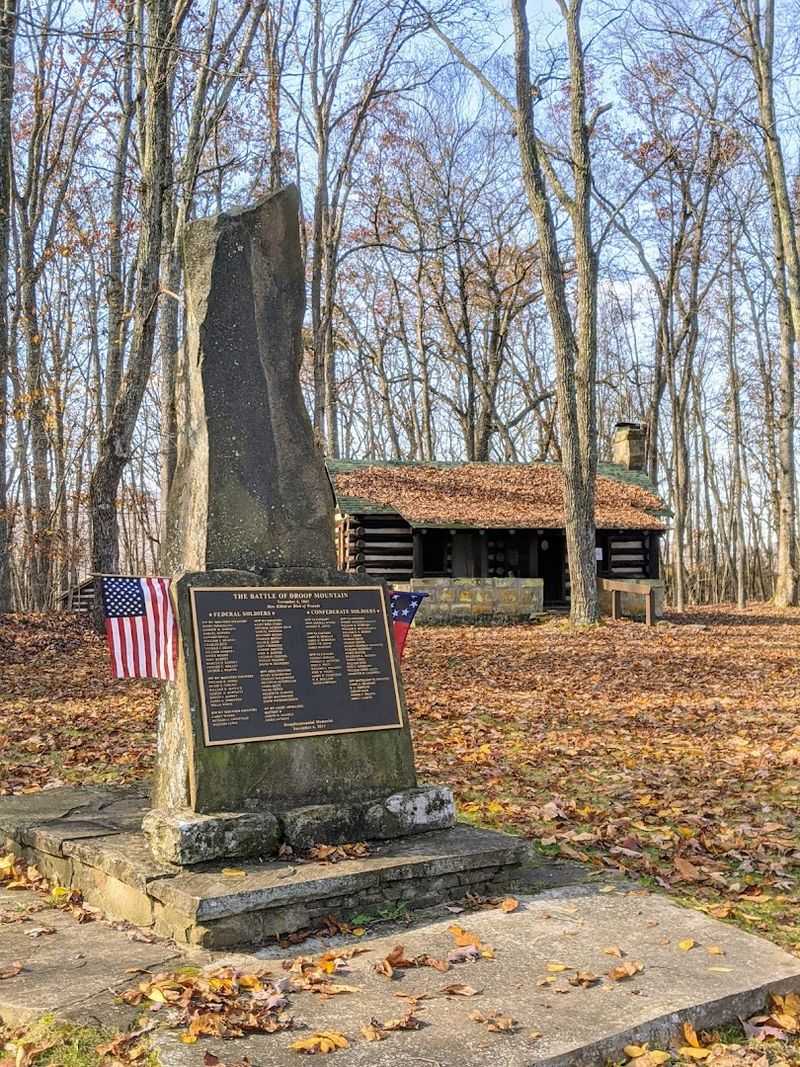
The Civilian Conservation Corps played a crucial role in shaping the park into what it is today, transforming the battlefield into an accessible historical and outdoor recreation area during the Great Depression.
These dedicated young men constructed many of the park’s foundational elements, including various buildings and the impressive lookout tower, often using salvaged timber.
Their legacy is evident in the robust trail system and the enduring structures that continue to serve visitors.
Pondering their hard work while enjoying a packed lunch in a picnic shelter adds another layer to the park experience, connecting the present moment of enjoyment with the historical efforts of those who built and preserved it.
The craftsmanship of these Depression-era workers is remarkable, with structures that have withstood decades of mountain weather and continue to function beautifully.
I found myself running my hands along the smooth log walls of one shelter, marveling at the skill and dedication that went into every detail.
These young men not only preserved a battlefield but created a lasting gift for generations of visitors to enjoy and learn from.
The Museum’s Historical Delicacies
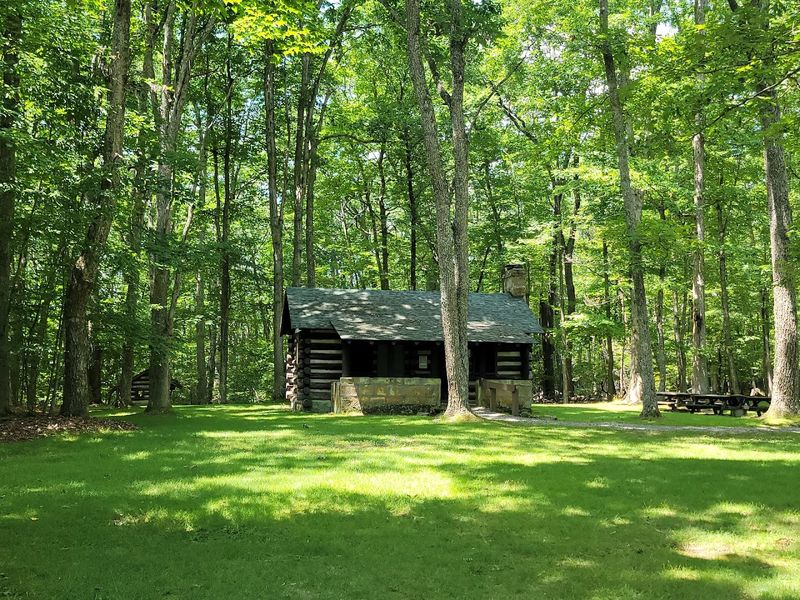
A small but compelling Civil War museum, housed in a refurbished early forest division cabin, offers a tangible connection to the past. Inside, visitors can explore a collection of artifacts from the Battle of Droop Mountain and the broader Civil War era in Pocahontas County.
The exhibits, which sometimes include Civil War rifles, bullets, cannon shells, and even a Confederate drum, provide a powerful narrative of the human experience during the conflict.
Taking a moment to appreciate these historical delicacies of information and tangible remnants before or after a meal at one of the picnic areas enriches the entire visit, adding depth to the natural beauty and outdoor activities.
Standing inches away from actual minié balls and personal items carried by soldiers made the history feel incredibly immediate and real.
The museum may be modest in size, but its impact is profound, with each artifact carefully preserved and displayed to tell its own story.
I spent far more time here than anticipated, reading every placard and studying every item, feeling the connection between these objects and the trails I’d just walked where they were originally lost or discarded.
A Haven for Starry Nights and Scenic Feasts

Beyond its daytime allure, Droop Mountain Battlefield State Park holds a special designation as one of West Virginia’s Dark Sky Parks, making it an extraordinary location for stargazing.
The absence of light pollution allows for an unparalleled view of the night sky, transforming a simple evening into a celestial spectacle.
While the park does not offer overnight lodging, imagining a late afternoon picnic that extends into twilight, perhaps with some thermos-borne warmth, to witness the Milky Way unfurl above a landscape steeped in history adds a magical dimension to the experience.
It is a reminder that the park’s gifts extend far beyond its historical significance, embracing the wonders of the natural world.
The thought of watching stars emerge over the same mountain where such a pivotal battle occurred creates a profound connection between earthly history and cosmic timelessness.
On a clear night, the darkness here is so complete that thousands of stars become visible, painting the sky in a way most people never get to experience.
The combination of historical reflection and astronomical wonder makes this park truly unique among battlefield sites.
The Lasting Taste of History
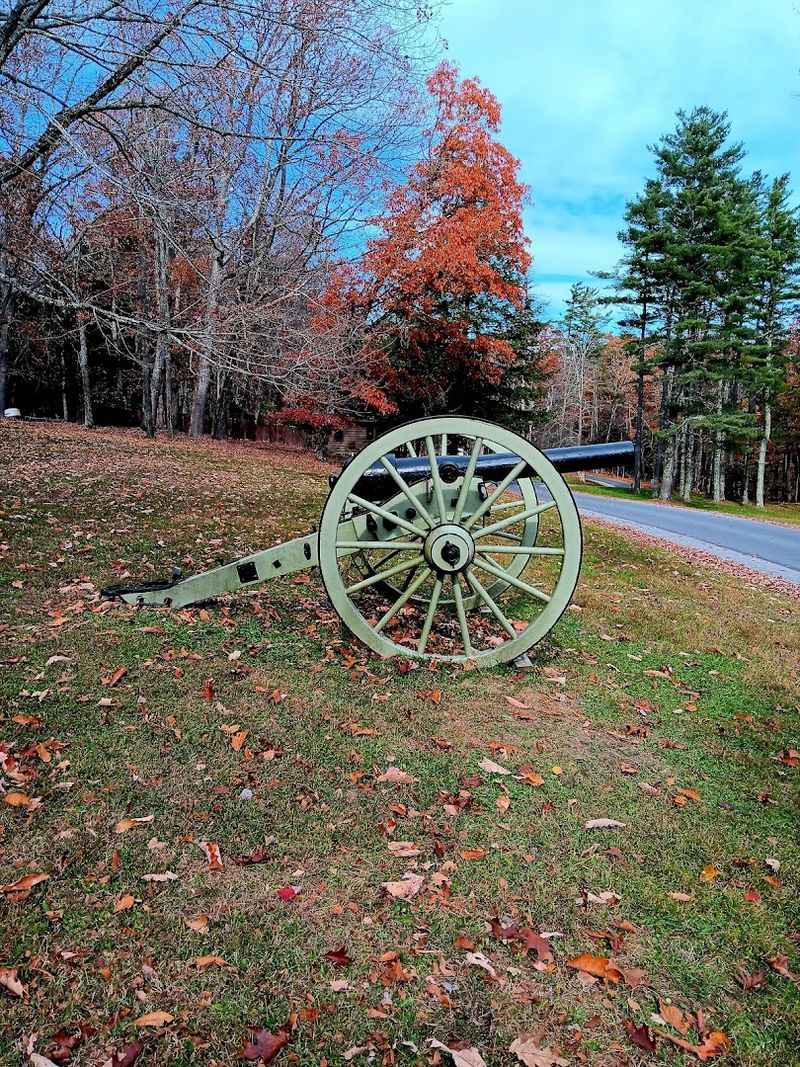
The sense of history here is palpable, a rich and enduring flavor that lingers long after a visit. As the site of West Virginia’s last significant Civil War battle, the park profoundly shaped the trajectory of the new state.
It’s recognized as part of the Civil War Discovery Trail, connecting visitors to a larger narrative of the conflict across sixteen states.
Experiencing the sheer scale of the landscape from the observation tower, walking the very ground where soldiers fought, and understanding the significance of this Union victory leaves an impression that is both humbling and inspiring.
The park ensures that the courage and sacrifice of those who fought here are never forgotten, making every visit a meaningful historical journey.
I left with a deeper appreciation not just for the battle itself, but for the people who fought it and those who have worked tirelessly to preserve this place.
The experience stays with you, enriching your understanding of American history and the complex birth of West Virginia as a state. History books tell the story, but standing on this mountain makes you feel it.
Planning Your Historical Expedition
This remarkable park offers an accessible and deeply enriching experience for anyone interested in American history, natural beauty, or simply a peaceful retreat into the West Virginia mountains.
Whether you come to explore the battlefields, hike the scenic trails, or simply enjoy a quiet meal amidst significant historical surroundings, the park provides an unforgettable outing.
Remember to pack a delicious spread for your picnic, allowing you to refuel and reflect while surrounded by the echoes of the past. The park welcomes visitors year-round, always ready to share its stories and its stunning vistas.
Planning ahead makes the experience even better, so bring layers for unpredictable mountain weather and comfortable shoes for exploring the trails.
The park is open twenty-four hours, giving you flexibility in when you visit, though the museum keeps more limited hours.
I recommend allowing at least half a day to truly appreciate everything this special place has to offer, from the museum to the trails to the tower.
Address: 683 Droop Park Road, Hillsboro, WV 24946
