In the late 1960s, a 14-year-old and his friend discovered a treasure trove of dinosaur tracks at a local quarry, uncovering over one thousand prints over several years.
When the site faced being turned into apartments, the teens did not just complain.
They made a cast of a footprint and shipped it straight to the President, asking for his support. It worked.
The most fossil-rich portion of the land was spared from bulldozers and preserved. A few years later, it became a National Natural Landmark.
That old quarry, now a quiet park, owes its existence to the boldness of two young boys who refused to let history be paved over.
New Jersey sure knows how to save a story.
The Quarry That Started It All
Back in 1968, a working stone quarry in Roseland, New Jersey, turned into something nobody expected. Workers uncovering rock revealed something far older than anyone had bargained for: dinosaur tracks pressed into ancient stone.
The 55-acre Roseland Quarry, owned by the Kidde company, suddenly had a secret that predated human history by hundreds of millions of years.
The geological formations here are part of the Early Jurassic Towaco Formation. Layers of red sedimentary beds and dark basalt tell a story that goes back to the Late Triassic and Early Jurassic periods.
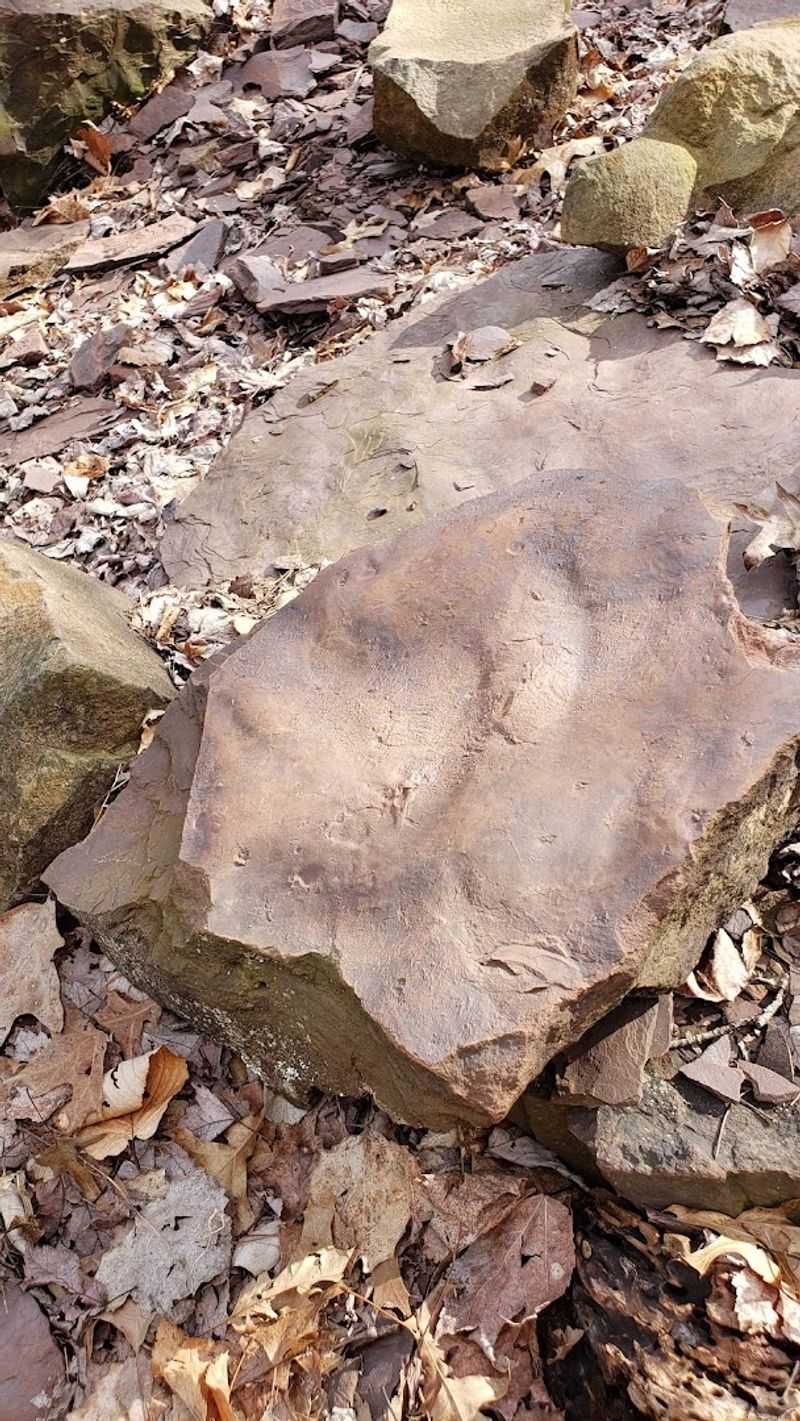
Ripple marks and mud cracks are still visible in the rock, frozen in time like a prehistoric photograph.
That original discovery set off a chain of events nobody could have predicted. A quarry meant for industrial stone cutting became one of the most important paleontological sites in the entire United States.
The rocks here hold more than just footprints. They hold a window into a world that existed long before humans ever walked the earth.
Two Teenagers Who Changed History
Most teenagers in 1968 were focused on school, music, and weekend plans. Paul E.
Olsen, a 14-year-old from Livingston, had different priorities. After hearing about the dinosaur track discovery at the nearby quarry, he and his friend Tony Lessa started visiting the site regularly, armed with curiosity and a lot of determination.
Over several years of dedicated exploration, the two uncovered more than a thousand tracks. These belonged to dinosaurs, other animals, and even insects, all dating back to the Late Triassic and Early Jurassic periods.
That kind of discovery would impress any professional paleontologist, let alone two kids doing it on their own time.
What makes their story remarkable is not just what they found, but what they did next. When the site faced threats from development and unauthorized fossil removal, they refused to stay quiet.
Their passion for the site pushed them toward one of the boldest preservation moves in New Jersey history. Two teenagers decided to take their fight all the way to the top.
The Presidential Footprint Plan
When the future of the quarry looked grim, Paul Olsen and Tony Lessa came up with a plan that was equal parts creative and audacious. They made a cast of an Eubrontes giganteus dinosaur footprint, one of the most prominent tracks at the site, and mailed it directly to President Richard Nixon.
That is not a move most adults would think to try, let alone teenagers.
Paul also launched a letter-writing campaign, reaching out to local officials and national authorities to draw attention to the site. The combination of the physical cast and the persistent outreach created real momentum.
It was grassroots advocacy before that term was even widely used.
The gamble paid off. The effort caught enough attention to trigger action at the government level.
Paul received a commendation from President Nixon himself and was featured in Life magazine in December 1970. A teenager mailing a dinosaur footprint to the White House turned into one of the most effective conservation stories New Jersey has ever seen.
Sometimes the boldest ideas are the ones that actually work.
A National Natural Landmark Is Born
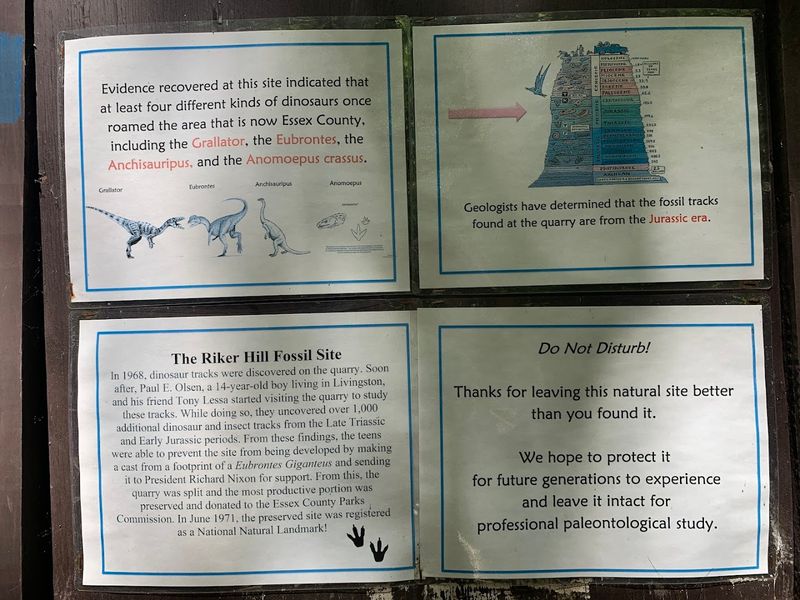
In June 1971, Riker Hill Fossil Site was officially designated a National Natural Landmark. That designation was not handed out casually.
It recognized the site as one of the premier locations in the entire United States for the preservation of dinosaur tracks. For a former industrial quarry, that is a remarkable transformation.
The most fossil-rich section of the original 55-acre Roseland Quarry was preserved and donated to the Essex County Park Commission. It was then named after Walter Kidde, honoring the company that had originally owned the land.
The remaining portion of the quarry was eventually developed into the Nob Hill apartments, making the preserved section even more valuable by contrast.
Getting a site onto the National Natural Landmarks list means it holds exceptional scientific and educational value. The designation helped protect Riker Hill from the kind of development and disturbance that had already threatened it.
Knowing that a teenager’s letter-writing campaign and one mailed dinosaur footprint helped make that happen gives the whole landmark a story unlike any other in American conservation history.
What the Rocks Actually Show
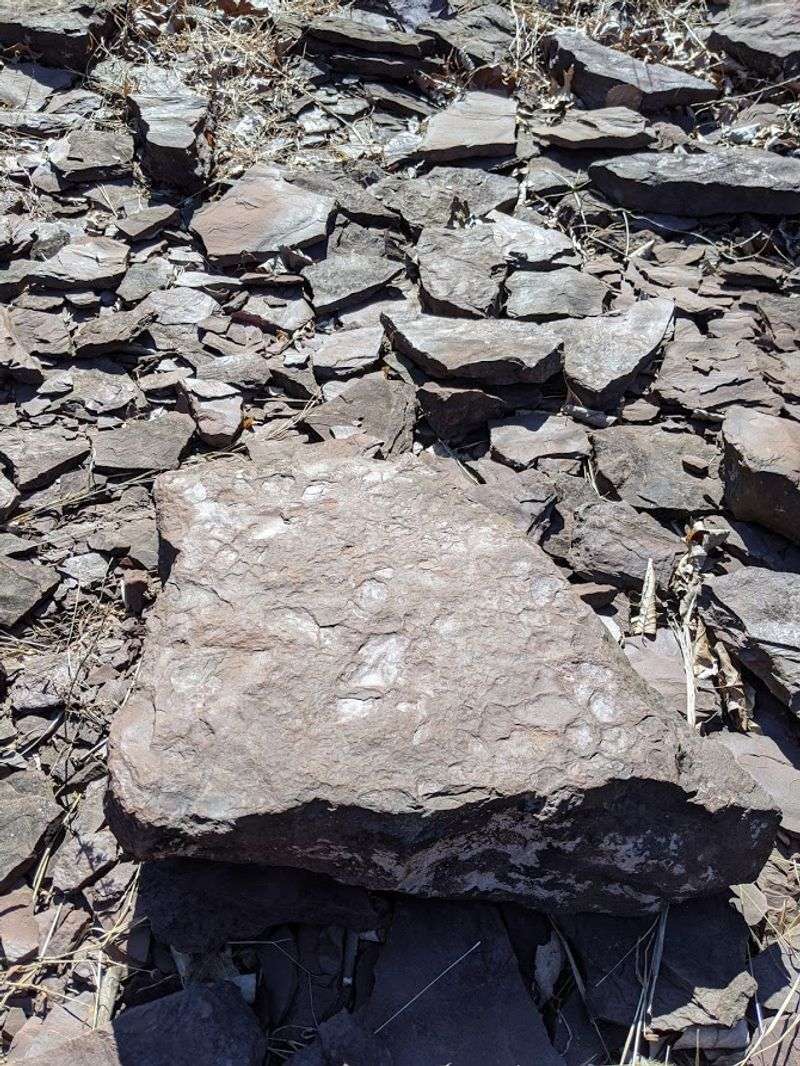
Walking through Riker Hill, the rocks themselves do most of the talking. The site sits within the Early Jurassic Towaco Formation, a geological layer made up of red sedimentary beds and basalt.
These are not just pretty colored stones. They are pages from a book written over 200 million years ago.
The tracks preserved here span an impressive range of ancient life. Dinosaur footprints are the main attraction, but the site also holds tracks from other animals and insects that shared this prehistoric landscape.
Ripple marks left by ancient water movement and mud cracks from dried-out shorelines are still visible across the rock surfaces.
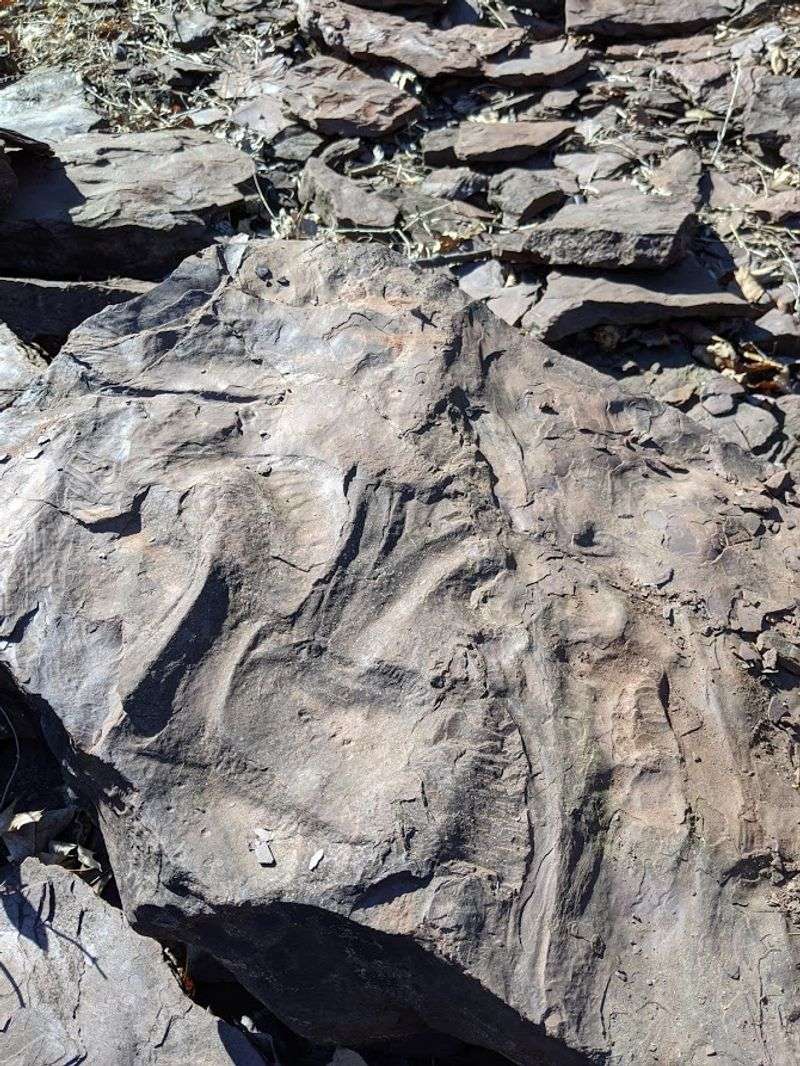
Eubrontes giganteus is among the most significant track types found here. These large, three-toed impressions give a clear sense of the size and movement of the creatures that once walked this ground.
Seeing those shapes pressed into solid stone is genuinely striking. It is the kind of thing that makes the deep past feel suddenly, almost uncomfortably, close.
The rocks are not just geology. They are a record of life that existed long before anything resembling a human being ever appeared.
Paul Olsen’s Path From Quarry to Columbia University
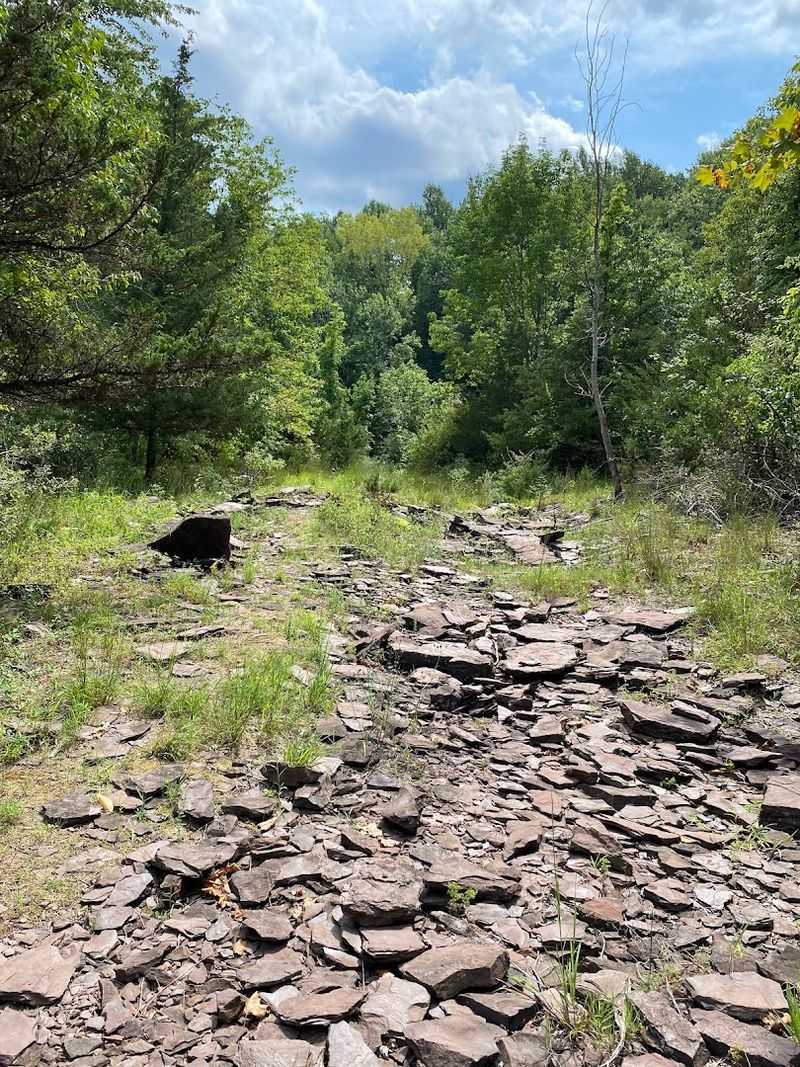
Not every kid who loves dinosaurs ends up becoming a world-renowned paleontologist, but Paul Olsen did exactly that. The same teenager who explored a New Jersey quarry and mailed a dinosaur footprint to the President went on to build a distinguished career in paleontology.
He eventually became a professor at Columbia University, one of the most respected academic institutions in the country.
His early work at Riker Hill was not just a hobby. It was the foundation of a scientific career that spanned decades.
The tracks he identified and documented as a teenager contributed meaningfully to the understanding of Late Triassic and Early Jurassic life. That kind of early hands-on experience is rare and clearly formative.
His story adds a layer to visiting Riker Hill that goes beyond just looking at old rocks.
Knowing that a kid from Livingston spent his afternoons here, carefully studying what he found, and then spent the rest of his life doing exactly that professionally, makes the site feel connected to something larger.
It is a reminder that curiosity, when taken seriously, can go very far.
Visiting the Site Today
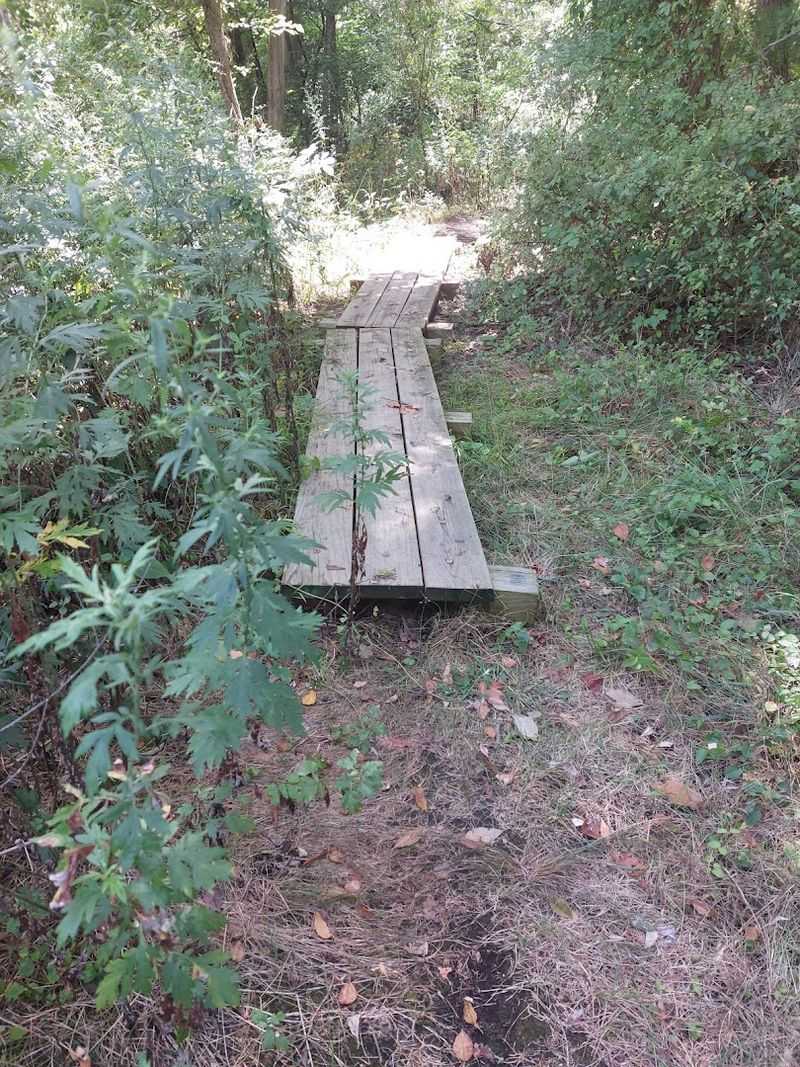
Riker Hill Fossil Site is open to the public, and there is no admission fee to visit. That accessibility makes it a genuinely welcoming destination for anyone curious about prehistoric life without the cost of a museum ticket.
The site is part of the larger Riker Hill Complex, which includes Riker Hill Art Park and Becker Park nearby.
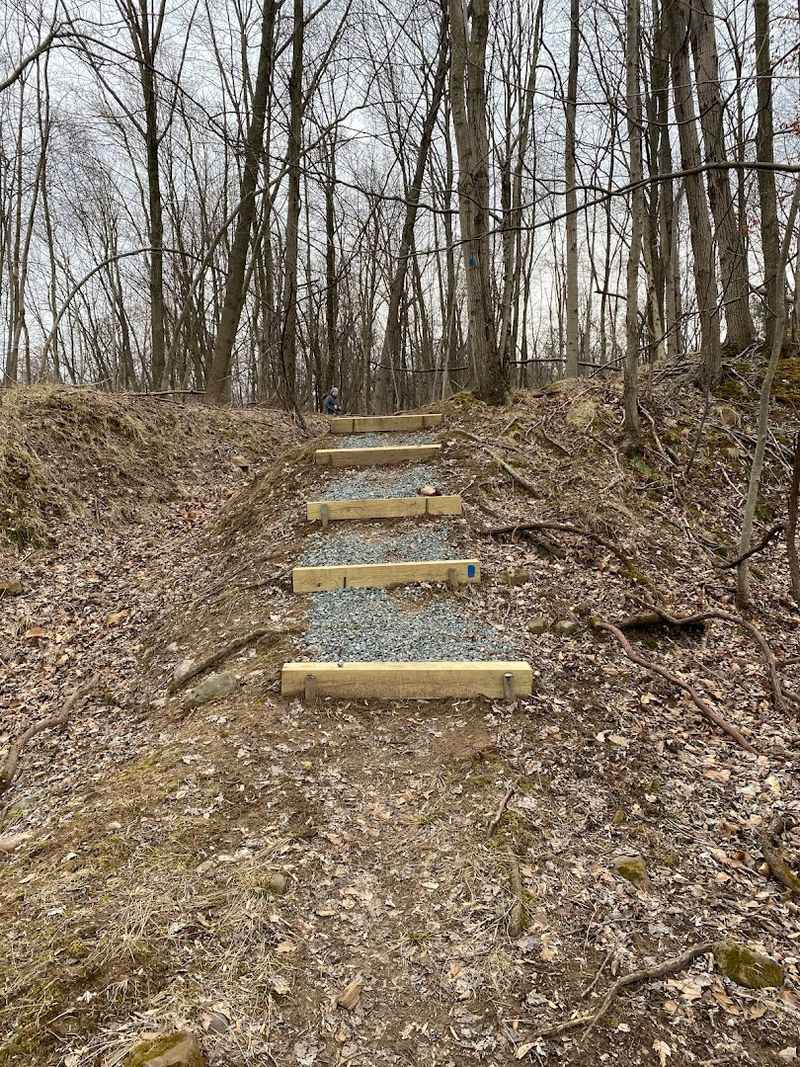
Getting there takes a little planning. Google Maps directions have caused confusion for visitors in the past, so checking the Essex County Park Commission website or looking for the trail entrance near Becker Park on Locust Ave in Roseland is a smarter move.
The trail from that entrance follows blue blazes and covers less than a mile to reach the fossil area.
Comfortable walking shoes are strongly recommended because the terrain is rocky and uneven in places. There are no restrooms directly on-site, so coming prepared matters.
The site is not currently wheelchair accessible.
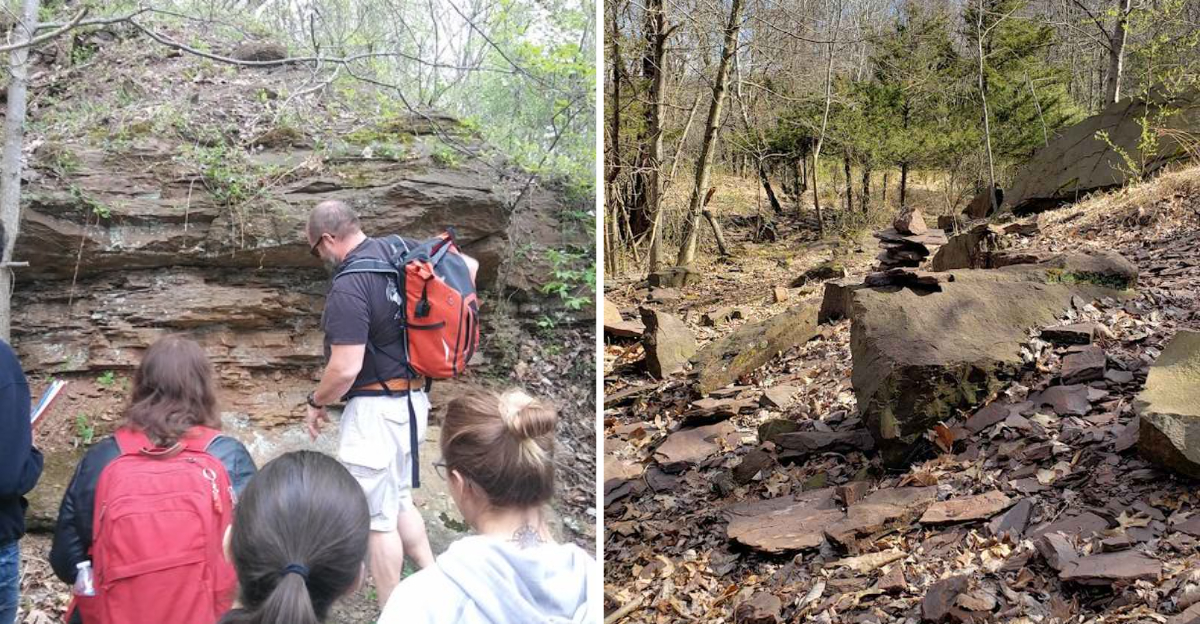
Going with a guided tour is a great way to actually find and understand what you are looking at once you arrive.
The Geology That Makes This Place Unique
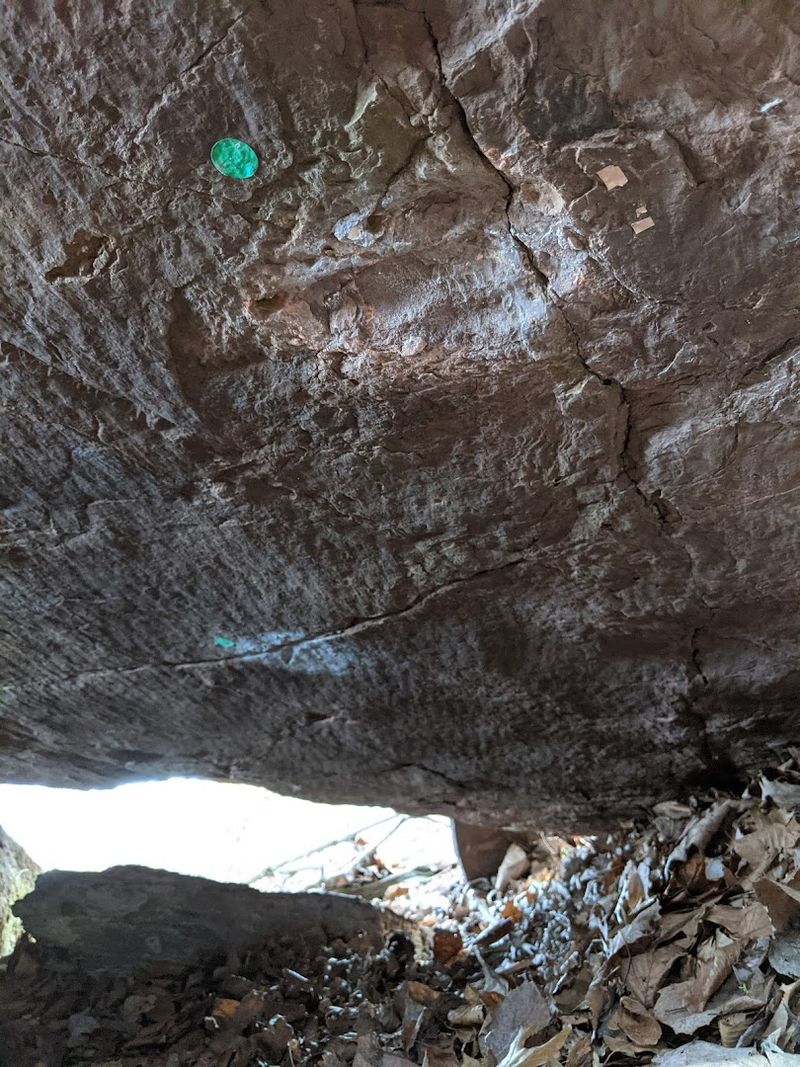
Few hiking destinations in New Jersey offer a geology lesson quite like this one. The rock formations at Riker Hill are part of the Early Jurassic Towaco Formation, a sequence of sedimentary red beds and basalt that formed during a period of intense geological activity.
These layers were deposited in ancient lake and river environments that no longer exist anywhere on earth.
The red coloring of the sedimentary rock comes from iron oxide, essentially rust baked into stone over millions of years. Basalt layers interspersed throughout the formation record ancient volcanic activity that shaped the landscape long before the Atlantic Ocean existed in its current form.
Walking across these surfaces feels like stepping through chapters of earth history.
Ripple marks frozen into the rock show where shallow water once moved across ancient mudflats. Mud cracks record moments when those same surfaces dried out under a prehistoric sun.
These sedimentary structures are scientifically valuable on their own, separate from the dinosaur tracks. Together, they make Riker Hill one of the most geologically rich publicly accessible sites in the entire northeastern United States.
Why Fossil Preservation Here Matters
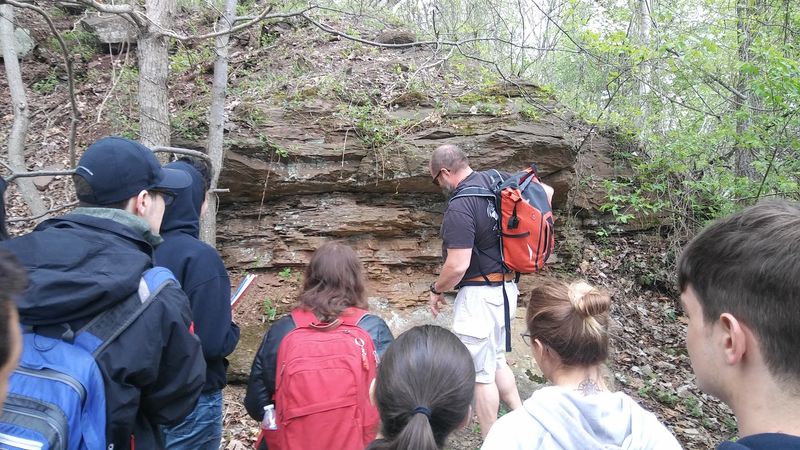
Riker Hill holds more than a thousand documented tracks from the Late Triassic and Early Jurassic periods. That density of preserved evidence in a single location is genuinely rare.
Sites like this one help scientists piece together what ancient ecosystems looked like, how animals moved, and how life evolved through major geological transitions.
Fossil collection at the site is now restricted. That shift happened because open access led to removal of irreplaceable material over the years.
What remains is protected as part of the National Natural Landmark designation, and keeping it intact is essential for ongoing scientific study. Every track that stays in place contributes to a bigger picture that removal permanently erases.
The story of how this site was saved in the first place makes the preservation stakes feel even more personal. If two teenagers had not acted when they did, the most fossil-rich section of the quarry might have been developed into apartments alongside the Nob Hill complex.
The fact that it was saved by a letter-writing campaign and a mailed footprint is both inspiring and a little humbling. Some things are worth fighting for loudly.
A Hidden Gem Worth Every Step
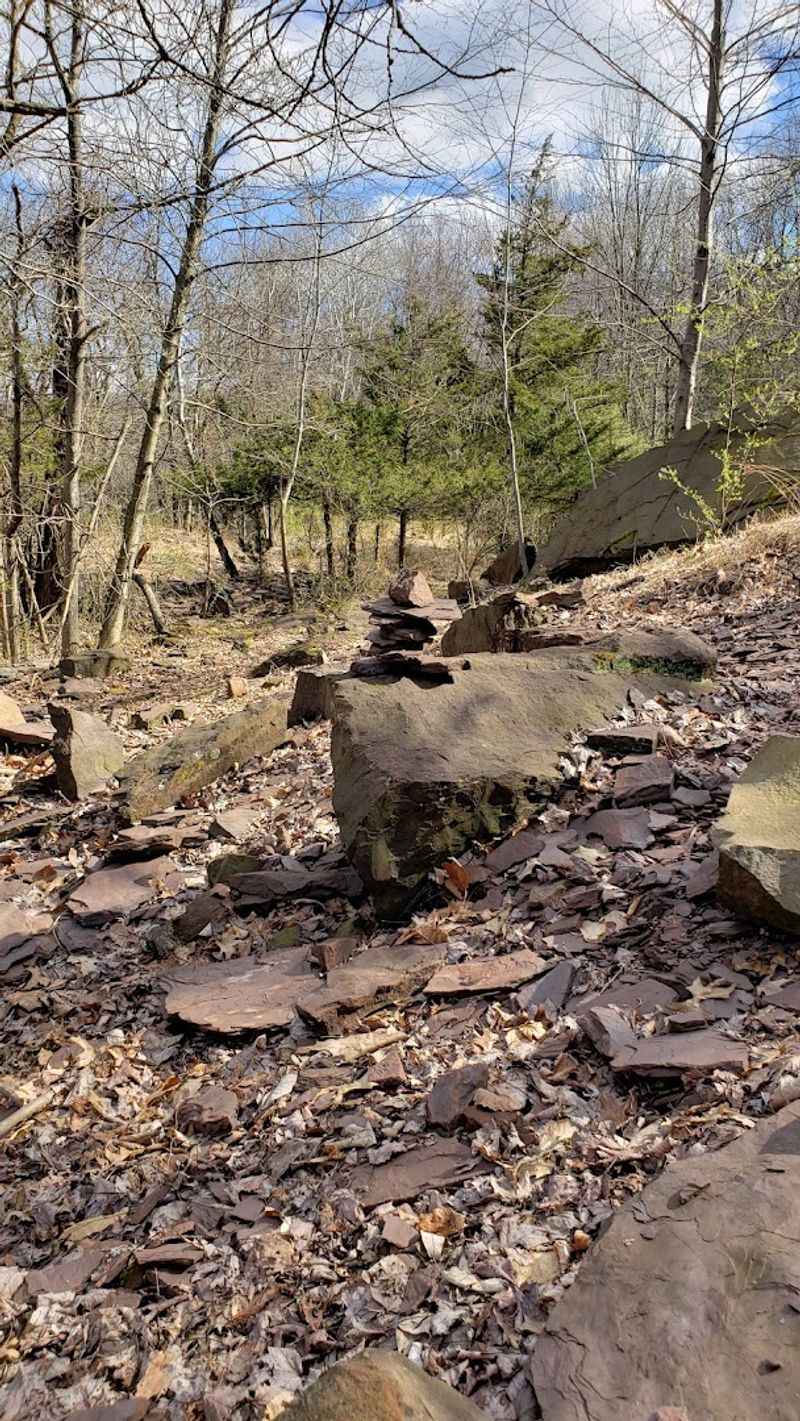
Riker Hill Fossil Site does not advertise itself with flashy signage or a packed parking lot. Finding it requires a bit of research and a willingness to follow blue trail blazes through uneven terrain.
That slight effort is part of what makes arriving there feel like a genuine discovery rather than a tourist stop.
The hike itself is short, under a mile from the Becker Park entrance, and takes roughly 30 minutes at an easy pace. Along the way, geological strata at varying elevations give the trail a visual richness that goes beyond just reaching the fossil area.
The exposed rock surfaces, ancient ripple marks, and visible track impressions reward anyone who takes the time to look carefully.
Free to visit, steeped in a conservation story that involves teenagers and presidential mail, and sitting on top of hundreds of millions of years of earth history, Riker Hill is the kind of place that sticks with you. It is a small site with an outsized story.
Bringing kids here, especially ones who love science, might just spark the same kind of curiosity that sent Paul Olsen on a lifelong career in paleontology.
Address: Sunshine Ln, Livingston, NJ
