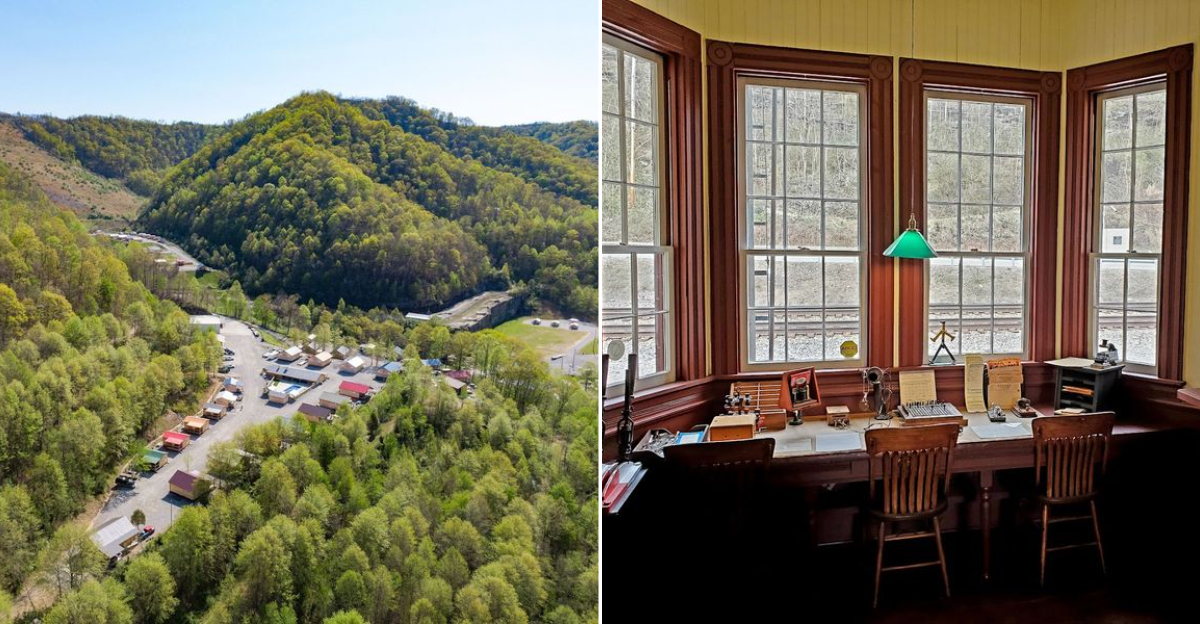
Matewan is not just a town; it is a defiant scar on the map where American workers finally drew a line in the dust. The infamous shootout on Main Street in 1920 might have ended in tragedy, but it sparked a fire that helped reshape labor laws across the nation.
Today, you can walk those same quiet sidewalks and find bullet holes still visible in the old brick walls. A modest museum preserves the stories of courage and unity from those who risked everything just for safer conditions.
This historic community embodies the very roots of Appalachian and American resilience. It survived economic devastation and refused to let hardship wash away its identity.
You will feel a palpable sense of pride as you explore the restored storefronts and hallowed ground. West Virginia holds many secrets, but this town’s fighting spirit is one of its most powerful.
Historic Matewan Depot And Visitors Center
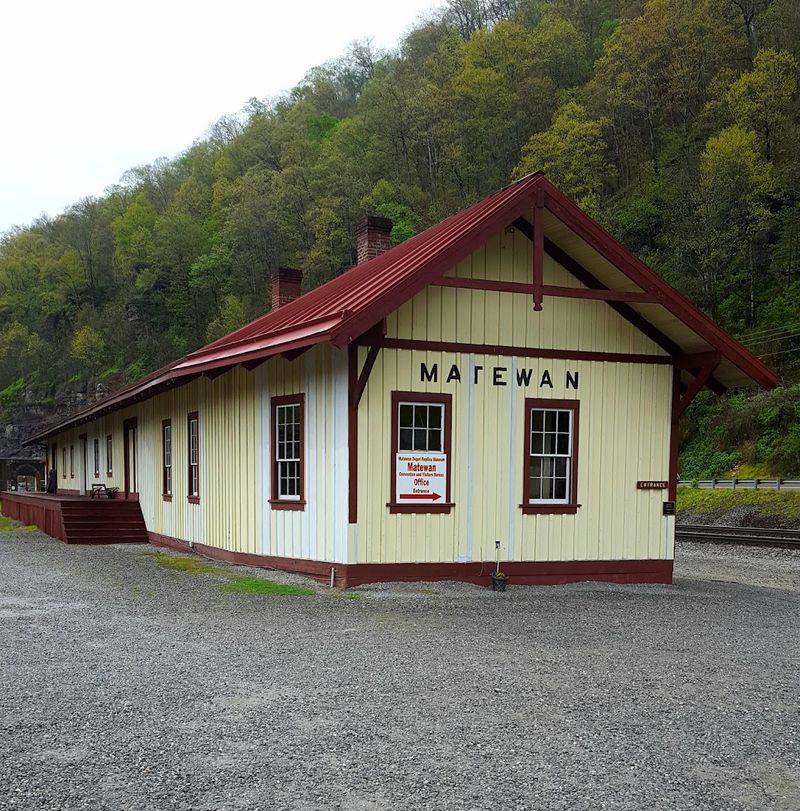
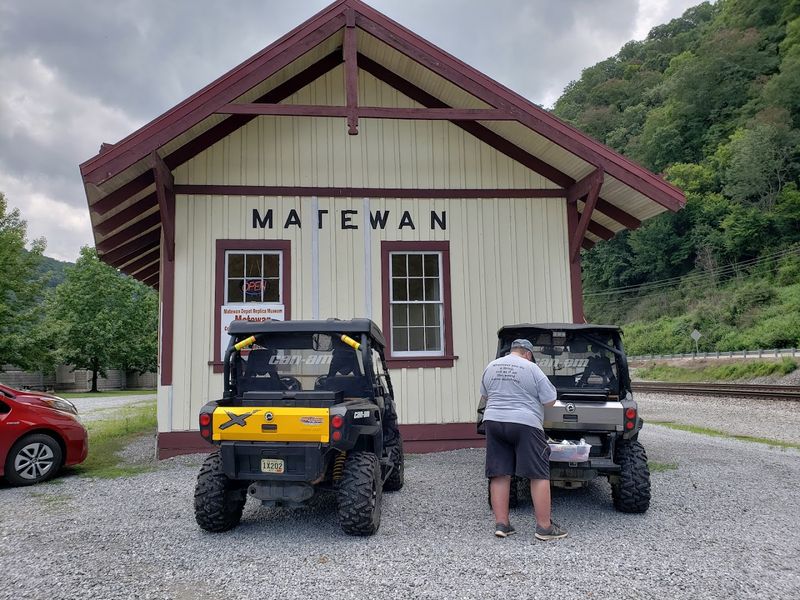
The first thing I would tell you to do is start at the depot, because it gives the whole town a shape that makes sense once you step inside. You are not just looking at a railroad building here, you are stepping into the rhythm that helped make Matewan matter.
The setting feels modest, but that is part of the point, since places like this carried workers, families, news, and pressure through the hills of West Virginia.
What I like most is how the depot immediately slows you down and puts you in listening mode. You start noticing the tracks, the street grid, the river nearby, and the way transportation and labor were tied together so tightly that one story never really exists without the other.
That connection gives the town its backbone, and it also helps you understand why conflict here never felt abstract.
From this stop, the rest of Matewan opens up in a way that feels personal rather than staged. You can look around, get your bearings, and begin the day with something grounded and real instead of rushing straight to the biggest headline.
It is a calm beginning, which somehow makes the harder history hit even more honestly when you encounter it later.
West Virginia Mine Wars Museum
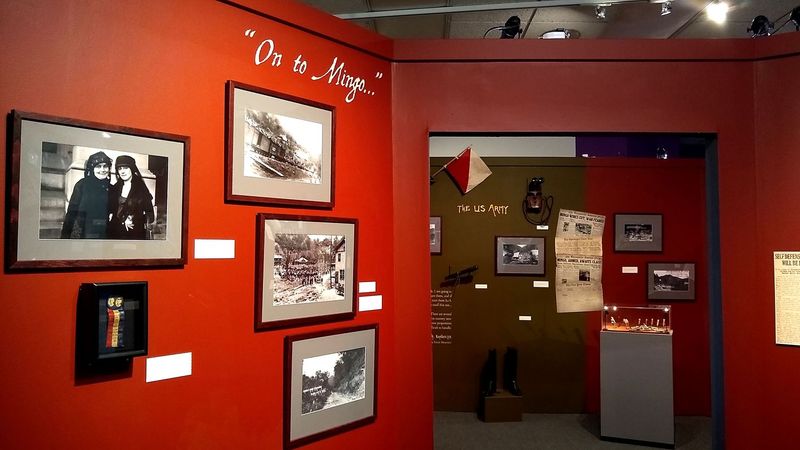
If you only have time for one museum in town, make it this one, because it does not talk down to you or clean up the story. The West Virginia Mine Wars Museum feels direct, thoughtful, and deeply human, which is exactly what this subject needs.
You walk in expecting labor history, and then very quickly you realize you are really walking into questions about dignity, power, family, and survival.
The exhibits carry that weight without ever feeling stiff, and I appreciated how much room there was for ordinary voices. Instead of pushing you toward some neat conclusion, the museum lets the messiness stay visible, which honestly makes the courage here easier to understand.
Miners, organizers, local families, and officials all come into view as people living through pressure, not names trapped in a textbook.
What stayed with me was how present everything felt, even after I stepped back outside onto the street. The museum connects the past to the town around it so naturally that Matewan itself starts feeling like an extension of the exhibit.
By the time you leave, you are not carrying trivia with you, you are carrying the emotional weather of the place.
Mate Street And The Bullet Scarred Brickwork
Here is where the story stops being distant and gets uncomfortably real, because you can still see physical traces of violence in the downtown brick. Standing on Mate Street, you do not have to imagine everything from scratch, and that changes the emotional temperature fast.
The walls carry memory in a way that feels plainspoken, almost matter of fact, which honestly makes it hit harder.
I think this is one of the most affecting parts of Matewan because the evidence is not hidden behind glass. You are outdoors, hearing the town around you, and then you notice marks that connect directly to the conflict people usually summarize in a sentence.
That closeness reminds you that labor history was lived in bodies, businesses, streets, and ordinary afternoons that turned into something nobody could walk back.
What I appreciated is that the town does not overperform this part of its past. The brickwork is there, the context is there, and you are trusted to stand still and absorb it.
In West Virginia, where industrial history can sometimes get flattened into myth, Matewan keeps the texture rough enough for you to feel the human cost without any extra polishing.
The Tug Fork Riverfront
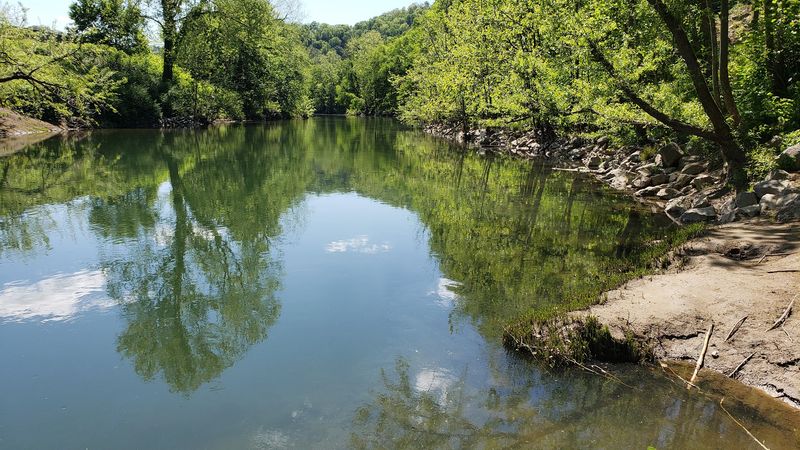
After the heavier parts of town, the river gives you a moment to breathe, and I really think you need that. The Tug Fork moves past Matewan with a calmness that feels almost strange once you know how much struggle this place has absorbed.
It is one of those views that steadies you without asking for attention, and that makes it easy to linger longer than you planned.
What gets me here is the contrast between the softness of the water and the hardness of the history nearby. Towns along rivers know all about connection and risk, and Matewan has lived with both in a very real way.
The river is beautiful, yes, but it also reminds you that resilience in Appalachia often means learning how to stay rooted beside forces larger than yourself.
If you stand here for a bit, the town starts to feel less like a single event and more like an ongoing relationship between people and place. That matters, because resilience is never only about conflict.
Sometimes it is about staying, rebuilding, remembering, and waking up beside the same river in West Virginia after one more season has tested you.
The Railroad Through Downtown
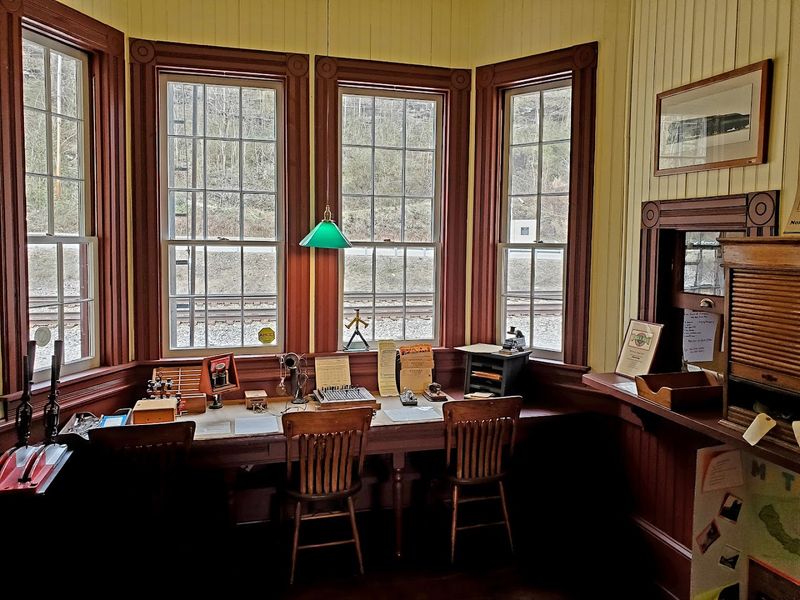
You cannot spend much time in Matewan without feeling the presence of the railroad, and honestly, that is exactly how it should be. The tracks running through downtown are not background scenery, because they are tied to the economic life that shaped everything else.
Once you notice them, the town starts reading differently, almost like the map suddenly comes with subtitles.
I kept thinking about movement here, about coal moving out, about workers moving in and out, and about information traveling along the same channels. Rail lines brought opportunity, pressure, dependence, and surveillance all at once, which is a complicated mix that this town knows better than most.
Looking at the tracks now, you get a physical reminder that industry was never some faraway system imposed on Matewan from nowhere.
The railroad also gives the town a certain visual tension that I found compelling, because it cuts through daily life so directly. Stores, streets, and public memory all seem to lean toward it in one way or another.
In a lot of places, tracks feel abandoned by the story around them, but in Matewan they still feel stitched into the town’s identity.
Restored Storefronts Along Main Street
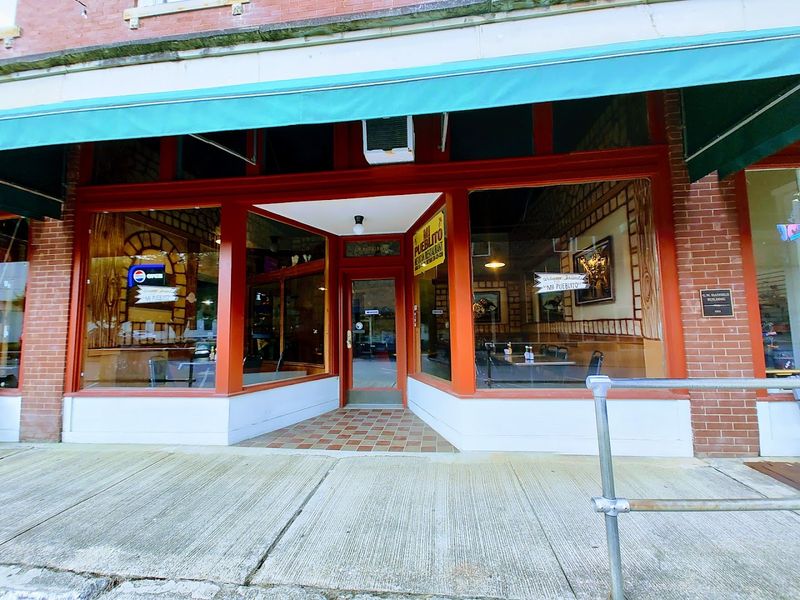
One of the most quietly moving things in Matewan is simply seeing that Main Street is still being cared for. I do not mean polished into something artificial, but maintained with the kind of attention that says the town still belongs to the people who live with it every day.
That care matters here because decline would have been the easier story for outsiders to expect.
As you walk past restored storefronts, you can feel the difference between preservation as performance and preservation as attachment. These buildings are not being asked to pretend the hard years never happened, and that honesty gives them more character.
They feel like places that have absorbed setbacks, adapted, and stayed useful to the community rather than retreating into nostalgia.
I found this stretch especially helpful for understanding resilience in ordinary terms. Not every act of endurance looks dramatic, and sometimes it looks like repainting, repairing, reopening, and refusing to let a familiar block disappear.
In Matewan, those choices carry extra emotional force because the town has already survived so many pressures, and yet its center still feels recognizably itself when you stand there.
The Hills Holding The Town
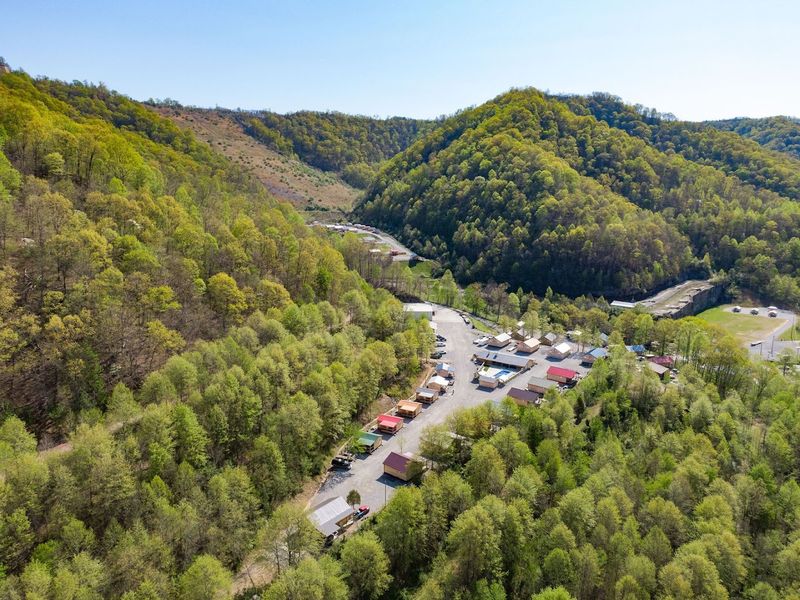
Before you leave, take a minute to look up at the hills, because they do a lot of quiet storytelling on their own. They hold Matewan in close, and that closeness helps explain why the town feels so intimate, so exposed, and so memorable once you have walked through it.
The landscape is beautiful, but it also carries the pressure of a place where work, family, and conflict were never far apart.
I think ending with the hills brings the whole visit together in a way a single building cannot. You remember the depot, the museum, the brick walls, the river, and the tracks, and then the mountains gather all of it into one frame.
It becomes easier to understand resilience as something rooted not only in people, but also in the demanding geography they learned to live within.
That final view stayed with me longer than I expected, maybe because it makes Matewan feel both small and deeply significant at the same time. This West Virginia town has been tested by violence, economic hardship, and flood damage, yet it still carries itself with real steadiness.
When you leave, the place does not feel finished with you, and honestly, I think that is the mark of somewhere worth knowing.
