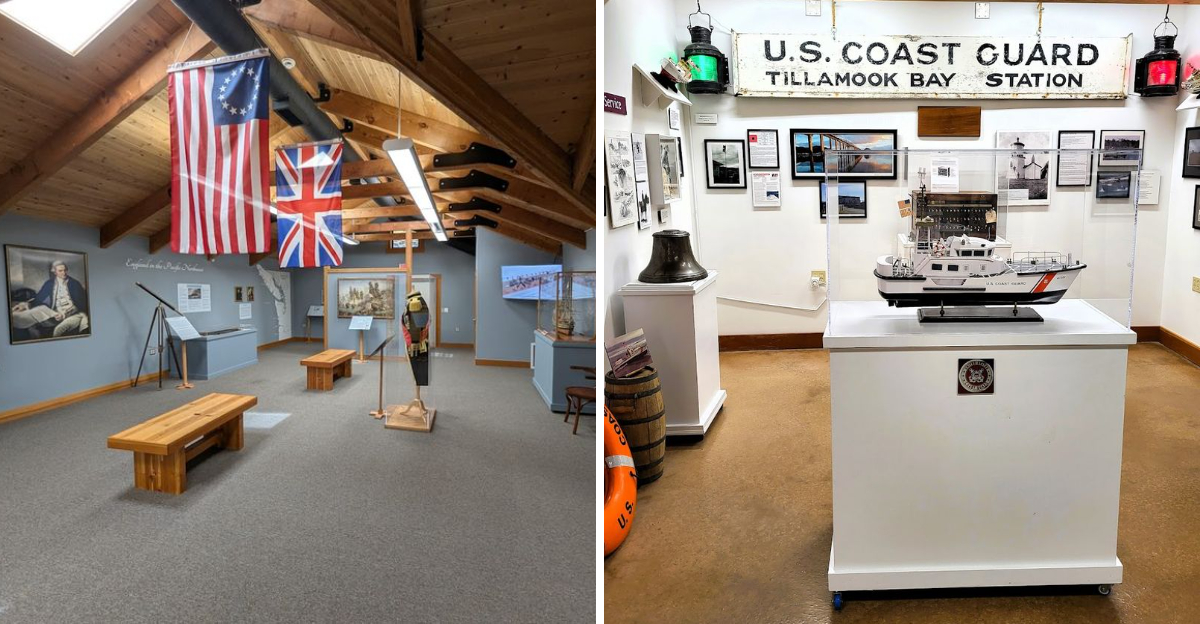
Highway 101 winds along the Oregon coast with stunning ocean views at every turn, but one unassuming building holds something even more valuable than the scenery. A piece of 18th century maritime history, preserved carefully inside a small museum that most travelers drive right past without noticing.
The building itself used to be a railroad depot, but now it houses artifacts from the tall ships that once sailed these waters. You can run your fingers over a replica of the Lady Washington, the first American vessel to reach the Pacific Northwest coast.
Ship logs, navigation tools, and personal items from sailors fill the display cases, each one telling a small piece of a much larger story. Volunteers who know the material inside out lead the tours, answering questions with genuine excitement rather than memorized scripts.
Kids love the hands on exhibits where they can try tying knots or ringing a real ship’s bell. Oregon has plenty of coastal attractions focused on whales and lighthouses, but this museum dives deeper into the human side of maritime history.
You will walk out with a new appreciation for the sailors who explored these waters long before highways existed. Save an hour for this stop, maybe two if you read every plaque.
Captain Robert Gray and the Spirit of Early Exploration
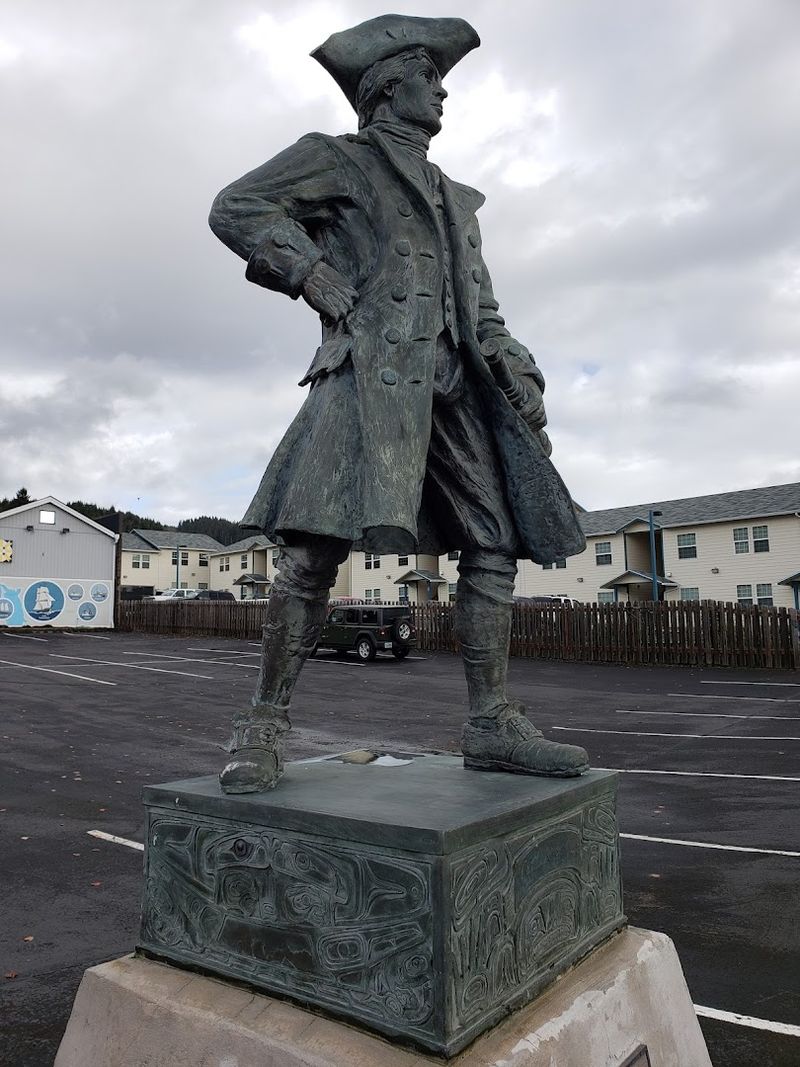
A striking bronze statue of Captain Robert Gray greets you right at the street entrance. It sets the tone before you even walk inside. That first impression is hard to shake.
Robert Gray was an American sea captain who made two major voyages to the Pacific Northwest in the late 1700s. His second voyage led to the discovery and naming of the Columbia River.
That single event changed the course of American history in the region.
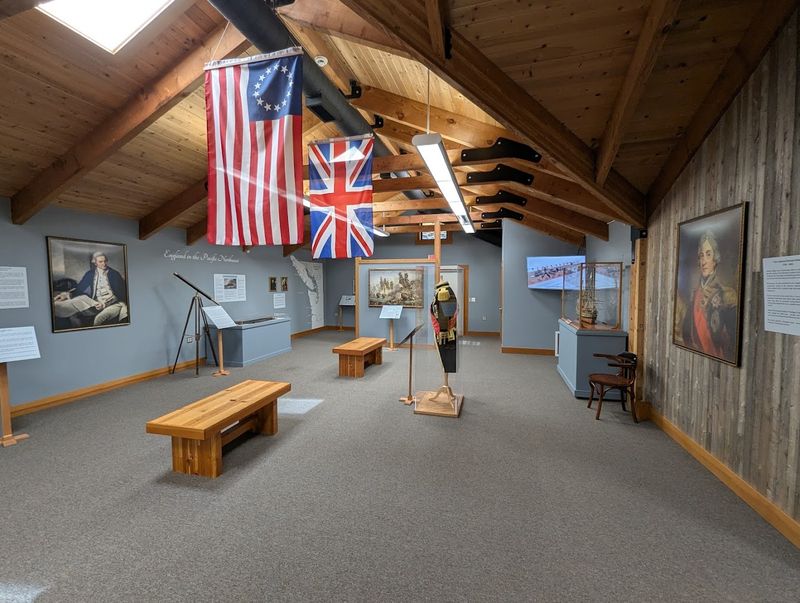
The museum dedicates a generous amount of space to his journeys. Detailed maps, ship replicas, and descriptive panels bring his story to life in a way that feels personal.
You get a real sense of what sailing those waters must have felt like.
Gray’s expeditions also involved trading furs with coastal Native American tribes. The museum captures that cultural exchange with care and context.
It is a layered, thoughtful look at a man whose name appears on bridges and rivers across the Pacific Northwest.
Ship Models That Tell Stories of Pacific Voyages
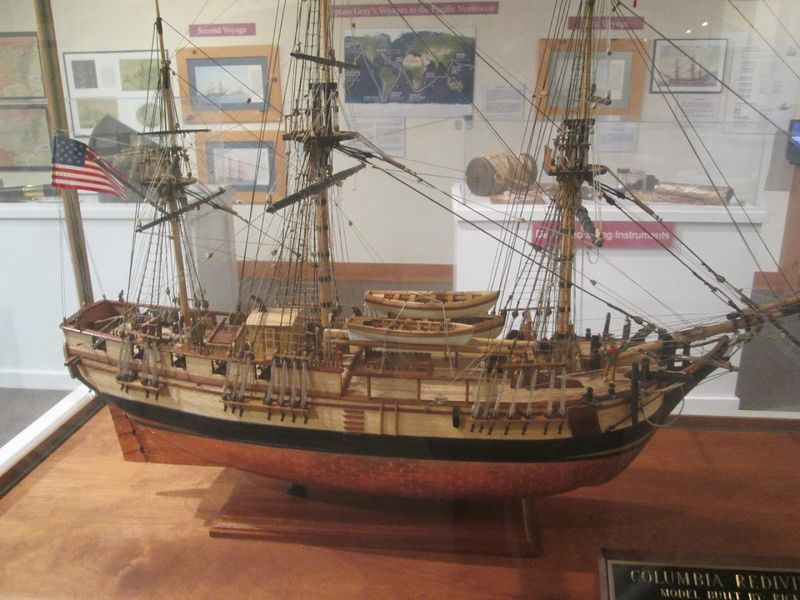
Walking past the ship models at the Garibaldi Museum feels like stepping into a shipyard frozen in time. Each model is carefully crafted and placed with real intention. You find yourself leaning in to read every detail.
Several of the models represent vessels that once sailed the Pacific Ocean during the age of exploration. Some are tall ships with full rigging.
Others are smaller coastal crafts used for trade and navigation along the Oregon and Washington shores.
What makes these models stand out is the quality of the displays surrounding them. Good written descriptions accompany each one. You never feel lost or confused about what you are looking at or why it matters.
Visitors who enjoy naval history will find this section especially rewarding. The craftsmanship on some models is remarkable.
It is the kind of exhibit that inspires you to look up more history once you get home that evening.
The Columbia River Discovery and Its Lasting Legacy
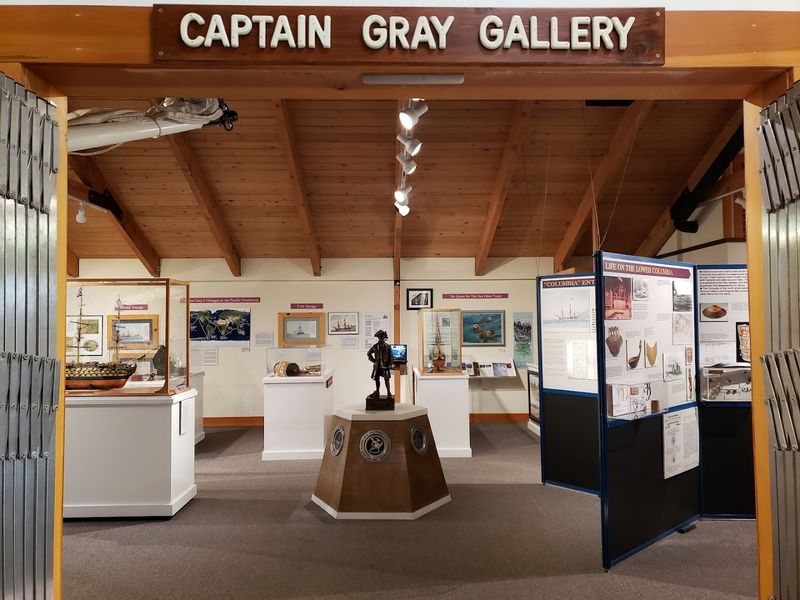
Few moments in Pacific Northwest history carry as much weight as the discovery of the Columbia River. The Garibaldi Museum treats this event with the seriousness it deserves. The exhibit is rich with context and detail.
Captain Gray sailed the Columbia Bar in May 1792, becoming the first American to enter the river. That act of exploration gave the United States a strong claim to the entire Pacific Northwest territory. It was a geopolitical turning point that shaped the region for generations.
The museum lays out this history through maps, timelines, and artifact displays. The presentation is clear and easy to follow.
Even visitors who are not history buffs will find themselves genuinely engaged with the material.
There is something powerful about standing in a small Oregon town and reading about events that helped define a nation. The Columbia River still flows nearby.
That geographic connection makes the exhibit feel alive rather than distant.
Native American Coastal Tribes and the Fur Trade
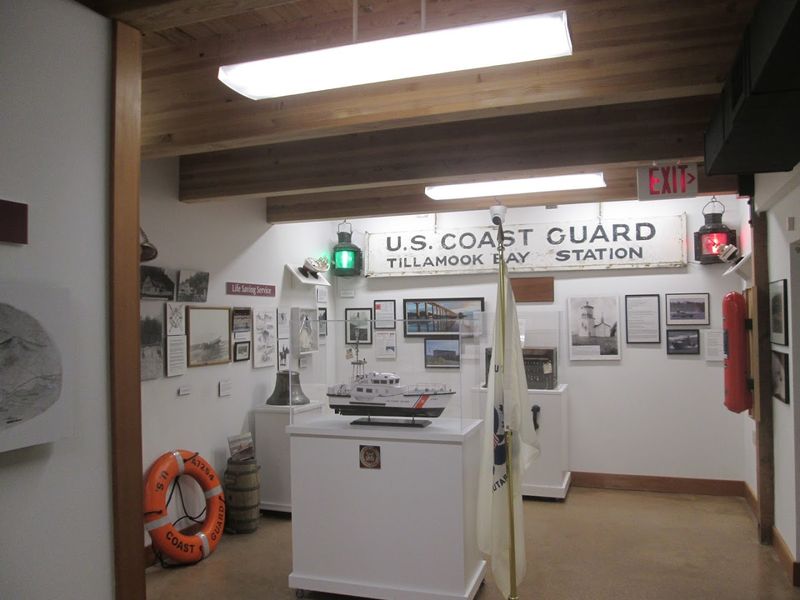
One of the most thoughtful sections of the museum covers the coastal Native American tribes who traded furs with early European and American explorers. It is a part of history that often gets overlooked. The Garibaldi Museum gives it real space and respect.
These communities had established trade networks long before foreign ships arrived. When explorers like Gray appeared offshore, they entered a world with its own complex economy. The museum explains that dynamic without simplifying it.
Artifacts on display include items connected to daily life and trade practices. The descriptive panels are well-written and informative.
You come away with a fuller picture of who was already living along this coastline.
Understanding this history adds depth to everything else in the museum. The fur trade was not just an economic event.
It was a cultural encounter that left lasting marks on communities across the Oregon and Washington coasts.
Early Garibaldi Town History and Local Heritage Displays
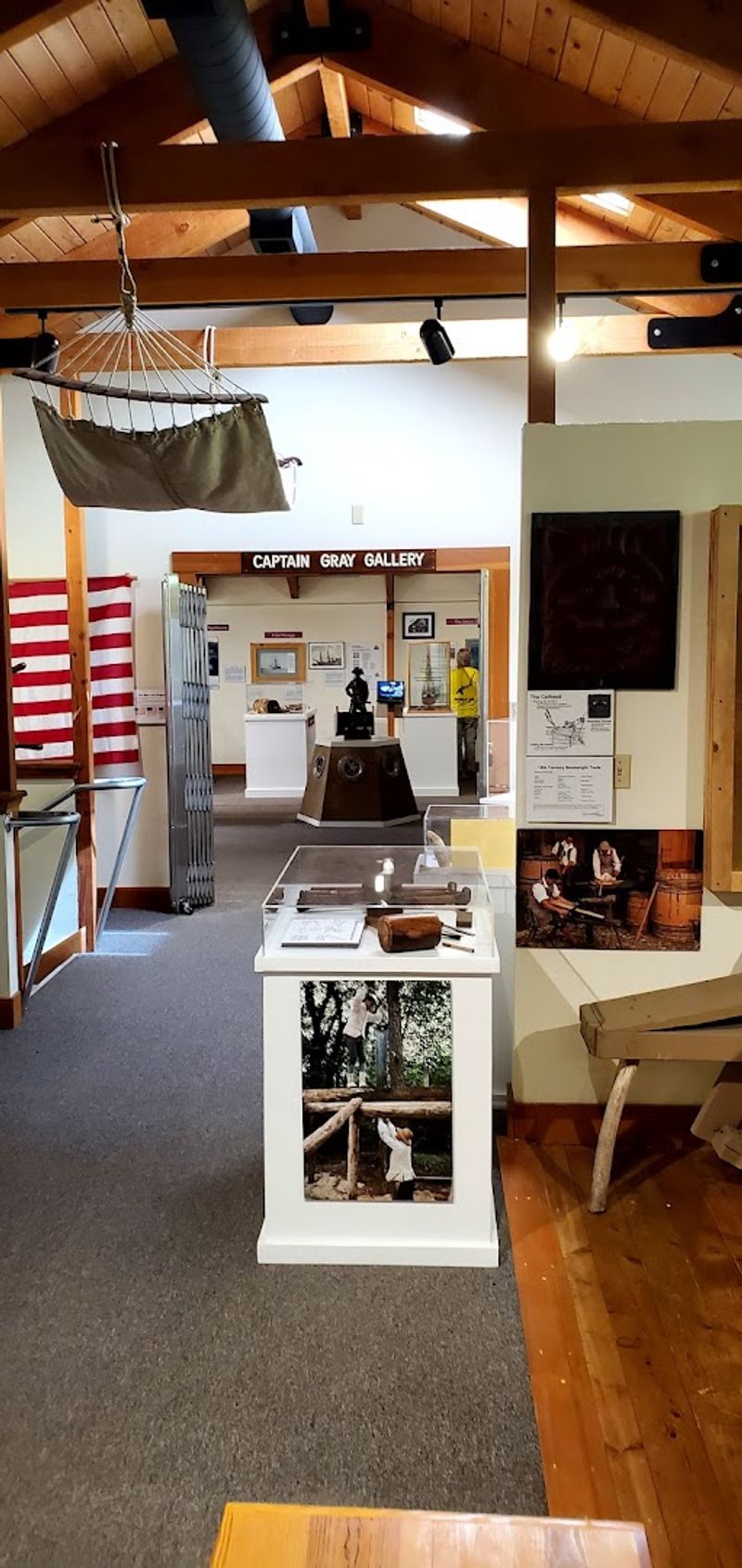
Not everything at this museum is about the open sea. A dedicated section focuses on the town of Garibaldi itself.
And honestly, that part of the visit hit differently than I expected.
Garibaldi grew up around logging and fishing. Those industries shaped the town’s identity for over a century.
The museum captures that story through photographs, tools, and personal items donated by local families.
Seeing an old high school exhibit tucked into the corner added a nostalgic warmth to the space. It reminded me that behind every historical town are real people with real lives.
That human element keeps the museum from feeling like a dry textbook.
Local donations make up a significant part of the collection. That community involvement gives the exhibits an authenticity that professionally curated museums sometimes lack.
You sense that the people of Garibaldi genuinely care about preserving what came before them.
The Coast Guard Station History Along Oregon’s Shore
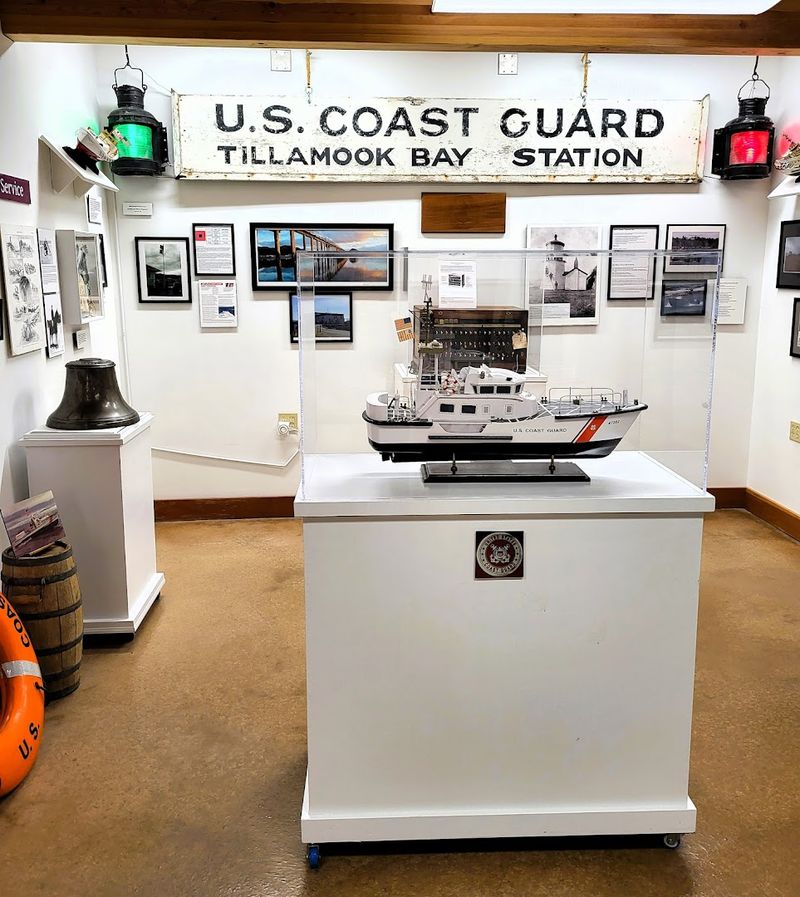
The Oregon Coast has always been a dangerous stretch of water. Storms, sandbars, and unpredictable currents have claimed countless ships over the centuries.
The Coast Guard’s role in this region is a story worth knowing.
The Garibaldi Museum includes exhibits on the early Coast Guard station that served the local area. Photographs and equipment from those early years are part of the display.
The history is gripping in the most understated way.
Garibaldi sits near the southern edge of what sailors once called the Graveyard of the Pacific. That nickname alone tells you something about how treacherous these waters could be.
The Coast Guard presence here was not just practical. It was essential.
Learning about the men and women who staffed these stations adds a human layer to the museum’s maritime theme. Their work saved lives during some of the Pacific Northwest’s most brutal winter storms.
That legacy deserves to be remembered and celebrated.
Japanese Glass Floats and Pacific Ocean Curiosities
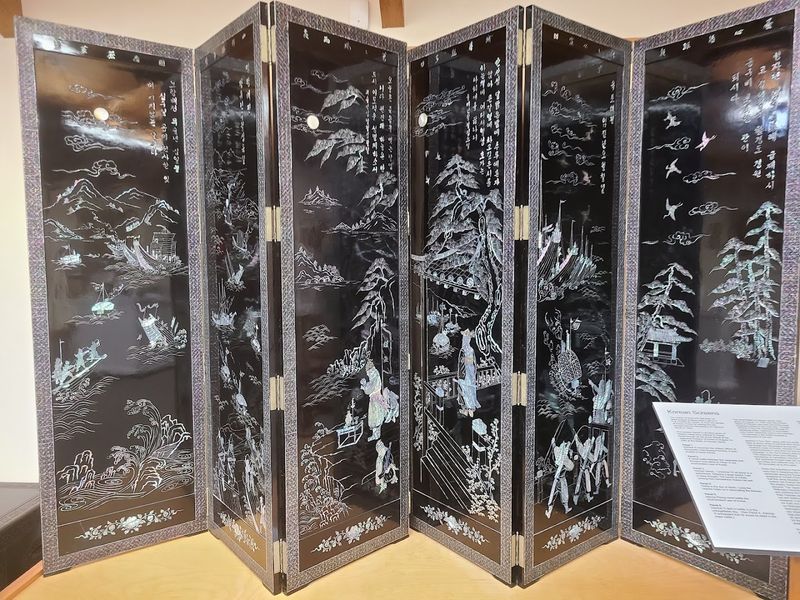
Spotted one of the most visually delightful displays tucked along one of the museum walls. A collection of Japanese glass floats sat grouped together, catching the light in quiet, beautiful ways.
These objects have a surprisingly rich history.
Japanese fishermen used glass floats to keep their nets buoyant at sea. Over time, many floats broke free and drifted across the Pacific Ocean.
Some eventually washed ashore on the Oregon Coast, sometimes decades after being lost.
Finding a glass float on an Oregon beach became a beloved local tradition. Collectors and beachcombers have treasured them for generations.
The museum’s display puts that tradition into a broader historical and cultural context.
Seeing them gathered together in one spot made me appreciate how far objects can travel. The Pacific Ocean is vast.
Yet these small glass spheres made it all the way from Japan to the Oregon shoreline, carrying quiet stories of distance and time.
Scrimshaw Art and the Tradition of Sailor Craftsmanship
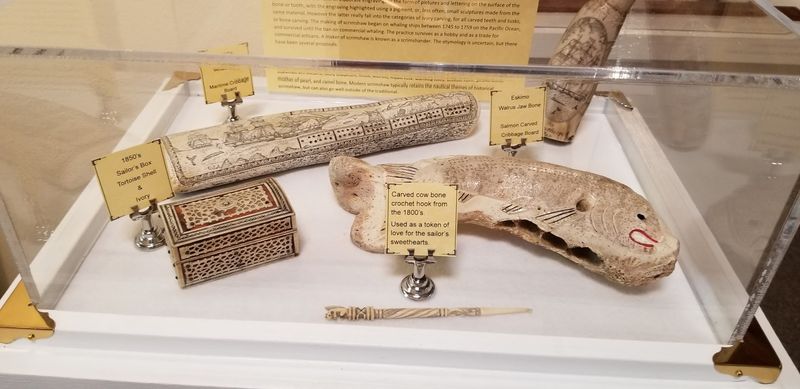
Sailors on long voyages had a lot of time on their hands. One of the most fascinating ways they filled those hours was through scrimshaw.
The Garibaldi Museum has a display that showcases this remarkable folk art tradition.
Scrimshaw involves carving or engraving designs onto bone or ivory. Sailors used tools they had on board to create detailed images of ships, sea creatures, and everyday scenes.
The results are surprisingly intricate and beautiful.
Seeing these pieces up close is a different experience than reading about them. The detail in each carving reflects patience and real skill.
You start to imagine the long, quiet hours at sea that produced them.
This exhibit fits naturally into the museum’s broader story of maritime life. It is not just about exploration and trade.
It is about the human experience of being far from home on a vast and unpredictable ocean. Scrimshaw captures that feeling better than almost any other artifact.
The Crocheted Coral Reef and the Art of Unexpected Exhibits
Not every exhibit at the Garibaldi Museum is about ships or history. One display stopped me completely in my tracks.
A crocheted coral reef, made entirely from yarn, sat in full color and remarkable detail.
This piece was donated by the wives of Australian mathematicians. It is part of a larger global project that uses hyperbolic geometry to model the shapes found in real coral reefs.
That blend of art, science, and craft is genuinely unexpected in a maritime setting.
The reef is visually stunning. Bright colors and intricate textures make it hard to walk past without stopping.
It also sparks conversations about ocean ecosystems and environmental awareness in a way that feels natural rather than preachy.
Museums that take creative risks like this earn extra points in my book. The Garibaldi Museum is not afraid to include something surprising.
That willingness to surprise its visitors keeps the experience from ever feeling predictable or routine.
Planning Your Visit to the Garibaldi Museum on Highway 101
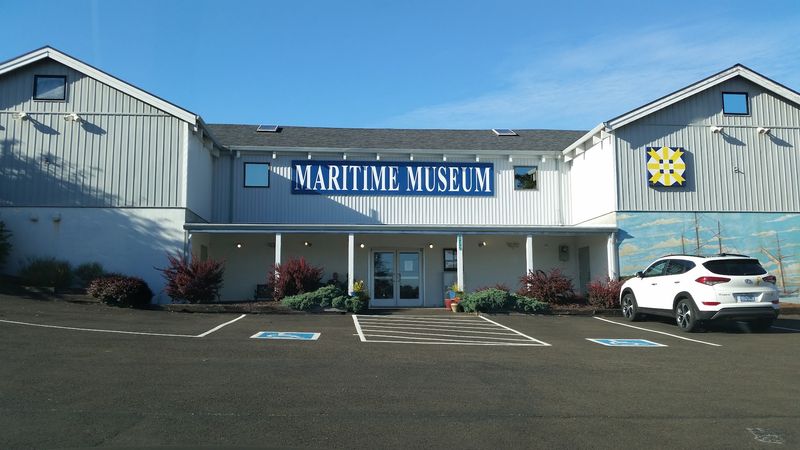
Planning a stop at the Garibaldi Museum is easy when you know what to expect. The museum is right on Highway 101, which makes it simple to spot during a coastal road trip.
Parking is not a stressful ordeal here.
The museum is open Thursday through Monday from 10 AM to 4 PM. It stays closed on Tuesdays and Wednesdays.
Arriving early in the day gives you the best chance to spend unhurried time with the exhibits.
Staff and volunteers at the museum are known for being warm and knowledgeable. Several visitors have mentioned how welcoming the atmosphere feels.
That kind of hospitality makes a real difference in how you experience a place.
The museum sits close to the Oregon Coast Scenic Railroad depot. Combining both stops makes for a memorable morning or afternoon in Garibaldi.
Address: Garibaldi Museum, 112 Garibaldi Ave, Garibaldi, OR 97118.
