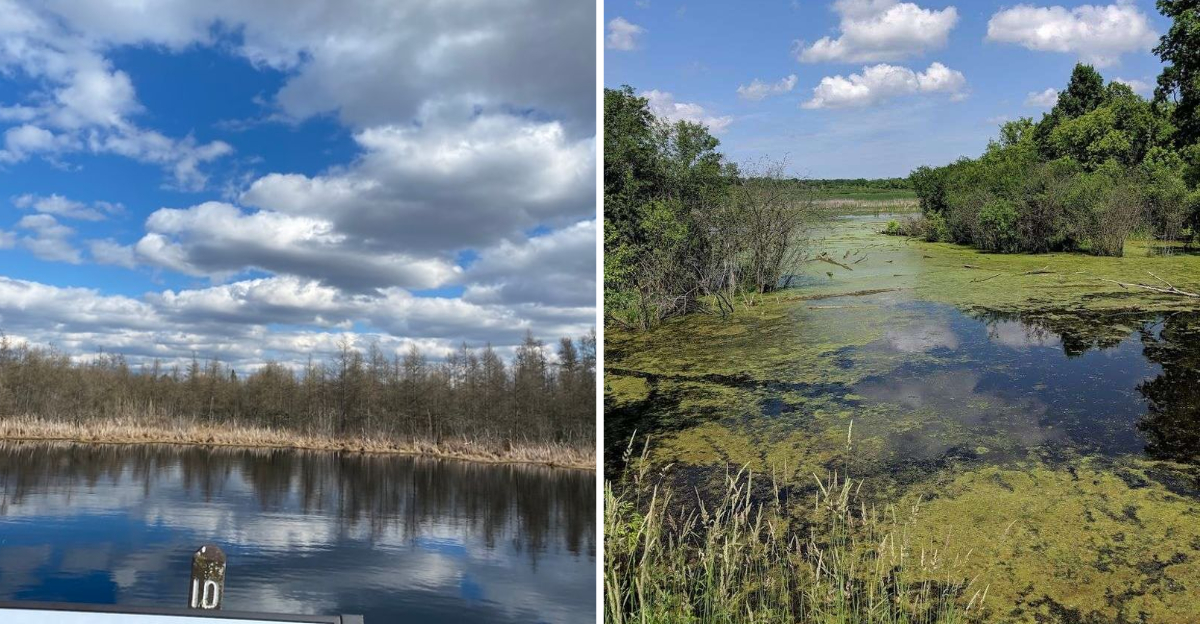
A place in northern Illinois where the ground literally quakes beneath your feet. It has been quietly doing so for thousands of years.
This state natural area is one of the most extraordinary sites in the entire Midwest. It started forming when the last glacier retreated, leaving behind a depression that slowly transformed into something truly one of a kind. Sphagnum moss began creeping across the water’s surface, and the bog as we know it today started taking shape. It is the only remaining open water quaking bog in Illinois, and the southernmost of its kind in North America to show every stage of bog succession.
Standing at the edge of the boardwalk and watching the ground ripple like a waterbed is an experience you just cannot get anywhere else.
What a Quaking Bog Actually Is and Why It Matters
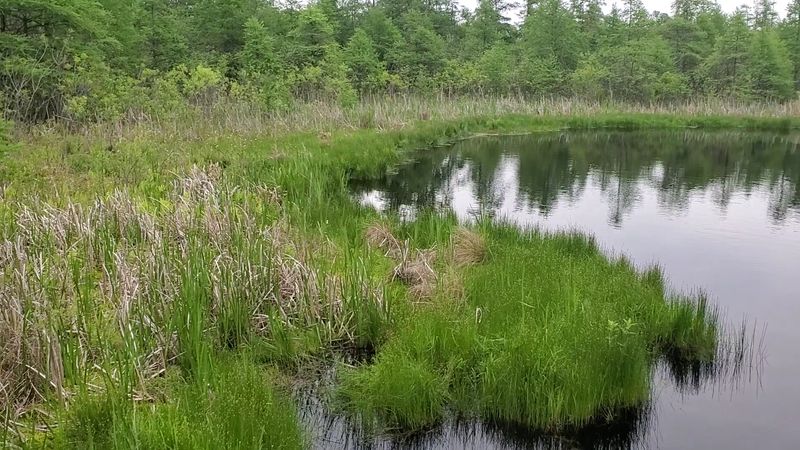
Most people have never heard the term quaking bog, and that is exactly what makes Volo Bog so fascinating to discover. A quaking bog is not your typical swamp or wetland.
It is a floating mat of vegetation, mostly sphagnum moss, that grows over open water rather than solid ground.
When you step onto the boardwalk at Volo Bog, you can actually feel the surface shift and tremble beneath you. That movement happens because the ground is not ground at all.
It is a thick, spongy layer of moss and plant matter floating on water.
Bogs like this are incredibly rare in Illinois, and this one is the only open-water quaking bog left in the entire state. The conditions that created it, a glacial depression filled with stagnant, acidic water, are nearly impossible to replicate.
Sphagnum moss thrives in these low-nutrient, highly acidic environments where most other plants simply cannot survive.
The bog acts as a living time capsule, preserving ancient plant material in its cold, oxygen-poor depths. Scientists and ecologists study sites like this to understand how landscapes evolved after the Ice Age.
It is ecology in real time, happening right under your feet.
How the Glaciers Shaped This Landscape 12,000 Years Ago
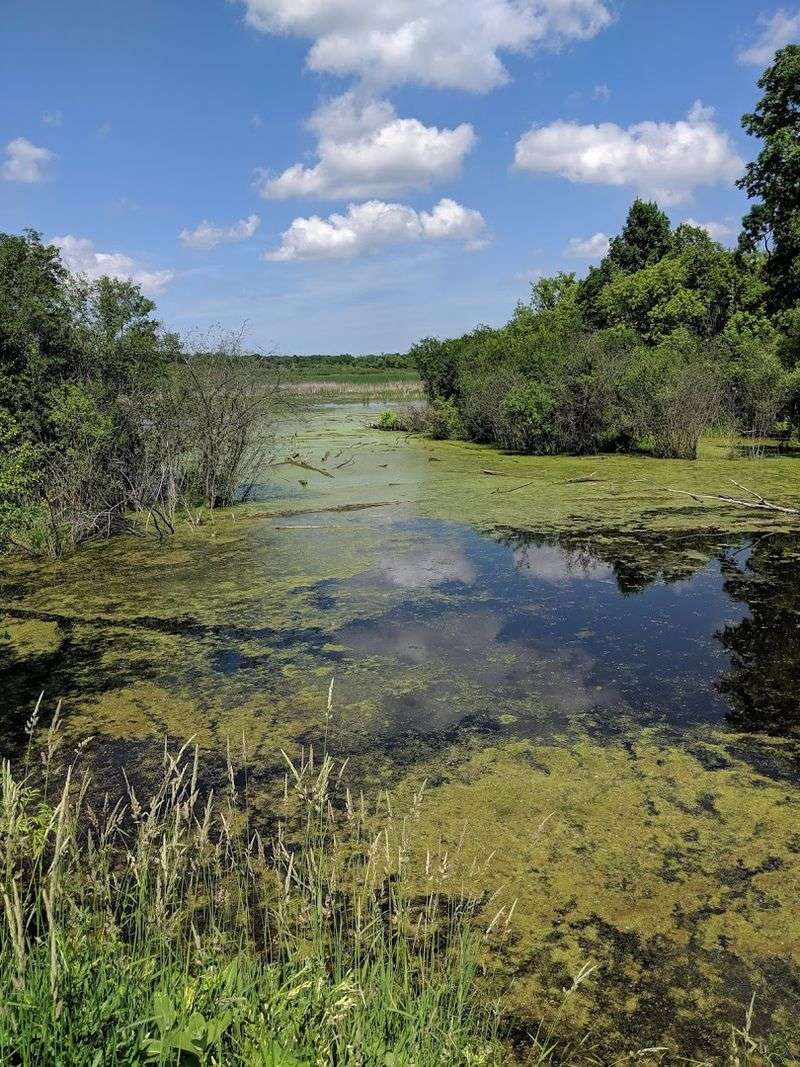
The story of Volo Bog begins long before anyone was around to see it. Around 12,000 years ago, the Wisconsinan Glacier was retreating northward, dragging its enormous weight across what is now northeastern Illinois.
As it melted, it left behind chunks of buried ice and carved out low-lying depressions in the earth.
One of those depressions became the lake that eventually turned into Volo Bog. This type of glacially formed hollow is called a kettle lake, and they are scattered across the upper Midwest.
Most of them filled in or dried up over time, but this one had just the right conditions to evolve into something far more remarkable.
Around 6,000 years ago, sphagnum moss began colonizing the edges of the lake, slowly creeping inward over centuries. The moss formed a floating mat that crept closer and closer to the center, gradually replacing open water with a living, breathing bog ecosystem.
It is a process called succession, and Volo Bog is one of the few places in North America where you can observe every single stage of it.
The informational signs along the trail explain this geological backstory clearly. Reading them while standing on the floating boardwalk gives the whole visit a genuinely different kind of weight.
The Eye of the Bog and Its Five Floating Zones
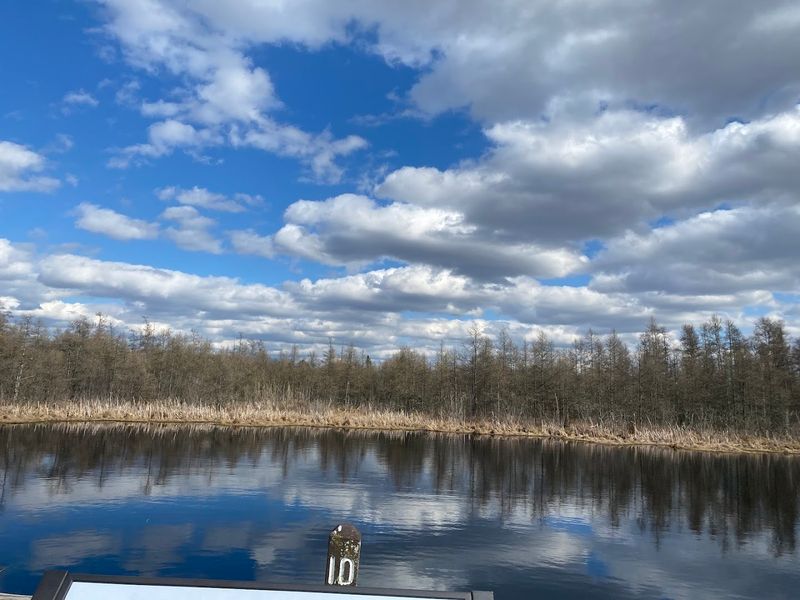
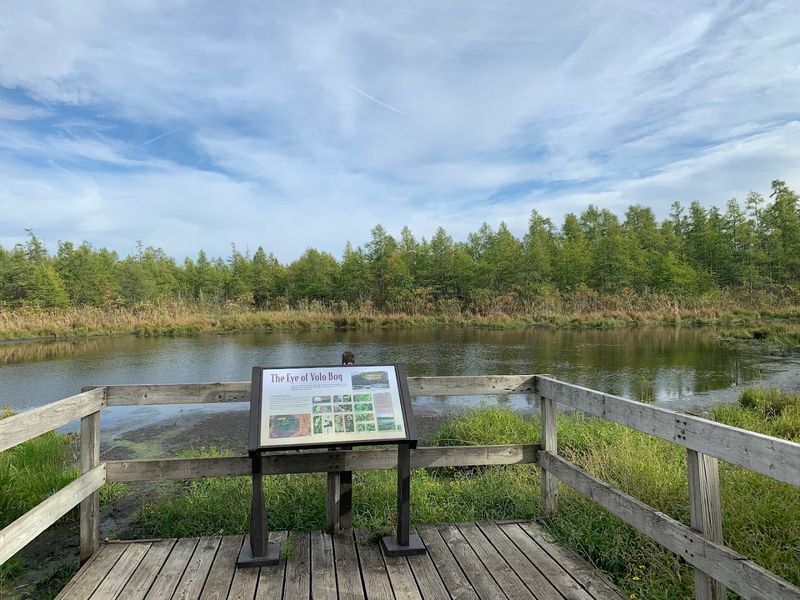
At the heart of Volo Bog is a feature called the Eye, a patch of dark, open water that sits at the very center of the floating mat. It is eerie and beautiful at the same time, like a window into the ancient lake that started all of this thousands of years ago.
Surrounding the Eye are five distinct floating zones, each supporting different plant species. The zones radiate outward from the open water, transitioning from aquatic plants closest to the Eye, to sphagnum moss, then leatherleaf shrubs, followed by tamarack trees, and finally upland forest at the outer edge.
Each ring represents a different stage of bog succession happening simultaneously in one place.
This layered structure is what earned Volo Bog its status as a National Natural Landmark in 1973. No other bog in Illinois shows this complete progression from open water to mature woodland.
It is essentially a natural laboratory that has been running its own slow experiment for millennia.
The boardwalk trail takes you right through several of these zones, close enough to touch the leatherleaf and smell the earthy, slightly sweet scent of the sphagnum. Few nature experiences in the Midwest feel quite this immersive or this quietly dramatic.
The Rare and Unusual Plants You Will Find Here
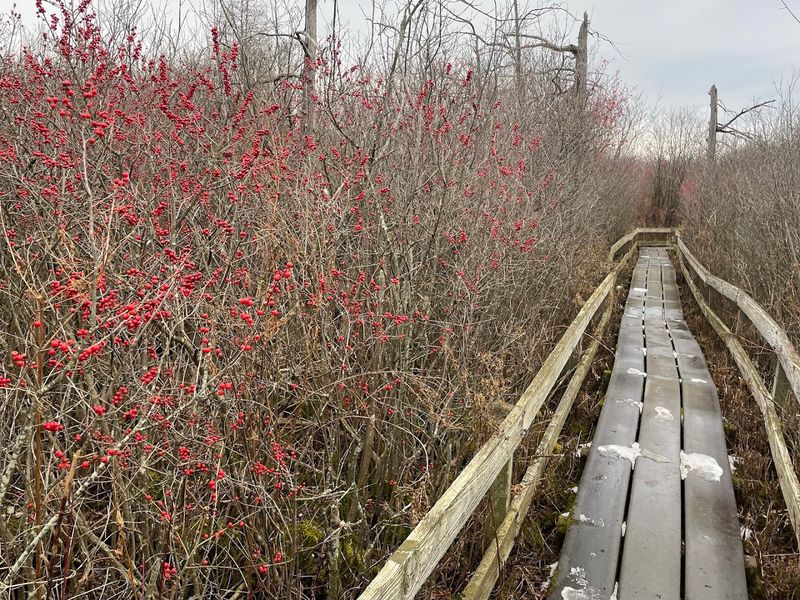
Bog plants are a different breed entirely. Because the water in Volo Bog is so acidic and so low in nutrients, only highly specialized species can survive here.
The result is a plant community unlike anything you would find in a typical Illinois forest or prairie.
Leatherleaf is one of the most common shrubs blanketing the bog mat, its small waxy leaves holding up against the harsh conditions year-round. Tamarack trees, the only deciduous conifer native to North America, rise from the mat with their feathery needles turning gold each autumn.
Several orchid species also grow here, quietly blooming in the acidic soil without drawing much attention to themselves.
There are also insect-eating plants on the mat, including sundews, which trap small insects on their sticky, glistening leaves to supplement nutrients the bog soil cannot provide. Finding one of these tiny carnivorous plants nestled among the moss feels like discovering something from a completely different world.
The visitor center has exhibits that help identify what you might see on the trail, which is genuinely useful before you head out. Plant diversity here spans the bog, surrounding wetlands, sedge meadows, savannas, and woodland edges, making every section of the trail feel like a new environment entirely.
The Trails, Boardwalks, and What to Expect on Your Visit
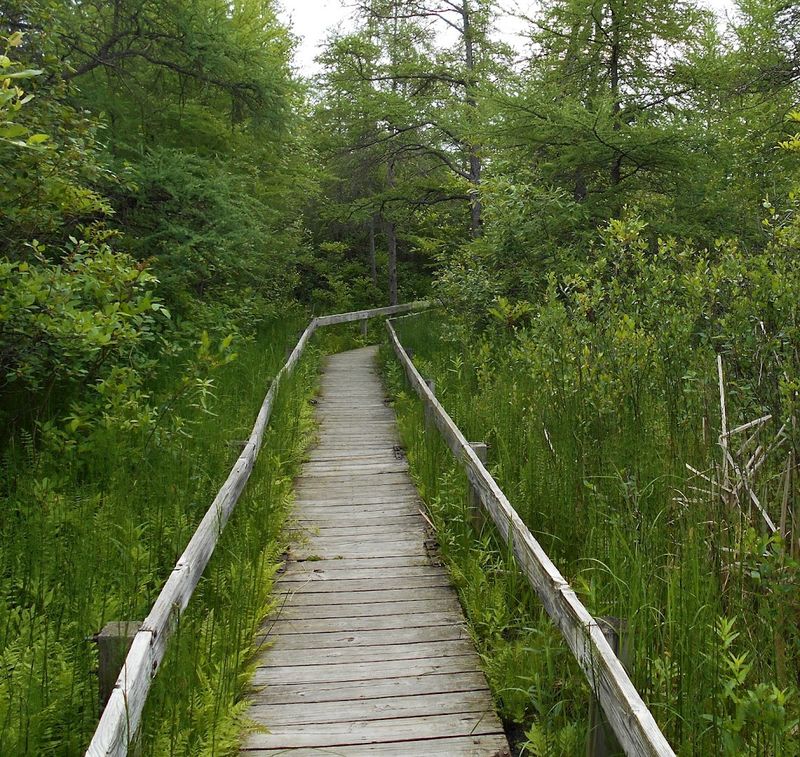
The trail system at Volo Bog covers roughly 2.75 to 4 miles depending on which loops you choose, and the variety of terrain keeps things interesting the whole way through. There is a half-mile floating boardwalk that takes you directly through the bog mat, and that section alone is worth the trip.
The boardwalk path leads past the bog zones and out toward the Eye, with interpretive signs placed at regular intervals explaining the ecology around you. Beyond the boardwalk, the main loop takes you through sedge meadows, open prairie restoration areas, and shaded woodland sections.
The Prairie Ridge trail offers wide-open views but can be exposed to sun, so a hat in summer is a smart call.
Terrain is mostly flat, which makes this accessible for a wide range of visitors. Some sections are gravel, some are packed grass, and the boardwalk itself can feel slightly springy underfoot, especially near the bog center.
Sturdy shoes are a better choice than sneakers, particularly after rain.
Bug spray is not optional from late spring through summer. Gnats and mosquitoes are active near the water and meadow areas.
Come prepared and you will have a genuinely enjoyable walk. The open hours run from 8 AM to 7:30 PM daily, giving plenty of daylight to explore at a relaxed pace.
Wildlife Watching at Volo Bog Through Every Season
Volo Bog is not just about plants. The diversity of habitats packed into this one natural area creates ideal conditions for a surprisingly wide range of wildlife, and every season brings something different to look for.
Spring and summer are prime time for frogs and turtles basking along the boardwalk edges. Sandhill cranes have been spotted and heard calling across the marsh, which is one of those sounds that stops you mid-step.
Birding here is genuinely rewarding, with species drawn to the wetland, woodland, and prairie habitats all within walking distance of each other.
Chipmunks and rabbits are common sightings along the outer trails, and keen-eyed visitors sometimes spot unusual fungi, including ghost pipes, a rare parasitic plant that looks almost translucent white. Mushroom diversity here is impressive for those who pay attention to the forest floor.
Autumn changes the whole character of the bog. The tamarack trees turn a soft, warm gold before dropping their needles, which is genuinely one of the more underrated fall color experiences in Illinois.
Winter brings cross-country skiing opportunities on the outer trails, and the bog takes on a stark, quiet beauty under snow.
No matter when you visit, something is happening here. It is the kind of place that rewards patience and curiosity in equal measure.
The Visitor Center and How to Make the Most of Your Trip
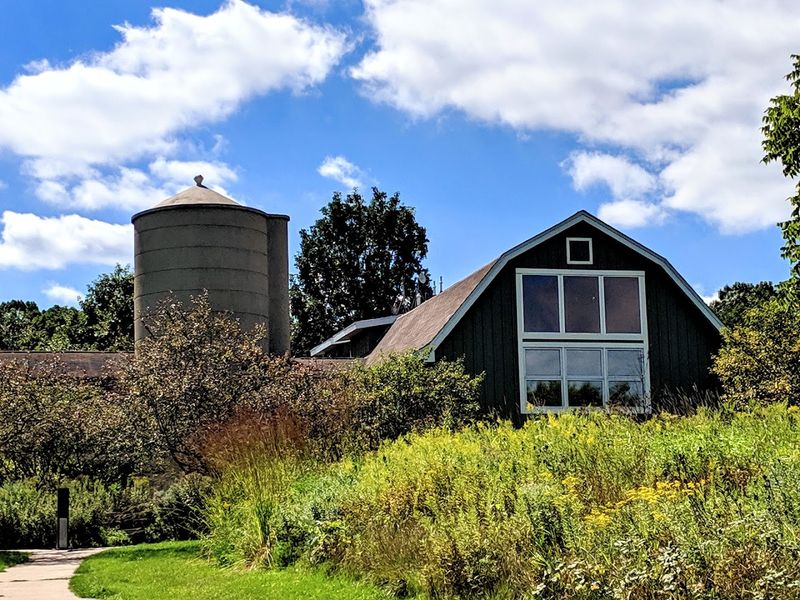
Before heading out on any of the trails, the visitor center is worth at least 20 minutes of your time. It sets up the whole experience in a way that makes the bog trail significantly more meaningful once you are out there walking it.
Inside, you will find educational exhibits about bog ecology, taxidermy displays of local wildlife, and a small but well-curated gift shop. Visitors have picked up nature books there for very little, and the selection leans toward genuinely interesting natural history rather than generic souvenirs.
Staff are knowledgeable and happy to answer questions about trail conditions or what is currently blooming.
There are restrooms inside the visitor center, which is useful to know since the portable facilities elsewhere on the property are more basic. Picnic areas with tables are available near the parking area, and the grounds have a relaxed, unhurried atmosphere that makes lingering feel completely natural.
The bog is open daily from 8 AM to 7:30 PM, and the combination of short bog walk plus longer outer loop can fill a comfortable half day. Families with younger kids tend to focus on the boardwalk section, which is short, flat, and genuinely captivating for curious minds of any age.
It is the kind of outing that feels both educational and quietly restorative.
Address: 28478 W Brandenburg Rd, Ingleside, IL 60041
