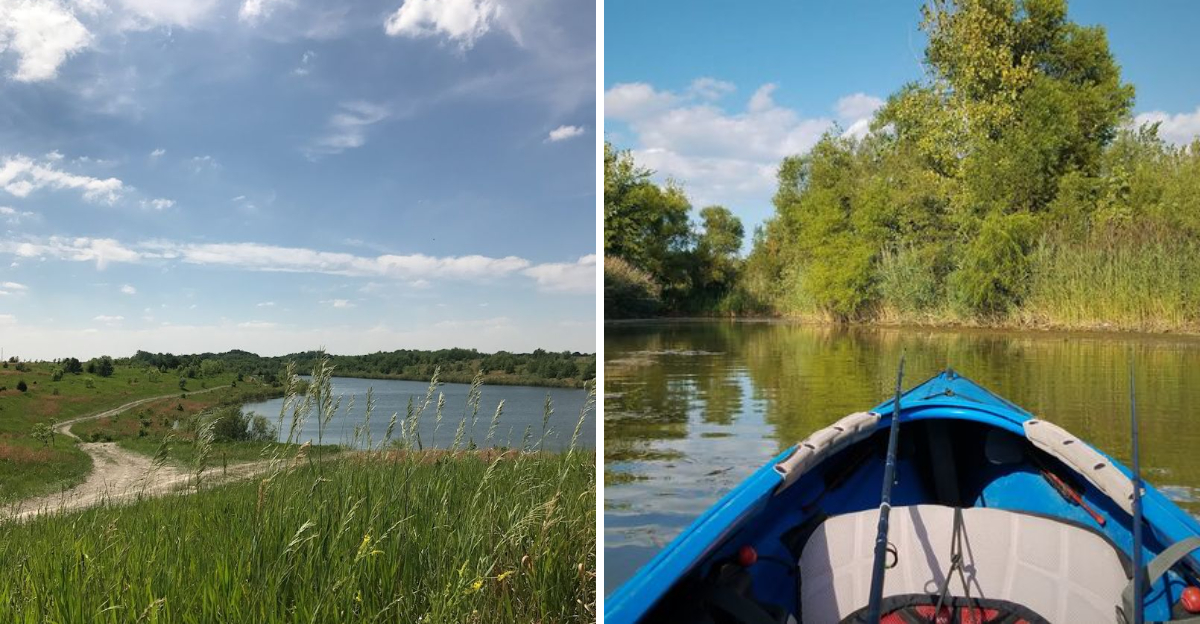
Most people drive past Warrick County, Indiana without realizing one of the state’s most unusual outdoor destinations is sitting quietly nearby. This sprawling fish and wildlife area stretches across reclaimed mining land that has gradually transformed into a surprisingly beautiful mix of lakes, wetlands, and open natural space.
What makes it especially unique is the sheer amount of water packed into the property. Dozens of separate pits and lakes create a landscape that feels far more rugged and remote than most people expect in southern Indiana.
The result is a place that attracts anglers, paddlers, birdwatchers, hikers, and anyone looking for a quieter connection to nature. There is also something fascinating about the contrast at the heart of the area.
Land that was once heavily industrial now supports thriving wildlife and peaceful recreation, giving it a character that feels both reclaimed and unexpectedly wild.
A Reclaimed Landscape Unlike Anything Else in Indiana
Few places in the Midwest carry the kind of layered history that Blue Grass FWA holds beneath every acre. From 1973 to 1993, Amax Coal Company operated a large-scale strip mining operation across this land.
When the mining stopped, what remained was a patchwork of open pits, disturbed soil, and bare ground that most people would have written off entirely.
What happened next is genuinely impressive. The land went through an extensive re-vegetation process, with both herbaceous cover and woody species gradually taking hold.
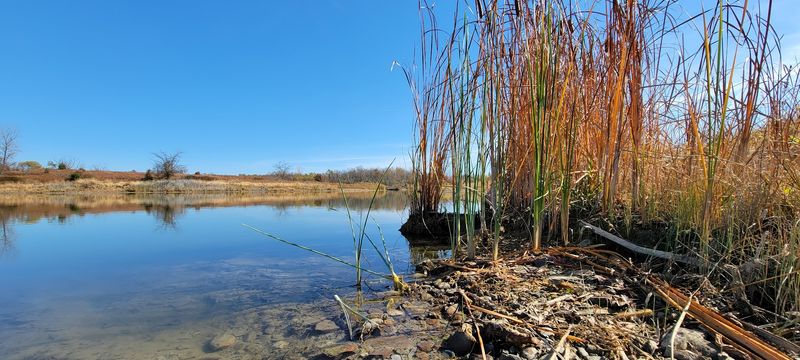
Today, the property looks nothing like its industrial past. Rolling grasslands, shrubby thickets, and shallow impoundments have replaced the stripped terrain, creating a mosaic of habitat types that support a surprising range of wildlife.
The transformation is a real-world example of how nature, with some help, can recover from heavy use. Walking or driving through the property, you get a sense of something still becoming itself, a landscape in an ongoing process of renewal.
That quality gives Blue Grass FWA a character that older, more established parks simply do not have. For anyone curious about ecology or land reclamation, this place is a living classroom.
It sits at 11699 New Harmony Rd, Elberfeld, IN 47613, and is managed by the Indiana Department of Natural Resources.
28 Pits and Lakes That Most Hoosiers Have Never Seen
Most wildlife areas in Indiana might have one or two lakes worth mentioning. Blue Grass FWA has 28.
That number alone is enough to make any outdoor enthusiast do a double take. These are not small puddles either.
Together, the pits and lakes cover roughly 600 acres of water spread across more than 2,500 acres of land.
Each pit has its own personality. Some are deeper and clearer, better suited for boat fishing.
Others are shallower, edged with thick vegetation that makes them ideal for wildlife watching or paddling at a slow pace. The variety keeps the experience fresh no matter how many times you visit.
Locals who grew up near Evansville have described this place as a second home, and it is easy to understand why once you start exploring the back roads that wind between the water.
Because the pits are spread across such a large property, you rarely feel crowded here. There are 18 separate parking lots, and most of them lead directly to water.
Finding a quiet spot to fish or simply sit and watch the surface is rarely a challenge. That sense of space and solitude is something that is genuinely hard to find within 20 minutes of a city, which is exactly how close this area is to Evansville, Indiana.
Fishing That Keeps Anglers Coming Back Season After Season
Anglers who know about Blue Grass FWA tend to keep it close to the chest. The fishing here is genuinely good, and word spreads slowly for a reason.
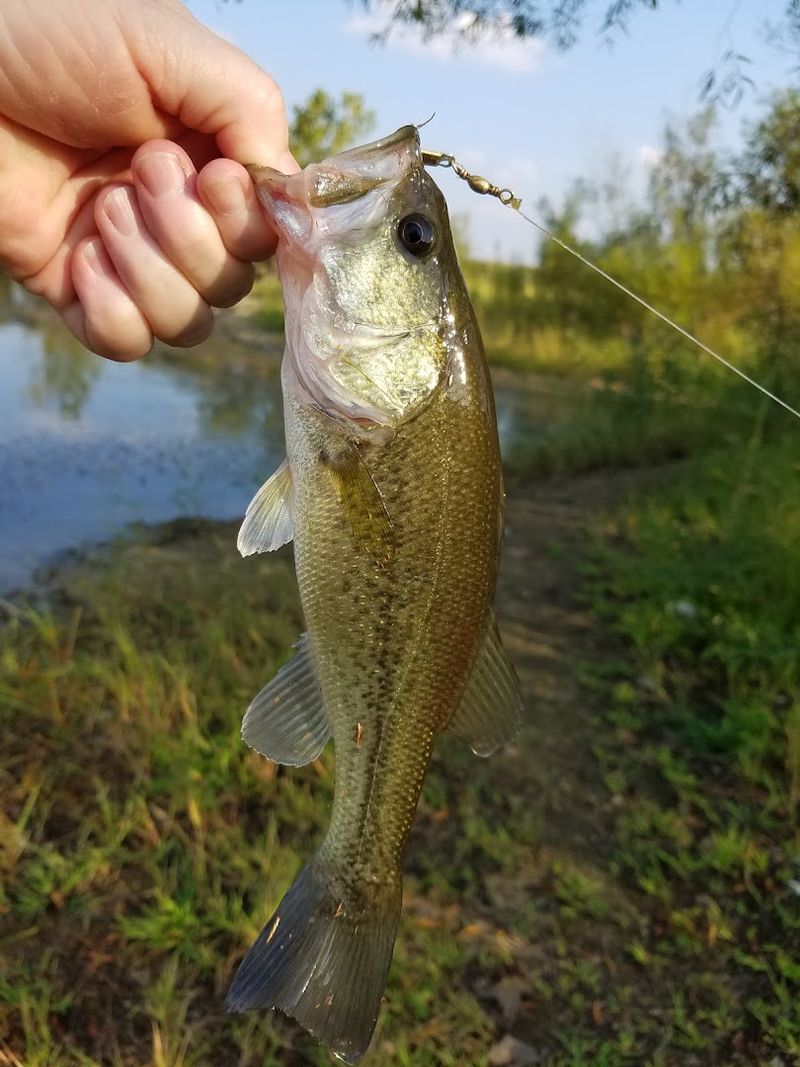
Largemouth bass, black crappie, white crappie, catfish, and bluegill are all common catches throughout the pits. Muskie have been stocked specifically in Loon Pit and Blue Grass Pit, giving those locations a different kind of appeal for anglers chasing something bigger.
Seven boat access ramps are available across five of the pits, including Otter, Loon, Blue Grass, Bird Dog, and Ringneck. Outboard motors are allowed at idle speed on Blue Grass, Otter, and Loon pits.
All other pits restrict use to electric motors only, which keeps the water quiet and the experience more peaceful for everyone on the property.
Bank fishing is possible, though some pits have heavy weed growth along the edges. Otter Pit is generally considered one of the better spots for bank anglers who want to avoid thick vegetation.
Specific size and bag limits apply to different pits, so checking current Indiana DNR regulations before heading out is always a smart move. The new ADA-compliant fishing pier and courtesy dock at Blue Grass Pit have also made access easier for visitors who need a more stable platform to fish from.
Hunting Opportunities Across a Huge and Varied Property
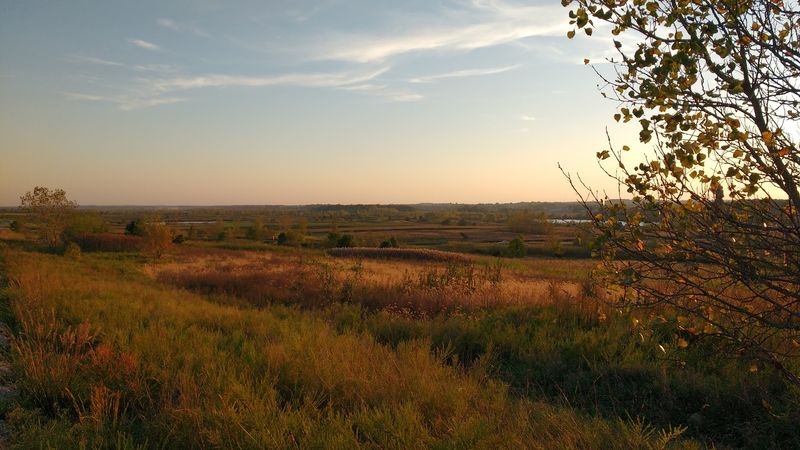
Hunters have been coming to Blue Grass FWA for years, and the variety of game species available here makes it stand out from many other public hunting spots in the state. Deer, wild turkey, quail, rabbit, mourning dove, and waterfowl all use the property at different times of year.
The mix of upland habitat, wetland edges, and open water creates the kind of layered environment that holds game reliably across multiple seasons.
Waterfowl hunters in particular find the property well-suited to their needs during duck season. The 28 pits attract ducks and other waterfowl consistently, and the open layout of the land gives hunters room to set up without crowding each other out.
Deer hunters benefit from the grassy corridors and woody cover that have grown in since the mining era ended.
All hunters are required to use the self-service check-in stations located on the property upon arrival. State hunting seasons and bag limits apply across the entire area, so reviewing those before your trip is essential.
For hunters with mobility limitations, accessible hunting areas are available through a written permit obtained from the Sugar Ridge FWA office. The combination of diverse species, open acreage, and manageable access makes this one of the more well-rounded public hunting destinations in southwestern Indiana.
Paddling and Water Recreation on Quiet, Uncrowded Water
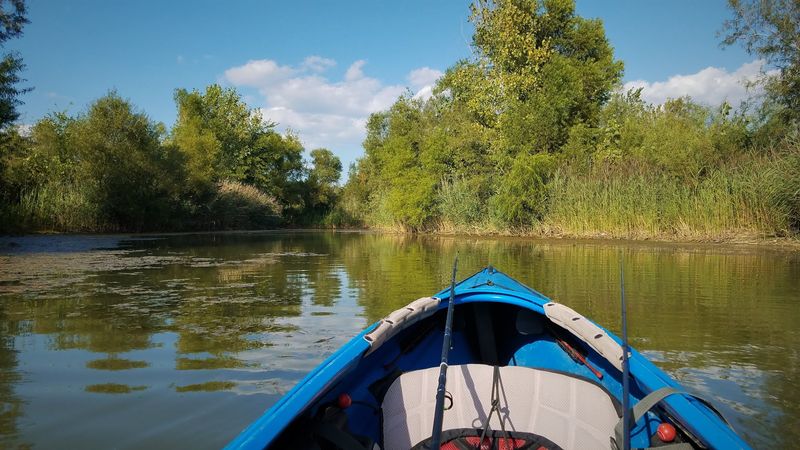
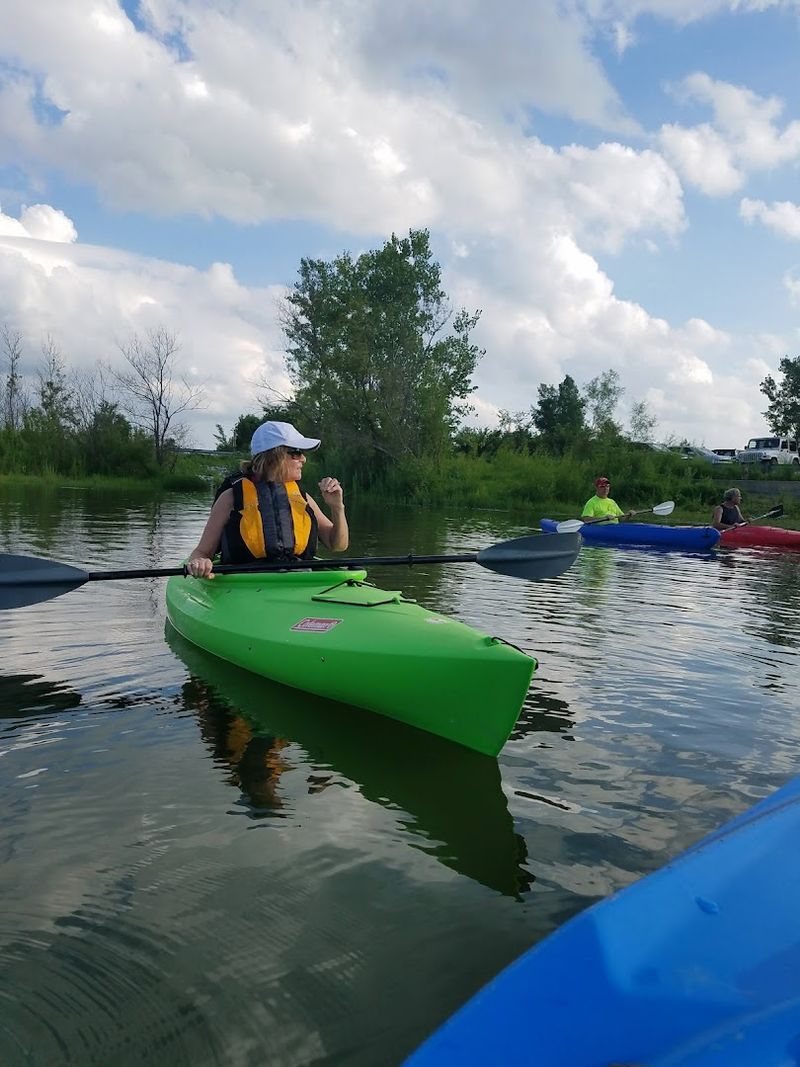
Kayaking and canoeing at Blue Grass FWA feel completely different from paddling at a busy state park or reservoir. The pits here are spread out, the motorized boat traffic is minimal, and the shorelines are wild and undeveloped.
Pulling a kayak off a car and sliding into one of these quiet waters on a calm morning is the kind of experience that is hard to put a price on.
Most of the pits allow only electric motors, which means paddlers rarely have to deal with loud engines or heavy wakes. That makes the water genuinely calm and easy to navigate, even for beginners.
The recently added kayak launch at Blue Grass Pit has made getting on the water safer and more convenient. The courtesy dock there includes a dedicated launch area designed specifically for kayaks and canoes, which is a practical improvement that regular visitors have noticed and appreciated.
Paddleboarding is also a popular option on the calmer pits. The variety of water bodies means you can explore a different pit on each visit without ever feeling like you have seen it all.
Wildlife sightings from the water are common, including herons, hawks, and various waterfowl that use the pits as regular feeding and resting habitat. For anyone looking for a low-key water recreation spot near Evansville, this area consistently delivers a satisfying outing.
Birdwatching and Wildlife Watching in a Surprisingly Rich Habitat
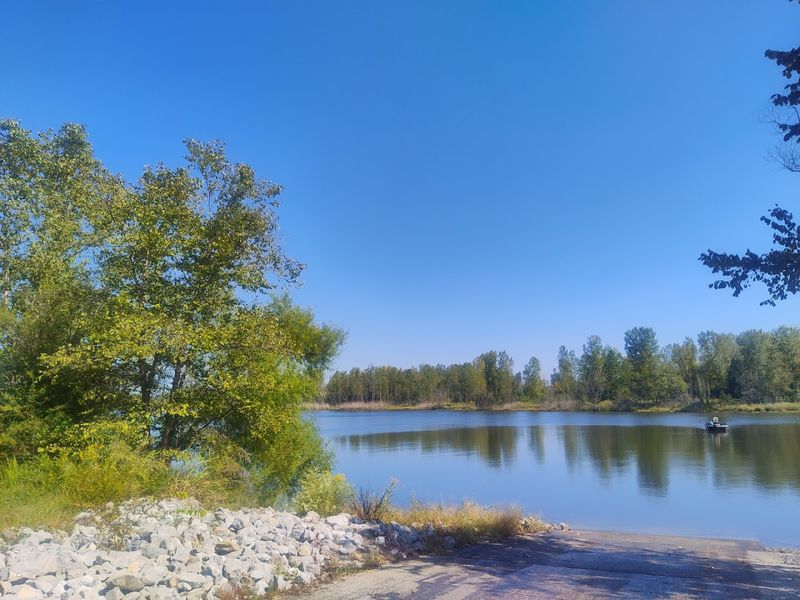
The habitat mix at Blue Grass FWA is exactly what birders and wildlife watchers are drawn to. Grasslands, shrubby edges, shallow impoundments, and open water all sit next to each other across the property, and that variety supports an unusually wide range of species for a single location.
Songbirds, raptors, and waterfowl all use the area regularly, and the open terrain makes spotting them far easier than in a heavily wooded setting.
Close encounters with great blue herons are not uncommon here. The birds move between pits throughout the day, often allowing observers to get surprisingly near before taking flight.
Hawks circle the grassland areas, particularly in the cooler months when small mammals are more active in the open cover. During migration, the pits attract a rotating cast of waterfowl species that can make a single morning visit feel like a completely different experience from one week to the next.
Because the landscape is relatively flat and open, binoculars go a long way here. You can scan across multiple pits from a single vantage point and pick up activity at a distance.
Nature photographers also find the property rewarding, with good light conditions in the early morning and late afternoon. The absence of heavy foot traffic on most parts of the property means wildlife is less disturbed than at more popular public areas, which translates into better and more frequent sightings.
Hiking and Exploration on a Property Built for Wandering
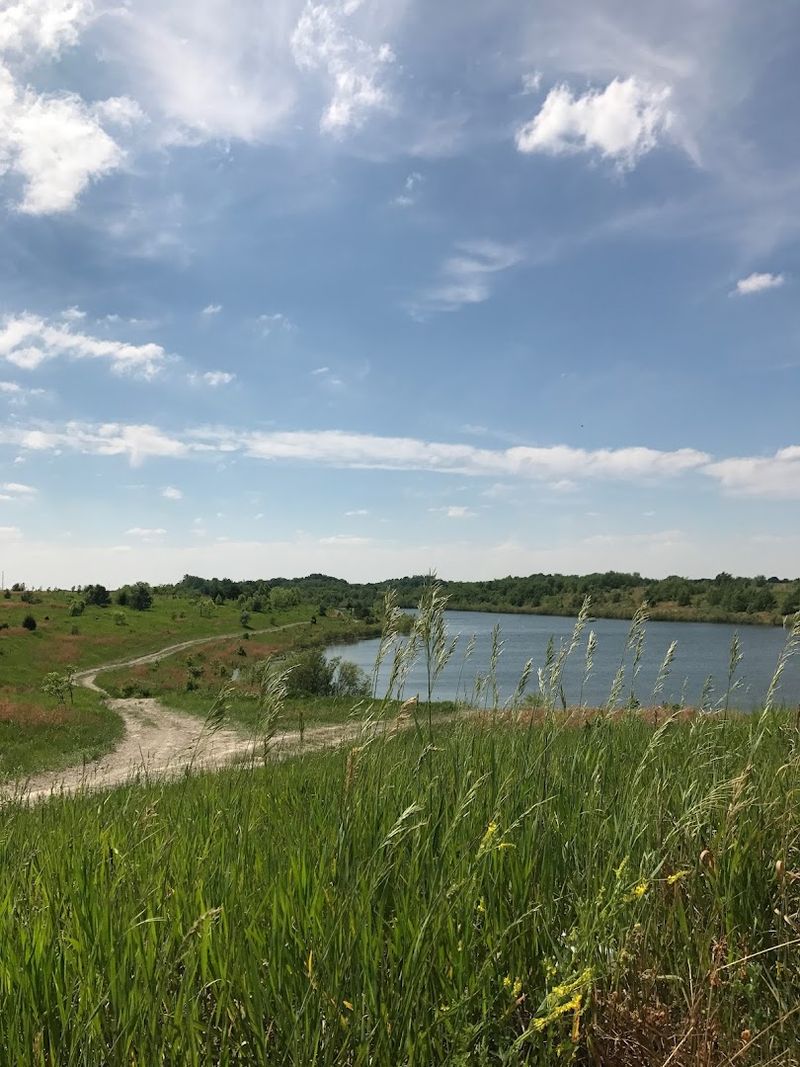
Blue Grass FWA is not a traditional hiking destination with marked trails and trailhead signs. What it offers instead is something that feels more honest and more interesting.
Mowed access lanes wind through the property, connecting parking areas to pit edges and cutting through sections of grassland that feel genuinely remote. Hiking here has a backcountry quality that you rarely find this close to a city.
Some visitors have completed loops of five miles or more by combining access lanes with deer trails and open edges around individual pits. The terrain is mostly flat, which makes longer walks manageable for most fitness levels.
The lack of formal trail markings means you need a basic sense of direction and a willingness to pay attention to where you are going, but that quality is part of what makes exploring the property feel rewarding rather than routine.
Tick repellent is genuinely necessary here, especially in warmer months. The thick ground cover that supports so much wildlife also creates ideal tick habitat, and coming prepared makes the experience far more comfortable.
Wearing orange during hunting seasons is also strongly recommended for anyone hiking the property. The solitude available on a weekday walk through Blue Grass FWA is remarkable for a public area this close to Evansville, and for people who want to feel like they have actually gotten away from it all, this place delivers that feeling without requiring a long drive.
