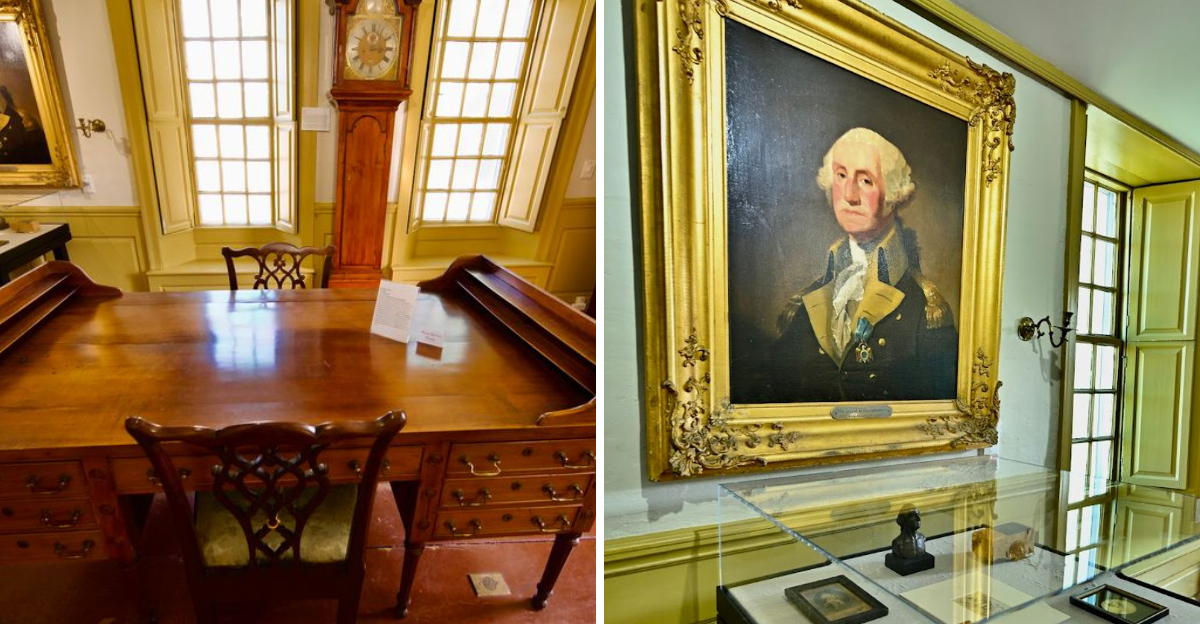
History class was never my favorite subject. Too many dates.
Too many names. Too much sitting still at a desk.
But this museum in New Hampshire is nothing like history class. The building is unassuming from the outside.
You might drive right past it if you were not looking. Inside, the American Revolution feels real again.
There are original documents on display. Letters written by people who were there.
Flags that flew during the fight for independence. I walked through the rooms slowly, reading everything twice.
The staff knows their stuff. They answered my questions without making me feel silly for asking.
I stood in front of a document that someone had signed over two hundred years ago. Their handwriting was neat and careful.
They had no idea that people would still be reading their words centuries later. That is the thing about this place.
It does not just tell you about history. It lets you stand next to it.
The Dunlap Broadside That Started It All
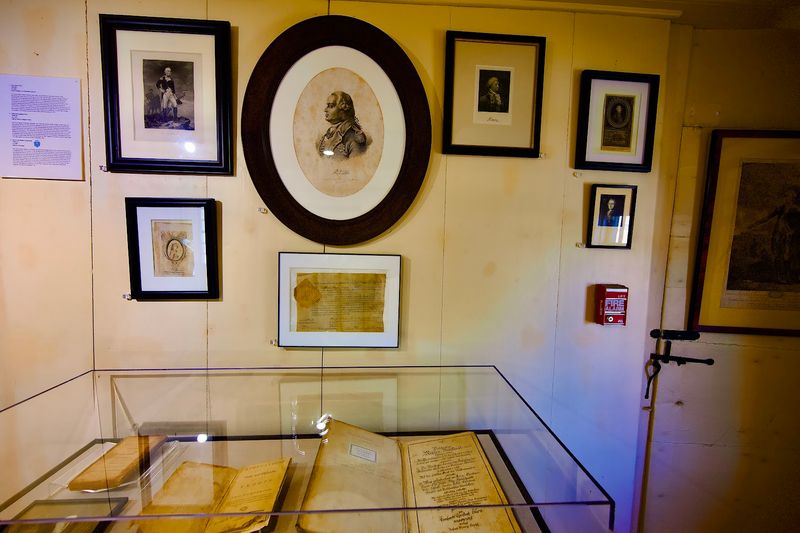
Picture a piece of paper, printed in haste on the night of July 4, 1776, carrying words that would reshape the world. That is exactly what the Dunlap Broadside is, and the American Independence Museum in Exeter, New Hampshire, owns one of the very few surviving copies in existence.
The whole story of this museum begins with this single astonishing document, discovered in the attic of the Ladd-Gilman House. Finding it there was the spark that lit the fire to create the entire institution back in 1991.
Standing in front of it, I felt an almost electric connection to that frantic night when printers set type by candlelight to announce a new nation. The broadside is not behind some distant barrier.
It feels close, personal, and profoundly alive.
Most people know the Declaration of Independence from textbook photos. Seeing an original Dunlap Broadside in person is a completely different experience.
The paper itself carries weight, history, and a kind of quiet thunder that no photograph can replicate. This alone makes the trip to Exeter, New Hampshire, absolutely worth every mile.
The Ladd-Gilman House and Its Remarkable Residents
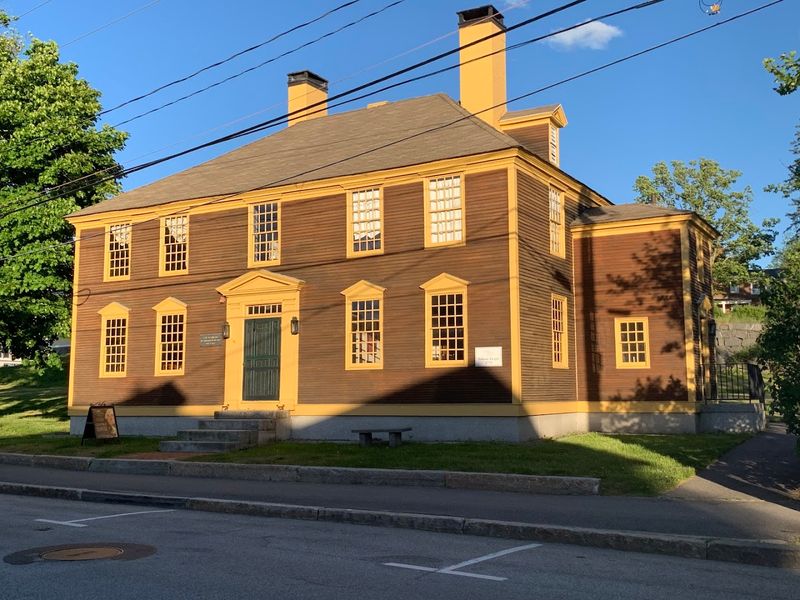
Built in 1721, the Ladd-Gilman House carries the kind of architectural gravitas that makes you slow your steps the moment you approach it. This National Historic Landmark is one of the best-preserved colonial homes in all of New England, and walking through its rooms feels like stepping directly into the 18th century.
What makes it even more compelling is who actually lived here. Nicholas Gilman Jr., one of the signers of the U.S.
Constitution, called this house home. His brother John Taylor Gilman served as governor of New Hampshire, making the house a genuine nerve center of early American political life.
The period rooms are furnished with authentic objects that belonged to real families, not reproductions sourced from a catalog. Every chair, every candlestick, every piece of silver has a story attached to it.
Guided tours of the Ladd-Gilman House are offered at set times throughout the day, and the guides bring remarkable depth to each room. I found myself asking question after question, completely losing track of time.
The American Independence Museum has clearly invested in making this house feel inhabited rather than preserved, and that distinction makes all the difference.
Folsom Tavern and the Night George Washington Walked In
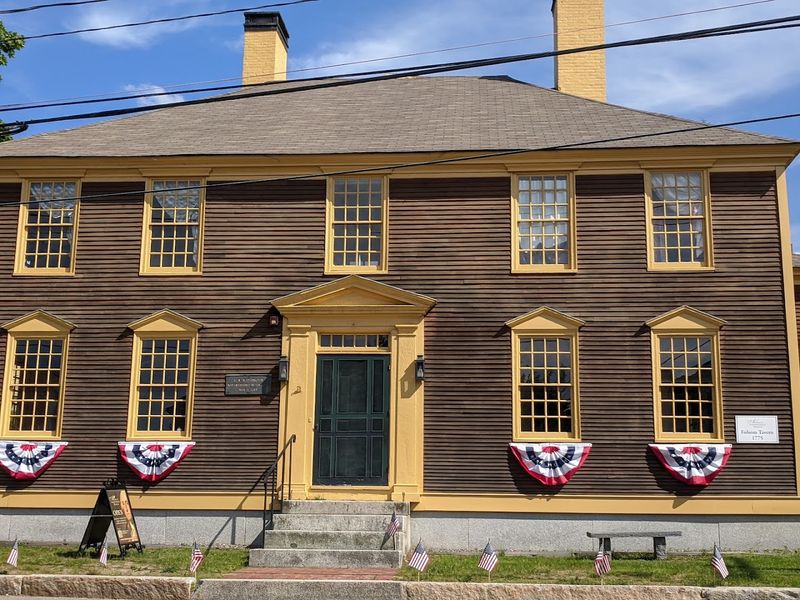
There is something undeniably thrilling about standing in a room where George Washington once stood. The Folsom Tavern, constructed in 1775, carries that exact kind of charge.
Built just as the Revolution was gathering momentum, this tavern became one of Exeter’s most important gathering places for political debate and revolutionary planning.
Washington himself visited in 1789, and the tavern also served as the founding site of the New Hampshire chapter of the Society of the Cincinnati in 1783. That organization holds the distinction of being the oldest patriotic society in the entire nation, which gives this modest building an outsized historical footprint.
Tours of the Folsom Tavern are guided only, and the experience is intentionally immersive. The space includes a relaxation area stocked with historical toys and children’s books, making it genuinely enjoyable for younger visitors who might otherwise lose interest quickly.
I loved the sensory-friendly design of the tour. Nothing felt rushed or overly formal.
The tavern has a warmth to it that larger, more polished institutions often lack. Visiting the American Independence Museum without stepping inside the Folsom Tavern would be like reading only half a book and calling it finished.
A Collection of Over 3,000 Revolutionary Era Objects
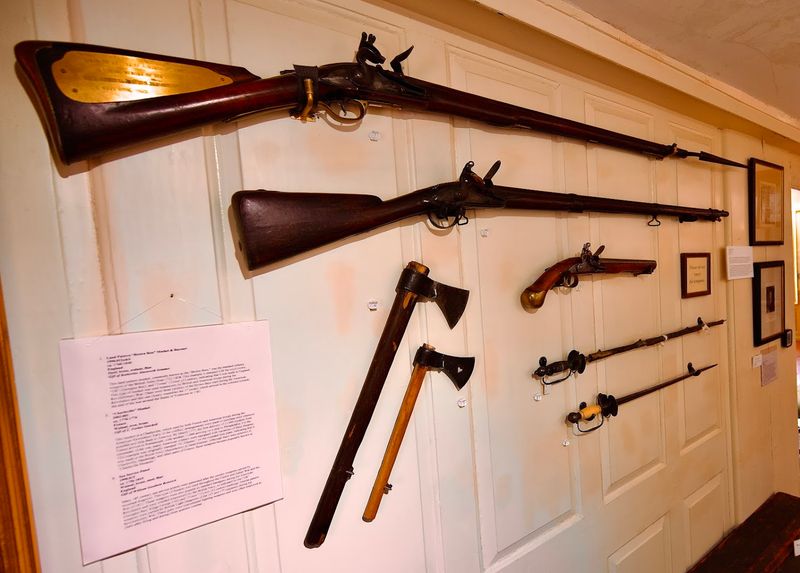
Most museums of this size punch well below their weight when it comes to collections. The American Independence Museum swings hard in the opposite direction.
More than 3,000 objects fill its holdings, spanning everything from military hardware to domestic life in the 18th century.
Military artifacts are among the most visually arresting items on display. A dragoon pistol, a brown bess musket, and an 18th-century powder horn sit alongside American furnishings, ceramics, silver, and textiles that paint a remarkably complete picture of revolutionary-era life.
Two working drafts of the U.S. Constitution are part of the collection as well.
Seeing documents at this stage of their creation, covered in edits and revisions, is genuinely fascinating. History suddenly feels less like a finished product and more like a messy, human process.
Handwritten letters from George Washington round out the documentary holdings in a way that feels almost surreal. His handwriting is surprisingly elegant for a man who spent so much time on horseback.
New Hampshire is lucky to have a collection this rich tucked into such a compact and approachable museum setting.
The Annual American Independence Festival in July
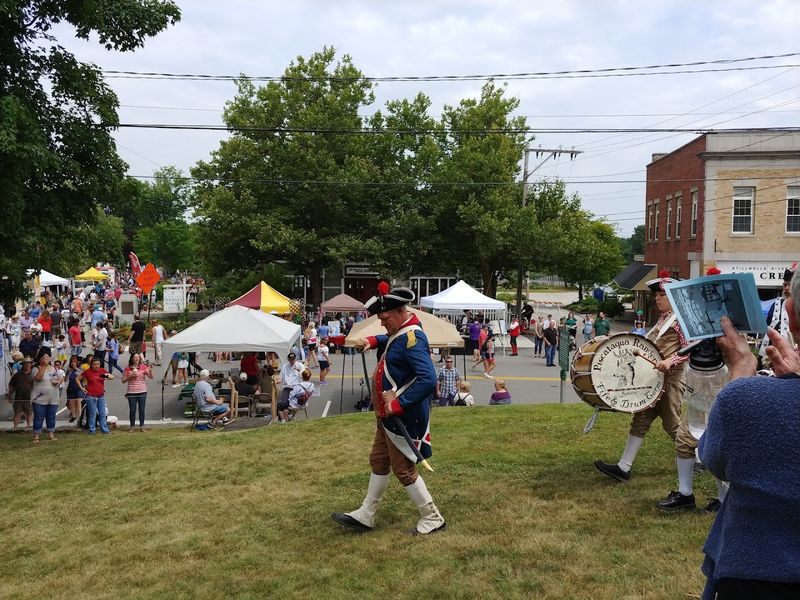
Mark the third Saturday in July on your calendar right now, because the American Independence Festival is one of the most energetic history events in all of New England. Thousands of people descend on Exeter, New Hampshire, for a full day of 18th-century spectacle that manages to be both educational and genuinely entertaining.
Military demonstrations bring the sounds and sights of Revolutionary War combat to life in a way that no exhibit ever could. Reenactors in full period costume fire muskets, demonstrate camp life, and engage with the crowd in character.
Traditional crafts and artisan demonstrations fill the grounds with activity and color.
A public reading of the Declaration of Independence anchors the day with real ceremony. Hearing those words read aloud in the town where so much revolutionary history actually unfolded gives them a weight that is hard to describe without sounding overly sentimental.
It just works.
Families with kids will find the festival especially rewarding. Children who might struggle to connect with static exhibits come alive when they can watch a musket demonstration or try their hand at a colonial craft.
The American Independence Museum has clearly mastered the art of making history feel like a celebration rather than a lecture.
Living History Events That Put You Inside the Revolution
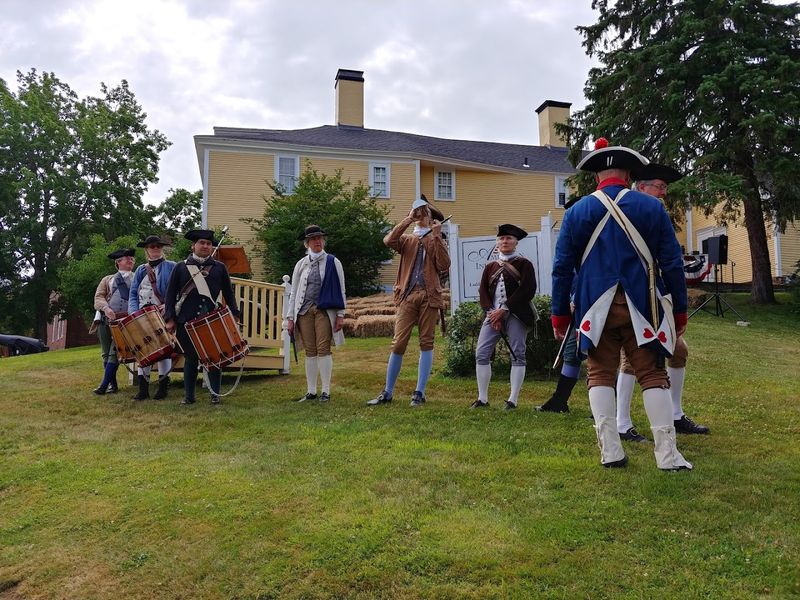
Not every museum has the confidence to blur the line between exhibit and theater, but the American Independence Museum does it with real conviction. Programs like “Rebels in the Republic” use costumed reenactors to explore the complex, often contradictory perspectives that defined life during the Revolution.
These are not simple good-versus-bad narratives. The living history events dig into the messy realities of the era, including questions of loyalty, freedom, and identity that were anything but settled at the time.
I found myself genuinely absorbed in conversations that had no easy answers.
The reenactors are deeply knowledgeable and stay impressively in character throughout. Asking them questions feels less like talking to a performer and more like consulting someone who actually lived through the period.
That level of commitment transforms a museum visit into something closer to a time-travel experience.
These events are scheduled throughout the season and are worth planning your visit around specifically. New Hampshire offers a lot of historical sites, but few of them commit to living history programming with this level of detail and authenticity.
The American Independence Museum treats its audience as intelligent adults who can handle complexity, and that respect comes through in every interaction.
The Interpretive Garden That Tells a Layered Land Story
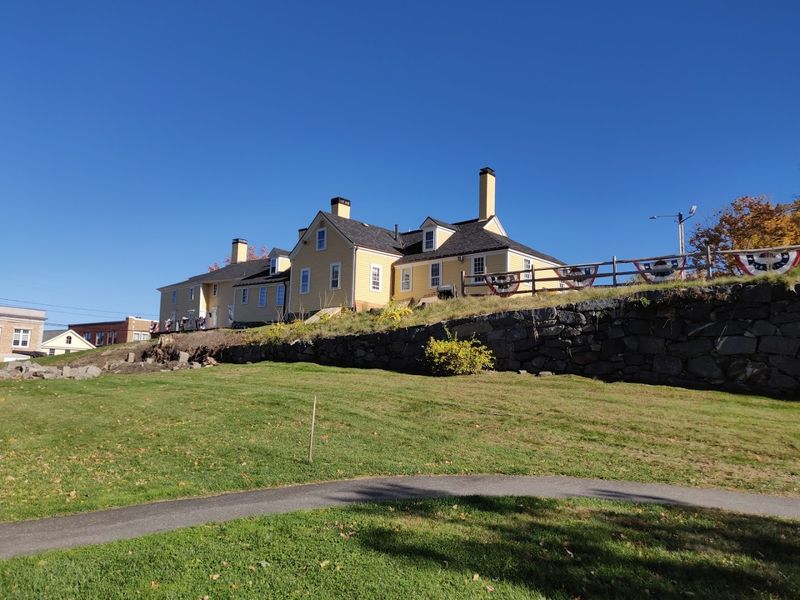
Gardens are not usually the first thing that comes to mind when visiting a Revolutionary War museum, but the interpretive garden at the American Independence Museum earns genuine attention. It is a thoughtfully designed outdoor exhibit that tracks how the same patch of land has been used, transformed, and understood across centuries.
Three distinct sections tell three distinct stories. One area represents Indigenous land use before European arrival, grounding the history of the site in a longer timeline than most colonial museums bother to acknowledge.
A second section recreates an 18th-century kitchen garden, full of herbs and vegetables that colonial households would have cultivated for daily survival.
The third section is a contemporary pollinator garden, planted with native species that support local biodiversity. Moving from one section to the next feels like reading three chapters of the same book, each one reframing what came before.
On a warm afternoon, the garden is a genuinely lovely place to slow down and reflect. It adds a dimension to the museum experience that purely indoor collections cannot provide.
For anyone visiting Exeter, New Hampshire, this outdoor exhibit offers a quiet but powerful reminder that land carries memory long after the people who shaped it are gone.
Guided Tours That Make History Feel Personal
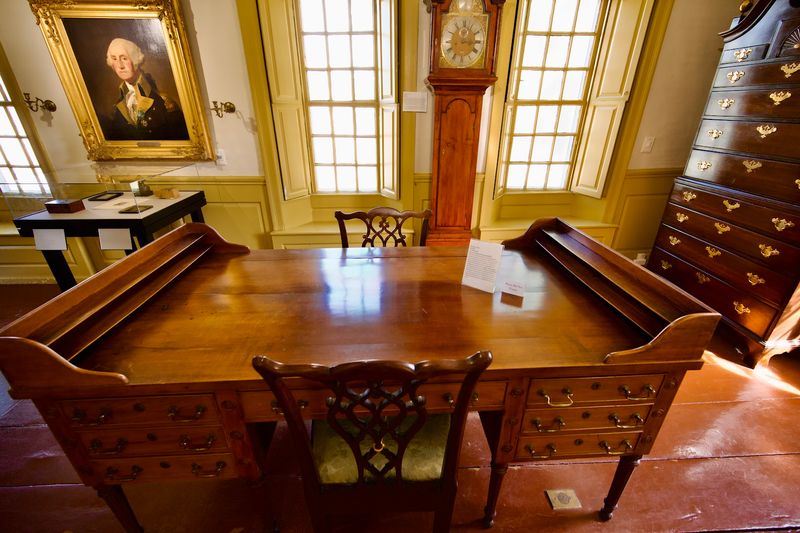
A great tour guide can transform an ordinary museum visit into something you talk about for years. The American Independence Museum seems to understand this deeply, because the quality of its guided tours is consistently exceptional.
Tours of the Ladd-Gilman House run at scheduled times throughout the day and cover the period rooms with a level of contextual detail that goes far beyond the average historic house tour. Guides connect objects to people, people to events, and events to the larger arc of American history in ways that feel organic rather than rehearsed.
The Folsom Tavern tour has its own distinct character. Because the building itself is smaller and more intimate, the experience feels almost conversational.
Guides are clearly passionate about the material, and that enthusiasm is contagious in the best possible way.
Self-guided options are also available for the Ladd-Gilman House, with clear signage throughout for those who prefer to set their own pace. My strong recommendation is to take the guided tour at least once.
The layers of story that a knowledgeable guide adds to each room are simply not available from a placard alone. New Hampshire history has never felt more immediate or more alive than it does in these carefully curated spaces.
The Gift Shop and the Joy of Taking History Home
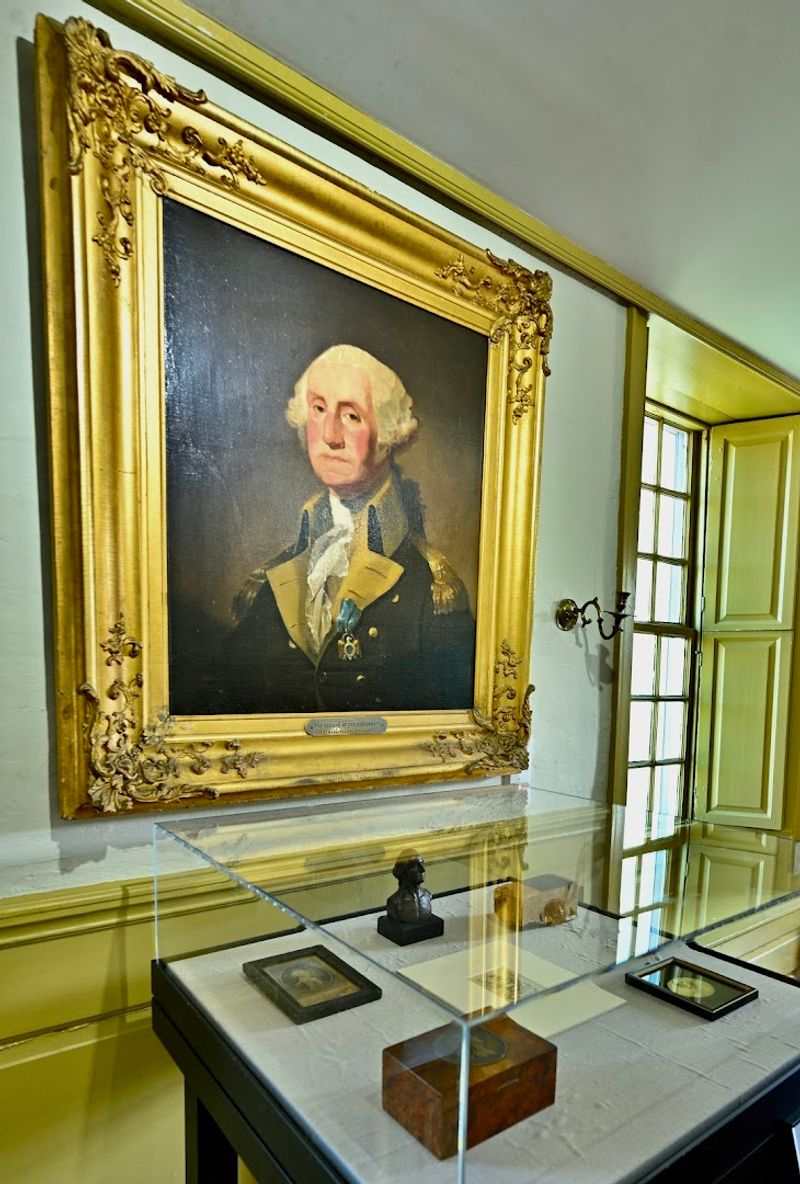
Museum gift shops often feel like afterthoughts, stocked with generic merchandise that could have come from anywhere. The gift shop at the American Independence Museum is a different creature entirely.
It feels curated and purposeful, with items that genuinely extend the experience of the museum rather than just capitalizing on it.
Books on Revolutionary War history, colonial reproduction items, and thoughtfully chosen American Independence themed merchandise fill the shelves. Picking up a few things here feels less like retail therapy and more like bringing a piece of the story home with you.
The staff in the gift shop bring the same warmth and enthusiasm to their role as the tour guides do to theirs. My time browsing the shelves turned into a longer conversation about the museum’s collection and upcoming events, which I had not expected but thoroughly enjoyed.
For families with children, the gift shop offers age-appropriate books and items that can help keep the historical conversation going long after the visit ends. Exeter, New Hampshire, has a lot to offer as a destination, and the American Independence Museum gift shop is a satisfying final note to what is already a rich and rewarding experience from start to finish.
Planning Your Visit to 1 Governors Lane Exeter
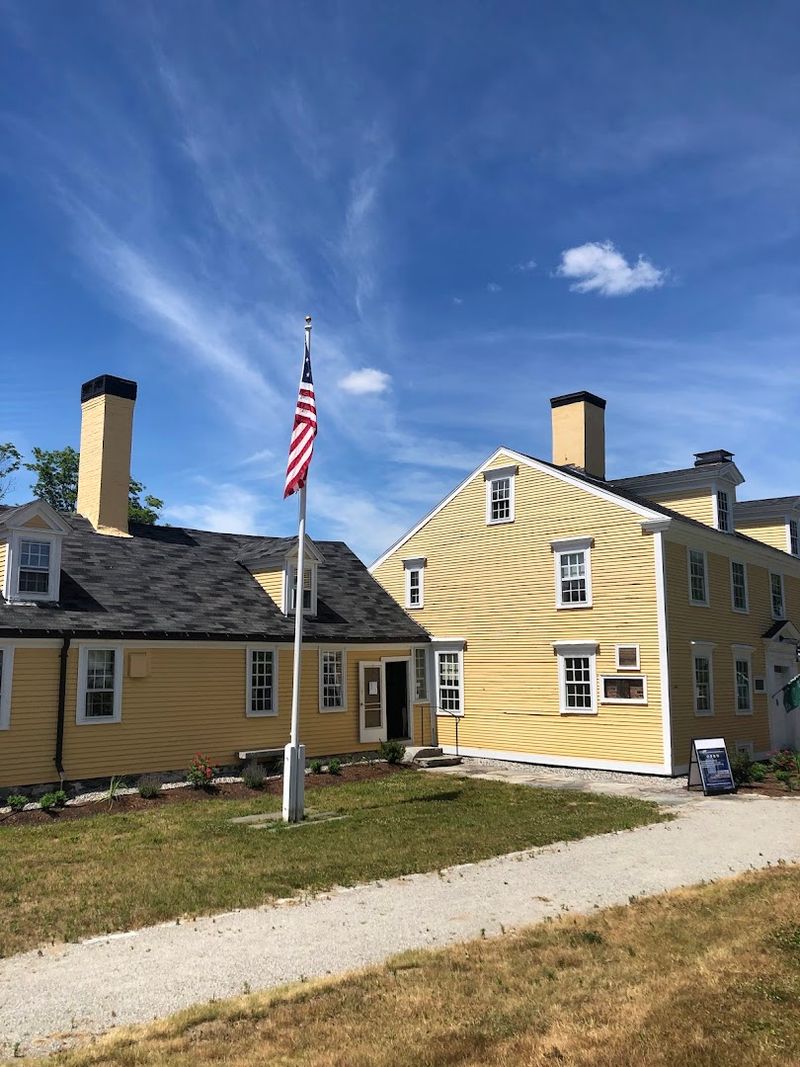
Getting to the American Independence Museum is refreshingly straightforward. Located at 1 Governors Lane in Exeter, New Hampshire, the museum sits in a walkable part of town where parking is easy to find and the surrounding streets are worth exploring on their own.
The museum operates seasonally from May through November, opening Thursday through Saturday from 10 AM to 4 PM. Planning ahead is smart, especially if you want to catch a specific guided tour time or a special living history event.
Arriving early gives you the best chance of joining a tour at your preferred time.
The campus spans one acre and includes both the Ladd-Gilman House and the Folsom Tavern, so budget enough time to do both buildings justice. Rushing through either one would mean missing the details that make the experience genuinely memorable.
Exeter itself is a beautiful New Hampshire town with a strong sense of its own historical identity. Combining a visit to the American Independence Museum with a stroll through the town center makes for a full and satisfying day.
For more information or to plan ahead, the museum can be reached at 603-772-2622 or through its website at www.independencemuseum.org. Pack comfortable shoes and bring your curiosity.
