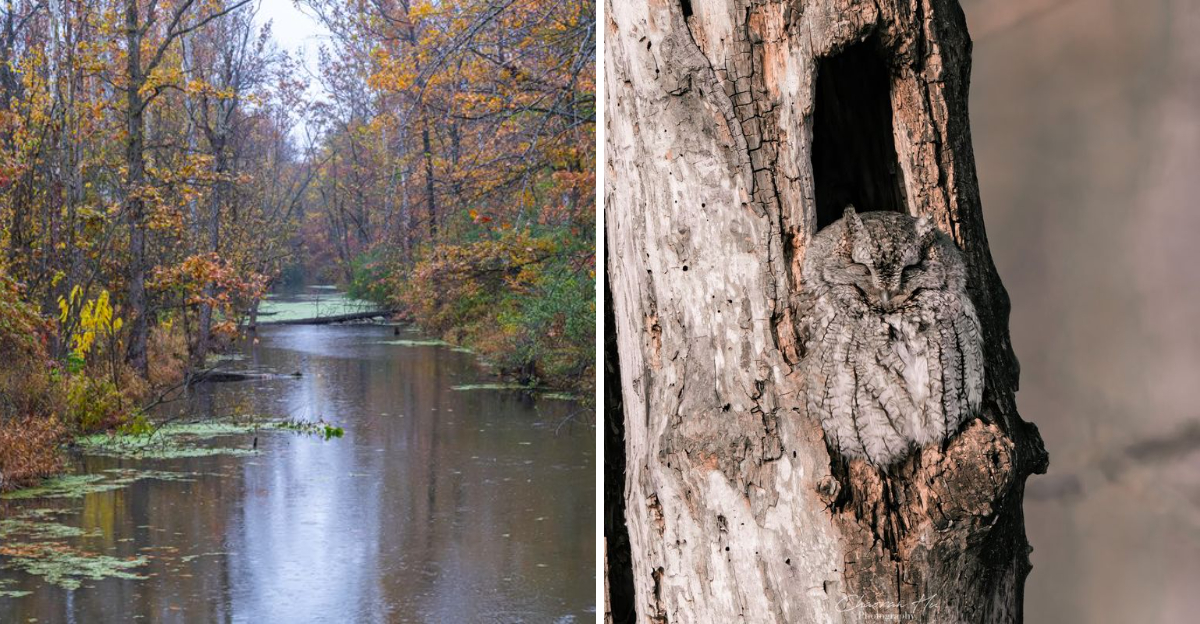
There is something quietly powerful about driving through a place where nature feels fully in control. This wildlife refuge in the southern Midwest, not far from a small river town, is exactly that kind of space.
I have been to enough natural areas in this region to know that many come with crowded parking lots and busy paths, but this one feels different. It stretches across about 7,700 acres of wetlands, forests, and grasslands, and on most days the auto route can be driven with barely seeing another vehicle.
Deer step out from the tree line like you are just passing through their world for a moment. Birds call from every direction, layered over the sound of wind moving through open fields and still water.
The landscape shifts constantly between marsh, meadow, and woodland, giving each stretch of road its own quiet rhythm. It feels less like a destination and more like slipping into a hidden pocket of calm that somehow stays untouched.
Rich Biodiversity That Will Genuinely Surprise You
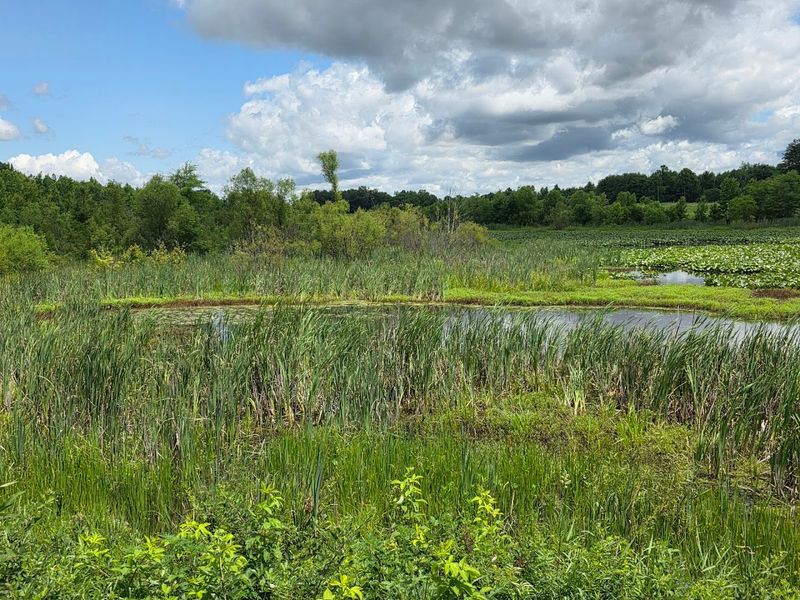
Most people drive past Seymour on US-50 without realizing they are a few minutes away from one of Indiana’s most ecologically rich landscapes. Muscatatuck National Wildlife Refuge, located at is 12985 East US Highway 50, Seymour, IN 47274, was established in 1966, and in the decades since, it has grown into a habitat mosaic that supports over 290 recorded bird species.
That number alone puts it in rare company among Midwest wildlife refuges.
Bald eagles circle the ponds in winter. Tundra swans stop here during migration, filling the water with a kind of graceful chaos that you have to witness in person to fully appreciate.
Wading birds, waterfowl, songbirds, reptiles, amphibians, and mammals all share this landscape in a way that feels genuinely balanced.
The variety changes with every season, which is why regulars keep coming back. Spring brings migrating warblers and blooming wildflowers.
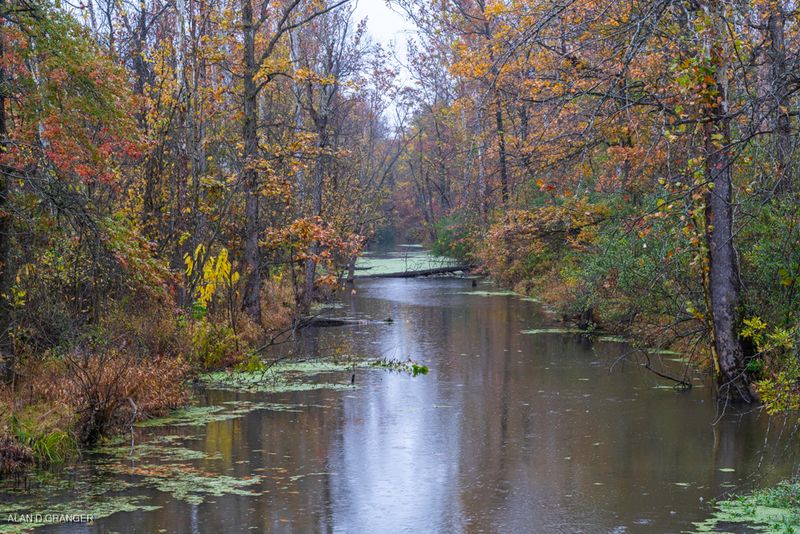
Summer fills the wetlands with dragonflies and herons. Fall turns the maples into a color show, and winter reveals the bare bones of the landscape in a way that is quietly beautiful.
You could visit every month for a year and still notice something new each time. For anyone who loves the natural world, the biodiversity here is reason enough to make the drive.
White-Tailed Deer Sightings Are Almost Guaranteed
If you have ever driven through rural Jackson County and spotted deer grazing along a field edge at dusk, you already know the quiet thrill of that encounter. At Muscatatuck, that thrill is multiplied and made reliable.
The refuge’s mix of forest cover, open grasslands, and wetland edges creates near-perfect habitat for white-tailed deer, and the population reflects that.
Early morning visits tend to produce the best sightings. Deer move through the open areas before the day heats up, and because the refuge sees relatively little foot traffic compared to state parks, they are noticeably less skittish than deer in more heavily visited areas.
You can sometimes watch a small group graze or move through the brush for several minutes without them bolting.
Fall is especially productive for deer watching. During the rut, bucks become more visible and active during daylight hours, and the changing foliage frames every sighting in a way that makes you wish you had brought a better camera.
Bring binoculars regardless of the season. The auto tour road puts you close enough to observe without disturbing, which is exactly the kind of low-impact wildlife encounter the refuge was designed to provide.
For families with kids who have never seen deer up close in a wild setting, this alone makes the trip worthwhile.
A Scenic Auto Tour Built For Unhurried Exploration
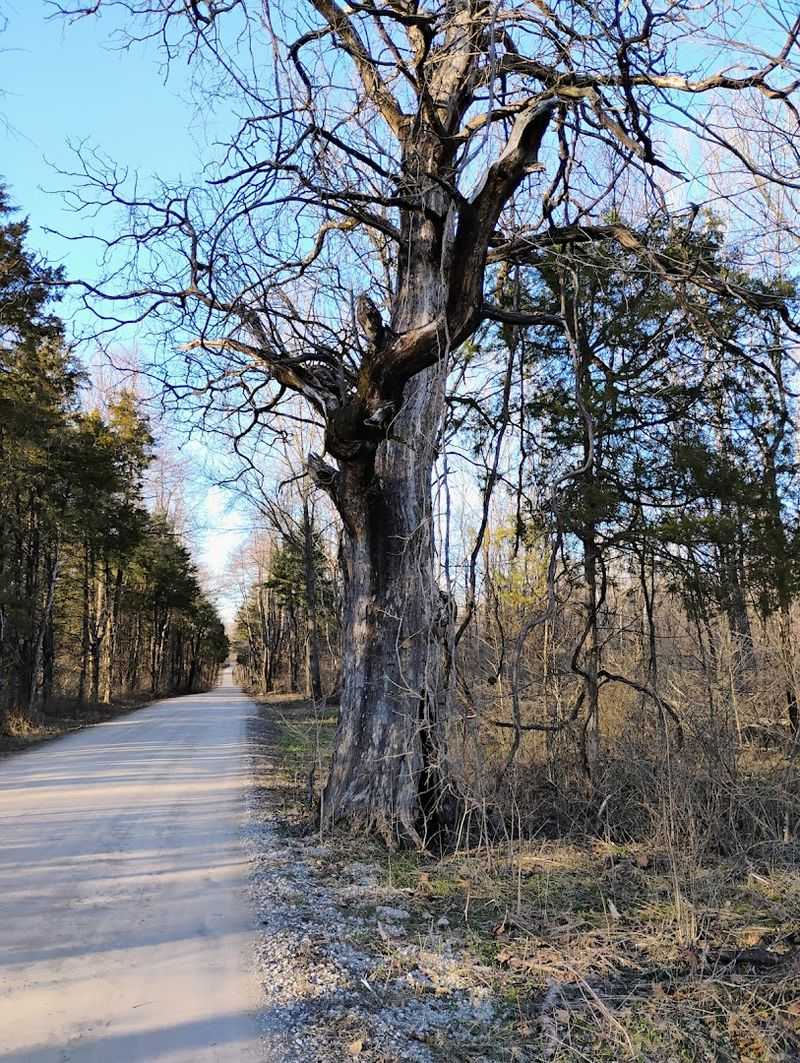
Not every wildlife refuge gives you a dedicated driving route designed specifically for wildlife observation, but Muscatatuck does. The 4-mile auto tour winds through some of the most visually striking parts of the refuge, passing wetlands, wooded corridors, and open water areas where birds and mammals congregate.
You set your own pace, stop whenever something catches your eye, and never feel rushed.
What makes this route especially appealing is its accessibility. You do not need hiking boots, a high clearance vehicle, or a detailed trail map.
Families with young children, older adults, and anyone who prefers to observe wildlife from a comfortable seat will find this format genuinely welcoming. The route also changes character with the seasons, so the same drive looks and feels completely different in April versus October.
Interpretive signage along the way helps connect what you are seeing to the broader ecology of the refuge. You start to understand why certain birds favor certain water depths, or why the tree line was managed a particular way.
It turns a pleasant drive into something educational without feeling like a classroom. I find it hard to do the loop just once.
There is almost always something in a different spot on the return pass, and that unpredictability is a big part of what keeps the experience feeling alive and worth repeating.
Peaceful Solitude That Is Hard To Find Anywhere Else
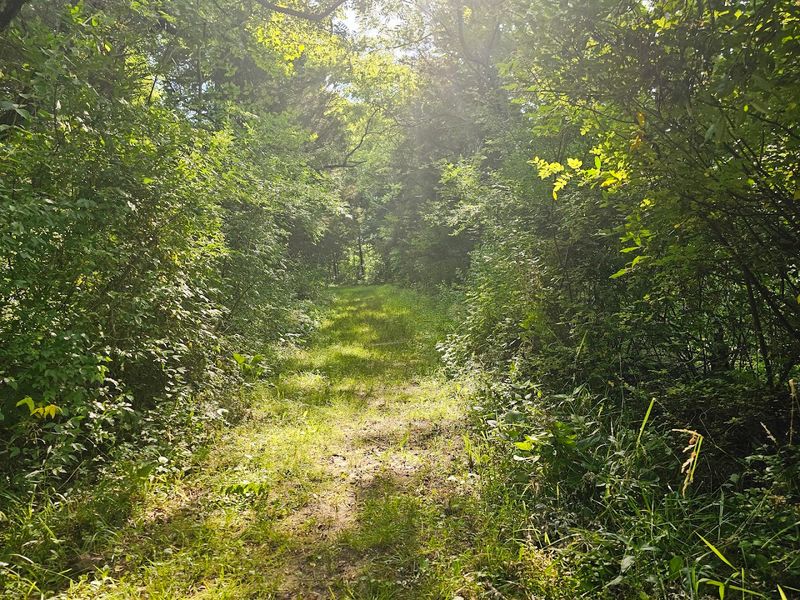
Crowd fatigue is real. Anyone who has tried to birdwatch at a popular state park on a holiday weekend knows the frustration of competing with picnic noise, off-leash dogs, and a steady stream of joggers cutting through the trail.
Muscatatuck operates at a completely different frequency. Most visits feel genuinely solitary, even on weekends.
The refuge spans enough acreage that even when a handful of other visitors are present, you rarely cross paths in a way that disrupts the experience. The wetlands absorb sound.
The tree canopy muffles wind. Standing near Lake Luellen or along one of the quieter trail segments, you can hear frogs splashing into the water, woodpeckers working the dead timber, and the occasional distant honk of geese overhead.
That kind of acoustic environment is increasingly rare within an hour of a mid-sized Indiana city.
People who use the refuge regularly describe it as restorative in a way that feels almost medicinal. There is something about being in a place where human activity is deliberately minimized that allows your nervous system to genuinely relax.
Whether you come alone to decompress after a hard week, or bring someone you want to share a slow and quiet afternoon with, the solitude here is not accidental. It is the whole point, and Muscatatuck delivers it consistently across all four seasons.
Diverse Habitats Packed Into One Accessible Location
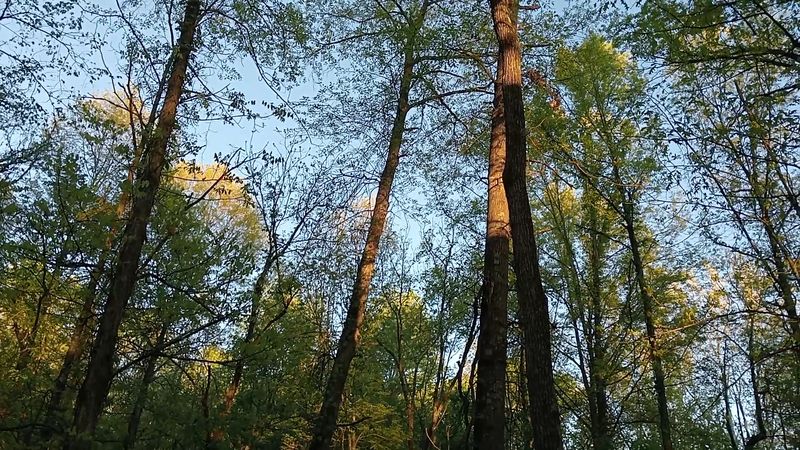
One of the things that genuinely sets Muscatatuck apart from other natural areas in southern Indiana is how many distinct habitat types exist within a single visit. Wetlands, bottomland hardwood forests, upland fields, restored grasslands, and open water areas all exist within the refuge boundaries.
Each one supports a different set of species, which means every turn on the trail or auto route can introduce something completely new.
The wetland areas are particularly impressive. Restored from former farmland over decades of careful management, they now host populations of waterfowl, wading birds, and aquatic reptiles that would have been absent a generation ago.
Turtles bask on logs in summer. Great blue herons stalk the shallows in slow motion.
River otters have been documented in the refuge, which feels almost improbable for a landscape this close to a small city.
The upland forest sections offer their own rewards. Mature trees create a canopy that shelters woodland songbirds and produces a damp, earthy atmosphere that feels genuinely ancient.
Wildflowers push through the leaf litter in spring. Mushrooms colonize fallen logs in late summer.
For photographers, naturalists, or anyone who simply enjoys variety in a natural setting, the habitat diversity here means no two visits feel the same. That quality keeps the refuge relevant and worth returning to throughout the entire year.
Accessible Hiking Trails For Every Comfort Level
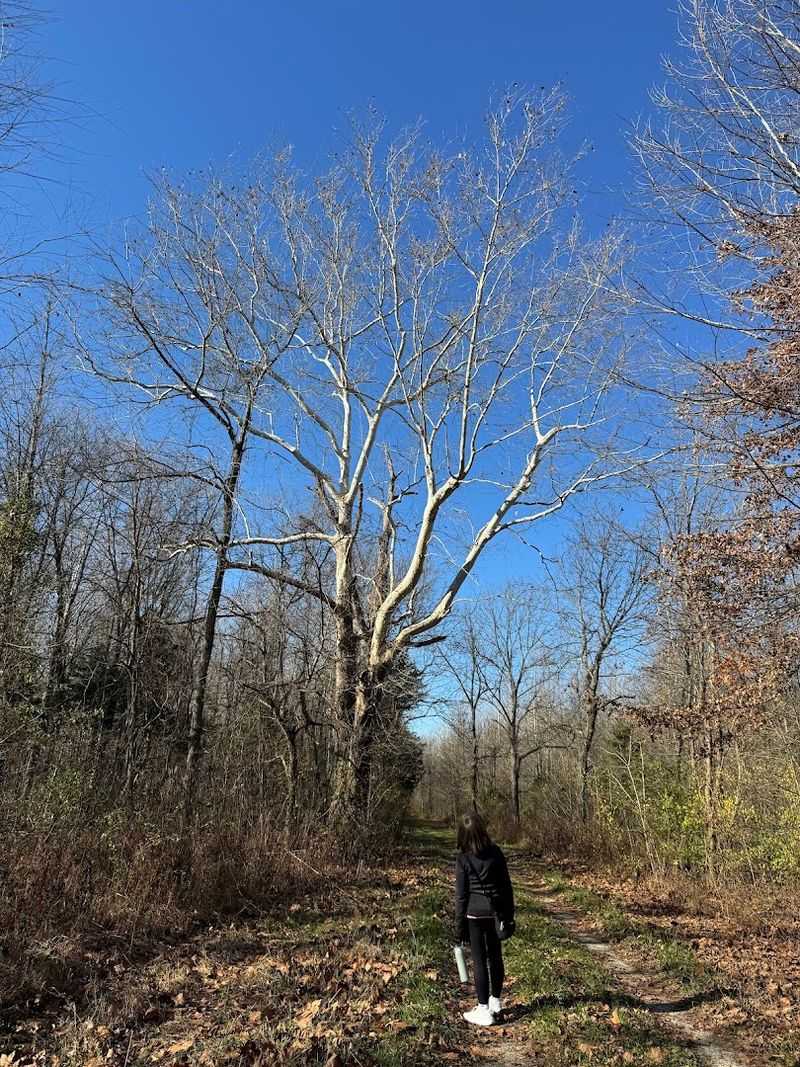
Hiking at Muscatatuck does not demand any special preparation or athletic ability. The refuge offers several trail options that range from short, paved loops near the visitor center to longer dirt paths that push deeper into the forest and wetland areas.
Whether you have thirty minutes or three hours, there is a route that fits your schedule and energy level.
The Turkey and Bird Trail is a favorite among birders and casual walkers alike. It moves through a mix of habitat types and rewards patient observers with close-up views of species you might only glimpse from the auto tour road.
The paved segments near the nature center are genuinely accessible for people with mobility considerations, which is a thoughtful design choice that not every refuge gets right.
A few practical notes worth keeping in mind: bug spray is not optional from late spring through early fall. The mosquito situation near the wetlands can be intense, and ticks are present throughout the warmer months.
Wear long pants on the dirt trails, especially if you venture toward the Myers Cabin area where vegetation grows close to the path. Sturdy shoes help on the unpaved sections after rain.
None of these are reasons to stay home. They are simply the honest terms of a place that prioritizes wildlife over human comfort, and most visitors find that trade entirely worth making.
Educational Programs And Year-Round Events Worth Planning Around
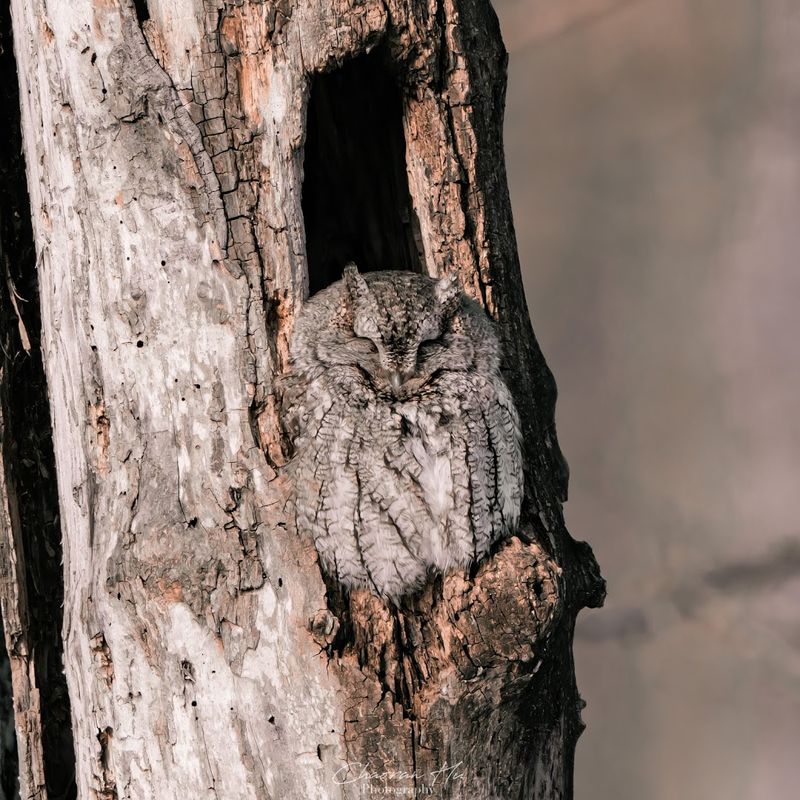
The refuge is not just a place to wander quietly. Muscatatuck runs a calendar of educational programs and public events that give visitors a structured way to connect with the landscape and the wildlife it supports.
These programs cover topics from bird identification and wildlife photography to conservation history and seasonal migration patterns. Checking the calendar before your visit is genuinely worth the effort.
The visitor center itself is a strong starting point for any trip. Staff there are knowledgeable and genuinely enthusiastic about the refuge, and the interpretive displays give useful context for what you will encounter outside.
A small gift shop carries field guides and nature-related items that make practical souvenirs. First-time visitors who spend fifteen minutes inside before heading out tend to notice significantly more during their time on the trails.
Seasonal highlights on the event calendar include sandhill crane migration programs in fall and waterfowl surveys in winter. These guided experiences turn a general visit into something more focused and memorable.
Nearby, the city of Seymour offers practical amenities including Freeman Municipal Airport at 800 Airport Road, Seymour, and dining options like Shields Restaurant at 104 N Chestnut St, Seymour, IN 47274. The Muscatatuck Urban Training Center at 5765 W US-50, Butlerville, IN 47223 is also a notable landmark in the broader area.
Planning your visit around a refuge event adds a layer of depth that a solo drive simply cannot replicate.
