Have you ever noticed how a place changes once more people start visiting it? That’s exactly what’s happening with Ohio’s natural spots. From state parks to quiet trails, tourism has brought new energy, and some changes you can’t miss.
On one hand, it’s great to see more people discovering Ohio’s lakes, forests, and hiking paths. It means local businesses get a boost, trails are better maintained, and there’s more attention on protecting these areas. But I’ve also seen how tourism shifts the vibe.
Places that once felt hidden now feel busier, with more crowds and sometimes less of that untouched calm. Parking lots fill up faster, and even the small towns nearby start to adapt with new shops and restaurants catering to visitors.
It’s not all bad, it just means Ohio’s nature looks and feels different than it used to. So, what’s driving these changes, and how does tourism reshape the way we experience the outdoors here?
Let’s take a closer look at why Ohio’s nature doesn’t feel quite the same anymore.
Foot Traffic Reshapes Trails Faster
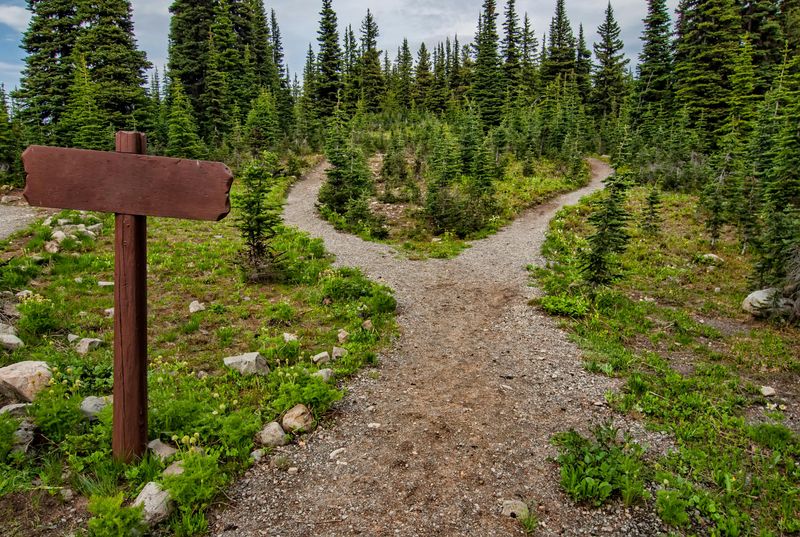
You know that soft springy feel underfoot on a forest path? Popular parks in Ohio lose that pretty quickly when thousands of boots press down in the same places.
Soil compacts, roots show, and a narrow ribbon becomes a two lane path you can spot from far away.
The curves feel wider than they used to, and you can see the shine of polished stone from constant steps. It is still gorgeous, just different in texture and pace.
On the Lake Erie side, the trails at Cleveland Metroparks Rocky River Reservation, tell a similar story.
Shortcut lines cut across switchbacks when people rush a view, and small gullies deepen after rain. If you stick to the main route, you help the ground breathe again.
The mix of hikers, bikers, and trail runners changes how paths hold up. Where use concentrates, the edge plants pull back and the path feels almost like a sidewalk.
Spread out the traffic and the forest quickly softens the scars.
So the big takeaway is simple and close to home. Feet change land faster than we expect, especially in this part of the Midwest.
Step lightly, stay center, and let Ohio keep its softer side for the next walk.
Waterfalls Lose Their Quiet Presence
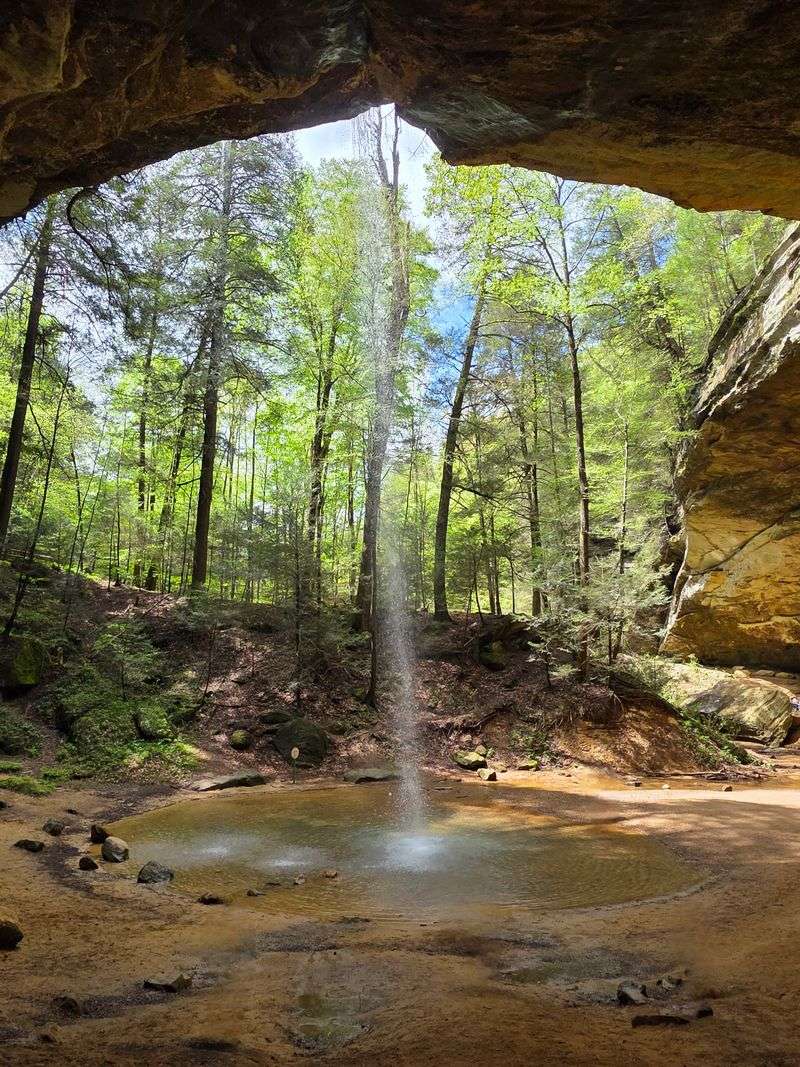
Waterfalls used to feel like secret conversations. Now many in Ohio show up on every phone feed, and the hush goes missing when a crowd gathers.
You still get the shimmer and the spray, but the soundtrack adds human echoes that ride the rock walls.
At Cedar Falls, the viewing area pulls people to one tight spot. Voices bounce off the sandstone, and you hear more talk than water for a moment.
Step back around a bend and the falls return to the lead.
Down near Clifton Gorge State Nature Preserve, smaller cascades along the Little Miami River meet steady foot traffic.
People gather near shallow pools, which shifts fish and salamanders a bit. Drift to a less obvious bend and you can hear the stream think again.
So here is the real note. Water still speaks, only now it shares the room with you.
In Ohio, it is easy to trade a few steps for a calmer tone and let the falls have the floor.
Parking Lots Replace Open Space
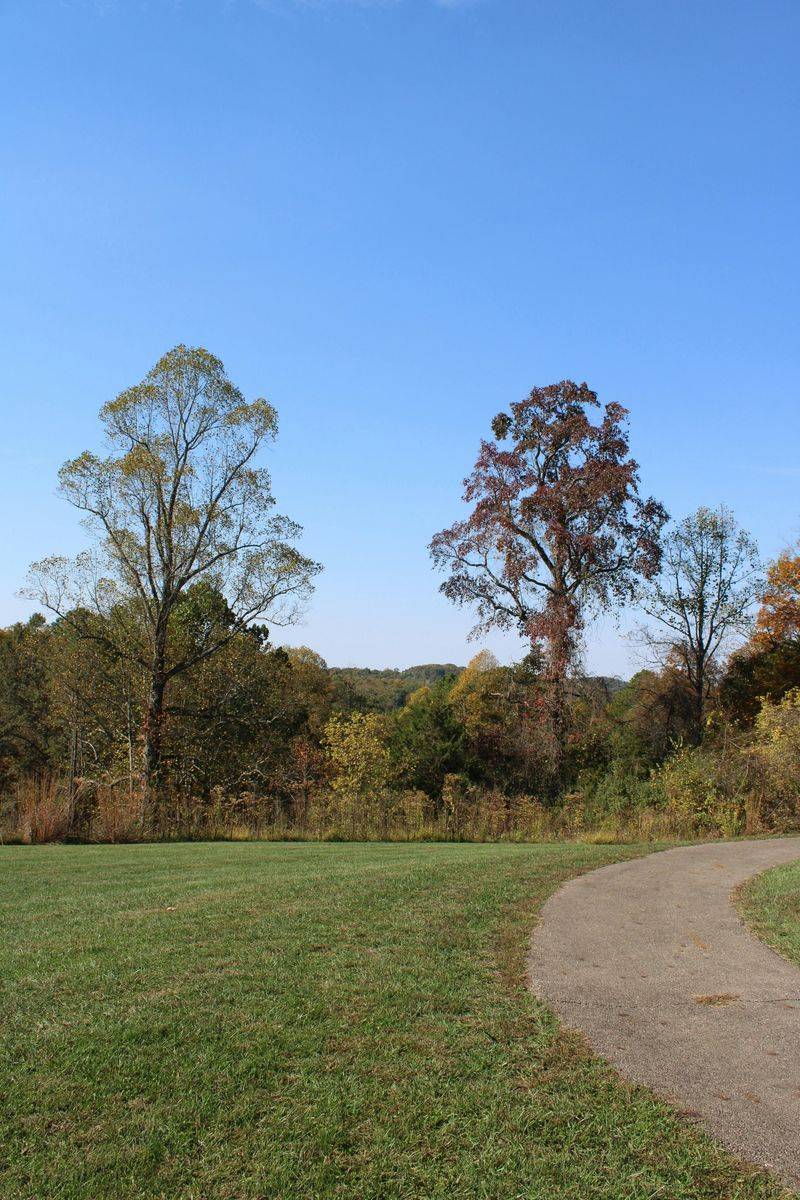
Let’s talk about the approach. When visitation spikes, parks need places for cars, and that often means meadows get trimmed into rectangles with lines.
It changes the first breath you take when you step out, because asphalt holds heat and shaves a little off the wild feeling.
New access patterns and larger parking areas serve the river crowd. The forest edges pull back just enough that you notice.
Once you cross the road and drop under the canopy, the trees take over again.
Cuyahoga Valley National Park clusters parking near trailheads to manage flow. It is efficient and realistic with modern numbers.
Still, the old meadow look now shares space with curbs, and the vibe tilts more organized.
Ohio keeps welcoming visitors, which is great. The tradeoff shows up at the start and end of the day, right where tires stop spinning.
If you cluster the pavement smartly, the open space beyond can still breathe.
Wildlife Adjusts Or Pulls Back
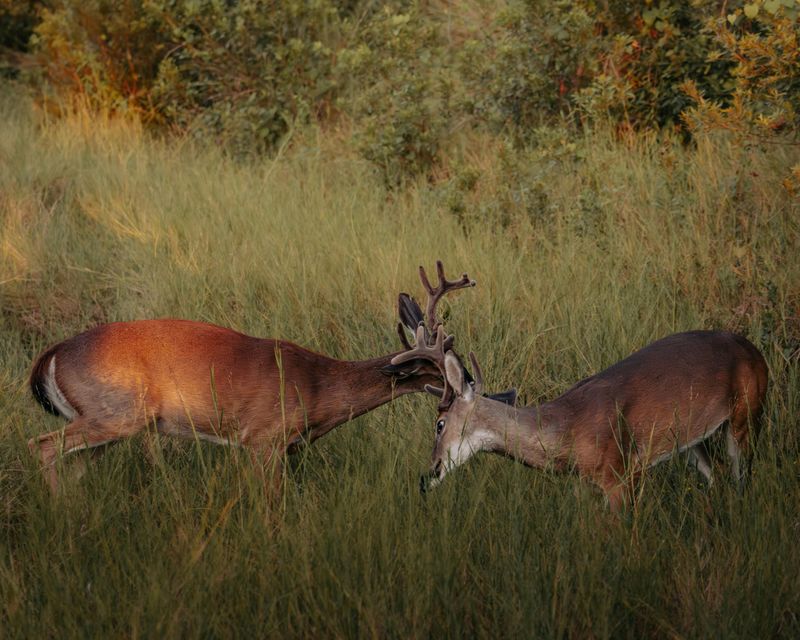
Animals read crowds better than we do. In busy Ohio parks, some species slide deeper into the woods while others get weirdly comfortable near people.
You can see both in a single morning if you pay attention at the edges.
At Deer Haven Preserve, 4183 Liberty Road, Delaware, songbirds pivot to quieter hedgerows when trails fill up.
A raccoon might test a trash proof bin like it is a puzzle box. The deer keep their distance until dusk, then drift across the open field again.
In Salt Fork State Park, 14755 Cadiz Road, Lore City, the back coves hold herons that avoid boat noise. Squirrels near picnic loops act like they run the place.
Walk a side path and the mood shifts from curious to cautious in a few steps.
Wildlife here is not disappearing here. It is adapting, retreating, or leaning in, depending on how you move.
Make sure to keep voices low, give space, and the woods will feel alive again.
Erosion Accelerates On Scenic Slopes
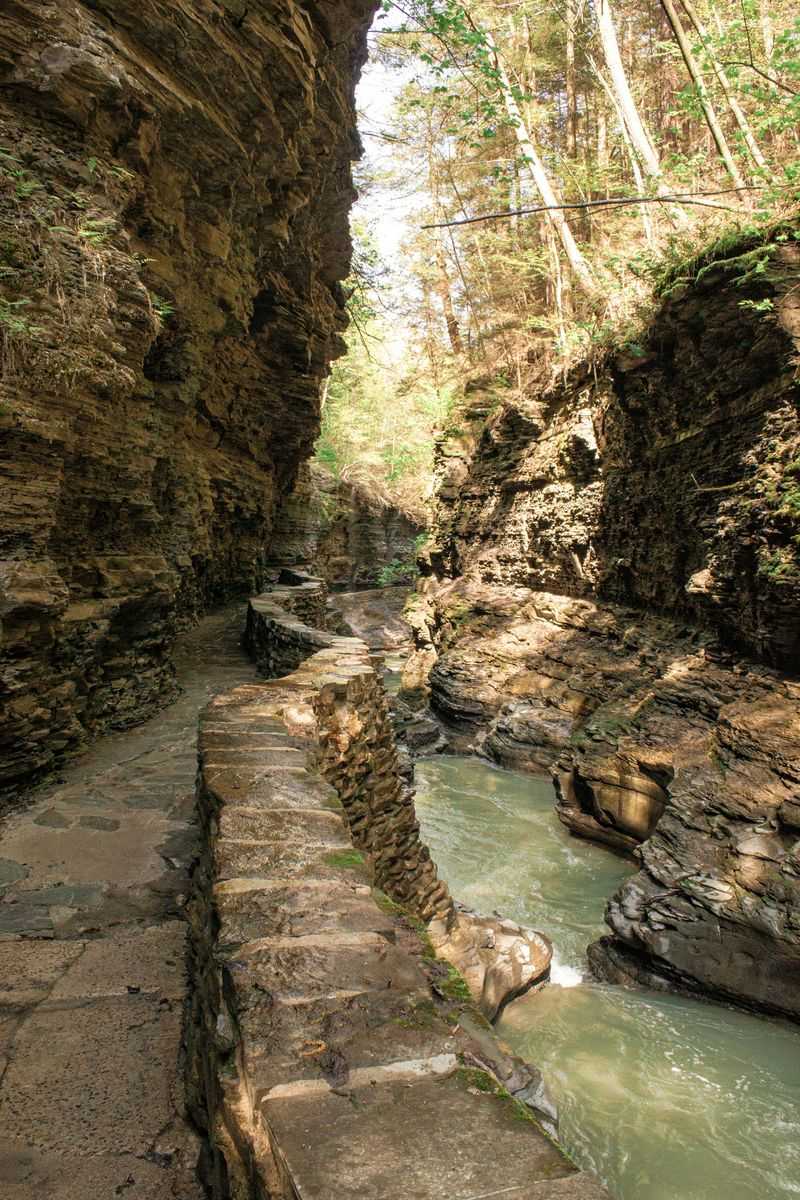
Scenic spots take the most footsteps, and slopes pay the price. In Ohio’s gorges and riverbanks, dirt loosens, roots hang out, and small slides turn messy after rain.
You can read the damage like rings on a tree.
A lot of nature preserves have steep sandstone walls where signs ask you to stay on trail. Shortcuts nip switchbacks, which breaks the plant cover holding soil in place.
The result is rougher edges and a path that grows wider every season.
At John Bryan State Park, 3790 State Route 370, Yellow Springs, the rim path above the Little Miami River carries steady traffic.
River views lure people to the lip, and the bank crumbles bit by bit. Stick to marked overlooks and the ground stays under your boots.
Ohio’s beauty is sturdy but not invincible. Erosion speeds up when vegetation breaks and water finds new lanes.
Stay the course, skip shortcuts, and the slopes will hold their shape longer.
Boardwalks Change How Nature Is Experienced
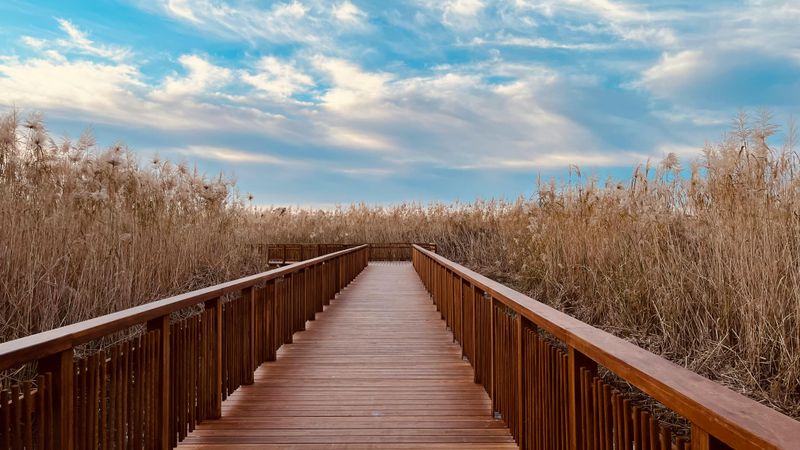
Raised paths feel a little like museum walkways in the best way. They save fragile ground and keep muddy boots out of nesting zones.
The trade is that you go where the planks tell you, and the scene turns curated.
At Magee Marsh Wildlife Area, 13229 West State Route 2, Oak Harbor, the boardwalk floats above cattails and lets warblers carry the show.
You stand shoulder to shoulder in spots, yet the habitat stays safe. The line moves, birds settle, and everyone gets a look.
At Beaver Creek State Park, 12021 Echo Dell Road, East Liverpool, newer sections steer people away from muddy side channels. The flow keeps feet dry and roots covered.
I think it is a simple fix that protects a lot of life.
In this state, boardwalks do not remove magic, they aim it. Follow the planks, and you get close without crushing the reason you came.
Seasonal Crowds Stretch The Impact Window
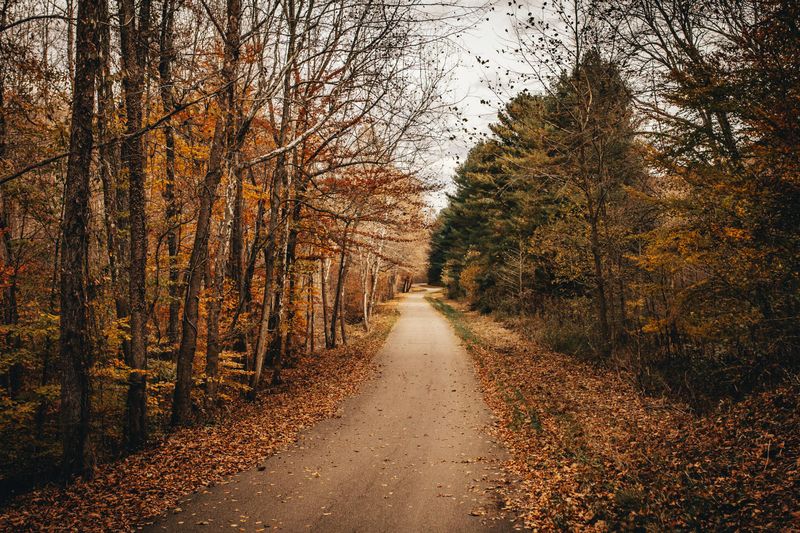
Here is the thing about seasons. Ohio used to spike on summer weekends, then rest.
Now fall colors and spring blooms pull strong numbers, and the recovery time between peaks shrinks.
Leaf season fills the river corridors here. Trails feel alive for weeks, which is great, but the ground stays pressed.
Winter freeze helps, yet the cycle keeps the soil working overtime.
In Cuyahoga Valley National Park, 6947 Riverview Road, Peninsula, the Towpath sees steady walkers through shoulder months. Spring flowers pop, and everyone wants that light.
The plants handle it, though they appreciate fenced edges that keep steps off the fresh growth.
Ohio’s calendar has widened. The land is resilient, but it likes breathers too.
Choose off peak hours and you help return a little calm to the cycle.
Trash And Micro-Litter Accumulate

Even careful visitors leave traces. It is rarely a big bag on the ground.
It is tiny things, the little stuff that slips from pockets and rides the wind.
I spot wrappers tucked into roots along the shoreline path in many parks. Bottle caps hide under leaves.
The large bins help, but the volume means crews are always chasing the last bits.
Reservations here show how micro litter collects at trail junctions. Tissue corners and tag ties gather where people pause.
A quick pocket check before moving on makes a real difference here.
In Hocking Hills State Park, 19852 State Route 664 S, Logan, small scraps settle under boardwalks after busy days.
It is not a mess, just a reminder that small habits add up. Carry a tiny bag, and you can erase a handful in a minute.
This state stays beautiful with a little shared effort. Pick one piece each stop and the trail looks cared for.
Know that tiny actions scale fast when the crowds are big.
Water Quality Faces New Pressures

Water tells the truth slowly. Streams and lakes in Ohio feel the extra touch from visitors, especially where folks wade or rinse off.
Sediment lifts, sunscreen traces linger, and shore plants get trampled into thin lines.
Shallow rock shelves invite feet, and after busy afternoons, the water looks a shade cloudier near entry points. Step in at designated spots and the edges stay healthier.
You can see rivers carry fine silt when banks get scuffed. It is normal, just amplified by traffic.
Stabilized access points help a lot by keeping the churn in one durable place.
Coves handle runoff after storms. When people gather near inlets, the mix of sand and lotion shows up as a soft sheen.
A quick rinse away from the water line limits the load.
Ohio water bounces back with time and boundaries. If you treat the edges like living things, they respond.
Small choices upstream protect the quiet downstream.
Scenic Views Become Staged Spaces
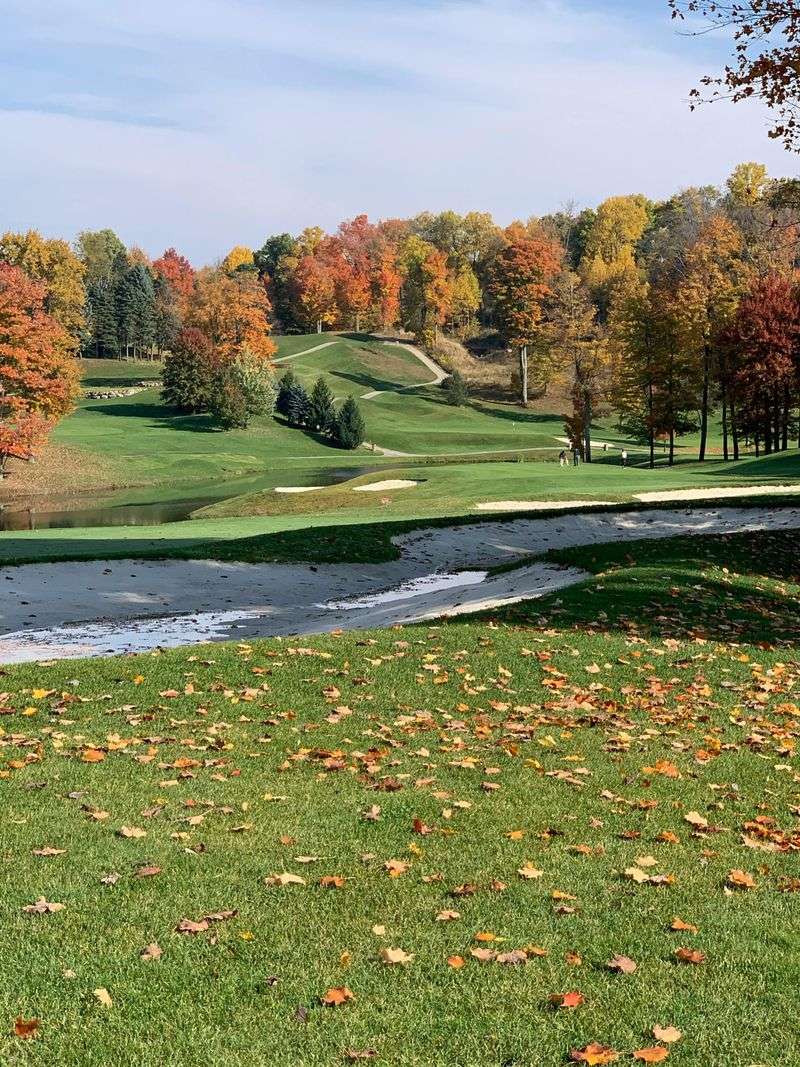
Ever notice how a viewpoint feels like a tiny stage? In Ohio, lookouts gather people into photo zones, and the ground shows the pattern.
Dirt flattens, grass fades, and nearby branches get trimmed to hold the view.
Buzzard Roost Nature Preserve, 3740 Beech Grove Road, Manchester, sets an epic overlook above the Ohio River.
The approach opens into a pocket where everyone angles for the same frame. It is lovely and a little choreographed, like a set built for a shot.
Camp Chase Trail Overlook near Battelle Darby Creek Metro Park, 1775 Darby Creek Drive, Galloway, shows worn patches where bikes pause.
You can see the skid marks and the compressed edge. A few feet of distance restores the grass quickly.
This state still serves big views. They just feel staged sometimes, with cues about where to stand.
Step aside after your moment and let the ground catch its breath.
Local Use Patterns Shift
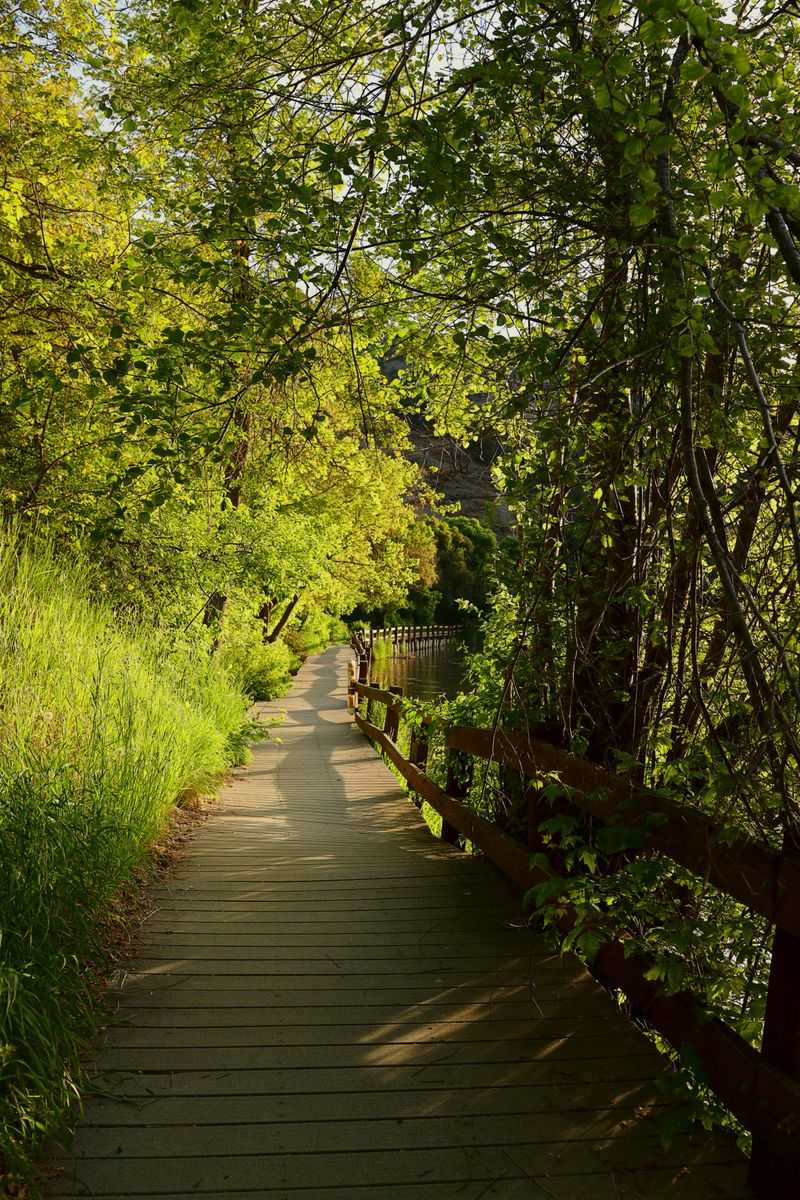
Tourism changes habits for people who live nearby. In Ohio towns around busy parks, residents learn the rhythms and plan around the peak.
Some skip weekends and reclaim mornings or rainy days.
Coffee spots hum early, then locals vanish when trailhead lots fill. Later, you see families back on the sidewalks once the evening settles in.
Cyclists and hikers pour through, and shop hours flex a little to match the flow. Friends pick side routes to avoid the main crush.
Locals talk about trail conditions like weather. When the rush hits, they point visitors toward quieter loops to spread the load.
Communities here adapt with grace most days. The trick is keeping daily life smooth while sharing what makes the place shine.
A nod and a tip go a long way on the sidewalk, trust me.
Conservation Efforts Grow More Visible
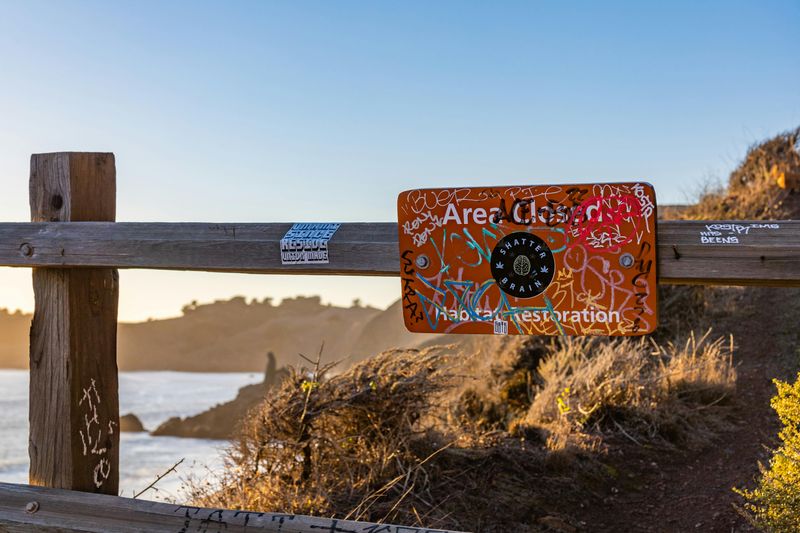
Management steps into the spotlight when crowds arrive. You notice more signs, more fencing, and a few extra rangers out on the path.
It is not fussy, just a way to keep the place from getting loved too hard.
Restoration zones sit behind subtle rope lines. Seedlings take root where shortcuts once cut corners.
People get it when the story is explained in plain language.
A lot of parks post trail status updates and keep wet prairies off limits after storms. The clarity helps in my opinion.
Instead of guessing, you pick a drier loop and the habitat stays intact.
Ohio has always cared for its green spaces. With more people visiting, that care just becomes easier to spot.
The managed look protects the wild feeling you come to find.
