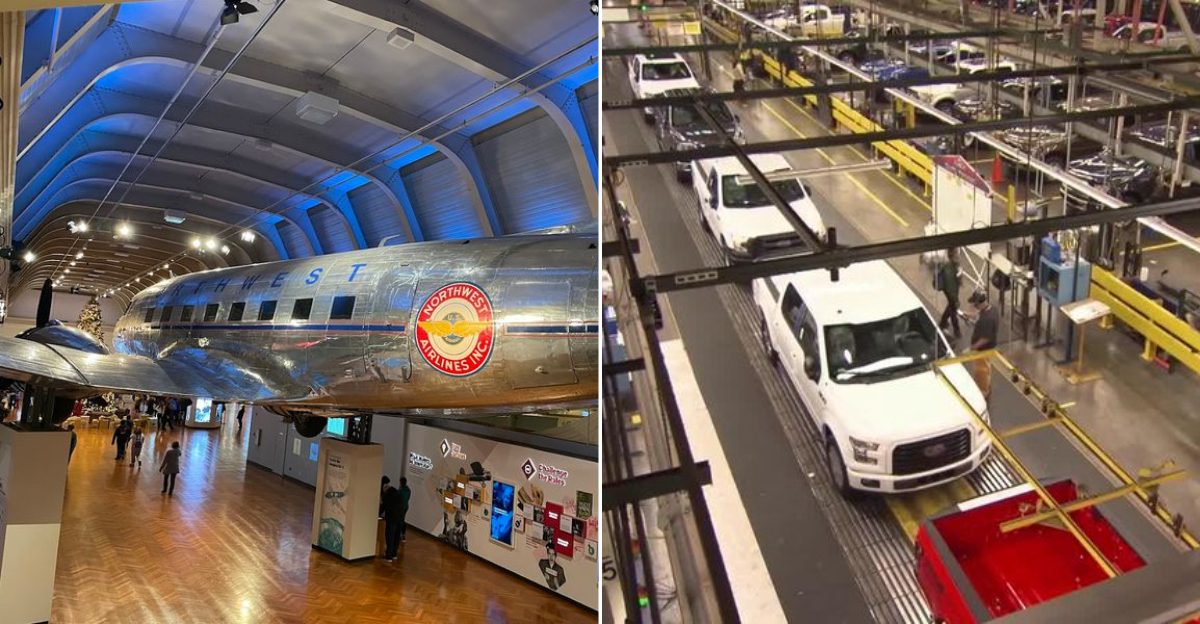
Have you ever watched a giant metal press punch out a truck door with a thunderous clang that shakes the floor beneath your feet? That is the everyday reality inside this legendary Michigan assembly line tour, a working factory where heavy industry becomes a high-octane day trip.
I stood on a catwalk as massive conveyor belts moved truck frames past a choreographed dance of robotic arms and skilled workers. Sparks flew from welding stations, engines roared during testing, and the sheer scale of the operation made my jaw drop.
You see the entire process unfold, from raw steel coils to a finished vehicle driving off the line. It is loud, gritty, and absolutely fascinating for anyone who has ever wondered how big machines are built.
Kids and adults alike press their faces against the glass, watching the modern miracle of mass production. This is not a dusty museum exhibit.
It is a living, breathing factory that has shaped American industry for generations. Put on your safety glasses and prepare to be amazed.
The Opening Film Actually Pulls You In
I know, I know, hearing that a tour starts with a film does not exactly sound thrilling on paper. But this one earns its place because it gives you just enough history to sharpen everything you are about to see later.
Instead of feeling like homework, it feels like someone finally explaining why this huge place matters before you walk out and face it for yourself.
The story of the Rouge complex lands differently when you are sitting there knowing you will soon look over the real grounds. You start connecting the old manufacturing ambition with the modern plant, and that bridge between past and present is honestly one of the coolest parts.
It turns the tour from simple sightseeing into something a little more grounded and memorable.
What I liked most is that the film sets a human tone before all the steel and motion take over. You are reminded that assembly lines are really about people, coordination, and ideas being turned into physical things at a massive scale.
That perspective makes the next rooms feel richer, because you are no longer just waiting for action, you are actually following the thread.
Getting There Sets The Tone For The Day
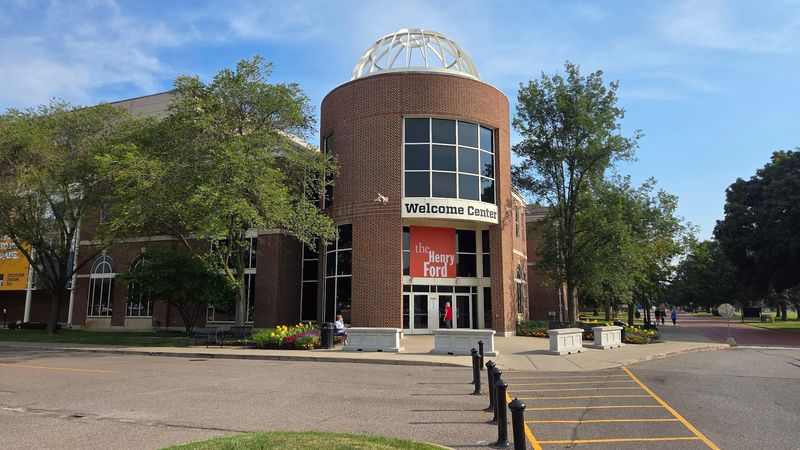
Even the logistics feel a little different here, which honestly adds to the mood. The Ford Rouge Factory Tour experience begins through The Henry Ford at Ford Rouge Factory Tour, 20900 Oakwood Boulevard, Dearborn, Michigan, and that museum connection gives the whole outing a bigger sense of place.
You are not just pulling up to a random industrial building and hoping for the best.
There is something kind of satisfying about arriving at a site where invention, labor, and transportation history all sit in the same conversation. Dearborn has that particular Michigan mix of working roots and big ideas, and this tour leans right into it without making a speech about itself.
It just lets the setting do some of the talking for it.
I would tell you to give yourself a little mental breathing room before you start, because there is more to take in than you might expect. Once you are inside, the experience starts unfolding in layers.
That makes the arrival feel less like checking in somewhere and more like stepping into a story that is still actively moving.
The Manufacturing Theater Is Loud In The Best Way
This is the part where the tour suddenly wakes up your whole body a little. The manufacturing theater uses sound, motion, and big visuals to give you a feel for stamping, heat, force, and rhythm, and it makes industrial production seem surprisingly physical even before you reach the plant floor overlook.
You are not touching anything, but you still feel the energy of it.
I liked that it does not try to soften the machinery into something cute or overly simplified. Instead, it lets you sit inside the sensation of how intense the process can be, which is exactly what makes the next part feel earned.
When the floor seems to rumble and the screens throw all that movement at you, the whole thing gets genuinely exciting.
If you are bringing someone who thinks factories sound boring, this is probably where their opinion starts to wobble. It is immersive without being cheesy, and it gives a useful sense of scale before you see the real operation.
By the end of it, you are not just curious anymore, because you are actively looking forward to seeing where all that motion actually leads.
The Observation Deck Changes Your Sense Of Scale
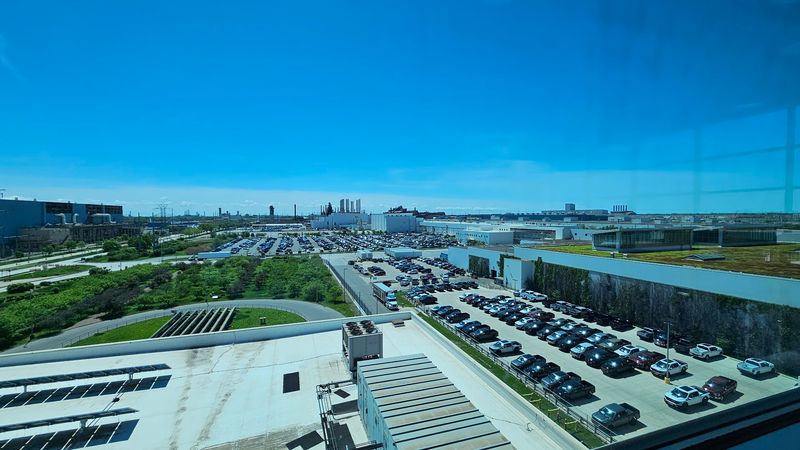
Then you get out on the observation deck, and that is when the place really stretches out in front of you. Looking across the Rouge complex gives you the kind of panoramic view that makes ordinary buildings seem tiny for a minute.
You can finally understand that this is not just one plant, but a whole landscape shaped by manufacturing.
What surprised me is how much this stop slows you down in a good way. After the theater experience gets your pulse moving, the overlook gives you space to actually absorb what you are visiting.
You start noticing the mix of old industrial muscle and newer design thinking, especially when the living roof comes into view and adds a softer note to all that steel.
There is something deeply Michigan about standing there and looking over a working industrial giant while the wind moves around you. It feels practical, proud, and very real, not dressed up for show.
If you like places that let you stand still for a second and quietly understand their size, this deck might end up being one of your favorite parts.
Watching The Assembly Area Is The Real Jolt
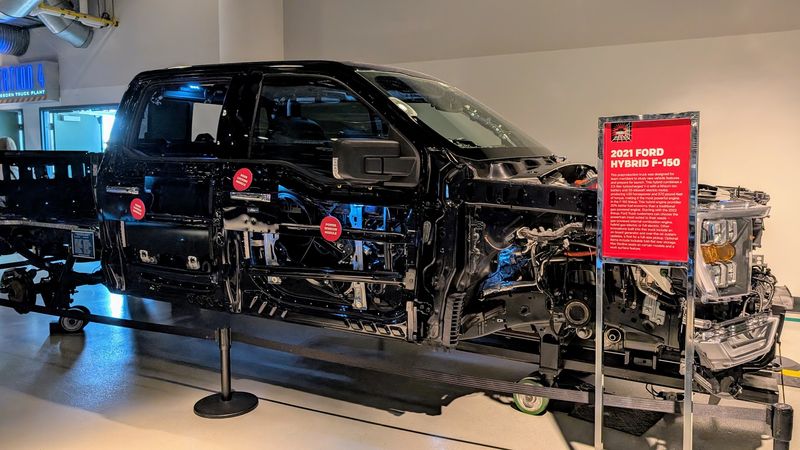
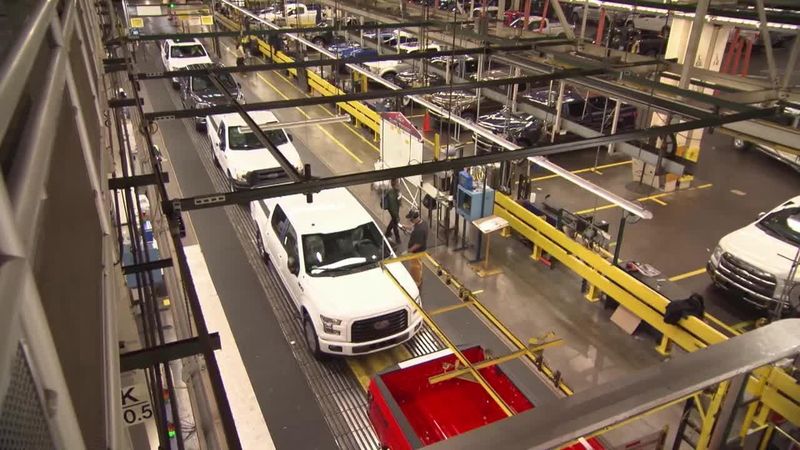
Here is the moment you probably came for, and yes, it delivers. From the elevated walking area, you can look down into the final assembly space where Ford F-One Fifty trucks are put together, and it is fascinating in that very specific way only real production can be.
Everything has a rhythm, and even when the movement looks calm, you can sense how much planning sits underneath it.
I found myself watching the choreography more than any single machine. Parts arrive, systems shift, people move with purpose, and the whole thing feels less chaotic than your brain expects from such a huge industrial setting.
That is the magic of a working line, because the complexity is obvious while the flow still manages to look smooth from above.
Even if production activity varies when you visit, the space still has a pull to it. You are seeing the environment where the process happens, not a pretend version built for show, and that matters.
For a day trip in Michigan, it is hard to beat the feeling of standing there and realizing you are looking straight into modern manufacturing as it actually exists.
The Legacy Gallery Gives The Tour Some Heart
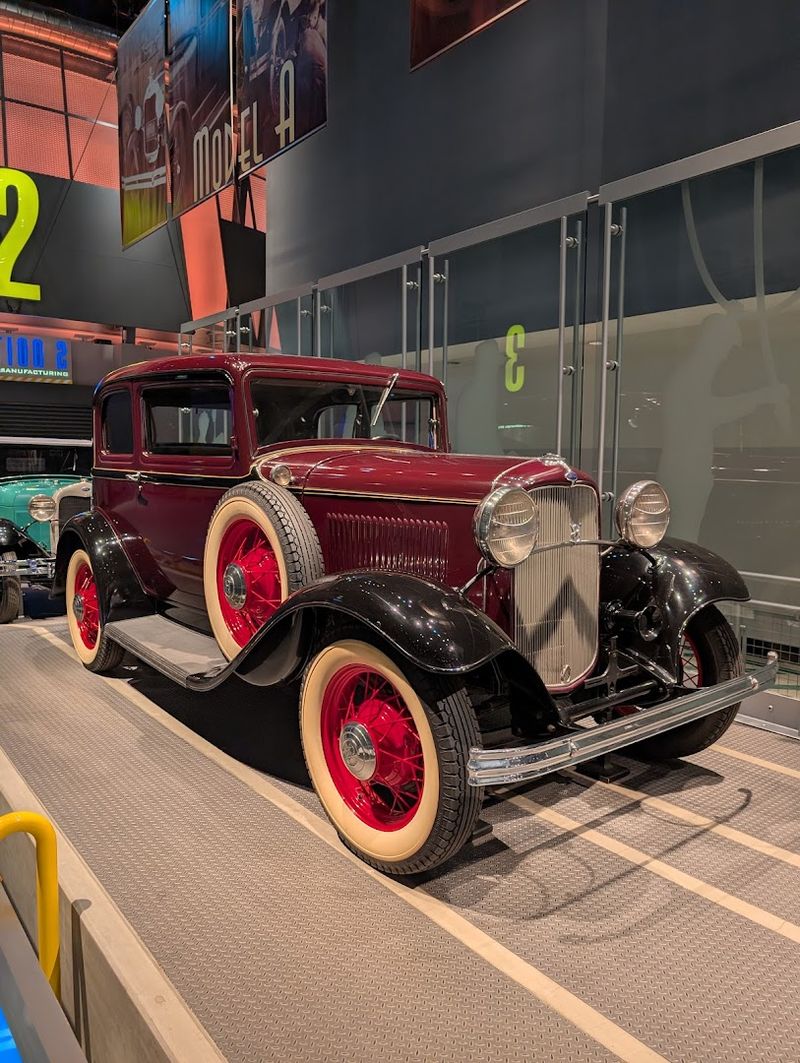
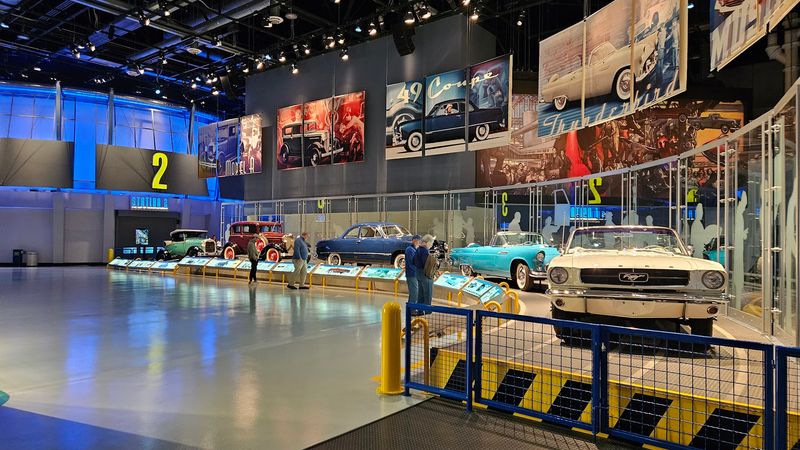
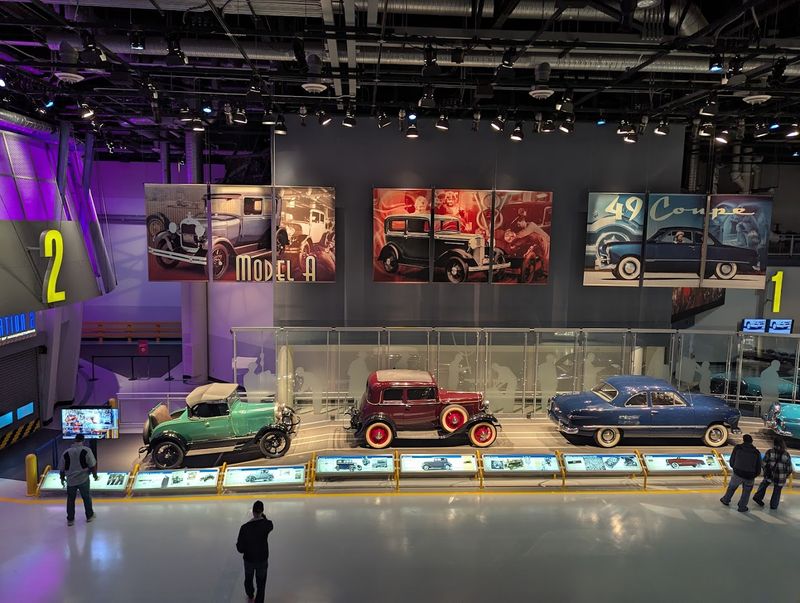
After all that motion and machinery, the legacy gallery comes in at exactly the right time. You get to see vehicles tied to the site’s history, and that shift from process to product helps everything click into place.
Suddenly the factory is not just an impressive machine, because it is also part of a long line of designs people actually drove, loved, and remembered.
I appreciated that this part does not feel like random nostalgia sprinkled in for effect. It works because you have already seen the scale, the systems, and the modern production environment, so these vehicles land with more meaning.
They are not just display pieces sitting under nice lights, because they feel connected to the larger story you have been walking through all day.
There is also something grounding about ending up face to face with the objects that came out of all that labor and coordination. The gallery adds personality after the raw industrial power of the plant views.
If the assembly area gives you the adrenaline, this part gives you the emotional payoff, and I think that combination is what makes the whole experience linger after you leave.
It Works Even If You Are Not A Car Person
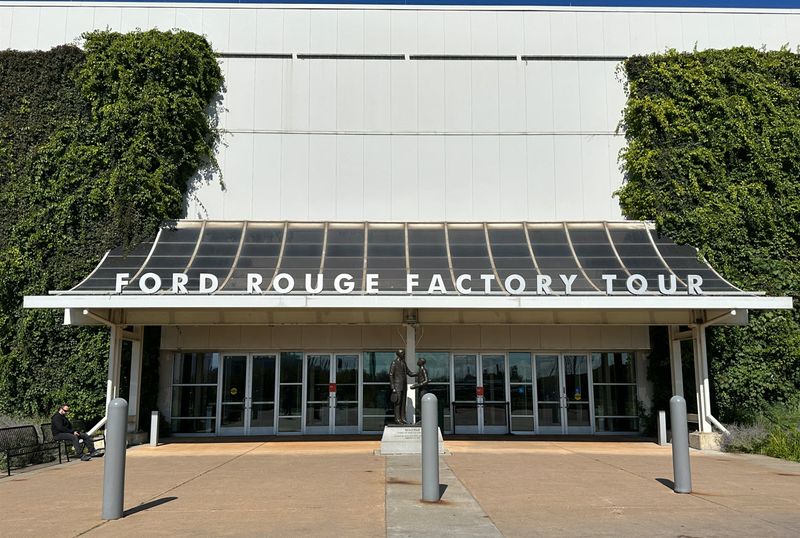
You really do not need to be deeply into cars to get a lot out of this place. I have been with people who could happily discuss engines all day and with people who mostly just wanted an interesting Michigan outing, and both kinds of visitors found something to latch onto.
The tour is broad enough to meet you wherever your curiosity starts.
Maybe you are into labor history, maybe you like architecture, or maybe you just enjoy seeing how complicated things get made. This experience has enough texture that it does not lock you into one narrow interest.
That is why it feels more conversational than technical, even when the subject is heavy industry on a massive scale.
I think that accessibility is part of what makes the Ford Rouge Factory Tour such a smart day trip in Michigan. It respects people who know a lot, but it never leaves everyone else standing outside the story.
You can walk in with almost no background and still leave feeling like you genuinely saw something important, specific, and very alive, which is honestly more than a lot of famous attractions manage to pull off.
Dearborn Makes Sense For A Full Day Out
What I like about doing this in Dearborn is that the setting makes the whole day feel coherent. You are in a city where manufacturing history, innovation, and everyday Michigan life naturally overlap, so the tour never feels dropped into the middle of nowhere.
It feels anchored to the place that shaped it.
That matters more than you might think when you are planning a day trip. Instead of just checking off one attraction and heading home, you get a fuller sense of why this particular experience belongs here.
The surrounding area gives the tour context, and the tour gives the area a little more depth, which is a nice trade.
If you have a friend in town and want to show them something beyond the usual list, this is the kind of outing I would actually suggest out loud. It is engaging without being fussy, and substantial without feeling exhausting.
You leave Dearborn with that satisfying sense that you spent your time on something real, and honestly, that feeling can be harder to find than people like to admit.
Why This Trip Stays With You On The Drive Home
Some places are fun while you are there and then disappear from your mind by the next morning. This one sticks around because it gives you something active to think about after you leave.
You keep replaying the scale, the timing, the sound, and that strange satisfying feeling of watching an enormous system actually work.
I think it stays with you because the experience is both physical and thoughtful at the same time. You get the sensory side of manufacturing, but you also come away with a better feel for the people, planning, and discipline behind it.
That combination makes the tour feel richer than a simple look at machines from a safe distance.
So if you are in Michigan and want a day trip that feels grounded, specific, and genuinely memorable, this is one I would not hesitate to recommend. The Ford Rouge Factory Tour gives you history, motion, and a rare look inside a world most of us only pass on the highway.
By the time you are driving home, chances are good you will still be talking about it.
