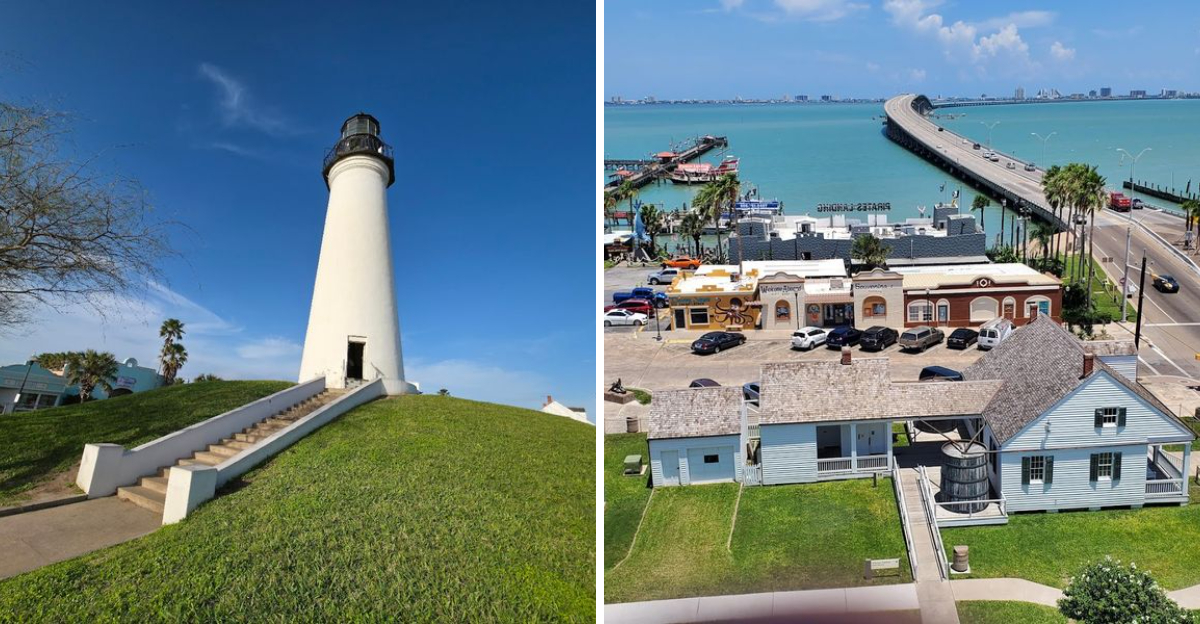
A lighthouse that has stood for over 170 years commands attention. This Texas lighthouse still dominates the coastline, a reminder of a time when ships relied on its beam for safety.
Built in 1852, it is one of the oldest in the state. Visitors can climb to the top and take in views of the Gulf that are as impressive today as they were when sailors first spotted them.
The structure is simple and functional, but its longevity is a testament to quality construction. The site offers tours and information about the region’s maritime history.
This is not a tourist trap, it is a piece of the Texas coast’s story. Texas has plenty of beaches and boardwalks, but a historic lighthouse adds a sense of depth.
A Lighthouse Built to Last, And It Proved Everyone Right
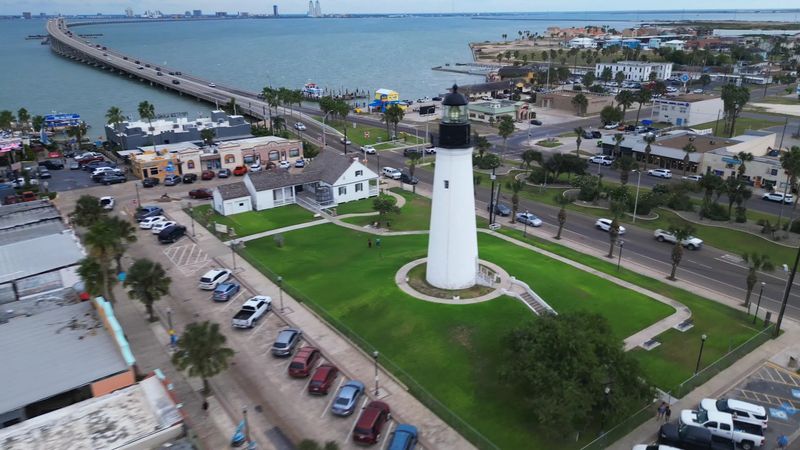
Back in 1850, the U.S. Congress set aside $15,000 to build a lighthouse that would guide ships safely through the Brazos Santiago Pass to Port Isabel.
Construction was already underway by 1851, and by 1852, that sturdy brick tower was standing tall and doing its job. That is a remarkable thing to think about when you are looking up at it today.
The lighthouse stands 72 feet tall and was reported back in 1854 to sit 57 feet above the ground and 82 feet above sea level. Its original stationary white light could be seen for nearly 16 miles across open water.
Ships coming in from the Gulf had something solid and reliable to aim for, which mattered enormously in an era before GPS or radio signals.
What makes the construction even more impressive is how well it has held up. Brick towers of this era often crumbled or needed serious structural intervention, but Port Isabel has remained largely intact.
The builders clearly knew what they were doing, choosing materials and techniques that would endure decades of coastal humidity, salt air, and tropical storms.
A third-order Fresnel lens was added in 1857, upgrading the light’s power and reach. Then, in 2022, a faithful reproduction of that original Fresnel lens was installed in the lantern room and lit as a historical interpretation.
Seeing it glow up there connects you to every sailor who once spotted this beacon from the dark waters of the Gulf.
How the Civil War Left Its Mark on This Quiet Coastal Tower
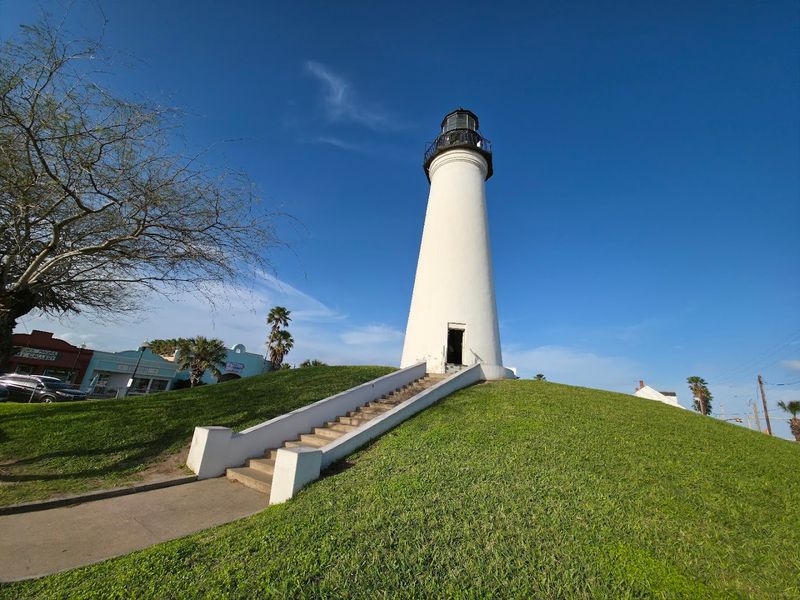
Most people picture Civil War battlefields as inland places, full of rolling hills and cannon smoke. The Port Isabel Lighthouse rewrites that mental image pretty fast.
This tower served as a strategic observation post for both Confederate and Union forces during the war, which tells you just how valuable its elevated vantage point was to anyone trying to control the coastline.
Imagine soldiers climbing those same winding stairs that visitors climb today, peering out over the Laguna Madre and the Gulf, watching for enemy ships or troop movements. The lighthouse was not just a beacon for sailors anymore.
It had become a military asset in a conflict that touched nearly every corner of American life.
The fact that both sides used it at different points says a lot about how the war moved through this region. Control of the Texas coast shifted back and forth, and this lighthouse sat right in the middle of that tug of war.
It is one of those places where history feels genuinely close, not just something printed in a textbook.
There are no dramatic battle scars visible on the exterior today, but knowing what happened here adds a whole new layer to the visit. I found myself pausing on the stairs and thinking about who else had climbed these exact steps under very different circumstances.
That kind of quiet historical weight is hard to manufacture, and Port Isabel has it in abundance.
The Long Goodbye, Why the Lighthouse Stopped Guiding Ships
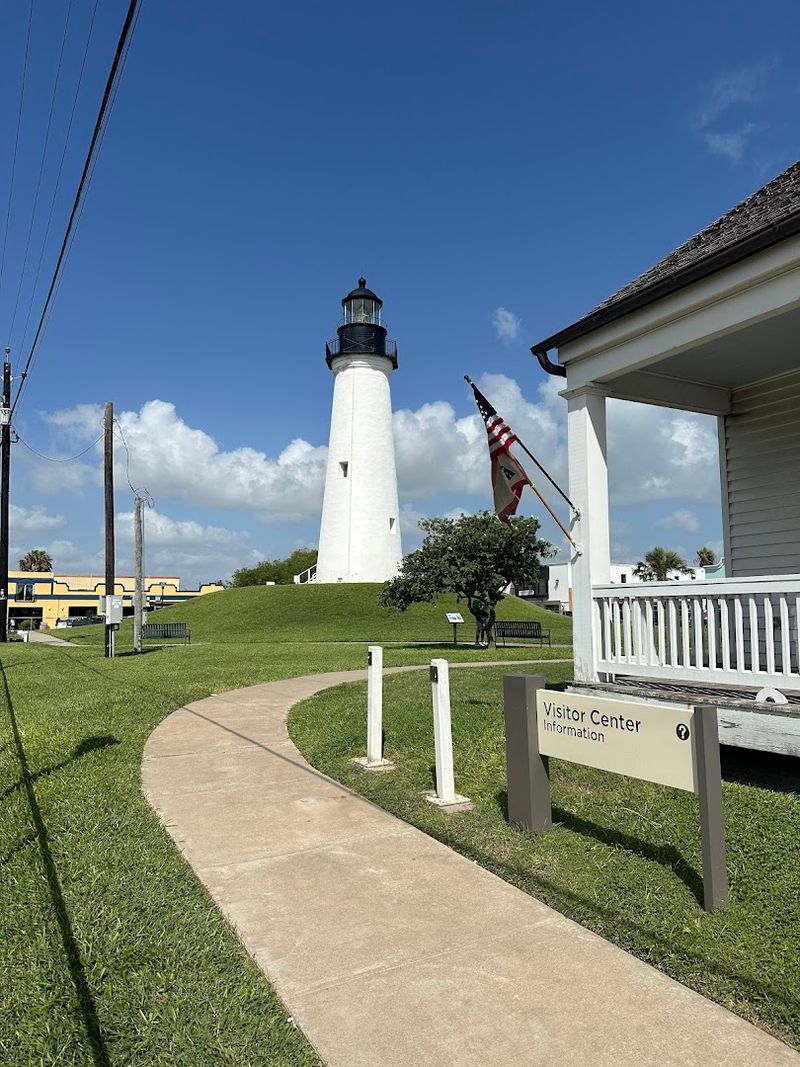
Every great story has a turning point, and for the Port Isabel Lighthouse, that moment came in 1905. After more than five decades of guiding vessels through the Brazos Santiago Pass, the lighthouse was permanently abandoned as a navigational beacon.
The reason was not dramatic or sudden. It was something far more gradual and, in a way, more interesting.
Railways had been spreading across Texas, quietly pulling commerce away from coastal shipping routes. As train lines became more efficient and accessible, fewer ships needed to navigate the pass at Port Isabel.
The economic logic shifted, and the lighthouse found itself guiding less and less traffic until it was no longer worth maintaining as an active aid to navigation.
There is something a little melancholy about that story, but also something very American about it. Progress moved on, and the lighthouse was left behind, standing on the shore like a faithful old employee who had been quietly let go.
It did not collapse or disappear. It just waited.
That waiting paid off in a meaningful way. The lighthouse and its associated buildings were donated to the state of Texas in 1950 by Mr. and Mrs. Lon C.
Hill Jr. and the Port Isabel Realty Company. Two years later, in 1952, it officially opened to the public as a tourist attraction.
What had been abandoned by commerce was reclaimed by curiosity, and today it draws visitors from across the country who want to see where the Gulf Coast’s maritime past still breathes.
Climbing 75 Steps to One of the Best Views on the Texas Coast
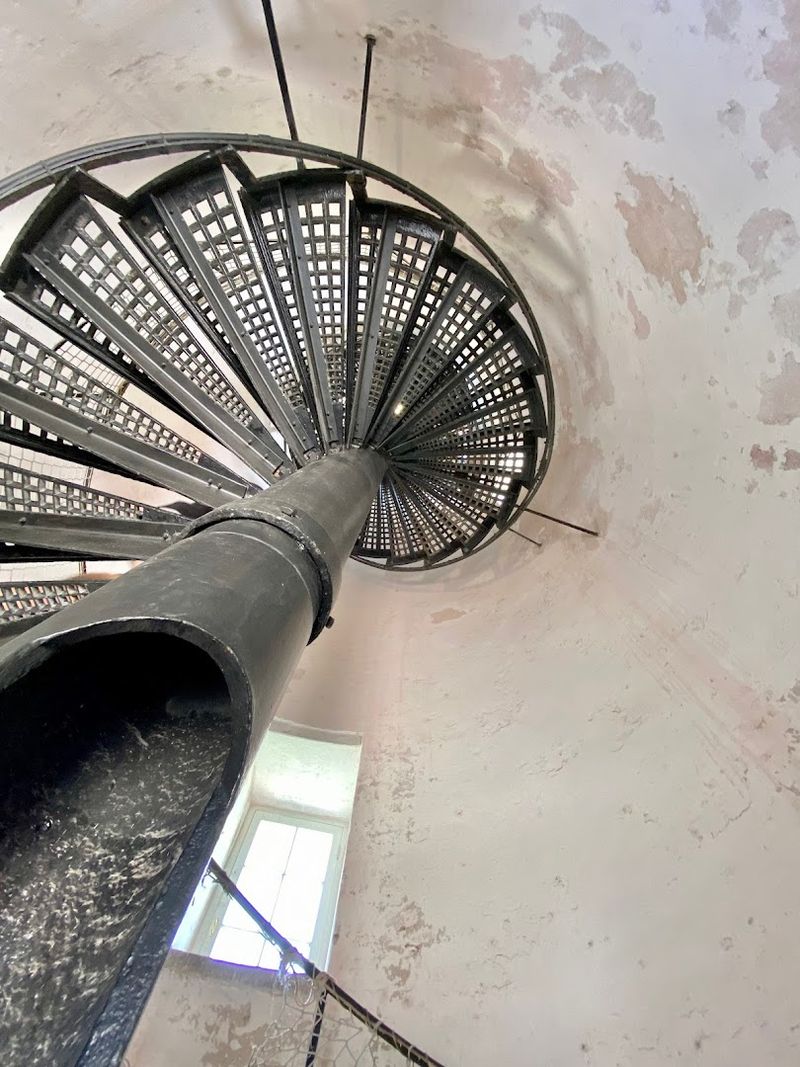
The climb is the thing. You pay your entry fee, step inside that cool brick interior, and then you start winding your way up 75 stairs, including three short ladders near the top.
It is not a casual stroll, but it is absolutely worth every step. The stairs are narrow and spiral in that classic lighthouse way, and the brick walls feel close enough to touch on both sides.
Children must be at least five years old to make the climb, which is a sensible rule given the tight quarters and the ladders near the top. Older kids tend to love it, though.
There is something genuinely exciting about squeezing through a small hatch and emerging into the lantern room with the whole coastline spread out below you.
From the top, the views are nothing short of spectacular. You can see the Gulf of Mexico stretching out to the horizon, South Padre Island laid out like a long sandy ribbon, and the shimmering expanse of the Laguna Madre below.
On a clear day, the colors up there are almost unreal, all blues and greens and the pale gold of the barrier island sand.
I lingered up there longer than I planned to. The breeze at the top is noticeably stronger than at ground level, and there is a feeling of genuine openness that is hard to find in most historic sites.
It feels earned, which makes it better. You worked to get up there, and the view rewards every bit of that effort.
The Keeper’s Cottage, A Museum That Feels Like a Real Home
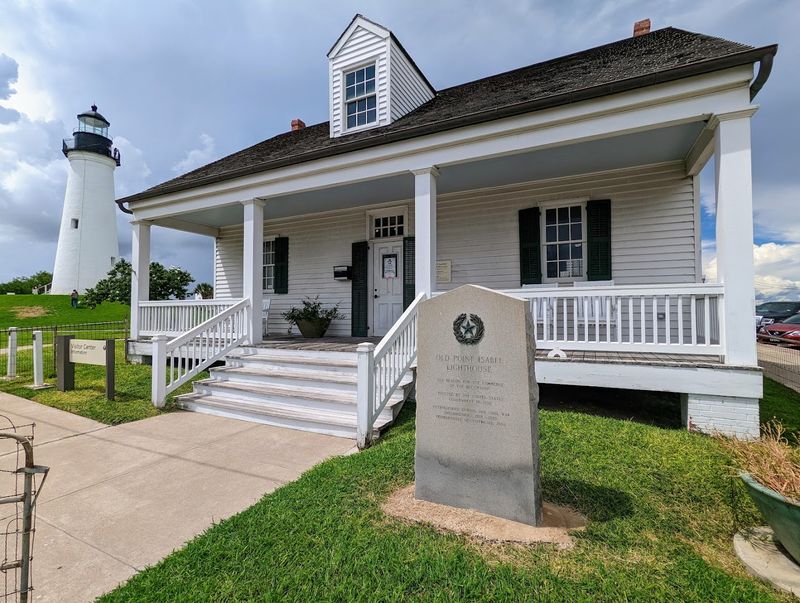
Right beside the lighthouse tower sits the reconstructed Keeper’s Cottage, and it deserves just as much attention as the tower itself. Today it serves as the visitor center and museum for the site, but it does not feel like a generic exhibit hall.
The space has been set up to give you a real sense of what daily life looked like for the people who maintained this lighthouse through the 19th century.
Lighthouse keepers had a job that sounds romantic from a distance but was genuinely demanding up close. They were responsible for keeping the light burning every single night, maintaining the equipment, logging weather conditions, and managing the property in all kinds of coastal weather.
The cottage reflects that working life in a way that feels grounded and honest rather than overly polished.
The exhibits inside cover the history of the lighthouse, the surrounding region, and the broader story of maritime navigation along the Texas coast. There are artifacts, photographs, and interpretive displays that fill in the gaps between the big historical moments.
It is the kind of museum where you find yourself reading things you did not expect to care about and then staying longer than you planned.
The cottage itself is a reconstruction, but it was built with careful attention to the original structure’s design and materials. That commitment to accuracy shows.
It feels like a place that belonged here, not something dropped in to fill space. Starting your visit here before climbing the tower gives the whole experience a satisfying sense of context.
The Only Public Lighthouse on the Entire Texas Coast
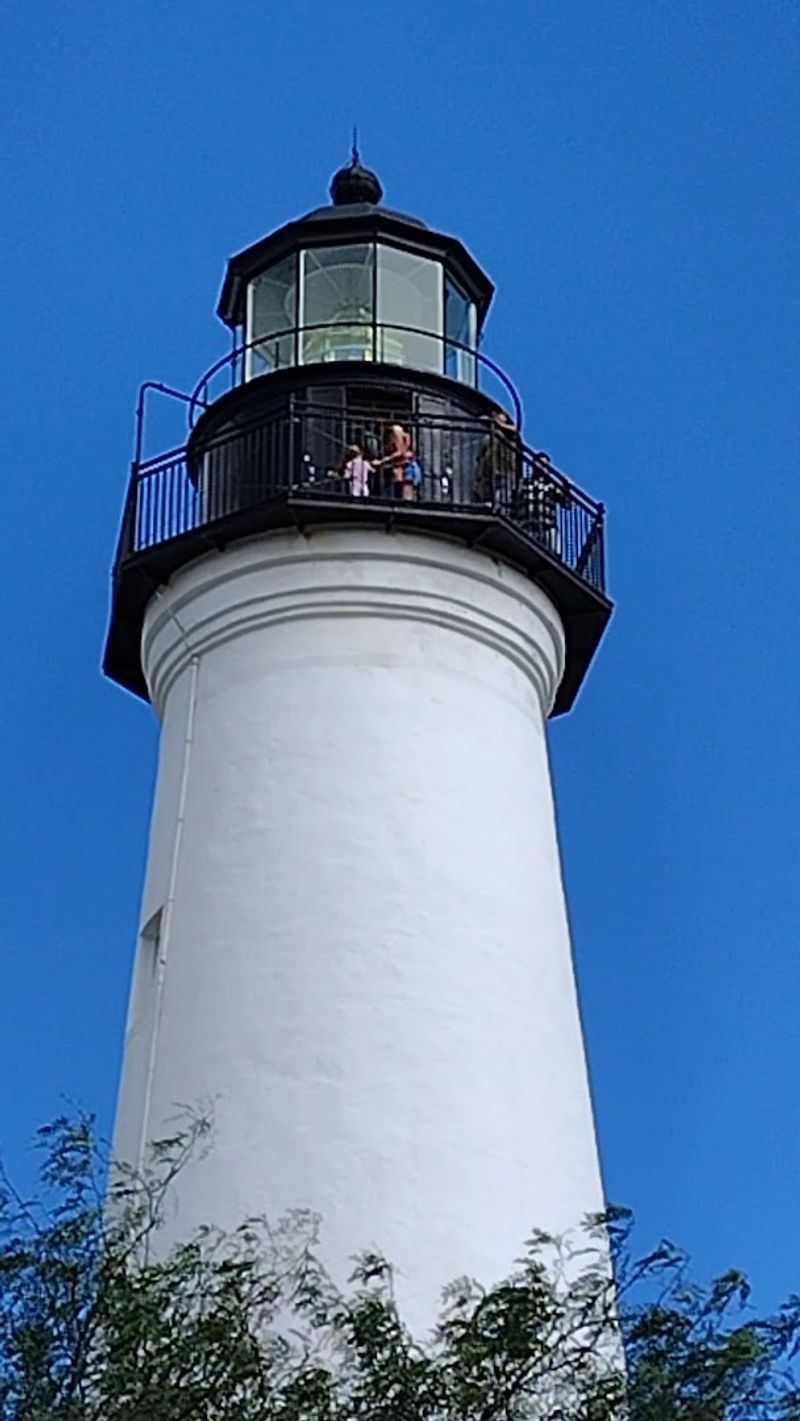
Texas has a long coastline, more than 360 miles of it, and yet Port Isabel is home to the only lighthouse along that entire stretch that is open to the public. That single fact changes how you think about this place.
It is not just a well-preserved historic site. It is genuinely singular, the one place in the state where you can walk up to a real lighthouse, go inside, and climb to the top.
That exclusivity is not the result of some marketing strategy. It is simply the way history played out along the Texas coast.
Other lighthouses were built, modified, or decommissioned in ways that did not leave them accessible or intact for public visits. Port Isabel survived, was preserved, and was given back to the public in a way that few historic structures manage.
The lighthouse is managed through a partnership between the Texas Historical Commission and the City of Port Isabel, which means local investment and state-level historic preservation are both working together to keep it going.
That kind of institutional support matters for long-term preservation, and it shows in how well the site is maintained.
It was added to the National Register of Historic Places on April 30, 1976, cementing its status as a nationally significant landmark. For anyone making a road trip along the Texas coast, skipping Port Isabel means skipping the only lighthouse experience available in the entire state.
That alone makes it worth the detour, no matter where you are coming from.
Port Isabel, The Town That Grew Up Around Its Lighthouse
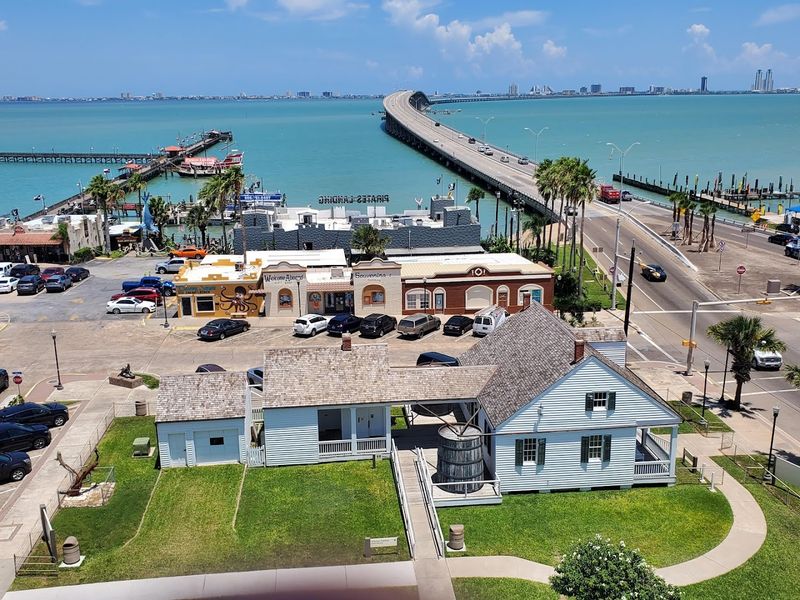
The lighthouse did not just sit in isolation on the Texas coast. It grew up alongside a town, and Port Isabel today still carries the energy of a place shaped by its maritime roots.
The town sits right at the southern tip of Texas, connected to South Padre Island by the Queen Isabella Causeway, and it has a character that feels genuinely distinct from the resort-heavy vibe of the island next door.
Port Isabel has shrimp boats, waterfront restaurants, and streets that feel lived in rather than curated for tourists. There is a relaxed, salt-air quality to the place that I found immediately appealing.
It is the kind of town where locals actually eat at the waterfront spots, not just visitors passing through.
The lighthouse sits right in the heart of the historic downtown area, which makes it easy to combine your visit with a walk around the neighborhood.
Several historic buildings from the 19th and early 20th century are still standing nearby, giving the whole area a layered sense of time that goes well beyond the lighthouse itself.
The proximity to South Padre Island means Port Isabel gets a lot of day-trippers who are crossing over to the beach, but many of them stop here first and end up staying longer than expected. That is the lighthouse effect in action.
Once you see that tower rising above the rooftops, curiosity kicks in, and the next thing you know, you are reading about Fresnel lenses and Civil War observation posts and wondering how you never came here before.
Planning Your Visit, What to Know Before You Go
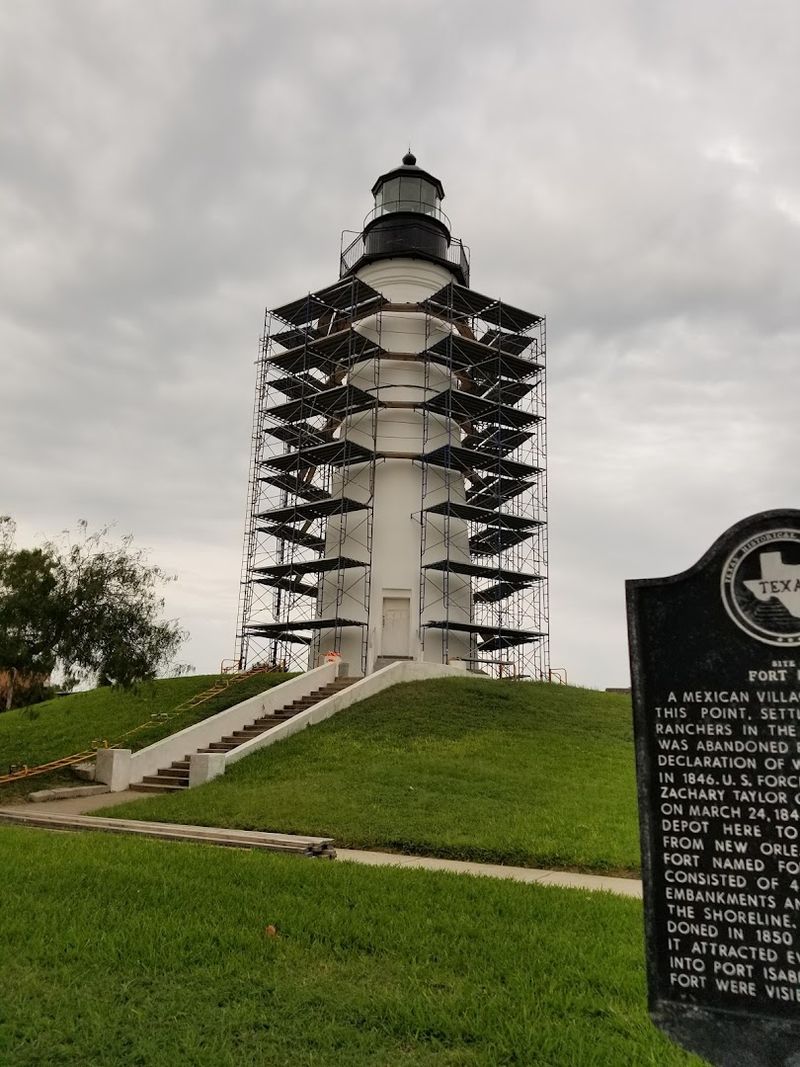
Getting to Port Isabel is straightforward if you are already heading toward South Padre Island. The lighthouse sits right in the heart of town at 421 E Queen Isabella Blvd, Port Isabel, TX 78578, and it is hard to miss once you are in the area.
The tower is visible from quite a distance, which is fitting for a structure that was designed to be seen from 16 miles at sea.
The site is managed jointly by the Texas Historical Commission and the City of Port Isabel, so it benefits from both state-level preservation expertise and local community investment. Hours can vary by season, so checking ahead before your trip is always a smart move.
The visit itself does not take an enormous amount of time, but most people end up staying longer than they expect once they start exploring the cottage museum and the tower.
Wear comfortable shoes for the climb. The stairs are narrow, the ladders near the top require a bit of confidence, and the lantern room platform is exposed to the wind.
None of it is dangerous, but being physically prepared makes the experience more enjoyable for everyone in your group.
Children five and older are welcome to climb the tower, which makes it a genuinely good family outing. The views from the top are the kind that kids actually remember, not just adults.
Pair the lighthouse visit with a walk along the Port Isabel waterfront or a quick trip across the causeway to South Padre Island, and you have a full and satisfying day on the southern Texas coast.
