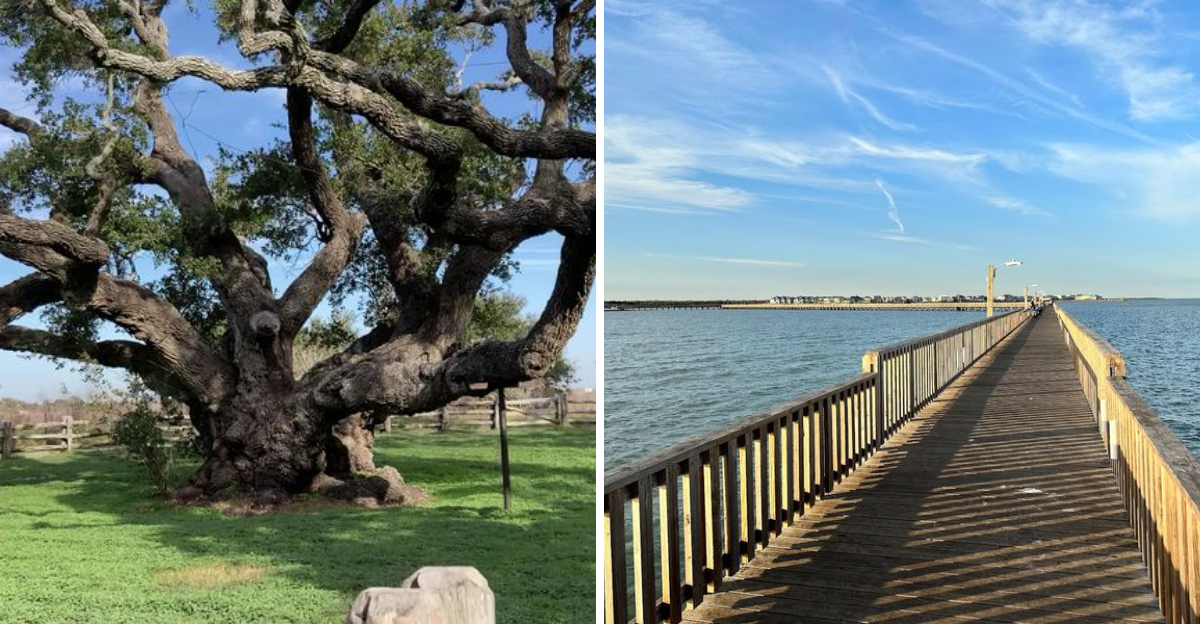
A tree that has stood for more than a thousand years is a humbling sight. This live oak, known as the “Big Tree,” is one of the oldest and largest of its kind in the world.
It sits quietly along the Texas coast. Its branches stretch wide, casting a massive shadow that has sheltered generations of visitors.
The trunk is more than 35 feet around, making a person feel small standing next to it. The tree has survived storms and centuries of change.
It is a piece of living history. A person can walk up and touch its bark, stand in its shade, and feel connected to something ancient.
Texas has plenty of natural wonders, but few are as old as this one.
The Big Tree, a Living Giant With an Ancient Soul
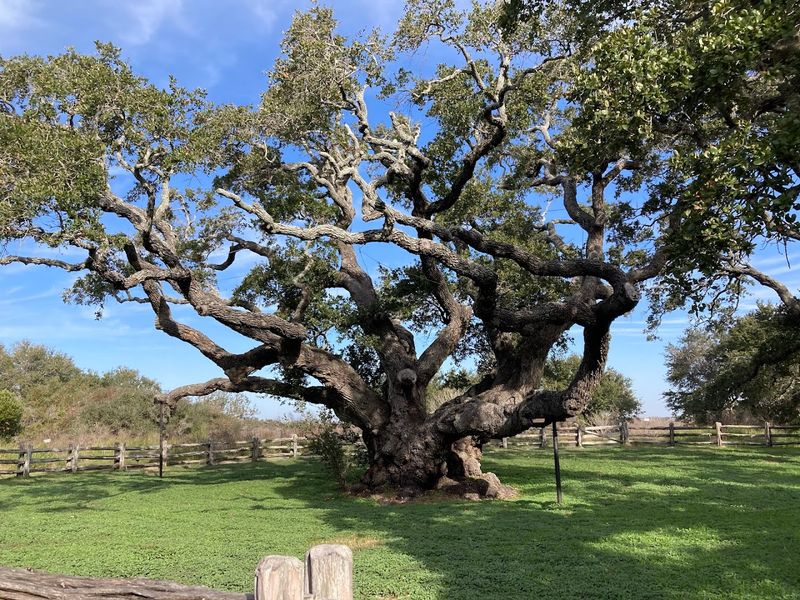
Some trees are impressive. The Big Tree at Goose Island State Park is something else entirely.
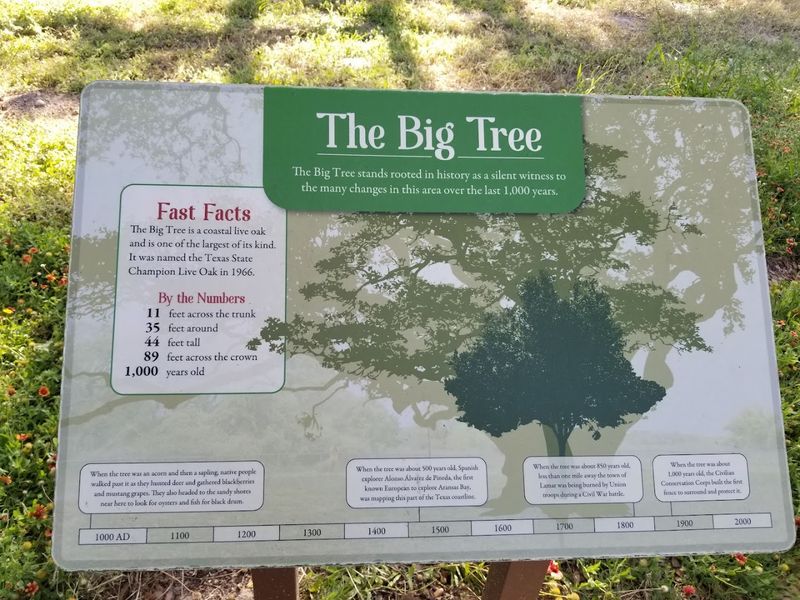
Its trunk circumference stretches to over 35 feet, and its crown fans out nearly 90 feet wide, creating a canopy so broad it feels like standing under a small sky of its own making.
Arborists estimate it is somewhere between 400 and 2,000 years old, depending on the method used. Genetic research has suggested the older end of that range, which means this tree may have been growing here long before European explorers ever set foot on the continent.
It was named the National Champion Live Oak in 1966 and again in 1996. Texas declared it the State Champion Virginia Live Oak in 1969.
Even after losing that state title in 2003 to the San Bernard Oak in Brazoria County, the Big Tree has never lost its status as a true icon.
What makes it feel so alive is not just its size. The bark is deeply furrowed and layered in ways that look almost sculptural.
Moss and lichen cling to its surface in patches of silver and green. The whole tree leans and twists with a kind of personality you rarely see in nature.
Visitors are asked not to climb or hug the tree to protect its root system. A nearby Picture Tree is available for close-up photos.
It is a small ask for the privilege of standing next to something this extraordinary.
Hurricane Survivor, the Storms This Tree Has Outlasted
Most of us have a hard time getting through a rough week. This tree has survived between 40 and 50 major hurricanes over the course of its lifetime.
That number alone is worth sitting with for a moment.
Hurricane Harvey hit this coastline as a Category 4 storm in 2017, bringing catastrophic flooding and winds that devastated much of Rockport. The Big Tree bent.
It lost some branches. But it did not fall.
When park staff returned after the storm, the tree was still standing, battered but unbroken.
That kind of resilience is not accidental. Over the years, park employees have installed a lightning rod to protect the tree during electrical storms.
Metal brackets have been added to support some of its heavier limbs. An irrigation system was put in place to keep the roots hydrated during Texas droughts, which can be severe and prolonged.
Live oaks are naturally tough trees. Their low, spreading form and flexible wood help them handle high winds better than tall, rigid species.
But even by live oak standards, the Big Tree has endured more than most.
There is something quietly inspiring about standing next to a living thing that has weathered that much and is still going. It does not need a plaque to tell you it matters.
You feel it the moment you see it, this wide, ancient presence that has simply refused to quit no matter what the Gulf of Mexico has thrown its way.
Karankawa Legends and the Stories Rooted in This Ground
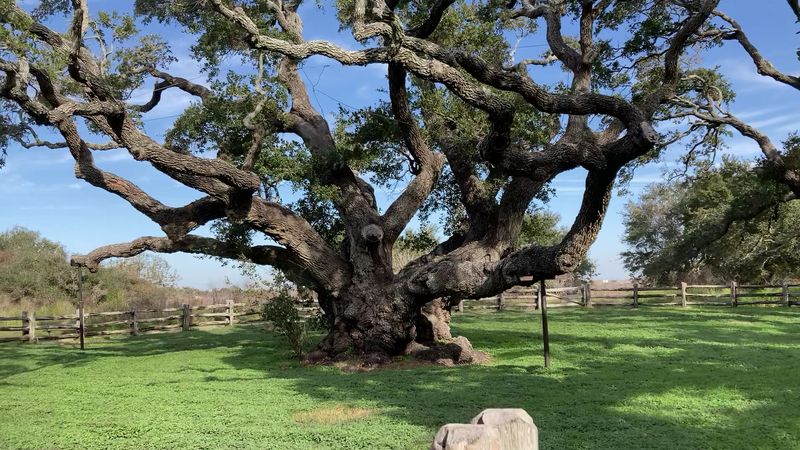
Long before this stretch of Texas coastline had a name on any map, the Karankawa people called it home. According to local legend, the Big Tree served as a ceremonial gathering site for this indigenous group, whose presence along the Gulf Coast dated back thousands of years.
The Karankawa were skilled coastal people, known for their knowledge of the bays, inlets, and barrier islands that define this part of Texas. A tree this large and this old would have been remarkable even then.
It is easy to imagine why a place this distinctive might carry spiritual or communal meaning.
Later legends add layers to the story. Pirates reportedly used the tree as a landmark and meeting point, drawn by its unmistakable silhouette visible from the water.
Early settlers apparently used its shade for more practical purposes, including milking cows on hot afternoons.
None of these stories can be fully verified, and it is worth being honest about that. But the tree’s sheer age makes them entirely plausible.
Something that has been standing this long has almost certainly witnessed more human history than we can piece together from memory or record.
What is certain is that generations of Texans have been taking family photos under these branches for as long as anyone can remember. That ongoing human connection, passed down through decades of visits, is its own kind of living history.
The ground beneath this tree has held a lot of stories.
Goose Island State Park, More Than Just One Famous Tree
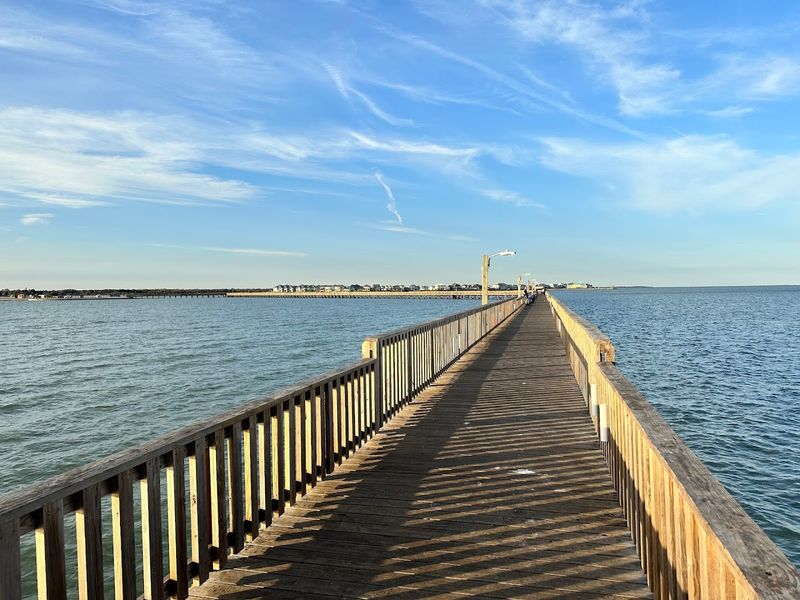
The Big Tree gets most of the attention, and honestly, it deserves it. But Goose Island State Park has a lot more going on than one legendary oak.
The park spans over 300 acres and sits along the shores of Aransas Bay, offering a genuinely beautiful slice of the Texas Gulf Coast.
Fishing is a big deal here. The bay is rich with redfish, black drum, and flounder, and the park has a lighted fishing pier that stays busy into the evening hours.
Kayaking and paddleboarding are popular ways to explore the calm, shallow water along the park’s edge.
Camping is available both near the waterfront and in a wooded section inland. Waking up to the sound of shorebirds over the bay is one of those simple pleasures that is hard to replicate anywhere else.
The sites vary in hookup availability, so checking ahead with the park is always a smart move.
Birdwatchers have a particular fondness for this park. It sits along the Central Flyway, a major migration corridor, and the surrounding area is part of the larger Aransas National Wildlife Refuge ecosystem.
Whooping cranes, which are among North America’s most endangered birds, winter nearby and are sometimes spotted from the park.
The park is open year-round. Mornings tend to be quieter, especially on weekdays, which makes them ideal for exploring without crowds.
Arriving early also means better light for photos of the Big Tree before other visitors arrive.
Ripley’s Believe It or Not and the Tree’s Unlikely Fame
At some point, the Big Tree caught the attention of Ripley’s Believe It or Not, which featured it as one of nature’s remarkable curiosities. For a tree, that is a pretty impressive resume line.
It puts the Big Tree in the same category as oddities and wonders that have fascinated people for generations.
The recognition makes sense when you look at the numbers. An average trunk diameter of over 11 feet is genuinely hard to visualize until you are standing next to it.
The tree’s crown spread of nearly 90 feet means that its shadow at midday covers an area larger than most apartment footprints.
What the numbers cannot capture is the texture of the experience. The bark up close is almost architectural in its complexity, deep ridges and raised sections that look like something carved rather than grown.
The root system at the base pushes up through the soil in thick, knotted waves.
Photographs help but do not fully prepare you. Most people’s first reaction upon seeing the tree in person is to go quiet for a moment.
Then they usually start trying to measure it with their arms, which does not work, and then they take about forty photos.
The Ripley’s feature added a layer of pop culture legitimacy to something that already had plenty of natural credibility. It also helped spread the word beyond Texas, drawing visitors from across the country who might otherwise never have found their way to this quiet corner of the Gulf Coast.
Birdwatching Near Rockport, a Flyway Like No Other
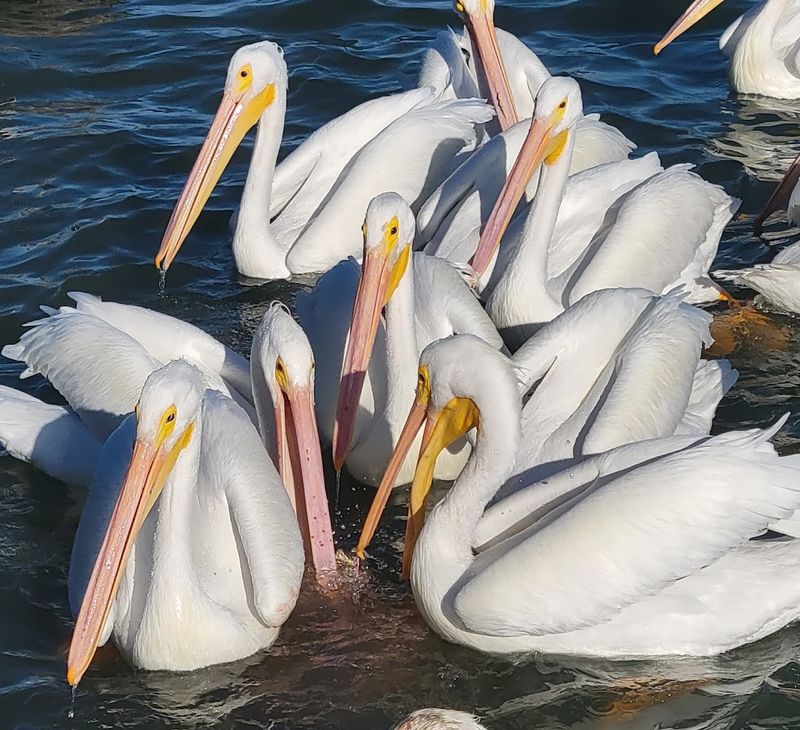
Rockport has a reputation among birdwatchers that goes well beyond the casual hobbyist crowd. This stretch of the Texas coast sits in one of the most productive birding zones in North America, and Goose Island State Park is right in the middle of it.
The Central Flyway funnels millions of migratory birds through this region each year. Warblers, shorebirds, raptors, and waterfowl pass through in waves during spring and fall migrations.
The diversity on a good morning can be genuinely staggering, especially after a weather system pushes birds down to the coast in large numbers.
Whooping cranes are the headliners of winter birding here. These tall, white birds with striking red-and-black markings are among the rarest in the world, and the Aransas National Wildlife Refuge just north of Rockport is their primary wintering ground.
Spotting one is considered a bucket-list moment for serious birders.
Even casual visitors who have never held a pair of binoculars tend to get caught up in the spectacle. Great blue herons wade along the shoreline with complete indifference to onlookers.
Roseate spoonbills flash pink against the green marsh. Brown pelicans cruise low over the water in formation like they own the place.
The Hummer/Bird Celebration held annually in Rockport each September draws birders from across the country. If the timing works out, it is a wonderful way to combine a visit to the Big Tree with a broader exploration of the region’s remarkable bird life.
The Town of Rockport, Small, Charming, and Worth Your Time
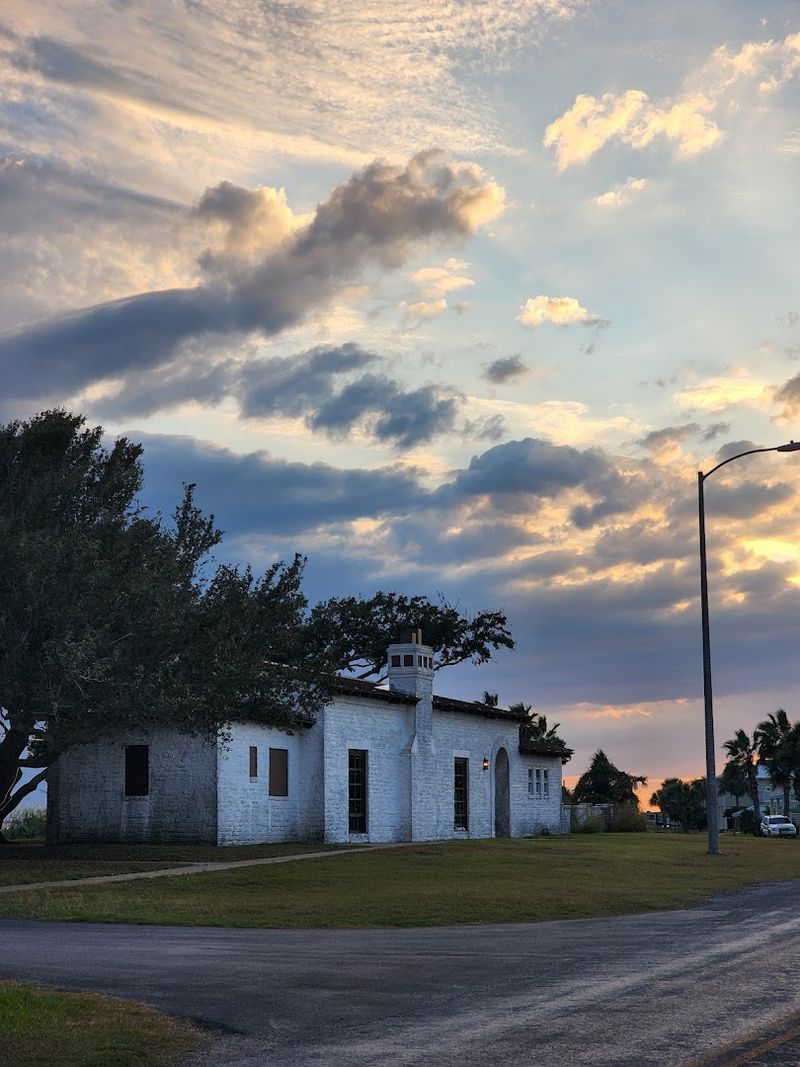
Rockport is the kind of town that grows on you fast. It is small enough that you can walk most of it, but it has enough personality to keep you busy for a full weekend without trying very hard.
The waterfront is the natural center of things. Rockport Harbor is lined with shrimp boats, charter fishing vessels, and the kind of weathered docks that make great photos in the late afternoon light.
The smell of salt air and the sound of rigging in the breeze give the whole area a relaxed, unhurried feeling that is hard to find closer to the city.
Rockport is also quietly known as an arts community. The Rockport Center for the Arts has been a local institution for decades, and galleries dot the downtown streets with work from regional artists.
The town’s coastal light has attracted painters for generations, and you can see why the moment the sun starts to drop over the bay.
Food options are solid and leaning heavily toward seafood, as you would expect. Fresh shrimp is practically a local currency.
Tacos, fried fish, and Gulf oysters show up on menus all over town, and the quality tends to be consistently good given how close everything is to the water.
After visiting the Big Tree, spending a few hours wandering Rockport feels like the natural next step. The two experiences complement each other well, ancient nature followed by a living, breathing small town that has its own quiet history worth exploring.
Getting to Goose Island, What to Know Before You Go
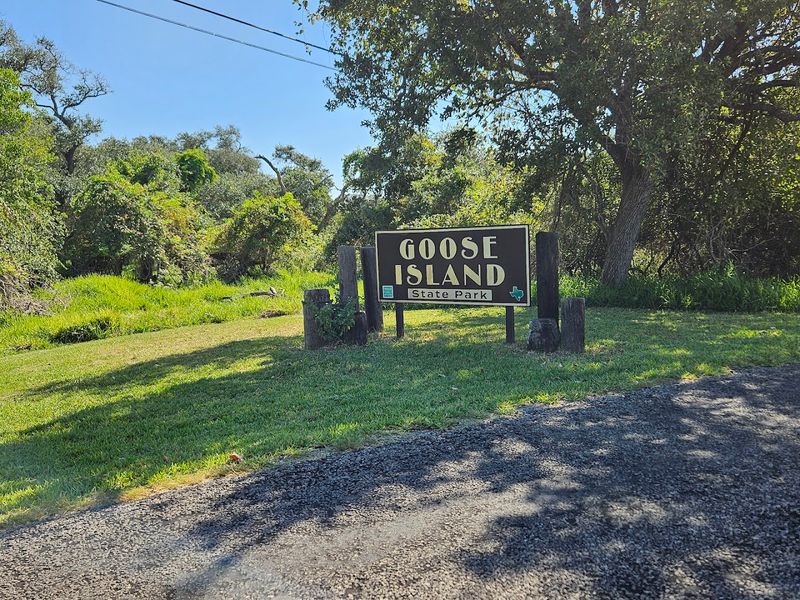
Getting to Goose Island State Park from Rockport is straightforward, and the drive itself is part of the experience. Head north out of town on Texas State Highway 35, then turn east onto Park Road 13.
The road takes you across a causeway over Aransas Bay, and the views of the water on both sides are genuinely lovely, especially in the morning.
The park entrance fee is modest, and Texas State Park passes are accepted here. If you visit state parks more than a few times a year, a pass pays for itself quickly.
The park staff at the entrance are friendly and happy to point you toward the Big Tree trailhead if it is your first visit.
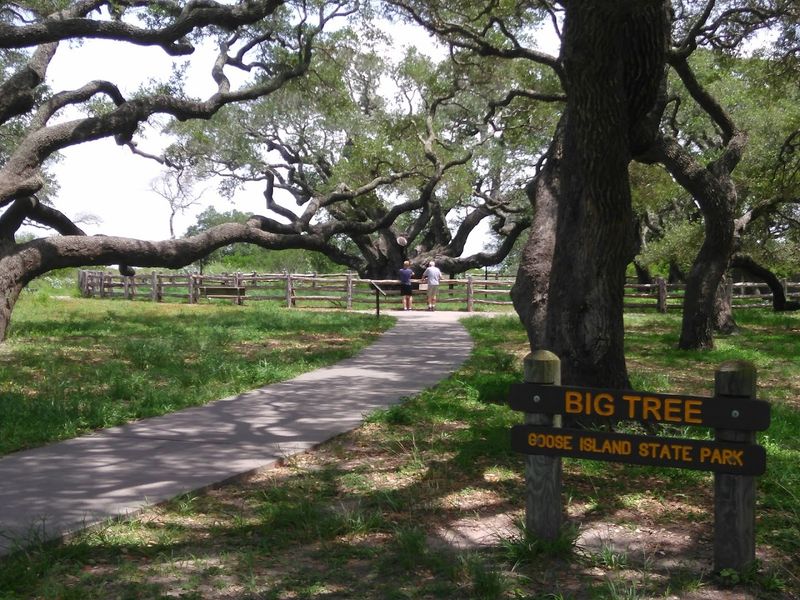
The Big Tree itself is a short walk from a dedicated parking area. The path is flat, paved, and accessible, which makes it easy for visitors of all ages and mobility levels.
It is worth taking your time on the walk over rather than rushing straight to the tree.
Mornings on weekdays are the quietest times to visit. Weekends during spring and fall can get busy, particularly during birding events and holidays.
Bringing water is always smart in Texas, especially in summer when the heat along the coast can be intense even in the shade.
Cell service is generally fine in the park, but it can be spotty near the water. Downloading an offline map before you go is a good habit.
The park’s official Texas Parks and Wildlife page has current hours, fees, and camping reservation information.
Why the Big Tree Stays With You Long After You Leave
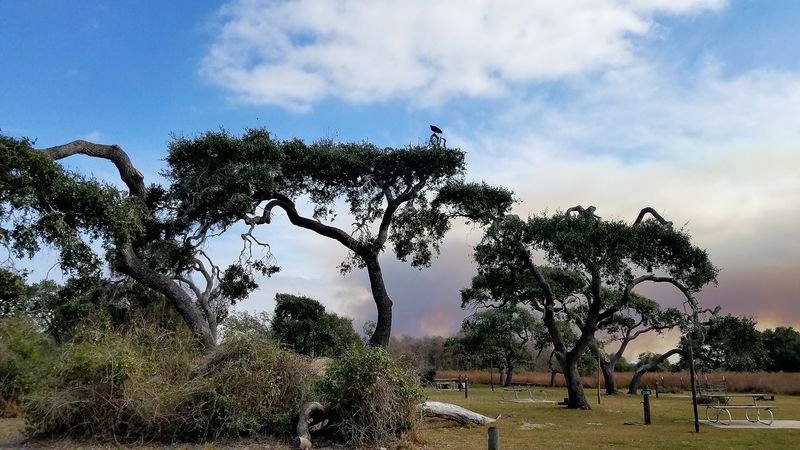
There are places you visit and forget about a week later. Then there are places that stay lodged somewhere in your mind, quietly, the way a song you heard once keeps coming back at odd moments.
The Big Tree is the second kind.
Part of it is the scale, which is simply impossible to fully absorb in one visit. Part of it is the age, the fact that this living thing has been here through centuries of history that we can only partially imagine.
But there is also something harder to name, a feeling of presence, like the tree itself has a kind of gravity that pulls your attention and holds it.
Generations of Texas families have been coming here for photos under these branches. Parents who brought their kids now bring their grandkids.
That continuity is visible in the worn path around the base, in the way people automatically lower their voices when they get close.
The Big Tree has been featured in books, newspapers, and television programs over the decades. It has outlasted the attention spans of every media cycle that has ever covered it.
That staying power is its own kind of statement.
Leaving the park, I kept looking back at it through the trees as I walked to the parking lot. It seemed almost absurd that something this significant sits quietly off a state highway in a small Texas town, free to visit, unhurried, and entirely itself.
Some things do not need to be louder to matter more.
Address: 202 S Palmetto St, Rockport, TX 78382
