The machinery stopped decades ago. The workers have all gone home.
But something about this old Louisiana plantation factory still feels alive. Not in a cheerful way.
In a heavy, watchful way that settles on your shoulders the moment you step inside. The building is massive, with high ceilings and windows that let in slices of golden light.
Dust floats in the air. Wooden beams creak even when there is no wind. Tour guides share stories of footsteps echoing through empty rooms, of tools that move overnight, of a presence that follows visitors from room to room.
I walked the floor alone for a few minutes and felt like I was being watched from every corner at once. Louisiana is full of historic places, but this one carries energy that refuses to fade.
The Largest Surviving Sugar Plantation Complex in America
Most people have no idea that the largest surviving 19th and 20th-century sugar plantation complex in the United States is tucked along a quiet stretch of Louisiana highway. Laurel Valley Village in Thibodaux is that place, and it earns that title with remarkable physical evidence still standing across its grounds.
The property’s roots go back to a Spanish land grant in 1775. Etienne Boudreaux acquired the land in 1785, and by 1832, Joseph Tucker had expanded it dramatically, building a sugar mill and bringing in enslaved workers to fuel the operation.
Between 1890 and 1924, known as the sugar boom era, Laurel Valley became a central processing hub for sugar cane across the region. The scale of what was built here is staggering.
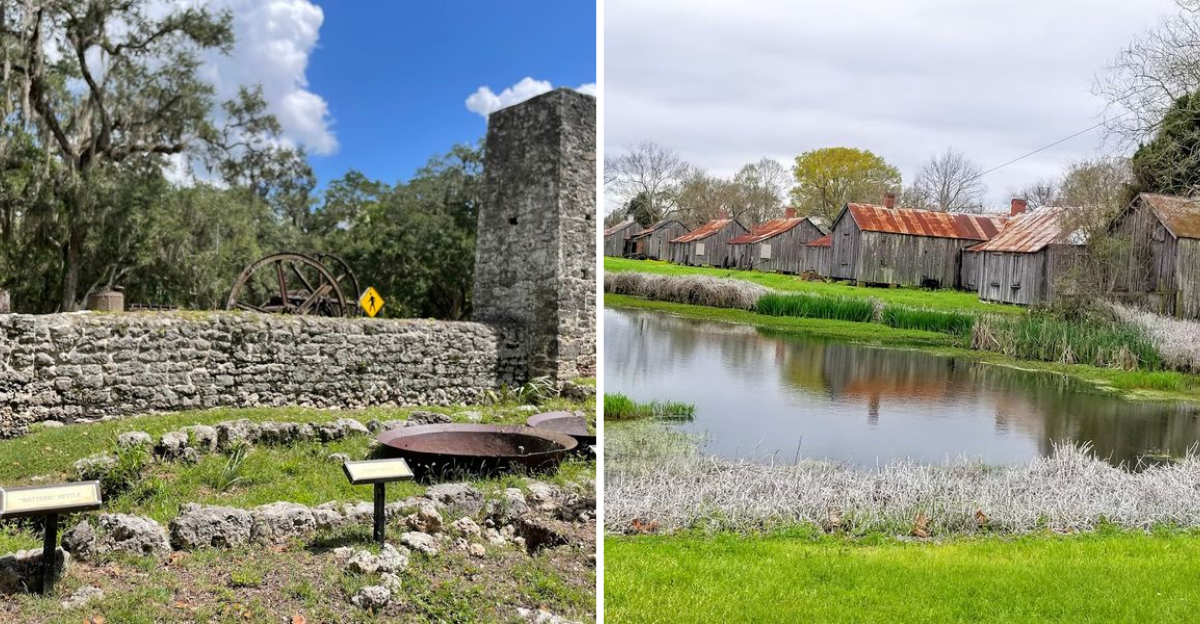
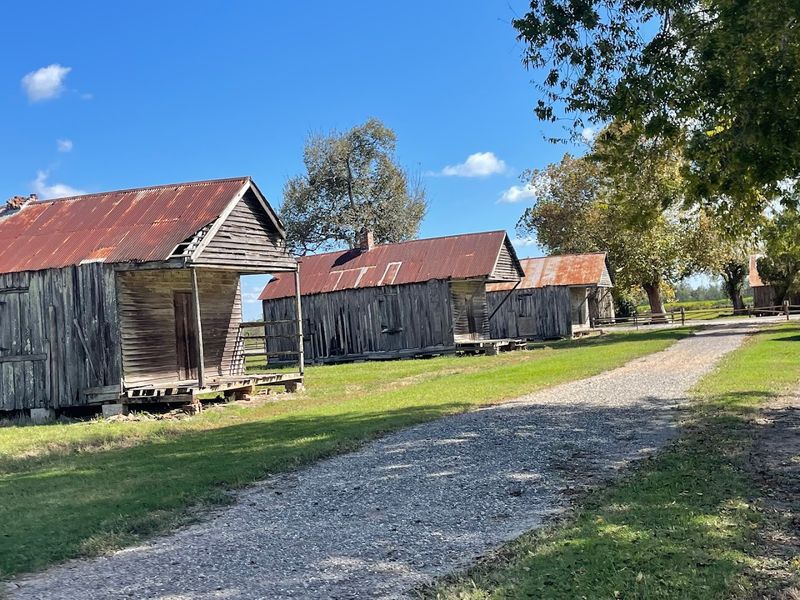
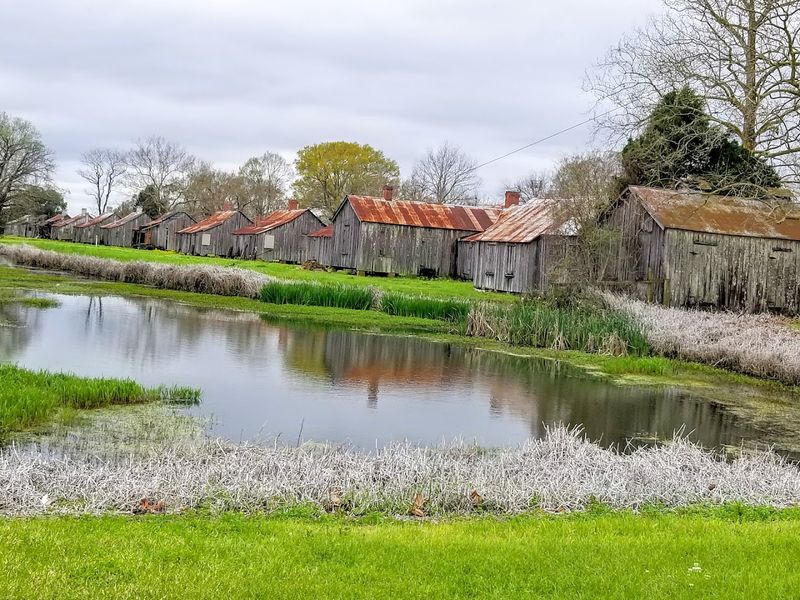
Over 60 original structures still stand, including slave cabins, a schoolhouse, a church, and the haunting ruins of the sugar mill itself.
Today, a significant portion of the land is still used for sugar cane harvesting, keeping a thread of agricultural continuity alive. For anyone who loves history, rural landscapes, or just wants to understand the South more honestly, this place delivers something rare and genuinely unforgettable.
The Ghost Stories That Keep People Coming Back
Honestly, the ghost stories surrounding Laurel Valley Village are some of the most specific and unsettling you will find anywhere in Louisiana. These are not vague “creepy vibes” reports, they are detailed accounts that visitors and locals have shared for years.
Apparitions of deceased enslaved people have been described walking along the road leading to the plantation, sometimes late at night, dressed in old-fashioned clothing. People have reported capturing strange light anomalies on camera that have no clear explanation.
Disembodied voices, including what sounds like screams and cries, have reportedly echoed across the cane fields after dark. One account describes a police officer watching a little girl on a bicycle simply vanish.
Another tells of a man seeing what appeared to be a chain gang disappear into the cane field without a trace.
Many researchers and paranormal enthusiasts connect this reported activity directly to the violent history of the Thibodaux event of 1887, a brutal event that left many Black laborers gone during a strike. The theory is that the land carries the energy of that unresolved grief.
Whether you believe in ghosts or not, the weight of that history is impossible to dismiss here.
The Haunted General Store Turned Museum
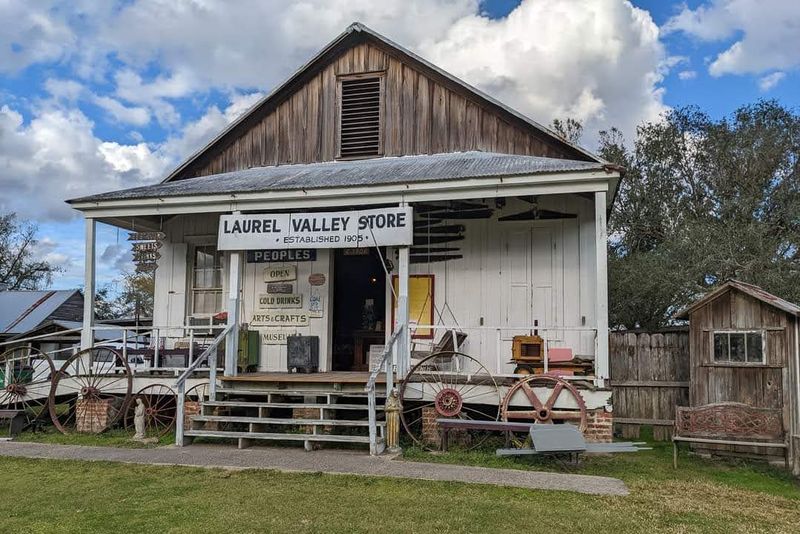
The old general store at Laurel Valley Village has a personality all its own, and not just because of the cat reportedly napping on a 1938 truck parked out front. Established around 1890, this building has lived multiple lives across more than a century.
It originally served the plantation community and at one point functioned as a gathering space where a fatal brawl once took place. That history clings to the building, and visitors have reported hearing unexplained noises inside, especially near the back of the store where older artifacts are displayed.
Today, the general store operates as a museum open to the public Thursday through Monday from 10 AM to 4:30 PM. Inside, you will find antique farming tools, local crafts, and a collection of items that feels like a genuine time capsule rather than a curated exhibit.
Some visitors have noted the display feels a little unorganized, but others find that quality charming, like poking around an old attic where every corner holds something unexpected. Donations are accepted and genuinely appreciated since admission is free.
The volunteers who staff the museum are known for being warm and knowledgeable, making the experience feel personal rather than transactional.
The Thibodaux Tragedy and Its Echo Across the Land
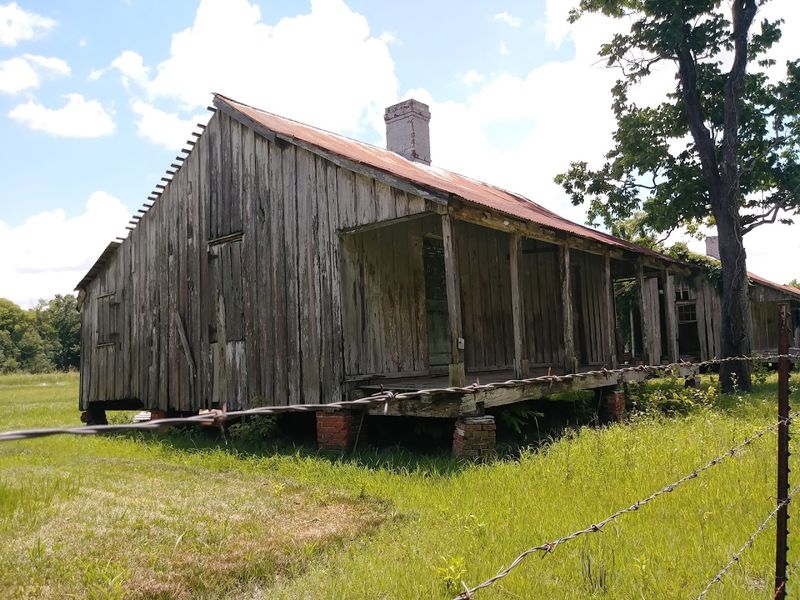
Few events in Louisiana history are as painful and as overlooked as the Thibodaux Tragedy of 1887, and Laurel Valley Village sits squarely within that story. Black sugar cane workers went on strike for three weeks, demanding better wages and working conditions during a period when they had almost no legal protections.
The strike ended in catastrophic results. The exact number of casualties has never been fully confirmed, but historical accounts suggest the toll was significant.
The laborers who passed were largely buried without proper recognition, and for generations the event was barely discussed in public history.
Visiting Laurel Valley today, knowing this history, changes how you see the landscape. The fields are not just scenic, they are contested ground where people risked and lost their lives for basic dignity.
Some paranormal accounts specifically link the reported hauntings to the spirits of those who passed during the annihilation.
Whether or not you engage with the supernatural angle, the tragedy is a critical piece of context for understanding this place. The history of Laurel Valley is not just about sugar production and plantation architecture.
It is about the people who built it all, often under brutal conditions, and whose stories deserve to be told clearly and without softening.
The Sugar Mill Ruins That Still Command Attention
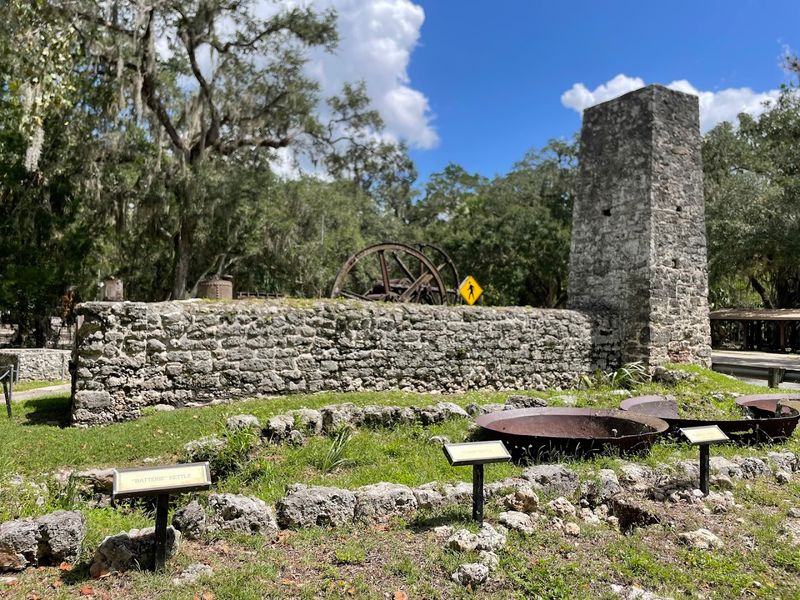
There is something about ruins that hits differently than intact buildings. The sugar mill at Laurel Valley Village stopped operating in 1926 after mosaic disease devastated the cane crops, and what remains today is a skeletal structure of old brick and iron that somehow still radiates industrial power.
At its peak, this mill was the heartbeat of the entire plantation. During the sugar boom years from 1890 to 1924, it processed cane from across the region, and the operation ran with a workforce that included enslaved people, white workers, and immigrant laborers from Chinese, Italian, Irish, and Acadian communities.
The diversity of that workforce is something many people do not expect to learn about plantation history. Laurel Valley was not a simple two-tier operation.
It was a complicated, multi-ethnic labor system that reflected the broader economic pressures of the era.
Today the mill ruins are one of the most photographed spots on the property, and for good reason. The crumbling walls are draped in vines, and the open sky visible through collapsed sections gives the structure a cathedral-like quality.
Visitors consistently describe it as one of the most visually striking things they have ever seen at a historical site in Louisiana. It is well worth lingering here.
The Slave Cabins and Sharecropper Structures Still Standing
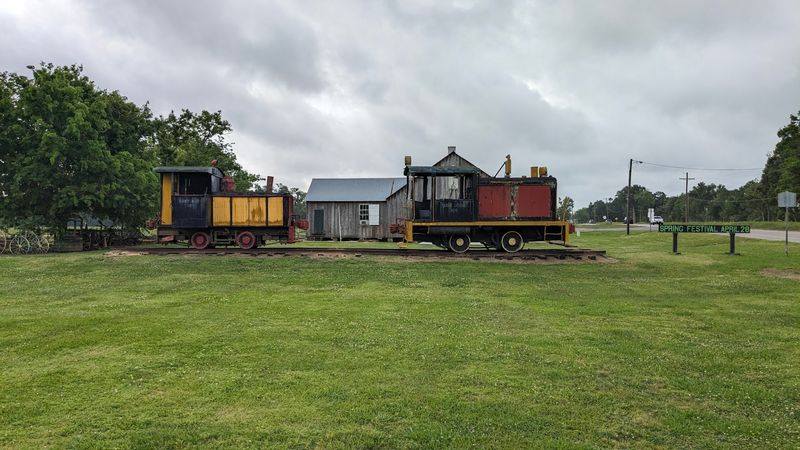
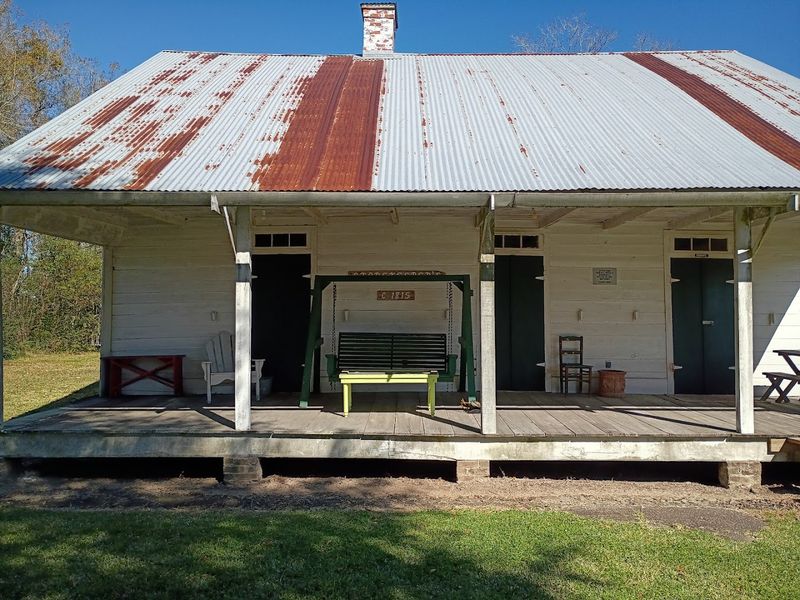
Seeing the original slave cabins at Laurel Valley Village is one of those moments that is hard to prepare for emotionally. These small wooden structures line the road through the property, and the fact that they are still standing after more than a century is both remarkable and sobering.
After the Civil War, many of the same structures were used by sharecroppers, workers who technically had freedom but were often trapped in debt cycles that kept them tied to the land in different but still restrictive ways. The buildings reflect that continuous cycle of labor and survival.
Some visitors have described the experience of seeing these cabins as deeply reflective, especially for those whose own family histories intersect with plantation life in the South. The physical reality of the space, the tiny rooms, the thin walls, the proximity to the mill, tells a story that words alone cannot fully convey.
There are roughly 55 to 60 of these original structures still on the property, which is an extraordinary survival rate for buildings of this type and age. Most plantation sites have lost these structures entirely.
Their presence at Laurel Valley makes this one of the most honest and complete plantation preservation sites anywhere in the country, and that honesty is exactly why it matters.
Planning Your Visit to Laurel Valley Village
Getting to Laurel Valley Village is straightforward if you are already in or near Thibodaux, which sits about an hour southwest of New Orleans. The property is located along Louisiana Highway 308, a scenic bayou road that is worth the drive on its own.
The general store and museum are open seven days a week from 10 AM to 4:30 PM, which gives you a solid window to explore at a relaxed pace. Admission is free, though donations are genuinely encouraged and go directly toward preservation efforts.
Plan to spend at least two to three hours here if you want to walk the grounds properly. The sugar mill ruins, the cabin rows, the church, and the schoolhouse all deserve time and attention.
Bring comfortable shoes because the terrain is uneven in places, and Louisiana heat is no joke, especially in summer months.
The volunteers and staff at the store are consistently praised for their warmth and knowledge. Do not be shy about asking questions because the stories they share add enormous depth to what you are seeing.
Cash is helpful to have on hand since the store operates on a cash-only basis for purchases. It is a small logistical detail that is easy to overlook and worth remembering before you arrive.
Address: 595 LA-308, Thibodaux, LA 70301
