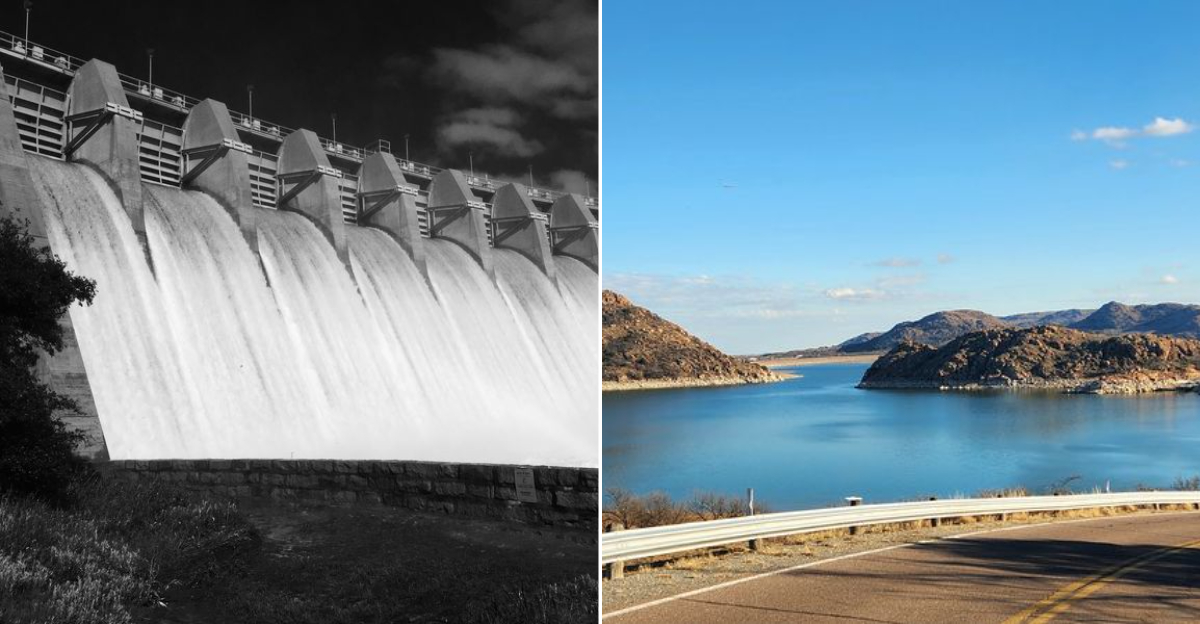
The water stretches wide and calm now, but the ground beneath it holds a story of wind, ruin, and resilience.
More than a century ago, a tornado tore through a thriving settlement in what would become this corner of Oklahoma, leveling nearly every building in its path.
The town rebuilt, but the land was later chosen for a different purpose. A dam was constructed, and the waters rose, quietly covering the streets and foundations that had once been a community.
Today, the lake is a haven for boaters and anglers, framed by the rugged granite slopes of a state park. But for those who know the history, the surface is never just water.
It is a reminder that even the most peaceful places can carry the weight of what came before, a hidden chapter of Oklahoma’s past lying just beneath the surface.
The Town Beneath The Water
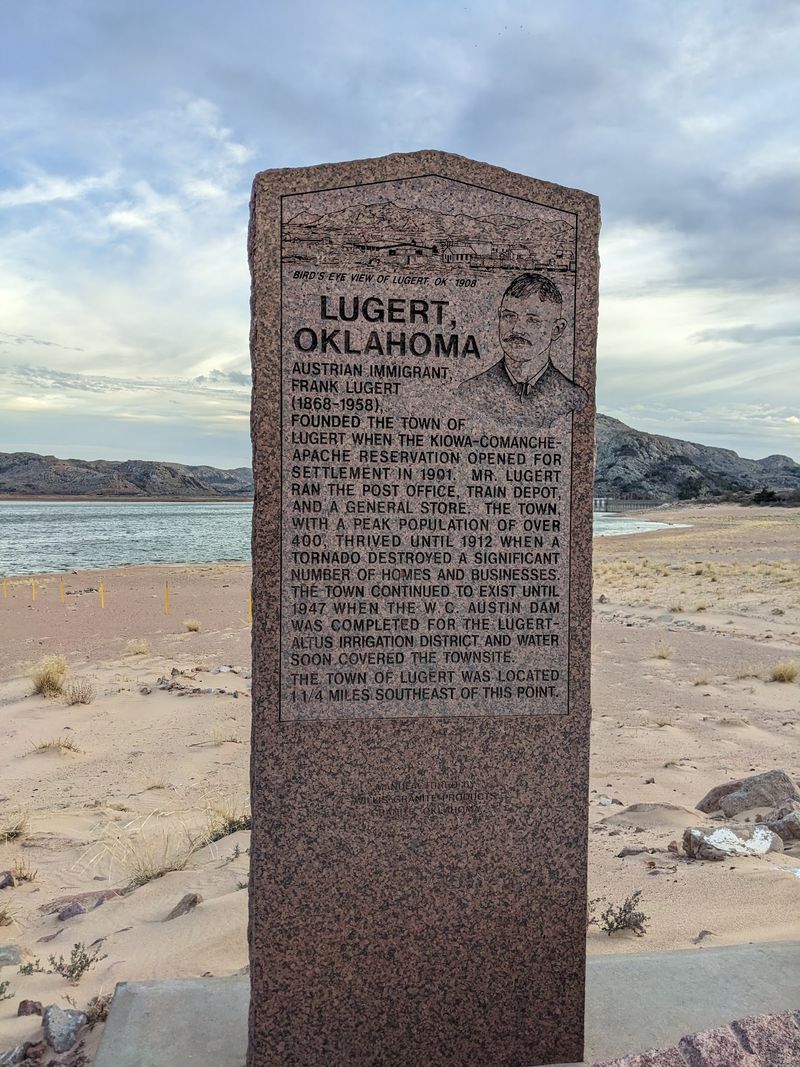
It hits you when you realize a whole town once sat beneath that quiet lake. Lugert was a real Oklahoma community with homes, stores, and routines before disaster changed everything.
Knowing that makes the lake feel less like scenery and more like a covered memory. Folks came here to build lives, raise children, and follow small-town rhythm across the plains.
When you stand near the shoreline, it helps to picture streets instead of water there. That mental switch turns an overlook into a place with names, stories, and front doors.
You do not need ruins in front of you to feel the old town below. Sometimes history lands when the evidence is hidden because your imagination has room to work.
That is part of why Lake Altus-Lugert stays with people after the drive back home. It asks you to enjoy the view while remembering someone once called this ground home.
For families visiting, that backstory can open conversations about survival and how communities change forever. Kids usually understand it when you explain that a lake can cover more than rocks.
Instead, it can hold a chapter of Oklahoma life resting beneath boats, birds, and sunlight. Once that sinks in, even a calm afternoon at Quartz Mountain State Park feels meaningful.
Where Quartz Mountain State Park Meets The Lake
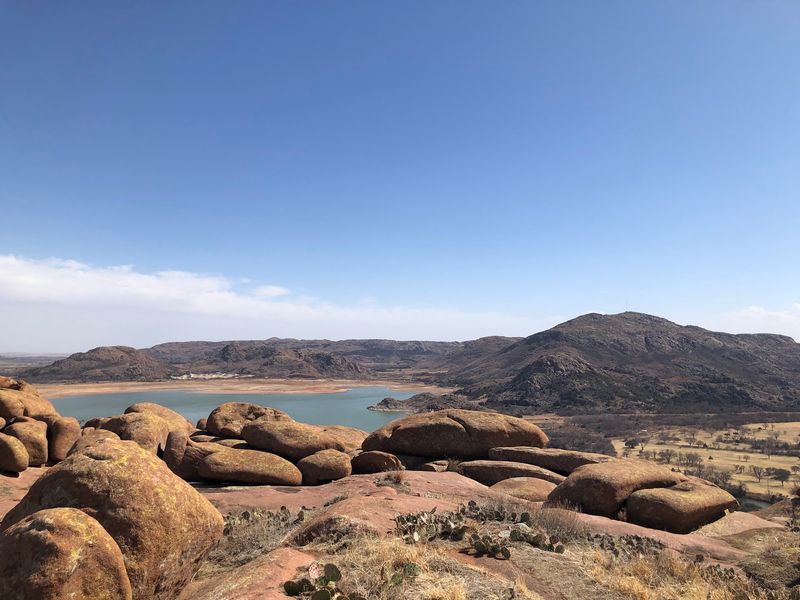
Everything clicks when the park, the lake, and the old story meet in one view. Quartz Mountain State Park sits along Lake Altus-Lugert where rocky slopes drop toward quiet water.
Use Quartz Mountain State Park, 14722 Highway 44A, Lone Wolf, OK 73655 for clear directions. Matters because the setting is not separate from the history, it is the history continuing.
One side gives you mountain shapes and granite while the water holds the harder part. I like spots where a map pin actually means something, and this one really does.
You are not arriving at state park in Oklahoma, you are stepping into layered ground. The foothills of the Wichita Mountains frame scene, but the lake keeps pulling attention back.
From the lodge area, the shoreline seems calm though the backstory gives every breeze weight. That contrast is what makes a visit here feel more memorable than a scenic stop.
Bring time to wander because rushing misses the connection between land, water, and memory here. Visitors who come for hiking or fishing end talking about Lugert before the day ends.
That is a sign the place is doing more than entertaining you for an afternoon. It is quietly teaching you how Oklahoma landscapes can carry both beauty and unfinished stories.
The Tornado That Broke Lugert
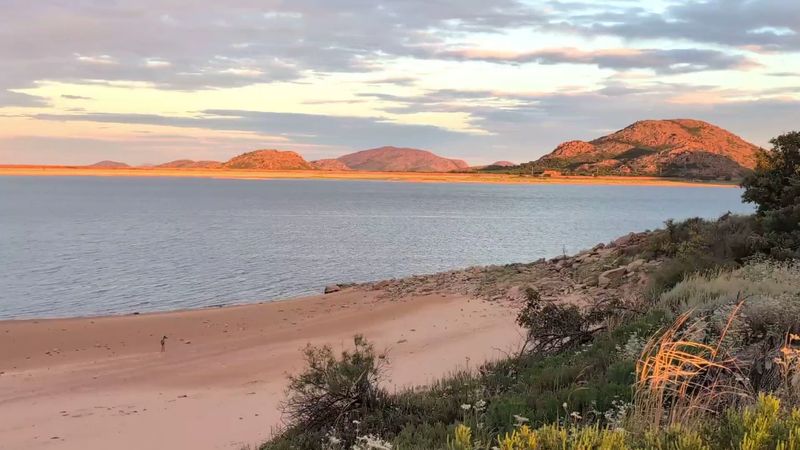
People go quiet when they hear Lugert was nearly wiped out before the lake formed. A tornado tore through the town and destroyed almost every building, leaving only one standing.
That loss is hard to picture until you imagine neighbors trying to rebuild after shock. On paper, storm sounds far, but it shaped where people lived and whether families stayed.
Lugert did rebuild more than once, which says much about the grit people carried here. Still, repeated destruction wears people down, especially in a small Oklahoma town fighting rough conditions.
When visitors hear that history, the lake stops being recreational water and starts feeling heavier. You can fish, paddle, or hike here, but the storm story keeps the place grounded.
It reminds you that weather on the plains has always been more than background scenery. For younger travelers this is a way to understand how storms can change community life.
The damage was not just lumber because it shook routines, plans, and the town’s future. That is why the tornado belongs in any honest visit to Quartz Mountain State Park.
Without that chapter, you get scenery and the human part disappears beneath the surface again. Knowing it happened makes the whole area feel less distant, and much more personal somehow.
The Dam That Changed Everything
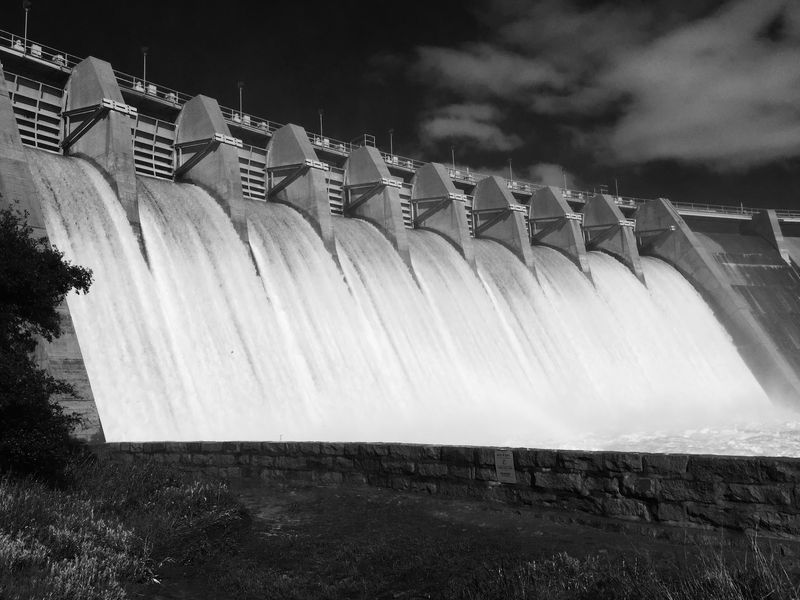
Then comes the twist because the answer to Lugert was not abandonment alone, but water. A dam first created Lake Altus for water, and a larger reservoir later expanded it.
The project raised the dam and submerged what remained of the town beneath the lake. It sounds unreal at first, but reservoirs often change entire maps when water needs grow.
Here, the change served farms, flood control, and nearby communities even while it erased traces. That is a hard trade to think about, which is why the place stays interesting.
You get the benefit of the lake today, but the cost included a town wounded. Standing by the water helps to remember that engineering can solve problems and create others.
That tension gives Lake Altus-Lugert a different mood than lakes built around only recreation plans. The story becomes even richer when you pair the dam history with the tornado history.
One disaster came from weather, and another change came from people trying to manage water. That back and forth between nature and planning feels Oklahoma, especially in this dry region.
It also explains why the lake matters beyond pretty views, boats, or a casual picnic. Once you know what was covered here, the shoreline carries a lot more meaning now.
When Low Water Shows The Past
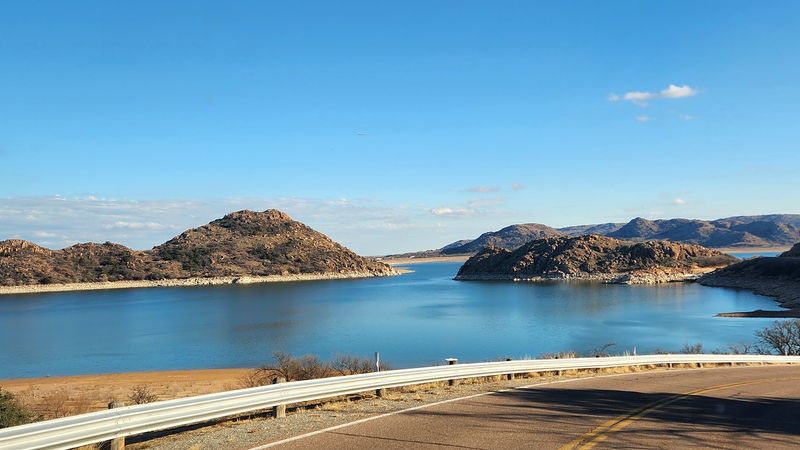
Sometimes the lake gives up a secret when low water exposes pieces of old Lugert. People have spotted foundations and other remains, which makes the town feel suddenly close again.
You may not see anything there, and that uncertainty is part of the pull too. Hidden history has a way of making people look harder at shorelines, mud, and rock.
It turns a walk into a small treasure hunt, except the treasure is a town. If water is high, do not force the moment because the story still works anyway.
Just knowing the remains can appear changes how you scan the edge of the lake. That possibility adds suspense which is not something you expect from a park afternoon there.
Kids tend to love the idea that lost streets might be resting under the surface. Adults usually end up thinking about how quickly a busy place can slip into silence.
That mix keeps the mood from getting too heavy, even while the history stays real. It is one of those details you remember later when another lake suddenly feels different.
Quartz Mountain State Park becomes scenery with depth when the water might be hiding foundations. That is a rare feeling, and it makes even a shoreline seem full of echoes.
Granite Rising Over The Shore
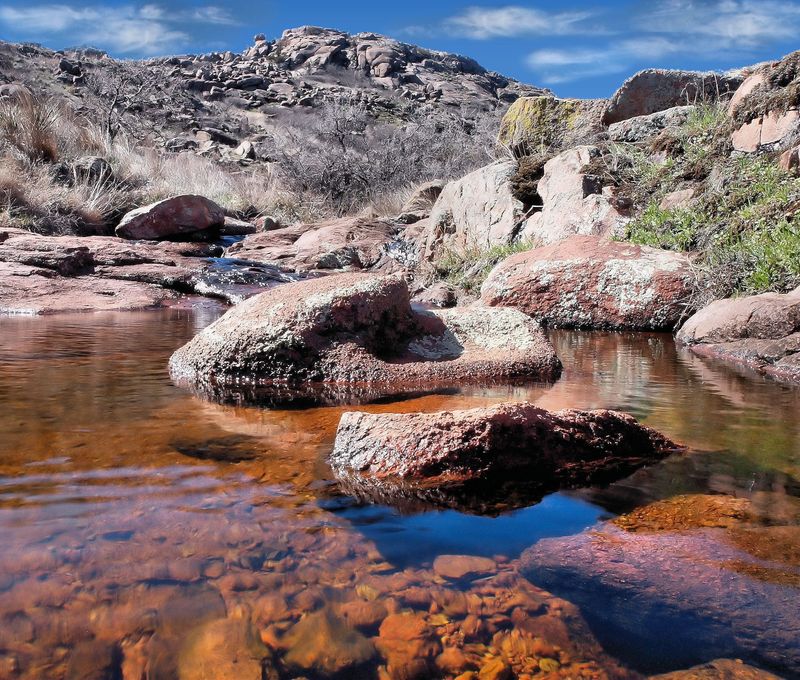
Then the granite steps in and steals your attention, which honestly feels fair out here. Quartz Mountain rises above the lake with red and pink stone that looks rugged there.
Baldy Point, the climbing area, stands out and gives the whole park a tougher edge. You do not have to climb anything to appreciate how dramatic those formations feel there.
From certain angles, the rock looks sculpted like somebody stacked giant pieces with careful hands. That visual punch matters because it keeps the park from feeling flat beside wide water.
Southwestern Oklahoma can surprise people who only expect open plains, and this is exactly why. The mountain gives shape to the lake story, and the lake softens the mountain story.
Together, they make the landscape feel older, sturdier, and more layered than a roadside view. If you like photos, late light makes the granite colors stand out beautifully here too.
Even if you leave the main areas, those rocky shapes stay in your head afterward. They give Quartz Mountain State Park a look that feels different from other Oklahoma trips.
That matters when a place has history because beauty helps people stay open and curious. And here, the granite does that job without saying a word about itself out loud.
Birds Above And History Below
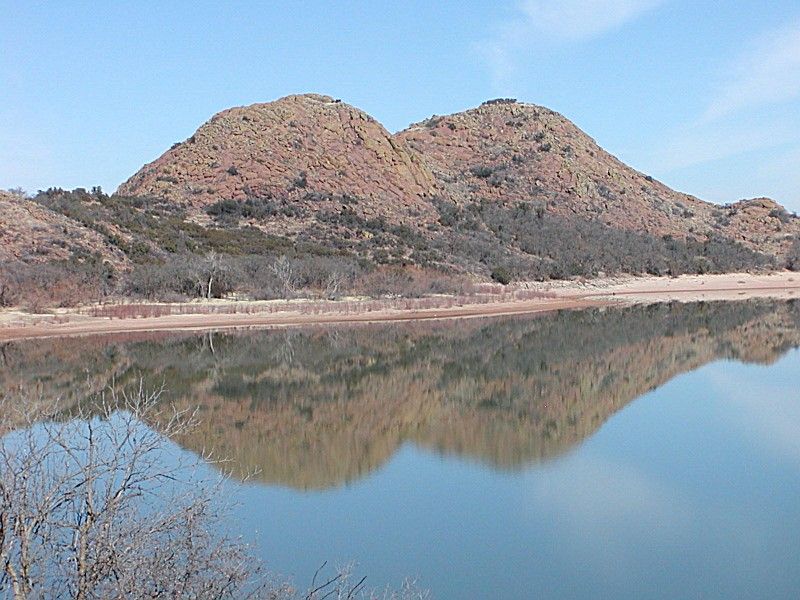
Wildlife slips into the day so naturally that it changes the whole mood without trying. Because this area sits between different climates you get a mix of species that feels unusual.
Bird watchers come hoping for moments, but even casual visitors notice movement over the water. You might spot pelicans, geese, or raptors, and suddenly the lake story gets another layer.
I love places where you are looking for one thing then nature steals the scene. At Quartz Mountain State Park, that can happen from a trail, shoreline, or lodge area.
The wildlife does not erase the human history, but it keeps the place feeling alive. That balance matters because much sadness would flatten the visit and miss what exists now.
Instead, deer, birds, and smaller creatures keep reminding you that landscapes go on adapting here. For kids that can shift the day from history lesson to real-life spotting game fast.
For adults, it adds calm which helps the harder parts of the story settle in. Either way, the animals make the lake feel inhabited rather than empty and that matters.
Oklahoma has plenty of big skies, but not every place holds this much life together. Here, the birds above and the town below create a picture you do not forget.
Light, Silence, And The Lasting Feeling
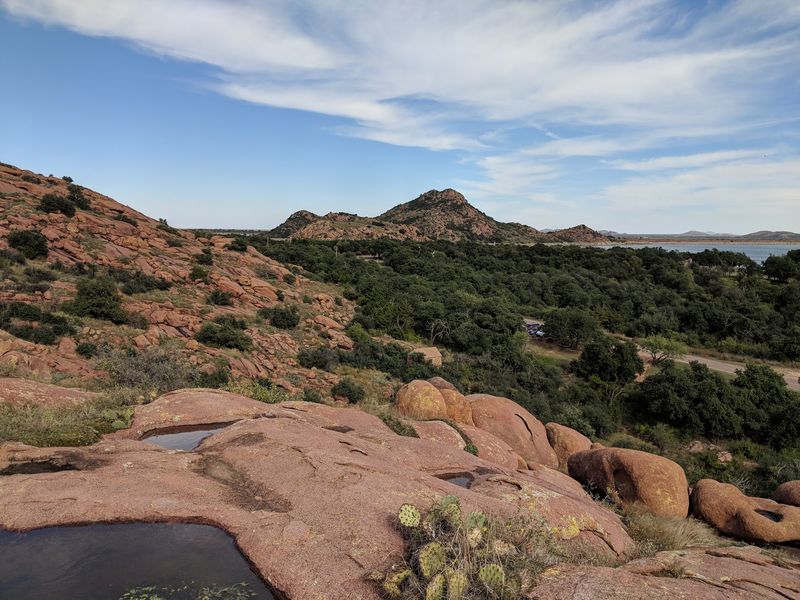
What stays with me most is how the light changes everything around this lake there. Sunrise makes the water look soft enough to forget history and sunset brings it back.
That shift is the magic because beauty and memory keep trading places hour by hour. You might start an evening talking hiking then end it thinking about vanished streets underwater.
That is a pretty unusual turn for a simple day outside, and I love that. The views from overlook areas and the lodge side feel calm, but never completely empty.
Once you know Lugert lies below Lake Altus-Lugert, even color in the sky feels richer. Maybe that sounds dramatic, but some places really do get deeper when you understand them.
This one does it without trying too hard, which is probably why people return there. A lake, a lost town, and a mountain park should not fit together this naturally.
Still, at Quartz Mountain State Park, the pieces somehow settle into one clear feeling there. You leave with photos, maybe tired feet, and a story that keeps replaying later quietly.
That is not something every Oklahoma stop can manage, no matter how pretty it is. When a place gives you scenery and thoughts to carry the drive home feels shorter.
