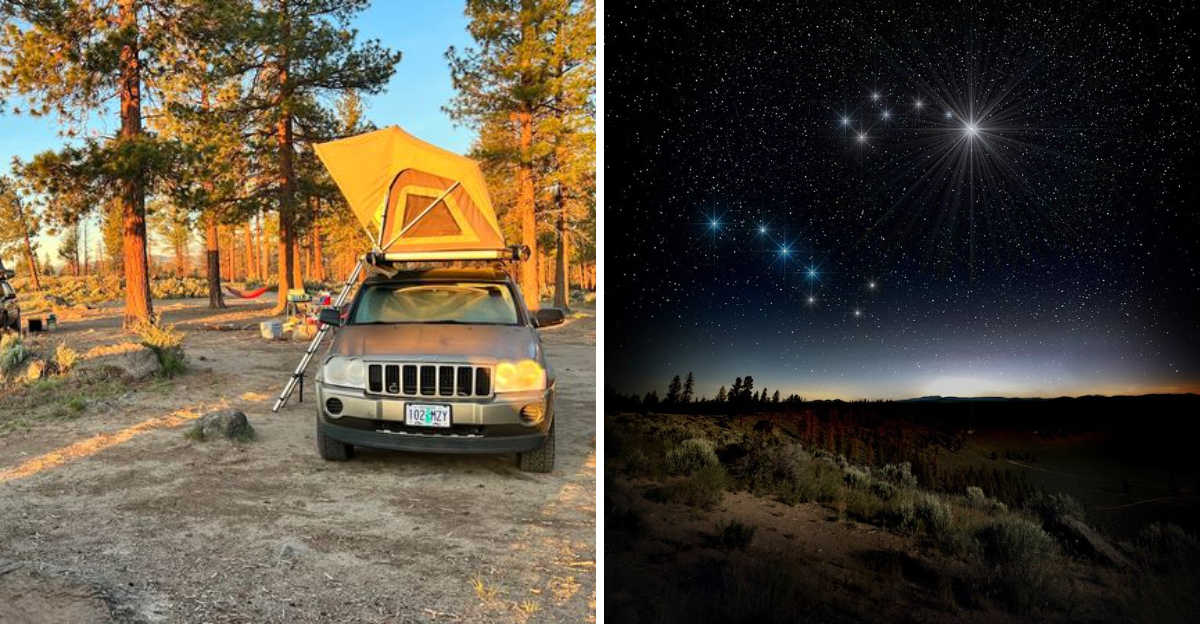
The name does not exactly sound glamorous, but trust me, this place is anything but ordinary. A mile wide and hundreds of feet deep, it was carved out by a violent volcanic steam explosion thousands of years ago.
You stand at the rim and look down into this massive bowl, trying to wrap your head around the sheer force it must have taken. The floor is flat, dry, and completely exposed, making it an absolute paradise for anyone who loves sleeping under the stars.
There are no trees to block your view, no city lights to dim the show, just an endless canopy of glittering constellations. You pitch your tent on that ancient crater floor and feel like you are camping on another planet entirely.
The silence is profound, broken only by the occasional rustle of wind or the distant call of a night bird. Stargazers bring telescopes and spend hours mapping the Milky Way across the inky black sky.
The sunsets in Oregon are equally dramatic, painting the crater walls in shades of gold and deep crimson.
The Volcanic Origin Story Behind the Crater
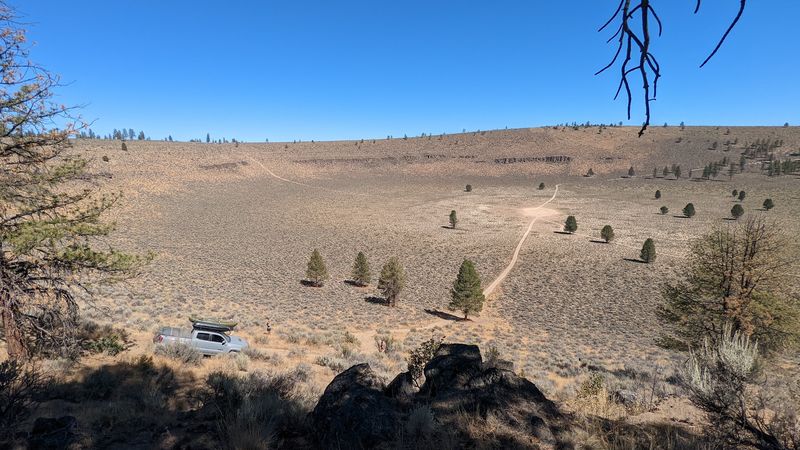
Most craters you read about were formed by meteorites crashing from space, but this one has a very different origin story. Hole-in-the-Ground is what geologists call a maar, a type of volcanic crater created by a phreatomagmatic explosion.
Around 16,000 years ago, rising magma deep underground made contact with groundwater trapped in the rock above it.
The pressure built until the earth simply could not hold it anymore. The resulting blast launched massive amounts of rock and debris outward, leaving behind a near-perfect bowl in the high desert landscape.
Scientists estimate the explosion was extraordinarily powerful, scattering volcanic debris across a wide surrounding area.
What makes this place so fascinating is that there was no lava flow and no towering volcanic cone. The explosion went outward and downward, not upward.
That is why the crater looks so clean and symmetrical from the rim. Standing here and picturing that ancient eruption makes the ground feel alive beneath your feet in the most thrilling way.
Getting There: Roads, Routes, and What to Expect
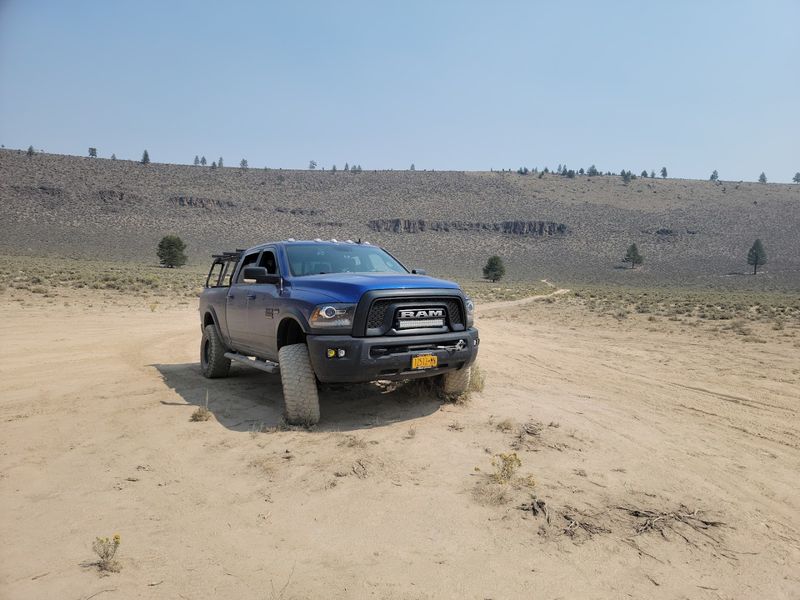
Reaching Hole-in-the-Ground takes a bit of patience and the right kind of vehicle. The site sits in a remote stretch of central Oregon, roughly 1.5 hours southeast of Bend.
Getting there means navigating several miles of unpaved dirt roads that can be rough and uneven, especially after rain or in late spring.
Google Maps directions have been known to become unreliable in the final few miles near the site. Carrying a downloaded offline map or a GPS device is a genuinely smart move before you head out.
Cell service in the area is very limited, so planning ahead matters more than usual here.
A vehicle with high clearance is strongly recommended for the road to the rim and especially for the steep descent into the crater itself. Two-wheel-drive vehicles with good clearance have made it in dry summer conditions.
The drive feels like a mild adventure before you even arrive, which honestly sets the perfect mood for everything that follows.
The Rim Drive and What You See From the Top
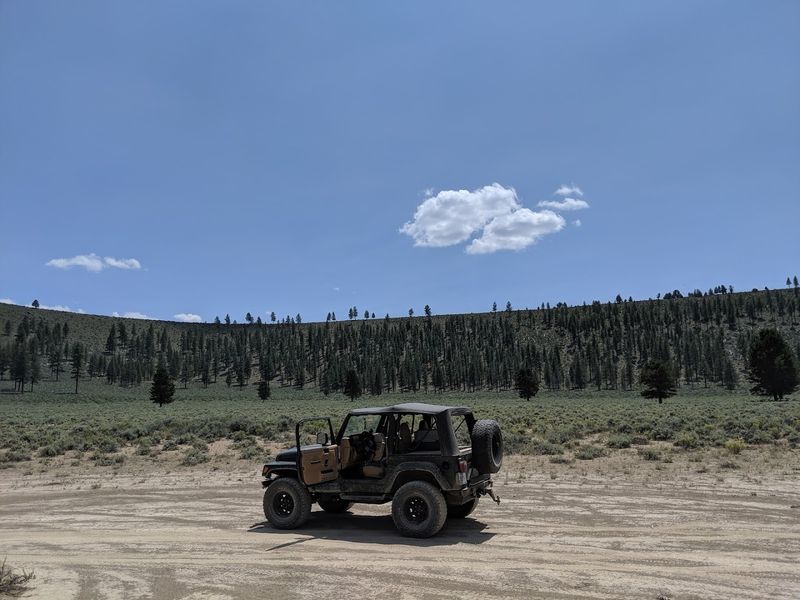
Driving along the rim of Hole-in-the-Ground is one of those experiences that keeps surprising you with every turn. The road circles the top of the crater, offering constantly shifting views down into the bowl and across the surrounding high desert.
It is bumpy in places, but totally manageable for most vehicles with decent clearance.
One thing visitors often mention is how the crater looks far more dramatic in person than in photographs. The depth and symmetry of the bowl are genuinely hard to capture on a camera screen.
You really need to be standing there to appreciate just how wide and deep this natural formation is.
The rim sits at a higher elevation than the surrounding terrain, which means the views extend well beyond the crater itself. On a clear day you can see volcanic peaks and rolling high desert stretching in every direction.
Spending time slowly circling the rim before heading down is absolutely worth it and helps you understand the full scale of what you are looking at.
Driving Into the Crater Itself
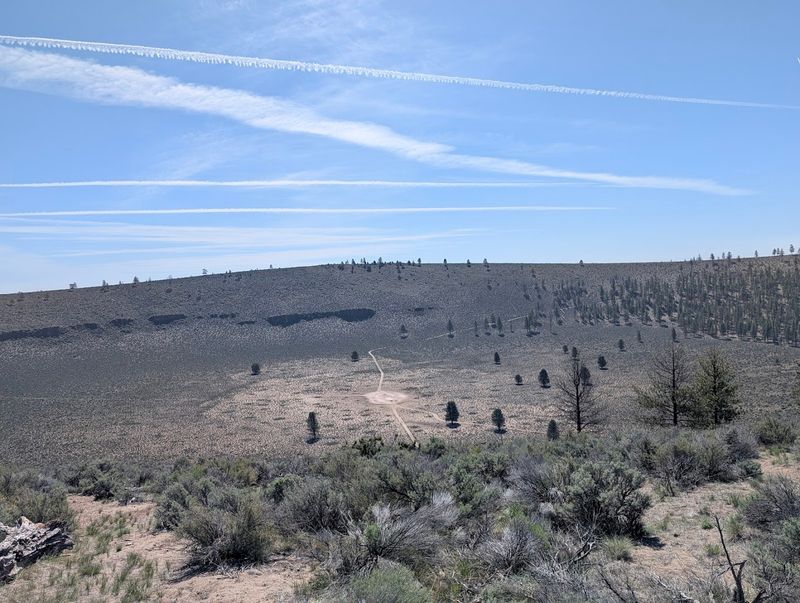
Not many places on earth let you actually drive down into a volcanic crater, which makes this experience feel genuinely rare. A road descends from the rim into the bottom of Hole-in-the-Ground, and yes, it is steep.
The road profile has been described by visitors as a real roller coaster, with dips and rises that make your stomach lurch in the best way.
Short wheelbase vehicles tend to handle the descent more comfortably than longer ones. High clearance is more important than four-wheel drive for most of the route in dry summer conditions.
That said, it is always smart to assess the road conditions carefully before committing to the drive down.
Once you reach the bottom, the feeling is unlike anything else. The crater walls rise up around you on all sides, and the sky above becomes a perfect circle of blue.
Standing at the floor of a maar that exploded 16,000 years ago puts a very different kind of weight on your afternoon in the most wonderful sense possible.
Free Camping on Public Land Around the Crater
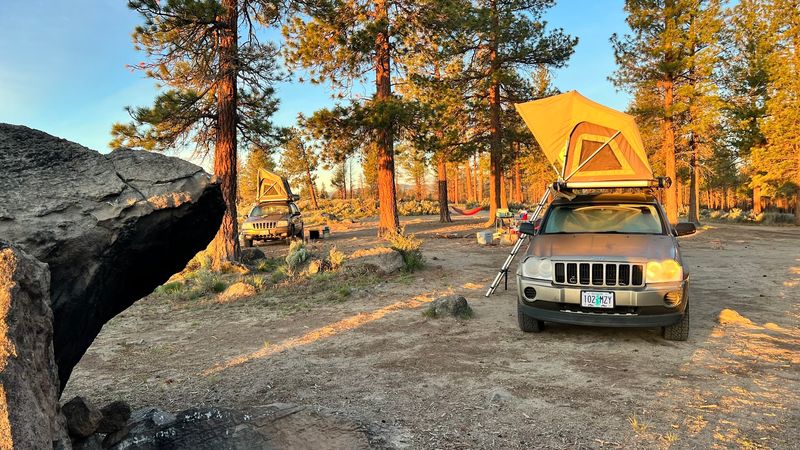
One of the most beloved things about Hole-in-the-Ground is that camping here is completely free on public lands managed by the Bureau of Land Management. There are roughly eight or so primitive campsites scattered around the rim, and they are spaced far enough apart to feel genuinely private and peaceful.
There are absolutely no services here, which means you pack everything in and pack everything out. Water, food, waste bags, and firewood all need to come with you.
That pack-it-in, pack-it-out ethic is taken seriously by the people who visit, and the site stays remarkably clean as a result.
Campsites are nestled among ponderosa pines, which provide shade and that wonderful sharp pine scent that fills the air at night. Some visitors camp at the bottom of the crater for a truly unique overnight experience.
The solitude out here is real and deep, the kind that feels restorative after a stretch of busy days. Overlanders in particular have given this spot very enthusiastic approval.
Stargazing Inside a Volcanic Crater
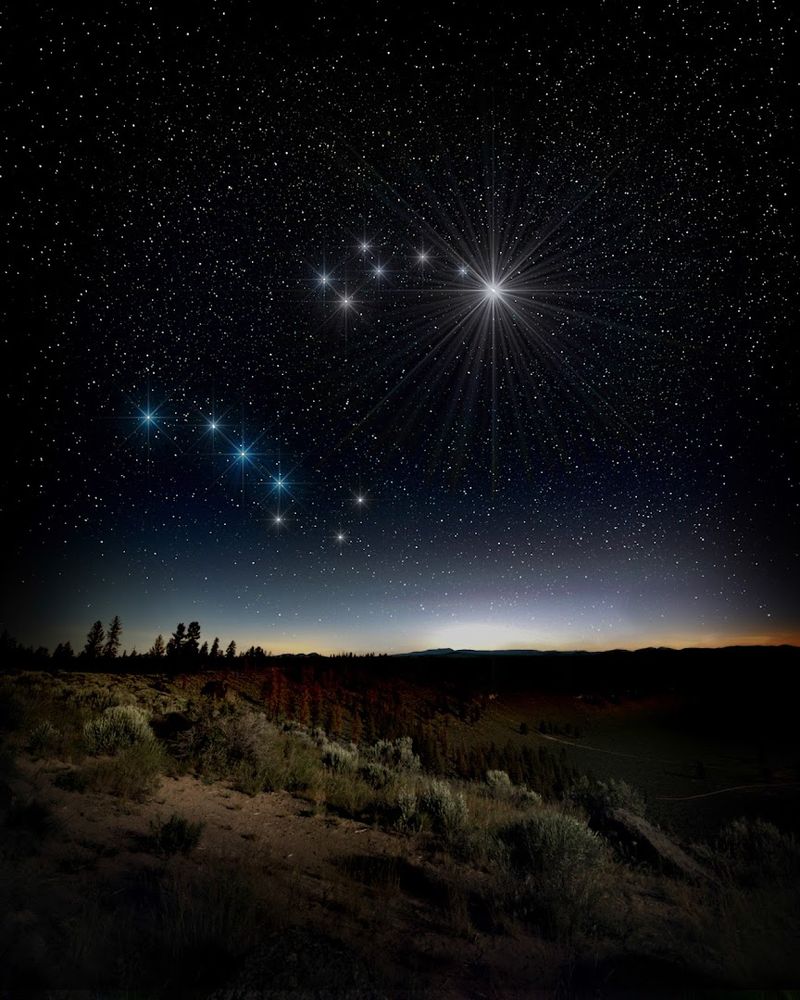
Sleeping inside or near a volcanic crater under a sky packed with stars is the kind of night that rewires something in your brain. Hole-in-the-Ground sits in one of the darkest corners of Oregon, far from any city glow.
The lack of light pollution out here is extraordinary, and the Milky Way appears in full detail on clear nights.
The crater itself acts almost like a natural amphitheater for the sky above. When you camp near the bottom or along the rim, the circular walls frame the stars overhead in a way that feels almost theatrical.
It is hard to look up and not feel genuinely moved by what you are seeing.
Bring a good sleeping bag rated for cold temperatures because high desert nights drop fast and hard even in summer. A reclining camp chair or a simple blanket laid on the ground makes stargazing much more comfortable.
Some of the best hours here happen between midnight and 3 a.m. when the sky reaches its darkest and the silence is total.
Hiking the Rim Trail for Bigger Views
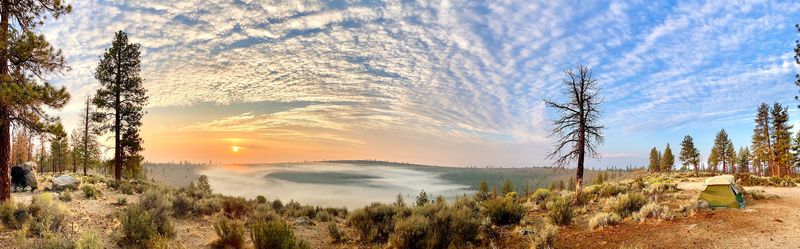
Lacing up your boots and walking the rim of Hole-in-the-Ground adds a completely different dimension to the visit. The trail along the rim is not heavily marked, but the path is fairly intuitive as you follow the natural edge of the crater.
Views from different points around the rim shift dramatically depending on where the sun is sitting in the sky.
Hikers often find that the crater looks strikingly different from each quarter of the rim. The morning light catches the eastern wall in a way that makes the depth look almost exaggerated.
Late afternoon on the western side turns the whole bowl into warm shades of amber and rust.
The terrain around the rim includes dry grasses, scattered volcanic rock, and patches of ponderosa pine that offer occasional shade. Wildlife sightings are possible out here, including birds of prey riding thermals above the crater.
The hike is not long or strenuous, but it rewards you with perspectives that no photograph can fully replicate and that stay with you long after you leave.
The High Desert Landscape Surrounding the Site
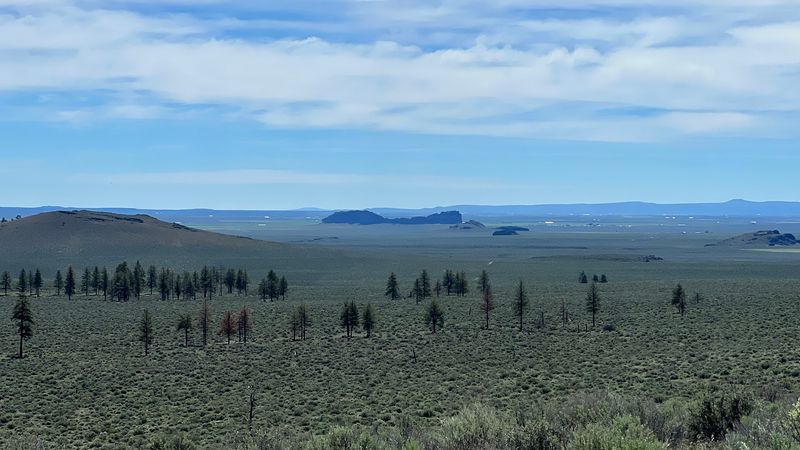
The land around Hole-in-the-Ground is its own kind of beautiful, even before you reach the crater. Central Oregon’s high desert stretches out in every direction with a spare, wide-open quality that feels almost cinematic.
Sagebrush, juniper, and ponderosa pine cover the terrain in a patchwork of grey-green and deep forest tones.
The drive out to the site passes through this landscape at a pace that lets you actually absorb it. You start to notice how the terrain changes subtly as you get closer, with more volcanic rock breaking through the soil and the ground beginning to rise toward the crater rim.
It is the kind of scenery that builds anticipation naturally.
On clear days the surrounding area offers distant views of volcanic peaks that remind you this whole region sits on a geologically active zone. The Fort Rock area nearby adds more geological drama if you want to extend your exploration.
This part of Oregon rewards slow travel and curious eyes more than almost anywhere else in the state.
Navigation Tips and Practical Advice for First-Time Visitors
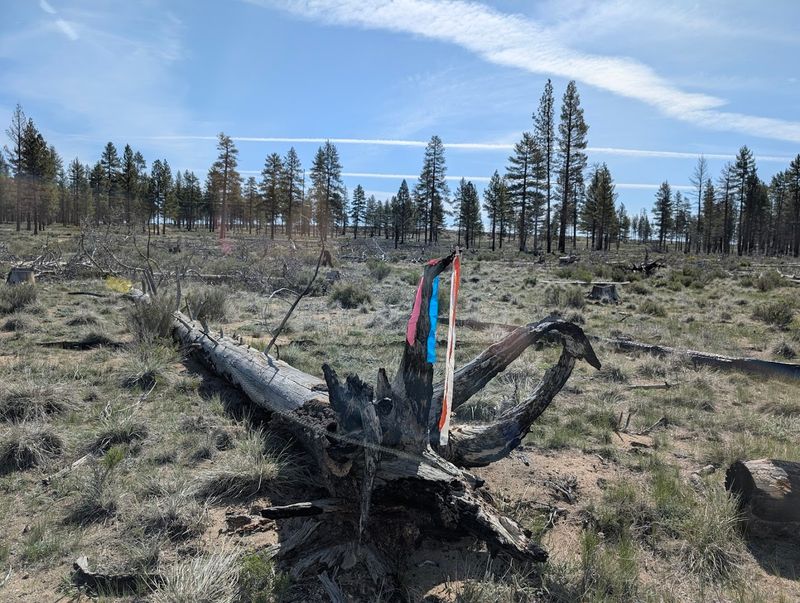
Getting to Hole-in-the-Ground without frustration requires a little preparation that most travel destinations simply do not demand. Google Maps can lose the route within a few miles of the site, which has left more than a few visitors stranded on rough roads.
Downloading an offline map through an app like Gaia GPS or Maps.me before you leave town is a genuinely useful move.
There are no signs marking the turnoffs along the approach roads, so following GPS waypoints or ribbons tied to posts by other visitors becomes your best navigation tool. The coordinates 43.402909, -121.198346 will get you to the right location if you save them before heading out.
Cell service essentially disappears in this area, so do not count on searching for help once you are on the dirt roads.
Fuel up before leaving Bend or any nearby town because there are no gas stations anywhere near the site. Bring more water than you think you need for both people and any pets.
Starting the trip in the morning gives you plenty of daylight to explore at a relaxed pace.
Nearby Attractions Worth Adding to the Trip
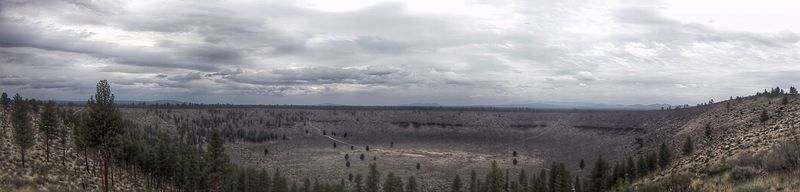
Hole-in-the-Ground sits in a part of Oregon that is surprisingly rich with geological wonders, and combining a few of them into one trip makes the long drive feel very well rewarded. Fort Rock State Natural Area is one of the closest neighbors, featuring a dramatic ring of volcanic tuff rising straight out of the flat desert floor.
It is a striking sight and a fascinating geological companion to the crater.
Crack-in-the-Ground near Christmas Valley is another nearby site worth visiting, a long narrow volcanic fissure that you can actually walk through. The contrast between a wide open bowl and a tight underground crack makes for a memorable geological double feature.
Both sites are free to visit and require similar vehicle preparation for the approach roads.
The Christmas Valley area also offers sand dunes, lava beds, and ancient juniper forests that add even more variety to a weekend trip. Planning a two-day loop that hits several of these sites turns a single destination visit into a genuine high desert adventure.
