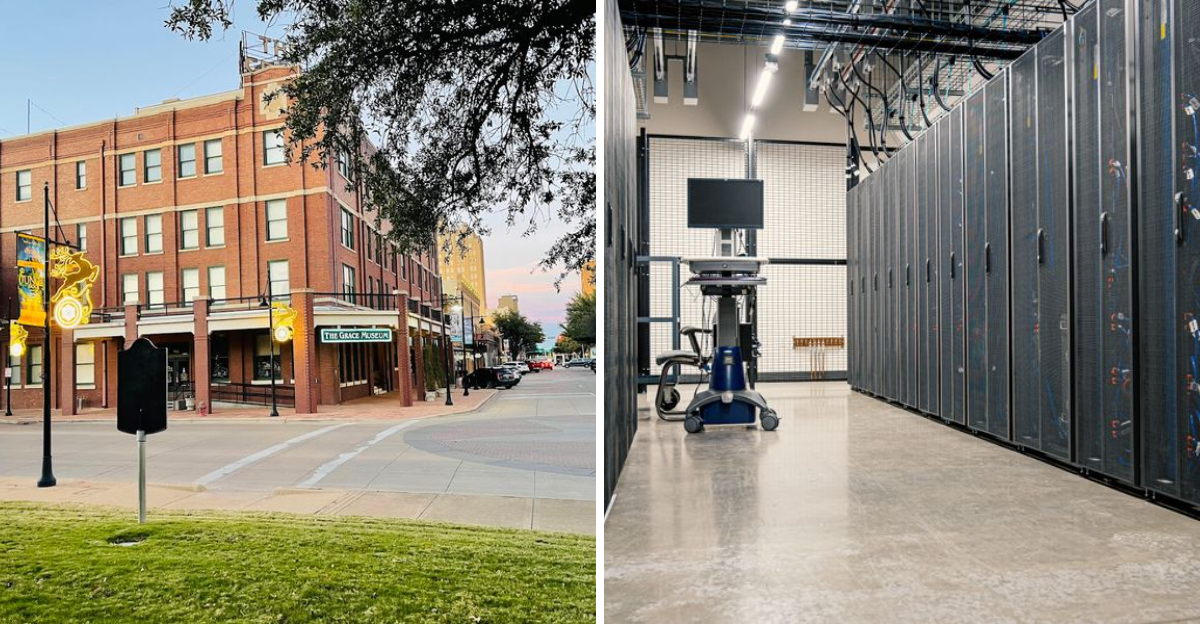
Abilene has long been known for its historic downtown, its West Texas charm, and its quiet, steady pace of life. But something much bigger is being built beneath the radar, a massive data center campus that is set to become one of the largest AI infrastructure projects in the world.
This is not happening in Austin, Dallas, or Houston. It is happening right in the middle of the state, where land is wide open, electricity is available, and the skies are big enough for whatever comes next.
The project is already bringing construction jobs, new roads, and a wave of investment that has locals talking. For now, most of the work is quiet, but the long term impact on the local economy will be massive.
Texas has long been a leader in energy, agriculture, and tech, but the AI industry might soon become the state’s biggest player. What is happening in Abilene is not a rumor, it is a reality that is taking shape one data center at a time.
The Scale of the Project Is Almost Hard to Believe
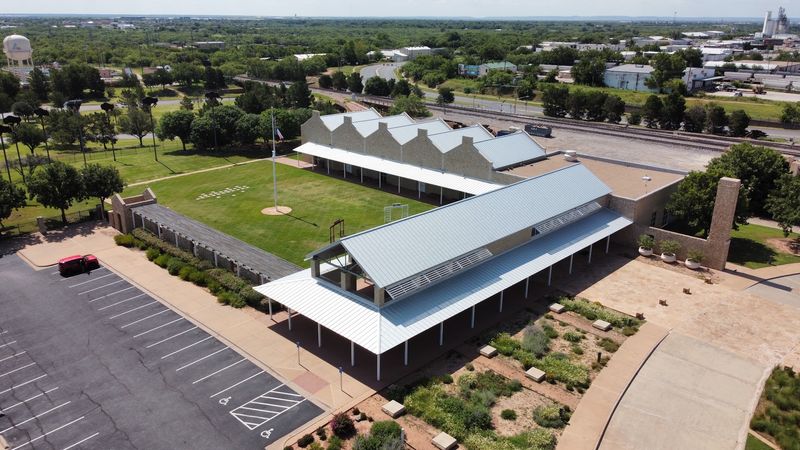
Numbers on paper rarely hit you the way reality does, but when you actually look at what is being built in Abilene, the scale becomes genuinely jaw-dropping. The campus covers somewhere between 1,100 and 1,200 acres.
That is not a building or a block, that is closer to a small town.
Eight massive buildings are planned for the site, together totaling 4 million square feet of data center space. Each structure is enormous on its own, but together they form something that has no real comparison in the AI infrastructure world right now.
When the campus reaches full capacity, it is expected to house over 450,000 NVIDIA GB200 GPUs. For context, those chips are among the most powerful AI processors available today.
Having that many in one place creates an AI computing cluster that would rank among the largest ever assembled.
The total projected power capacity for the full Abilene site is anticipated to reach 2.1 gigawatts. That figure alone places this project in a category with very few peers globally.
It is the kind of number that makes engineers pause and rethink what large-scale infrastructure even means.
The first phase, two buildings each rated at 100 megawatts, was completed in under a year from the start of construction. That pace is remarkable for any major construction project, let alone one of this complexity and ambition.
Abilene delivered fast, and the rest of the world is starting to pay attention.
Who Is Actually Behind This Enormous Undertaking
A project this large does not happen because of one company with a big idea. It takes a coordinated effort from multiple major players, and the lineup behind the Abilene campus is genuinely impressive.
Crusoe is the developer and operator of the physical campus itself, handling the construction and management of the facilities on the ground.
Oracle stepped in to provide and manage the AI infrastructure running inside those buildings. OpenAI was identified early on as a primary customer, which immediately gave the project a profile that few data center developments ever achieve.
Having OpenAI in the mix signals that this is not just storage space, it is serious AI computing at the frontier level.
More recently, Crusoe announced an expansion to support large-scale AI workloads specifically for Microsoft. That addition brought the total projected investment into even more staggering territory.
Lancium is also part of the development partnership, contributing expertise in large-scale power and computing infrastructure.
On the local side, the Development Corporation of Abilene and the City of Abilene worked to facilitate economic development agreements that helped bring the project to the region. Their involvement shows how much local government believed in what this project could mean for the community long-term.
It is rare to see this many heavy hitters working together on a single site. The collaboration reflects a shared belief that Abilene, with its land, energy access, and cooperative local government, was simply the right place to build something historic.
Why Abilene, of All Places, Was Chosen
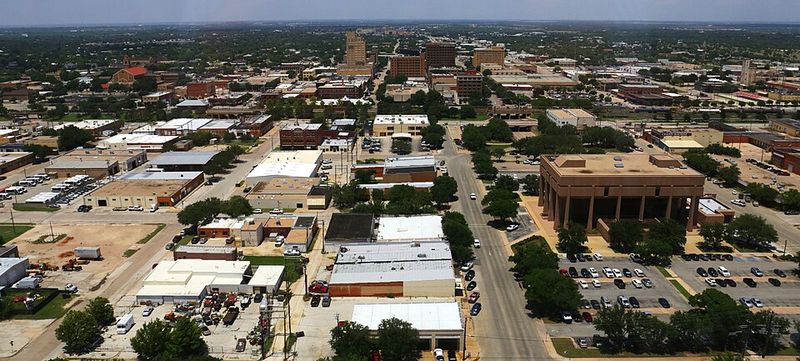
That question crossed my mind immediately when I first read about this project. Abilene is not Silicon Valley.
It is not Austin or Dallas. It sits out in West Texas, surrounded by flat land and big sky, and that turns out to be exactly the point.
Land availability was a major factor. The campus requires over 1,100 acres, and finding that kind of contiguous space near a city with existing infrastructure is not easy in most parts of the country.
West Texas has it, and at a scale that leaves room to grow further.
The region is also one of the windiest in the United States. Wind energy production in this part of Texas is abundant, which matters enormously for a facility that will eventually consume 2.1 gigawatts of power.
Connecting directly to the ERCOT grid gives the campus access to that renewable energy at scale.
Abilene also has a cooperative local government that moved quickly to create economic development agreements. That kind of responsiveness makes a real difference when developers are evaluating multiple potential sites across the country.
Speed and flexibility matter when billions of dollars are on the table.
There is also a practical workforce angle. The region has universities and technical colleges that can support the training pipeline for the jobs this project creates.
Abilene was not just a convenient location, it was a genuinely smart strategic choice made by people who did their homework carefully before committing.
The Construction Timeline Moved at a Remarkable Pace
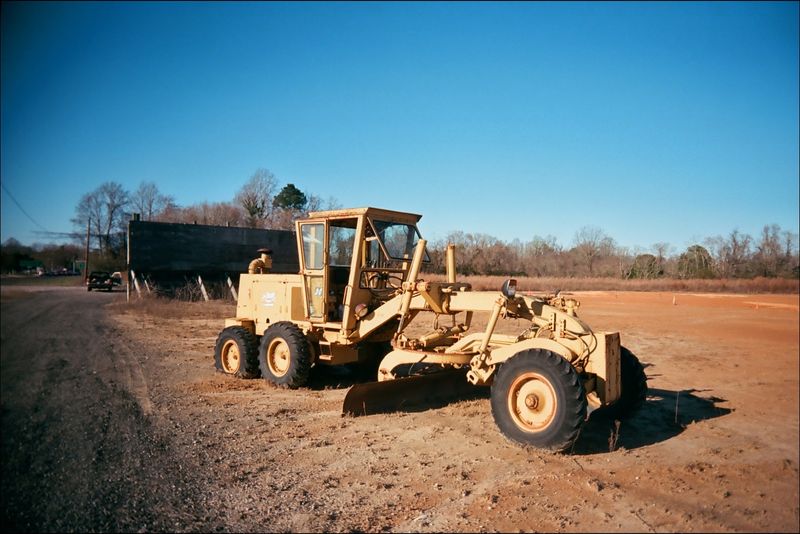
Construction on this campus began in early 2024, and the speed at which things moved from that point forward was genuinely surprising. Getting AI workloads running in under a year from breaking ground is the kind of timeline that makes most infrastructure developers raise an eyebrow.
It is fast, even by ambitious standards.
The first phase, consisting of two buildings each rated at 100 megawatts, was completed within that first year. Delivering two fully operational data center buildings at that scale in under twelve months required serious coordination across construction crews, supply chains, and technical teams simultaneously.
The second phase covers six additional buildings and is expected to be completed by the end of 2026. That would bring the total on-site capacity to 1.2 gigawatts, which is already a historic figure for a single AI campus.
The build-out is progressing on a schedule that keeps the project relevant to the rapidly evolving demands of the AI industry.
Beyond the original eight buildings, a further expansion for Microsoft is already underway. That addition will bring a 900 megawatt campus online, with the first building expected to be energized in mid-2027.
The project is not slowing down, it is accelerating with each new phase.
At peak construction activity, over 7,000 workers were on site simultaneously. That figure speaks to the sheer physical effort required to build something at this scale.
Abilene handled it, and the construction community in the region grew significantly because of it.
The Economic Impact on Abilene Is Already Being Felt
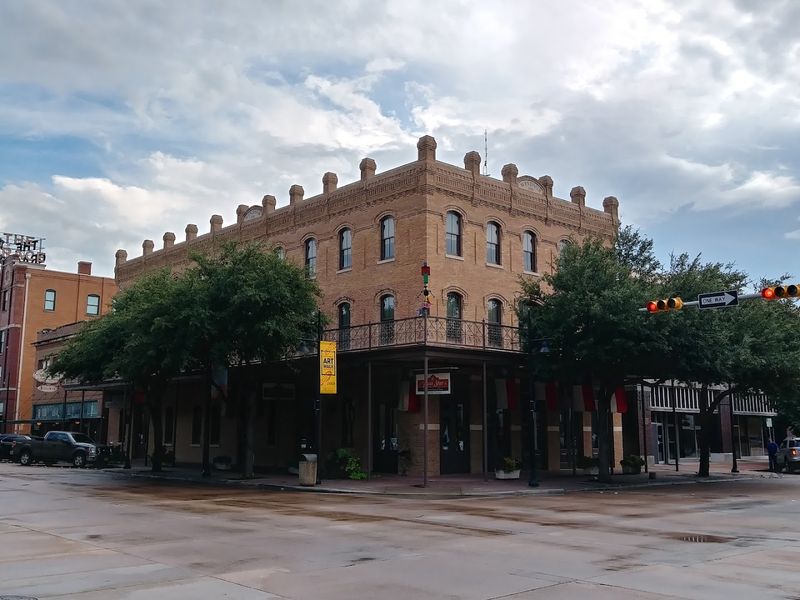
When a project of this magnitude lands in a mid-sized city, the ripple effects touch almost every corner of the local economy. The total capital investment for the first eight buildings alone exceeds 47 billion dollars.
That is not a number Abilene would have associated with itself a few years ago.
Job creation has been one of the most visible and immediate benefits. The project is projected to generate more than 9,000 construction jobs and around 1,000 ongoing project-supported jobs within its first two years of completion.
Those are real positions for real people in a community that has always valued hard work.
Approximately 400 direct long-term jobs are expected once operations are fully running. For a city of Abilene’s size, that kind of permanent employment addition carries significant weight.
These are typically well-paying technical and operational roles that support families and neighborhoods.
The campus is estimated to generate around 30 million dollars annually in local economic benefits for Abilene and Taylor County combined. That money flows into local businesses, tax revenue, schools, and public services in ways that compound over time.
The long-term benefit to the region is hard to overstate.
Restaurants, hotels, hardware suppliers, and service businesses have all seen increased activity connected to the project. I spoke to a few locals during a recent visit and the sense of quiet pride in what is being built there was unmistakable.
Abilene feels like a city that knows its moment has arrived.
Energy and Cooling Solutions That Set a New Standard
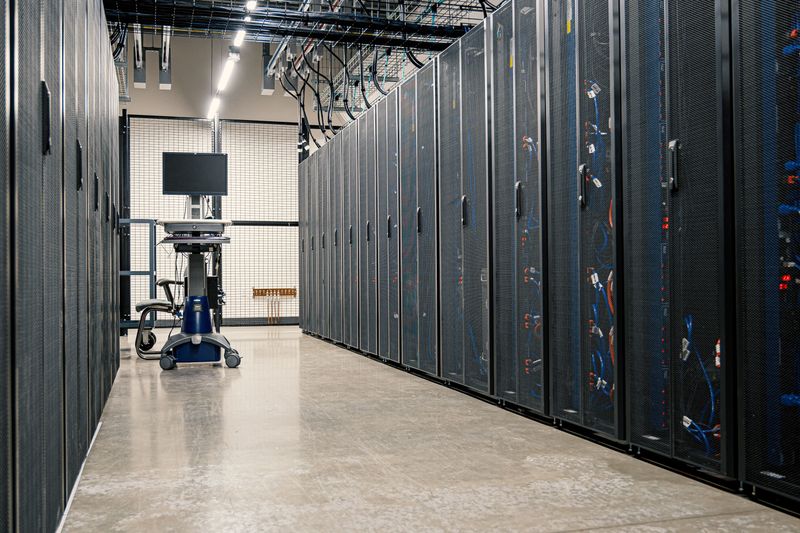
Powering a facility that will eventually draw 2.1 gigawatts requires a serious and thoughtful approach to energy sourcing. The campus connects directly to the ERCOT grid, which gives it access to Texas’s robust energy market and the abundant wind power generated across the region.
Wind energy was a key reason Abilene made sense as a location from an energy standpoint.
To ensure grid stability during periods of high demand or supply fluctuation, the facility uses GE Vernova natural gas turbines as backup power. These turbines are equipped with technology designed to significantly reduce emissions compared to conventional backup systems.
That combination of renewable primary power and cleaner backup solutions reflects a genuine effort to operate responsibly.
Cooling is one of the biggest challenges any large data center faces, and the Abilene campus addresses it in a way that stands out. The facility uses a closed-loop, non-evaporative liquid cooling system throughout its buildings.
That approach is both highly efficient and dramatically reduces water consumption compared to traditional cooling towers.
Each building uses roughly 50,000 gallons of water per year for cooling maintenance under this system. That is a remarkably low figure for a facility of this size and power density.
Traditional data centers of comparable scale can consume millions of gallons annually, so the difference is substantial.
The engineering decisions made here reflect a broader philosophy about what responsible large-scale AI infrastructure should look like. Abilene is not just building big, it is building thoughtfully, and that distinction matters for the long-term health of the region and the industry.
What Life in Abilene Looks Like Beyond the Data Center
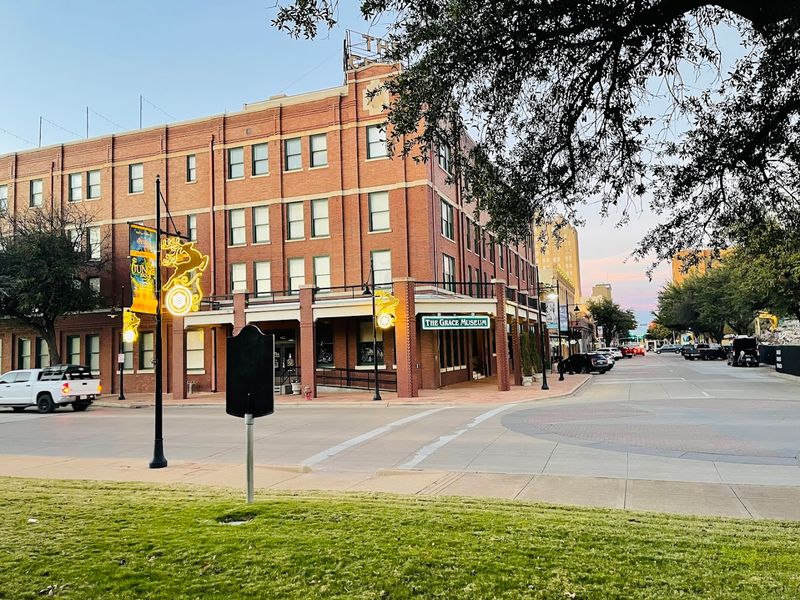
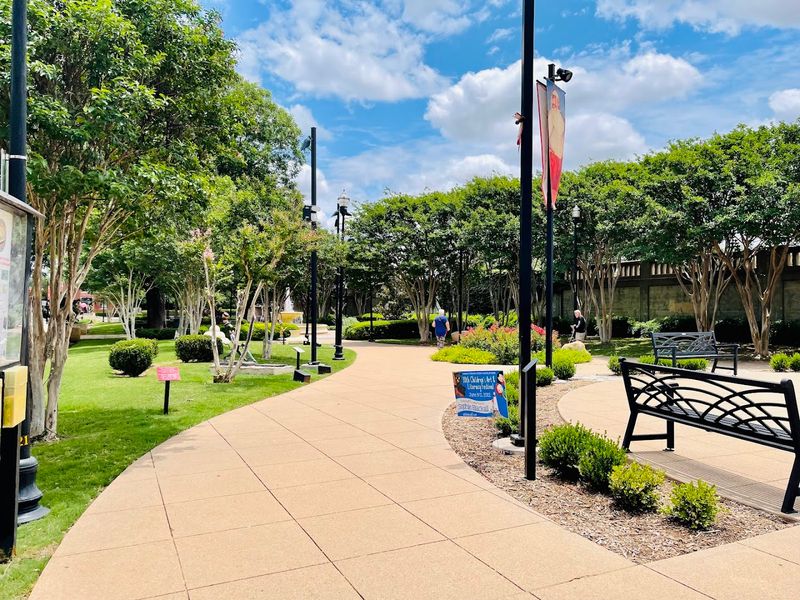
All this talk of gigawatts and GPU clusters can make it easy to forget that Abilene is, at its core, a warm and welcoming West Texas city with its own distinct personality. The downtown area has a genuine charm that surprises first-time visitors who arrive expecting a sleepy oil-country town.
The Abilene Zoo is a local favorite that draws families from across the region. It sits within Nelson Park, a large green space along Lake Nasworthy that offers trails, picnic areas, and a refreshing break from the flat surrounding terrain.
The park has a relaxed, unhurried energy that feels very true to the spirit of the place.
Frontier Texas is a museum downtown that tells the story of the region’s frontier history with impressive immersive exhibits. It is the kind of place where you spend more time than you planned because the storytelling pulls you in room by room.
History feels alive there in a way that a lot of museums struggle to achieve.
The local food scene has been growing steadily, with independently owned restaurants and cafes adding real character to the city’s culinary identity. There is a sense of community pride in supporting local businesses that you feel as soon as you walk through most doors.
People here genuinely like their city.
Abilene has three universities, giving it an intellectual and cultural energy that balances out its working-class roots. That combination of tradition, education, and now global-scale technology investment makes it one of the more interesting cities in Texas right now.
What This Moment Means for the Future of AI Infrastructure
Abilene is not just a footnote in the story of artificial intelligence, it is becoming one of the central chapters. The decisions made here about scale, energy, cooling, and community partnership are setting precedents that other developers will study and reference for years to come.
The involvement of Oracle, Microsoft, and OpenAI in a single regional campus signals something meaningful about where AI infrastructure is heading. These companies are not building in Abilene because it was convenient.
They are building here because the fundamentals, land, energy, speed, and local cooperation, aligned in a way that is genuinely rare.
The 47 billion dollar investment figure is not just a talking point. It represents a long-term commitment to this location that will shape Abilene’s identity for generations.
The city is now permanently woven into the story of how humanity built the infrastructure to run its most ambitious AI systems.
There are real questions the industry is still working through about power consumption, environmental responsibility, and workforce development at this scale. Abilene is actively part of those conversations, not just as a host city but as a proving ground for what responsible development can look like in practice.
Watching a mid-sized Texas city step confidently into a role this significant is genuinely exciting. The next time someone asks where the world’s most powerful AI systems are being run, the answer might just be a city on the West Texas plains that most people have never thought twice about.
Abilene earned this moment.
