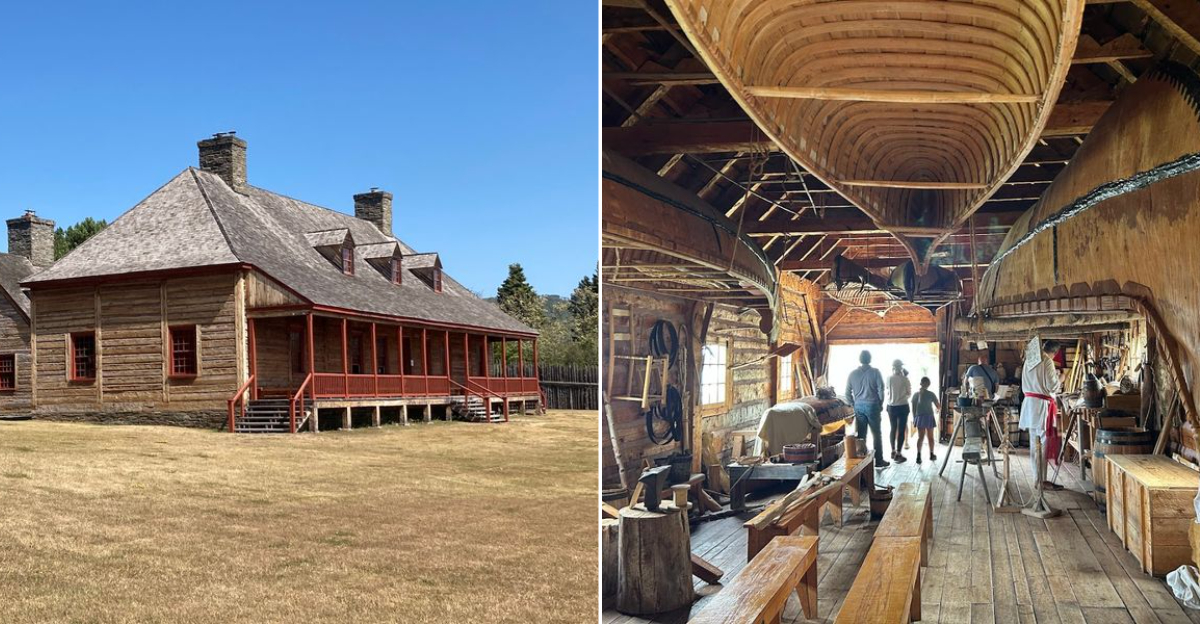
You will probably have this Minnesota park almost entirely to yourself. That is the quiet magic of Grand Portage National Monument, a remote site on the North Shore that sees only a handful of visitors each day.
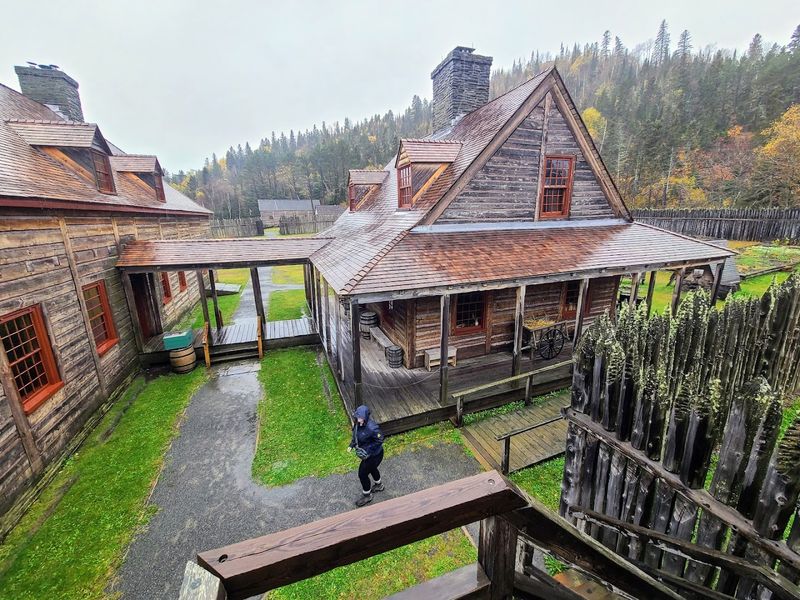
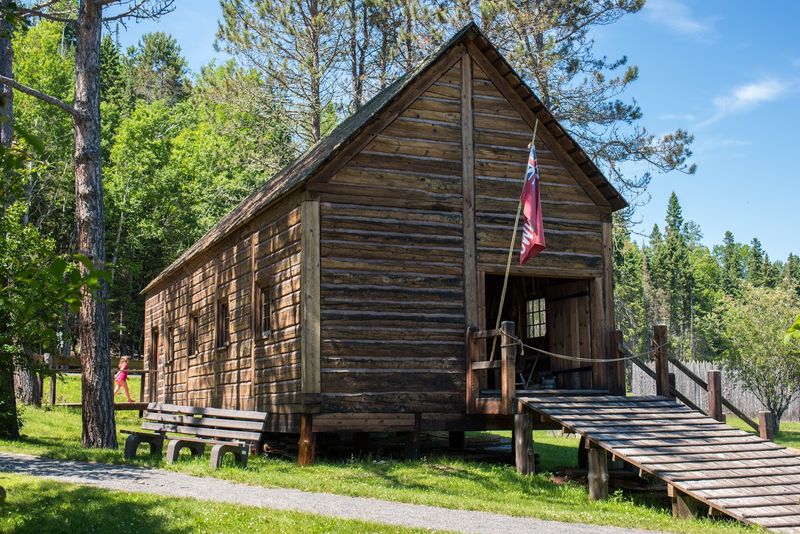
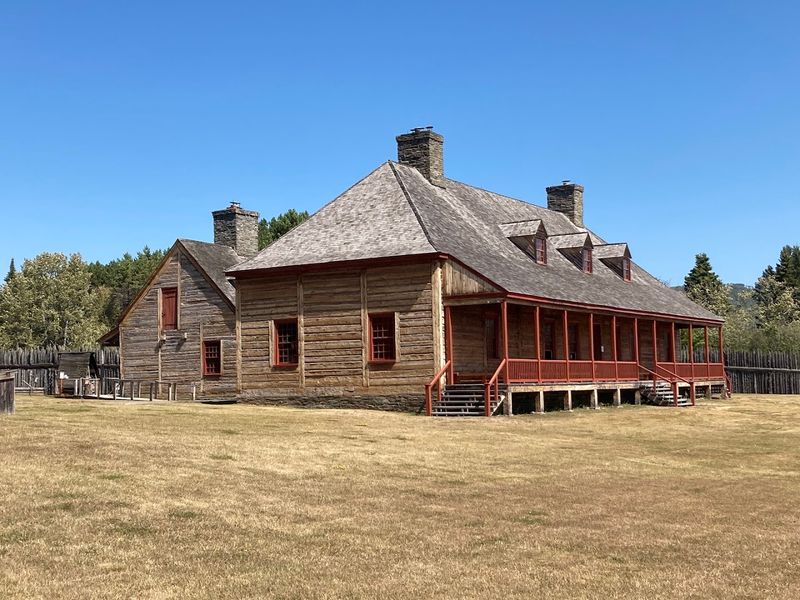
The main attraction is a reconstructed fur trade depot, complete with a stockade and historic buildings where costumed interpreters demonstrate canoe building and pelt grading. A path leads to the 8.5 mile Grand Portage trail, an ancient footpath used by Ojibwe people for centuries to bypass the waterfalls of the Pigeon River.
Entry is free, and the solitude is remarkable. The adjacent heritage center features exhibits on Anishinaabe culture and a traditional “Three Sisters” garden grows corn, beans, and squash.
So which Minnesota national site offers zero crowds, stunning Lake Superior views, and a deep connection to Native and fur trade history?
Pack your hiking boots and drive up Highway 61. You will have the place almost to yourself.
The First Feeling You Get Here
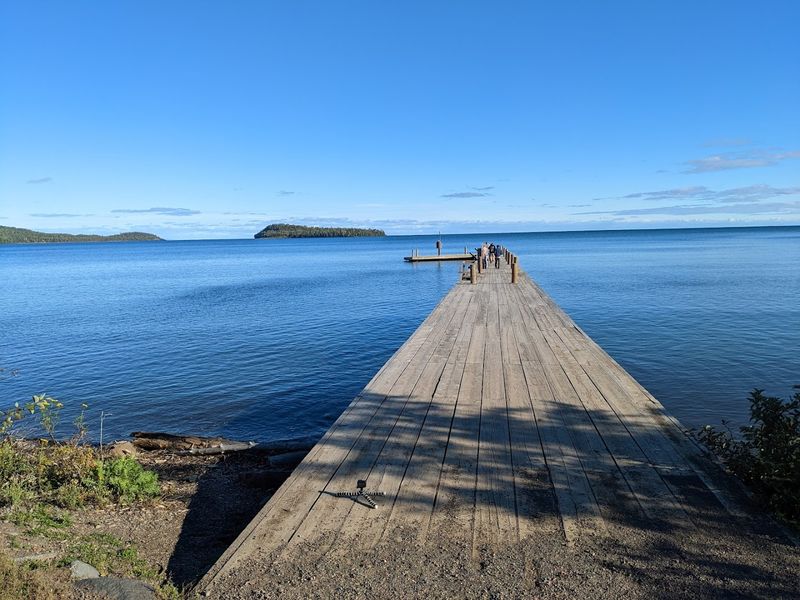
The first thing that hits you here is not some grand dramatic reveal, but a feeling that your shoulders can finally come down a little. You pull in, look around, and the whole place feels calm in a way that is getting harder to find, especially if you are used to parks where every overlook already has a crowd waiting.
Up here on Minnesota’s North Shore, the quiet feels earned, like the land kept some space for itself.
What I liked right away was how the beauty does not try too hard to impress you, because it really does not need to. The trees, the lake air, and the open sky all work together in that understated northern way, and before long you stop looking for a big moment and just settle into being there.
That shift happens fast, and honestly, it is part of why this place stays with you.
Grand Portage National Monument also feels deeply grounded, which makes the landscape more than just pretty scenery. You are standing in a place shaped by Ojibwe history and the old fur trade route, and that gives every trail, building, and view a little more weight.
It is beautiful, yes, but it also feels lived in, remembered, and completely real.
Where The Monument Actually Sits
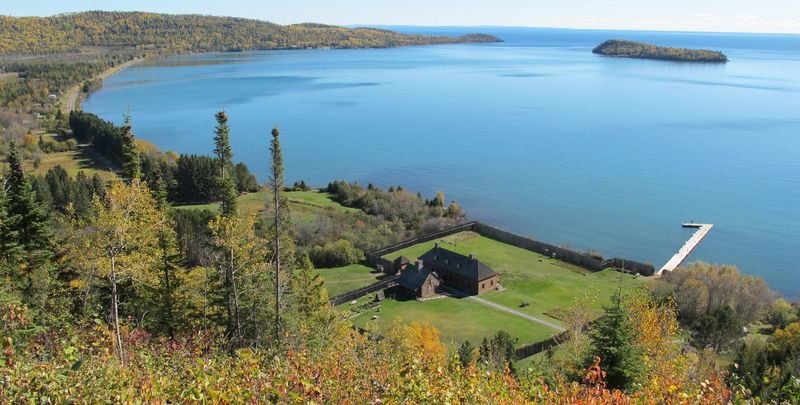
If you are wondering where this place actually is, that is part of the whole charm, because it feels gloriously out of the way. Grand Portage National Monument sits at Grand Portage, Minnesota, and the full address is Grand Portage National Monument, Mile Marker near Highway 61, Grand Portage, Minnesota.
Just getting there makes you feel like you committed to something quieter and better than the usual easy stop.
The drive up the North Shore is half the experience, and by the time you arrive, you are already in the right headspace for it. Lake Superior keeps appearing beside you, the trees get thicker, and the little pockets of development thin out until the land starts feeling older and more spacious.
That slow approach matters, because this monument is not a place you rush into and instantly understand.
Once you pull in, everything feels manageable and human-sized, which I appreciated more than I expected. You are not dealing with a huge, overwhelming spread of parking lots and traffic, and that changes the mood right away.
Instead, it feels like you have reached a place that wants you to notice where you are, not just check that you arrived.
The Rebuilt Trading Post Feels Strangely Alive
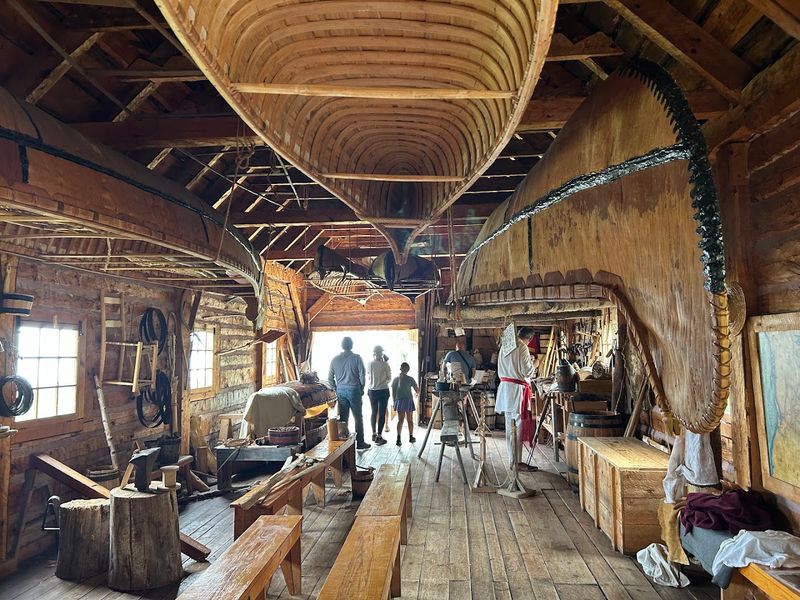
Honestly, I expected the reconstructed trading post to be interesting in a museum kind of way, and then it turned out to feel much more immediate than that. The log buildings, rough timber, and enclosed yard make the past seem less like a chapter you once skimmed and more like a place where real people argued, worked, waited, and got through long days.
It has that rare quality of feeling interpreted without feeling overly staged.
Walking through it, I kept noticing little details that pulled me in, like the textures of the wood and the practical layout of everything. Nothing feels decorative for the sake of it, which makes sense once you remember this was a working place tied to travel, trade, weather, and survival.
You can almost picture the movement through the space without needing much imagination at all.
What stayed with me most was how the whole area carries history without turning stiff or solemn. You are allowed to be curious here, and curiosity is really the best way to experience it.
Instead of reading a bunch of facts and moving on, you start asking yourself what it meant to move goods, stories, and lives through this remote part of Minnesota, and that question lingers long after you leave.
The Portage Trail Changes The Whole Story
This is where the monument stops being something you look at and starts becoming something you feel in your legs and lungs. The Grand Portage trail is not flashy, and that is exactly why it works, because you begin to understand that this route once mattered in a practical, exhausting, daily way.
History gets much more convincing when the ground under your shoes tells part of the story.
As you walk, the forest closes in just enough to make the path feel focused, and the whole thing takes on a rhythm that is almost meditative. You hear birds, wind, and your own steps, and there is room for your mind to drift toward the people who moved canoes and cargo over this same stretch.
It is one of those rare walks where the landscape and the history are doing the same job.
I also loved that the trail does not need dramatic engineering or oversized signage to make an impression. It trusts the land, and that trust pays off because the experience stays grounded and personal.
By the time you turn back, you are not just thinking about scenery anymore, because the woods around Grand Portage have already made the monument feel larger than the buildings inside it.
Lake Superior Does A Lot Of The Magic
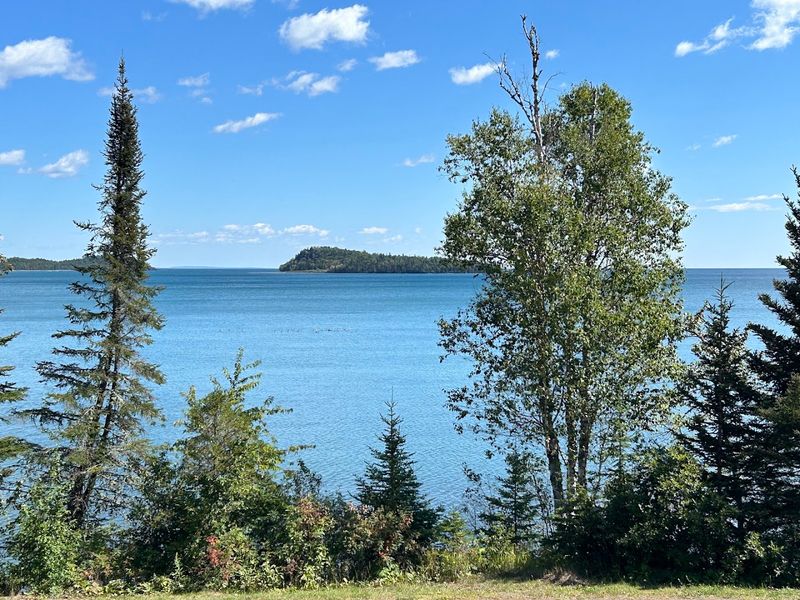
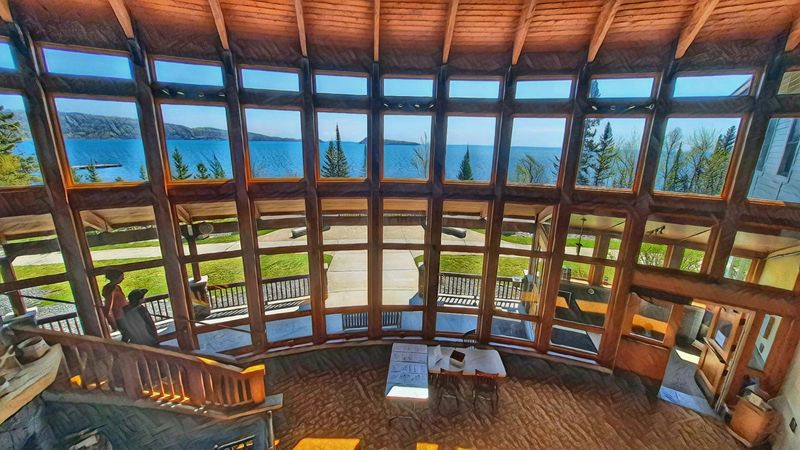
You cannot really talk about this monument without talking about Lake Superior, because the lake changes the emotional weather of the whole visit. Even when it is calm, it has that huge, cold, steady presence that makes everything around it feel a little more honest.
The air is different near it, the light is different near it, and somehow your thoughts get quieter near it too.
What I liked most was how the monument and the shoreline talk to each other without competing for attention. You can spend time with the history, then look out toward the water and understand why this location mattered so much in the first place.
The lake is not just background scenery here, and it definitely is not decorative, because it shaped movement, trade, weather, and daily life.
There is also something deeply satisfying about finding a national park site where the beauty is this big and the atmosphere is still this relaxed. In another place, views like these would come with packed overlooks and a lot of elbow dodging.
Here in Minnesota, you can stand with the wind coming off the water, take your time, and actually hear yourself think, which feels rarer than it should.
The Heritage Center Pulls Everything Together
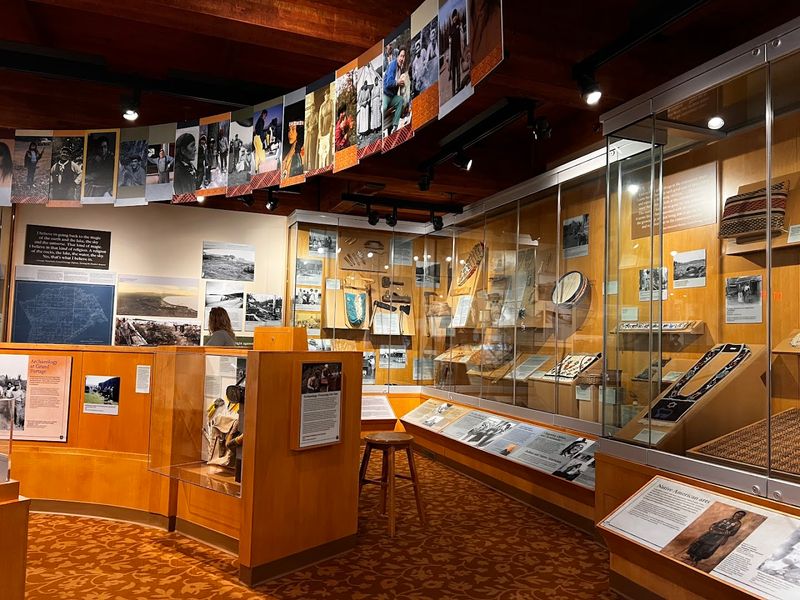
If you usually breeze through visitor centers, I get it, but this is the part where slowing down really pays off. The Heritage Center helps the whole place click, because it gives context without draining the life out of what you just saw outside.
Instead of feeling like homework, it feels more like someone smart and patient is filling in the parts you did not know to ask about.
I especially appreciated how the story here stays rooted in the Grand Portage Band of Lake Superior Chippewa and the long history of this place. That matters, because without that grounding, the monument could easily feel reduced to fur trade nostalgia and scenic views.
The exhibits give the landscape a human voice, and once you hear it, the site feels fuller and more honest.
There is also a nice balance between learning and simply being present, which is harder to pull off than it sounds. You can spend real time here and not feel trapped indoors, because everything you read sends you back outside with sharper eyes.
By the time you leave the building, the woods, trail, and shoreline all feel more connected, and your whole visit starts carrying a little more depth.
It Somehow Never Feels Overrun
You know that weird tension at popular parks where you are technically in nature but still surrounded by parking lot energy? That just does not really happen here, and the difference is obvious within minutes.
Grand Portage National Monument has room to breathe, and because of that, you get to breathe differently too, without feeling nudged along by the next person waiting for your spot.
Part of the charm is that the place feels genuinely visited rather than consumed, which is not the same thing at all. People come because they care about the history, the setting, or the North Shore drive, and that gives the atmosphere a steadier, more respectful pace.
Even when others are around, the mood stays low-key enough that you never feel trapped inside someone else’s itinerary.
I think that is why the beauty lands harder here than in busier destinations, because nothing is fighting for your attention every second. You can hear the breeze, notice the smell of the woods, and spend a little extra time looking at a building or a trail marker without feeling self-conscious.
In Minnesota, that kind of unhurried experience feels increasingly precious, and this place still gives it to you.
The Surrounding Community Makes It Better
One thing I did not expect was how much the surrounding community adds to the visit without turning it into a polished tourist setup. Grand Portage feels rooted and real, and that makes the monument feel less isolated from everyday life and more connected to a living place.
You are not stepping into a historical bubble that exists only for visitors, and that changes the whole tone.
There is something refreshing about being somewhere that has not been smoothed into the same travel template you see everywhere else. The North Shore up here still feels like itself, and the monument benefits from that because its setting does not feel artificial or over-curated.
You get history, landscape, and community all holding together in a way that feels natural rather than packaged.
That broader sense of place matters more than people sometimes realize when they plan a park stop. It is one thing to admire a site, but it is another thing to understand that the land and the people around it are part of the same story.
Spending time here gave me that feeling in a very easy, unforced way, and honestly, it is a big reason I would send you here over somewhere louder.
Why I Would Tell You To Go Soon
If you are waiting for me to tell you this place is trending, packed, or about to become the next big thing, that is not really the point. I would tell you to go soon because it still feels intimate, thoughtful, and unusually unspoiled in the way you experience it.
Places like that do not disappear overnight, but they do become harder to appreciate once your expectations get shaped by noise.
Grand Portage National Monument rewards the kind of traveler who does not need constant spectacle to feel moved. You come here for the old route, the Ojibwe history, the edge of Lake Superior, and that distinct northern stillness that settles over everything.
The beauty is real, but it is the beauty of a place that trusts you to pay attention rather than trying to shout at you.
So yes, I would absolutely send you here if you wanted a Minnesota park experience that feels personal instead of overbuilt. Bring your curiosity, take your time, and let the quieter details do their work.
By the end of the visit, I think you will understand why this monument does not need crowds to feel important, because everything that matters is already there waiting for you.
