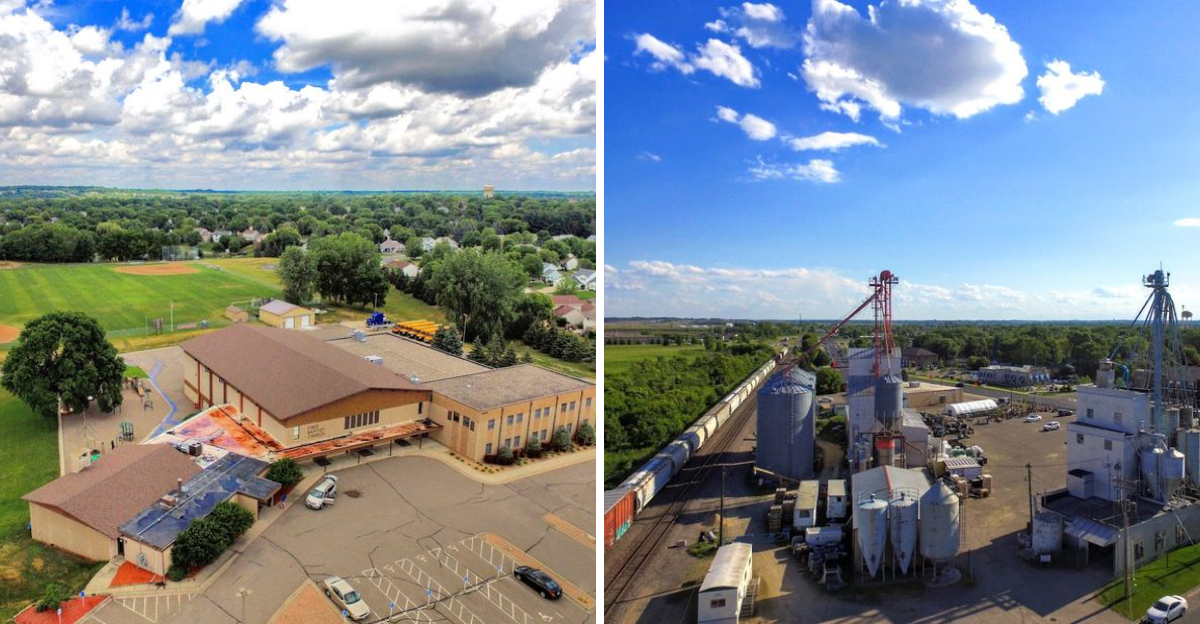
A quiet town with farm fields and a small town feel is slowly transforming into an unlikely global powerhouse. This Minnesota community has landed a massive project from one of the world’s biggest tech companies.
The facility will be optimized for artificial intelligence workloads and is expected to create hundreds of construction jobs and dozens of permanent positions. Workers are already preparing the site for construction to begin.
The town provides good access to infrastructure and renewable energy, along with a strong pool of talent. The project represents a major economic boost, with tax revenue and jobs helping diversify the local economy.
As data centers become increasingly critical for the digital economy and AI, this quiet town is positioning itself at the center of a global infrastructure boom. While other proposed data centers across Minnesota have been paused, this project is moving full speed ahead.
Minnesota has seen similar transformations in other parts of the state, but this town is writing its own story at the intersection of agriculture and advanced technology.
Why Tech Giants Chose Rosemount Over Bigger Cities
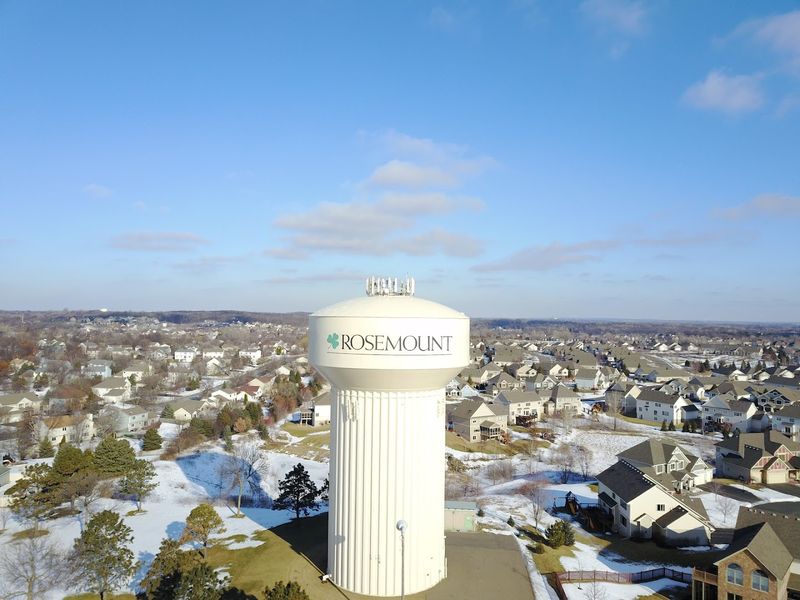
Something about Rosemount just makes sense for massive tech investment. The city sits in Dakota County, on the southern edge of the Twin Cities Metro Area.
That location gives companies fast access to major highways and fiber optic corridors.
The land here is relatively affordable compared to coastal cities. Companies can build enormous campuses without spending a fortune on real estate.
That financial advantage is hard to ignore when you are planning billion-dollar infrastructure projects.
Minnesota also offers a cool climate for most of the year. That matters enormously because data centers generate tremendous amounts of heat constantly.
Natural cooling reduces energy costs significantly over time.
Local government has been welcoming and efficient with permitting processes. Business-friendly policies make the approval process smoother for large developments.
Rosemount has positioned itself smartly in a very competitive national market.
The workforce in the greater Twin Cities region is highly educated and skilled. Companies know they can recruit talented engineers and technicians nearby.
The Massive Scale of Data Center Construction Here
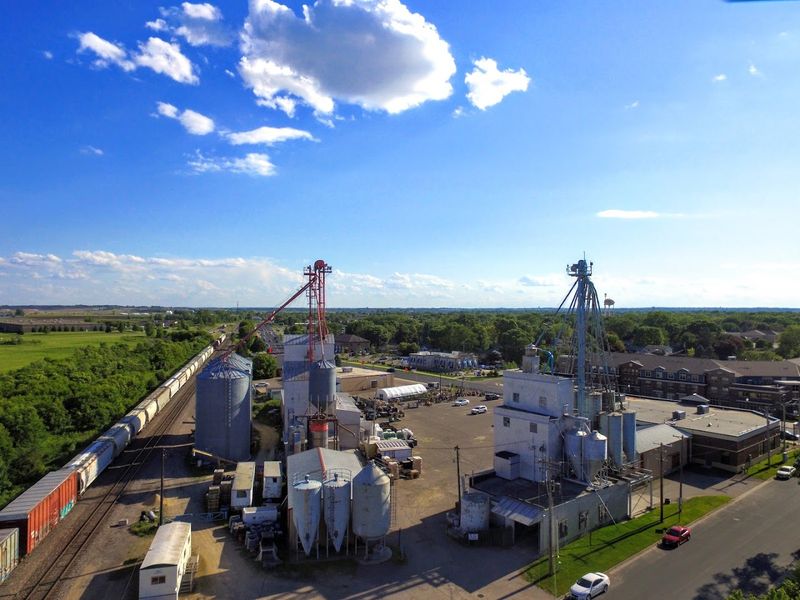
Standing near one of the construction sites, I felt genuinely small. The sheer scale of these buildings is hard to describe without seeing them.
Steel frameworks stretch across what used to be open Minnesota farmland.
These are not ordinary office buildings or warehouses going up. Each facility covers hundreds of thousands of square feet of floor space.
The footprint of a single campus can rival a small neighborhood in size.
Cranes tower above the flat Dakota County skyline for months at a time. Construction crews work in coordinated shifts to keep projects on schedule.
The pace of development here feels almost cinematic in its intensity.
Billions of dollars in investment have poured into Rosemount over recent years. That kind of capital commitment signals long-term confidence in this specific location.
Developers are not hedging their bets, they are going all in here.
Local residents have watched their town transform at a remarkable speed. Fields that held crops just a few years ago now hold server rooms.
How Rosemount’s Cool Climate Powers the Digital World
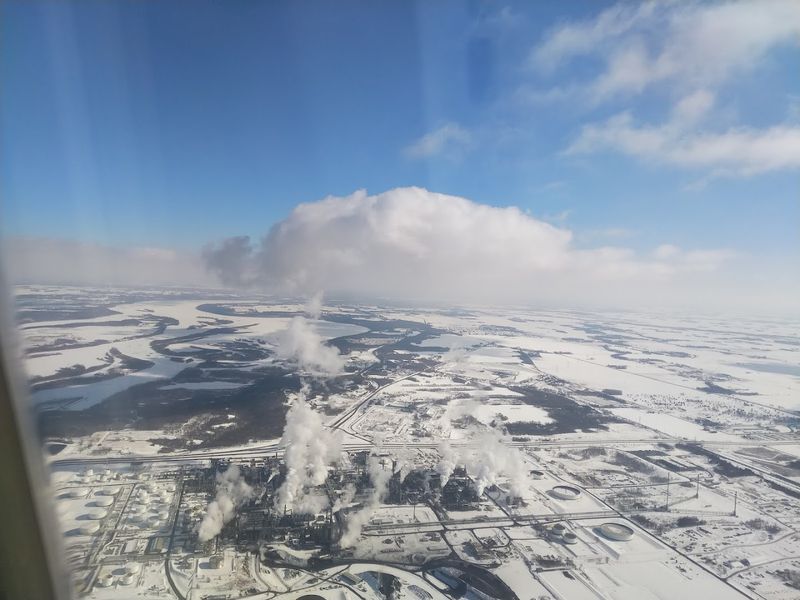
Minnesota winters are legendary for being brutally cold, and that is actually a superpower here. Data centers need constant cooling to prevent servers from overheating dangerously.
Cold outdoor air does a remarkable amount of that work for free.
Engineers call this approach free cooling or economization, and it saves millions annually. When outside temperatures drop below a certain threshold, mechanical cooling systems rest.
Nature essentially handles the job that expensive equipment would otherwise do.
Rosemount averages many months of cool to cold temperatures throughout the year. Even spring and fall provide natural cooling opportunities that warmer climates cannot match.
The climate here is genuinely part of the business model for these facilities.
Energy efficiency ratings for Minnesota data centers tend to rank very well nationally. Lower power usage effectiveness scores translate directly into operational savings.
Those savings add up to enormous sums across multi-decade facility lifespans.
The relationship between Minnesota weather and digital infrastructure is surprisingly poetic. A blizzard that frustrates commuters is quietly saving a tech giant millions.
The Role of Abundant Renewable Energy in This Growth
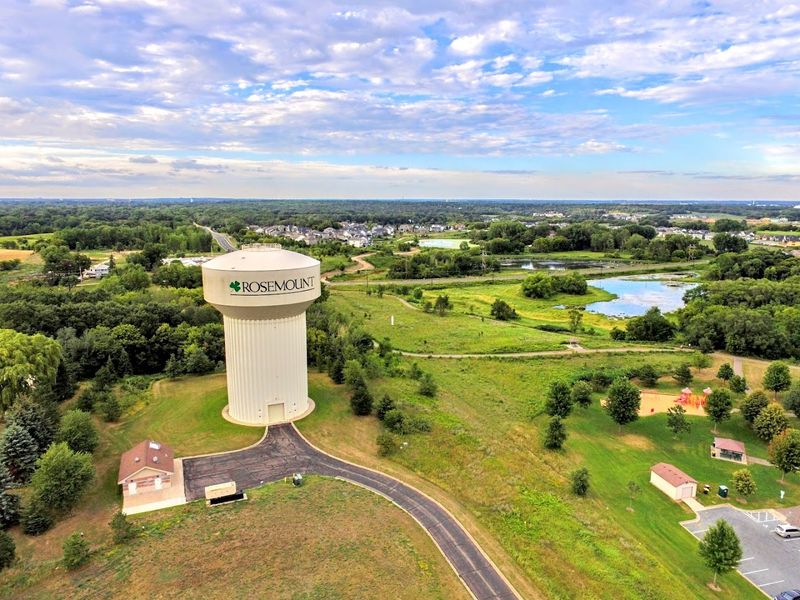
Minnesota has made serious commitments to renewable energy generation over time. That matters deeply to tech companies with aggressive sustainability goals.
Rosemount sits in a state that can actually deliver clean power at scale.
Major corporations have pledged to run their global operations on renewable energy. Locating data centers in places with strong green energy access helps meet those pledges.
Minnesota’s wind and solar capacity makes it a credible partner for those commitments.
Xcel Energy serves the Rosemount area and has invested heavily in clean generation. Their renewable portfolio has grown substantially over the past decade.
That gives tech companies confidence in a greener long-term energy supply here.
Corporate sustainability reports increasingly highlight Minnesota as a preferred location. Investors and regulators pay close attention to how companies source their energy.
Being in Rosemount helps companies tell a cleaner, more honest energy story.
The combination of affordability and renewability is genuinely rare in the United States. Most locations offer one or the other, not both together.
What This Boom Means for Rosemount Residents
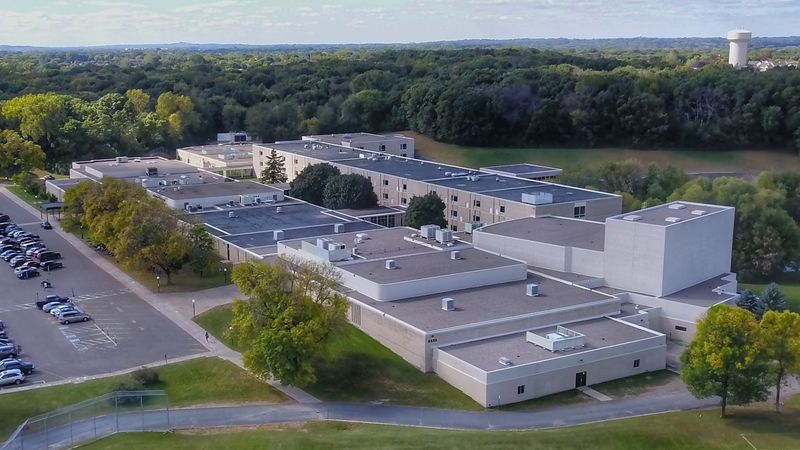
Not everyone in Rosemount feels the same way about all this rapid change. Some long-time residents appreciate the economic boost that new development brings.
Others miss the quieter, more rural character the town once had.
Property tax revenues from these massive facilities benefit the whole community significantly. Schools, parks, and public services all see funding improvements over time.
That is a real and tangible benefit that touches everyday life here.
New jobs have come to the region, though not always in the numbers people hoped. Data centers are highly automated and do not employ thousands of workers on-site.
The employment impact is real but more modest than some expected it to be.
Local contractors and construction firms have benefited enormously from the building surge. Electricians, engineers, and logistics workers have found steady work nearby.
That secondary economic impact ripples through the wider Dakota County community.
Community conversations about growth, infrastructure, and identity are happening regularly now. Rosemount is figuring out what kind of city it wants to become.
The Infrastructure Behind the Scenes in Rosemount
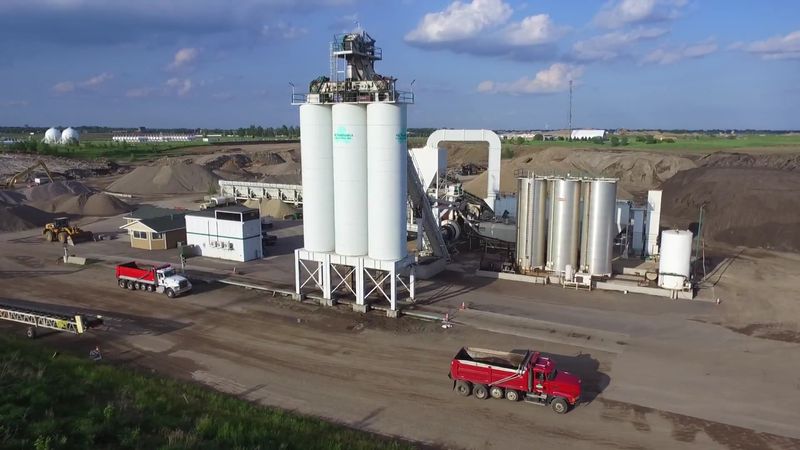
Most people never think about what keeps the internet running every single day. Behind every search, stream, and message is a web of physical infrastructure.
Rosemount is becoming a critical node in that invisible but essential network.
Fiber optic cables connect Rosemount to broader national and international data networks. The bandwidth capacity flowing through this area is genuinely staggering to consider.
Every email you send might pass through infrastructure rooted right here.
High-capacity electrical substations have been upgraded to support the growing demand. Power reliability is non-negotiable for data center operations at any scale.
Rosemount’s grid infrastructure has had to evolve quickly to keep pace.
Water infrastructure also plays a role in cooling systems for some facilities. Responsible water management has become part of the planning conversation here.
Local utility planners are working hard to balance growth with sustainability goals.
Road improvements near major facility sites have also been part of the equation. Heavy construction traffic requires stronger pavement and better traffic management systems.
Exploring Rosemount Beyond the Data Centers

Rosemount is more than just server farms and construction cranes, honestly. The city has parks, trails, and a genuinely pleasant small-town energy.
Spending a day here without thinking about tech is surprisingly easy and enjoyable.
Jaycee Park offers a relaxed spot for walking and letting kids burn energy. The park has open green space and a calm, welcoming neighborhood feel.
It is the kind of place where you slow down and breathe normally again.
The downtown area along 145th Street has local shops and casual dining options. Nothing feels overly polished or curated for tourists, which is refreshing.
Real people live and shop here, and that authenticity comes through clearly.
Nearby Lebanon Hills Regional Park offers trails through beautiful Minnesota woodland. Hiking, biking, and birdwatching are all accessible within a short drive.
Nature lovers will find plenty to appreciate in this corner of Dakota County.
Rosemount feels like a community that has not lost itself amid rapid change. People still wave to neighbors and gather at local events together.
The History That Shaped Modern Rosemount
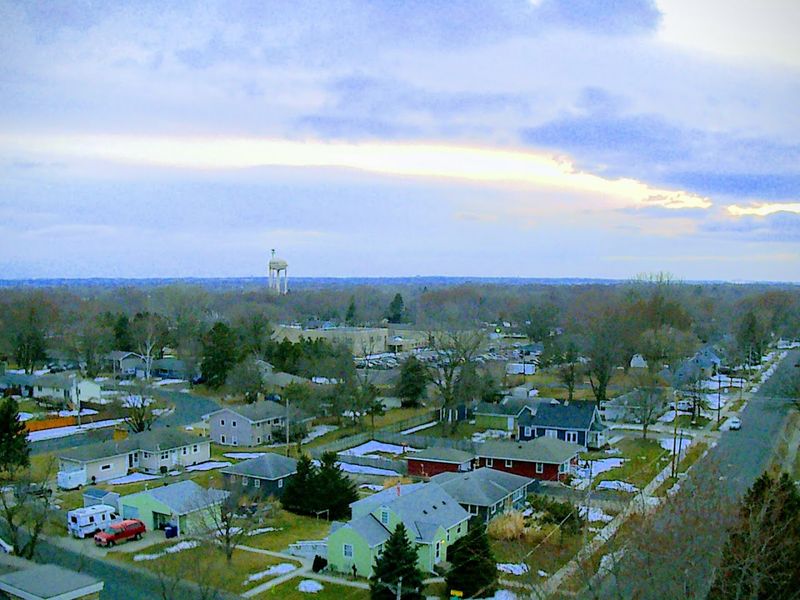
Long before any data center broke ground, Rosemount had its own distinct story. The area was settled in the mid-1800s by European immigrants seeking farmland.
Dakota County’s fertile soil made it an attractive place to build a life.
For much of the twentieth century, Rosemount was known for agriculture and light industry. The UMore Park area nearby has a rich history tied to the University of Minnesota.
Research and land stewardship have long been part of the local identity here.
The Koch Industries Pine Bend Refinery has operated near Rosemount for decades. It shaped the industrial character of the area in significant and lasting ways.
That industrial legacy made the region comfortable with large-scale operational facilities nearby.
Rosemount incorporated as a city in 1969 and grew steadily through the following decades. Suburban expansion from the Twin Cities brought new residents and new energy.
The community developed a reputation for good schools and family-friendly neighborhoods.
Understanding that history helps explain why Rosemount adapted so fluidly to tech growth. The town has always been practical and forward-looking in its development approach.
How Rosemount Compares to Other Global Data Center Hubs
Northern Virginia is widely considered the data center capital of the world right now. Places like Ashburn, Virginia, handle an enormous share of global internet traffic.
Rosemount is still young in this race, but it is moving fast.
The Phoenix, Arizona, market has also grown rapidly in recent years. But water scarcity concerns are starting to complicate growth there significantly.
Rosemount does not face the same water stress that desert markets do.
Chicago has long been a major Midwest data center hub for many companies. But land costs and energy prices in Chicago are considerably higher than here.
Rosemount offers a compelling cost alternative without sacrificing connectivity or reliability.
Dublin, Ireland, and Singapore dominate their respective regional markets globally. Both locations benefit from business-friendly policy environments and stable power supplies.
Rosemount shares several of those same characteristics in a North American context.
What the Future Holds for Rosemount, Minnesota
The pipeline of planned projects in Rosemount is genuinely exciting to read about. Multiple major tech companies have announced or are rumored to be planning facilities here.
The growth curve does not appear to be flattening anytime soon.
City planners are working to manage development thoughtfully and sustainably over time. Zoning decisions made today will shape Rosemount’s identity for generations to come.
That is a serious responsibility, and local leaders seem aware of its weight.
Educational institutions in the region are beginning to align curricula with tech industry needs. Community college programs in data center operations and networking are expanding locally.
That investment in human capital will compound the economic benefits significantly over time.
Rosemount could realistically become a nationally recognized tech infrastructure destination. The ingredients are all present and already working together effectively.
Geography, climate, policy, and timing have aligned in a rare and powerful way.
