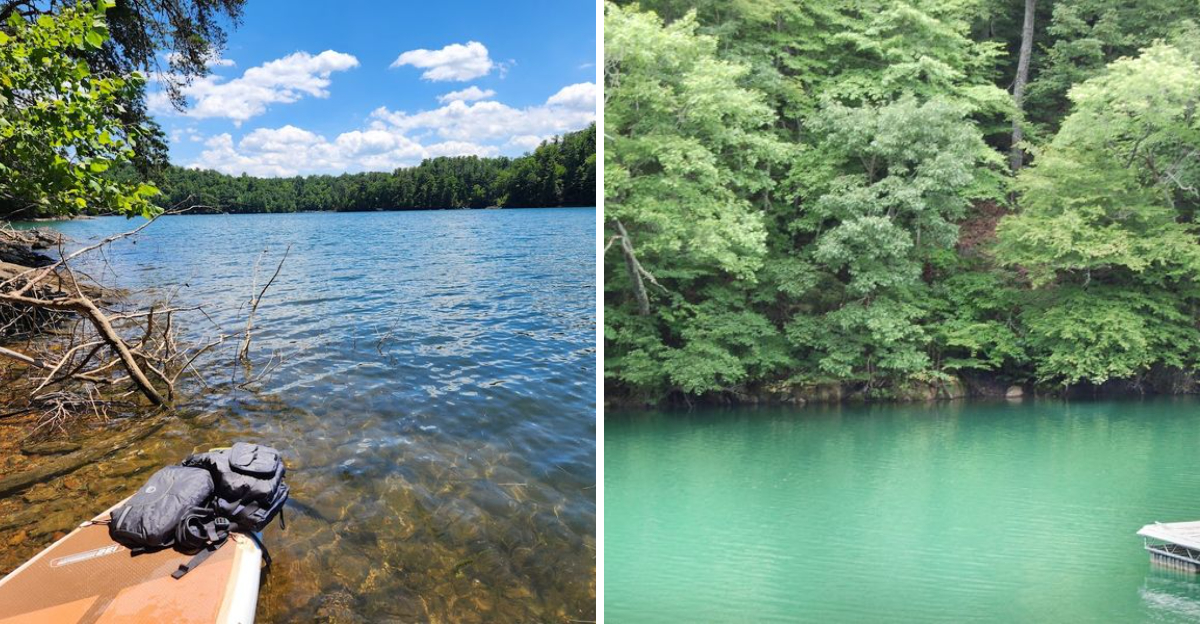
Underneath the surface of this Virginia lake, there is a story. A town, actually.
Several of them. Communities that were once thriving hubs, with schools, churches, and families, now submerged and silent.
When Philpott Lake was created, the water rose and covered the towns, displacing the people who had lived there for generations. I stood at the water’s edge, looking out at the lake, trying to imagine what lies beneath.
Some say that on quiet days, you can see the outlines of foundations and old roads. Divers have explored the remains, finding artifacts that tell the story of the communities that were lost.
Virginia has plenty of history above ground, but this underwater ghost town is a different kind of reminder. Progress sometimes comes with a cost.
The Flooding That Changed Everything: Philpott Dam and Its Creation
Long before the lake existed, the Smith River carved its way through Henry County with quiet persistence. Then a catastrophic flood in 1937 changed the political will of an entire region, pushing Congress to authorize a bold solution: dam the river and tame its fury for good.
The U.S. Army Corps of Engineers took charge of the project, breaking ground in 1948.
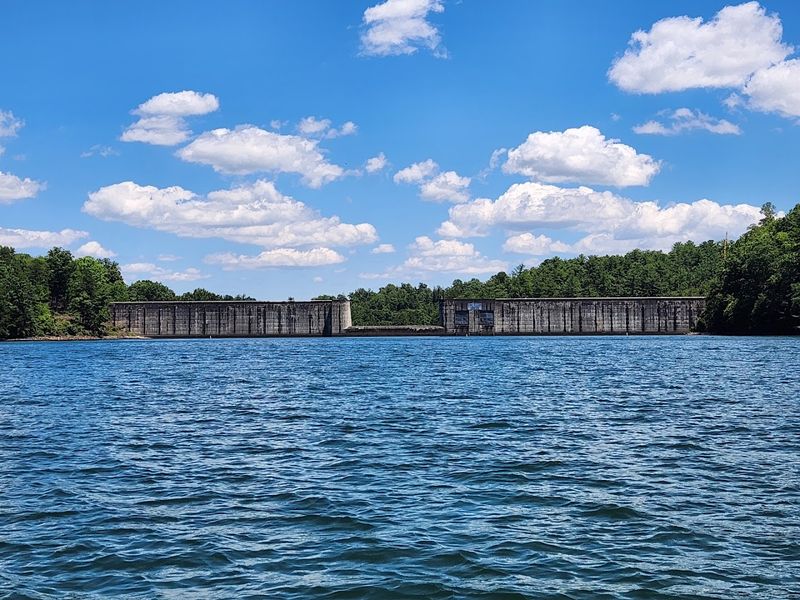
By 1952, the Philpott Dam stood complete, and the powerhouse began generating hydroelectric energy the following year. What the engineers built was undeniably impressive, a massive concrete structure that controlled flooding and powered communities across the region.
But the cost was steep in human terms. The rising reservoir swallowed valleys, farmland, roads, and entire neighborhoods.
Virginia has a long history of sacrifice for progress, and Philpott Lake is one of its most poignant examples. The communities that once thrived in that valley did not simply move away; they were erased from the map, their foundations sealed beneath millions of gallons of water.
Standing at the dam today, it is almost impossible to picture the vibrant life that once existed just below your feet.
Town’s Creek and the Birth of a Community Called Philpott
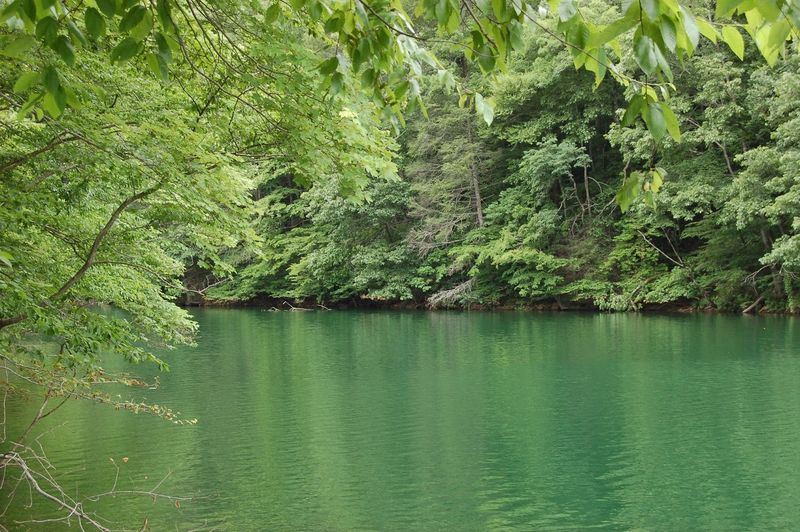
At the mouth of Town’s Creek, a merchant named A.B. Philpott set up a store in 1905, and just like that, a community began to take shape around his enterprise.
The settlement grew organically, the way small towns always do, one building at a time, one family at a time.
What started as a simple trading post eventually became a proper community with a railroad junction, two stores, a barrel stave mill, and even a railroad depot. The Mountain Rose Distillery added its own flavor to the local economy, making the area a surprisingly lively hub tucked into the Virginia hills.
The town even took on the Philpott name, a tribute to the merchant whose ambition sparked the whole thing. For decades, it functioned as a genuine crossroads of commerce and community life in Henry County.
Neighbors knew each other by name, trains stopped regularly, and business was brisk enough to sustain multiple enterprises at once. Today, The Sunken Communities of Philpott Lake, Henry County carry the memory of this place.
However, the buildings themselves now rest silently beneath the water, preserved only in historical records and the imaginations of those willing to look.
Jamison Mill: The Industrial Heart That Sank With the Valley
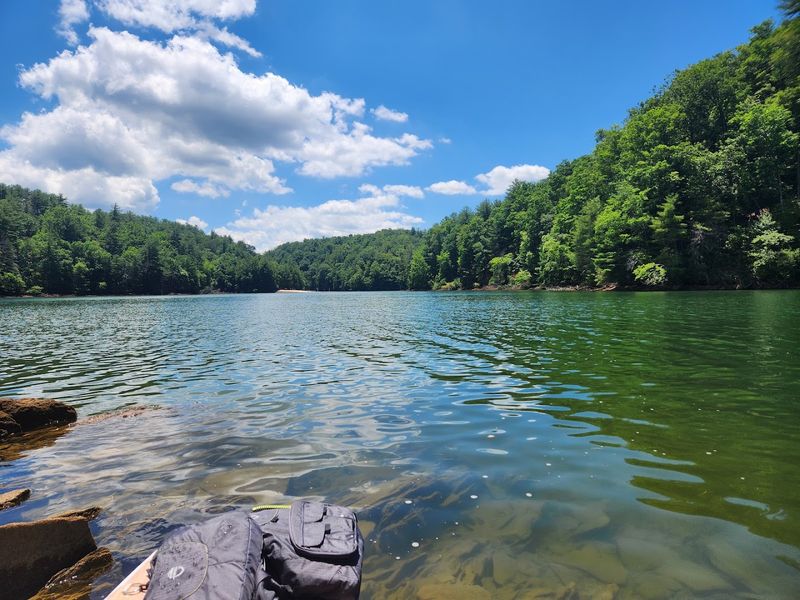
Jamison Mill was not just a building; it was a beating industrial heart for the surrounding community. Operations there were thriving right up until the moment the decision came down that the valley would be flooded, and the mill’s fate was sealed along with everything else.
In 1949, Jamison Mill was evacuated as part of the preparations for the rising reservoir. Workers packed up what they could, families relocated, and the machinery that had driven local productivity for years was either moved or abandoned.
The mill’s story is one of the most tangible examples of what Virginia lost when Philpott Lake was created.
Mills like Jamison were the economic engines of rural communities before modern infrastructure arrived. They processed grain, lumber, and other raw materials that kept families fed and businesses running.
Losing one was not simply a logistical inconvenience; it was the removal of a community’s economic backbone. The Sunken Communities of Philpott Lake, Henry County include this remarkable site.
Historians have long noted that Jamison Mill represented a level of industrial sophistication that was genuinely impressive for a rural Virginia valley of that era.
Its story deserves far more attention than it typically receives.
Around Two Hundred Families Displaced: The Human Cost of Progress
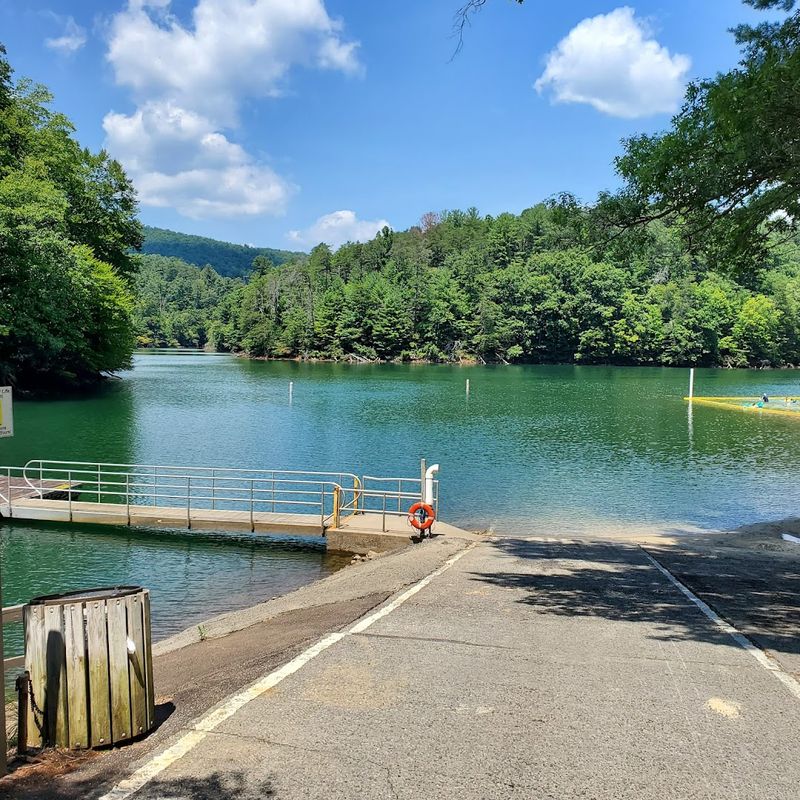
Numbers can feel abstract until you really sit with them. Approximately two hundred families were displaced when Philpott Lake was created, and each one of those families had roots, memories, and lives built into the Virginia soil that would soon be submerged.
Displacement of this scale was not uncommon during the mid-twentieth century dam-building era across the American South. Governments prioritized flood control and electricity generation, and local communities bore the personal cost.
People were compensated, relocated, and expected to simply move on, as if generations of belonging could be traded for a check and a new address.
What makes the story of The Sunken Communities of Philpott Lake, Henry County particularly resonant is that many of the displaced families stayed in the region. They watched the lake fill up, watched the water cover the land where they had planted gardens and buried loved ones.
Some found that oddly beautiful in a bittersweet way. Others never fully made peace with it.
Their oral histories, passed down through generations in Henry County, are among the most vivid and emotionally complex accounts of what it means when a community is not just abandoned but literally erased beneath the surface of a Virginia lake.
Ten Thousand Years of Native American History Resting on the Lakebed
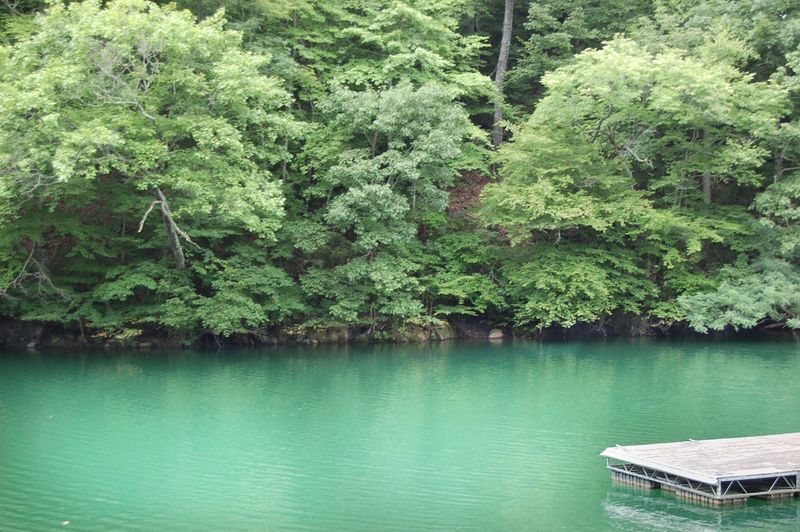
Before European settlers arrived, before A.B. Philpott built his store, and long before anyone imagined a dam on the Smith River, Native American communities lived in this Virginia valley.
Archaeological evidence suggests human presence in the area stretching back a remarkable ten thousand years.
When the reservoir filled, it did not just cover modern buildings and railroad tracks. It buried layer upon layer of Indigenous history, including tools, campsites, and ceremonial sites that archaeologists had only begun to study.
The lakebed of Philpott Lake essentially became an accidental time capsule, preserving artifacts that would otherwise have been lost to erosion or development.
One particularly significant archaeological site located below the dam offers documented evidence of early contact between European explorers and Native American communities. That kind of site is extraordinarily rare and historically priceless.
Researchers have described the area as one of the most archaeologically rich submerged landscapes in the entire mid-Atlantic region. The Sunken Communities of Philpott Lake, Henry County are therefore not just a story of twentieth-century displacement.
They represent a much longer, much deeper human timeline that Virginia is only beginning to fully appreciate and document with modern underwater survey technology.
The Mountain Rose Distillery: A Spirited Legacy Beneath the Surface

The Mountain Rose Distillery had a name that sounded almost poetic for a production facility tucked into the Virginia hills. Operating as part of the original Philpott community, it added a distinctly entrepreneurial character to what might otherwise have been just another quiet rural settlement.
Distilleries of this era were often central to local economies, providing employment and generating commerce that rippled outward into surrounding communities.
Mountain Rose was no exception, functioning as one of the more notable enterprises in the Town’s Creek area before the dam project changed everything.
When the valley was cleared for the reservoir, the distillery was among the structures that could not be relocated.
Today, its foundations rest somewhere beneath the waters of Philpott Lake. They stand along with the barrel stave mill, the railroad depot, and all the other buildings that once made this community feel permanent and prosperous.
There is something almost cinematic about imagining those stone foundations on the lakebed, surrounded by fish and silt instead of workers and wagons.
The Sunken Communities of Philpott Lake, Henry County carry this story with a kind of quiet dignity, reminding modern Virginia that prosperity is never truly permanent when geography and government have other plans in mind.
Fayerdale and the Iron Furnace: A Neighboring Ghost Town with Its Own Watery Fate
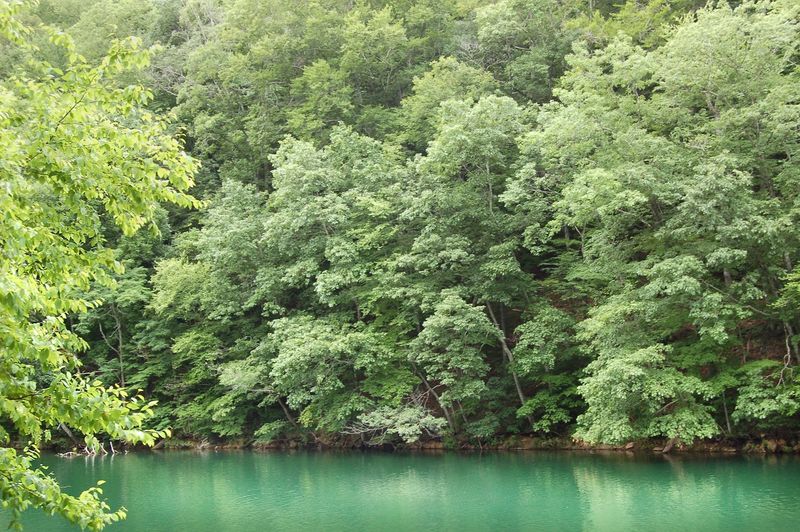
Just when you thought one submerged ghost town was dramatic enough, Virginia goes ahead and delivers a second one right next door.
Fayerdale, originally known as Iron Furnace, was a thriving community built entirely around iron mining and timber operations in the hills near what is now Fairystone Lake.
Fayerdale met its watery end in the 1930s, actually predating the Philpott Lake flooding by nearly two decades. The creation of Fairystone Lake swallowed this mining community whole, and remnants of its historic structures still lie beneath the lake’s surface today.
Fairystone Lake sits adjacent to Philpott Lake, making this corner of Virginia genuinely extraordinary for underwater history enthusiasts.
The iron furnace that gave the community its original name was a serious industrial operation, producing iron that fed regional manufacturing during a period of rapid economic growth. When the flooding came, that industrial legacy disappeared beneath the waterline along with everything else.
Fayerdale’s story adds a fascinating parallel dimension to The Sunken Communities of Philpott Lake, Henry County. It’s reminding us that this particular stretch of Virginia has been repeatedly transformed by water, industry, and the relentless march of so-called modernization throughout the twentieth century.
The Railroad Junction That Tied It All Together
Railroads were the internet of the early twentieth century, connecting isolated communities to markets, ideas, and opportunities that would otherwise remain completely out of reach. The railroad junction at Philpott was therefore not a minor detail; it was the lifeline that made the entire community viable.
Trains rolling through the junction carried goods from the barrel stave mill, supplies for the stores, and passengers connecting to larger towns across Virginia.
The depot became a social hub as much as a commercial one, the kind of place where people gathered, news traveled, and the outside world made brief, exciting contact with a small mountain community.
When the valley was cleared for the reservoir, the railroad infrastructure was dismantled or simply abandoned. The tracks, the depot platform, and the junction itself became part of the growing inventory of things that would soon lie beneath Philpott Lake.
For railroad history enthusiasts, this represents a genuinely poignant loss. Infrastructure of this kind took enormous effort to build and served communities in ways that are difficult to fully quantify.
The Sunken Communities of Philpott Lake, Henry County include this railroad heritage as one of their most industrially significant and historically underappreciated chapters.
Philpott Lake Today: Recreation Above a Remarkable Past
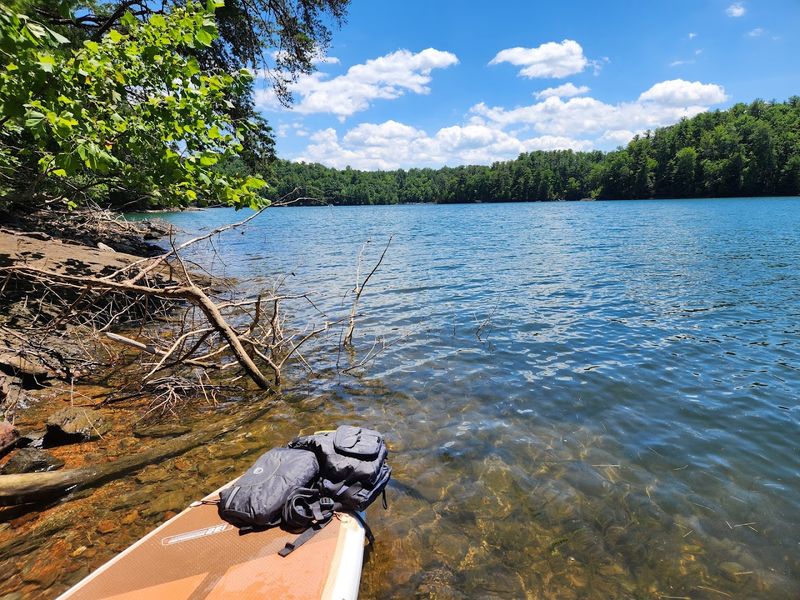
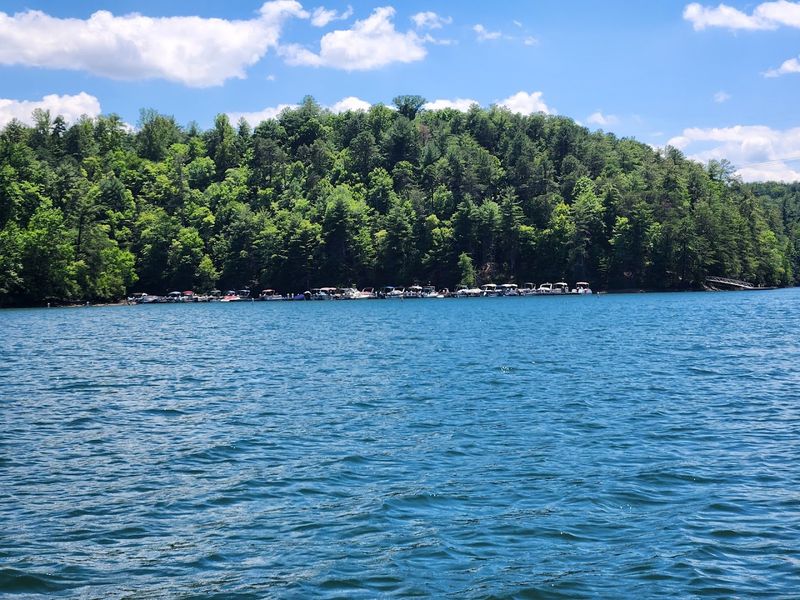
Philpott Lake today is one of Virginia’s most beloved outdoor recreation destinations, and most of the people casting fishing lines or paddling kayaks across its surface have no idea what lies below them.
The lake covers roughly three thousand acres and stretches across Henry, Patrick, and Franklin counties in a genuinely stunning natural setting.
Boating, swimming, fishing, and camping draw outdoor enthusiasts from across the region every single season. The U.S.
Army Corps of Engineers manages the surrounding land and maintains several recreation areas that make the lake accessible and enjoyable for everyone. On a summer afternoon, it looks like pure paradise, all sparkling water and forested hillsides.
But knowing the history adds a completely different dimension to the experience. Every ripple on the surface hides a story, every quiet cove might sit directly above a former homestead or mill site.
I find that awareness makes the lake feel richer and more meaningful than your average Virginia reservoir. The Sunken Communities of Philpott Lake, Henry County transform a simple day trip into something extraordinary.
It’s closer to a meditation on time, loss, and the complicated relationship between human progress and the communities it sometimes consumes without a second glance.
Plan Your Visit to Philpott Lake and Explore the History for Yourself
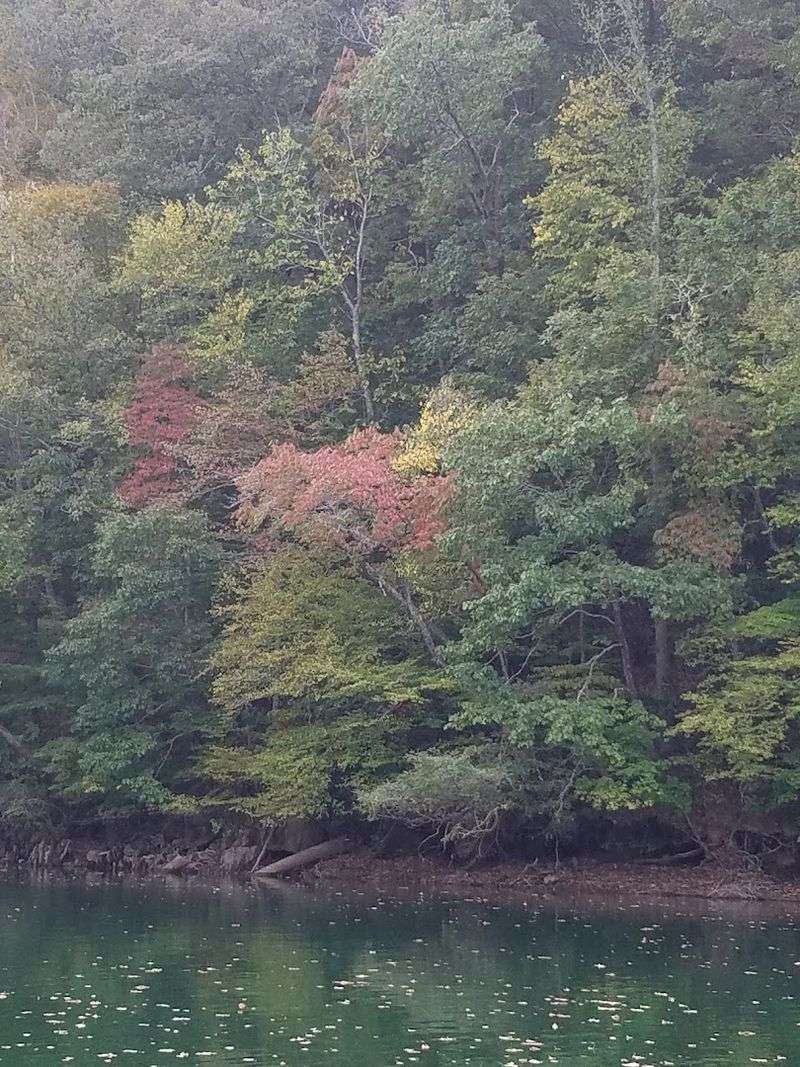
Getting to Philpott Lake is straightforward, and the payoff is absolutely worth the drive. The lake sits in the heart of the Virginia piedmont, within easy reach of Martinsville and accessible from multiple entry points managed by the Army Corps of Engineers.
The scenery alone justifies the trip before you even factor in the extraordinary history.
The Philpott Lake Visitor Center is a great starting point for anyone wanting to understand the full story of the dam, the displaced communities, and the archaeological significance of the area.
Rangers and interpretive materials there do a solid job of contextualizing what the lake replaced and why that history matters to modern Virginia.
Fairystone State Park, adjacent to the lake, offers additional hiking, camping, and historical exploration opportunities that complement the Philpott experience beautifully. Together, the two sites form one of the most layered and historically rich outdoor destinations in the entire state.
The address for the Philpott Lake project area is Bassett, Henry County, Virginia, and it is genuinely one of those places that rewards curiosity. Pack your sense of wonder, bring a good pair of binoculars, and let Virginia’s most extraordinary underwater ghost town pull you completely under its spell.
