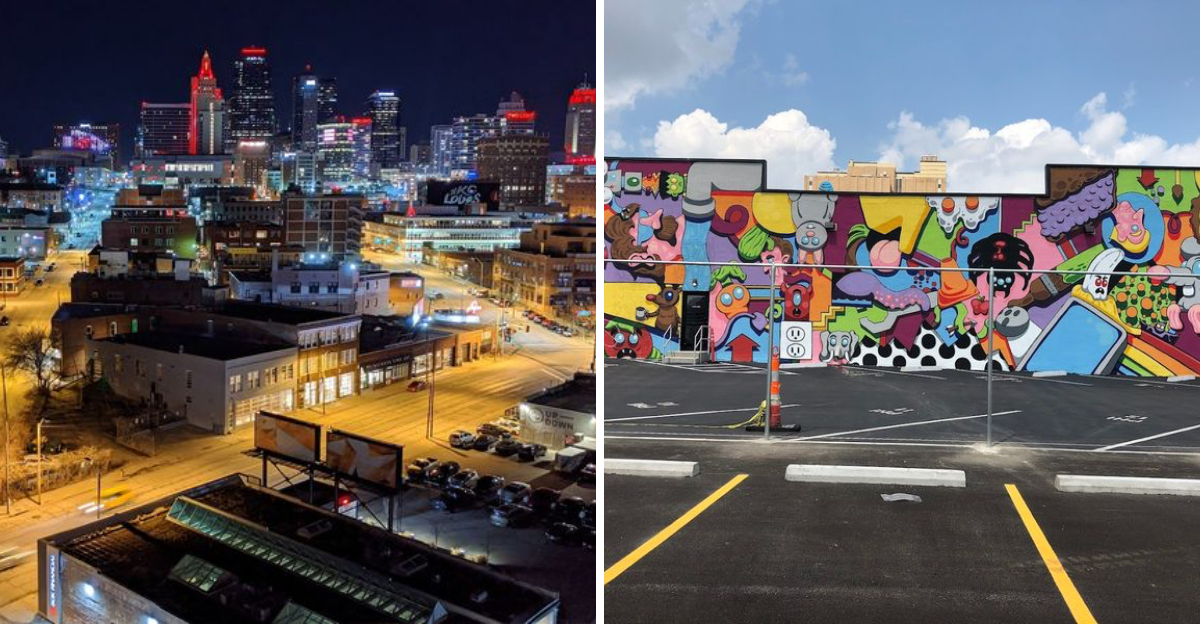
Kansas City has a secret hiding in plain sight. A collection of old warehouses that once held goods and machinery now holds something far more interesting, one of the coolest creative scenes in the entire Midwest.
The first Friday of every month, the streets fill with art lovers, curious wanderers, and people who just want to see what all the fuss is about.
The galleries range from polished and professional to raw and experimental. You might walk into a space showing museum quality paintings, then step next door to find a collective exhibition of works made from recycled materials and found objects.
The old bones of the buildings add character, with exposed brick, concrete floors, and huge windows that let in perfect gallery light. Artists work in open studios, happy to chat about their process while you browse.
The dining scene has caught up to the art, with trendy restaurants and cozy cafes tucked between the galleries. You can spend an entire evening here, sipping coffee, admiring paintings, and feeling like you have discovered something special.
How Old Warehouses Became the Heart of a Creative Revolution
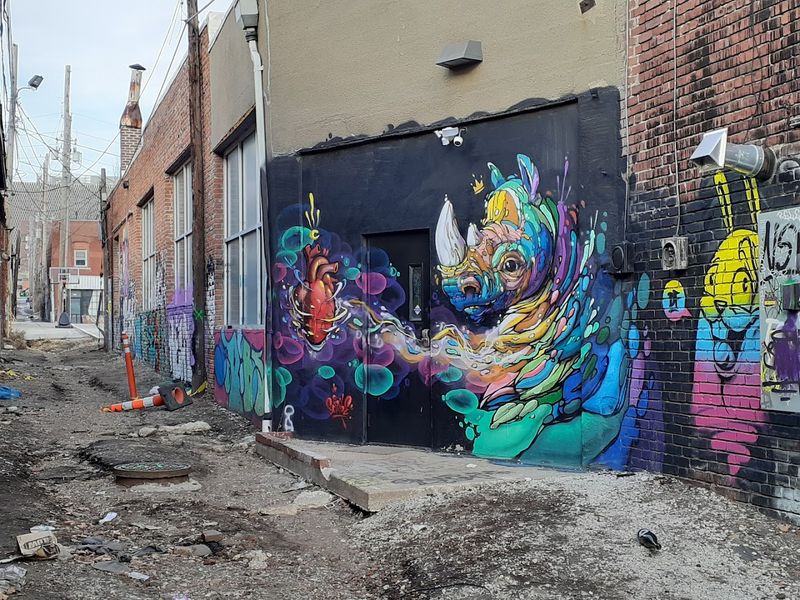
Before this neighborhood had gallery openings and food trucks, it had loading docks and freight elevators. The Crossroads Arts District in Kansas City, Missouri sits roughly between downtown and the Westside, centered around the 19th Street and Baltimore Avenue corridor.
For most of the 20th century, this area was purely industrial.
Then artists arrived, drawn by cheap rents and enormous square footage. A single warehouse floor can hold a dozen studios, and the high ceilings and big windows that once served factory workers turned out to be perfect for painters and sculptors.
The transformation did not happen overnight. It took years of small decisions, one lease at a time, before the neighborhood started to feel like something intentional.
By the early 2000s, the Crossroads had a reputation that stretched well beyond Missouri.
What makes this story compelling is that the industrial bones were never erased. The brick walls stayed.
The exposed beams stayed. The freight elevators, in some buildings, still creak and groan.
The history of the place is baked into every gallery wall, and that contrast between gritty past and vibrant present is exactly what gives Crossroads its unmistakable character.
The Kauffman Center Anchors the District With Serious Cultural Weight
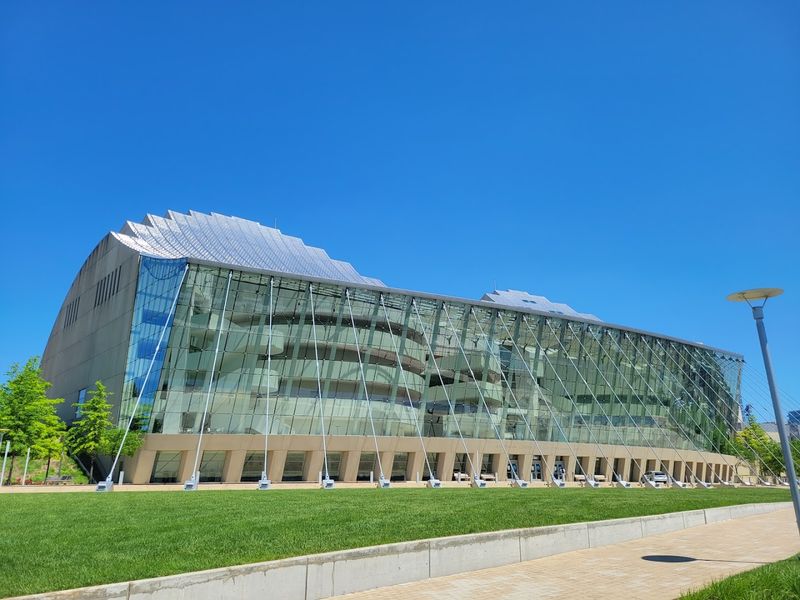
Not every arts district can claim a world-class performing arts venue as its anchor, but Crossroads has the Kauffman Center for the Performing Arts. The building itself is worth a visit even if you have no ticket in hand.
The exterior is a dramatic sweep of glass and steel, curving in ways that feel almost impossible. Designed by architect Moshe Safdie, it opened in 2011 and quickly became one of the most recognizable structures in all of Missouri.
Inside, two separate halls host opera, ballet, and orchestral concerts, each with acoustics that have earned serious praise.
I walked around the exterior on a clear morning, and the way the building catches light from different angles is genuinely striking. It does not try to blend in with the surrounding brick warehouses.
It announces itself boldly, and the neighborhood is better for it.
The Kauffman Center gives Crossroads a sense of permanence and ambition. It signals that Kansas City, Missouri is not just dabbling in the arts.
It is committed. Having this kind of landmark in the middle of a creative neighborhood raises the energy of everything around it, from the smallest gallery to the busiest coffee bar.
Gallery Hopping Here Feels Like a Full-Time Adventure
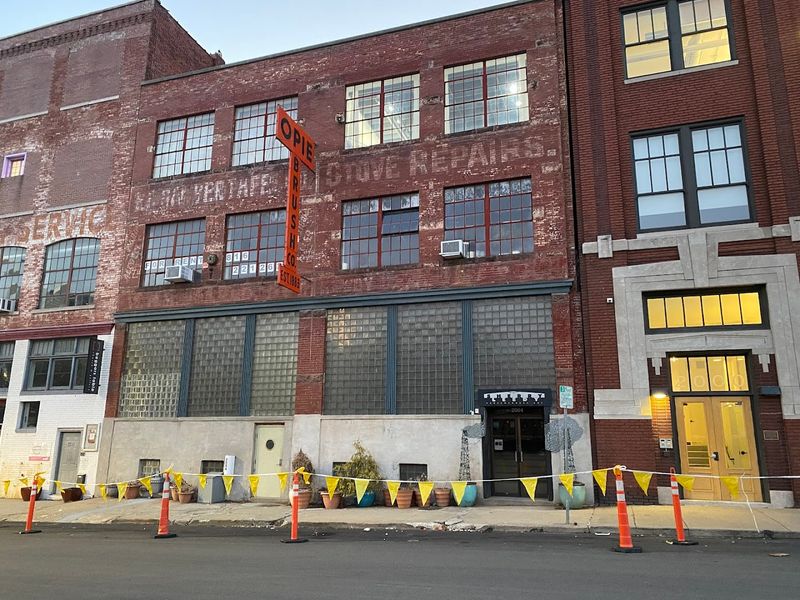
One of the best things about Crossroads is that gallery hopping does not require a plan. You can simply walk down any main street and let the open doors pull you in.
The galleries here range from polished commercial spaces to scrappy artist-run rooms where the paint is still wet on the walls.
I stepped into a handful of spaces during my visit, and each one felt completely different from the last. One featured large-scale abstract canvases in bold primary colors.
Another was filled with delicate ceramic work arranged on raw wood shelves. A third had photography printed so large that standing in front of it felt immersive.
What I appreciate most is that the galleries in Crossroads do not feel intimidating. Nobody pressures you to buy anything.
The vibe is more curious and open than formal or exclusive.
Kansas City, Missouri has always had a strong visual arts community, and Crossroads is where that community shows its best work. The concentration of gallery space in this neighborhood is genuinely impressive, and the quality of work on display holds up against arts districts in much larger cities.
Wandering through here is one of the most rewarding free afternoons you can have.
First Fridays Turn the Streets Into a Monthly Street Party
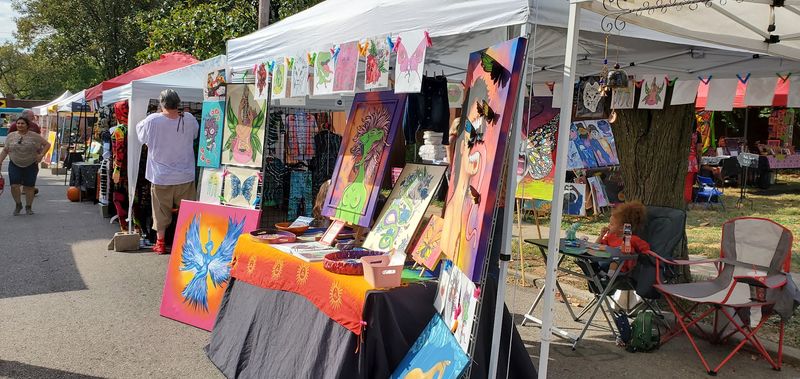
If there is one event that truly defines the Crossroads Arts District, it is First Fridays. On the first Friday of every month, the neighborhood transforms into something that feels part art fair, part block party, and part community gathering.
Galleries stay open late and often debut new shows. Food trucks line the streets, offering everything from loaded tacos to creative desserts.
Live music spills out of open doorways. The sidewalks fill up with people of all ages, from art students to families pushing strollers.
I happened to be in Kansas City, Missouri on a First Friday, and the energy was electric. The streets that had been quiet that morning were suddenly packed.
Every gallery had a crowd inside, and the outdoor spaces between buildings buzzed with conversation and laughter.
What makes First Fridays special is that it belongs to everyone. There is no velvet rope, no guest list, no fee to walk around.
The whole neighborhood opens itself up, and the result feels genuinely democratic and joyful. If you are planning a trip to Crossroads, timing it around First Friday is one of the smartest moves you can make.
The experience is hard to replicate on any other night.
Street Murals Make Every Block Feel Like an Outdoor Gallery
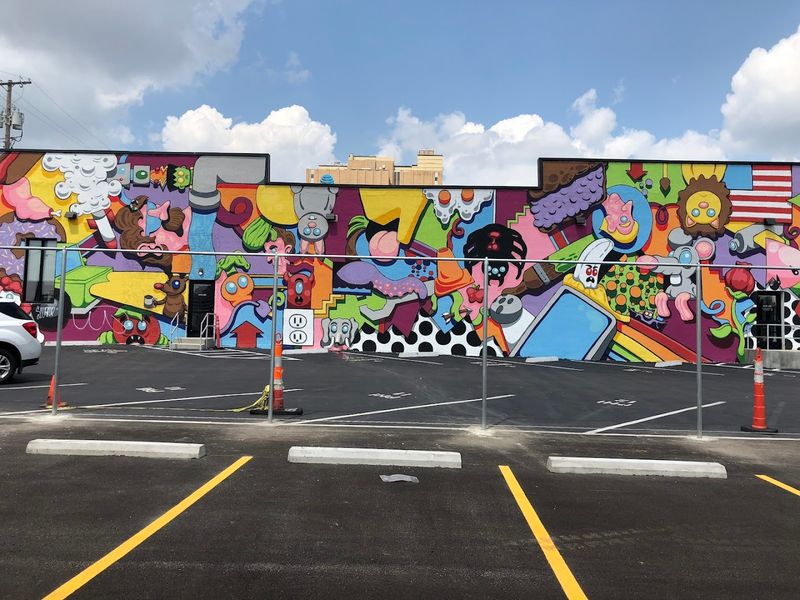
Some neighborhoods hang art inside buildings. Crossroads puts it everywhere, including on the outside of buildings, on utility boxes, on retaining walls, and on the pavement itself.
The outdoor mural scene here is one of the most impressive I have encountered in the Midwest.
Walking through the district, I kept stopping mid-stride because something painted on a wall demanded my attention. A massive geometric mural wrapped around a corner building.
A photorealistic portrait stretched across an entire warehouse facade. Smaller, quirkier pieces appeared in unexpected spots, like the side of a stairwell or the back of a loading dock door.
The murals are not random. Many are commissioned works by established artists, and some have become landmarks in their own right.
People plan walking routes specifically to see certain pieces.
What I love about this outdoor art culture is how it democratizes the experience. You do not need to step inside anywhere or know anything about the art world to appreciate what is in front of you.
Missouri has a rich tradition of public art, and in Crossroads, that tradition is alive and constantly evolving. New murals appear regularly, which means repeat visits always offer something fresh and unexpected to discover.
Independent Shops Bring a Handcrafted Spirit to the Neighborhood
Big chain stores have not taken over Crossroads, and that is a very good thing. The retail landscape here is almost entirely independent, and shopping in this neighborhood feels like a treasure hunt rather than a chore.
I wandered into a shop selling handcrafted jewelry made by local artists. Each piece was one of a kind, and the maker’s name was listed right on the tag.
Around the corner, a stationery store carried cards, notebooks, and prints that you simply cannot find anywhere else. A clothing boutique nearby stocked small-batch fashion from independent designers.
The common thread running through all of these shops is intentionality. Every item feels chosen carefully, and every space feels curated with personality rather than profit margin in mind.
Browsing here is genuinely enjoyable, even if you are not planning to buy anything.
Kansas City, Missouri has a strong culture of supporting local businesses, and nowhere is that more visible than in Crossroads. The independent shops here are part of what makes the neighborhood feel alive rather than polished or corporate.
Taking time to browse a few of them is one of the most authentic ways to connect with what this community is actually about and who it is built by.
The Coffee Culture in Crossroads Is Worth the Caffeine Rush

A creative neighborhood runs on coffee, and Crossroads has embraced that truth wholeheartedly. The coffee bars here are not afterthoughts.
They are destinations in their own right, with serious attention paid to sourcing, brewing, and atmosphere.
I stopped into one spot that occupied a corner of a converted warehouse. The ceilings were high, the lighting was warm, and the espresso was excellent.
A long communal table ran down the center of the room, and nearly every seat was taken by someone working on something creative, a sketchbook here, a laptop there, a stack of architecture drawings somewhere in the middle.
Another cafe I visited had floor-to-ceiling windows overlooking a mural-covered alley. Sitting there with a pour-over felt like watching a living painting.
The coffee culture in Crossroads reflects the broader spirit of the neighborhood. Things are done with care and craft, and the spaces are designed to make you want to linger.
Missouri is not typically the first state people associate with specialty coffee, but the Crossroads scene would hold its own in any city. Whether you need a quick jolt before gallery hopping or a slow afternoon sitting spot, this neighborhood delivers with genuine style and substance.
Kansas City Barbecue Finds a Cool New Home in Crossroads
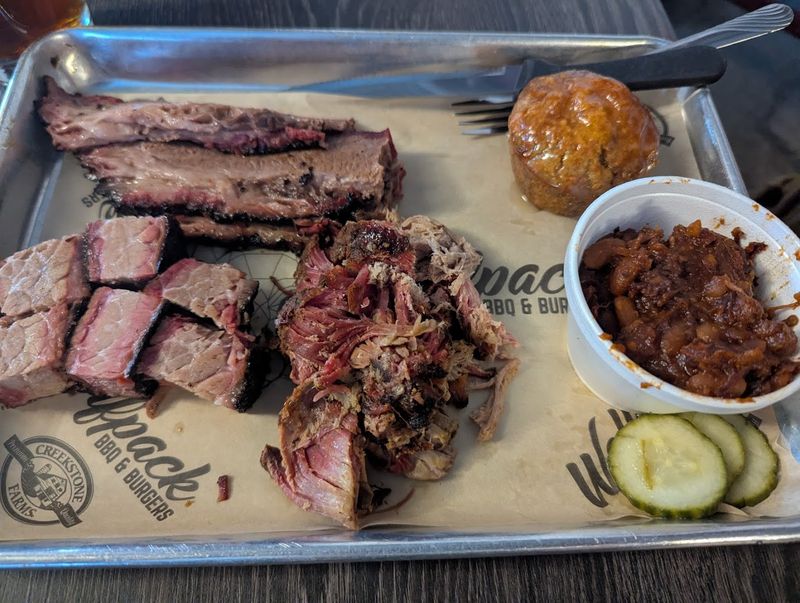
Kansas City, Missouri is one of the great barbecue cities in the United States, and Crossroads has its own take on that legendary tradition. The BBQ spots in this neighborhood tend to be a little more casual and a little more creative than some of the old-school institutions across town.
I found a place with a line stretching out the door and decided that was recommendation enough. The brisket was smoky and tender, the sauce had that perfect balance of sweet and tangy, and the whole meal came served on butcher paper at a picnic table outside.
It was exactly right.
What I enjoy about the food culture in Crossroads is that it mixes comfort and creativity. You can have a plate of serious Missouri barbecue and then walk twenty feet to a food truck serving something completely unexpected.
The variety keeps things interesting.
During First Fridays especially, the food truck scene expands dramatically, and the options become almost overwhelming in the best way. But even on a regular weekday, the neighborhood has enough good eating to keep you busy for an entire afternoon.
The barbecue here is not a tourist gimmick. It is the real thing, served with genuine pride and a side of smoky atmosphere.
The Architecture Tells a Story No Guidebook Can Fully Capture
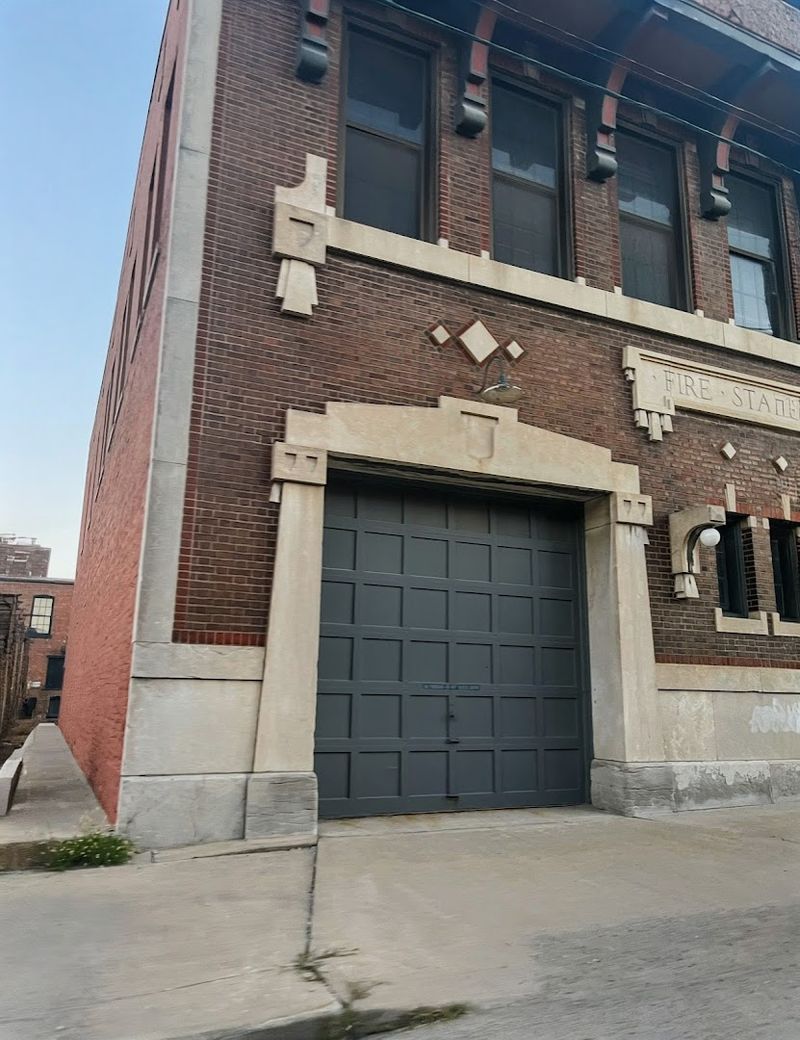
One of the most underrated pleasures of spending time in Crossroads is simply looking up. The architecture here is a layered conversation between past and present, and every block offers something visually interesting.
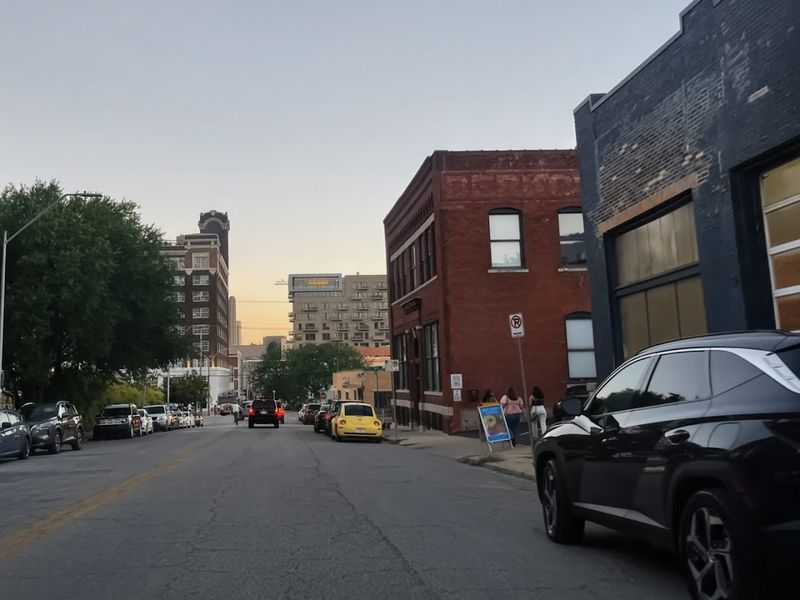
The dominant material is red brick. These are solid, serious buildings that were built to last, and they have.
Many of them date back to the late 1800s and early 1900s, when this part of Kansas City was an industrial hub. The scale is human and walkable, with buildings that feel substantial without being overwhelming.
Interspersed among the older structures are newer additions, glass-and-steel infill projects that feel deliberately contemporary rather than trying to imitate what came before. The contrast works surprisingly well.
Old and new seem to challenge each other in a productive way.
Missouri has many historic neighborhoods, but Crossroads stands out because the preservation effort here was driven largely by artists and small business owners rather than large developers. That grassroots origin shows in the details.
Buildings were restored rather than gutted. Original features were kept wherever possible.
The result is a neighborhood that feels genuinely authentic, not staged or theme-parked. Walking through it is like reading a long, slow architectural history of Kansas City told one facade at a time.
Live Music and Performance Spaces Add Another Layer to the Scene
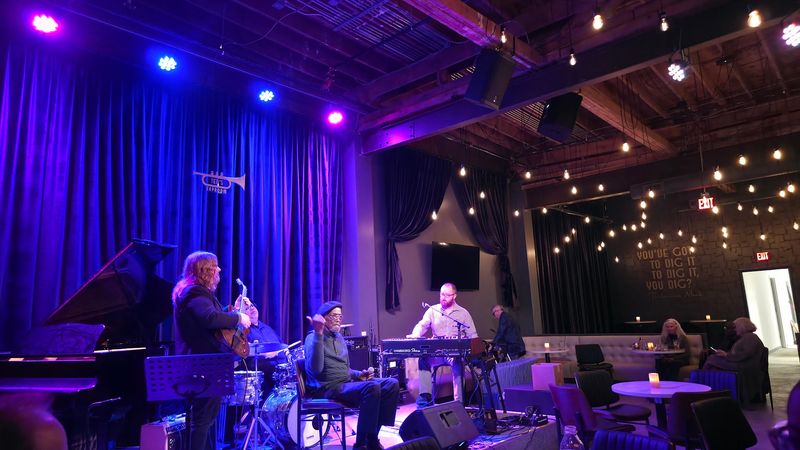
Visual art gets most of the attention in Crossroads, but the performing arts have a strong presence here too. Beyond the Kauffman Center, the neighborhood has smaller, more intimate venues where live music and performance feel up-close and personal.
I walked past a converted space one evening where a jazz trio was playing to a packed room. The sound spilled out onto the sidewalk, warm and unhurried.
Around the corner, a small black-box theater had a poster outside advertising a one-person show. The scale of these venues feels exactly right for this kind of neighborhood.
Crossroads has always attracted musicians and performers alongside visual artists, and that mix of disciplines gives the neighborhood a creative density that is hard to manufacture.
When painters, musicians, and theater makers are all working in the same few blocks, ideas cross-pollinate in interesting ways.
Missouri has a deep musical heritage, and Kansas City in particular has a jazz tradition that stretches back generations. In Crossroads, that legacy feeds into a contemporary scene that is curious and eclectic.
You might hear traditional jazz one night and experimental electronic music the next. The variety keeps the neighborhood’s performance culture feeling alive and unpredictable, which is exactly how it should be.
Practical Tips for Getting the Most Out of Your Visit
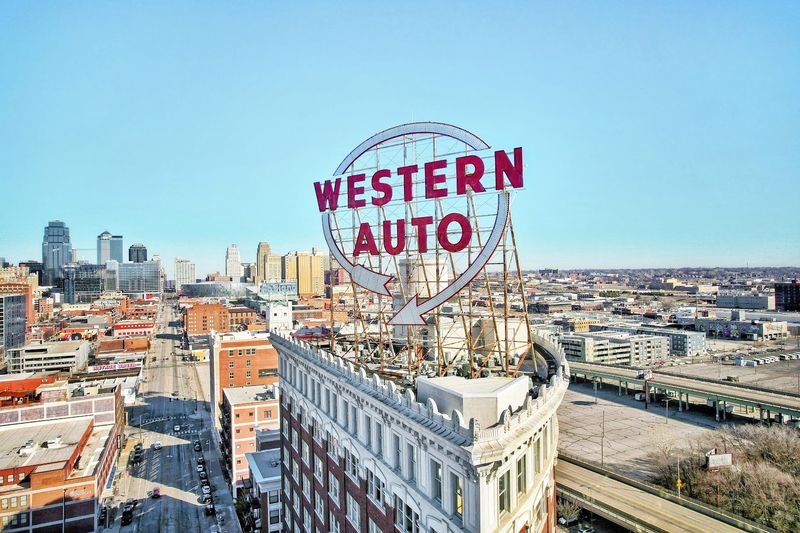
Crossroads is located at Kansas City, MO 64108, and it is very walkable once you are in the neighborhood. Parking is available in several surface lots and garages near the main gallery corridors, and street parking opens up considerably outside of First Friday events.
The best time to visit for a full experience is, without question, on a First Friday evening. But a weekday afternoon has its own appeal.
The streets are quieter, the galleries are less crowded, and you can take your time in each space without feeling rushed.
Wear comfortable shoes. The neighborhood covers several blocks, and the best discoveries happen when you are willing to wander off the main drag and explore side streets.
Bring a tote bag if you plan to shop, because the independent stores here are very good at tempting you.
Missouri summers can be hot, so visiting in spring or fall gives you the most comfortable outdoor experience. The neighborhood is active year-round, though, and even winter visits have a cozy appeal when the galleries are warm and the coffee bars are full.
One full day is enough for a solid introduction, but Crossroads is the kind of place that rewards multiple visits as the galleries rotate their shows and new murals appear on the walls.
Why Crossroads Belongs on Every Midwest Road Trip Itinerary
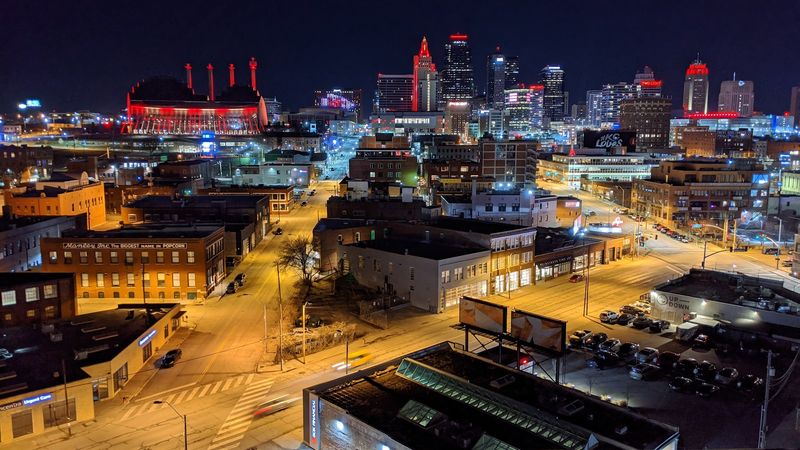
The Midwest does not always get the creative credit it deserves, and that is a shame. Places like the Crossroads Arts District in Kansas City, Missouri are proof that world-class arts scenes are not exclusive to coastal cities.
What makes Crossroads stand out on any road trip itinerary is the combination of depth and accessibility. You can have a genuinely enriching cultural experience here without spending a lot of money, without needing advance reservations, and without feeling like an outsider.
The neighborhood has something for almost every kind of traveler. Art lovers can spend hours moving between galleries.
Architecture fans will find plenty to photograph. Food enthusiasts have options ranging from legendary barbecue to inventive food trucks.
Music fans can catch live performances in venues that feel intimate and real.
Missouri is a state with a lot of creative energy, and Crossroads is one of the places where that energy is most concentrated and most visible. Coming here feels like arriving at a place that has been quietly doing interesting things for years, without needing outside validation to keep going.
That quiet confidence is part of what makes it so appealing. Road trips through the Midwest should absolutely include a stop in this neighborhood, ideally timed for a First Friday when the whole district comes alive under the open sky.
