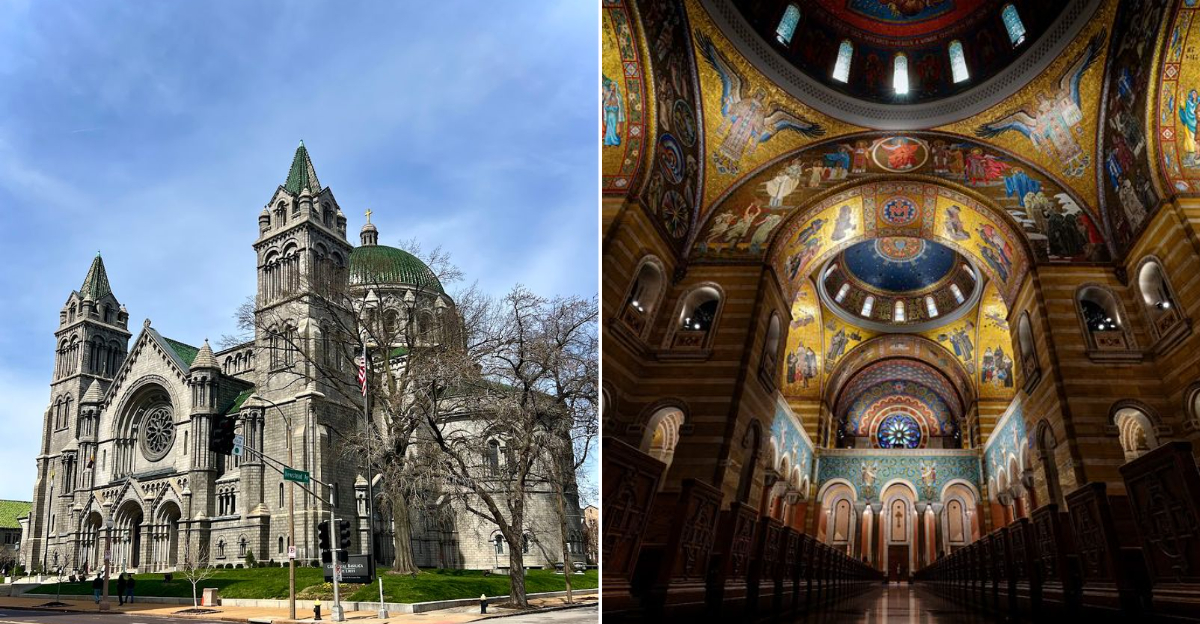
Step inside and your head tilts back before your brain gives permission. The ceiling rises like a stone canopy, every inch alive with mosaic tiles that shimmer in gold and jewel tones.
This is not Europe. This is Missouri, and one of the grandest Gothic masterpieces ever built in America waits right here.
The arches soar, the stained glass glows, and forty million tiny pieces of glass tell stories older than the state itself. You do not need to be religious to feel something shift in your chest.
The sheer scale alone makes you want to whisper. Light spills through rose windows, catching dust motes and turning them into something holy.
Locals slip in during lunch breaks just to sit in the quiet. Tourists wander in by accident and forget to leave.
Every corner offers another reason to stare, another detail you missed the first time. This is not a building. It is a prayer made of stone and color, and Missouri built it to last forever.
The Outside Sets You Up Wrong
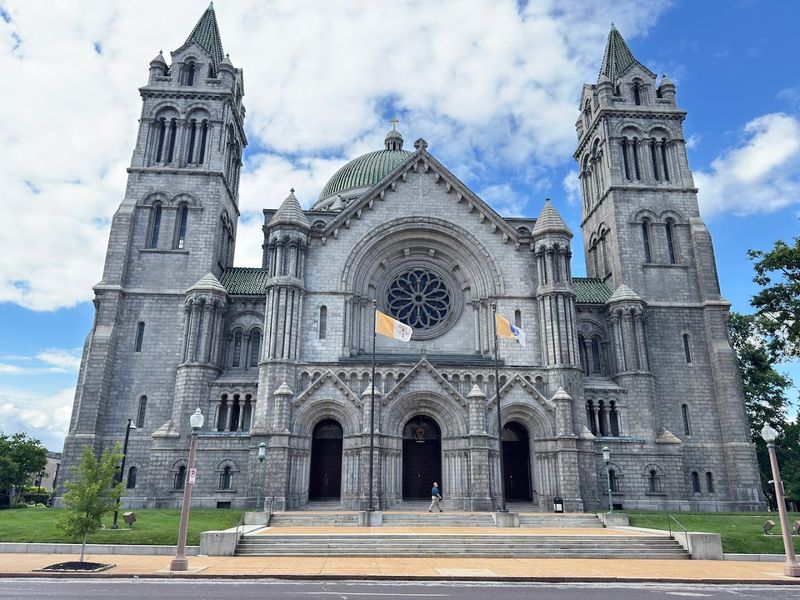
Here is the funny thing about the Cathedral Basilica of Saint Louis – the outside looks impressive right away, but it still does not prepare you for what happens once you step inside. From the street, you notice the massive stonework, the towers, the domes, and that calm sense of weight that old sacred buildings can carry without trying too hard.
It feels serious, beautiful, and grounded, which is probably why the interior lands with such force a few minutes later.
What I liked most was how the exterior still hints at the cathedral’s early Gothic ambitions, even though the finished design leans much more Romanesque Revival with Byzantine influence waiting inside. You can catch that in the entrance styling and the rose window, and it gives the building a layered personality instead of one tidy architectural label.
That mix makes the place more interesting, because it feels like a real creative evolution rather than a frozen idea.
Standing there in St. Louis, Missouri, you get the sense that this is not just another church on a busy route through town. It has the kind of presence that slows your pace before you even touch the door.
And honestly, that little pause outside is worth taking, because the building is already starting the conversation before you hear a single sound.
Where It Sits In The City
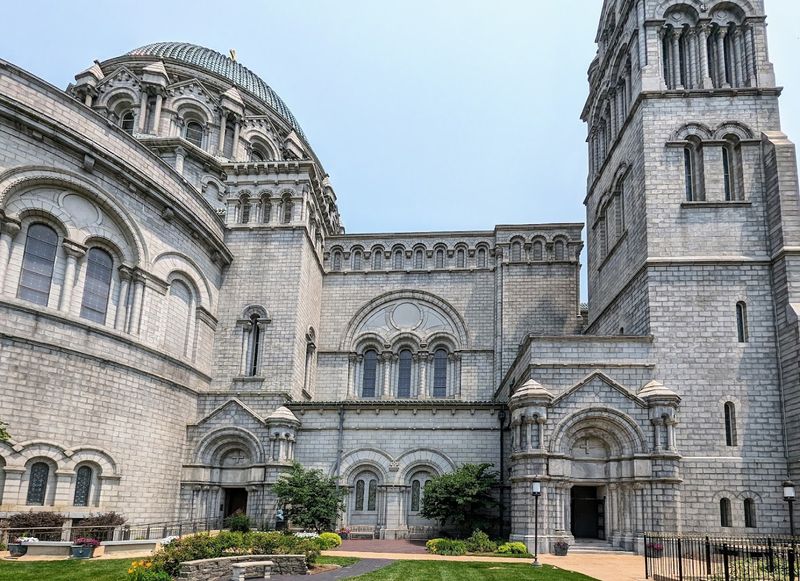
What makes this stop feel easy to love is that the cathedral is not tucked away behind some complicated detour or hidden in a remote corner of town. You find it at 4431 Lindell Boulevard, St. Louis, Missouri, and the setting gives it room to breathe, which really helps when you want to stand back and take in the whole shape of it.
The neighborhood around it has that steady Central West End energy, so the church feels woven into the city instead of sealed off from everyday life.
I always appreciate when a major landmark meets you where real people actually move through the day, and this one absolutely does. There is something satisfying about seeing such a monumental building sit naturally among trees, streets, and regular city rhythm, because it makes the experience feel less staged and more personal.
You are not entering a fantasy zone here – you are seeing a sacred place that still belongs to St. Louis as it is right now.
That matters, especially in Missouri, where some of the most memorable places are the ones that feel rooted instead of performative. The cathedral has grandeur, sure, but it also feels accessible in a very human way.
You can approach it slowly, notice the scale from different angles, and let the anticipation build before the doors open.
Then The Mosaics Hit You
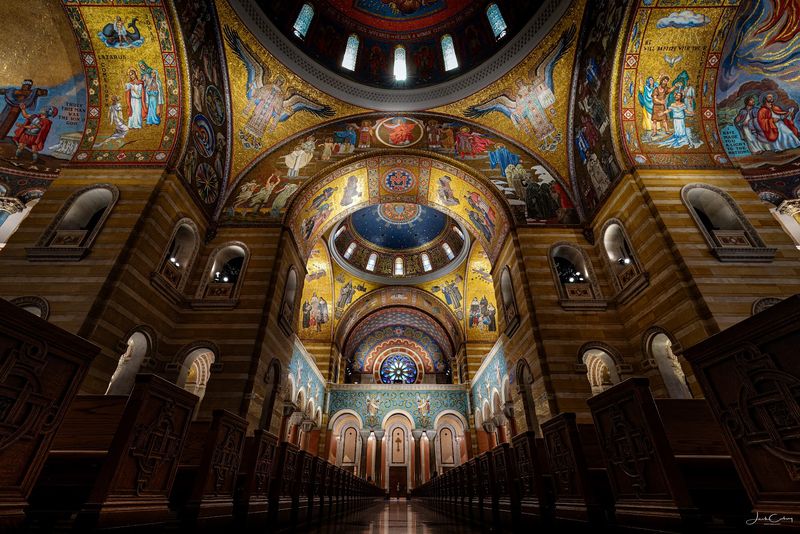
The moment you look up, the mosaics completely take over your attention, and I do not mean that in a polite, museum voice kind of way. I mean they hit you with so much color, detail, and glow that you almost forget to keep walking, because your eyes keep bouncing from one surface to another.
It feels immersive in the truest sense, like the walls and ceilings are not decorated so much as transformed.
This is the part that really separates the Cathedral Basilica of Saint Louis from other beautiful churches you may have seen before. The interior mosaic program is famously vast, and even if you arrive without knowing anything about scale or technique, you can still feel the labor and patience built into every inch.
Gold tones warm the space, deep blues steady it, and the figures overhead pull the whole room into a kind of visual rhythm that is hard to shake afterward.
I loved how the effect never slipped into cold grandeur, because the artwork still feels inviting instead of distant. You do not need an art history lecture to connect with it, which is honestly a relief.
You just stand there in Missouri, tilt your head back, and let the building do what it does best, which is quietly overwhelm you in the nicest possible way.
The Dome Keeps Pulling Your Eyes Up
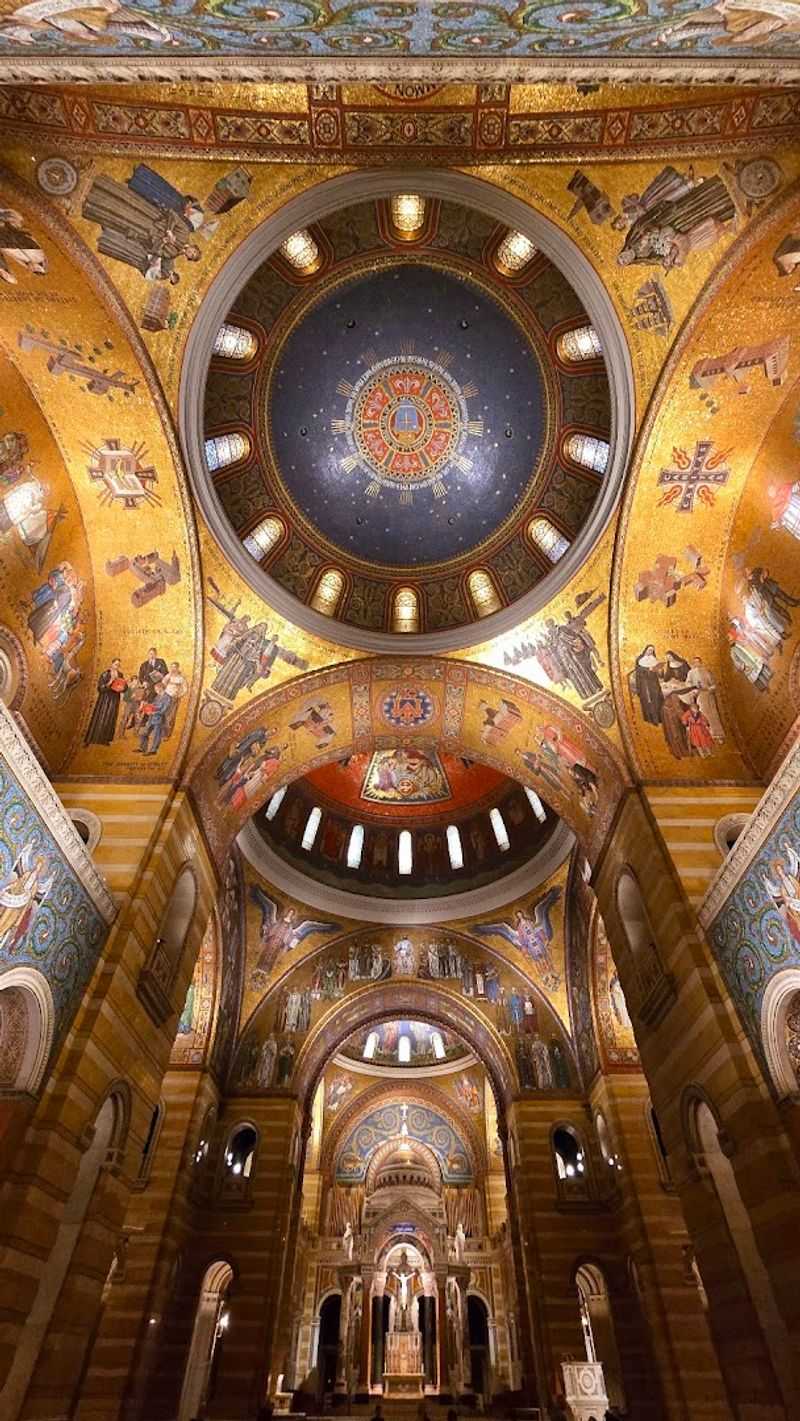
I am telling you now, the dome is where your neck starts negotiating with the rest of your body, because you will keep looking up long after you meant to stop. There is this huge upward sweep to the interior that feels calm instead of flashy, and the dome gathers all that visual energy into one commanding focal point.
It does not shout at you, but it absolutely wins the room.
What makes it work so well is the balance between scale and softness, which is not easy to pull off in a building this monumental. The curves feel generous, the light spreads gently across the mosaic surfaces, and the whole ceiling seems to hover rather than press down.
Even with all the richness around you, the dome gives the space coherence, like everything below it is being held in place by a single graceful idea.
I found myself drifting back to it again and again, even after noticing side chapels, arches, and all the smaller details closer to eye level. That is usually a sign that a building knows exactly what it is doing.
In St. Louis, where there are plenty of worthy sights, this dome still manages to claim a very specific kind of memory, and it stays with you long after you step back outside.
It Feels Quiet Without Feeling Empty
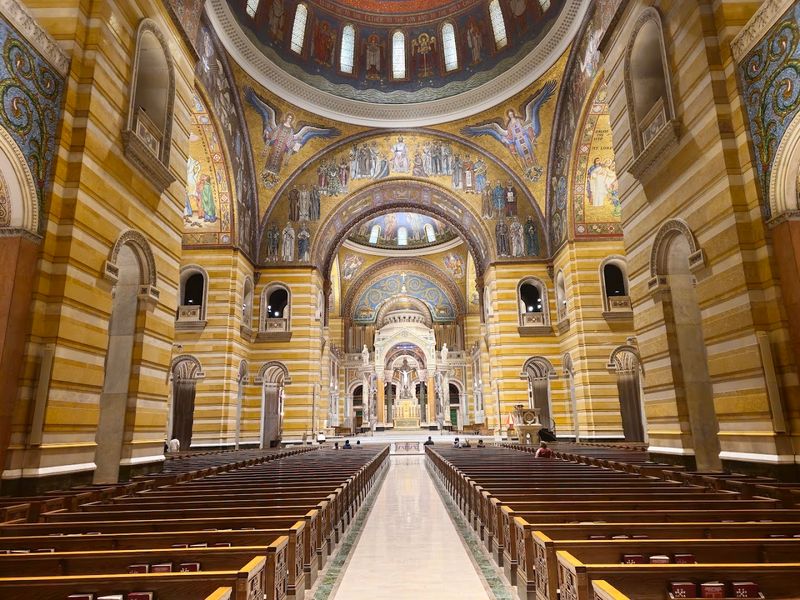
Some grand churches feel like they were built mainly to impress you, and once that first visual shock settles, the room goes emotionally flat. This one does something better, because the quiet inside feels lived in and sincere, not staged for visitors hunting dramatic photos.
Even when the space is still, it never feels hollow, and that makes a bigger difference than people usually admit.
The seating areas help with that feeling, because the pews and open sightlines let you settle into the cathedral at your own pace. You can sit for a while, follow the movement of light across the floor, and notice how the sound changes depending on where people are walking.
There is a warmth to the atmosphere that softens the scale, so the building stays majestic without turning distant or cold.
I think that is why the place lands emotionally as well as visually, especially if you are not arriving with a strong religious agenda. You are still invited into the hush of it, and the experience never feels exclusive or performative.
In Missouri, where travel days can get noisy and overpacked fast, stepping into a room this large and finding actual calm feels surprisingly generous, like the cathedral is giving you space instead of demanding something from you.
The Style Mix Is The Real Story
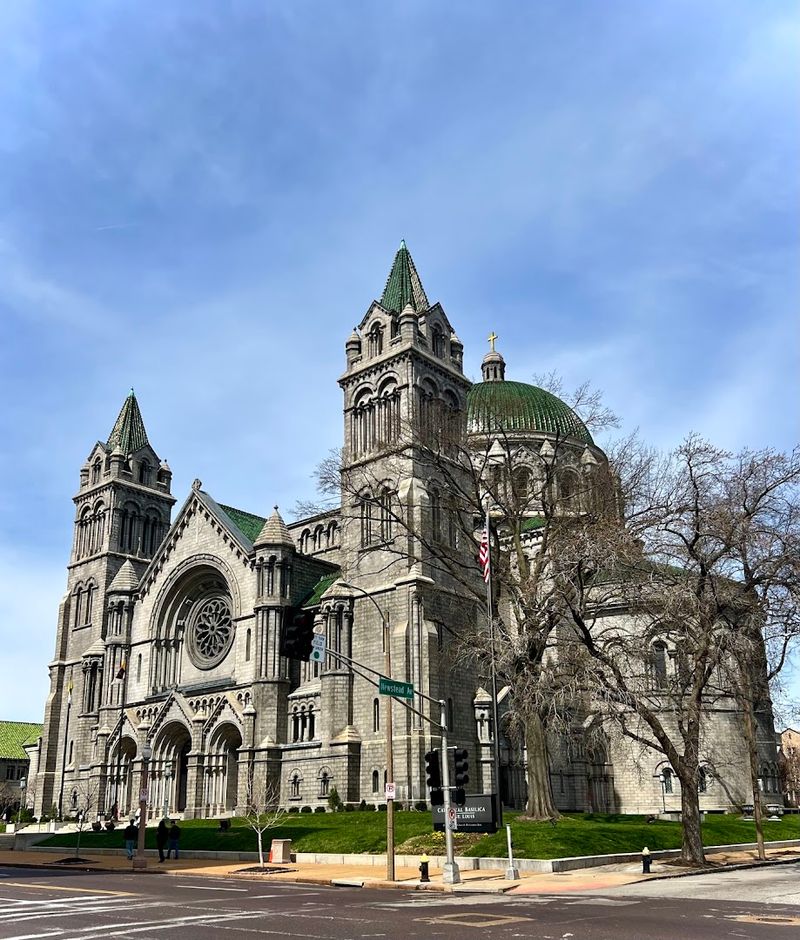
The title of this trip idea leans hard on Gothic drama, and I get why, because the building absolutely feels grand enough to earn that kind of excitement. But the more interesting truth is that the cathedral tells a richer story through its mixed architectural identity, with Gothic ideas in its early planning and visible traces outside, while the finished building leans strongly Romanesque Revival and Byzantine.
To me, that makes it more compelling, not less, because you are seeing a place shaped by changing vision rather than a single rigid template.
You notice the difference almost immediately once you compare the exterior mood to the interior atmosphere. Outside, there is stone mass, towers, and a disciplined monumentality that hints at older European traditions, while inside the domes, rounded arches, and mosaic glow create a completely different emotional register.
The result is not confusion at all – it is contrast, and that contrast gives the cathedral its personality.
I actually love when a building refuses easy labels, because it makes you look harder and stay curious longer. This cathedral rewards that kind of attention in every direction you turn.
If you are the sort of traveler who likes places with a little complexity under the surface, St. Louis hands you a very good one here, and Missouri gets to claim a landmark that feels both rooted and wonderfully unusual.
Even The Smaller Spaces Stay With You
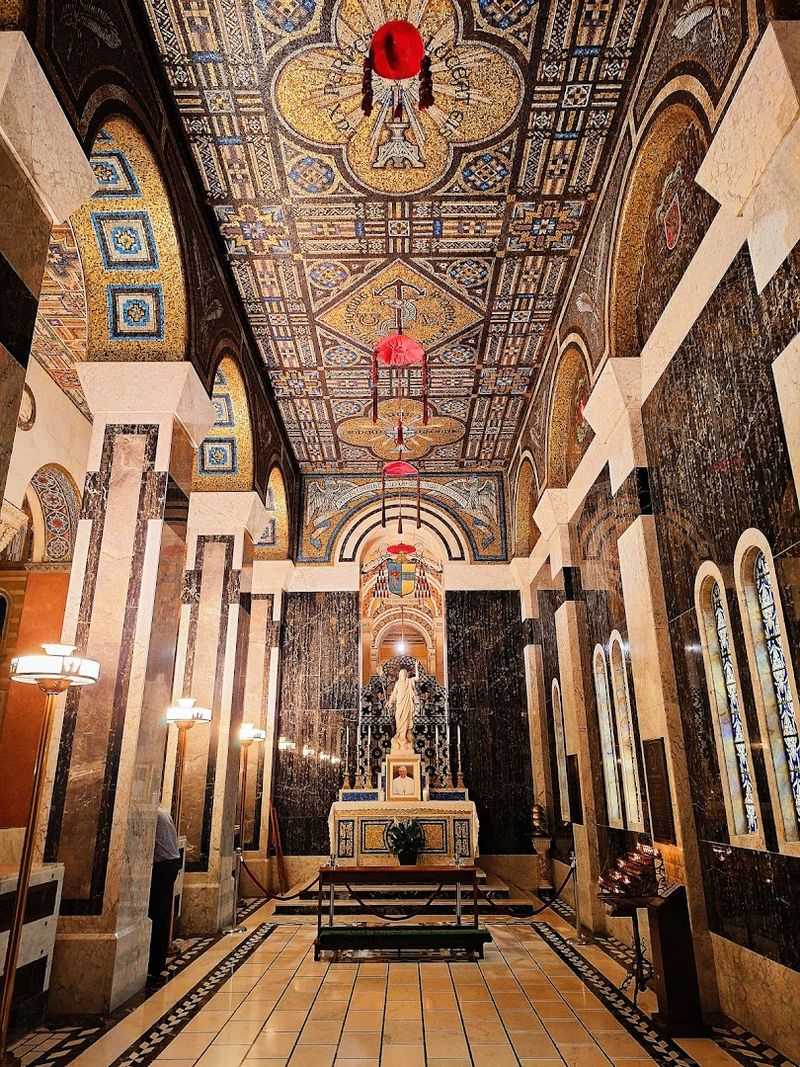
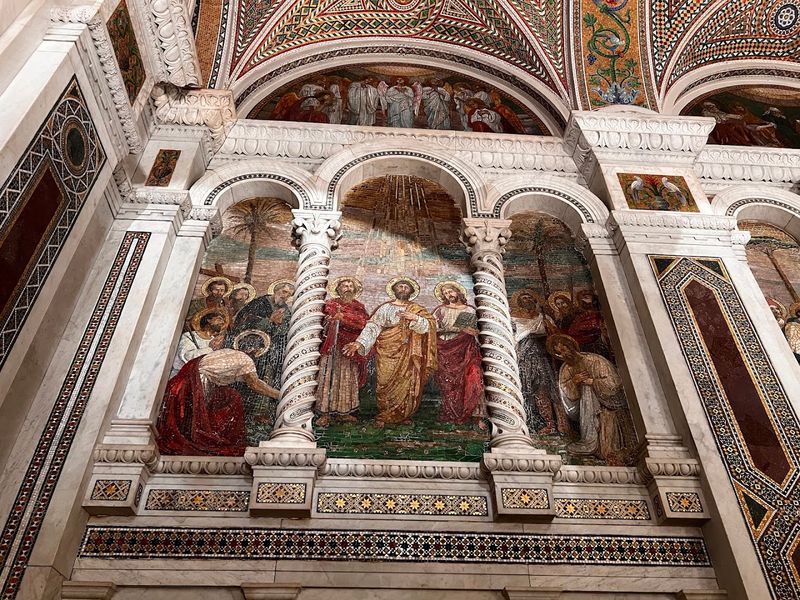
As huge as the main space is, some of the moments that stayed with me most happened off to the side, where the scale tightens and your attention sharpens. The side chapels and smaller devotional areas have their own atmosphere, and they do not feel like leftovers from the larger design.
Instead, they give you a chance to see the cathedral’s artistry up close, which changes the whole experience in a really satisfying way.
When you move into those more intimate spaces, the mosaic work becomes less about spectacle and more about touch, texture, and patience. You start noticing how carefully the colors are placed, how the figures are framed, and how even a quieter corner still carries the same sense of intention as the main sanctuary.
I always appreciate that in a landmark, because it tells you the builders cared about the full experience, not just the big reveal.
There is also something emotionally grounding about stepping out of the vast central space and into an area that feels more personal. It gives you a different pace and lets the cathedral unfold gradually instead of all at once.
By the time you return to the nave, you are seeing the whole building with fresher eyes, and that back and forth is part of what makes the visit feel so complete.
It Carries Real St. Louis History
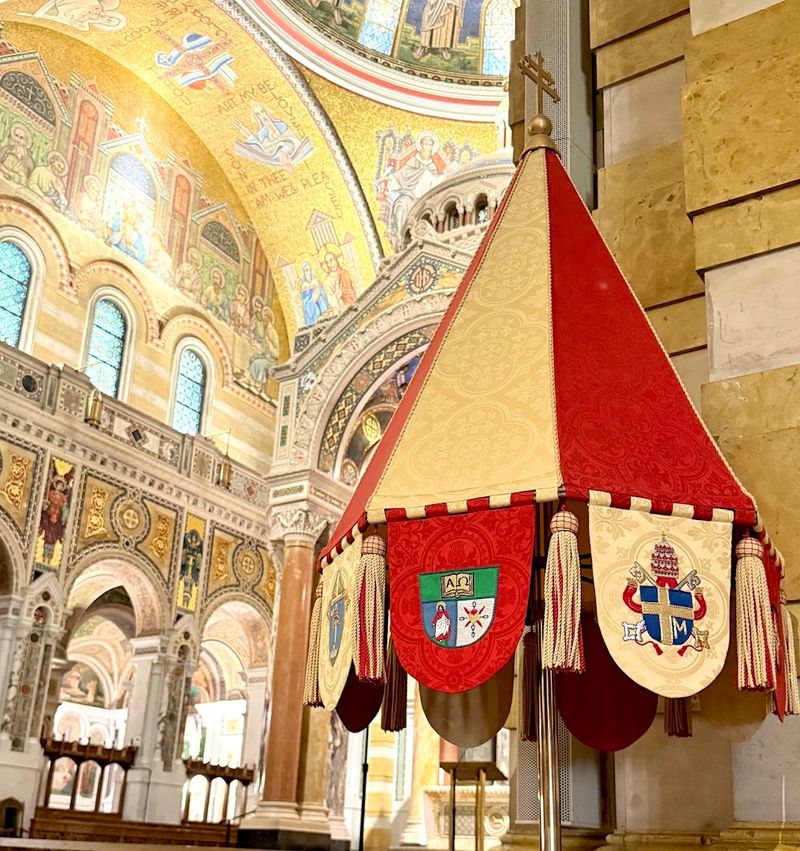
What gives this cathedral extra weight is that it is not just beautiful on its own terms – it also matters deeply to St. Louis. This is the mother church of the Archdiocese of St. Louis, and you can feel that civic and spiritual importance without needing anyone to announce it to you at the door.
The building carries history in a quiet way, like it knows exactly what role it has played in the city and does not need to advertise it.
I always think places like this become more moving when they are tied to real community life instead of existing as isolated monuments. You are not just looking at a famous interior here, because the cathedral has long been part of ceremonies, memories, and everyday faith in Missouri.
That human connection gives the grandeur some emotional depth, and it keeps the experience from becoming purely aesthetic.
Even if you come in simply curious about architecture, you leave understanding that the building means more than its surfaces. It belongs to the story of St. Louis in a living way, which changes how you look at every dome, arch, and mosaic panel.
For me, that made the visit feel fuller, because beauty landed alongside context, and the cathedral ended up feeling not only majestic, but genuinely rooted in the life around it.
Why You Should Actually Make Time For It
If you are wondering whether this cathedral deserves a real spot in your St. Louis plans, my answer is absolutely yes, and not in a polite checklist sort of way. It earns your time because the experience keeps unfolding, from the commanding exterior to the astonishing mosaic interior and the smaller details that reveal themselves only when you slow down.
It feels grand, but it also feels personal, which is a rare combination and a very memorable one.
I think the best visits happen when you let yourself arrive with curiosity instead of a script. Walk around the outside first, step in slowly, sit for a while, look up more than feels reasonable, and notice how the space changes as your eyes adjust.
The cathedral rewards patience, and it never feels like it is withholding itself from you – it just keeps giving you more the longer you pay attention.
That is why I would tell a friend not to rush this stop, especially when traveling through Missouri with too many plans already stacked into the day. Some landmarks are famous and still somehow feel thin in person, but this one has real substance.
You leave with specific memories instead of vague admiration, and that difference is exactly what makes the Cathedral Basilica of Saint Louis worth seeking out with intention.
