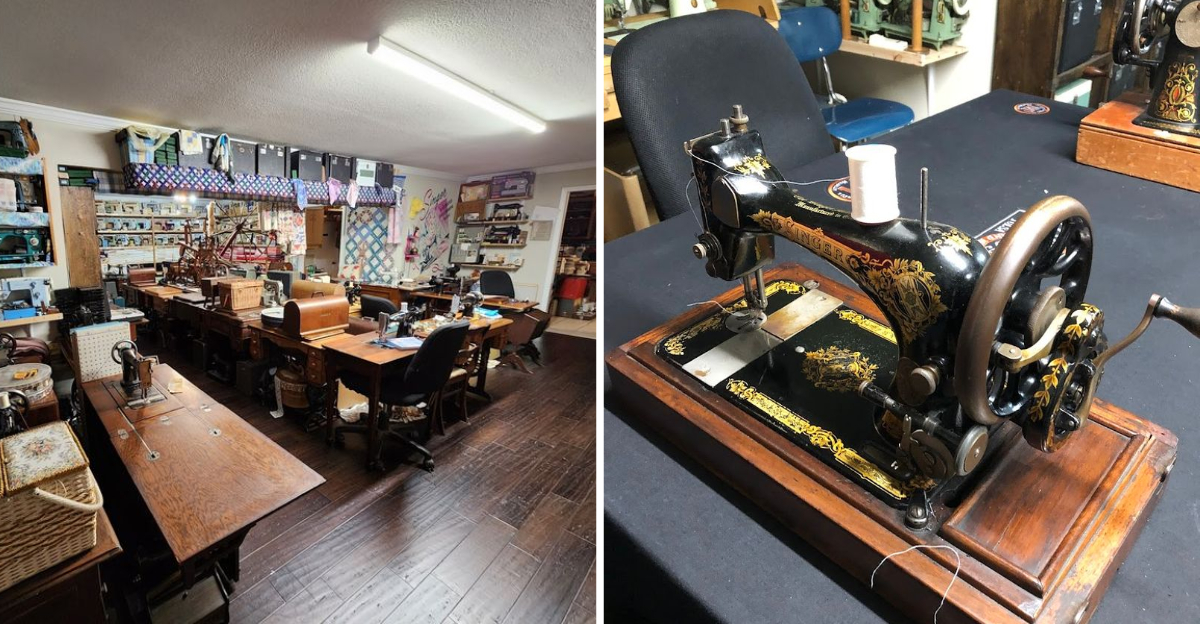
A museum in Oklahoma completely flips the rules of a typical collection. Over a thousand antique and vintage sewing machines, many of them from the eighteen hundreds, and most of them set up so you can actually sit down and use them. The founder started collecting almost by accident and turned a single broken sewing machine into a world class hands on experience.
I went in expecting to spend maybe an hour and ended up staying nearly three. If you are anywhere near this part of the state, this is the kind of hidden gem that makes a trip feel genuinely worth it.
A Collection That Spans 170 Years of Sewing History
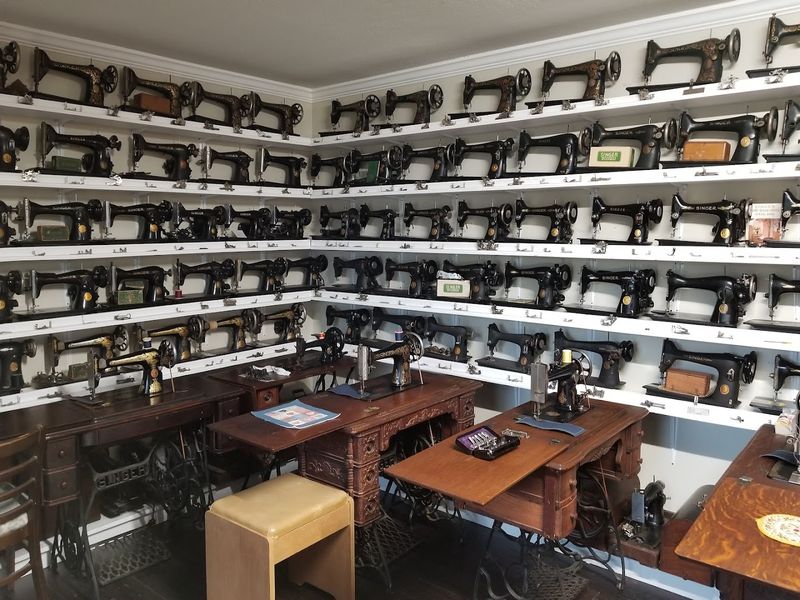
The sheer scale of what WK Binger has assembled here is genuinely hard to process until you are standing right in the middle of it. Over 1,300 machines fill the space, each one representing a different era, a different country, and a different chapter in the story of how humans learned to stitch fabric together efficiently.
The collection stretches from the earliest domestic treadle machines of the 1800s all the way through mid-century industrial giants used for everything from tent-making to bookbinding.
What makes this more than just a storage room full of old equipment is the intentional curation behind every piece. Each machine has a story, and the museum preserves that context carefully.
Some belonged to well-known figures. Others came from small-town seamstresses whose names WK still remembers and shares with visitors.
Sewing machines hold a unique spot in manufacturing history. More of them have been produced than any other machine type in world history, with enormous investment poured into their engineering over the decades.
Seeing that full arc laid out in one room gives you a whole new appreciation for something most people take completely for granted.
Hands-On Stations Where You Actually Sew on Historical Machines
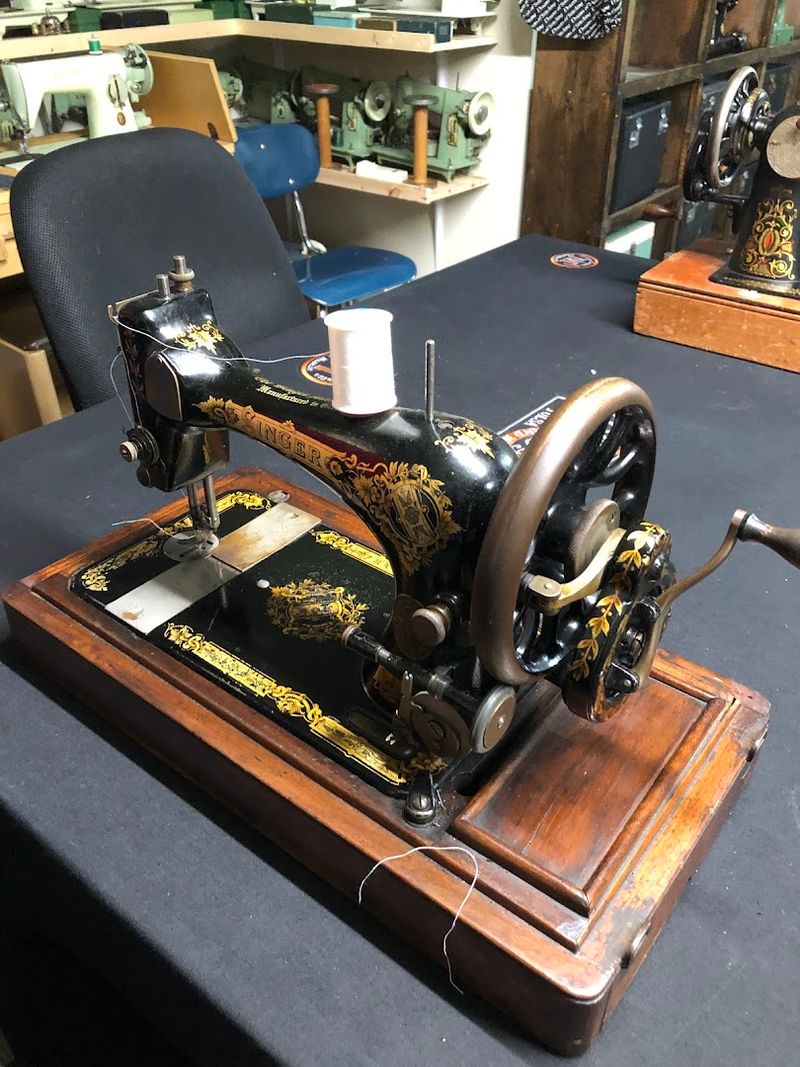
Most museums put up a velvet rope and ask you to admire things from a safe distance. The Oklahoma’s Vintage Sewing Machine Museum does the exact opposite.
Scattered throughout the space are what WK calls “sew-ready machine stations,” and the name is exactly what it sounds like. You pull up a chair, get a quick bit of guidance, and start sewing on a machine that might be 150 years old.
There is something genuinely thrilling about feeling the rhythm of a hand-crank machine from the 1880s respond to your movement. The mechanical feedback is completely different from anything modern, and it clicks something into place in your brain about how much craft and precision went into these early designs.
One visitor described trying out a machine built specifically for sewing leather, roughly the size of a small car, which tells you the range of what is available here.
Kids take to this setup immediately. There is no anxiety about breaking something priceless because the experience is built around participation.
Adults who have not sewn since childhood often find themselves genuinely absorbed, rediscovering a tactile joy that screens and touchpads simply cannot replicate.
WK Binger: The Curator Who Knows Every Machine by Name
The collection alone would make this museum worth a visit, but the real reason people drive hours out of their way and spend entire afternoons here is WK Binger himself. He knows the provenance of virtually every machine in the building, not just the manufacturer and the year, but the actual human story attached to it.
He can tell you the name of the woman who owned a particular Singer, what her grandmother did for a living, and why that specific machine ended up in his hands.
His path to becoming a curator is one of those wonderfully accidental origin stories. After decades working in tree trimming and stump grinding, he tried to teach himself upholstery, broke a cheap machine within hours, and ended up being handed a collection he never planned to start.
That origin gives him a perspective most museum directors lack: genuine outsider curiosity that never faded.
Visitors consistently describe his guided tours as the highlight of the entire experience. He has a gift for connecting the mechanical with the human, explaining how a particular innovation changed everyday life for working families.
His enthusiasm is completely unforced, and it is deeply contagious.
The Youth Programs That Are Quietly Changing Young Lives
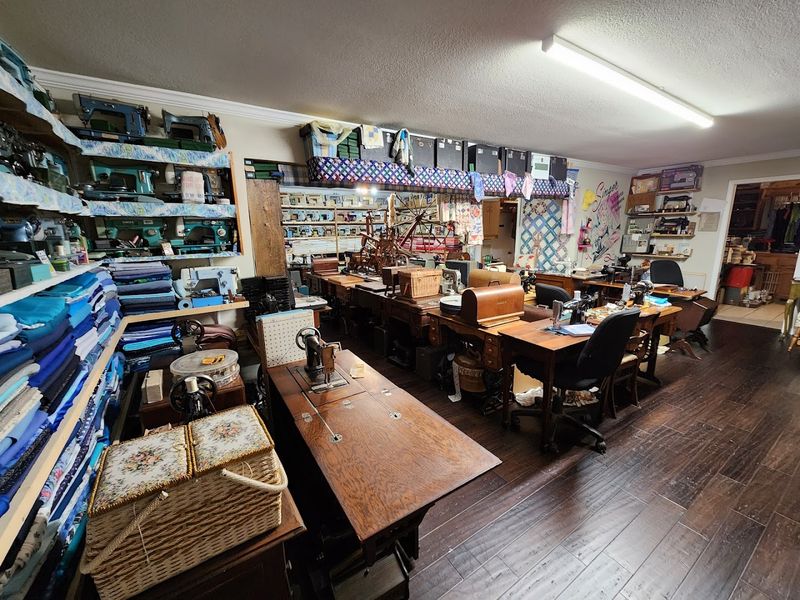
Beyond the collection and the tours, there is a whole other layer to this museum that most people do not expect when they first arrive. WK runs active youth programs that bring kids in to learn sewing, design, and creative problem-solving using the very machines on display.
The results of those sessions, small sewn projects and laser-printed tiles, are proudly displayed throughout the space.
What sets these classes apart is the philosophy driving them. WK openly embraces the idea that failure is part of creativity, and he does not redirect students toward a “correct” method when they try something unconventional.
He works with children across a wide range of abilities, including autistic students and a student who is blind, adapting the experience to meet each learner where they are.
Seeing the artwork those kids have produced genuinely stops you in your tracks. There is real skill on display, but more than that, there is confidence and personality in every piece.
The museum functions as both a preservation space and a living workshop, which is a rare and beautiful combination. Children under 15 often get in free, making it accessible for families exploring Tulsa on any kind of budget.
Treadle Machines, Hand-Cranks, and Industrial Giants All Under One Roof
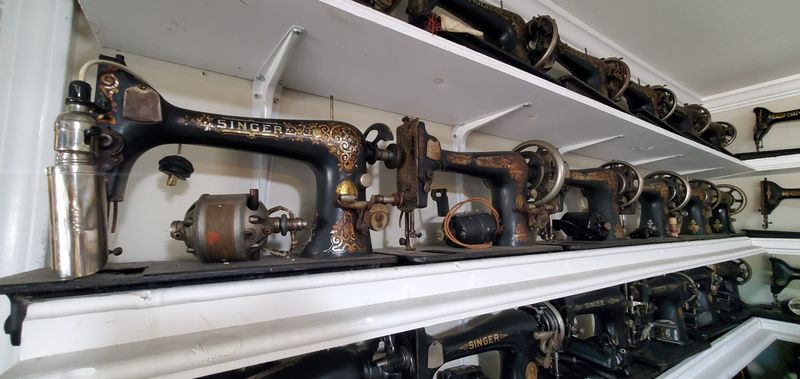
Part of what makes browsing this collection so endlessly interesting is the wild variety of machines packed into the space. On one end of the spectrum, you have dainty hand-crank models from the mid-1800s, their cast iron bodies decorated with gold decals and floral inlays that look more like jewelry than tools.
On the other end, there are industrial machines so large and powerful they were built to sew through leather, canvas, sails, and materials most people never associate with a needle and thread.
Treadle machines occupy a particularly fascinating middle ground. Operated entirely by foot pedal with no electricity required, they represent a peak moment in domestic engineering, a machine sophisticated enough to produce beautiful garments but simple enough to be repaired at home.
Sitting at one and feeling the flywheel respond to your foot rhythm is surprisingly meditative.
One machine in the collection was built specifically for sewing hammocks, which sounds like a niche detail until WK explains the engineering logic behind it. Every specialized machine in the room points to an entire industry or trade that most of us have forgotten existed.
The collection does not just show you machines; it reconstructs a whole world of human making.
Guided Tours That Turn a Museum Visit Into a Genuine Adventure
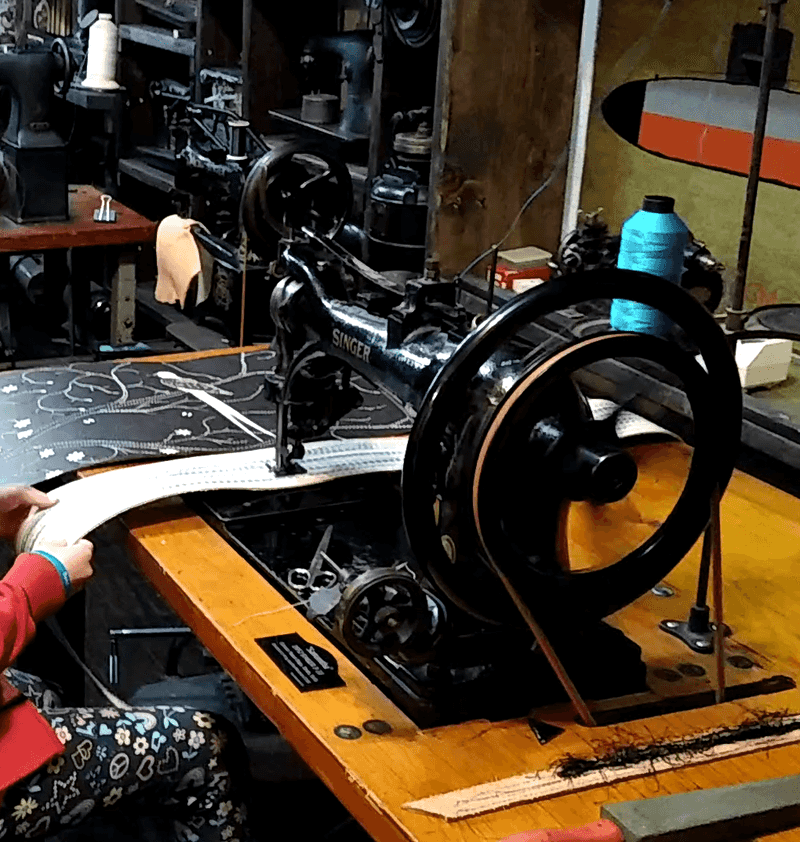
You can absolutely wander through the Vintage Sewing Machine Museum on your own, and that experience alone is rewarding. The machines are organized thoughtfully, and there is plenty to observe at your own pace.
But the guided tour option transforms the visit into something on a completely different level, and most people who have done both say the guided version wins without question.
WK has a natural storytelling rhythm that keeps you hooked even if you have never once thought about sewing in your life. He connects each machine to a broader arc of industrial and social history, explaining how specific innovations changed labor patterns, what certain machines were designed to produce, and how the technology evolved through competition between rival manufacturers.
The stories are specific, personal, and often genuinely funny.
Visitors regularly report spending two to three hours here without noticing the time passing. That is the clearest sign of a great guided experience: when you stop watching the clock entirely.
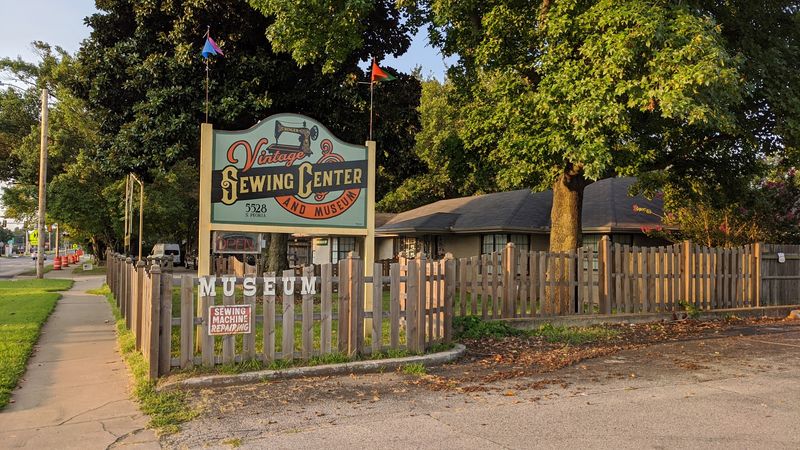
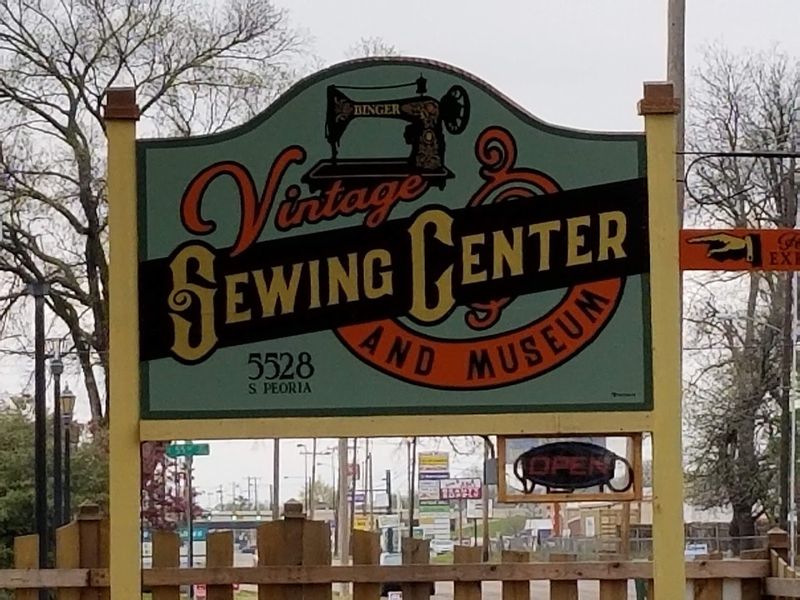
The museum is open Tuesday through Saturday from noon to 6 PM, giving you a solid afternoon window to explore. It sits at 5528 S Peoria Ave, easy to find and well worth the detour from wherever else your Tulsa itinerary takes you.
Why This Tulsa Hidden Gem Deserves a Spot on Every Oklahoma Itinerary
Tulsa already has a lot going for it as a travel destination, from its Art Deco architecture to its music scene and food culture. But the Vintage Sewing Machine Museum occupies a category all its own, the kind of place that earns its reputation entirely through the quality of the experience rather than any flashy marketing.
It has a 4.8-star rating built from visitors who genuinely did not expect to be as moved as they were.
What keeps people coming back, sometimes driving twelve hours to do so, is the combination of an extraordinary collection and an extraordinary human being at its center. The museum feels personal in a way that larger institutions rarely manage.
Every object has context, every corner has a story, and the whole place hums with the energy of someone who built it out of pure love for the subject.
Birthday parties, sewing classes, and workshops round out the programming, making it a destination for repeat visits rather than a one-time curiosity. Whether you are a lifelong sewer, a history enthusiast, or someone who just stumbled across a high rating online, this place consistently delivers more than expected.
Budget at least two hours, and do not be surprised when that turns into three.
Address: 5528 S Peoria Ave, Tulsa, OK 74105
