You like weird, right? Not fake haunted house weird.
You like the kind of weird that sticks to your brain and makes you say “wait, that actually happened?” Welcome to St. Joseph, Missouri, where one museum took medical history and decided to keep absolutely nothing in the closet. This place is not gentle.
It is not for the squeamish. It is full of artifacts that will make you deeply grateful for modern medicine and slightly uncomfortable about everything you just learned.
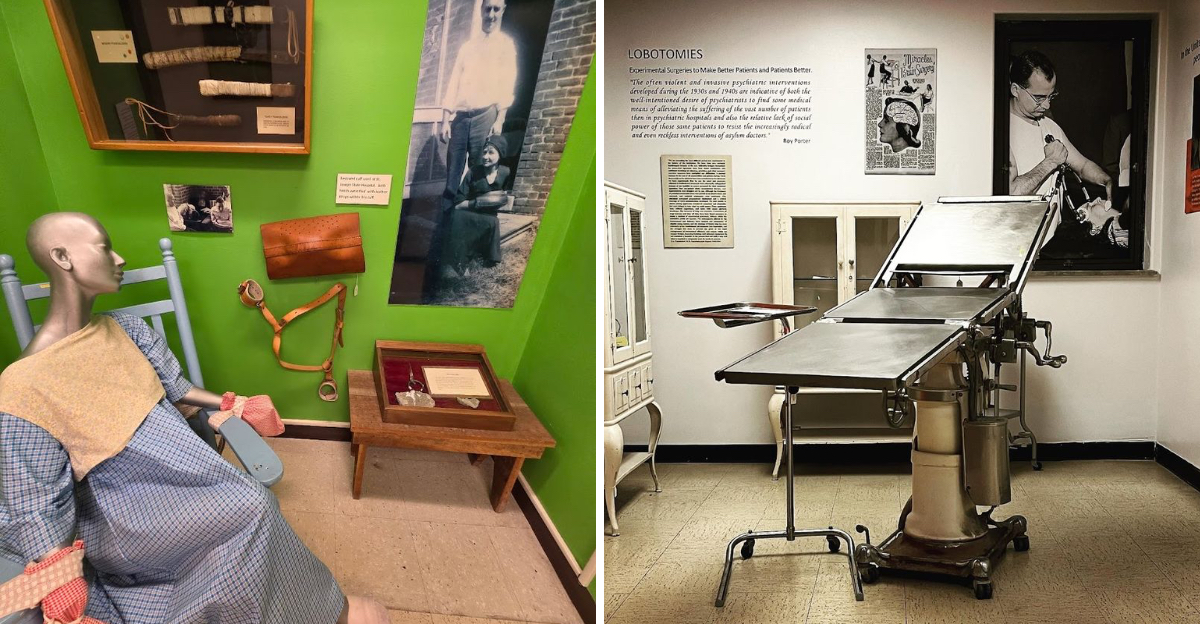
We’re talking patient art created on stolen scraps. We’re talking devices that doctors once thought were helpful.
We’re talking the kind of collection that makes you whisper “oh no” out loud before you can stop yourself. This Missouri museum doesn’t try to scare you.
It just presents the facts. The facts are plenty creepy on their own. The Show-Me State’s most unsettling attraction is also its most fascinating. Enter if you dare.
A Building With a Past That Still Breathes
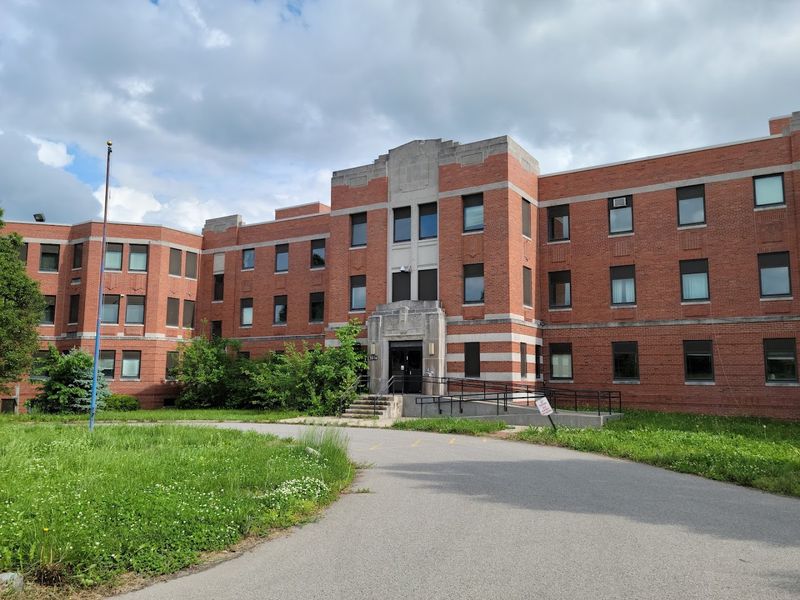
Standing outside the Glore Psychiatric Museum at 3406 Frederick Ave in St. Joseph, Missouri, you feel something shift before you even step inside.
The building is not just old. It carries a weight that most structures simply do not have.
It sits directly beside a functioning state psychiatric hospital, and that detail alone sets the tone for everything that follows.
This is not a reconstructed museum built to look historic. It is the real thing, occupying space where patients actually lived, worked, and were treated for decades.
Missouri has a long and complicated relationship with mental health care, and this address is one of its most honest monuments.
The architecture is sturdy and institutional, the kind of building designed to contain rather than welcome.
Walking up to the entrance, you get a clear sense that whatever is inside will not sugarcoat anything.
History here is not polished or prettified. It is preserved with an unflinching commitment to accuracy that you rarely find anywhere else.
There is something quietly courageous about a place that refuses to look away from its own difficult past, and this museum does exactly that from the moment you arrive.
The Introductory Video Sets the Mood Immediately
Before you wander into any of the exhibits, the museum guides you into a room to watch a short introductory video, and it is one of the most thought-provoking things I have ever seen in any museum anywhere.
The video does not ease you in gently. It asks a pointed and deeply uncomfortable question right at the start.
Will people one hundred years from now look back at our current mental health practices the same way we look back at ice baths and restraint cages?
That question hangs in the air for the rest of your visit, coloring every exhibit you walk through afterward.
Missouri has always been a state full of stories, and this video frames the museum’s story with real intelligence and honesty.
It acknowledges that progress is real but incomplete. It refuses to let modern audiences feel smug about how far things have supposedly come.
The production quality is straightforward, not flashy, which somehow makes it more effective.
By the time the video ends, you are not just curious about what is ahead. You are genuinely unsettled in the best and most educational way possible, ready to absorb everything this place has to offer.
Restraint Devices and the Reality of Early Treatment
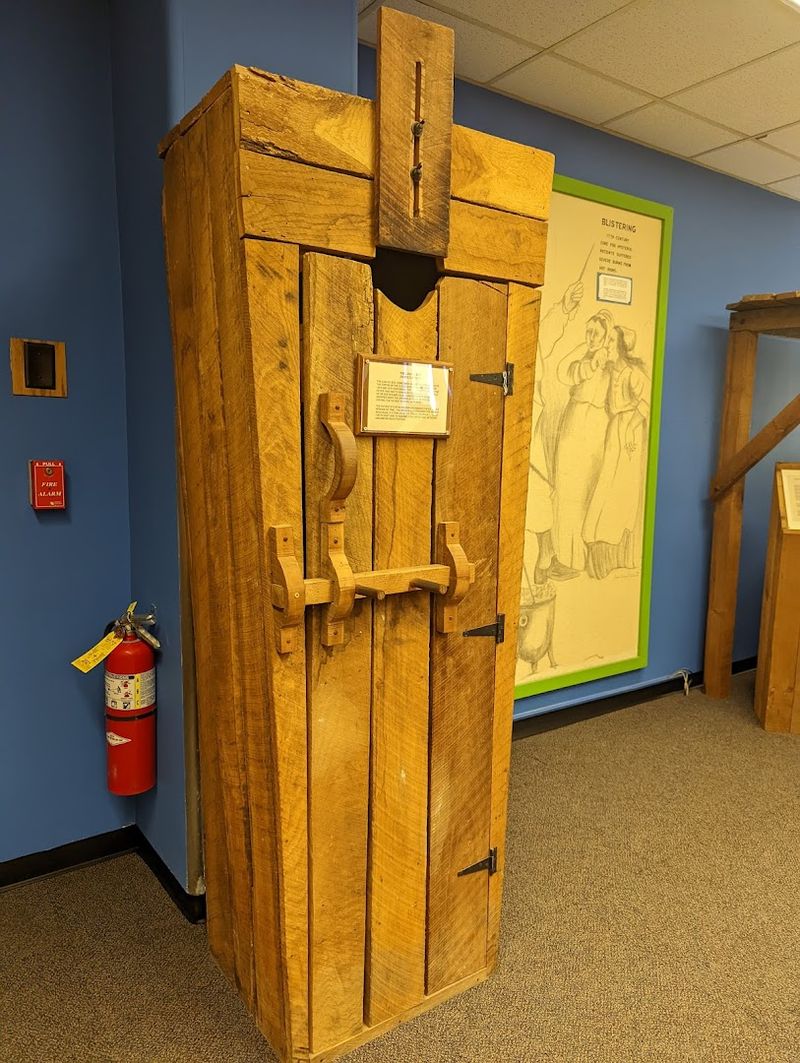
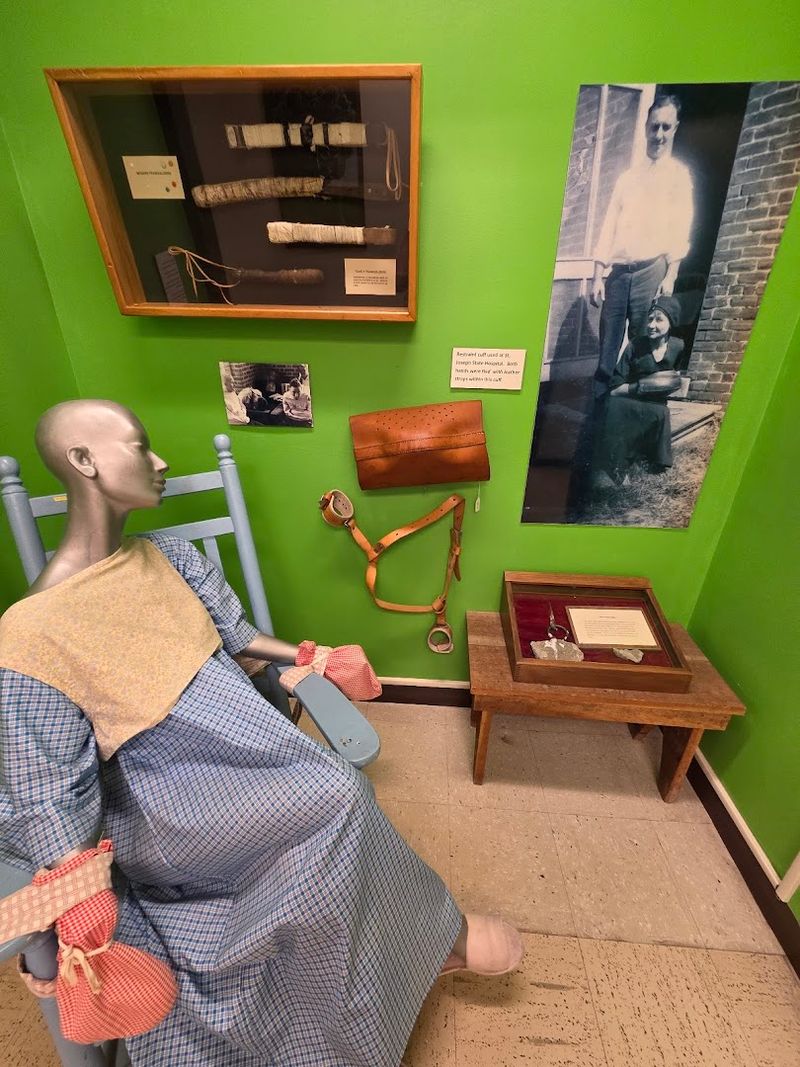
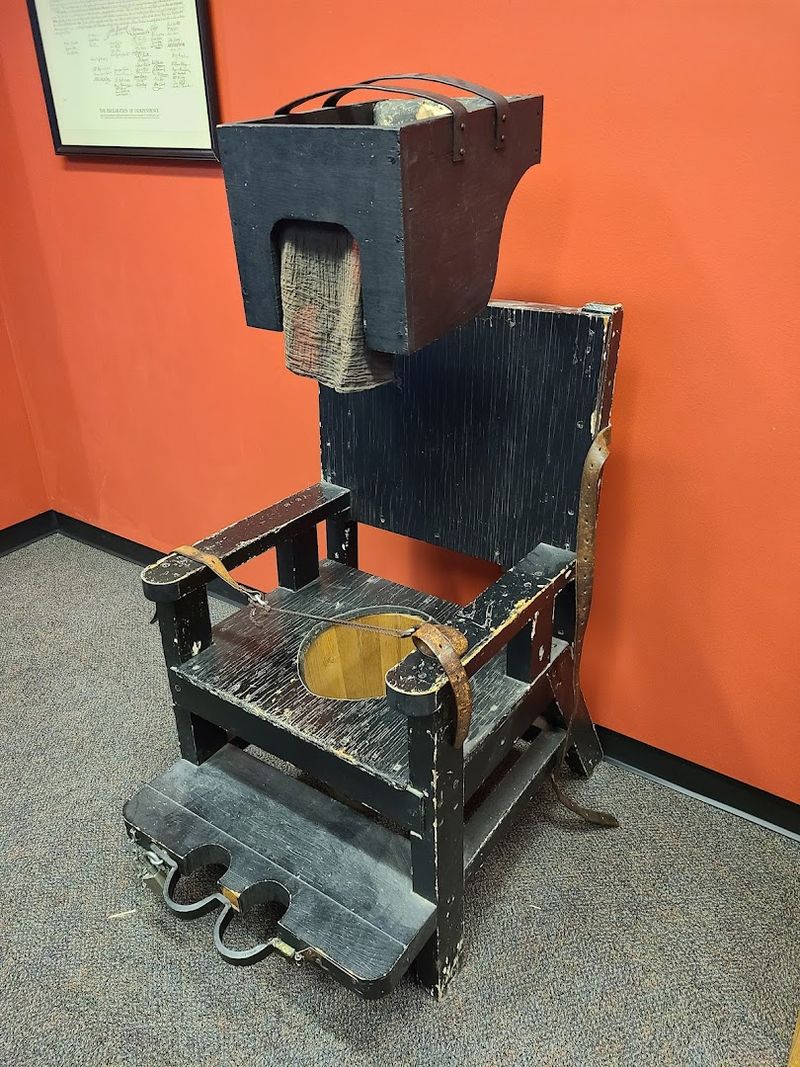
Nothing prepares you for the restraint exhibit. Even knowing intellectually that early psychiatric care involved physical restraint does not soften the moment you see the actual devices up close.
Leather straps, metal cuffs, wooden frames, and full-body cages line the displays in a way that feels more like a medieval dungeon than a place of healing.
Each item comes with detailed information about how it was used and what conditions it was meant to address.
The descriptions are clinical and precise, which somehow makes the whole thing even harder to process.
Missouri held many patients in facilities like this one across the 19th and early 20th centuries, and the scale of what was considered acceptable treatment is genuinely staggering.
What strikes me most is not the cruelty, because most practitioners genuinely believed they were helping. What strikes me is the certainty with which people applied these methods.
There is a lesson buried in every locked cage on display here about the danger of absolute confidence in incomplete knowledge.
Standing in front of these exhibits, you start to wonder which of today’s accepted practices future generations will look back on with the same disbelief.
The Human Hamster Wheel and Other Bizarre Therapies
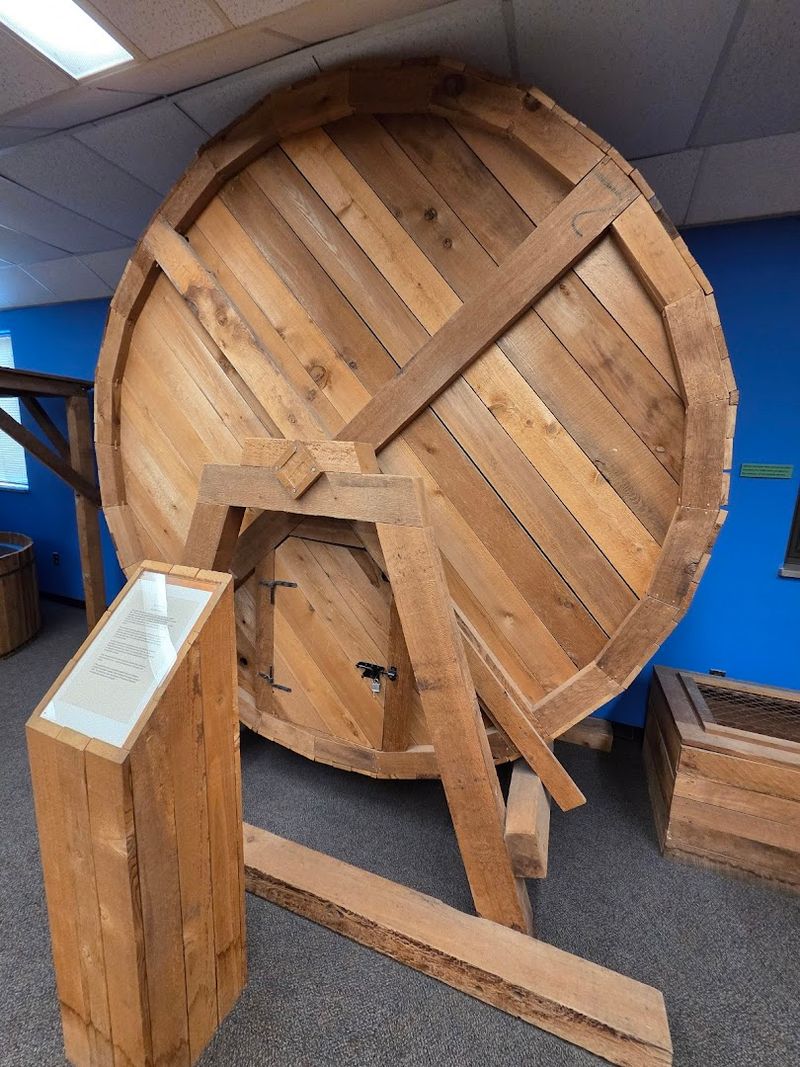
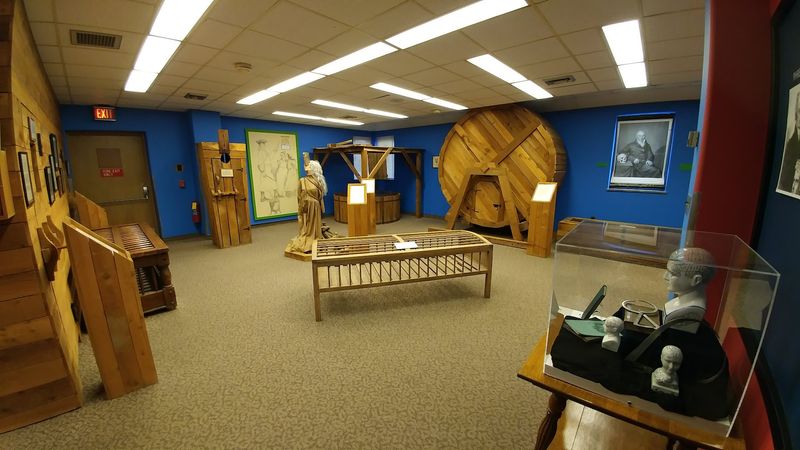
One of the most visually arresting objects in the entire museum is the human-sized exercise wheel, often called the human hamster wheel, which was used as a form of physical therapy for patients in the 1800s.
Patients would walk inside the wheel to keep it turning, a practice that was believed to improve both physical and mental health through forced exercise.
Seeing it in person is a genuinely strange experience. The scale of it is surprising, and the craftsmanship is oddly impressive for something so troubling in purpose.
The museum does an excellent job of contextualizing objects like this one, explaining the medical thinking behind them without excusing the outcomes.
Missouri’s psychiatric history includes many such moments where well-meaning ideas produced deeply harmful results, and the museum presents them all with careful honesty.
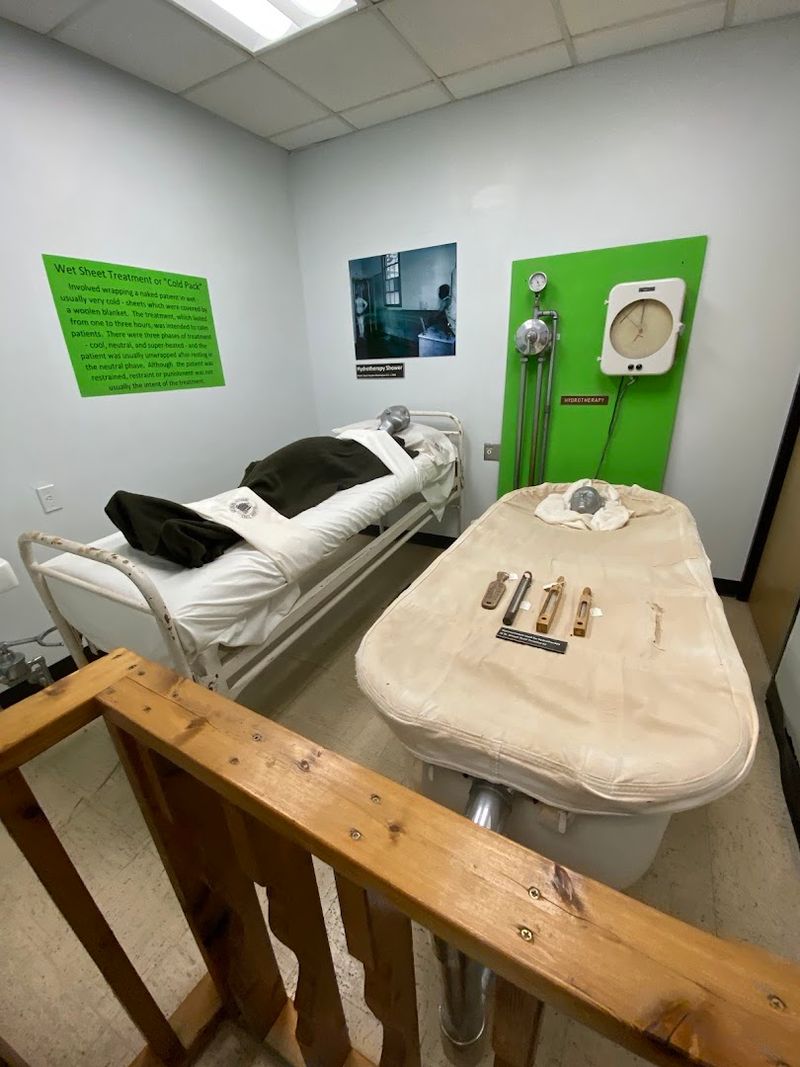
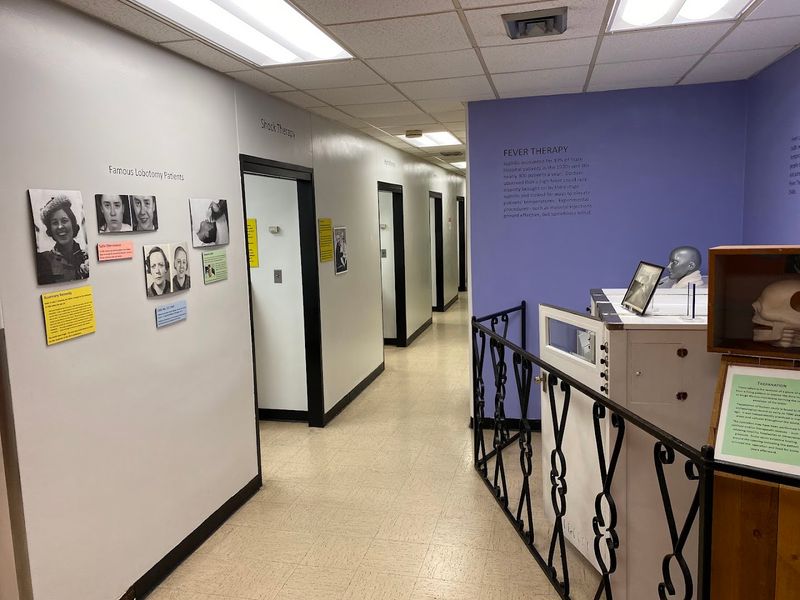
Other unusual therapy exhibits nearby include hydrotherapy equipment, spinning chairs designed to disorient patients as a calming method, and early electrical treatment devices.
Each one tells a story about a moment in history when the human mind was both deeply misunderstood and desperately sought after for answers.
The wheel, though, stays with you longest because it looks almost playful until you understand what it actually meant for the people inside it.
Patient Artwork Offers a Completely Different Kind of History
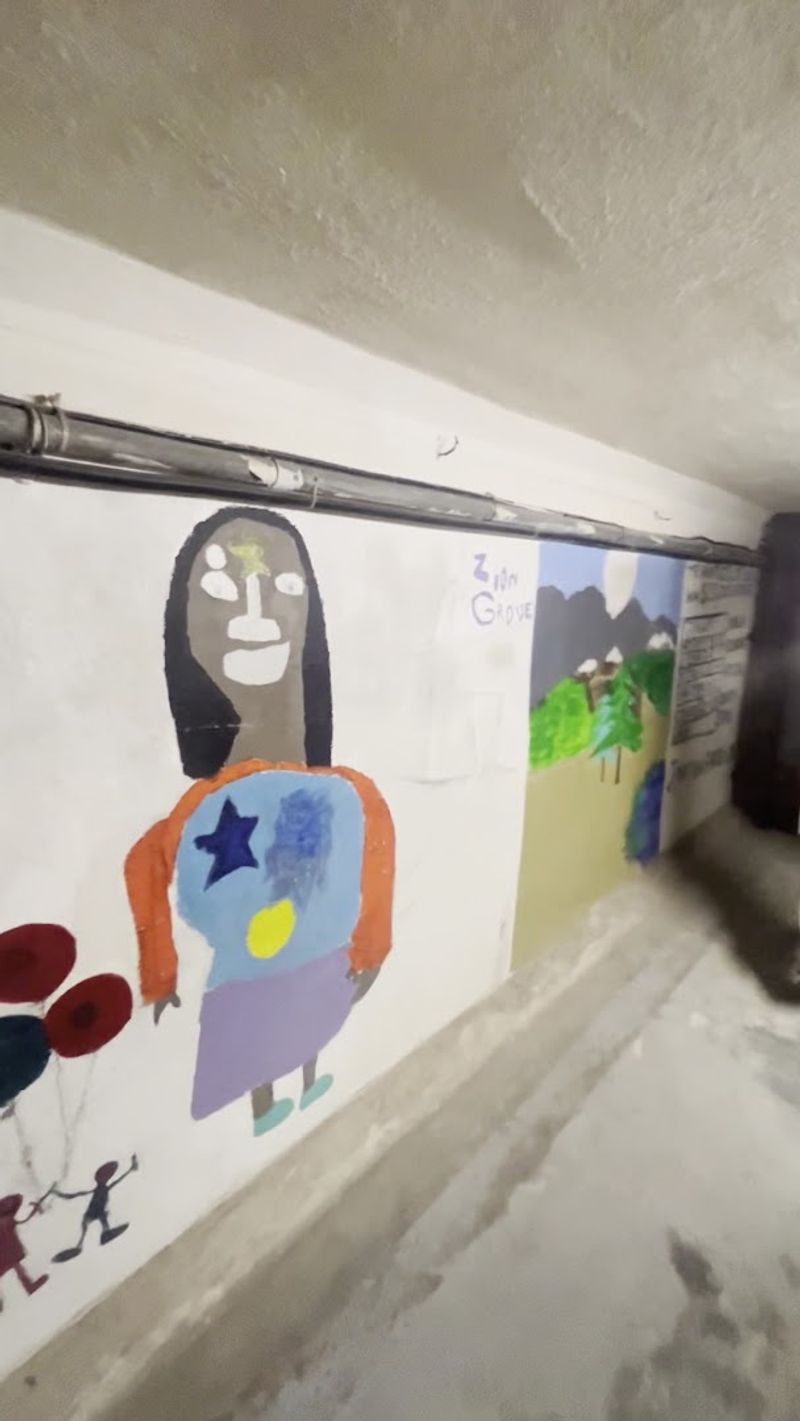
Amid all the heavy machinery and clinical equipment, one section of the museum stops you completely in your tracks for entirely different reasons.
The patient artwork collection is one of the most quietly powerful things I have encountered in any museum, anywhere in the world.
Drawings, paintings, and textile works created by people who lived inside this institution line the walls with a presence that feels personal and immediate.
Some pieces are abstract, some are detailed portraits, and some are difficult to categorize in any traditional artistic sense. All of them are extraordinary.
They remind you that behind every clinical record and every restraint device was a full human being with a creative inner world.
Missouri’s history of psychiatric care is often told through the lens of institutions and policies, but this artwork tells it through individual voices.
Each piece is accompanied by what information is available about the person who made it, though records from that era are often incomplete.
Spending time with these works feels like the most respectful thing you can do inside this building. They deserve to be seen slowly, not rushed past in favor of the more sensational exhibits elsewhere in the museum.
The Basement Morgue Is Exactly As Unsettling As It Sounds
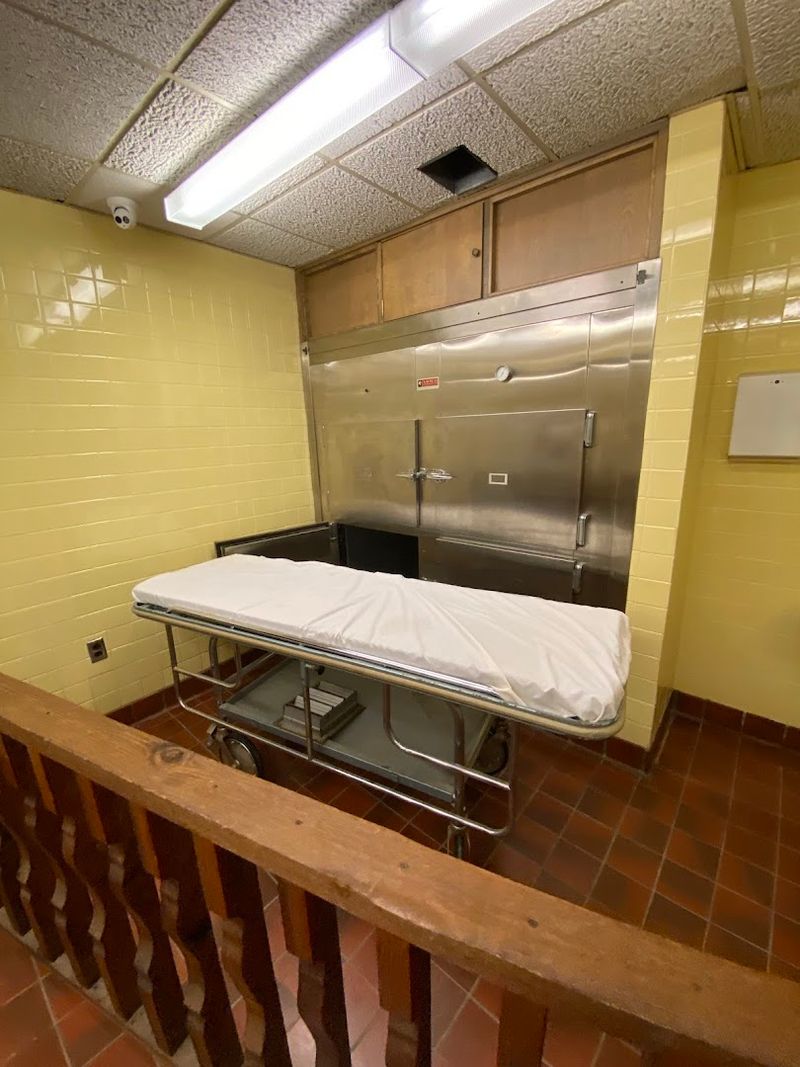
Going down into the basement of the Glore Psychiatric Museum is not for the faint of heart, and I mean that in the most literal sense possible.
The temperature drops noticeably as you descend, which feels intentional even though it is simply a function of the building’s age and construction.
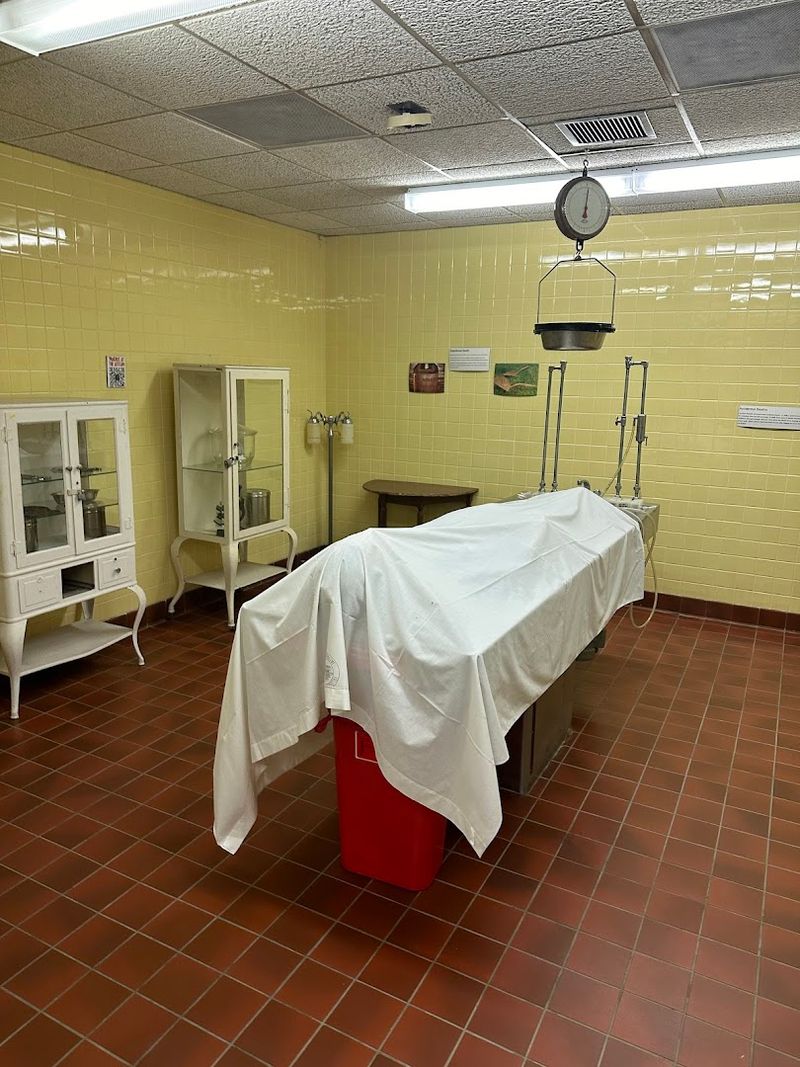
The basement houses the area where the institution’s morgue once operated, and the museum has preserved and displayed this space with the same unflinching honesty that defines every other section.
Period-accurate equipment, stone walls, and low lighting combine to create an atmosphere that is impossible to shake off quickly.
Missouri winters are cold, but nothing quite matches the particular chill of standing in a space where so much history happened in silence.
The exhibits here include information about how patients who passed away at the institution were handled, buried, and in many cases forgotten by their families.
It is a sobering reminder that these were real people whose stories did not end neatly or happily.
The museum treats this section with dignity and care, avoiding anything that feels exploitative while still being completely honest about what occurred here and why it matters to remember it.
Lobotomy Tools and the Surgical Side of Psychiatric History
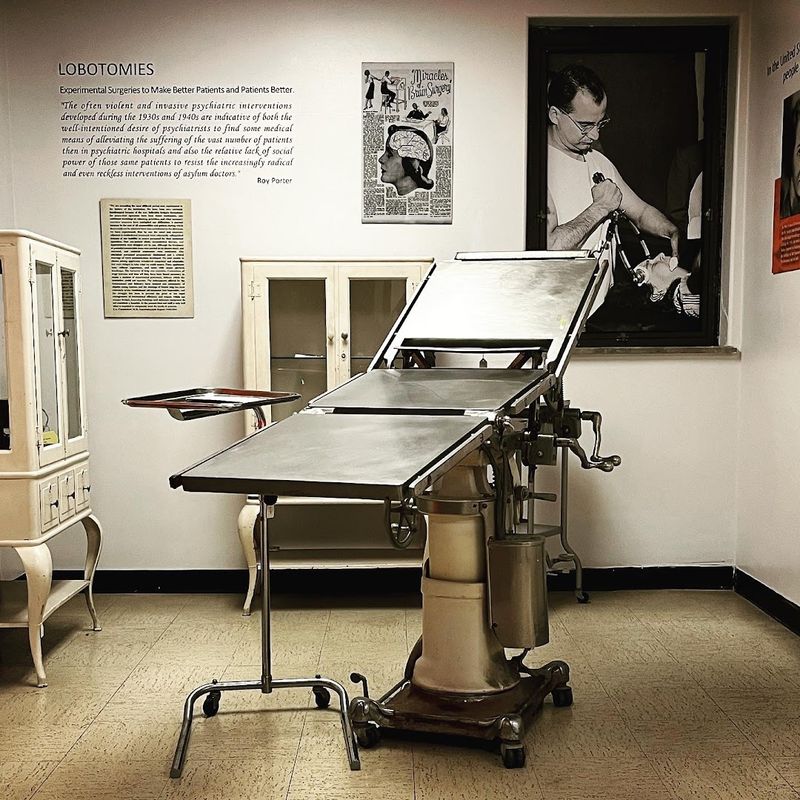
Few exhibits in the museum generate as strong a reaction as the lobotomy display, and I completely understand why.
The actual surgical tools used to perform lobotomies are displayed under glass with detailed explanations of exactly how the procedure worked and why it became so widespread during the mid-20th century.
The tools are small, almost shockingly so. Their simplicity makes them more disturbing, not less.
The exhibit explains the history of the procedure with genuine depth, covering why it was celebrated at the time and how it eventually fell out of practice.
Missouri’s psychiatric institutions were among many across the country where lobotomies were performed on patients who had little say in their own treatment decisions.
Reading through the information panels here, you are struck repeatedly by how confident the medical establishment was in a procedure that we now recognize as deeply harmful.
The display also touches on the lives of specific patients who underwent the procedure, humanizing the history in a way that raw medical data never could.
This exhibit does not sensationalize. It informs, and the information itself is more than enough to make a lasting impression on anyone who stands in front of it.
The Mood Zone Room Brings Modern Mental Care Into Focus
After spending time in the heavier historical sections, the Mood Zone room feels like coming up for air, but in a thoughtful and intentional way rather than a dismissive one.
The room uses a color-coded system to represent different emotional states, with blue, green, yellow, and red zones each corresponding to different levels of emotional regulation and mental wellbeing.
One wall features a sand art installation where a ball traces slow, meditative patterns to gentle music, and it is genuinely peaceful in a way that feels earned after everything you have just absorbed.
The exhibit is interactive and accessible for all ages, which makes it one of the best sections for families visiting with younger children.
Missouri museums often do a good job of balancing historical content with present-day relevance, and this room is a strong example of that balance done right.
The transition from historical horror to modern understanding is handled with care and intelligence throughout the museum, but this room makes that shift most explicit.
It acknowledges that the history on display is not just history. It is a foundation for understanding where mental health care stands today and where it still needs to go.
Leaving this room, you feel something close to hope, which is a remarkable achievement given everything that came before it.
Four Floors Mean You Need More Time Than You Think
One of the most common mistakes people make when planning a visit to the Glore Psychiatric Museum is underestimating how much time they will actually need inside.
The museum spans four floors, and every single one of them is packed with exhibits, artifacts, information panels, and interactive displays that deserve proper attention.
A quick walk-through takes about ninety minutes if you move at a steady pace, but most people find themselves stopping far more often than they expected.
Reading every placard, studying every artifact, and taking in every piece of patient artwork can easily turn a planned two-hour visit into a full afternoon.
Missouri is a state full of worthwhile destinations, but few of them reward slow, attentive exploration quite like this one does.
The self-guided format means you set your own pace, which is genuinely ideal for a museum with this much content and emotional weight.
There are no timed tours pushing you through before you are ready, and no pressure to keep up with a group if you want to linger somewhere.
My honest recommendation is to arrive when the museum opens at 10 AM and give yourself at least three hours to do the place the justice it deserves.
Bonus Exhibits on Native American and African American History
Your admission ticket to the Glore Psychiatric Museum also gets you into two additional exhibit spaces that cover Native American and African American history connected to the St. Joseph, Missouri area.
These exhibits are not afterthoughts. They are substantial, well-curated collections that deserve dedicated attention rather than a quick glance on the way out.
The Native American exhibit includes artifacts, cultural items, and historical information about the peoples who inhabited this region long before European settlement.
The African American history exhibit covers stories and contributions from the local community with the same level of care and detail found throughout the rest of the museum.
Missouri has a layered and sometimes painful history across multiple communities, and the museum’s decision to include these stories alongside the psychiatric history feels genuinely meaningful rather than incidental.
Walking through these sections adds significant depth to the overall experience, broadening the lens through which you see the region and its past.
Many visitors are surprised to find how much additional content is included with a single admission, and the quality of these exhibits matches the standard set by the main collection.
Treating all three sections as equally important parts of one visit is absolutely the right approach, and the museum makes that easy to do.
The Gift Shop Deserves Its Own Reputation
Museum gift shops can feel like an afterthought, a row of postcards and branded pencils that you walk past on the way to the parking lot.
The gift shop at the Glore Psychiatric Museum is a completely different experience, and I say that as someone who usually skips museum shops entirely.
The selection leans into the museum’s unique identity with intelligence and a genuine sense of humor, stocking items that feel specific to this place rather than generic museum merchandise.
Books on psychiatric history, quirky souvenirs, vintage-style items, and educational materials all share shelf space in a way that feels curated rather than random.
Missouri souvenirs are easy to find throughout the state, but the items here are genuinely difficult to find anywhere else.
People who claim they are not shoppers tend to leave with a bag of things they did not plan to buy, which is the highest possible compliment for any retail space attached to a museum.
The shop also supports the museum’s broader mission, with proceeds helping to maintain and expand the collections on display upstairs.
Spending a few minutes browsing here after your visit is a satisfying way to close out the experience and take a small piece of this remarkable place home with you.
Why This Museum Stays With You Long After You Leave
Most museums give you information. The Glore Psychiatric Museum gives you something harder to name and much harder to shake.
It is the kind of place that follows you home, surfacing in your thoughts days later when you least expect it.
Part of that staying power comes from the sheer honesty of the collection. Nothing here is softened or repackaged for comfortable consumption.
Part of it comes from the realization that the distance between past and present is shorter than we tend to assume. The introductory video’s central question echoes through every exhibit and keeps echoing long after you have left the building.
Missouri is full of places that tell important stories, but this one tells a story that belongs to all of us, not just to one state or one era.
Mental health touches every family, every community, and every generation, which makes the history on display here feel personal in a way that purely regional history sometimes does not.
The museum also manages to end on something approaching hope, acknowledging progress while refusing to declare victory prematurely.
If you are passing through St. Joseph, or if you are willing to make a dedicated trip to northwestern Missouri, the Glore Psychiatric Museum is one of the most genuinely important places you will ever walk through.
