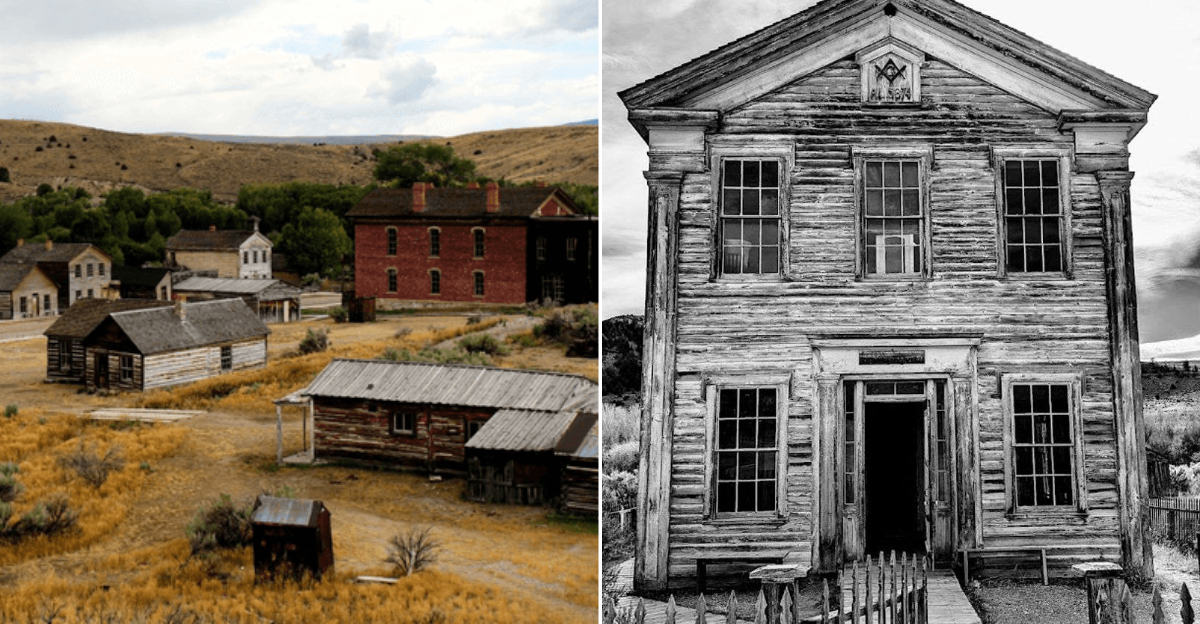
A gold nugget pulled from a creek in 1862 turned a quiet patch of Montana into a roaring boomtown of three thousand souls. Within two years, that same settlement became the territory’s very first capital.
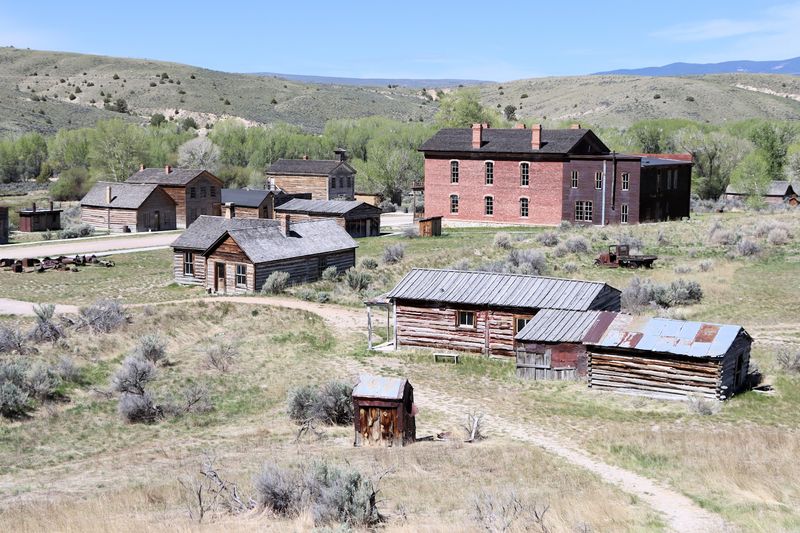
But the gold quickly faded, and the town fell silent, leaving behind more than sixty weathered buildings that still stand today as one of the most well-preserved ghost towns west of the Mississippi. You can walk through the old schoolhouse, the church, the jail, and the Masonic Lodge, all kept in their authentic state of decay.
The town also earned a darker place in history as the birthplace of vigilante justice, where a corrupt sheriff was hanged from a cottonwood tree. The name itself honors a local Native American band who lived here long before the gold seekers arrived.
So which Montana landmark lets you wander through a gold-rush time capsule where the only sounds are wind and creaking floorboards?
Head to Bannack State Park near Dillon, and step straight into the 1860s. The buildings are empty, but the stories are everywhere.
A Gold Strike On Grasshopper Creek In 1862
You step out, and the first thing you hear is the creek working past willows, busy without making a scene. Grasshopper Creek looks modest, almost shy, and that is the best part, because big stories often start quietly.
Stand by the riffles, and you can feel how a simple glint in a shallow bend might flip a whole valley on its head.
Look at the gravel bars and the soft bends where water slows, then imagine a pan dipped with casual curiosity, and a speck catching stubborn sunlight. Do you feel your shoulders tip forward, like you might try it, even knowing life is different now?
The calm here is tricky, because it invites your mind to wander into choices that once moved families, wagons, and unsteady promises.
Follow the footpath and watch how the cottonwoods frame the sky with patient hands. The bank breathes a cool smell of water and iron, and the breeze carries timber whispers from the town uphill.
You and I are just visitors, but this creek holds the first spark, and it still glows if you let your eyes settle. Let the sound pull you along, one bend at a time, until the town begins speaking in doorways and thresholds.
Montana’s First Major Gold Discovery
Here is where I tell you exactly where to point the car so you do not second guess it later. Bannack State Park, 4200 Bannack Road, Dillon, Montana 59725, sits beyond rolling sage and a sky that barely seems to land.
Pull up slow, because the first look down Main Street deserves a breath you actually notice.
This was the moment when a quiet creek turned into a crossroads with stakes higher than anyone could count. Think about how word travels among tired campfires, then picture boots showing up from every compass point, hungry for luck.
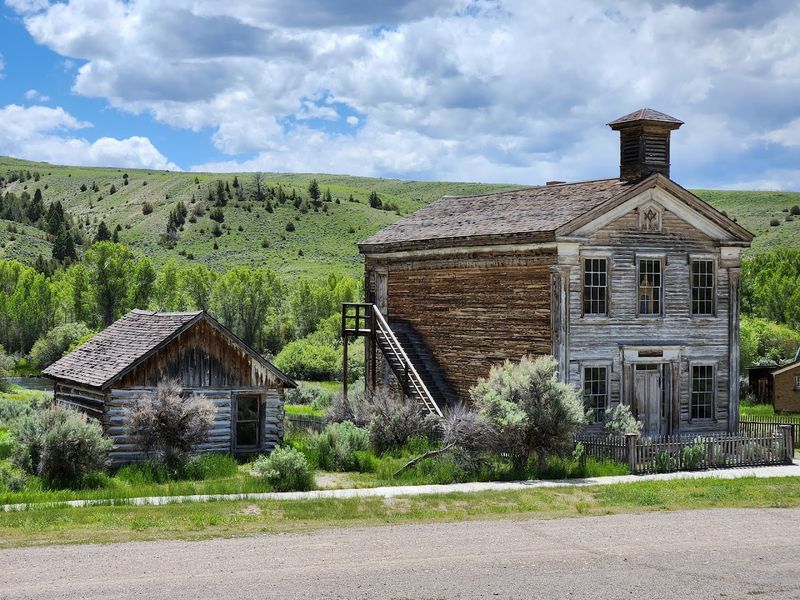
You can stand between the Hotel Meade and the schoolhouse and feel that first rush still humming, like a wire in the wind.
Montana history is not a shelf of trophies here, it is a porch with rough boards and a door latch that still catches. Walk past the jail, then the lodge, and let your fingertips float near the siding without quite touching.
That gap matters, because the story is close, and respect keeps it close. When the clouds drag shadows across the street, the place seems to nod, almost grateful you came ready to listen.
You wanted the real thing, right? It is right here, standing quiet, but not asleep.
A Boomtown Of Thousands Within One Year
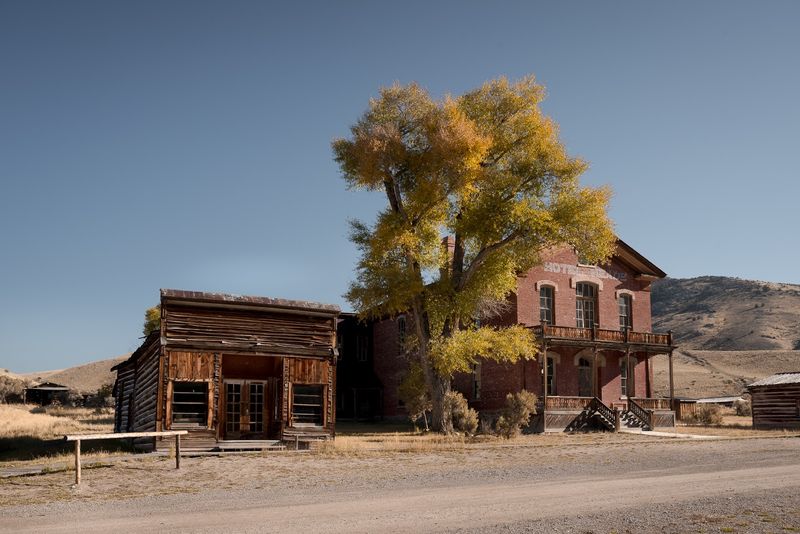
Picture this street suddenly loud with voices, wagons rattling, and shovels clinking like a restless metronome. It happened faster than a map could keep up, and the town swelled into a maze of deals, hopes, and fast-talking plans.
Stand in the middle of the road and the quiet pretends to be permanent, but your ears start filling in the past anyway.
I like to pause by the mercantile and look toward the ridge, because it feels like the horizon is waiting for a signal that never quite arrives. You can almost sense tents giving way to cabins, and cabins stretching into ambivalent prosperity.
The false fronts rise like stage sets, except the sides and back rooms still carry nail heads and stubborn dust that never learned to leave.
Ask yourself what you would have done if you showed up with little more than grit and a borrowed shovel. Would you chase the creek, stake a patch, or try your hand at selling tools to the anxious and lucky?
The town answers with a shrug and a smile, like an old card dealer who has seen every bluff. That is the Bannack tempo: acceleration, collision, and then this deep aftersound that lingers in the boards under your feet.
The First Territorial Capital In 1864
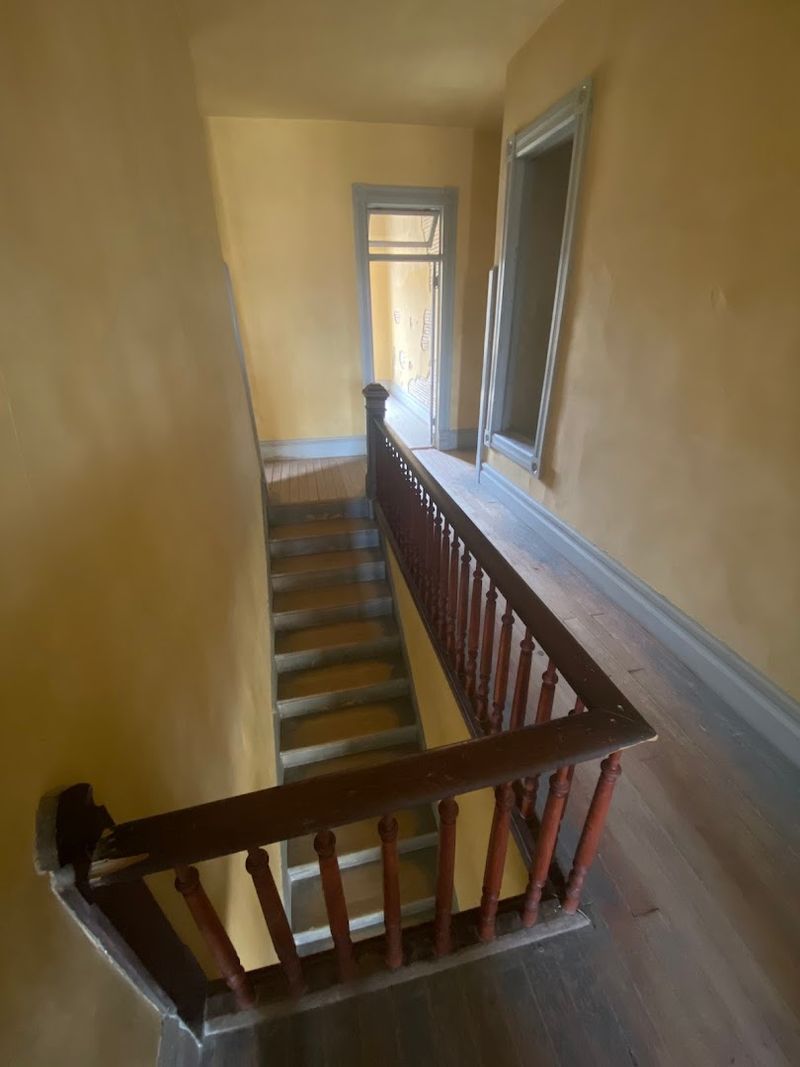
Let us slip inside the big brick place and let the stairwell do the talking. The banister is smooth from countless hands, and the windows pour in light that feels older than it should.
This is where decisions gathered, not abstract or glamorous, just necessary and heavy enough to change direction.
Walk softly and listen to your steps stack up behind you, like previous visitors are keeping pace out of habit. Rooms open onto rooms, and each doorway frames another pause, another what now that leaders had to answer.
Montana did not simply appear on a map; it took meetings, paper, and people willing to nudge chaos into a workable lane.
You do not need a guide whispering trivia to feel the weight here. A hallway draft will do it, and the scuff on a threshold, and the echo that returns slower than your stride.
Lean against the wall and let the afternoon settle, then look back down the stairs as if someone might rise with news. It is funny how a quiet building can carry civic thunder without raising its voice.
That is the elegant trick of Bannack: history that stands upright, unhurried, and generous with its stillness.
Sheriff Henry Plummer And The Secret Gang
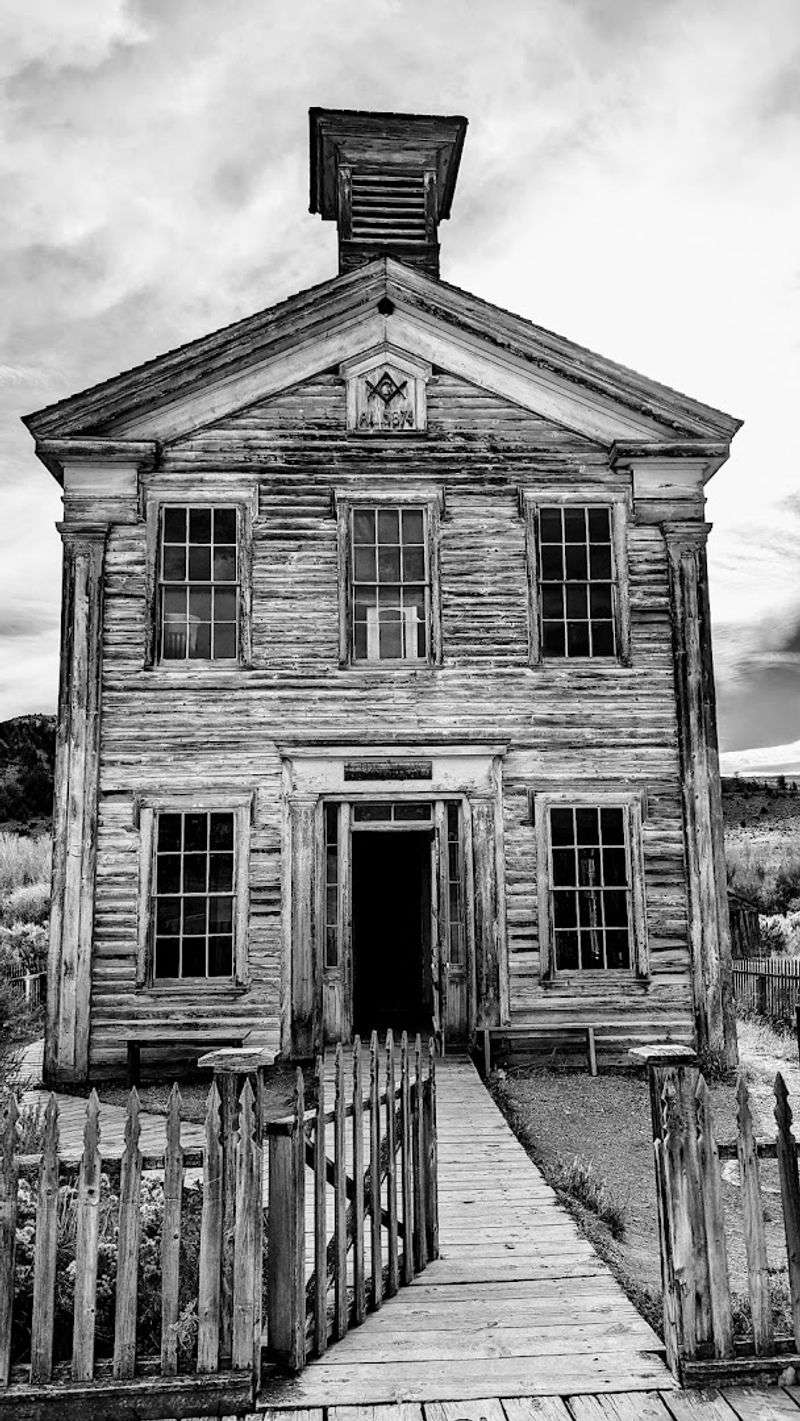
This is the part of the story where the air cools a notch, even under a bright sky. You stop by the jail and glance at the barred window, and imagination does the rest, stitching rumors to splinters.
The town had lawmen with complicated reputations, and folks who preferred shadows to porches.
I will not pretend to solve anything standing here, and that feels honest. Instead, look at the gap under the door and the way light drips through like a slow confession.
You can sense uneasy alliances, bets placed under the table, and the strange math of rough places where safety keeps changing addresses.
Montana lore loves this chapter, but the building itself asks for quieter listening. Let the cool settle on your arms, and notice how your voice drops without meaning to.
Would you have felt brave, or just careful, walking this street at night while secrets moved like a second wind? The boards answer with tiny creaks, which is Bannack’s way of saying the past is layered, and not every layer agrees.
Keep walking with a steady breath, and the town will keep talking back in its own measured cadence.
The Montana Vigilantes And The Bannack Gallows
You want to see the spot that makes everyone go quiet without being asked? The gallows sit out there with a plainness that feels intentional, like a sign written in the simplest possible hand.
Nothing sensational, just angles of timber that still hold a decisive, uneasy memory.
I stand a little off to the side and let the wind say most of it. It rushes through the frame, low and steady, and carries that stern feeling of communities drawing a hard line.
The questions are bigger than any answer you or I could give, but it helps to feel them in the open air.
From here, the town below looks smaller and strangely tender, like a place that wanted order more than drama. Montana stories often come with that frontier balance: mercy weighed against survival, patience tested by danger that did not keep office hours.
Do you feel your shoulders square while you look, almost like posture is part of paying respect? When you finally turn away, the path back to Main Street seems longer, which is the point.
This landscape asks you to carry what you learned, not leave it at the fence.
Over Fifty Original Structures Still Standing
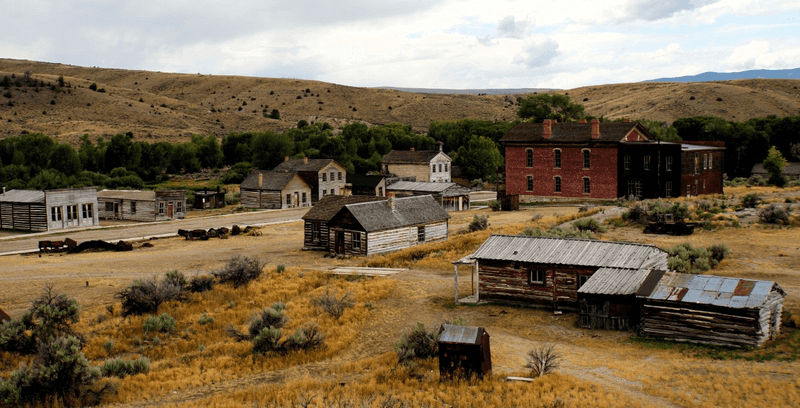
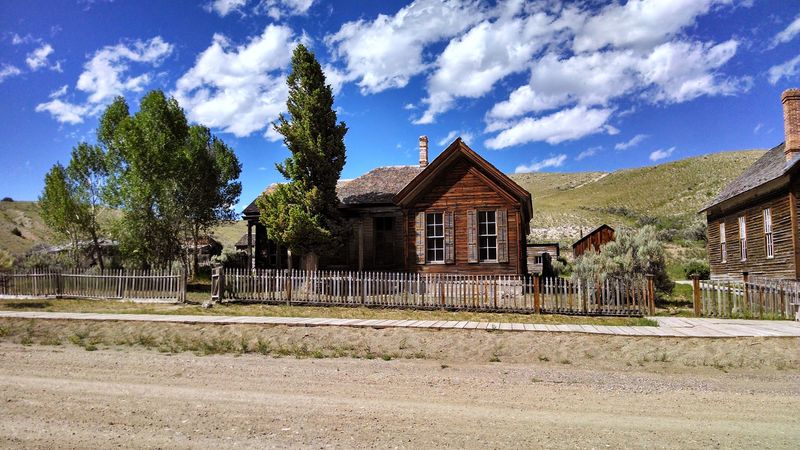
Main Street feels like a long breath you take without hurrying, because the buildings do not rush you. Log cabins lean with friendly confidence, and the false fronts keep their poker faces, proud but a little scuffed.
The whole place reads like a journal written in boards and nails, open to anyone willing to read slowly.
Walk the boardwalks, and let your steps find that steady rhythm old towns seem to prefer. Each doorway frames a small museum of air, light, and memory, and not a single exhibit is behind glass.
You will notice saddle marks on rails, windowpanes with uneven waves, and door hardware that still remembers purposeful hands.
People love to count, but I like to wander and let the structures introduce themselves one by one. It is friendlier that way, and you catch details that numbers never notice.
Montana sun paints these fronts with changing moods through the day, and the shadows braid themselves into corners like quiet companions. Are you the kind of person who lingers until the smallest creak finally explains itself?
Then this stretch will feel like a conversation you have been trying to finish for ages, and today you finally have time.
A National Historic Landmark Since 1961
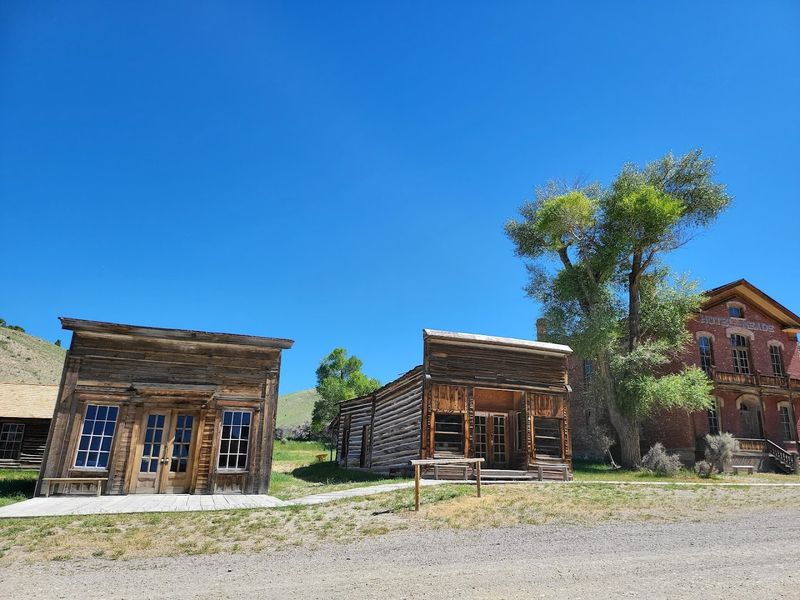
The designation sounds official, and it is, but out here it feels more like a promise kept. Someone said, this story matters, and then they backed it up with care, steady maintenance, and an open gate.
You feel that commitment in the clean paths, the thoughtful signs, and the way the buildings breathe rather than pose.
I like when preservation shows its seams, because honesty makes old places feel alive. A bit of peeling paint, a window latch that needs coaxing, and boards that answer with soft groans are part of the truth.
The label is a badge, sure, but the experience is the handshake you get once you arrive and look around without hurrying.
Montana takes pride in keeping this town standing without sanding off its character, and you can sense that care in small decisions. Paths are gentle on the grass, rooms are left with their working silence, and explanations never shout.
Does that land with you the way it lands with me, like respect instead of spectacle? When you leave, the stamp that matters is the one on your memory, where the street lines up again the next time you close your eyes.
Walk A Main Street Frozen In Time
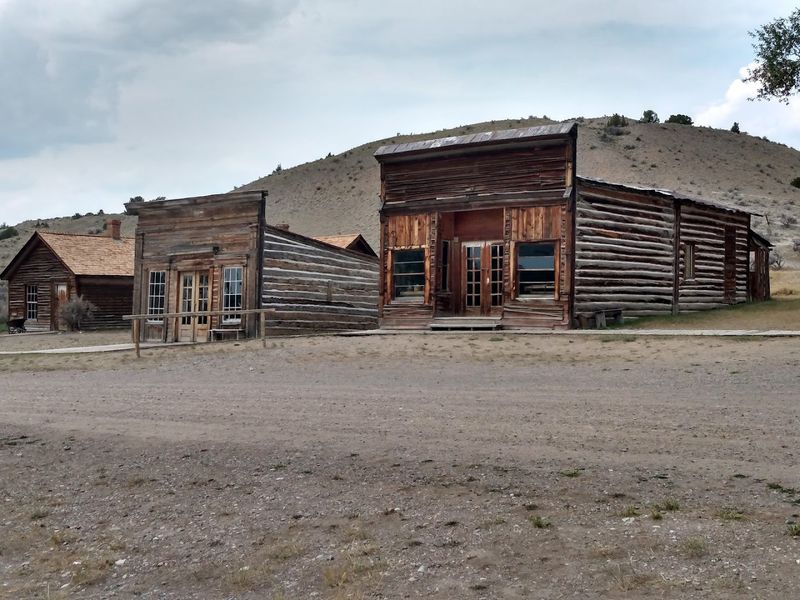
Let us do the easy thing and just walk, because that is how this place starts telling the truth. Your steps fall into the same patient meter that a thousand days once kept, and suddenly the street feels conversational.
The dust smells like sunbaked timber and sage, and the light pulls color from boards that looked gray at first glance.
Peer into storefronts without pushing the doors, and your imagination will supply the missing chatter. Chairs wait like they expect someone to return after a quick errand, and the counters seem prepared for news to land.
Even the nail heads look deliberate, shining a little where countless sleeves slid past while minds chased plans.
It is easy to forget the clock here, because nothing rushes and everything participates. Montana wind slips along the eaves with a friendly hand, and swallows thread the air like moving commas.
Do you notice how your voice drops into a visiting tone, as if the street appreciates courtesy? Keep walking until the shadows stitch together, and then turn around for one more slow pass, the kind that lets gratitude catch up with you.
One Last Look Before The Ghost Town Sleeps
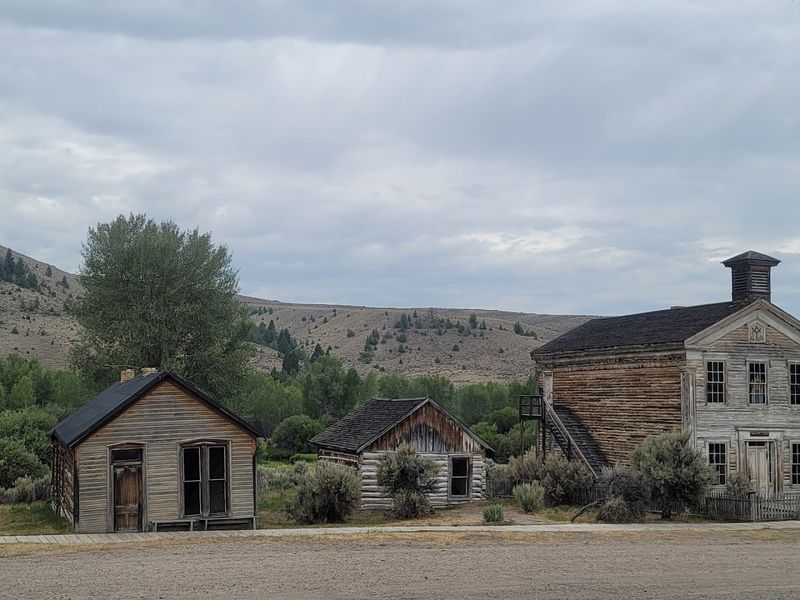
Evening is when Bannack gets into your head in the kindest way. The light thins, the creek settles, and the buildings relax into silhouettes that feel familiar after a single day.
You and I stand at the end of the street, and the quiet decides to sit with us for a moment.
This is the part where you choose a favorite doorway without telling anyone, like keeping a small promise with yourself. Maybe it is the schoolhouse, maybe the lodge, or maybe a cabin with a roofline that seems to smile.
The wind forgets to hurry, and you realize you have been breathing easier since you arrived.
Montana evenings know how to close a scene without any fuss. The town never pretends to be alive in the usual way, and that is exactly why it feels present.
Ready to walk back to the car with unhurried steps, the kind that seal a memory? Take one last look over your shoulder, let the boards turn quiet again, and promise yourself you will return when the sky looks like this.
