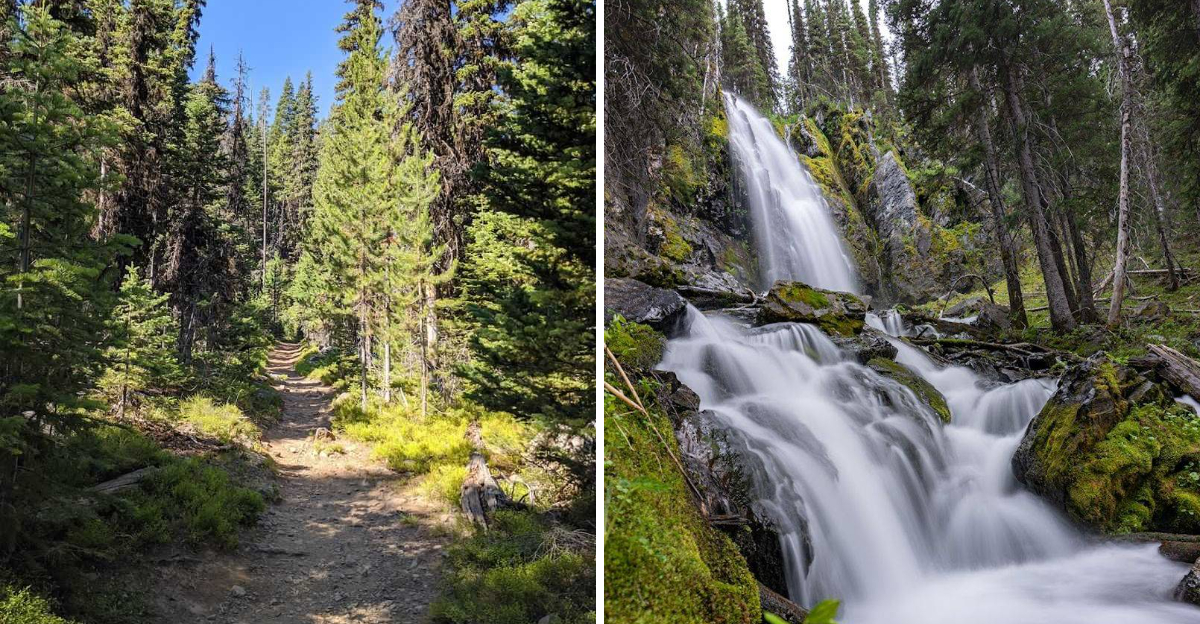
You start on the trail and immediately understand why it is called Strawberry. Not because of the fruit, but because it is just that sweet.
The first waterfall appears sooner than you expect, which is a nice little confidence boost. You will stand there getting misted in the face and smiling like an idiot.
Then the trail climbs a bit and your legs start to complain. Keep going because the high country meadows are worth every heavy breath.
Wildflowers explode with color if you hit the right season. The lake at the top is so clear you will want to jump in, even though it is freezing.
You will see maybe five people the entire time. That is the real reward right there.
The Trailhead at Strawberry Campground
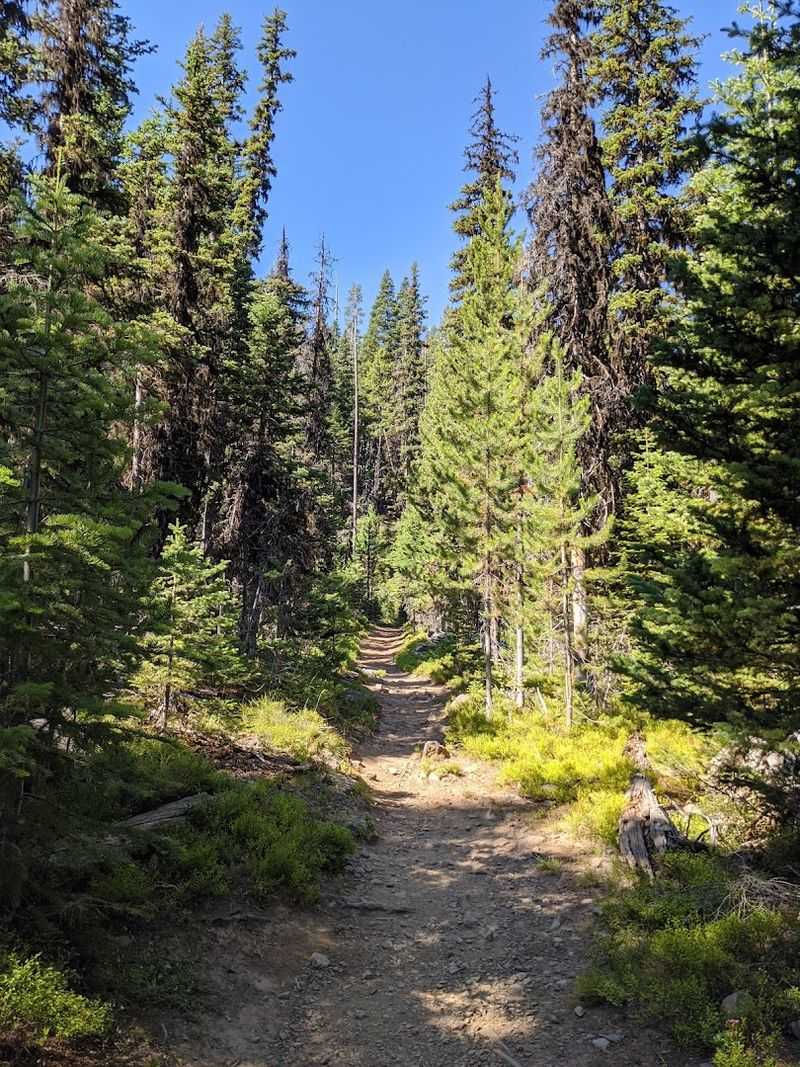
Standing at the Strawberry Campground trailhead felt like the start of something real. The air smelled of pine resin and dry earth.
A wooden sign pointed toward the lake, and I was already moving.
The campground sits at the base of the Strawberry Mountain Wilderness. It serves as the main launch point for the loop trail.
Parking is available here, but spots fill quickly on summer weekends.
Arriving early makes a big difference. The trailhead is well-marked and easy to find.
Most hikers start here to tackle the lake section first before heading toward the falls.
The campground itself has basic amenities, including restrooms and picnic tables. It is a practical spot to organize your gear before heading out.
Bring plenty of water, since the trail gains elevation steadily from this point.
First-timers will appreciate the clear signage at the start. The path begins wide and manageable.
It gives you just enough confidence before the terrain starts asking more of your legs.
The 1.8-Mile Climb to Strawberry Lake
The first stretch of trail moves uphill through a dense forest of ponderosa pine and fir. It is steady work, but nothing that will leave you gasping.
The grade is consistent and the footing is solid.
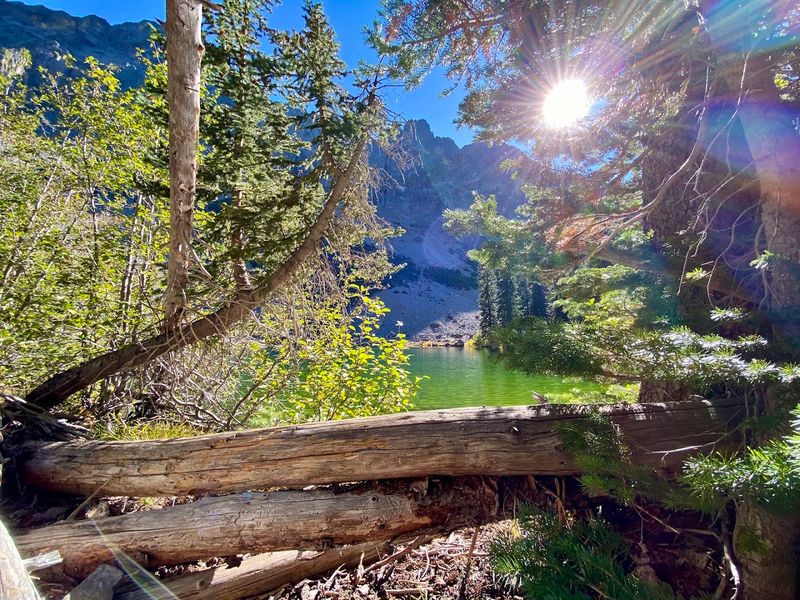
At roughly 1.8 miles, the trees begin to thin out. You catch your first glimpse of Strawberry Lake through the branches.
That moment of seeing the water always lands with a small jolt of excitement.
The trail is considered moderate for this section. Kids and casual hikers handle it well with proper footwear.
Trekking poles help on the steeper pitches closer to the lake basin.
Wildlife sightings along this stretch are common. Mule deer move quietly through the underbrush in the early morning.
Keep your eyes up and your steps soft for the best chance of spotting them.
The forest here has a calm, cathedral-like quality. Sunlight filters through in long golden shafts.
It is the kind of walking that clears your head without you even noticing it happening.
Strawberry Lake Itself
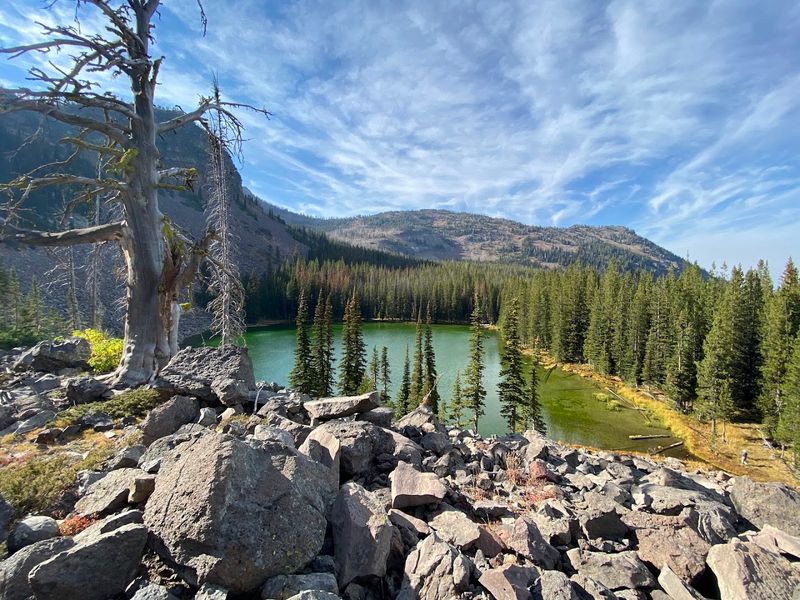
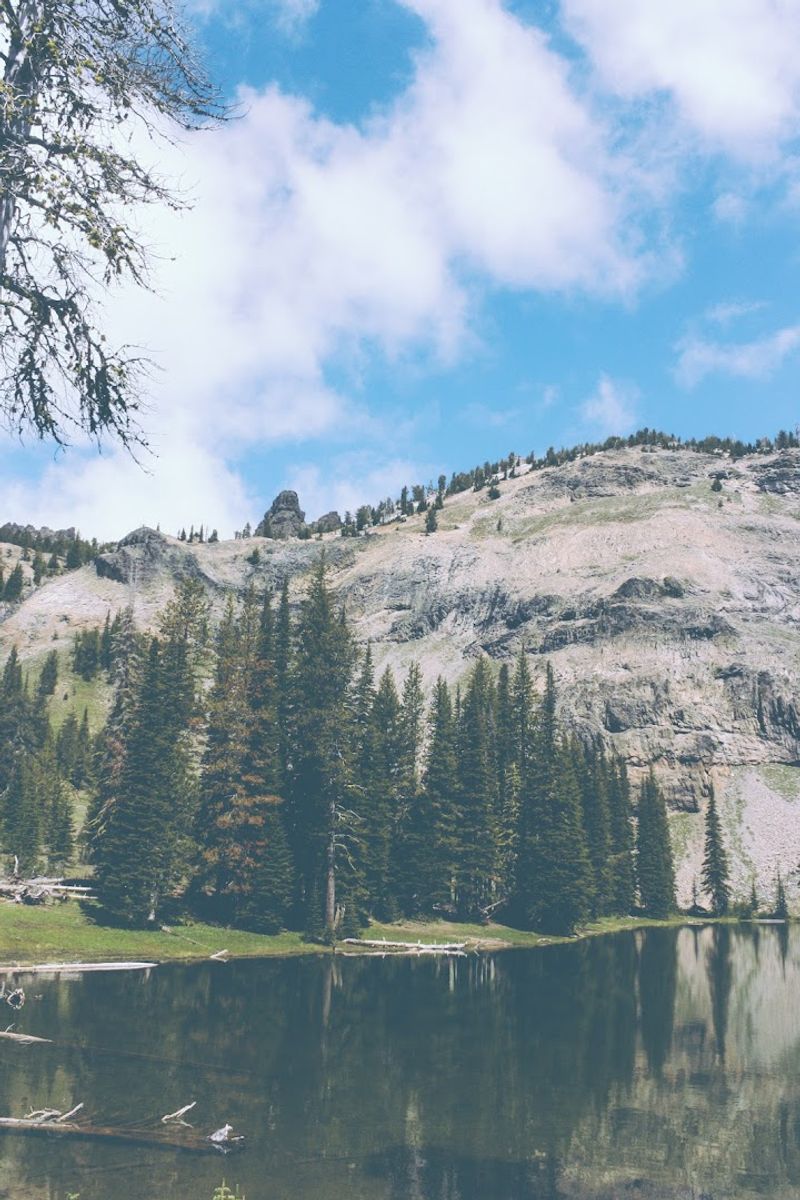
Strawberry Lake sits in a granite-rimmed basin at about 5,900 feet elevation. The water is remarkably clear.
On calm mornings, the surrounding ridges reflect perfectly on the surface.
The lake is popular for fishing and has been for generations. Visitors have been pulling trout from these waters for decades.
A flat rocky shoreline makes it easy to find a quiet spot to sit and take it all in.
Swimming is also an option in summer, though the water stays cold. It is the kind of cold that makes you gasp and then laugh.
Worth it on a hot August afternoon.
Wildflowers ring the meadow edges near the lake in mid-summer. Lupine and paintbrush add vivid splashes of color against the green.
The whole scene feels almost too picturesque to be real.
Families often stop here and turn around, which is a perfectly valid choice. The lake alone justifies the hike.
But the trail ahead holds even more, and most people who reach the water keep going.
Strawberry Falls and the Extra Mile
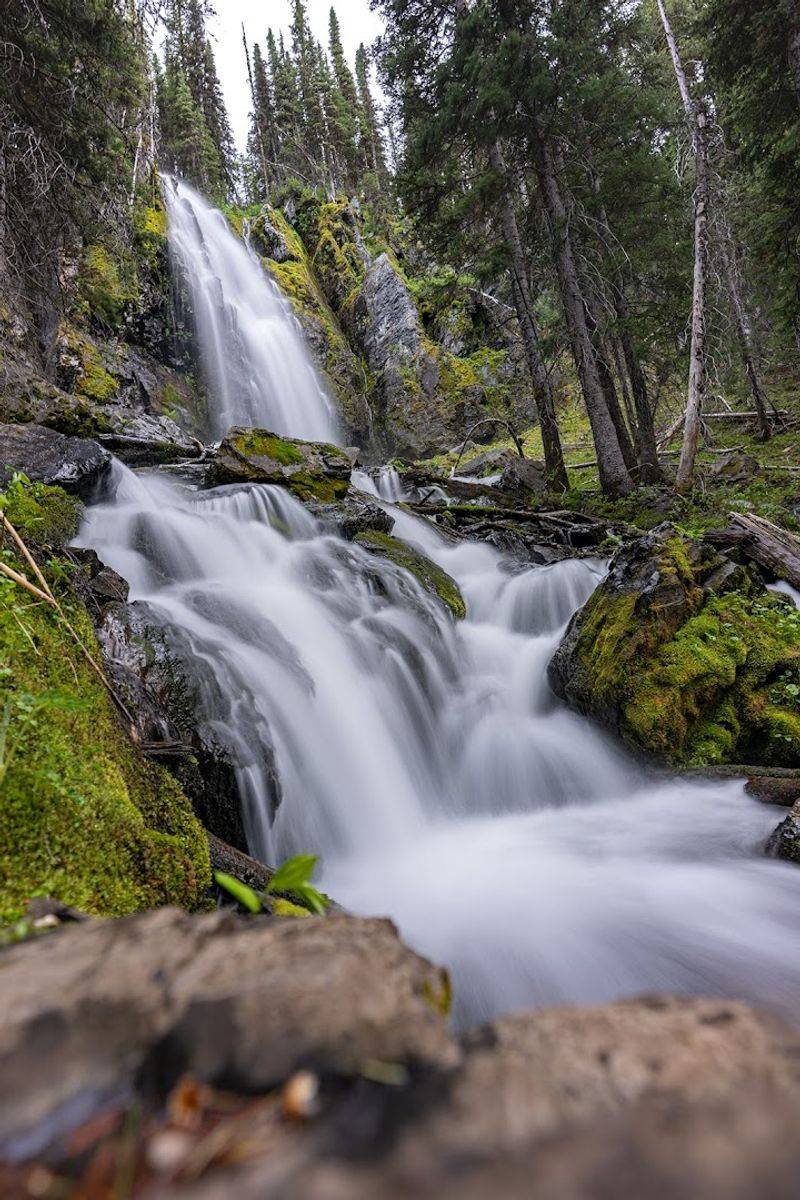
Past the lake, the trail pushes another 1.5 miles toward Strawberry Falls. This section is noticeably tougher.
The path narrows and the elevation gain picks up.
The falls come into earshot before they come into view. You hear the rush of water first.
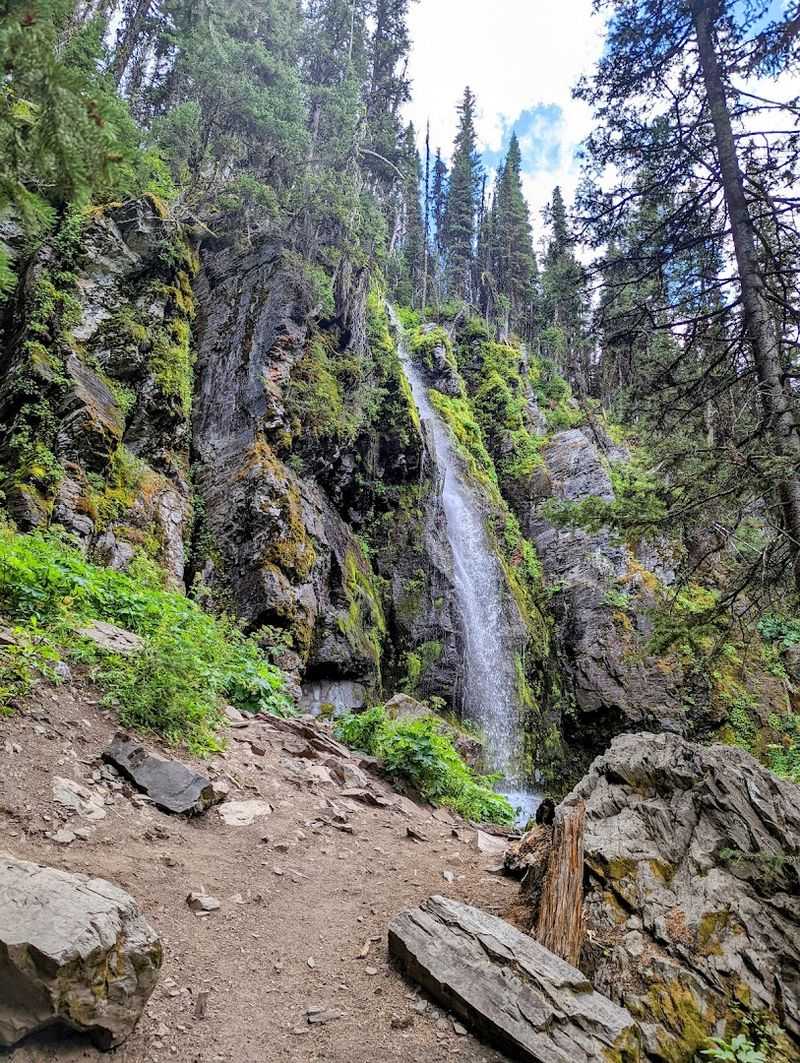
Then the trees part and there it is, a tall cascade dropping down a dark basalt cliff face.
Strawberry Falls is one of those sights that stops you mid-step. The spray reaches the trail on windy days.
Standing near the base feels genuinely refreshing after the climb.
The rock around the falls is often slick, so careful footing matters here. Stick to the designated viewing areas.
Getting too close to the edge is not worth the risk.
The falls are fed by snowmelt and run strongest in late spring and early summer. By late August, the flow slows but remains scenic.
Timing your visit for June or July gives you the most dramatic water display.
High-Country Meadows Along the Route
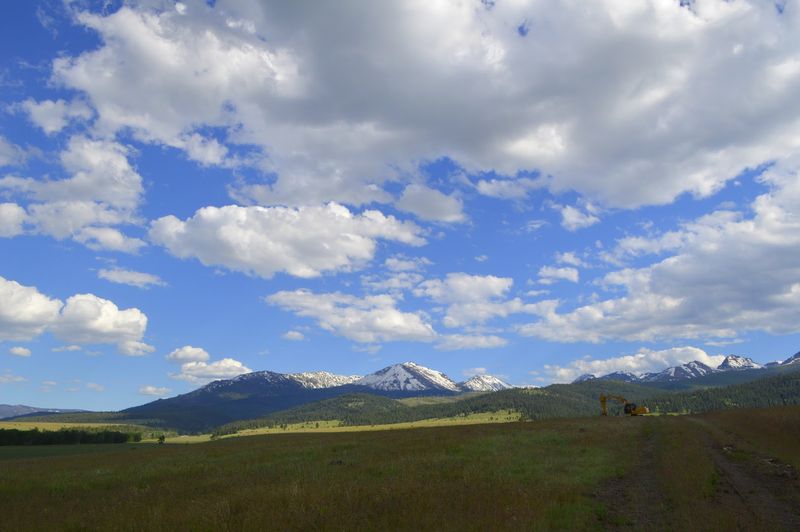
Above the falls, the landscape opens up completely. The forest gives way to rolling high-country meadows.
The shift in scenery feels almost dramatic after the enclosed forest trail below.
In August, these meadows are carpeted with wildflowers. Indian paintbrush, asters, and wild phlox bloom in dense patches.
The color contrast against the dry grass is genuinely stunning.
The meadows also offer wide, unobstructed views of the surrounding ridgelines. You can see for miles in every direction.
The sense of space up here is something city life rarely offers.
Wind moves through the grass in visible waves. Hawks circle overhead without effort.
Sitting down in the middle of one of these meadows for a few minutes changes your whole relationship with the hike.
Trail markers are spaced across the open ground to keep hikers on track. Pay attention to them, since it is easy to wander in open terrain.
The loop route continues clearly once you re-enter the tree line on the far side.
The Summit Push Toward Strawberry Mountain
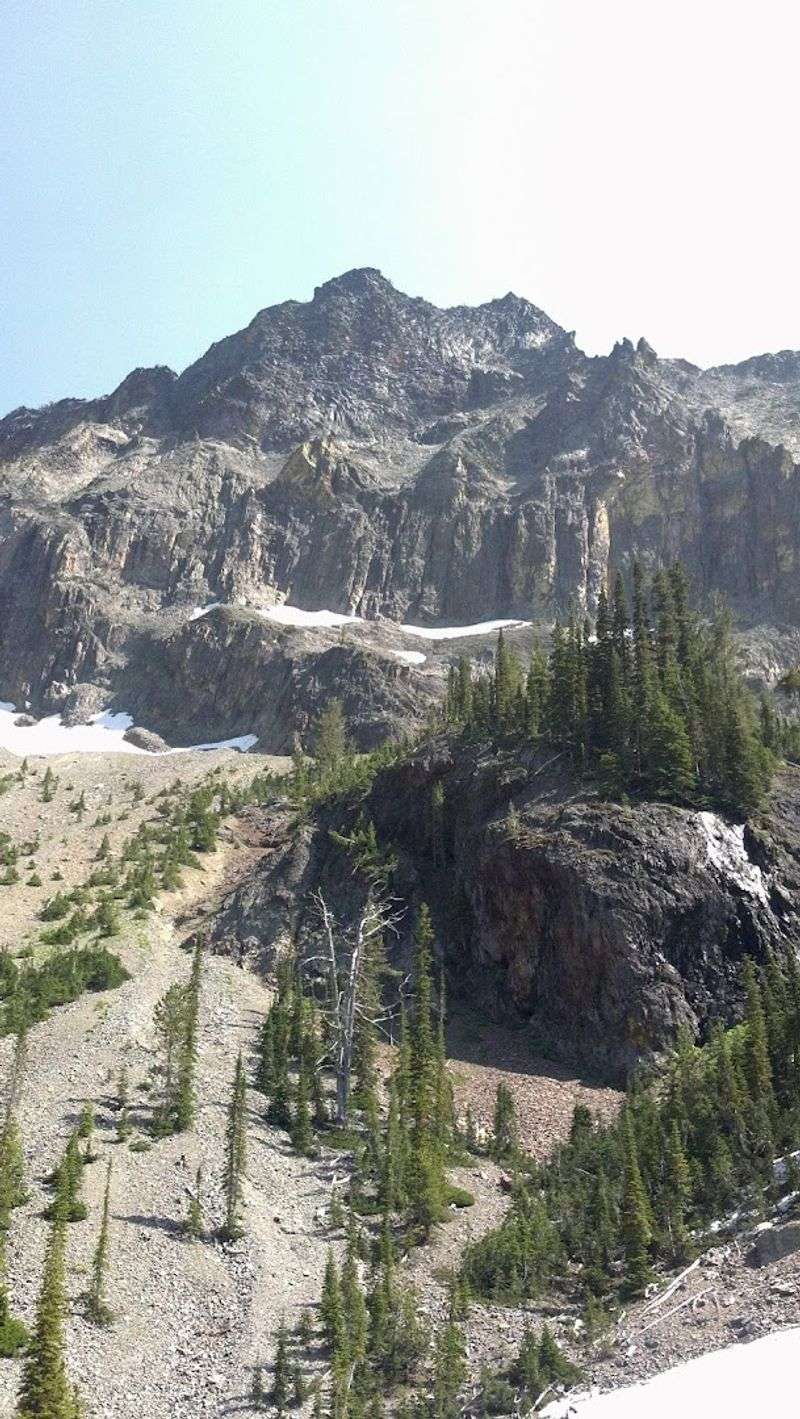
For hikers who want more, the summit of Strawberry Mountain waits at just over 9,000 feet. It adds significant distance and effort to the day.
But the views from the top are the kind that make you forget your tired legs entirely.
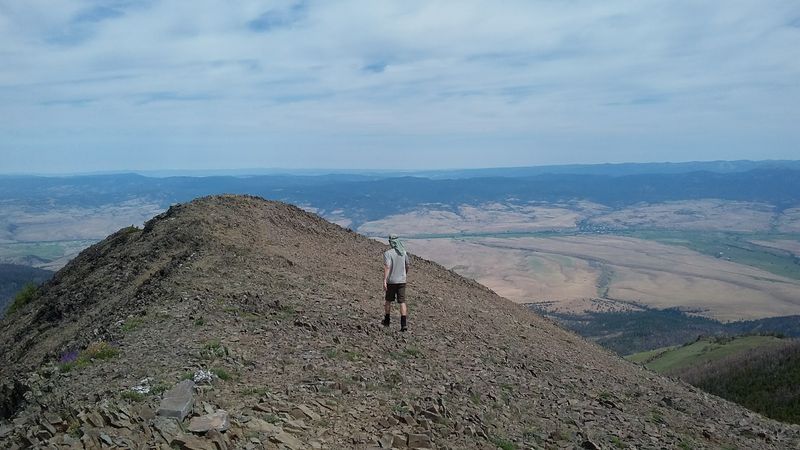
The upper section of the route involves some scrambling over shale rock. There is one short but steep section just below the summit that requires real effort.
Some hikers use their hands to get through it.
Snow lingers near the top well into summer. Patches of it can make the final approach slippery.
Microspikes or careful footwork help on the icy sections.
The summit rewards with a 360-degree panorama of eastern Oregon. Distant ranges stack up on the horizon like layers of watercolor.
On clear days, the views stretch beyond what the eye can comfortably measure.
Not everyone needs to summit to have a great day out here. The loop itself is deeply satisfying.
The mountain is simply there for those who want to push a little further into the sky.
Wildlife Watching in the Wilderness
The Strawberry Mountain Wilderness is alive in ways that catch you off guard. A mule deer stepping out of the brush twenty feet away has a way of stopping time.
The wilderness here is genuinely wild.
Birds are especially active along the lower trail near the lake. Stellar’s jays call loudly from the branches.
Smaller songbirds dart through the underbrush in quick flashes of movement.
Higher up, raptors ride the thermals above the meadows. Red-tailed hawks and golden eagles are both possible sightings.
Binoculars are worth the extra weight in your pack.
Ticks are present in this area, particularly in the brushy lower sections. Wearing a hat and long pants helps.
Checking yourself thoroughly after the hike is a smart habit.
The wilderness covers 69,350 acres, which means the animal population has real room to roam. Encounters feel natural rather than staged.
Coming in quietly and without loud music gives you the best odds of seeing something worth remembering.
Stargazing and Night Skies at the Campground
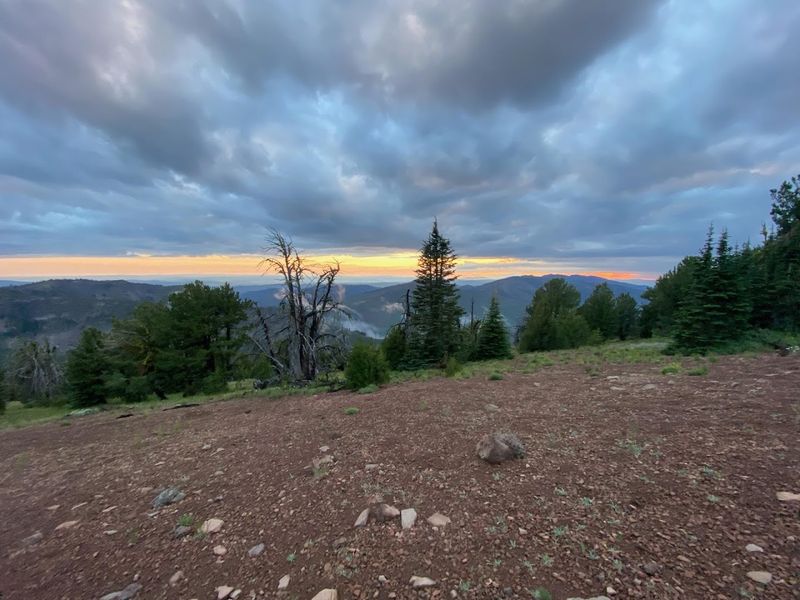
Eastern Oregon sits far from major city lights. That fact alone makes the night sky here something special.
The darkness above Strawberry Campground is the kind that makes the Milky Way look painted on.
Staying overnight at the campground pays off in a big way after sunset. Stars appear in numbers that feel almost excessive.
I counted constellations I had not seen since childhood.
The air cools quickly after dark, even in summer. A warm layer and a sleeping bag rated for lower temperatures make a real difference.
Nights here can dip surprisingly cold even in July and August.
No light pollution means your eyes adjust fully within minutes. The silence is equally striking.
You hear the trees moving, the occasional owl, and nothing else.
Bringing a simple star map or a phone app helps identify what you are seeing. It turns casual looking into something more engaging.
Mornings after a clear night tend to feel especially fresh and worth every early alarm.
Best Time to Visit and Seasonal Conditions
Timing a visit to the Strawberry Lake Loop makes a real difference in what you experience. The trail is typically accessible from late June through October.
Snow closes the upper sections well into early summer some years.
July and August offer the best combination of dry trails and peak wildflower bloom. The meadows are at their most colorful during these weeks.
Crowds are heavier then, but the scenery earns it.
September brings cooler temperatures and fewer people on the trail. The aspen groves near the lower sections begin to turn gold.
It is a quieter, moodier version of the same beautiful hike.
Spring visits are possible but come with muddy conditions and unpredictable snowpack. Waterproof boots become essential rather than optional.
The falls run loudest during this window, which is a real draw for some hikers.
Checking current trail conditions through the Malheur National Forest website before heading out is always a good idea. Road conditions to the trailhead can also vary.
A little planning saves a lot of frustration on the day of your hike.
Tips for Hiking the Full Loop Successfully
The full loop covers around 6.5 miles with significant elevation gain. It is manageable for most hikers in reasonable shape.
Starting early gives you cooler temperatures and better odds of a parking spot.
Water sources exist along the trail, but always carry more than you think you need. Filtering lake or stream water is an option with the right gear.
Dehydration sneaks up on people faster at elevation.
Layered clothing is smart even on warm days. Mountain weather shifts quickly in eastern Oregon.
A light rain jacket and an extra shirt weigh almost nothing but earn their place in your pack.
Trekking poles are genuinely useful on the steeper descents near the falls. Knee joints appreciate the extra support on the way back down.
This is especially true on loose gravel sections of the upper trail.
Leave no trace principles apply fully here. Pack out everything you bring in.
The wilderness stays beautiful because people treat it that way, and keeping that tradition alive is everyone’s job on the trail.
