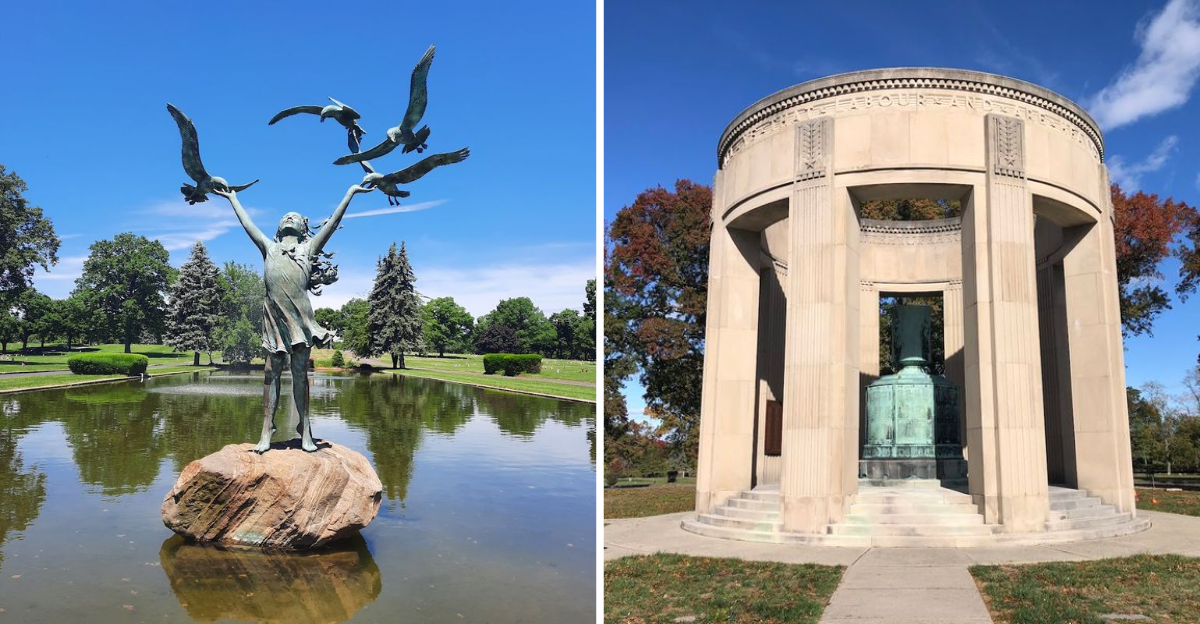
A cemetery is not usually the first place that comes to mind when you think of art. But this one breaks every expectation.
It was designed with intention, to be not just a resting place but a peaceful sanctuary filled with sculpture, landscape, and quiet beauty.
Winding paths lead you past ornate monuments, tranquil ponds, and carefully placed gardens that feel more like a park than a burial ground.
Families come not only to remember loved ones but also to simply walk, reflect, and appreciate the thoughtful design.
It is a place where grief meets grace, and where memory is honored through art.
New Jersey has created something unusually beautiful here. And it is worth a visit, even if you have no one to visit.
The Cemetery That Feels More Like A Sculpture Garden
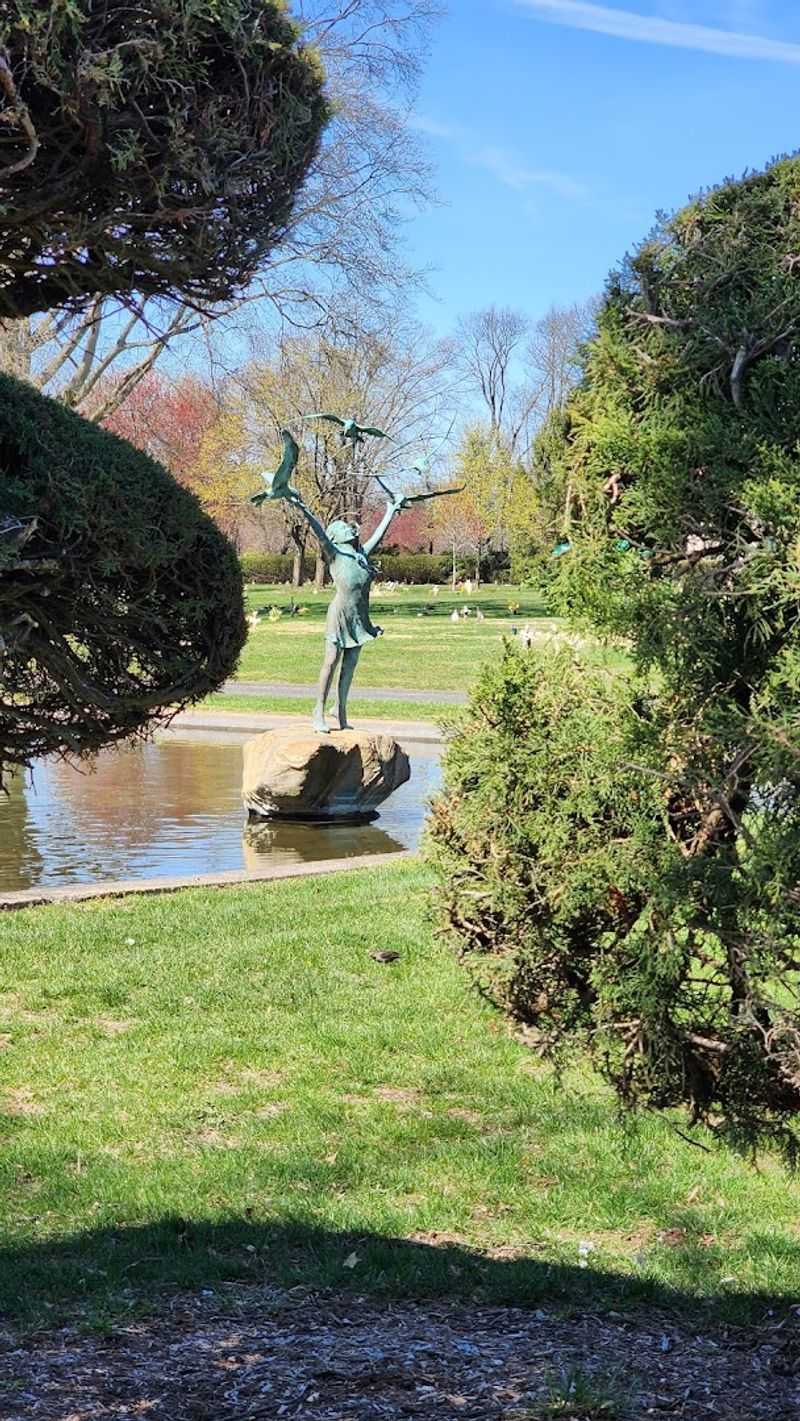
Walking through George Washington Memorial Park for the first time, you get the sense that someone with a very particular artistic vision had a lot of say in how this place came together.
The grounds feel curated in a way that surprises you, with sculptures and natural features placed thoughtfully across the landscape rather than crowded together.
Founded in 1939 as a non-profit, non-sectarian cemetery, the park was designed from the start to be more than a burial ground. The philosophy behind it was simple but powerful: a memorial park should celebrate life, not just mark its end.
Every corner of the property reflects that intention. Lush greenery frames stone memorials, open meadows invite slow walks, and the general atmosphere leans more toward reverence and wonder than grief.
It genuinely earns the comparison to a sculpture garden, and once you experience it firsthand, that description feels completely accurate rather than exaggerated.
A 98-Acre Sanctuary Hidden In Plain Sight
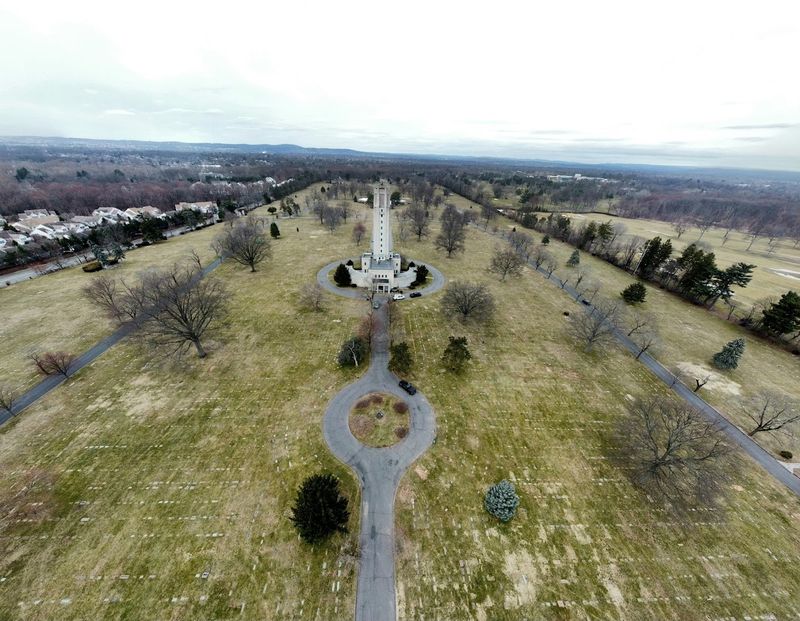
Ninety-eight acres sounds like a number until you are actually standing inside it, and then it feels almost impossible that something this spacious exists tucked into one of New Jersey’s busiest corridors.
George Washington Memorial Park stretches across a genuinely impressive footprint, with room enough for meadows, forests, wetlands, and ponds all coexisting within the same property.
That variety of habitat is part of what makes the park feel so removed from its surroundings. You can walk from an open sunlit field into a shaded wooded path within minutes, and the shift in atmosphere is immediate and calming.
The park manages to feel private and expansive at the same time, which is a rare combination anywhere, let alone in northern New Jersey.
For visitors who arrive expecting a compact, conventional cemetery, the sheer scale of the grounds tends to be the first and most pleasant surprise of the entire experience.
Space here is generous and intentional.
A Kneeling Washington Statue You Won’t Find Anywhere Else
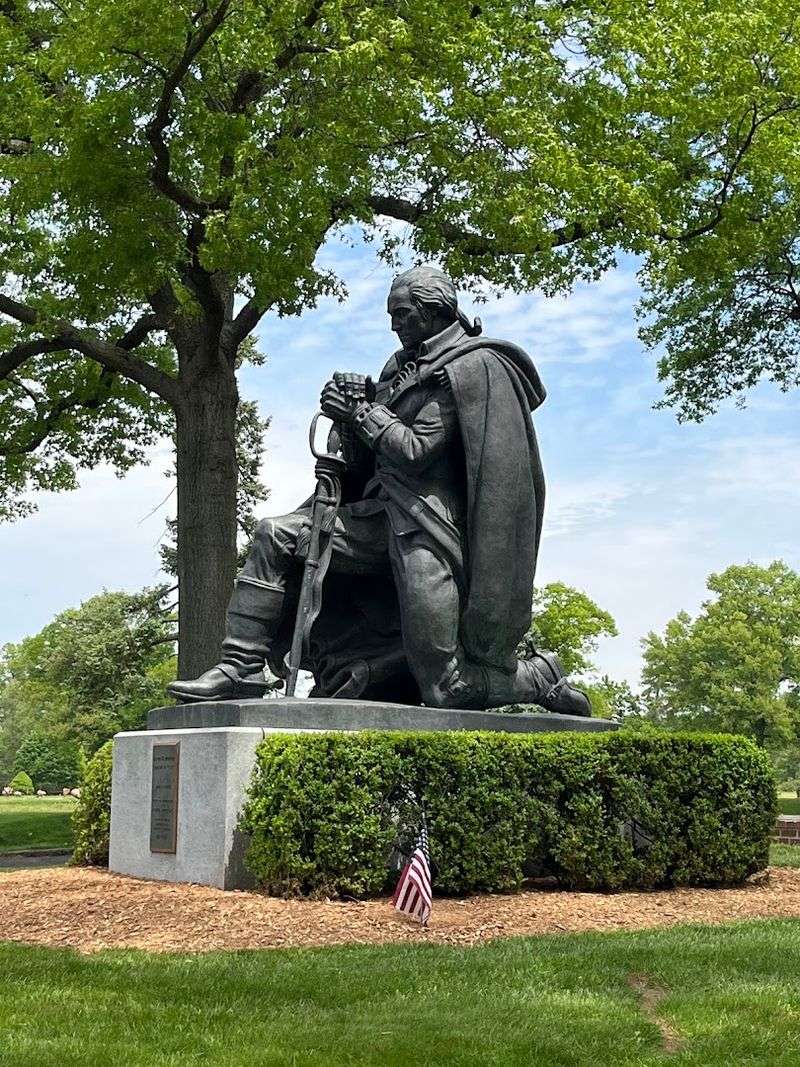
There is a moment when you first see the bronze statue of George Washington kneeling in prayer, and it genuinely stops you mid-step.
Standing 9.5 feet tall on a three-foot granite base and weighing more than three tons, this sculpture commands the kind of attention that most public monuments spend decades trying to earn.
The depiction is unusual. Most statues of Washington show him standing tall or seated in authority, but this one captures something quieter and more personal, a figure bent in humility and reflection.
That choice of pose transforms the piece into something deeply moving rather than simply impressive.
What makes it even more remarkable is that you will not find another statue quite like this one anywhere else. It is singular in its subject matter and execution, giving the park a visual centerpiece that anchors the entire space with historical weight and emotional resonance.
Visitors tend to linger here longer than anywhere else on the grounds.
The Artist Behind The Sculpture Called It His Favorite Work
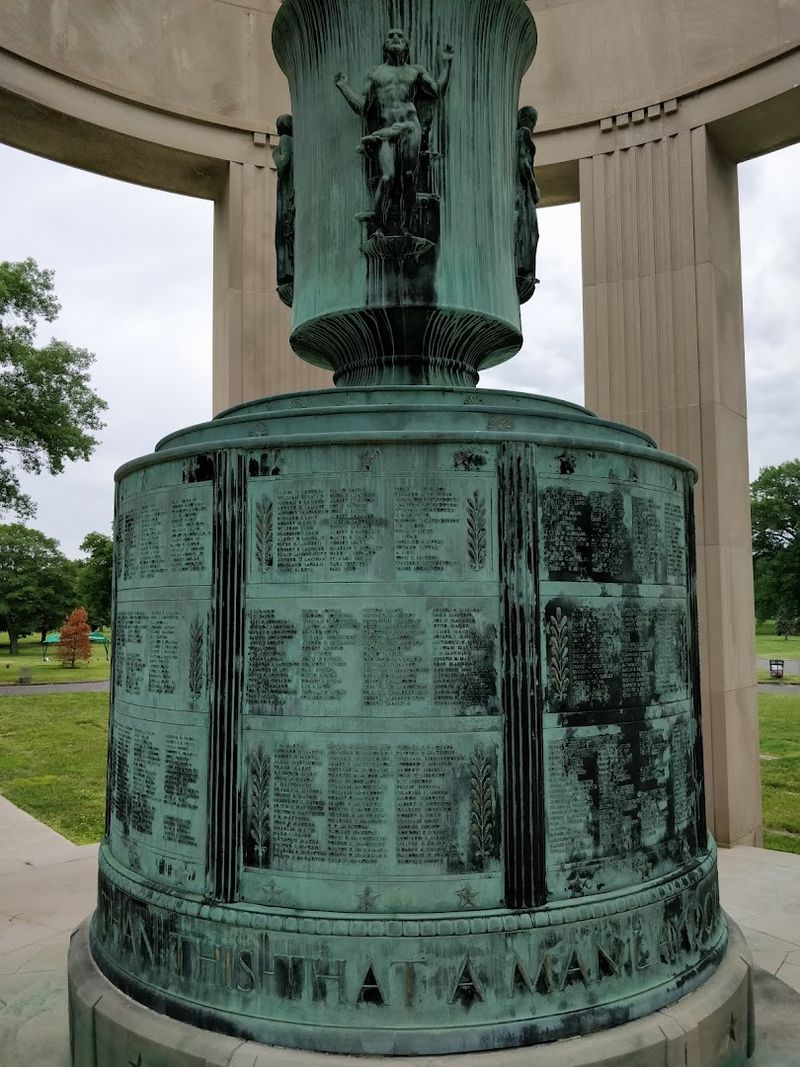
Donald DeLue was the sculptor behind the park’s most iconic piece, and his name carries real weight in American art history.
Known for monumental bronze works with extraordinary emotional depth, DeLue brought a level of craftsmanship to this commission that elevates it well beyond a standard memorial sculpture.
The detail work on the kneeling Washington figure is genuinely meticulous. From the folds in the fabric to the posture of the hands, every element of the piece reflects an artist who approached the subject with both technical precision and genuine feeling.
That combination is harder to achieve than it sounds.
DeLue completed numerous celebrated works throughout his career, and the George Washington statue stands as a particularly strong example of his ability to translate historical reverence into physical form. Spending time in front of the sculpture, you can feel the intentionality behind every curve and angle.
It is the kind of work that rewards careful looking, not just a quick glance as you pass by.
A Griffin Sundial And Other Artistic Surprises
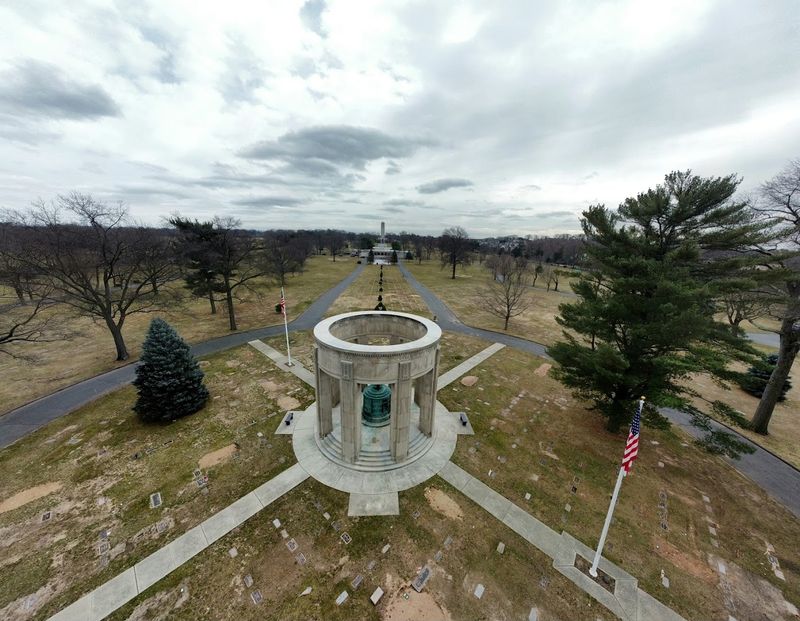
Finding a griffin sundial tucked into the grounds of a New Jersey cemetery is not something most people put on their weekend bingo card, but here it is, and it is genuinely delightful.
The ground-level horizontal dial features a bronze statuette of a griffin serving as its gnomon, a design choice rooted in George Washington’s personal coat of arms.
The griffin connection gives the piece a layer of historical meaning that rewards curious visitors who take the time to look closely. It is functional, artistic, and quietly educational all at once, which is a combination worth appreciating.
The park also features the All Faith’s Memorial Tower, a distinctive stone and wood-frame structure originally built in 1900 as part of an earlier landscaped estate on the property. Now it serves as a landmark for memorial services and quiet reflection.
Between the sundial and the tower, the park offers enough unexpected artistic details to keep you exploring long after you think you have seen everything. Surprises keep appearing.
The Grounds Are So Peaceful You Would Forget You’re Near The City
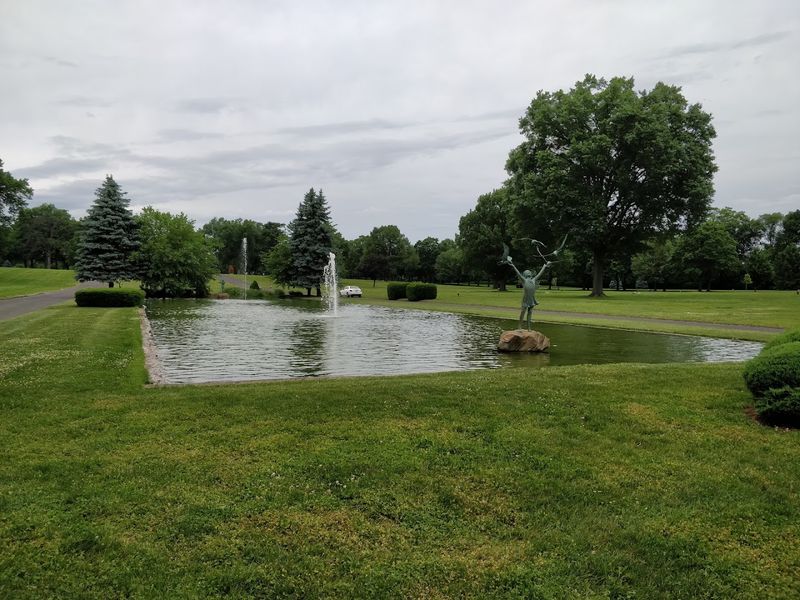
There is something almost disorienting about standing in the middle of George Washington Memorial Park and realizing that a busy suburban highway is just beyond the tree line.
The park does an exceptional job of insulating visitors from that noise, wrapping you instead in meadows, forests, and the soft sound of moving water.
A small waterfall and a reflective pond sit within the grounds, and both features contribute enormously to the overall sense of calm. Sitting near the water for even a few minutes resets something in you that the commute over probably scrambled.
Comfortable seating areas are scattered throughout the property, placed in spots that seem chosen for their views rather than just their convenience.
The varied habitats, from open meadow to dense woodland to quiet wetland, give the park a natural richness that feels genuinely restorative.
You can spend an hour here and emerge feeling like you took a much longer break from everything. That quality is rare and worth seeking out.
How A 1939 Cemetery Became An Artistic Destination
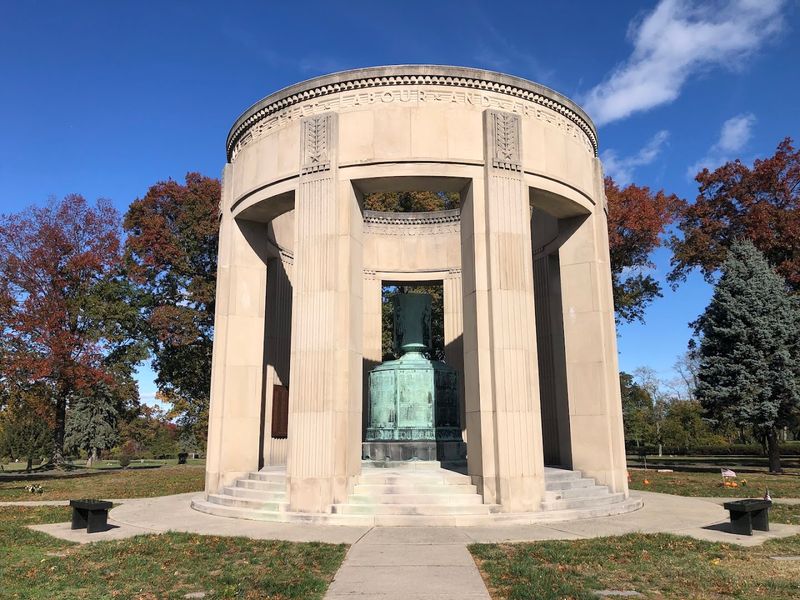
When George Washington Memorial Park opened in 1939, the founders were working with a piece of land that already carried historical significance.
General George Washington and his troops had moved through this area during the Revolutionary War, and that connection to American history was built into the park’s identity from the very beginning.
Rather than treating the land as simply functional space, the founding association committed to a vision of memorial grounds that would honor both the dead and the living.
That meant investing in exceptional landscaping, meaningful sculptures, and architectural features that gave the park genuine artistic character over time.
Decades of careful stewardship have allowed that original vision to mature into something substantial. The park did not become an artistic destination through a single dramatic gesture but through consistent, thoughtful decisions made across generations of management.
The result is a place where history, nature, and art have had enough time to grow together into something cohesive and genuinely moving. That kind of depth takes time to build.
Why Visitors Call This Place Serene And Beautiful
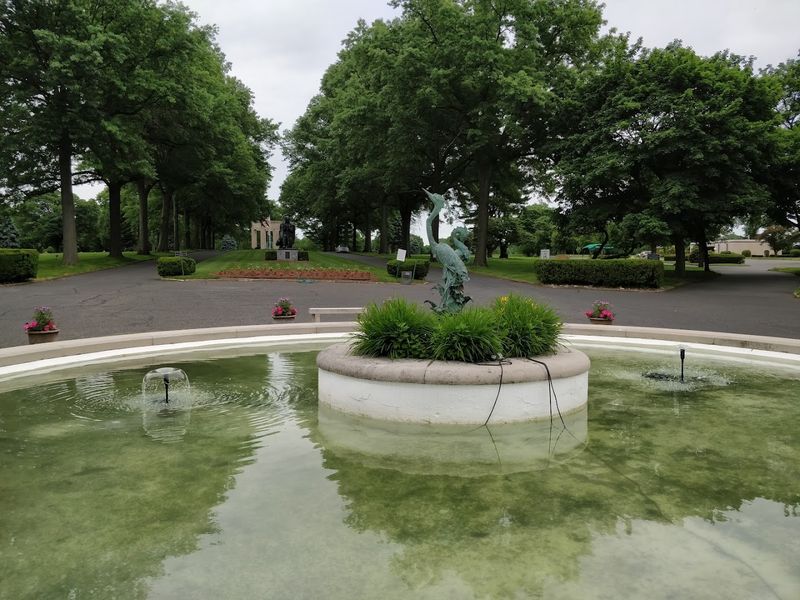
The words serene and beautiful come up again and again when people describe their time at George Washington Memorial Park, and spending even a short while on the grounds makes it easy to understand why.
The park is maintained with a level of care that communicates genuine respect, both for the people buried there and for the visitors who come to reflect.
Flower beds are tended with obvious attention, the grass stays lush and clean, and the overall arrangement of the space feels considered rather than accidental. That kind of environmental intentionality has a real effect on how people feel when they move through it.
Visitors with mobility challenges will also find the park accessible and easy to navigate, which adds another layer of thoughtfulness to its design.
The combination of natural beauty, artistic features, and careful upkeep creates an environment where people genuinely feel comfortable slowing down.
That feeling of being welcomed into a calm and dignified space is exactly what makes the serene and beautiful label stick so consistently.
The Best Time To Visit This Artistic Sanctuary
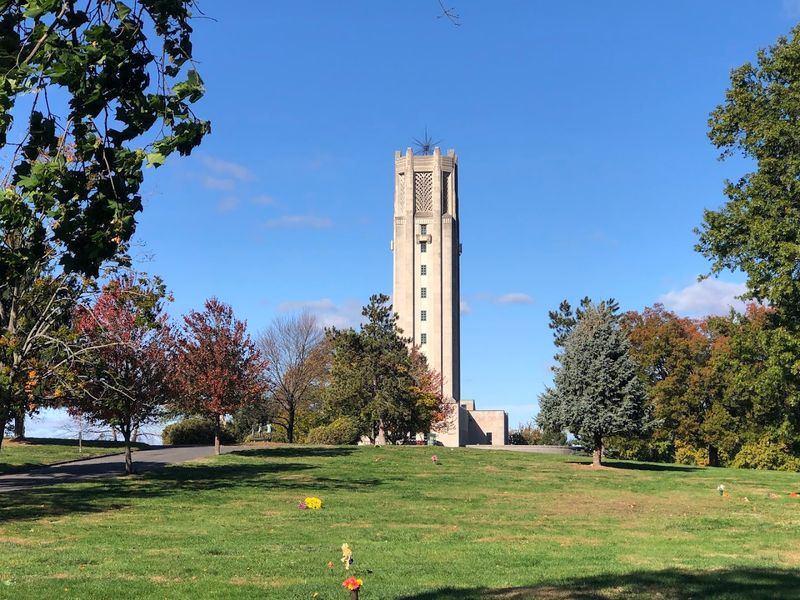
George Washington Memorial Park keeps its gates open daily from 8:00 a.m. until dusk, which means there is no wrong time of day to visit, but there are definitely better seasons than others.
Late spring and early summer bring the grounds to their most visually stunning state, with flowering plants in full bloom and the greenery at its richest and most vibrant.
During those warmer months, the park also has water spigots available throughout the grounds, a practical detail that makes longer visits much more comfortable for people who enjoy a slow, unhurried stroll.
Packing a light picnic and spending a few hours exploring the trails and sculptures feels like a genuinely good way to spend a morning.
Fall brings its own appeal, with changing foliage adding warm color to the landscape. Even winter visits have a quiet, stripped-down beauty to them.
That said, if you want the full sensory experience of the park at its most lush and alive, aim for late May through early July. The timing makes a real difference.
What To See When You Visit George Washington Memorial Park
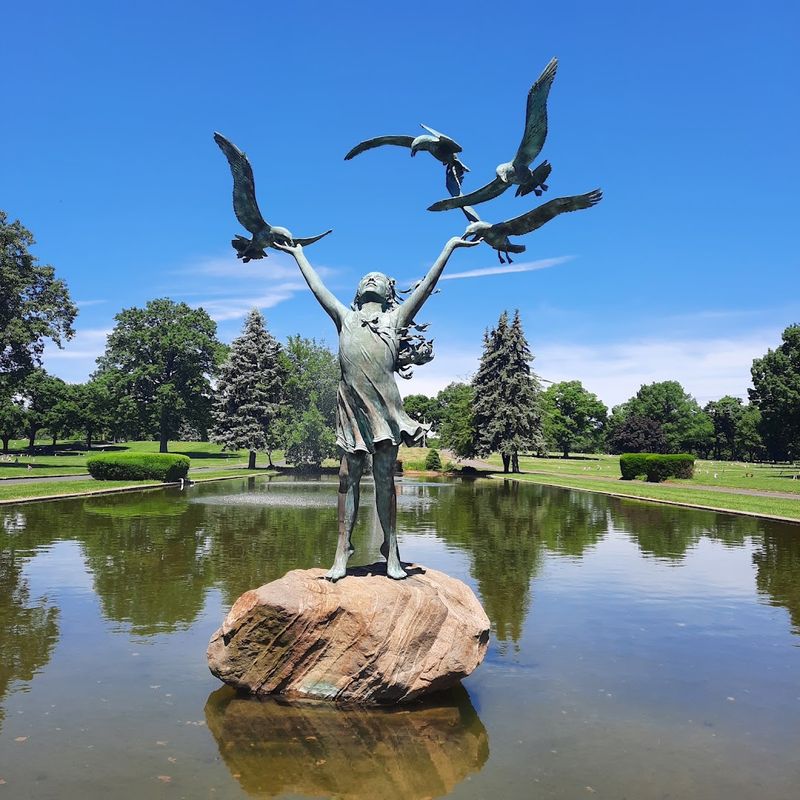
Coming to George Washington Memorial Park with a loose plan is a good idea, because there is genuinely more to see here than a first glance suggests. Start with the kneeling Washington statue, which anchors the park both visually and emotionally.
Give yourself time in front of it rather than just a passing look.
From there, track down the griffin sundial and spend a moment appreciating the craftsmanship and the historical detail behind its design. The All Faith’s Memorial Tower is worth a visit too, offering both architectural interest and a sense of the park’s layered history going back well before 1939.
Walking the trails that wind through the varied habitats gives you a feel for the full scale of the property. The pond and waterfall areas are especially worth finding, as they offer some of the most calming spots on the entire grounds.
Picnic tables and grills are also available for those who want to linger.
Address: 234 Paramus Rd, Paramus, NJ 07652, United States.
