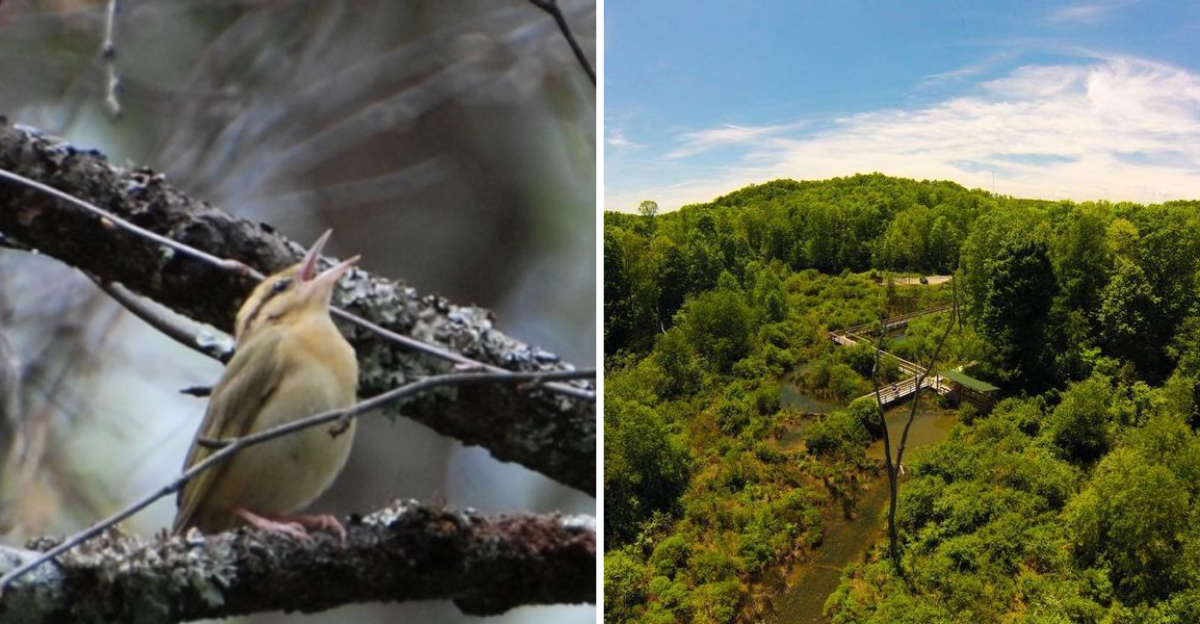
You have driven past it a hundred times. That unassuming pull-off, the small sign, the gravel lot that looks like nothing special.
But step onto the boardwalk and the world changes. The trail winds through a hidden sanctuary where birds dart between branches and the sound of rushing water replaces traffic noise.
It is a quiet escape set right beside the road, easy to miss but impossible to forget once you find it. Warblers, herons, and songbirds fill the air with a soundtrack that feels miles away from civilization.
The boardwalk keeps your feet dry while you wander through this peaceful corridor. West Virginia, you have hidden a little paradise in plain sight.
You just have to stop and look.
Voted Best Birdwatching Spot In The Blue Ridge
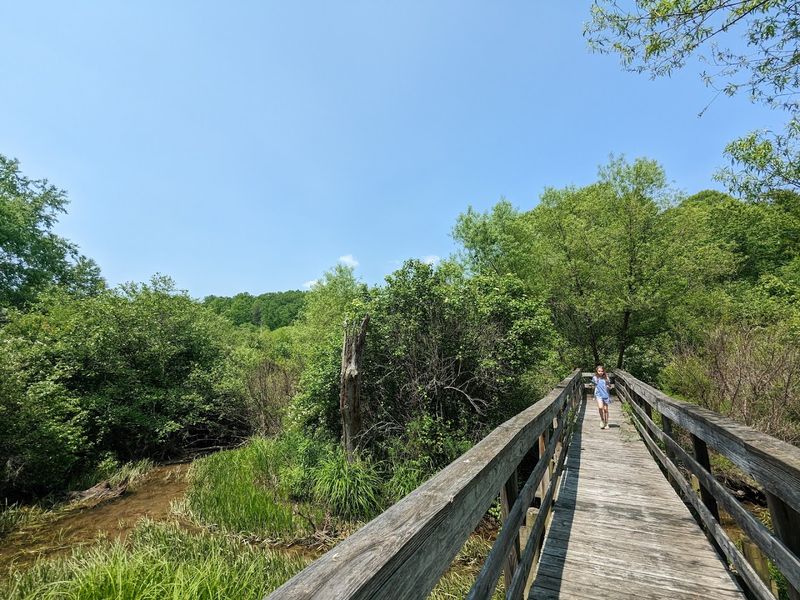
Getting named the best birdwatching spot in the Blue Ridge is not something that happens by accident. The New River Birding and Nature Center earned that reputation the slow, steady way, by protecting a wetland ecosystem that genuinely delivers on its promise every single season.
Spring mornings here feel almost theatrical. Songbirds layer their calls over the sound of Wolf Creek trickling nearby, and the whole scene has a depth to it that you just cannot manufacture.
Serious birders bring their field guides and tripods. Casual visitors bring their curiosity and leave with a genuine appreciation for what a well-preserved wetland can produce.
The recognition makes sense once you are actually standing on the boardwalk. The habitat variety, from open water to dense shrubby edges, creates exactly the kind of layered environment that attracts an extraordinary range of species.
Best-of lists come and go, but a place that keeps earning that label year after year is doing something right at every level.
141 Bird Species Recorded Here
One hundred and forty-one species is not a number you throw around lightly. That figure represents years of careful observation, dedicated record-keeping, and a habitat rich enough to support an almost absurd variety of winged life throughout the calendar year.
Warblers alone could fill an afternoon of dedicated searching here. Add in waterbirds, raptors, woodpeckers, and secretive marsh species, and the list starts to feel genuinely impressive for a spot this compact.
Birders using apps like Merlin have reported calling in species they had never encountered before in person, including the Common Yellowthroat and the White-Eyed Vireo, right from the boardwalk.
Each season reshapes the experience entirely. Migratory birds passing through in spring and fall add unexpected visitors to the checklist, while resident species provide consistency for those who return regularly.
Keeping a personal list while walking the wetlands boardwalk turns a simple stroll into something that feels almost like a treasure hunt. The 141 recorded species is both a milestone and an ongoing invitation.
A 230-Acre Sanctuary Most Tourists Miss
Two hundred and thirty acres sounds like a lot, and honestly, it is.
Most visitors rolling through Fayetteville have no idea that a sanctuary this size is sitting just off the main road, quietly doing its ecological job while everyone else speeds past toward more advertised destinations.
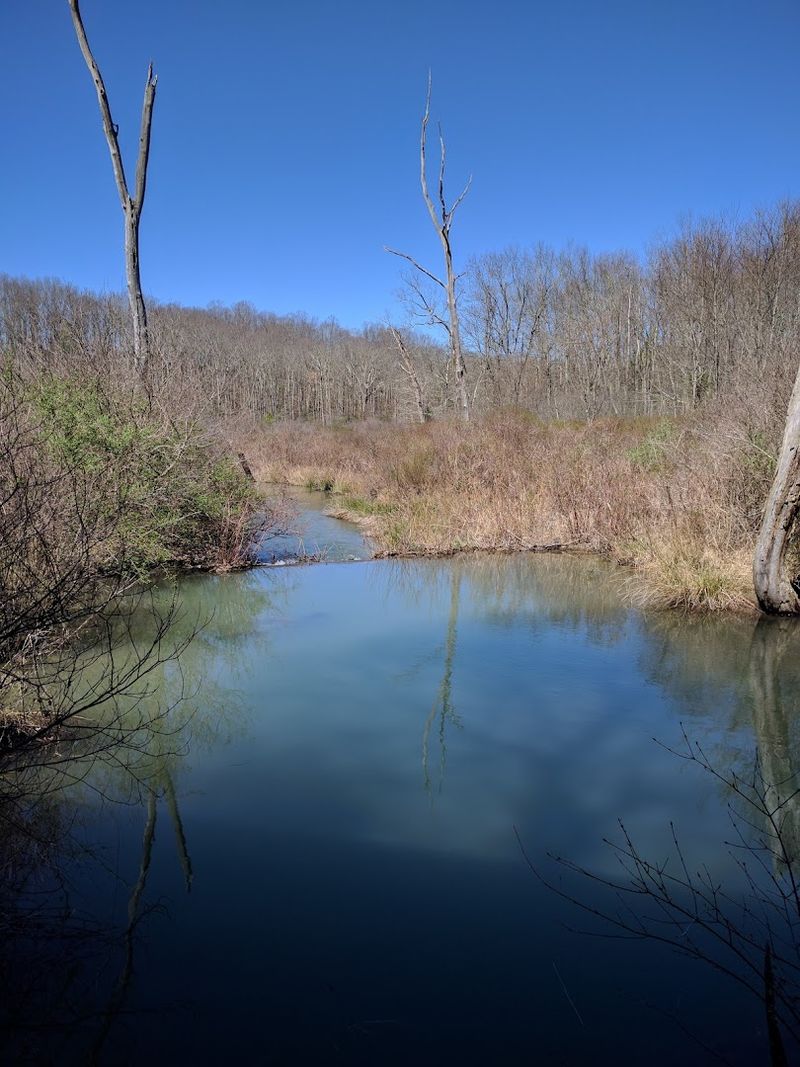
The scale of the preserve means the wildlife here has real room to move. Beaver activity shapes the wetland, which in turn shapes the habitat for dozens of species that depend on that specific kind of slow, marshy water environment.
That kind of ecological chain reaction does not happen on a tiny patch of land.
Finding it feels like a small victory. The gravel road entrance is easy to miss, and there is not much signage guiding you in from the main route.
But that low-key quality is also part of what makes it special. You are not sharing the boardwalk with tour buses or weekend crowds.
Most of the time, the 230 acres feel like they belong entirely to you and whatever birds happen to be passing through.
Half-Mile Boardwalk Through A Beaver-Maintained Wetland
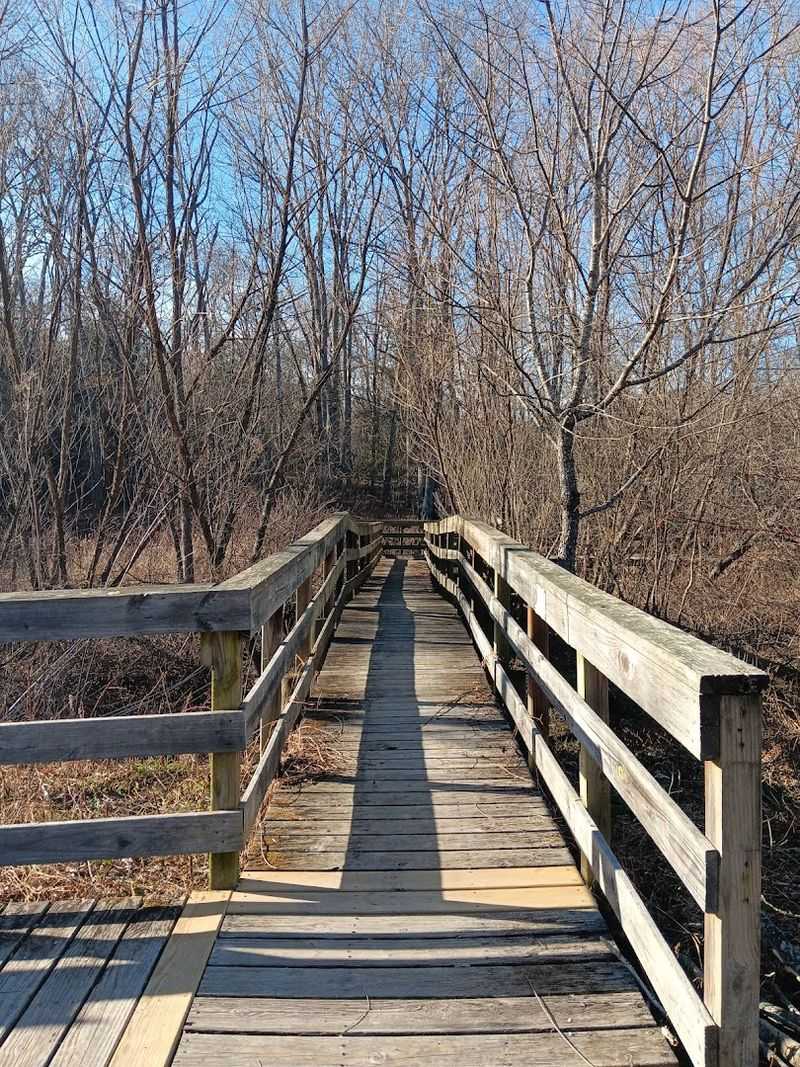
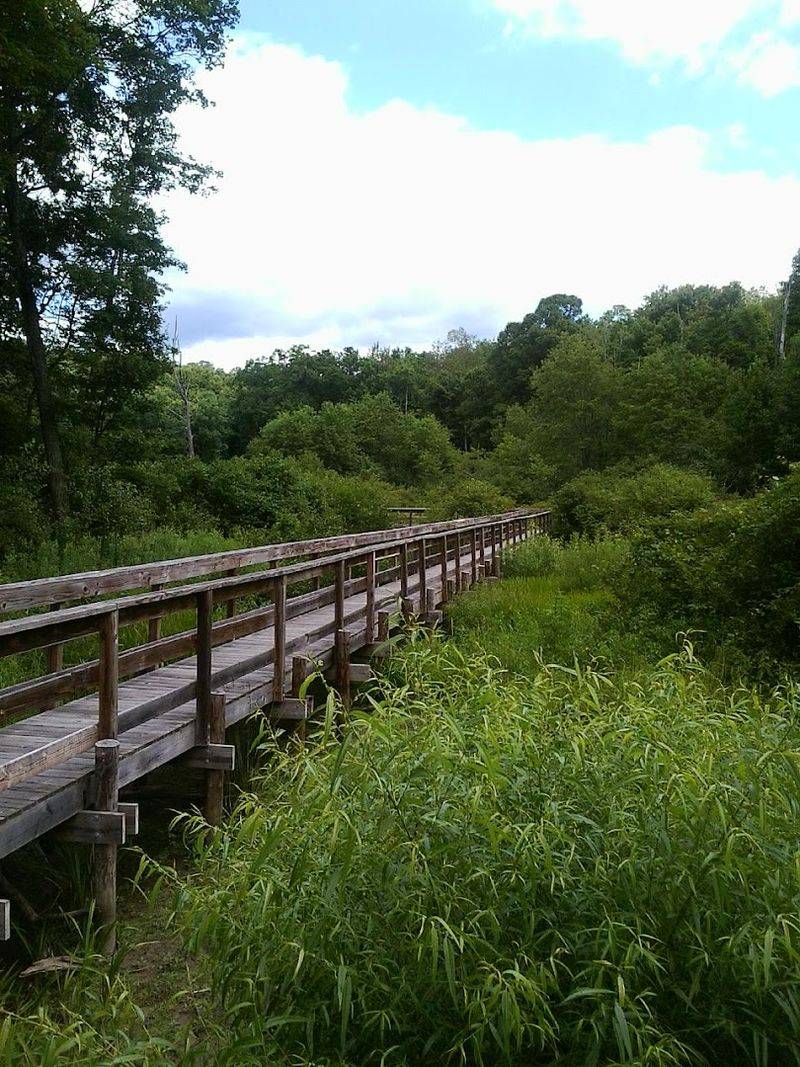
A half-mile might not sound like much until you realize every single step of it is over active wetland, shaped and maintained by beavers who have been doing their own kind of conservation work long before the boardwalk was ever built.
That partnership between human construction and animal instinct gives this trail a character unlike anything you find on a standard nature walk.
The boardwalk sits just above the waterline, putting you at eye level with the marsh in a way that feels genuinely immersive. Dragonflies hover.
Frogs plop into the water just ahead of your footsteps. The whole surface of the wetland feels alive in a way that is hard to describe without sounding overly dramatic, but it really does have that quality.
Wolf Creek runs alongside sections of the trail, adding its own soundtrack to the experience. The combination of still beaver ponds and moving creek water creates micro-habitats that draw different species to different sections of the walk.
Every few steps, the scene shifts just enough to keep your attention fully engaged from start to finish.
Free Admission From Dawn To Dusk
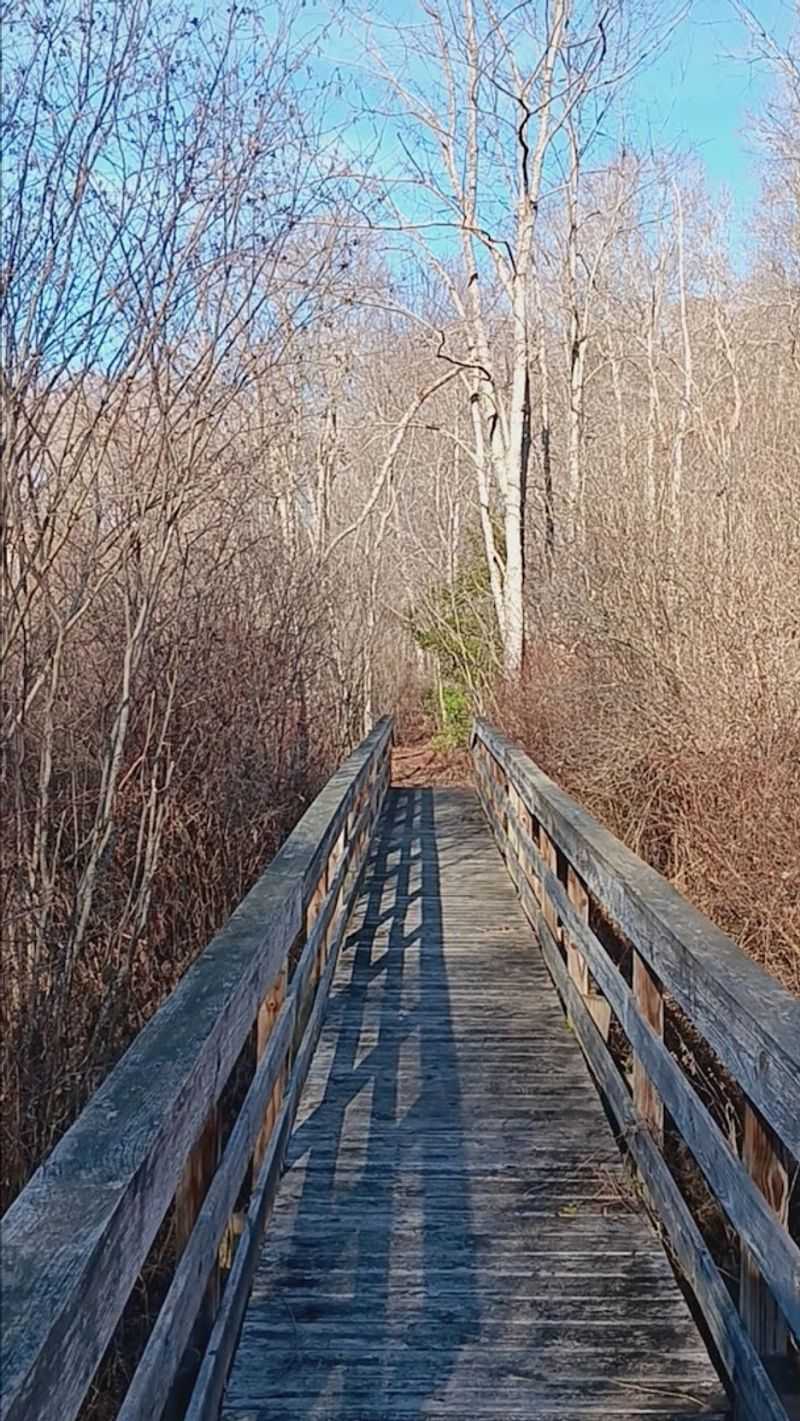
Free admission from 6 AM to 6 PM, every single day of the week.
That policy alone makes the New River Birding and Nature Center one of the most accessible natural spaces in the region, and it removes every possible excuse for not stopping in when you are anywhere near Fayetteville.
No ticket booth, no reservation system, no fee structure to navigate. You park in the gravel lot, walk down the road, and the wetlands boardwalk opens right up in front of you.
That kind of frictionless access is increasingly rare for a preserve of this quality and size.
Visiting at dawn is genuinely worth the early alarm. Bird activity peaks in the first hours of daylight, and the wetland has a misty, golden quality at sunrise that feels almost cinematic.
Dusk visits have their own appeal, with the light shifting over the water and a different set of species becoming active as the day winds down. Coming back at both ends of the day, if you have the time, gives you two completely different versions of the same remarkable place.
A 2006 Restoration Project Created This Wildlife Haven
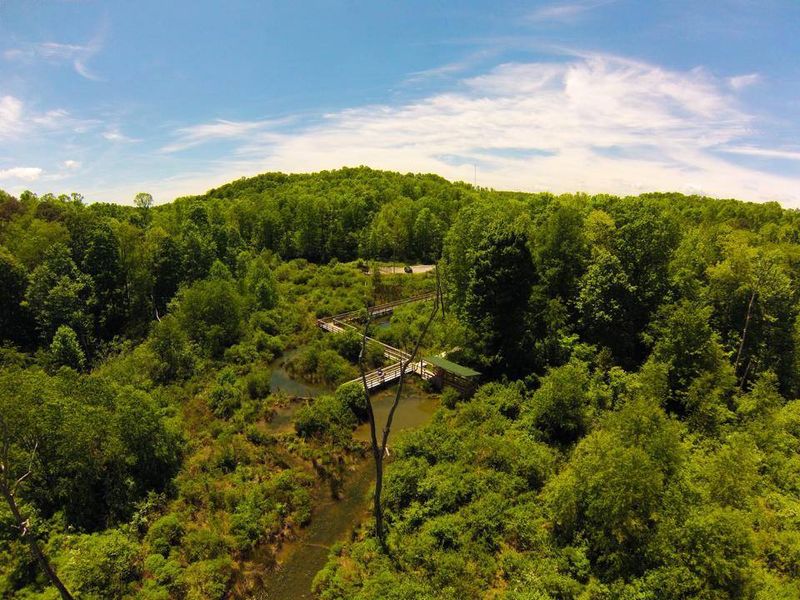
Before 2006, this stretch of land along Wolf Creek was not the thriving wetland sanctuary it is today.
A deliberate restoration effort transformed the area into the layered, productive habitat that now supports over 141 recorded bird species and a resident beaver population doing serious ecological heavy lifting.
Restoration projects like this one require patience measured in years, not weeks. Native plants need time to establish, water levels need to stabilize, and wildlife needs time to discover and colonize a newly viable habitat.
The fact that the wetlands here feel so naturalized and mature is a direct result of nearly two decades of careful stewardship since that initial effort began.
Understanding the history of the site adds something meaningful to the visit. Standing on the boardwalk knowing that this landscape was deliberately brought back from a degraded state gives the whole experience an extra layer of appreciation.
Conservation is not always a dramatic rescue story. Sometimes it is a slow, methodical process of giving a place the conditions it needs to heal itself, and this sanctuary is proof that approach works beautifully.
Warblers, Herons, Woodpeckers, And Bald Eagles
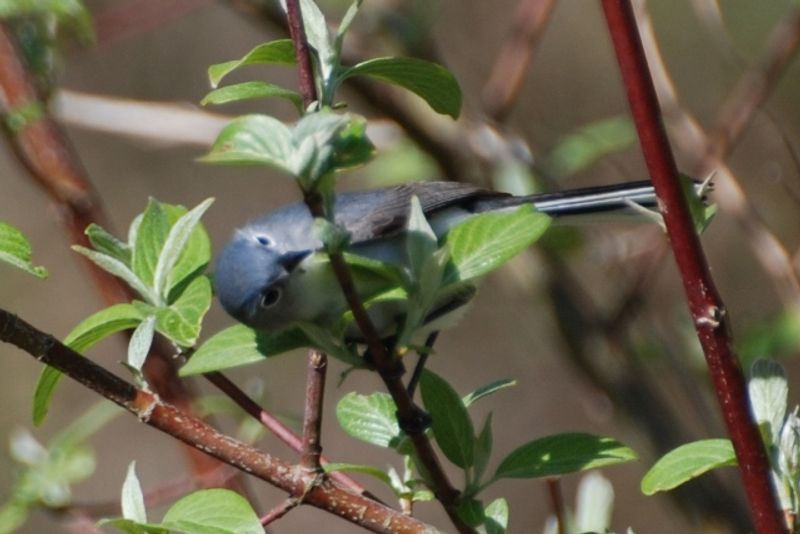
That lineup reads like a greatest-hits collection of American birdwatching, and the New River Birding and Nature Center delivers on all four counts.
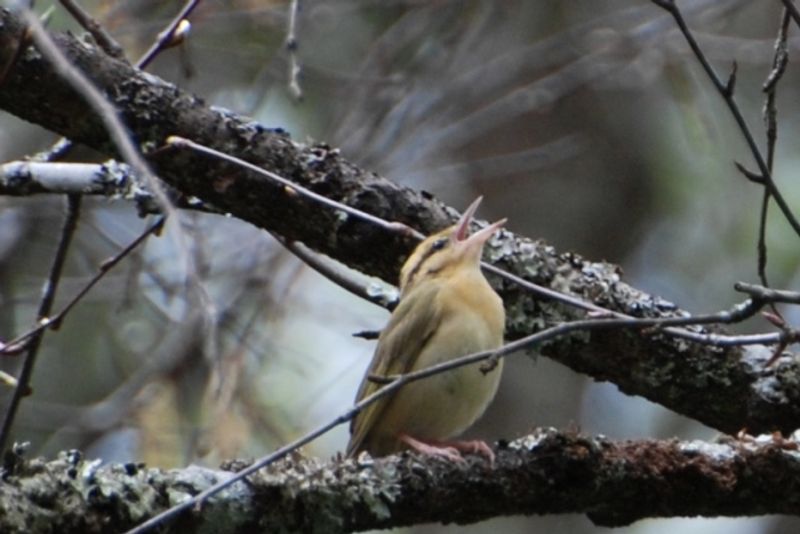
Warblers draw dedicated birders during migration season, flashing through the shrubs in combinations of yellow, black, and orange that feel almost impossibly vivid against the green wetland backdrop.
Great Blue Herons are a near-constant presence, standing motionless in the shallows with that particular brand of patience that makes them both easy to spot and endlessly fascinating to watch.
Woodpeckers work the larger trees along the edges of the wetland, their rhythmic tapping carrying clearly across the open water.
Both the Downy and the Pileated have been recorded here, which represents quite a range in terms of size and personality.
Bald Eagle sightings at the sanctuary carry their own specific kind of excitement. Seeing one overhead, even briefly, reframes the whole visit in a way that is hard to shake.
The combination of species available at this single location, without driving between multiple sites, is one of the strongest arguments for making the New River Birding and Nature Center a dedicated stop.
Handicapped-Accessible Boardwalk For All
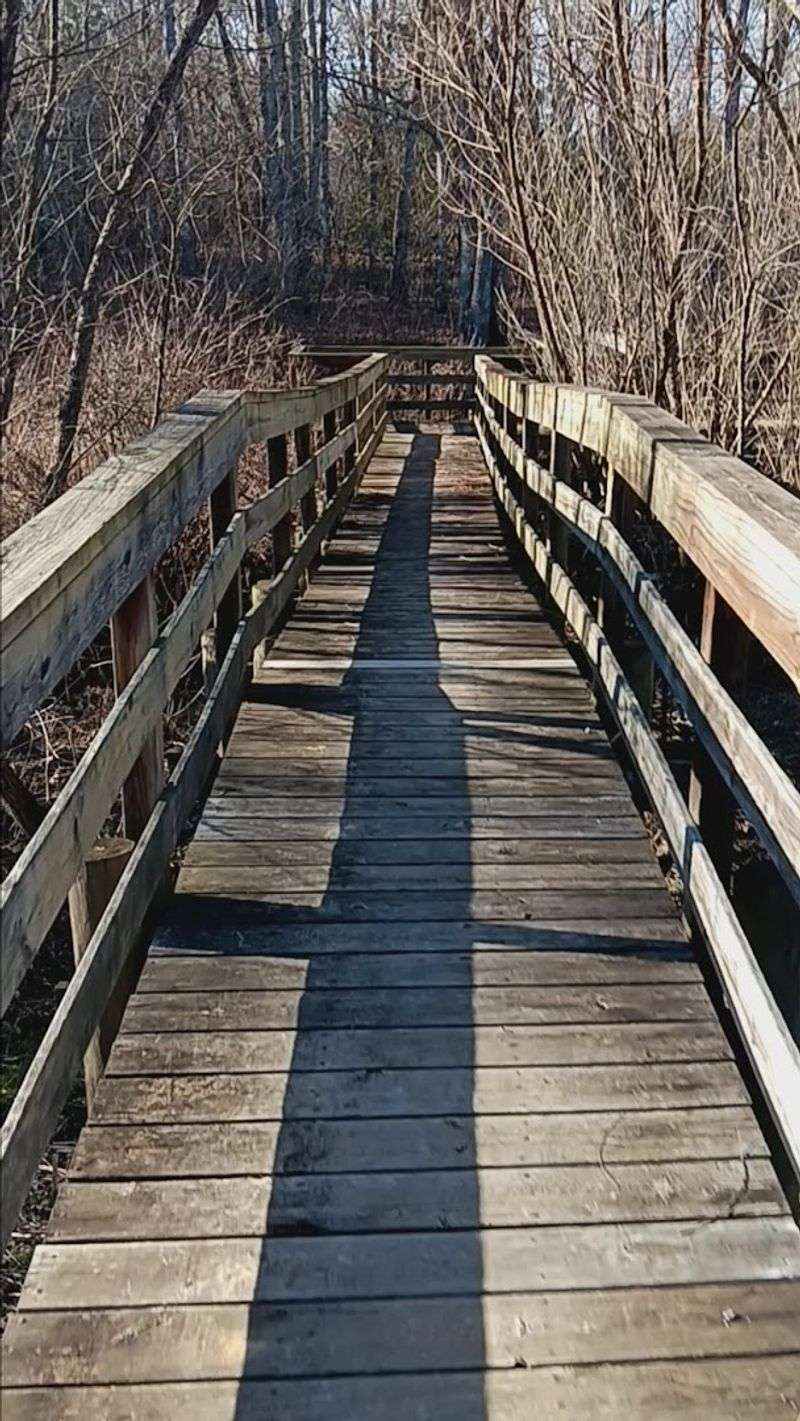
Accessibility in natural spaces is something that deserves to be celebrated when it is done right, and the boardwalk at the New River Birding and Nature Center genuinely delivers on that front.
The flat, wooden surface makes the wetland trail navigable for visitors using wheelchairs or mobility aids, which means the experience is not reserved only for those who can manage rough terrain.
That kind of inclusive design changes who gets to have this experience. Grandparents, young children in strollers, visitors recovering from injuries, and anyone who struggles with uneven ground can all access the same stunning wetland views that bring birders from across the region.
The boardwalk does not feel like a compromise. It feels like a well-thought-out feature that respects the full range of people who want to connect with nature.
The views from the accessible trail are just as rich and rewarding as anything you would find on a more rugged path. Herons stand in the shallows.
Warblers move through the shrubby edges. The wetland does not hold back its best moments for those who arrive on foot.
Everyone who makes it to the boardwalk gets the full show.
Built And Maintained Entirely By Volunteers
Every plank of that boardwalk, every cleared trail section, every restored native plant bed exists because volunteers chose to show up and do the work.
The New River Birding and Nature Center runs entirely on that kind of community commitment, and knowing that changes how you experience the place when you are walking through it.
Volunteer-maintained spaces have a texture to them that is different from professionally managed parks. There is something slightly imperfect and deeply human about it, and that quality makes the sanctuary feel personal rather than institutional.
The people who built and care for this place genuinely love it, and that love is embedded in every section of the trail.
Supporting the preserve is as straightforward as showing up and, if you are in a position to do so, making a donation to help with ongoing maintenance.
The wetland has faced periods where the boardwalk needed significant attention, and the continued health of the sanctuary depends on people who care enough to contribute.
Visiting with that awareness turns a casual outing into a small act of participation in something worth protecting for years to come.
QR Code Connects To An Outdoor Classroom
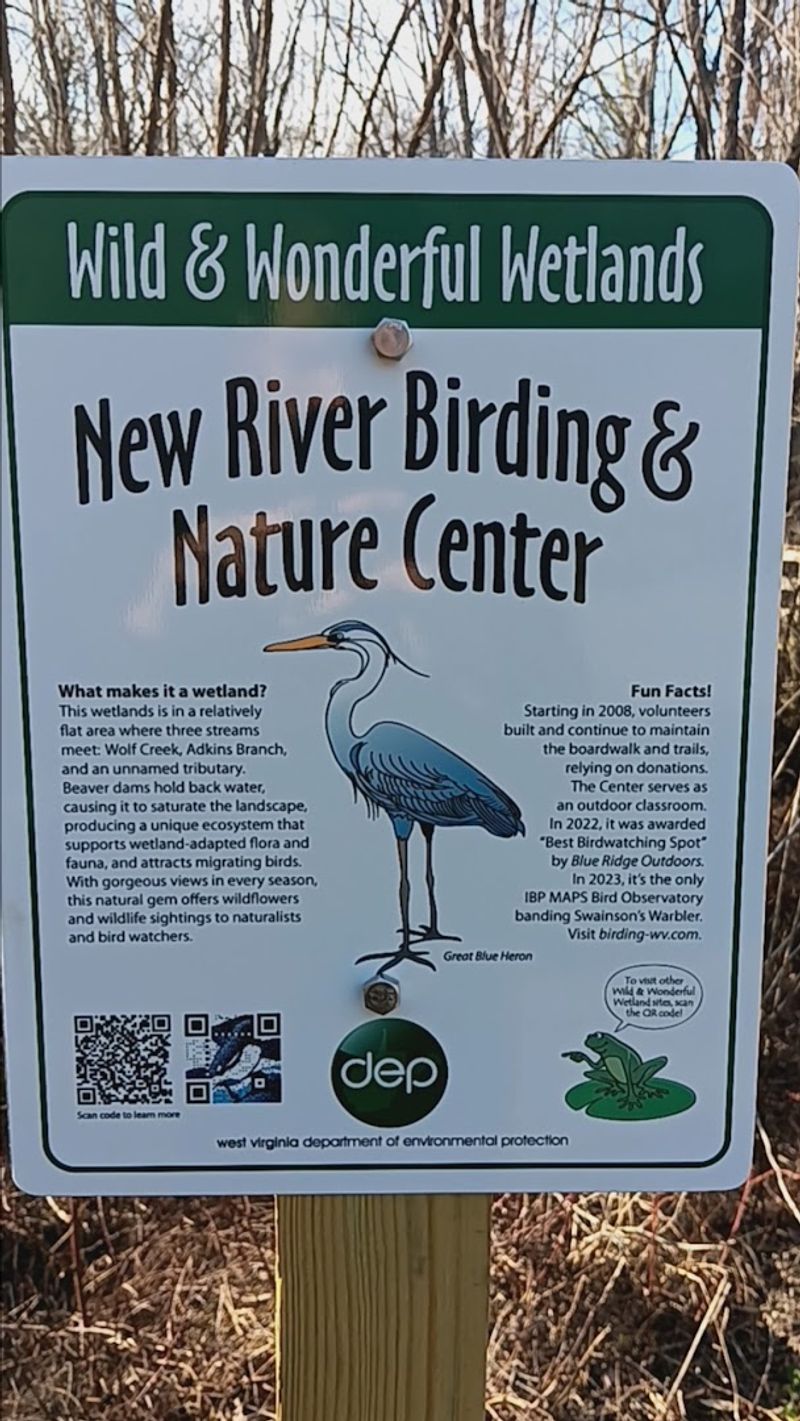
Somewhere along the wetlands boardwalk, a sign invites you to scan a QR code, and doing so opens up an outdoor classroom experience that turns an already rich visit into something genuinely educational.
The digital layer connects the physical landscape in front of you to information about the species, the ecosystem, and the restoration history of the site.
For families with kids, that QR code is a game-changer. Young visitors who might lose focus on a standard nature walk suddenly have a structured way to engage with what they are seeing.
Identifying a bird by sound, learning why beavers matter to a wetland, understanding what native plants do for migrating species, all of it becomes more accessible with that interactive element layered into the experience.
The outdoor classroom concept also reinforces the sanctuary’s role as a community resource rather than just a recreational destination.
School groups, homeschool families, and curious adults all benefit from having interpretive content available on demand, right at the spot where it is most relevant.
Address: 38.017170 -81.111438, Fayetteville, WV 25840.
