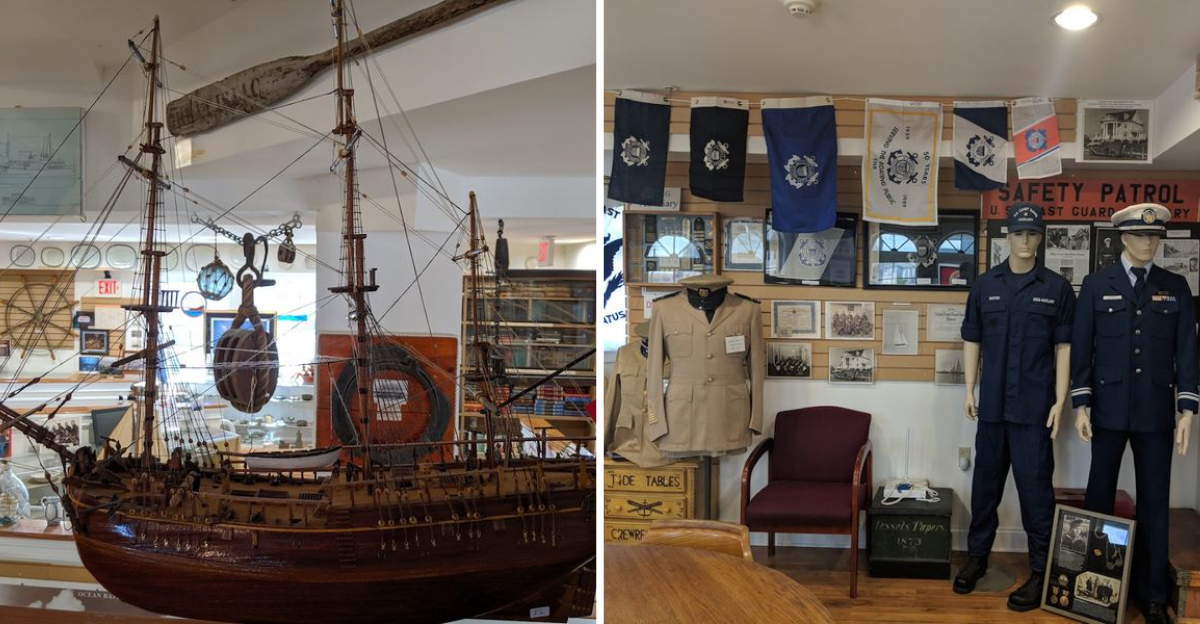
Look, we all know museums can be a bit… stuffy. But this New Jersey spot?
It proudly celebrates the glorious mess that happens when a ship meets its match in the deep blue sea.
Think delicate teacups from sunken steamers, old diving gear that looks like it belongs in a steampunk novel, and one particularly infamous shipwreck that people still cannot stop talking about.
There is even a whole room dedicated to it, where you can see artifacts that will make you grateful for modern safety standards.
You can spend a rainy afternoon tracing the stories of vessels that never made it home, or just gawk at the relics of New Jersey’s surprisingly dramatic maritime past.
Who knew the most fascinating sea stories were buried right here in the Garden State?
The Staggering Scope of New Jersey’s Shipwreck Collection
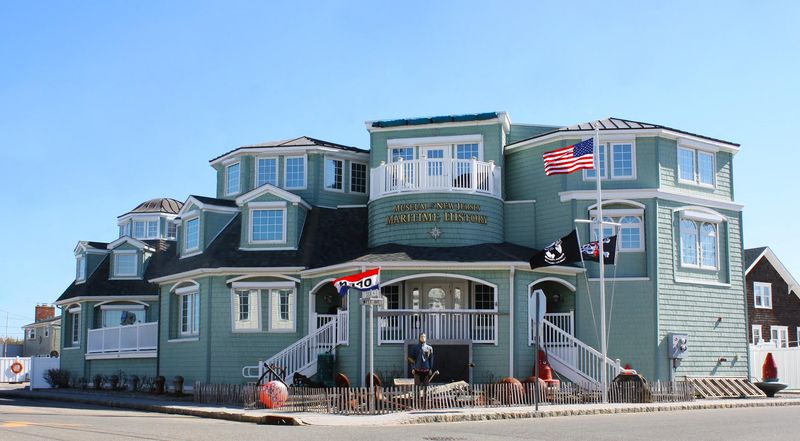
Few places in the country can claim what this museum holds. New Jersey’s 127 miles of Atlantic coastline has claimed more ships than any other state in the U.S., and the museum captures that dramatic history in remarkable detail.
The collection grew from the personal passion of founder Deborah Whitcraft, who spent years gathering items related to maritime disasters off the Jersey Shore. That dedication shows in every single exhibit.
Nothing feels thrown together here.
A shipwreck database containing information on over 4,800 documented wrecks lives within these walls. That number alone is enough to stop you mid-step.
Pair that with an enormous archive of vintage photographs, and you start to understand just how deep this collection really goes.
Walking through the displays, you get a genuine sense of how dangerous and unpredictable these waters were for sailors and passengers alike. The museum does not just show you objects.
It connects you to the real human stories behind each one, making every artifact feel personally significant.
A Room That Freezes Time
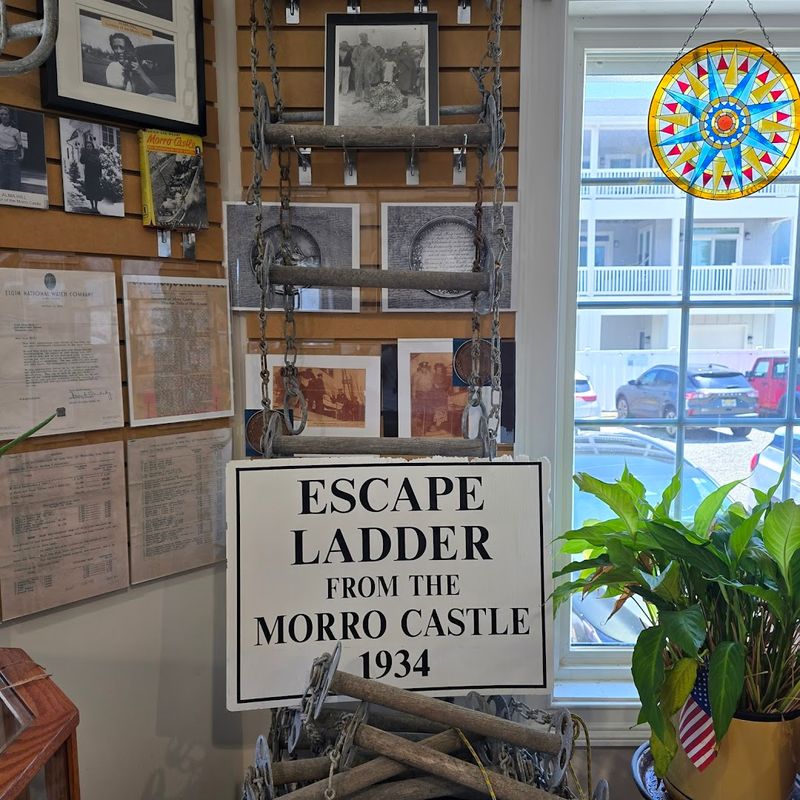
Stepping into the Morro Castle room feels like walking straight into 1934. The exhibit is dedicated entirely to one of the most haunting maritime disasters in American history, and the level of detail here is genuinely extraordinary.
The 1934 fire aboard the SS Morro Castle killed over 130 people and ultimately ran the burning ship aground near Asbury Park. Original video news footage from that year plays in the exhibit, and watching it makes everything feel unnervingly real.
Rare photographs line the walls, capturing the chaos and tragedy with an honesty that modern media rarely matches. An authenticated life vest worn by an actual survivor sits on display, and it carries a weight that no caption can fully describe.
Original menus and personal ship artifacts round out the exhibit, turning it into a fully immersive experience rather than just a static display. This room alone is worth the trip from anywhere on Long Beach Island.
Plan to spend more time here than you think you will need.
The U.S. Life-Saving Service and Coast Guard Legacy
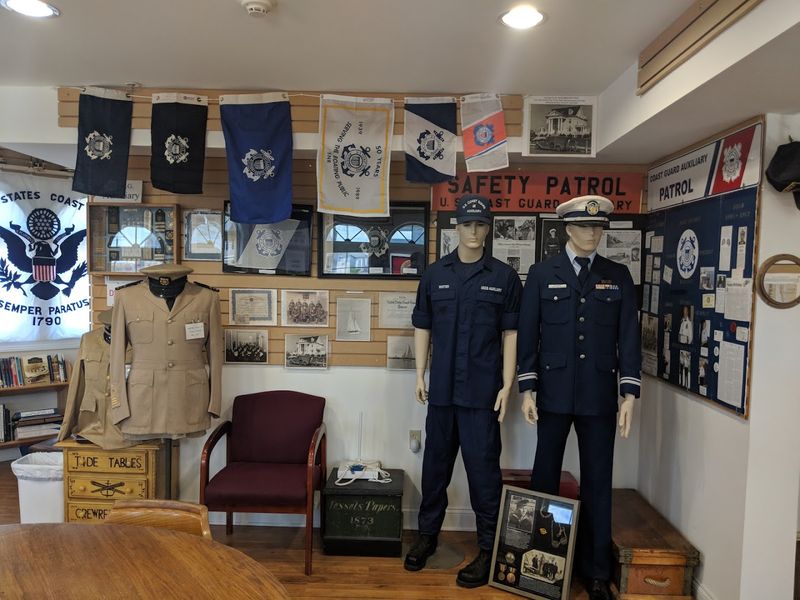
Before the U.S. Coast Guard existed, brave crews of the Life-Saving Service patrolled the New Jersey shoreline, risking everything to rescue sailors from sinking ships.
The museum honors that legacy with a collection that feels both solemn and deeply respectful.
Uniform medals, station log books, and rare documents fill this section of the museum. Each piece tells a story about ordinary people doing extraordinary things in brutal conditions along a coastline that showed no mercy.
The transition from the Life-Saving Service to the modern Coast Guard is traced carefully through the exhibits. You start to understand how those early rescue operations shaped the entire framework of maritime safety in the United States.
There is something quietly powerful about holding your gaze on a logbook entry from over a century ago. Someone actually wrote those words during a real rescue mission.
That connection between past and present is exactly what makes this section of the museum feel so genuinely moving and worth every quiet moment spent reading the details.
Antique Diving Gear That Will Make Your Skin Crawl
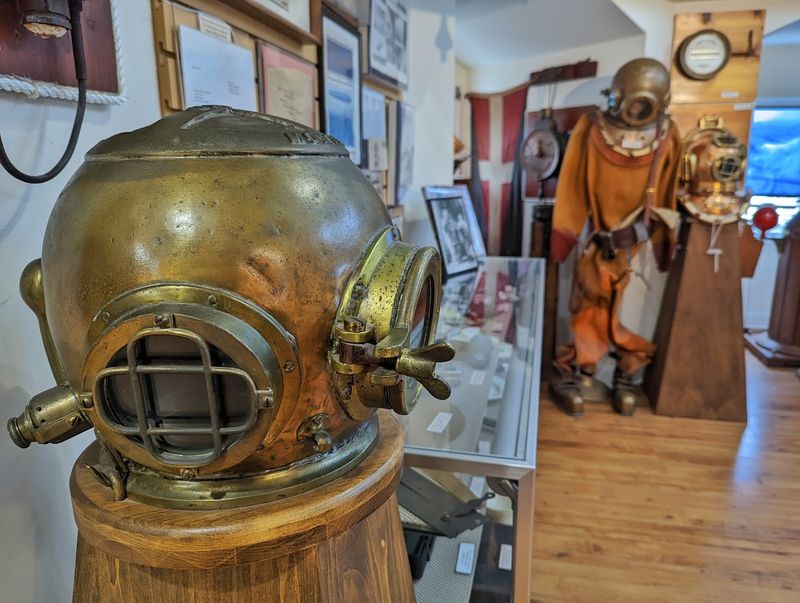
Old diving equipment has a way of making you deeply grateful for modern technology. The helmets, suits, and gear on display here look like something dreamed up for a science fiction film, yet real people actually wore this stuff underwater.
The museum’s collection of antique diving gear spans decades of underwater exploration history. Each piece reflects the fearlessness of divers who descended into dark, cold water with equipment that left very little room for error.
Scuba diving is closely tied to the museum’s overall identity, since many artifacts in the collection were recovered by divers exploring wreck sites off the New Jersey coast. That connection gives the diving gear displays an extra layer of meaning.
Seeing a bulky brass helmet next to a modern regulator puts the evolution of the sport into sharp perspective. It also makes you appreciate just how much courage it took to explore those sunken ships before reliable equipment existed.
This section is quirky, fascinating, and just a little bit terrifying in the best possible way.
Prehistoric Fossils Pulled From the Ocean Floor
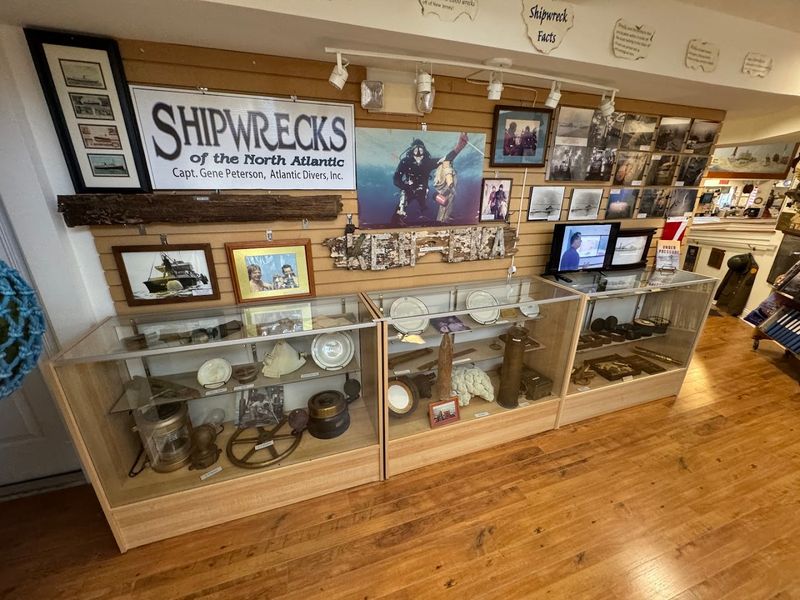
Here is something most people do not expect from a shipwreck museum: prehistoric fossils. The New Jersey coast has yielded some genuinely ancient finds, and the museum proudly displays specimens recovered from beneath the Atlantic waters.
These fossils add a completely different dimension to the visit. You arrive thinking about 19th and 20th-century maritime disasters, and then suddenly you are staring at remains from creatures that lived millions of years ago.
It is a jarring and wonderful surprise.
New Jersey sits along a coastline with a rich geological history, and the seafloor off its shores has preserved organic material that scientists and divers continue to uncover. The museum bridges that scientific story with its broader maritime narrative beautifully.
Kids especially tend to go wide-eyed in front of the fossil displays. Adults do too, honestly.
There is something humbling about realizing that the ocean has been keeping secrets for far longer than human ships have been sailing across it. This unexpected exhibit adds real depth to an already layered and rewarding visit.
The Andrea Doria and MS Stockholm Collision Exhibit
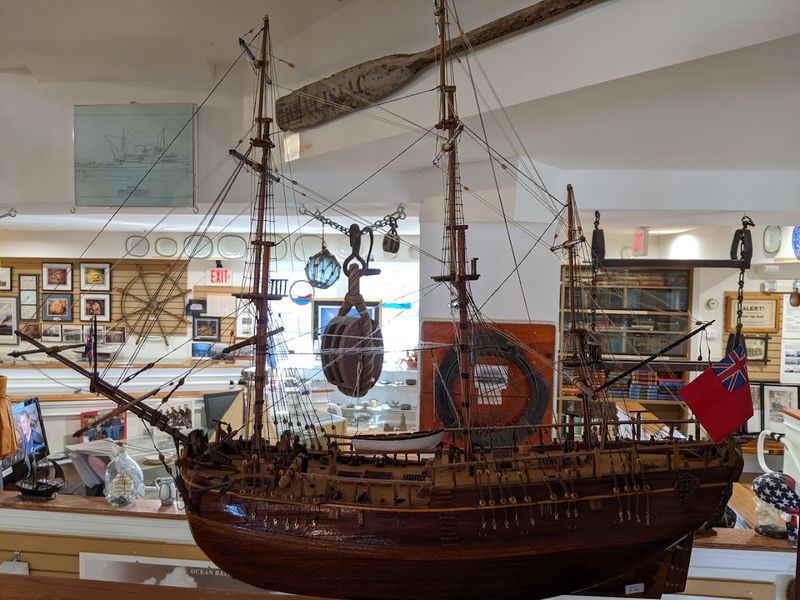
The 1956 collision between the Andrea Doria and the MS Stockholm remains one of the most dramatic peacetime maritime disasters in history.
The museum dedicates a meaningful exhibit to this event, pulling together photographs and artifacts that bring the story into sharp focus.
What makes this exhibit particularly compelling is the human scale of the tragedy. The Andrea Doria was a celebrated Italian ocean liner, and its sinking shocked a world that had grown accustomed to modern ships being considered safe.
Fifty-one people lost their lives that night.
Seeing the artifacts and imagery side by side gives you a sense of just how chaotic and terrifying those hours must have been for passengers and crew. The museum presents the story with care, never sensationalizing it beyond what the facts already make dramatic enough.
If you have only ever heard the name Andrea Doria in passing, this exhibit will leave you wanting to know far more.
It is the kind of display that turns a casual museum visitor into someone who goes home and reads everything they can find on the subject.
19th-Century Shipbuilding Tools and Navigational Equipment
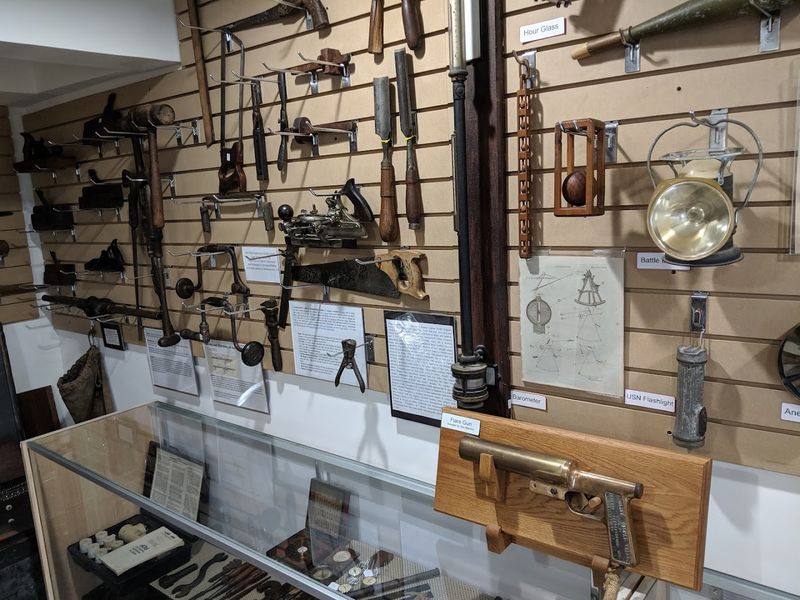
Running your eyes across a collection of 19th-century shipbuilding tools gives you an immediate appreciation for how much skill went into constructing wooden vessels. These were not machines at work.
These were craftsmen with hand tools building ships meant to survive open ocean crossings.
The antique navigational equipment displayed alongside the tools is equally fascinating. Sextants, compasses, and charts from an era before GPS remind you how much sailors relied on observation, calculation, and experience just to find their way from one port to another.
Together, these two collections paint a vivid picture of maritime life before modern technology changed everything. There is a warmth to these objects that factory-made replicas could never replicate.
You can almost feel the history embedded in the worn handles and tarnished brass surfaces.
This section tends to draw a quieter, more contemplative crowd. People slow down here, reading the labels carefully and pausing to really look.
That slower pace fits the exhibit perfectly, because these tools deserve the kind of attention that a hurried glance simply cannot provide.
The USS San Diego and U-869 Story
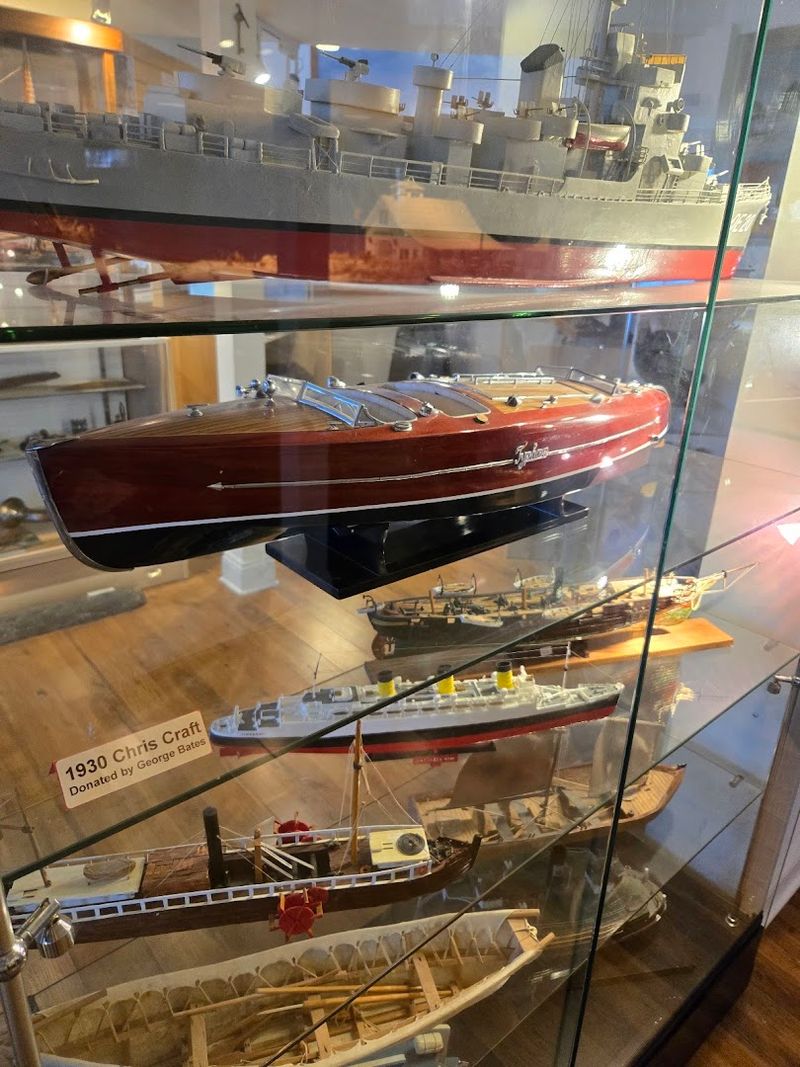
World War history runs deep in New Jersey’s offshore waters, and the museum brings two of its most compelling stories together in exhibits that feel both educational and genuinely gripping.
The USS San Diego and the German submarine U-869 are central to that underwater wartime legacy.
The USS San Diego sank in 1918 under mysterious circumstances that historians still debate. U-869 was a German submarine discovered off the New Jersey coast in the 1990s, and its identification became one of the great detective stories in American wreck-diving history.
Both exhibits draw heavily from artifacts recovered by divers, which gives the displays an immediacy that purely photographic exhibits sometimes lack. Holding your gaze on an object pulled from a wartime wreck feels different from looking at a replica.
The realness of it settles on you slowly.
This part of the museum works especially well for anyone interested in military history alongside maritime heritage. The two subjects intertwine so naturally here that separating them would feel almost wrong.
It is a section that rewards careful reading and unhurried attention.
Three Floors of History Worth Every Minute of Your Time
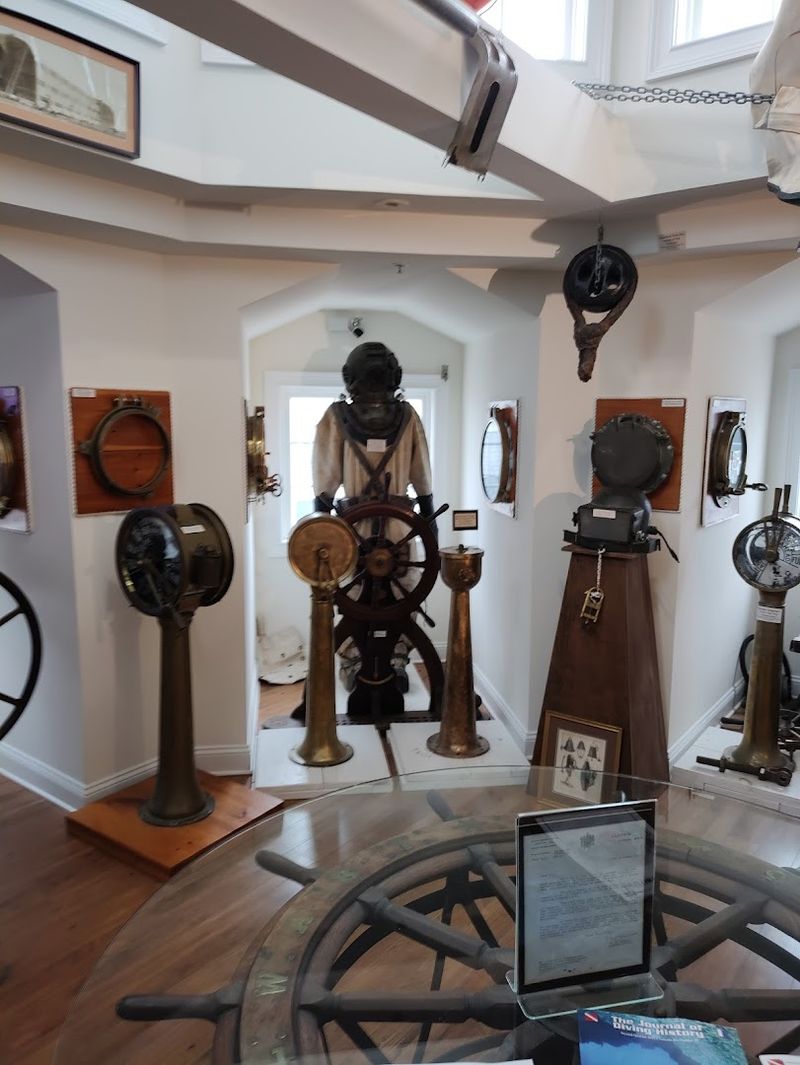
Three floors sounds manageable until you actually start exploring. The sheer density of material packed into this building means that a single visit rarely feels sufficient.
Most people who come once find themselves already planning a return trip before they reach the exit.
Each floor carries its own character and focus areas, guiding visitors through different chapters of New Jersey’s maritime past.
The flow between exhibits feels thoughtful rather than random, which keeps the experience from becoming overwhelming despite the volume of material on display.
A library on the second floor holds rare books, archival documents, and out-of-print publications that researchers and curious visitors alike will find genuinely valuable. DVDs documenting various maritime events are also available, adding another layer to an already rich experience.
The museum opened its doors on July 3, 2007, and has been quietly building one of the most impressive regional collections in the country ever since.
For anyone spending time on Long Beach Island, skipping this stop would be a real mistake.
Address: 528 Dock Rd, Beach Haven, NJ
