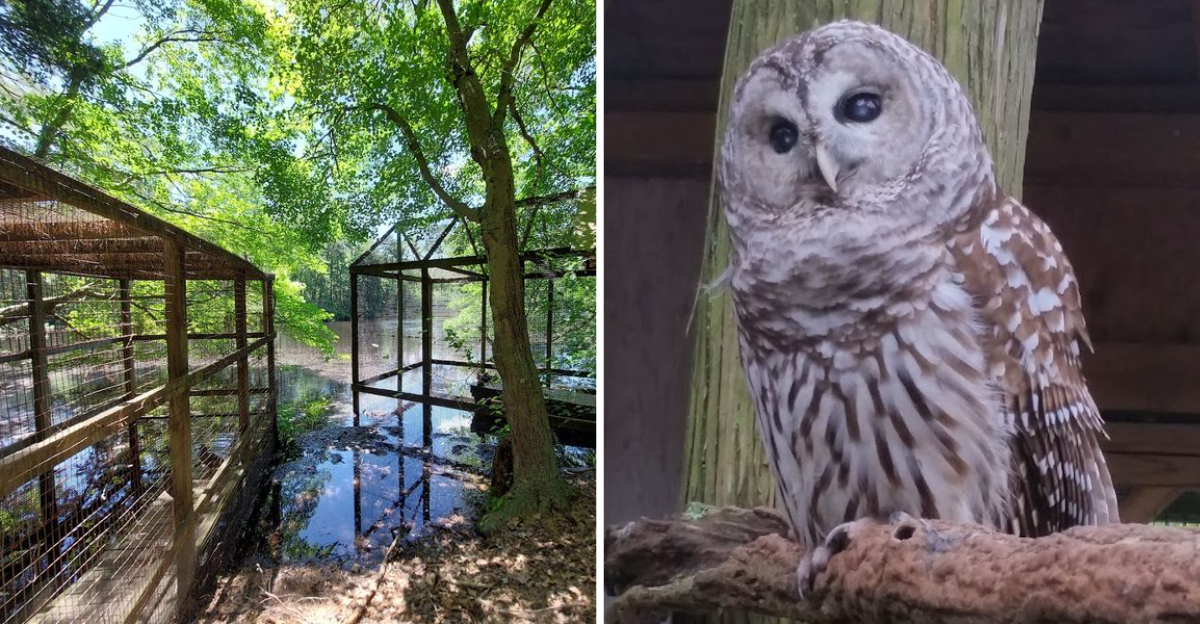
You know that feeling when you see a squirrel try to cross a road and you hold your breath?
This place has been fixing those exact moments for over fifty years.
A hidden gem in New Jersey where broken wings get mended and orphaned fox kits learn to be wild again.
They don’t just treat animals; they give second chances like a proverbial fairy godmother with a stethoscope.
Have you ever watched a rescued hawk stare at the sky just before release? It will haunt you in the best way.
Wander their boardwalks, meet the permanent resident owls, and leave feeling like you just helped stitch the world back together.
Not bad for an afternoon, right?
A Legacy Built on One Injured Owl
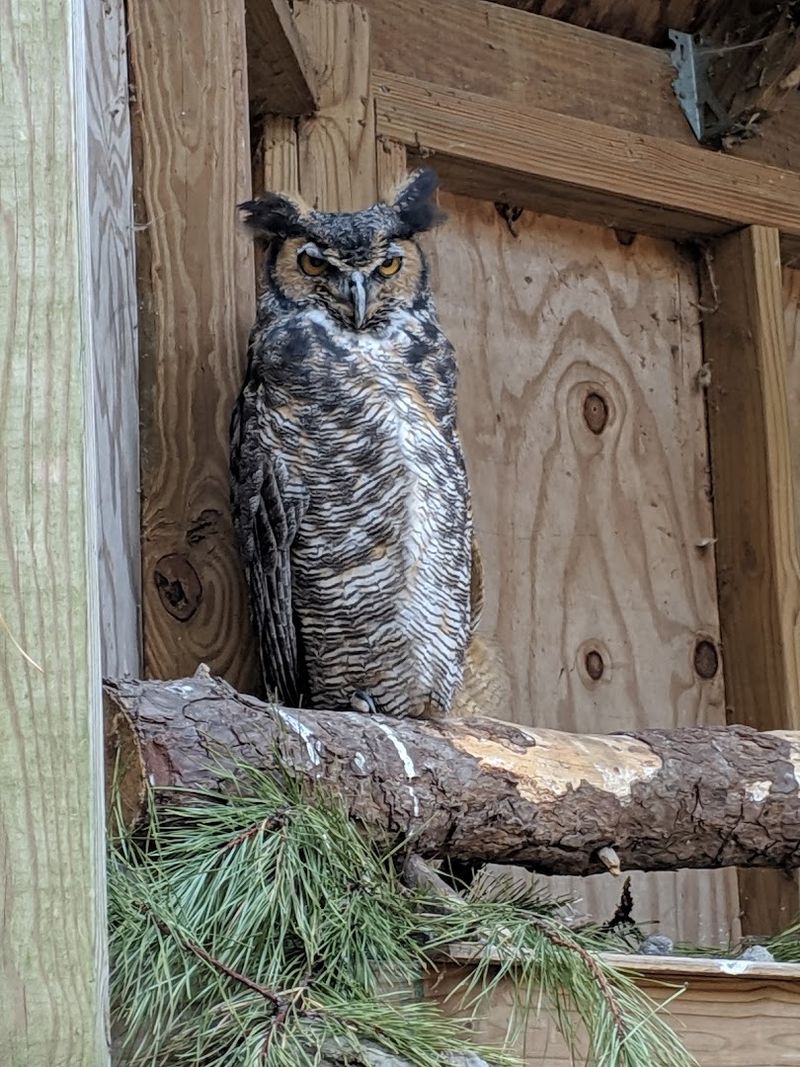
Every great story starts somewhere small, and this one started with a single injured owl. Back in 1957, Jim and Betty Woodford transformed their 171-acre Medford property into something far more meaningful than a summer retreat.
A local resident brought a hurt owl to Betty, and that one moment of compassion set off a chain reaction that would last more than five decades.
The Woodfords had purchased the land in 1951, originally just looking for a peaceful escape from everyday life. What grew from that quiet corner of New Jersey became one of the most respected wildlife refuges on the East Coast.
Their commitment was never flashy or loud.
It was steady, purposeful, and deeply rooted in love for native animals. That founding spirit still lives in every animal treated at the refuge today.
Knowing the whole thing started because someone cared enough to help one small bird makes the entire place feel even more extraordinary.
What the Wildlife Rehabilitation Hospital Actually Does
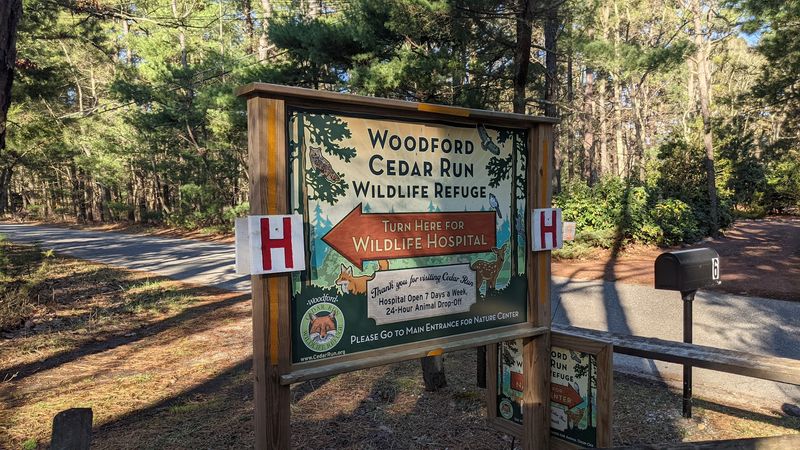
Most people picture a wildlife refuge as just a place where animals roam around looking picturesque. Cedar Run goes several layers deeper than that.
The refuge operates a state and federally licensed Wildlife Rehabilitation Hospital, staffed by licensed rehabilitators, part-time workers, and around 250 dedicated volunteers who show up because they genuinely care.
The hospital runs 24 hours a day for animal drop-offs, meaning someone found a stunned songbird at midnight can bring it in without waiting until morning. That kind of round-the-clock access is rare and speaks to how seriously this place takes its mission.
Injured, orphaned, and sick native wildlife all receive professional care aimed at one goal: getting them healthy enough to return to the wild.
Over 6,000 to 7,700 wild animals pass through the hospital each year. That number is staggering when you stop and think about it.
This is not a small neighborhood effort. It is a full-scale, compassionate operation running quietly in the heart of South Jersey.
Meet the Wildlife Ambassadors Who Call Cedar Run Home
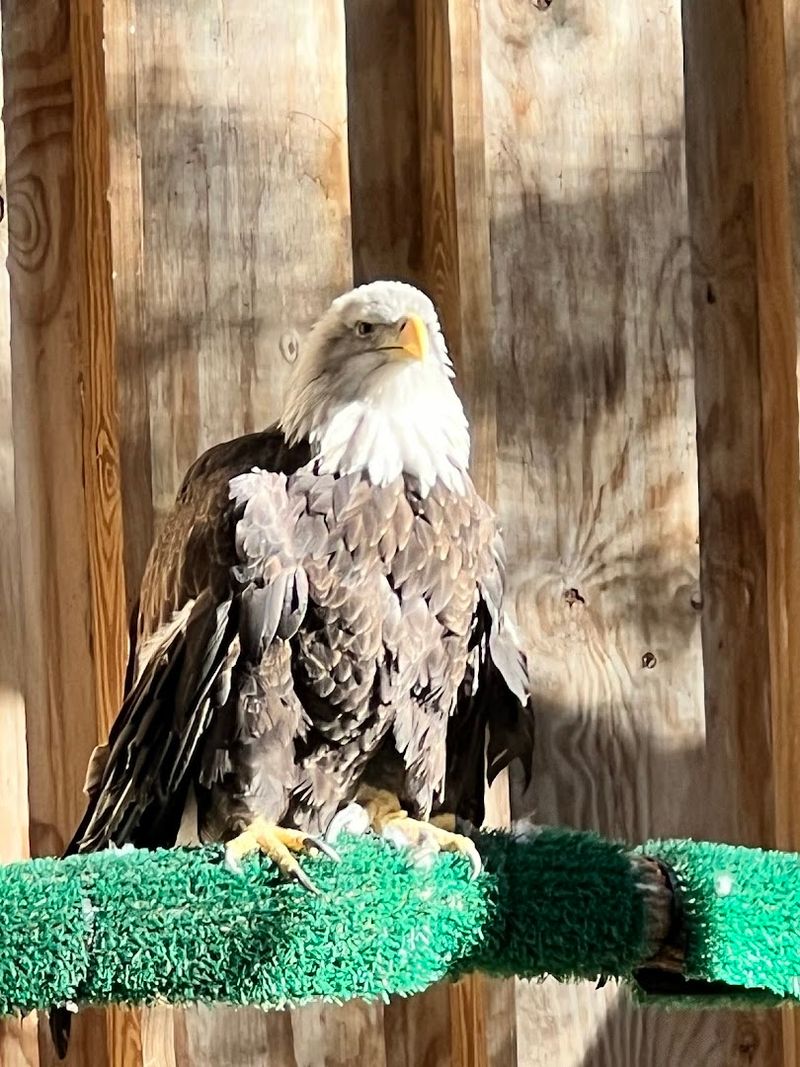
Not every animal that arrives at Cedar Run gets to return to the wild, and that reality is handled with remarkable grace. Animals that cannot be released, whether due to serious injuries or because they were once kept illegally as pets, become permanent residents.
They earn a pretty meaningful title: Wildlife Ambassadors.
These animals serve as living educators, helping visitors understand native species up close in ways no textbook ever could.
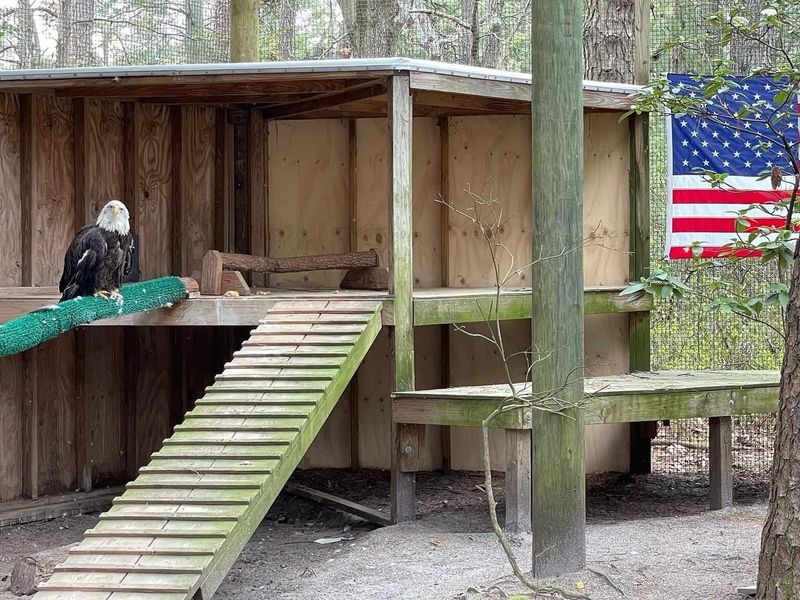
The resident bald eagle is one of the most talked-about ambassadors, drawing visitors who have never seen one outside of a screen.
Each enclosure includes a personal story about how that particular animal arrived and why it stayed.
Reading those individual stories turns a simple walk through the grounds into something unexpectedly emotional. You find yourself rooting for a one-eared squirrel or a turkey vulture named Socrates like they are characters in a book you cannot put down.
These animals give as much to visitors as the refuge gives to them.
Hiking Trails That Feel Like a Different World
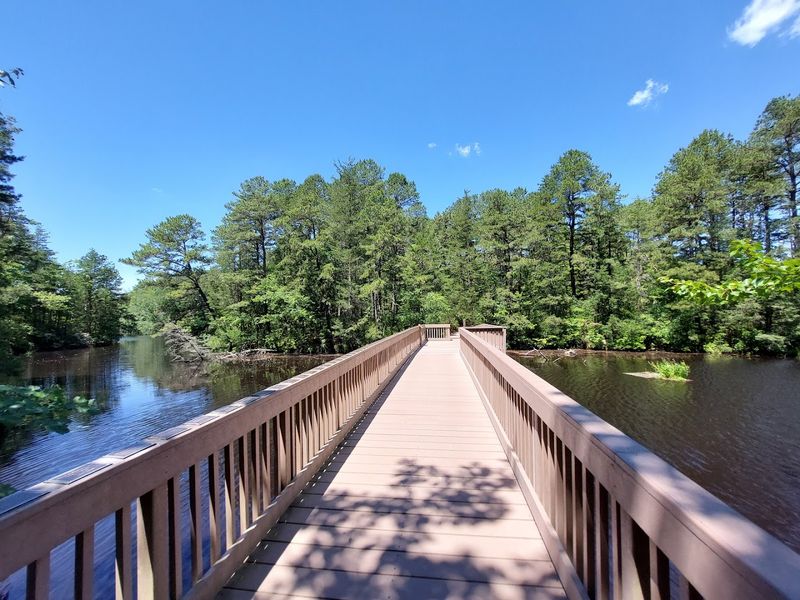
Stepping onto the trails at Cedar Run feels like the rest of the world just politely agreed to wait for you.
Over three miles of marked paths wind through the 171-acre property, crossing cedar streams and weaving past towering pines that have been standing long before the refuge existed.
The white trail is a favorite for families looking for something manageable and genuinely beautiful.
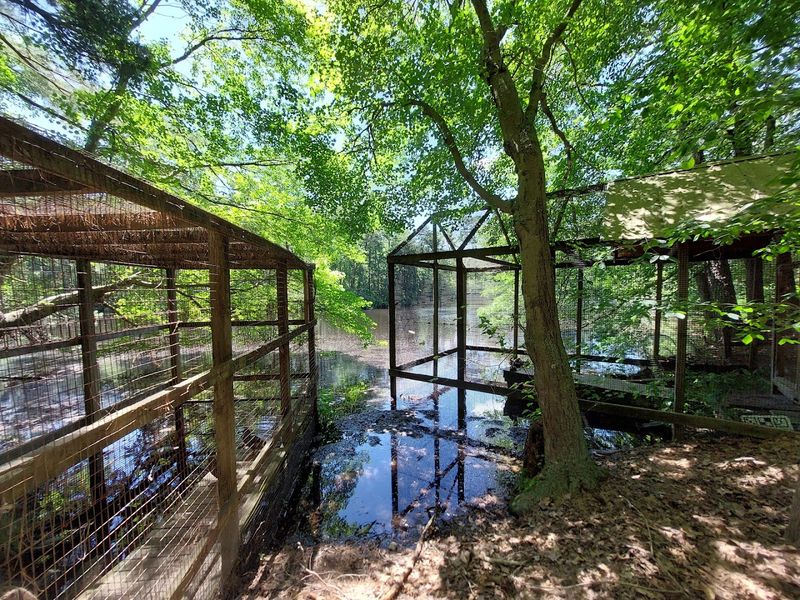
A wooden walkbridge stretches over a lake, and pausing there for even a minute resets something in your brain that city life tends to scramble. The trails range from easy boardwalk sections near the Nature Center to slightly trickier terrain deeper into the woods.
Wearing sturdy shoes is a smart move, and checking for ticks afterward is just part of the Pine Barrens experience.
Wild animals appear unexpectedly along the paths, which makes every visit feel a little different. Birds, deer, and all manner of native creatures live freely on the property.
The trails are well-maintained and clearly marked, making it hard to get lost and easy to stay longer than planned.
The Nature Center and What Waits Inside
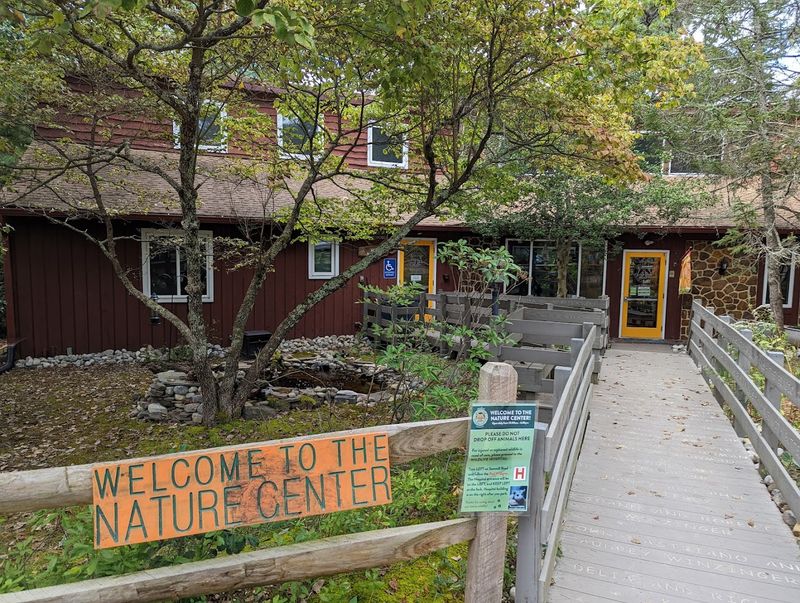
Tucked at the heart of the property, the Nature Center is the kind of place that makes you wish every school field trip had been here instead of wherever yours actually went.
Inside, you will find reptile exhibits featuring turtles and lizards that seem completely unbothered by human admiration.
Educational displays explain native New Jersey species in ways that are genuinely engaging rather than dry and forgettable.
A gift shop offers a chance to take a piece of the experience home, and honestly, buying something there feels more meaningful than most souvenir purchases because the proceeds support the refuge’s ongoing work.
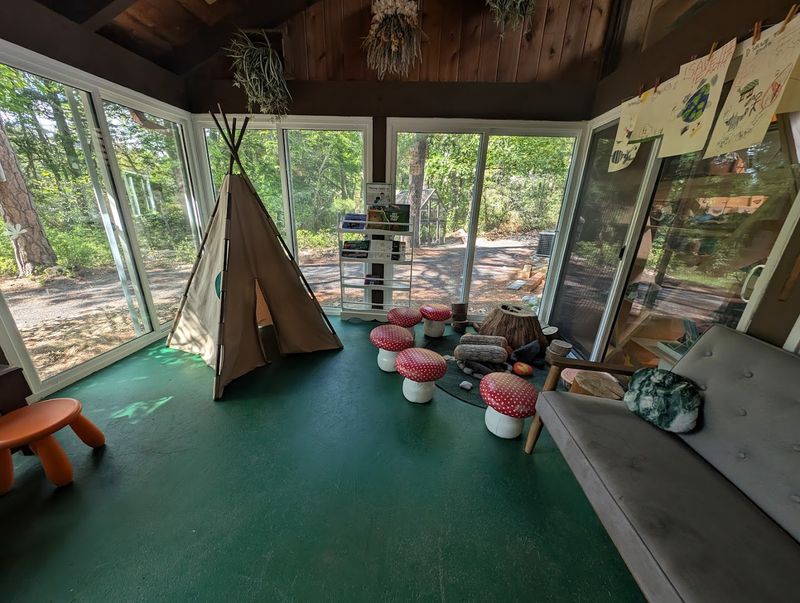
The center also hosts programs for schools, scout groups, and private events including birthday parties that any animal-loving kid would remember forever.
Live educational content regularly appears on the refuge’s social media pages, extending the Nature Center’s reach far beyond Medford. Whether you spend twenty minutes or two hours inside, the center rewards curiosity at every turn.
It is the kind of space that leaves both kids and adults walking out with new questions they actually want answered.
How the Refuge Survives Without Government Funding
Here is something that genuinely deserves a moment of appreciation: Cedar Run receives zero government funding. Every animal treated, every trail maintained, and every educational program offered runs entirely on grants, donations, and entrance fees.
That financial model requires constant community support, and the Medford area has delivered that support for over six decades.
Visitors can make donations, adopt an animal ambassador, or simply pay the suggested entrance fee knowing every dollar goes directly toward the mission.
Around 250 volunteers keep daily operations running, showing up to clean enclosures, assist with rehabilitation, and welcome guests with genuine warmth.
The whole operation has a grassroots energy that feels rare and worth protecting.
Supporting Cedar Run does not require a huge commitment. Bringing an injured animal, making a small donation, or just spreading the word all count as meaningful contributions.
The fact that a place treating over 6,000 wild animals annually runs on community goodwill rather than government budgets says something remarkable about the people who keep showing up for it.
Annual Events That Bring the Community Together
Cedar Run is not just a place you visit once and check off a list. It is a place that pulls you back with events designed for every kind of nature lover.
The annual Trails, Tails, and Ales 5K Fun Run has become a beloved community tradition, drawing participants who want to combine outdoor exercise with genuine support for a worthy cause.
The event winds through the beautiful refuge grounds in a way that makes even reluctant runners feel like they made the right choice.
Educational programs run year-round for schools, scout troops, and youth organizations. The animal habitats program in particular receives enthusiastic responses from groups who spend time learning directly from the refuge’s knowledgeable guides.
Birthday parties held on the grounds give kids an experience that stands out from every other party they have ever attended.
Checking the refuge’s website and social media pages keeps you informed about upcoming events. The calendar stays active across all seasons, which means there is almost always a reason to plan a return visit.
Community connection is genuinely woven into how Cedar Run operates.
The 24-Hour Drop-Off That Changes Everything
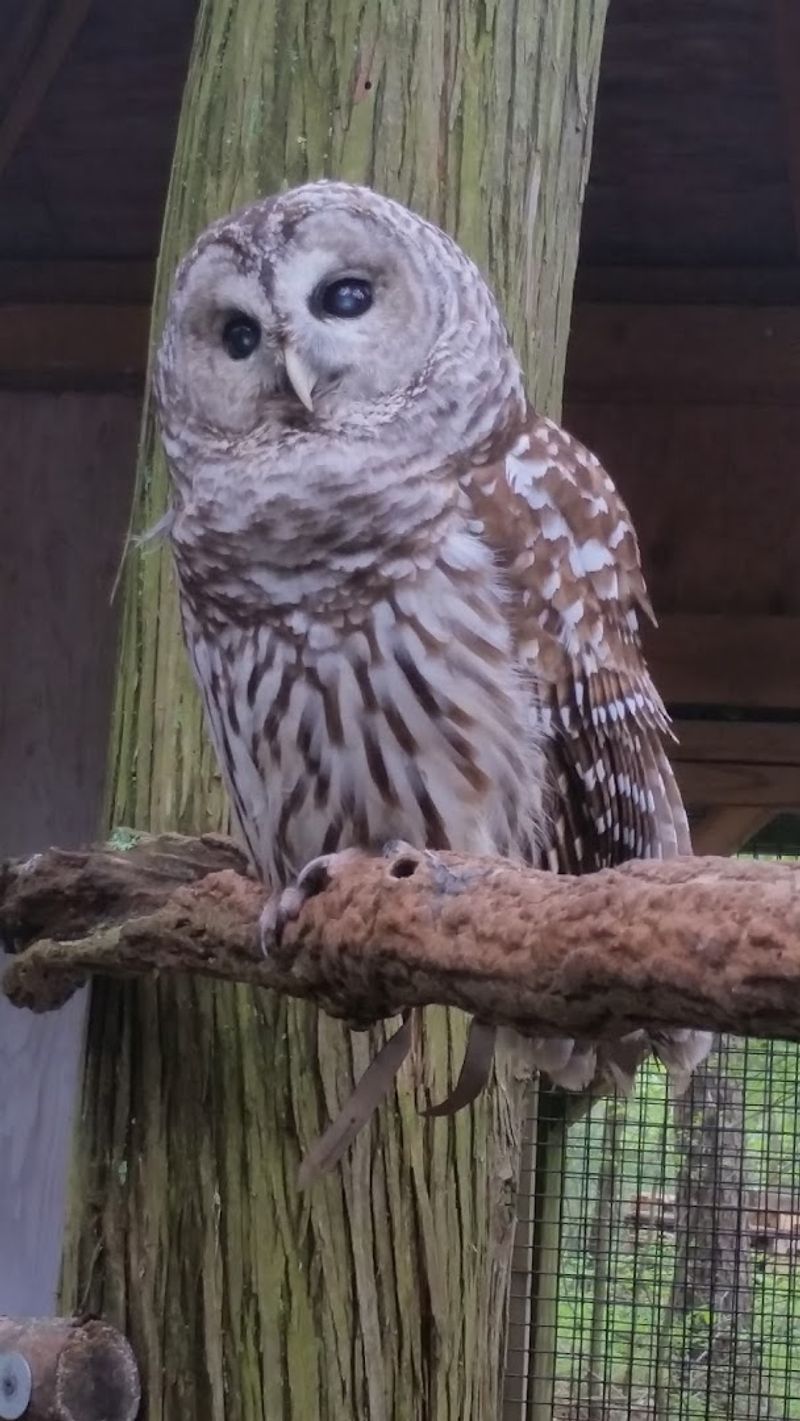
Finding an injured wild animal is disorienting. Most people freeze, unsure whether to help or leave it alone, and then spend the next several hours worrying regardless of what they chose.
Cedar Run removes that paralysis entirely by offering 24-hour drop-off for animals in need, no appointment required, no fee charged.
That policy has made a measurable difference in how many animals receive timely care. A baby owl found on the ground at 11 PM does not have to wait until morning.
A stunned bird discovered after a storm does not sit in a shoebox while its finder panics about the right next step. The drop-off system reflects a deep understanding of how wildlife emergencies actually happen, which is almost never at a convenient hour.
People who have used the drop-off consistently describe the staff as kind, calm, and reassuring. Leaving an animal there feels like leaving it in genuinely capable hands.
That confidence matters enormously in a stressful moment, and Cedar Run has clearly built its reputation on delivering exactly that kind of trustworthy care.
Wild Encounters Along the Trails and in the Enclosures
Somewhere between the walkbridge and the raptor enclosures, Cedar Run has a way of making you feel like a kid again. Hawks, owls, and eagles peer at you from their enclosures with an energy that is equal parts regal and slightly judgmental.
Each bird has a story posted right on its enclosure, and reading them turns a casual stroll into something that sticks with you long after you leave.
Wild birds also move freely through the property, and spotting them along the trails adds a spontaneous layer to every visit. Early morning arrivals sometimes catch birds just waking up, which carries its own quiet magic.
The crows, famous among regular visitors, have been known to greet people with enthusiastic vocalizations that feel almost conversational.
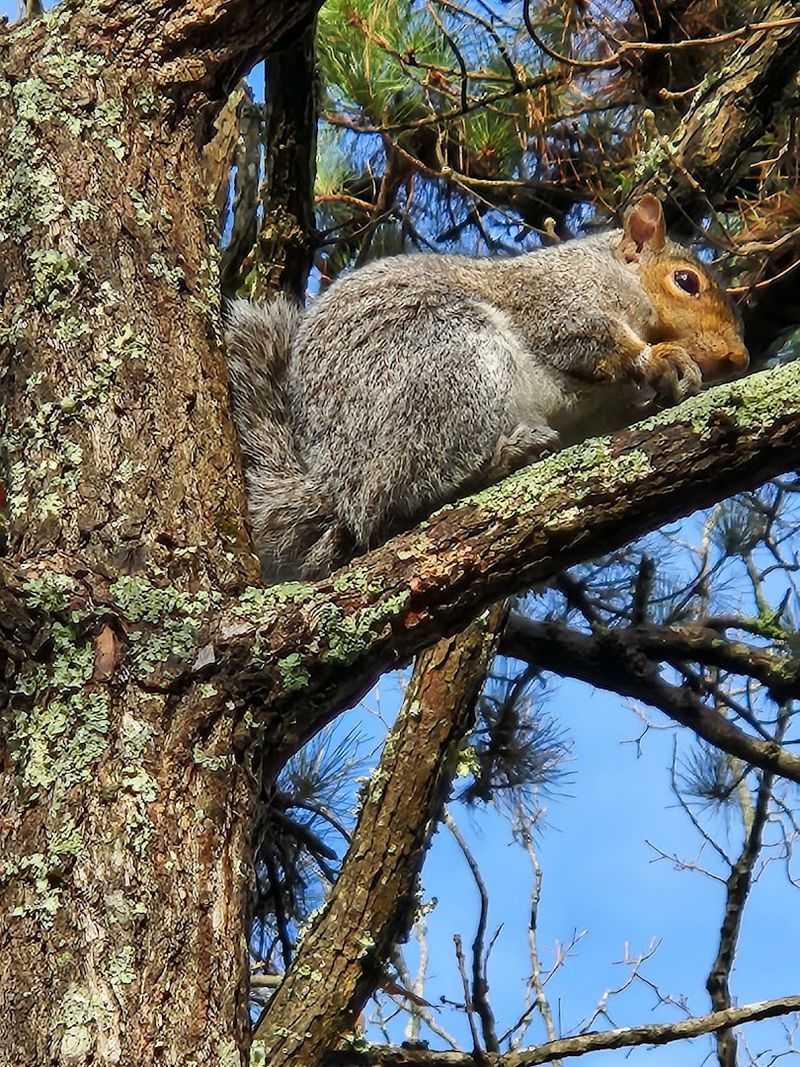
Deer occasionally run toward the fence near their area, which startles and delights visitors in equal measure. Raccoons, turkey vultures, and squirrels round out a cast of animal residents that ranges from majestic to endearingly ridiculous.
No two visits to Cedar Run feel exactly the same, and that unpredictability is a big part of its charm.
Why Cedar Run Deserves a Spot on Every New Jersey Itinerary
Some places earn their reputation quietly over decades, and Cedar Run is exactly that kind of place.
Set into Medford’s Pine Barrens landscape, it protects one of the last stretches of genuine wilderness in South Jersey while simultaneously caring for thousands of animals every single year.
That combination of conservation, education, and community access is genuinely hard to find anywhere else.
Families with young children find it endlessly engaging. Solo visitors looking for a few hours of grounded peace find exactly that on the trails.
Animal lovers, nature photographers, school groups, and curious locals all leave with something meaningful.
Open daily from 10 AM to 4 PM, Cedar Run welcomes everyone willing to show up with an open mind and a little curiosity.
Whether this is your first visit or your fiftieth, the refuge has a way of reminding you why wild spaces and the creatures that fill them are worth protecting.
Address: 4 Sawmill Rd, Medford, NJ
