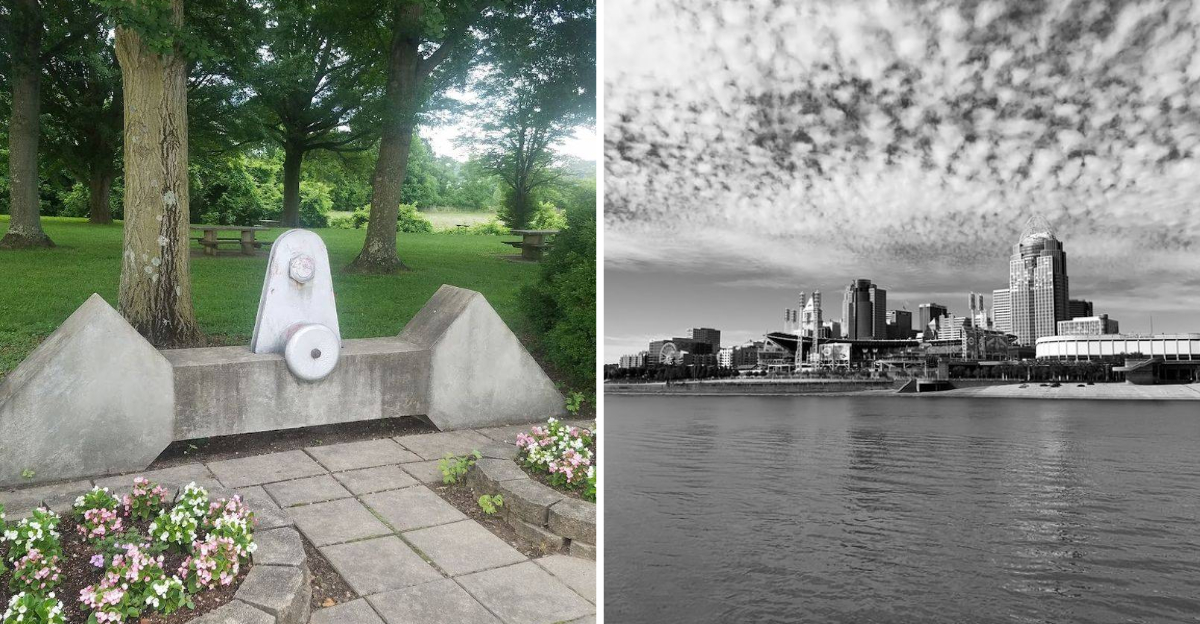
A stunning suspension bridge stretched across a great river and looked like something out of a postcard. Completed in 1928, this structure connected two small towns and seemed impossibly advanced for its era.
Engineers felt proud of a bold design choice: a chain of steel eyebars instead of traditional wire cables. Then a cold December evening in 1967 changed everything.
During rush hour, the entire structure plunged into dark water in less than one minute. Forty six lives disappeared with it.
Reading about this collapse for the first time left me genuinely stunned. How could something so beautiful fail so quickly?
How could a postcard perfect bridge vanish so fast? What happened on that evening reshaped American bridge safety forever.
New inspections became mandatory. Old designs faced scrutiny.
A tragedy carved new rules into stone because one collapse taught everyone a lesson no one wanted to learn. Forty six voices whispered change, and finally, America listened.
The Bold Design That Made Silver Bridge Stand Out
Back in 1928, building a bridge was already a massive undertaking, but the Silver Bridge took things further than most engineers dared to go. Its designers chose a unique eyebar chain system instead of the traditional wire cables used in most suspension bridges of the time.
That one decision set it apart from nearly every other bridge in the country.
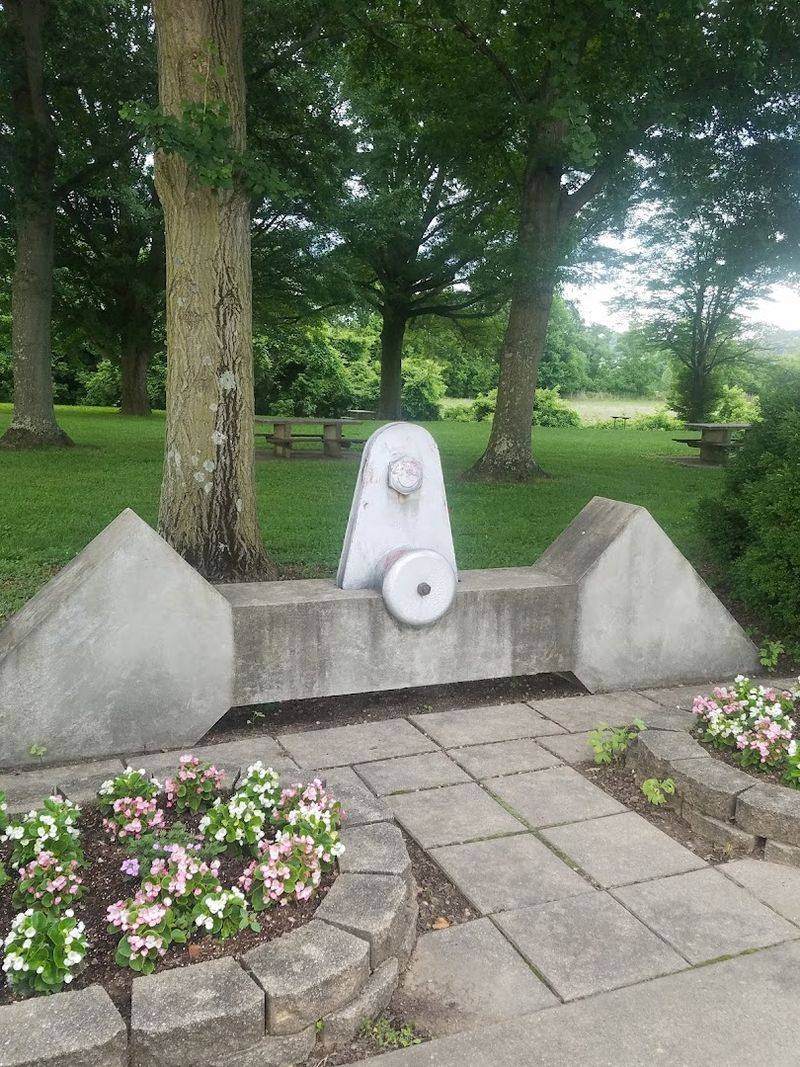
Each eyebar was a long, flat steel bar with a hole at each end, linked together like a giant metal chain. This approach reduced the overall weight of the bridge and cut down on material costs, which was a big deal during an era when budgets were tight and innovation was celebrated.
The aluminum paint applied to the structure gave it a gleaming silver look, which is exactly how it earned its nickname.
People who crossed it regularly often described it as impressive and modern. It felt like a symbol of progress for two small river towns.
The bridge carried U.S. Route 35 and served as a vital connection for thousands of commuters, travelers, and freight vehicles every single day.
For nearly four decades, it stood as proof that creative engineering could solve real-world problems beautifully.
Rush Hour on December 15, 1967 Changed Everything
December 15, 1967, started like any other winter evening in Point Pleasant. Cars lined up on the Silver Bridge during the usual after-work rush, and people were heading home for dinner, completely unaware of what was about to happen.
At 5:04 PM, the bridge simply fell.
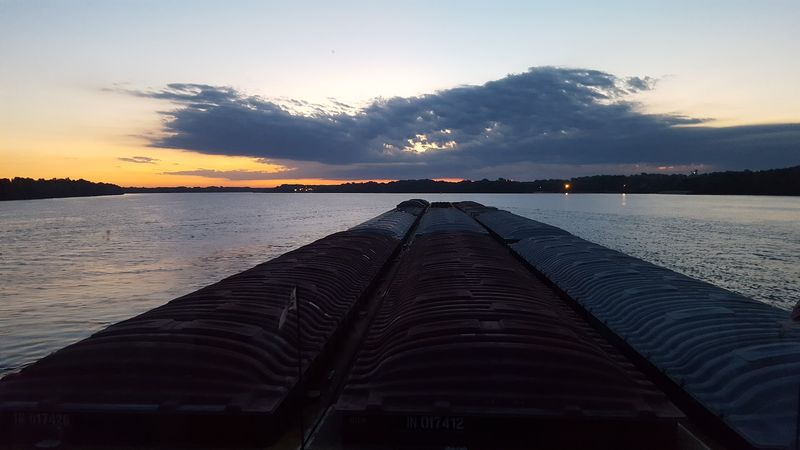
The entire collapse took less than a minute. Vehicles, steel, and concrete all plunged into the icy Ohio River without warning.
Forty-six people lost their lives that evening, and many of the vehicles were never recovered from the muddy river bottom. It remains one of the most fatal bridge disasters in American history.
Eyewitnesses described a sound like a loud crack followed almost immediately by the sickening noise of metal twisting and water crashing. Rescue teams worked through freezing temperatures for days, searching the river for survivors and victims.
The shock rippled far beyond West Virginia and Ohio. It forced an entire nation to ask a question that should have been asked much earlier: how safe are the bridges we cross every single day?
That question, once raised, could not be ignored.
A Tiny Crack That Triggered a Catastrophe
The cause of the collapse, once investigators pieced it together, was almost unbelievably small. A single eyebar on the Ohio side of the bridge had developed a crack, likely caused by stress corrosion over many years.
That crack measured roughly 0.1 inches deep when it finally gave way under the weight of rush-hour traffic.
Stress corrosion cracking is a process where metal slowly weakens when exposed to a combination of mechanical stress and a corrosive environment. The Ohio River environment provided plenty of moisture and chemical exposure, and the constant load of traffic added the stress needed to slowly eat away at the metal.
Nobody noticed because nobody was looking closely enough.
Once that eyebar fractured, the load it had been carrying transferred instantly to neighboring components. Those components were not designed to absorb a sudden surge of that magnitude.
The chain reaction that followed happened so fast that there was no time for any warning system, no time for traffic to be stopped, and no time for anyone on that bridge to react. One tiny flaw, ignored for years, brought down an entire engineering landmark in seconds.
The lesson was brutal and clear.
How the Disaster Rewrote America’s Bridge Safety Rules
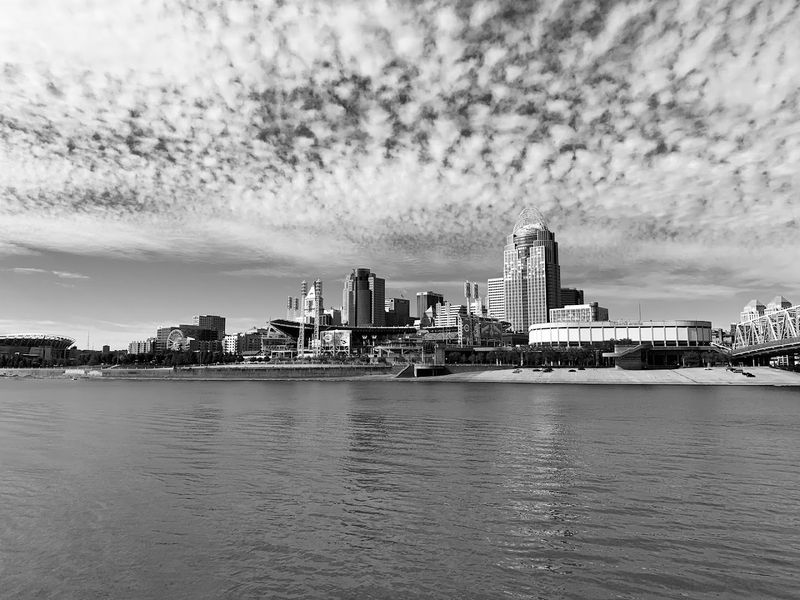
Before December 1967, the United States had no national program requiring regular inspections of its bridges. States handled their own infrastructure on their own schedules, and many bridges went years without any serious examination.
The Silver Bridge disaster made that approach impossible to defend.
Within a year, Congress passed the Federal-Aid Highway Act of 1968, which created the first nationwide bridge safety inspection program. This was a landmark moment in infrastructure policy.
The law required regular, thorough inspections of all bridges on the federal aid highway system, and it led directly to the development of the National Bridge Inspection Standards, known as NBIS.
Over time, those standards expanded to cover all bridges longer than 20 feet on any public road in the country. Today, trained inspectors examine bridges on a regular cycle, looking for exactly the kinds of subtle structural issues that went undetected on the Silver Bridge for decades.
It is genuinely sobering to think that a disaster ending 46 people had to happen before these protections were put in place. Every bridge you cross safely today carries a small piece of that painful legacy.
The Silver Bridge did not just fall. It changed the rules.
What Remains Today at the Site of the Silver Bridge
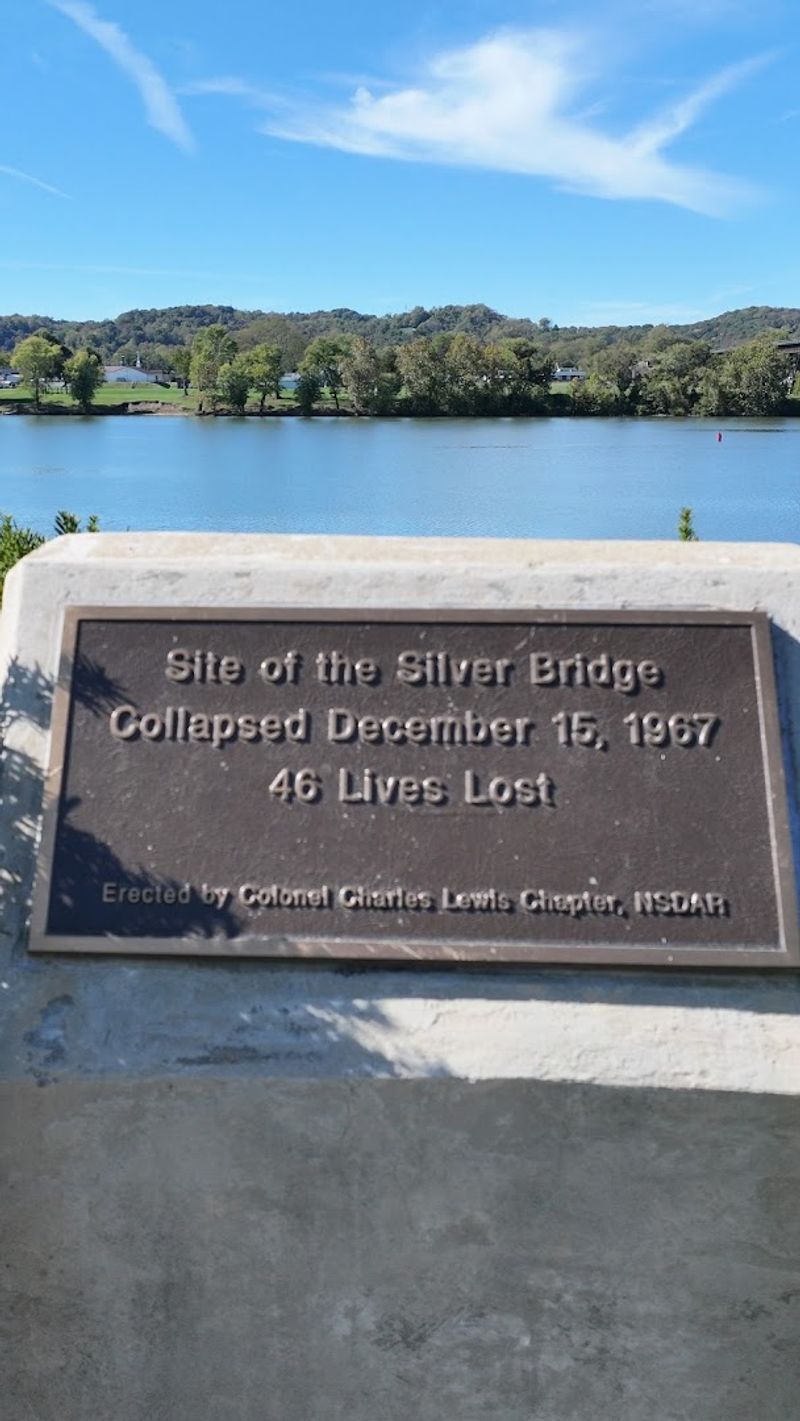
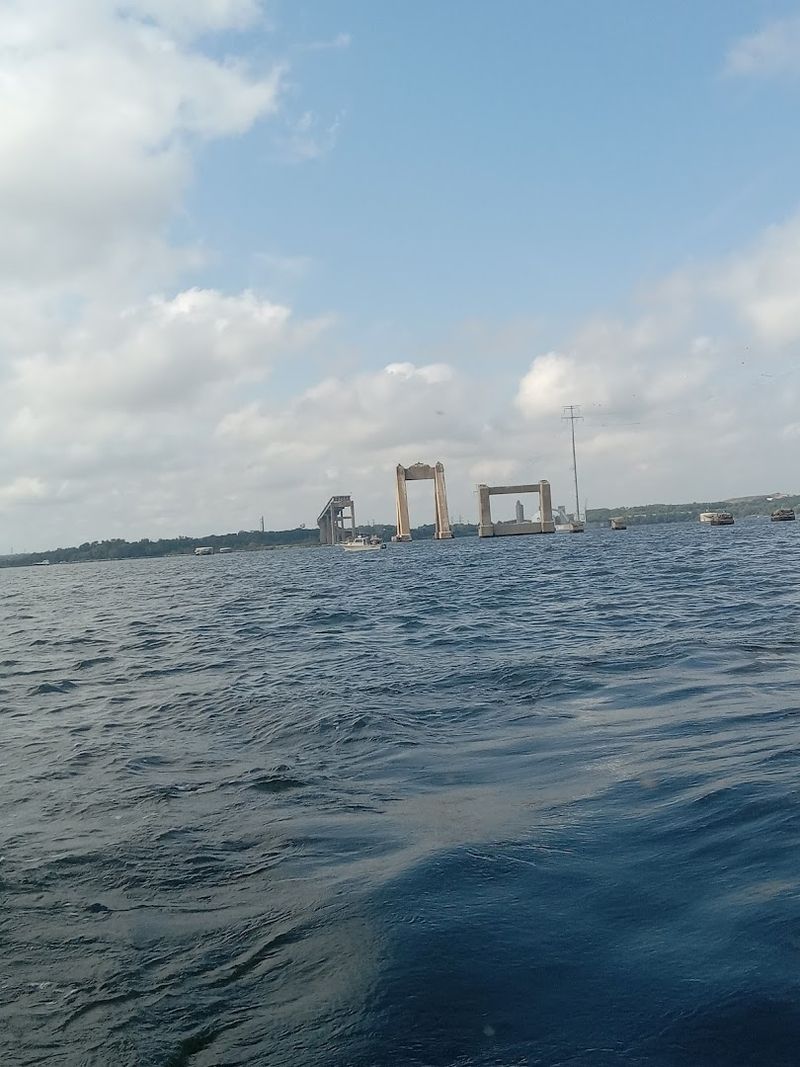
If you visit Point Pleasant today, the Ohio River still flows wide and steady past the town, but the Silver Bridge is long gone. A replacement structure, called the Silver Memorial Bridge, was built and opened in 1969.
It carries the same highway corridor but was designed with modern safety standards firmly in mind.
The original bridge left almost no physical trace. What does remain is a memorial plaque located at the intersection of Main and 6th Streets in downtown Point Pleasant, marking the site of the disaster and honoring those who were lost.
It is a quiet, understated tribute for an event that shook the entire country. I find something deeply moving about small-town memorials like this one.
They carry weight that larger monuments sometimes cannot.
Point Pleasant itself is a town that holds its history close. Visitors come to learn about the Mothman legend, the French and Indian War history, and yes, the Silver Bridge.
The disaster is woven into the identity of the community in a way that is neither sensationalized nor forgotten. It simply sits there, part of the story.
Address: Main Street and 6th Street, Point Pleasant, West Virginia.
